Ramalayam Temple
General information
-
Ideal Duration:
30 Minutes - 1 HourPlace Type:
Religious Site, Hindu Temple, Heritage SpotEntry Fees:
No Mandatory Entry Fee: As a public place of worship, the Ramalayam Temple does not charge a mandatory entry fee for devotees or visitors.
Voluntary Offerings: Visitors are expected to make a small voluntary offering or donation (Hundi) for ...No Mandatory Entry Fee: As a public place of worship, the Ramalayam Temple does not charge a mandatory entry fee for devotees or visitors.
Voluntary Offerings: Visitors are expected to make a small voluntary offering or donation (Hundi) for the maintenance of the temple and the running of its charity activities. This is purely a matter of personal choice and devotion.
Special Puja Fees: For performing specific, personalized rituals (Archana, Abhishekam, or Kalyanam) in one's name, a fee is charged by the temple priests. The cost varies depending on the complexity of the ritual, ranging from a nominal amount to a higher sum for elaborate ceremonies.
Shoe/Vehicle Stand Charges: A small, nominal fee might be charged for safekeeping shoes or parking vehicles outside the temple premises by local vendors. These charges are typically very low.
Photography/Filming: Amateur photography is usually free, but professional or commercial filming might require special permission and an associated fee from the temple trust. :Timing:
Regular Timings: Generally open from 6:00 AM to 12:00 PM and then from 4:00 PM to 8:00 PM. The sanctum closes during the afternoon break.
Ideal Visit Time (Spiritual Atmosphere): The best time for a spiritual experience is during the Mornin...Regular Timings: Generally open from 6:00 AM to 12:00 PM and then from 4:00 PM to 8:00 PM. The sanctum closes during the afternoon break.
Ideal Visit Time (Spiritual Atmosphere): The best time for a spiritual experience is during the Morning (6:30 AM - 7:30 AM) or Evening (6:00 PM - 7:00 PM) Aarti and Pujas when the temple is alive with chants and lamps.
Crowd Avoidance: Visit during the afternoon opening (4:00 PM to 5:00 PM) on a weekday to avoid the crowds associated with the main prayer times.
Festival Timings: During Sri Rama Navami and other festivals, the temple remains open for extended hours, often all day and late into the night, to accommodate the large influx of devotees. :Special Events:
Sri Rama Navami Kalyanam: The most significant event is the grand celebration of Sri Rama Navami in the Spring season (March/April). The central event is the ceremonial wedding (Kalyanam) of Lord Rama and Sita Devi, which is performed with traditional music, elaborate decor...Sri Rama Navami Kalyanam: The most significant event is the grand celebration of Sri Rama Navami in the Spring season (March/April). The central event is the ceremonial wedding (Kalyanam) of Lord Rama and Sita Devi, which is performed with traditional music, elaborate decorations, and a huge crowd of devotees.
Annual Brahmotsavams: A multi-day annual festival (Brahmotsavam) is celebrated, typically involving processions of the deity in a decorated chariot (Ratham) through the Old Town streets, accompanied by traditional music and dances. These events are scheduled based on the Telugu calendar.
Hanuman Jayanti: Given the temple's dedication to Lord Rama, the birth anniversary of Lord Hanuman (who is closely associated with Rama) is also celebrated with special Pujas, devotional singing, and community feasting. :Best Photo Spots:
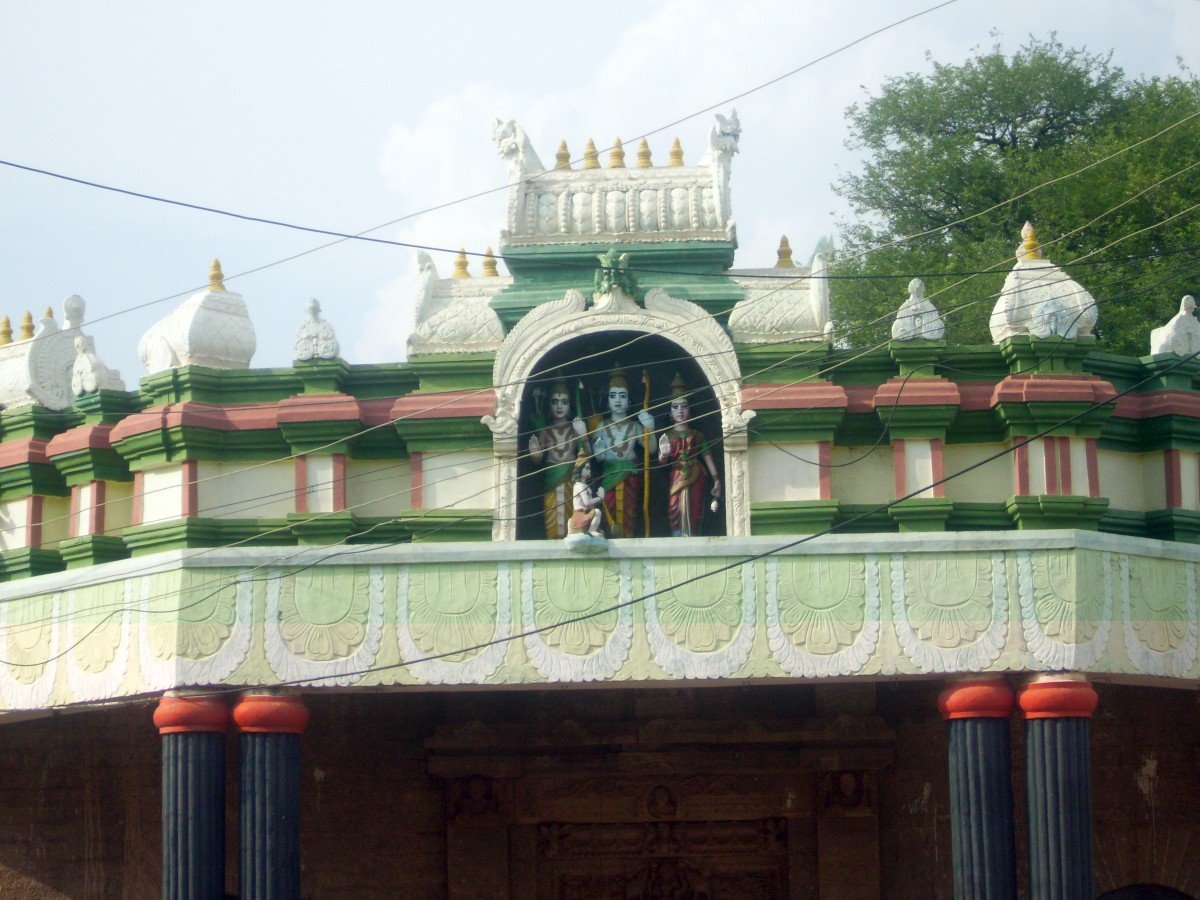
The Main Gopuram Entrance: Capture the brightly painted, sculpted main entrance tower (Gopuram), especially from a low angle to emphasize its height and intricate detailing.
The Mandapam Pillars: The inner assembly hall's (Mandapam) carved p...The Main Gopuram Entrance: Capture the brightly painted, sculpted main entrance tower (Gopuram), especially from a low angle to emphasize its height and intricate detailing.
The Mandapam Pillars: The inner assembly hall's (Mandapam) carved pillars provide excellent opportunities for close-up shots of traditional craftsmanship and architectural patterns.
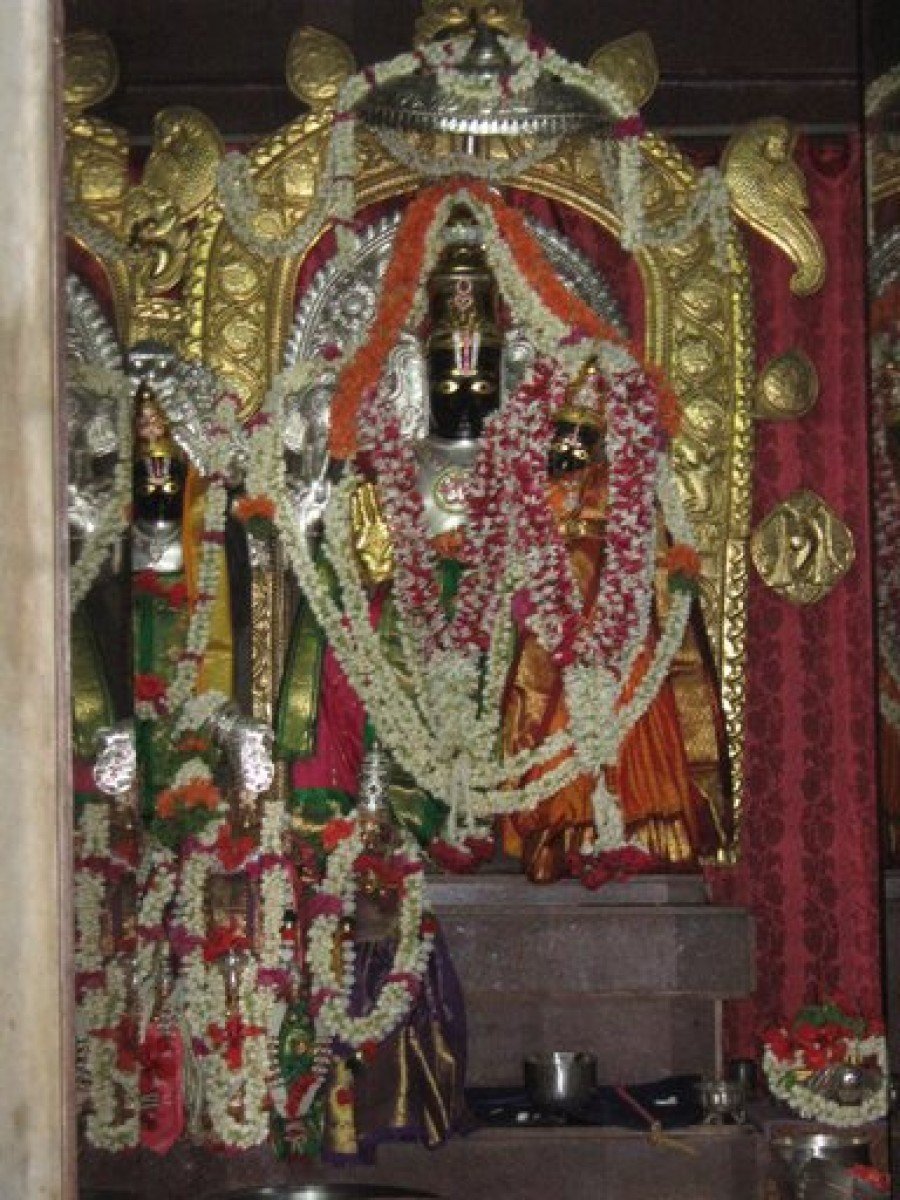
The Deity's Decoration: Take photos of the idol of Lord Rama and Sita Devi during festival times when they are adorned with elaborate garlands and jewelry.
(Note: Always check if photography is permitted inside the sanctum).
Early Morning Sunlight: The temple facade bathed in the soft, warm light of the rising sun makes for very evocative and peaceful photographs, highlighting the colors of the temple structure.
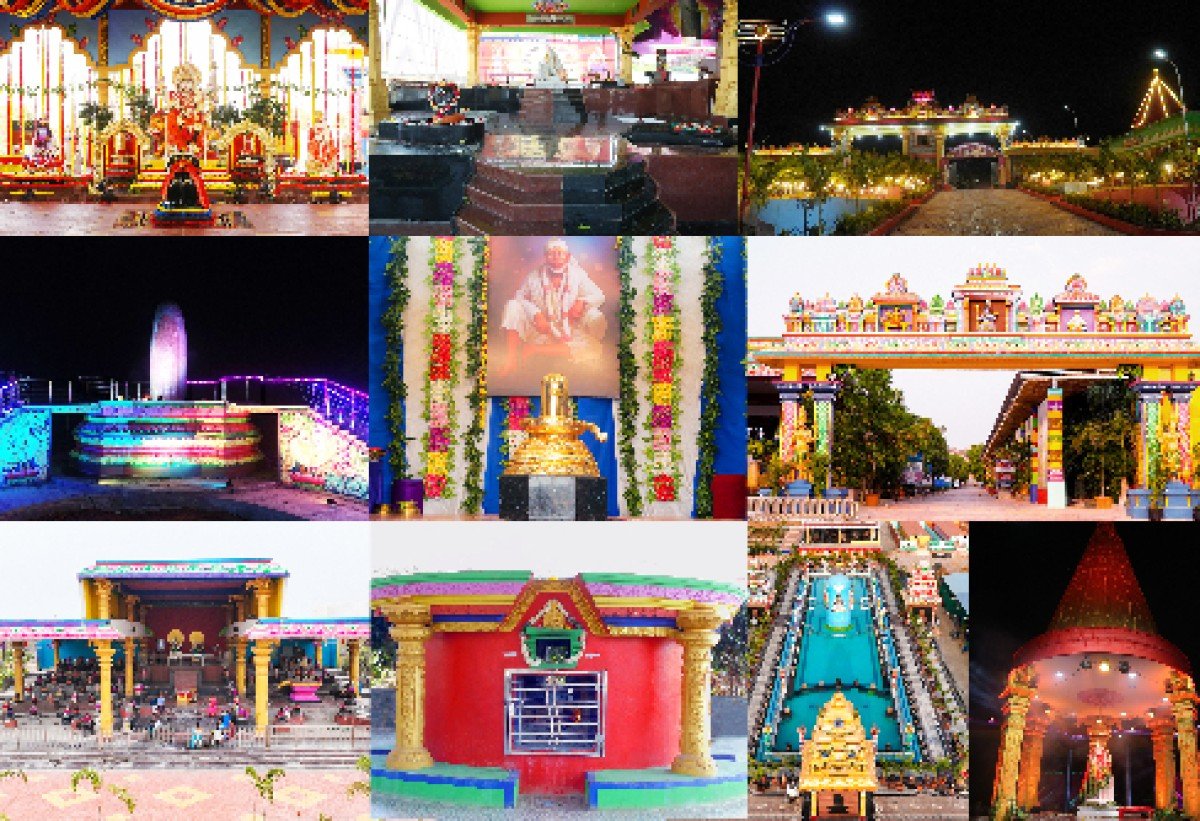
Candid Shots of Devotees: Capture the genuine devotion and atmosphere of the temple, focusing on people praying, sitting quietly, or attending a ritual, which tells the story of the place more effectively than just structural photos. :Photo Gallery
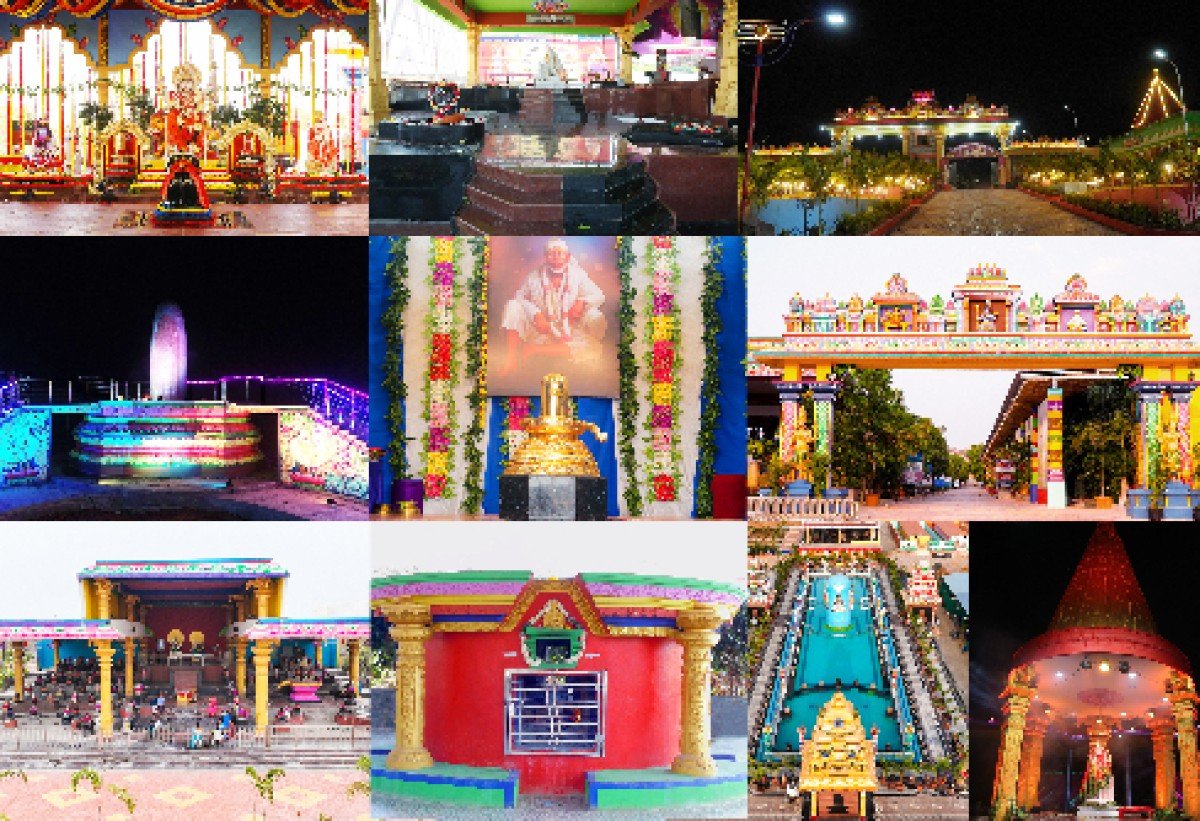
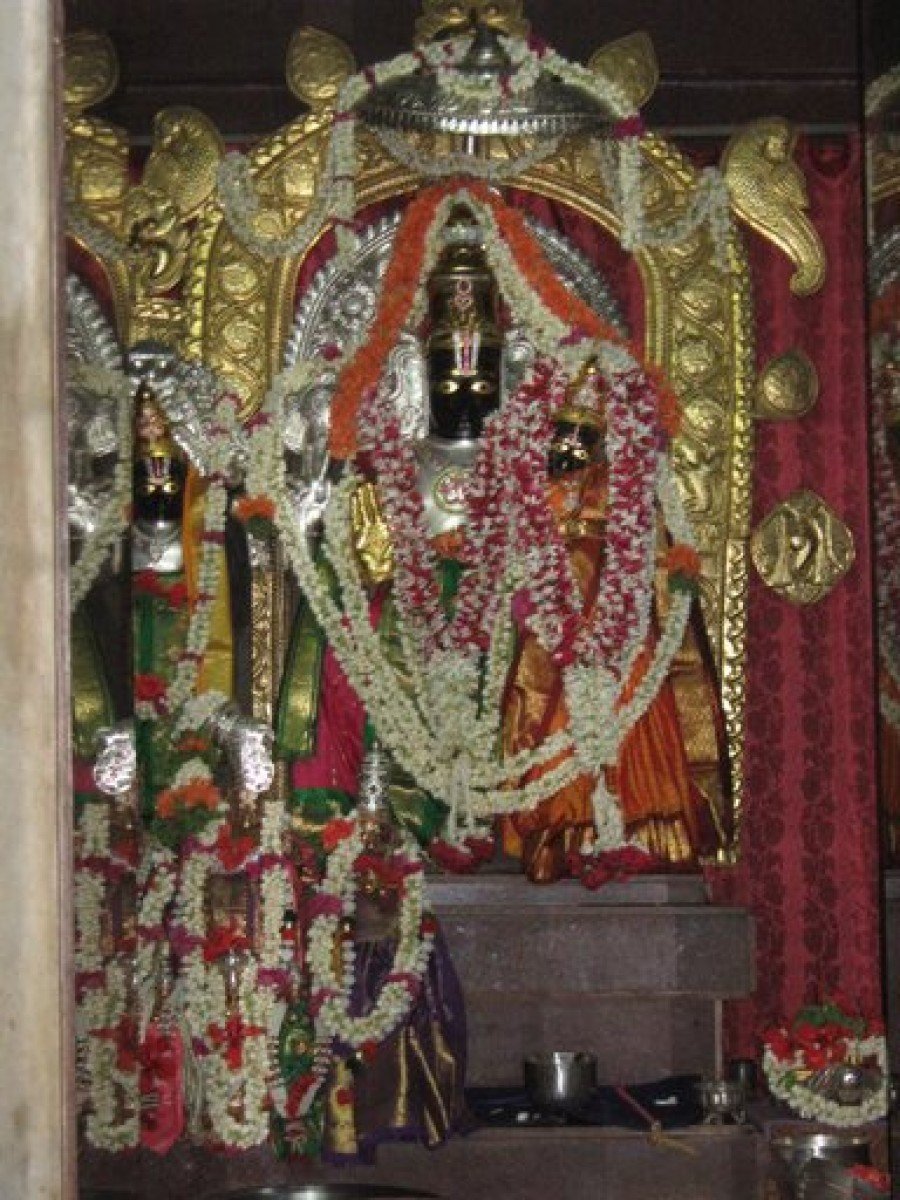
Things To Do
-
Participation in Daily Pujas: Attend the Morning (Abhishekam) or Evening (Aarti) rituals to experience the full spiritual atmosphere. The prayers are usually held around 7:00 AM and 6:30 PM. This is the core activity.
Circumambulation (Pradakshina): Walk around the main shrine in a clockwise direction, a traditional practice to show reverence to the deity.
Meditation and Prayer: Spend time in the quiet corners of the Mandapam for personal prayer or silent meditation. The temple's ancient energy is conducive to spiritual reflection.
Offering Donations and Seva: Participate in voluntary service (Seva) or donate towards the temple's upkeep, maintenance, or the Annadanam (free food) program.
Savoring Prasadam: Accept and consume t...Participation in Daily Pujas: Attend the Morning (Abhishekam) or Evening (Aarti) rituals to experience the full spiritual atmosphere. The prayers are usually held around 7:00 AM and 6:30 PM. This is the core activity.
Circumambulation (Pradakshina): Walk around the main shrine in a clockwise direction, a traditional practice to show reverence to the deity.
Meditation and Prayer: Spend time in the quiet corners of the Mandapam for personal prayer or silent meditation. The temple's ancient energy is conducive to spiritual reflection.
Offering Donations and Seva: Participate in voluntary service (Seva) or donate towards the temple's upkeep, maintenance, or the Annadanam (free food) program.
Savoring Prasadam: Accept and consume the sacred food offering (Prasadam) distributed after the main prayers. It is considered a blessing and a delicious local treat.
Interacting with Devotees: Engage in respectful conversation with the local priests and older devotees to learn about the temple's legends, local customs, and historical anecdotes that are not available in guidebooks.
Studying the Stone Carvings: Spend time closely observing the intricate carvings on the Gopuram and pillars, appreciating the skill of the traditional artisans and the stories they depict from Hindu mythology. :
Information
-
Why Famous:
Spiritual Hub of Siddipet Old Town: Its primary fame stems from being the central and oldest place of worship for the local Hindu community, especially those residing in the Old Town Area. It is considered a deeply sacred and powerful place (Swayambhu Kshetram or a place wi...Spiritual Hub of Siddipet Old Town: Its primary fame stems from being the central and oldest place of worship for the local Hindu community, especially those residing in the Old Town Area. It is considered a deeply sacred and powerful place (Swayambhu Kshetram or a place with a self-manifested deity) by devotees.
Celebration of Sri Rama Navami: The temple is most famous for its grand celebration of Sri Rama Navami (in March or April), which draws thousands of devotees from all over the district for the ceremonial wedding of Lord Rama and Sita Devi (Kalyanam). This festival is a major cultural and religious event in Siddipet.
Architectural Simplicity and Charm: Unlike modern, large temples, its fame is also rooted in its simple, traditional architecture, which has been preserved over decades, offering a genuine, unadulterated spiritual experience. The serenity of the environment, despite being in the town center, is a magnet for those seeking peace.
Community Integration: The temple is a symbol of community life and social cohesion, serving as a venue for local assemblies, cultural performances, and charity work. Its reputation extends beyond religion, as a cultural landmark. : -
Architecture:
Traditional Kakatiya Style Influence: Although smaller, the Ramalayam Temple follows the general principles of traditional South Indian Temple Architecture, likely with subtle influences from the Kakatiya Dynasty style seen throughout Telangana.
...Traditional Kakatiya Style Influence: Although smaller, the Ramalayam Temple follows the general principles of traditional South Indian Temple Architecture, likely with subtle influences from the Kakatiya Dynasty style seen throughout Telangana.
Gopuram and Vimana: It features a modest but intricately sculpted main entrance tower (Gopuram) and a roof structure (Vimana) over the main sanctum (Garbhagriha).
Dimension and Layout:
The temple follows a typical layout: a small main shrine for Lord Rama along with consort Sita Devi, a small assembly hall (Mandapam), and a circumambulatory path (Pradakshina Patha). The main temple complex might cover an area of approximately 1000 square feet, with the central shrine being a cubical structure about 10 feet by 10 feet. The construction materials are predominantly local stone and mortar, often whitewashed or painted with bright colors. Look for detailed carvings of deities, mythological scenes, and floral motifs on the pillars and the entrance gate, reflecting traditional craftsmanship. The temple's modest scale emphasizes its role as a community place of worship rather than a grand, monumental structure. : -
How To Reach:
By Air: Nearest airport is Rajiv Gandhi International Airport (HYD), Hyderabad (135 KM). Hire a taxi or take a bus from the airport to Siddipet, then use local transport.
By Train: Nearest major station is Secunderabad Railway Station (SC),...By Air: Nearest airport is Rajiv Gandhi International Airport (HYD), Hyderabad (135 KM). Hire a taxi or take a bus from the airport to Siddipet, then use local transport.
By Train: Nearest major station is Secunderabad Railway Station (SC), Hyderabad (105 KM). From there, take a direct TSRTC bus or taxi to Siddipet. Siddipet town does not have its own rail head.
By Road: Siddipet is well-connected by National and State Highways. Take a TSRTC bus from any major city in Telangana to the Siddipet Bus Station, which is close by.
By Local Transport: Being in the Old Town Area, the temple is easily accessible on foot from the bus station or a short 5-10 minute auto-rickshaw ride from any part of the Siddipet City Center. Auto-rickshaws are the most convenient local transport option. : -
Weather and Best Time to Visit:
Seasonal Preference (Winter): The Best Time to Visit is during the Winter season from October to March, when the weather is mild and pleasant for exploring the temple and the surrounding old town streets. The Summer months are hot, and the ground can be uncomfortable to wal...Seasonal Preference (Winter): The Best Time to Visit is during the Winter season from October to March, when the weather is mild and pleasant for exploring the temple and the surrounding old town streets. The Summer months are hot, and the ground can be uncomfortable to walk on barefoot. Monsoon brings good weather but may interrupt travel.
Ideal Part of the Day (Prayer Time): The Evening (6:00 PM onwards) is the most vibrant time to visit, as the temple is beautifully illuminated by oil lamps and is bustling with devotees attending the Aarti. The Morning hours are serene for peaceful contemplation.
Festival Period: The days leading up to and during Sri Rama Navami are culturally the richest, offering the most unique experience, despite the larger crowds. : -
Near Tourist Places:
Siddipet Old Town Area (0. 5 KMs), Komati Cheruvu (Mini Tank Bund) (2 KMs), Siddipet Bus Station (2 KMs), Koti Lingeshwara Swamy Temple (2. 5 KMs), Siddipet Municipal Park (3 KMs), Deer Park Siddipet (5 KMs), Ghanpur Lake (25 KMs), Kondapochamma Reservoir (45 KMs), Ranganayaka Sagar Project (22 KMs), Gajwel (35 KMs).
Tourism Tips
-
Health & Safety: Maintain silence and respect inside the temple premises. Dress modestly, covering shoulders and knees, as is customary in Hindu temples. Remove footwear before entering. Be careful on the slippery stone floors during the Monsoon.
Read MoreHealth & Safety: Maintain silence and respect inside the temple premises. Dress modestly, covering shoulders and knees, as is customary in Hindu temples. Remove footwear before entering. Be careful on the slippery stone floors during the Monsoon.
Packing Essentials: Carry a small bag for your footwear. For hot days, carry water and a light stole/scarf for covering the head. Carry a small offering (flowers, fruits, or a small monetary donation) if you wish to participate in the Puja.
Accommodation: Several budget and mid-range hotels are available near the Bus Station and City Center of Siddipet, offering easy access to the temple. Look for traditional lodging closer to the Old Town Area for a more local experience.
Cultural Etiquette: Ask permission before taking pictures of the priests or the main deity. Do not touch sacred objects. Be patient during crowded prayer times and follow the queue system. :Reviews
FAQs
Siddipet Itineray And Cost:-
Ramalayam Temple Tourism:-
Information about New and Updated Locations() of Telangana Has Been Added :-
Card subtitle
Note:-
Information provided here in good Faith and for reference only.
Near Places

Bhavani Devi Temple
Some quick example text to build on the card title and make up the bulk of the card's content.
Go somewhere
Deer Park Siddipet
Some quick example text to build on the card title and make up the bulk of the card's content.
Go somewhere
Double Bedroom Houses Colony
Some quick example text to build on the card title and make up the bulk of the card's content.
Go somewhere
Dubbaka Town Centre
Some quick example text to build on the card title and make up the bulk of the card's content.
Go somewhere
Gajwel Market
Some quick example text to build on the card title and make up the bulk of the card's content.
Go somewhere
Government Degree College
Some quick example text to build on the card title and make up the bulk of the card's content.
Go somewhere
Indur Mandal Fort
Some quick example text to build on the card title and make up the bulk of the card's content.
Go somewhere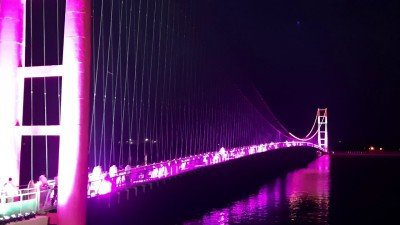
Komati Cheruvu
Some quick example text to build on the card title and make up the bulk of the card's content.
Go somewhere
Kondapochamma Reservoir
Some quick example text to build on the card title and make up the bulk of the card's content.
Go somewhere
Kothacheruvu Lake
Some quick example text to build on the card title and make up the bulk of the card's content.
Go somewhere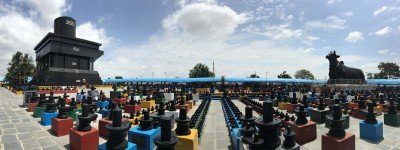
Koti Lingeshwara Swamy Temple
Some quick example text to build on the card title and make up the bulk of the card's content.
Go somewhere
Kukatpally Lake
Some quick example text to build on the card title and make up the bulk of the card's content.
Go somewhere
Lal Kaman
Some quick example text to build on the card title and make up the bulk of the card's content.
Go somewhere
Manair River View
Some quick example text to build on the card title and make up the bulk of the card's content.
Go somewhere
Narsapur Forest Area
Some quick example text to build on the card title and make up the bulk of the card's content.
Go somewhere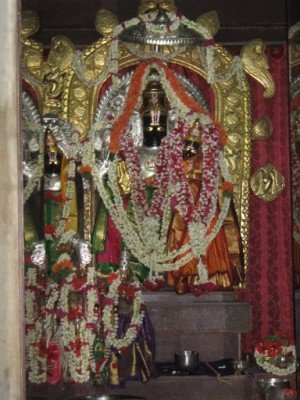
Ramalayam Temple
Some quick example text to build on the card title and make up the bulk of the card's content.
Go somewherein Other Cities