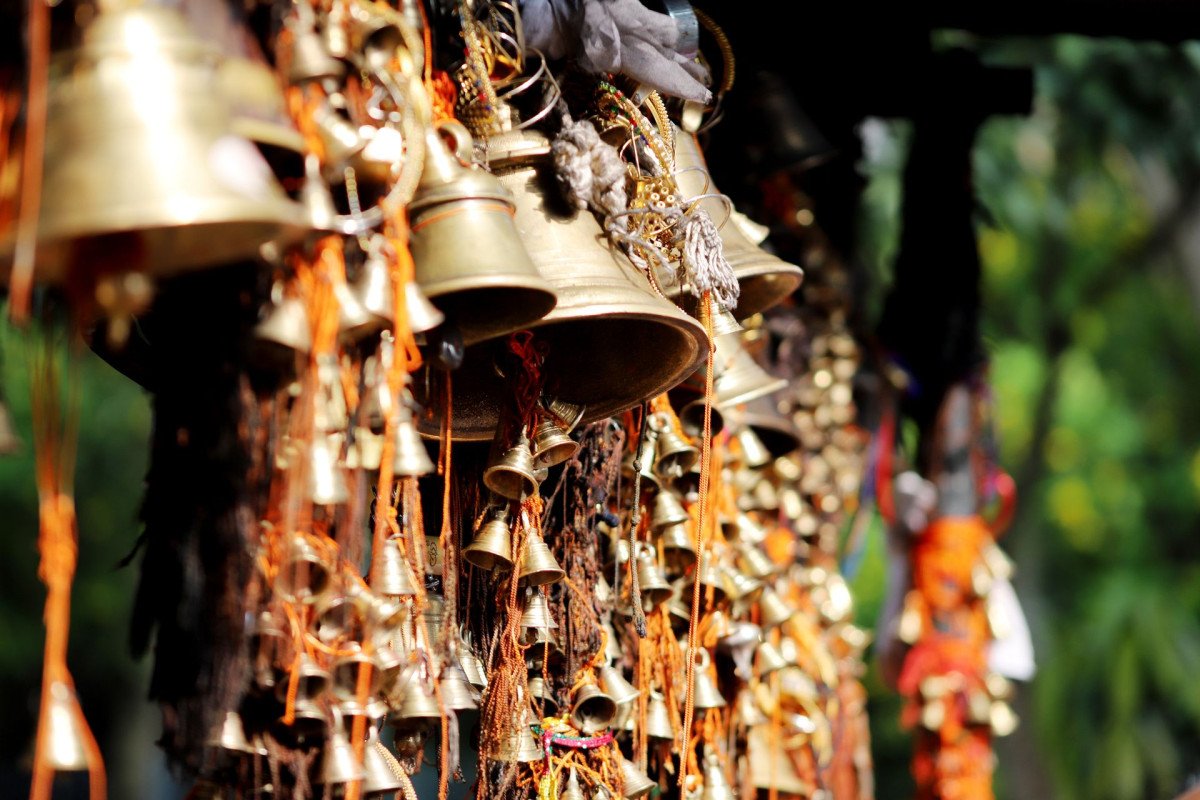
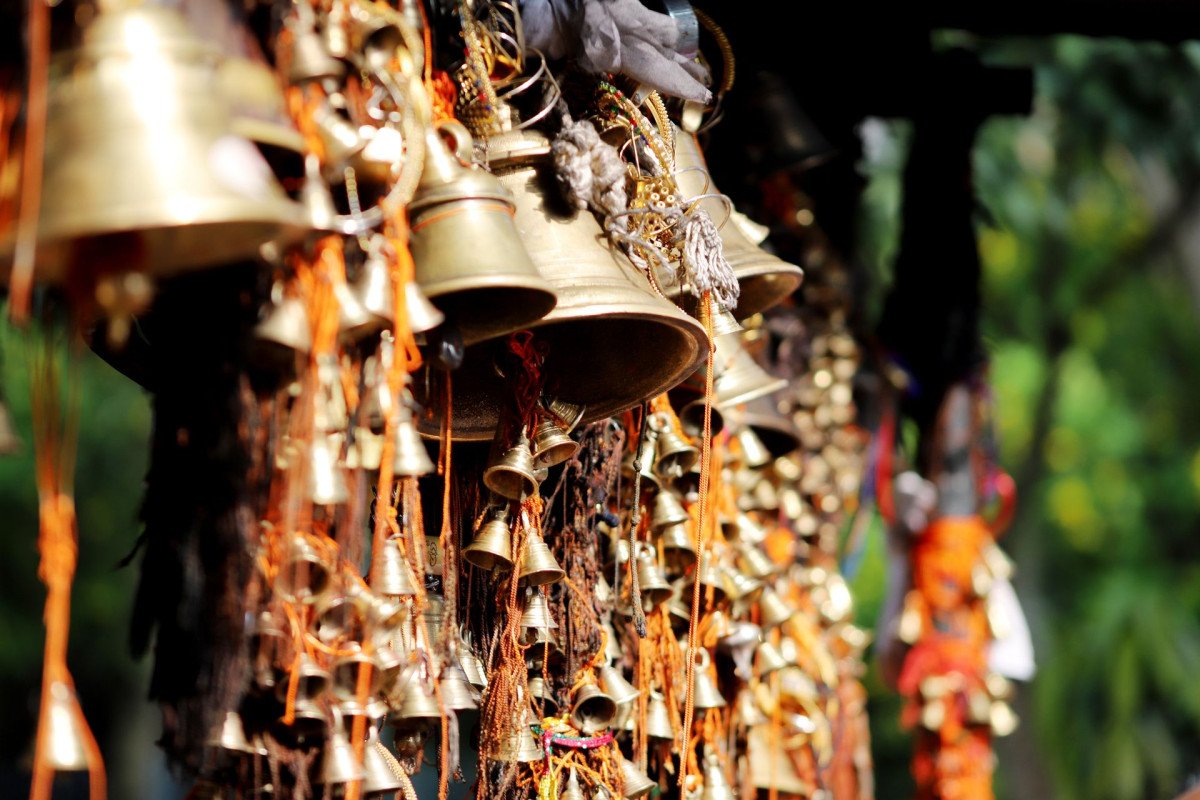
Bhuneswari Temple
General information
-
Ideal Duration:
1. 5 to 2. 5 Hours (Includes travel time for the ascent/descent, Darshan, and enjoying the scenic view.
):Place Type:
Religious, Pilgrimage, Architectural, Scenic ViewpEntry Fees:
No Entry Fee:
A Free Sanctuary:
Main Temple Entry:There is NO official entry fee or ticketing required to visit the Bhuneswari Temple. Like most Hindu temples in India, the sanctuary is open to all devotees a...No Entry Fee:
A Free Sanctuary:
Main Temple Entry:There is NO official entry fee or ticketing required to visit the Bhuneswari Temple. Like most Hindu temples in India, the sanctuary is open to all devotees and visitors free of cost, aligning with the principle of universal access to divine worship. Tourists and pilgrims can enter and explore the main temple premises, participate in the general Darshan, and enjoy the panoramic views without any mandatory charge. This policy makes it highly accessible to all sections of society.
Optional Donations and Offerings:While the entry is free, visitors have the option to make voluntary donations towards the maintenance and operations of the temple. Dedicated donation boxes are usually placed within the complex for this purpose. Additionally, visitors may purchase items for rituals, such as flowers, coconuts, or Prasad, from small shops near the base or sometimes within the temple complex, which is a common practice but not a mandatory fee for entry.
Parking and Services:There may be a small, nominal fee charged by independent contractors for parking private vehicles (cars or two-wheelers) at the base of the hill or in designated areas, but this is separate from the temple's entry. All core spiritual and sightseeing experiences remain accessible without any fee.
:Timing:
Dedicated Hours for Darshan and Scenic Views:
Regular Timings (Approximate):The temple is generally open for the public and devotees from early morning to early evening.
A commonly cited schedule is:
<...Dedicated Hours for Darshan and Scenic Views:
Regular Timings (Approximate):The temple is generally open for the public and devotees from early morning to early evening.
A commonly cited schedule is:
Morning: 7:00 AM to 11:
30 AM and Evening: 5:00 PM to 8:00 PM. However, the main gates to the hill area might be accessible from as early as 5:00 AM to as late as 7:00 PM or 8:00 PM. It is best to adhere to the core Darshan hours for the best devotional experience. Timings may be extended significantly during major festivals like Navaratri.
Ideal Visit Time for Devotion:The most ideal time for a devout visit is during the early morning Aarti (7:00 AM to 8:00 AM) or the evening Aarti (6:00 PM to 7:00 PM). These times offer the most vibrant, spiritual atmosphere, where the rituals are in full swing and the temple resonates with devotional music and chants. These times are also often less crowded than mid-day.
Ideal Visit Time for Scenic Views:For tourists focused on sightseeing and photography, the absolute best time is just before sunrise (5:30 AM to 6:30 AM) or during sunset (5:00 PM to 6:00 PM, depending on the season). The panoramic views of Jamshedpur are most spectacular during these 'Golden Hours', providing soft light for photography and a cooler, more comfortable climate for the hill ascent. Avoid the mid-day hours (12:00 PM to 4:00 PM) during summer due to intense heat.
:Special Events:
Navaratri and Shivaratri:
Festivals of Divine Power:
Grand Navaratri Celebrations:The most significant and spectacular event at the Bhuneswari Temple is the celebration of Navaratri, typically falling in the H...Navaratri and Shivaratri:
Festivals of Divine Power:
Grand Navaratri Celebrations:The most significant and spectacular event at the Bhuneswari Temple is the celebration of Navaratri, typically falling in the Hindu months of September or October. Being a temple dedicated to Shakti (the divine feminine energy), the nine-night festival is observed with immense devotion and grandeur. The temple is lavishly adorned with colorful lights, floral decorations, and elaborate Rangolis. Special pujas and Aarti are performed three times a day, drawing thousands of devotees, particularly on days dedicated to the various forms of Goddess Durga. Community feasting (Bhandara) and cultural programs are often organized. The spiritual atmosphere during Navaratri is intense, vibrant, and a truly unforgettable experience, making this the best time to witness the temple's cultural heart.
Maha Shivaratri Observance:Maha Shivaratri, which usually occurs in the month of February or March, is another major festival. Although the presiding deity is Goddess Bhuvaneshwari, the temple complex includes a shrine dedicated to Lord Shiva. On this day, special Rudra Abhishek and other ceremonies are held throughout the night, with devotees observing fasts and offering prayers to the Shivalinga. The hilltop location, combined with the all-night vigil, adds a unique, serene, and devotional ambiance to the observance, attracting worshippers of Lord Shiva from the surrounding areas.
:Best Photo Spots:
Capturing the Temple and the City's Beauty: The Rajagopuram as the Focal Point (Architectural Shot):The 64-foot-high Rajagopuram itself is the star subject. The best photo spots for this are from the base of the hill's steps, or slightly away from the main complex, using a ...Capturing the Temple and the City's Beauty: The Rajagopuram as the Focal Point (Architectural Shot):The 64-foot-high Rajagopuram itself is the star subject. The best photo spots for this are from the base of the hill's steps, or slightly away from the main complex, using a wider lens to capture its entire height and the stunning, multi-tiered detail. Timing the shot for dusk when the temple lights are switched on offers a dramatic, glowing effect. Use the lines of the steps or the surrounding trees as a natural frame to guide the viewer’s eye towards the tower.
The Panoramic City Viewpoint (Landscape Shot):The primary vantage point on the elevated platform offers a sweeping view of Jamshedpur. This spot is ideal for wide-angle landscape shots, particularly to capture the contrast between the green hills and the planned urban layout. The 'blue hour'—the time just after sunset—is perfect for capturing the cityscape with the streetlights and industrial lights beginning to glow, creating a striking visual contrast against the deep blue sky.
The Idol and Interior Details (Devotional Shot):While photography inside the Garbha Griham (sanctum sanctorum) may be restricted for sanctity, the Mandapam (pillared hall) and the intricate carvings on the exterior walls provide excellent macro and detail shots. Focus on the expressions of the sculpted deities and the minute carvings on the eight pillars. Always seek permission or adhere to the posted signs before attempting to photograph any sacred interior space to ensure respect for the rituals.
:Photo Gallery
Things To Do
-
Experiencing Spirituality, Nature, and Cityscape:
Engage in Devotional Darshan and Puja:The primary activity is to seek the blessings of the presiding deity, Goddess Bhuvaneshwari. Visitors should participate in the morning or evening Darshan (viewing of the idol) and witness the traditional Aarti (a ritual of light). You can also perform small offerings (pujas) to the Goddess, buy flowers, and light a lamp. The experience of the rhythmic chanting and the scent of incense in the Dravidian style setup provides a deep, spiritual cleanse. Interacting with the temple priest can also be a valuable way to learn about the temple's specific customs and the mythology of the Goddess.
Photography of the City Panorama:The hilltop location is an absolute paradise for photographers. From the elevated platf...Experiencing Spirituality, Nature, and Cityscape:
Engage in Devotional Darshan and Puja:The primary activity is to seek the blessings of the presiding deity, Goddess Bhuvaneshwari. Visitors should participate in the morning or evening Darshan (viewing of the idol) and witness the traditional Aarti (a ritual of light). You can also perform small offerings (pujas) to the Goddess, buy flowers, and light a lamp. The experience of the rhythmic chanting and the scent of incense in the Dravidian style setup provides a deep, spiritual cleanse. Interacting with the temple priest can also be a valuable way to learn about the temple's specific customs and the mythology of the Goddess.
Photography of the City Panorama:The hilltop location is an absolute paradise for photographers. From the elevated platform, you can capture breathtaking panoramic photos of Jamshedpur—the city's planned roads, the green swathes of Jubilee Park in the distance, and the industrial skyline. The best times for photography are during the 'Golden Hour'—sunrise (for soft, morning light) or sunset (for dramatic, vibrant skies). The majestic 64-foot-high Rajagopuram is also a superb subject for architectural photography, especially when framed against the backdrop of the clear sky.
Explore the Dravidian Architecture in Detail:Take your time to walk around the entire temple structure. Focus on the intricate, multi-layered carvings on the Rajagopuram and the exterior walls. Try to identify the different deities and mythological scenes depicted in the sculptures. Look for the distinctive features like the five Kalasams atop the entrance tower. The detailed study of the eight pillars in the Mandapam provides insight into the temple's philosophical foundation. This architectural exploration is both educational and visually rewarding.
Enjoy a Tranquil Hilltop Walk and Picnic:The approach road or steps up the Bhuvaneshwari Hill is a pleasant, gentle climb. Visitors can treat this ascent as a refreshing morning or evening walk. Once at the top, the natural ambiance is peaceful. Although a sacred site, the wide-open spaces around the main temple complex are suitable for a quiet, non-disruptive picnic with family or friends. However, remember to maintain the sanctity of the place by keeping the area clean and avoiding loud activities.
Meditation and Yoga:The serene and elevated environment is perfect for practicing light yoga or meditation. Finding a quiet corner, especially in the early morning when the city is waking up, allows you to practice mindfulness and connect with nature. The combination of fresh air, spiritual energy, and the quiet buzz of the city below creates an ideal setting for mental and physical rejuvenation.
Visit the Other Shrines:The temple complex is not solely dedicated to Goddess Bhuvaneshwari. Ensure you pay respects at the smaller shrines for deities such as Lord Shiva and Lord Krishna. Visiting all the resident deities ensures a complete pilgrimage circuit. These subsidiary shrines often have their own unique, smaller architectural features and specific rituals.
Local Food and Souvenir Sampling:While the temple complex itself has limited commercial activity, the nearby Kharangajhar Market area offers opportunities to sample local Jamshedpur street food or buy small religious souvenirs and trinkets. After a spiritual visit, descending the hill for a taste of local cuisine provides a satisfying conclusion to the trip.
:
Information
-
Why Famous:
Unique Blend of Spirituality and Scenery:
The Dravidian Architectural Exception:The primary factor contributing to the temple's fame is its distinctive architecture. As a prominent example of pure Dravidian style in the industrial heartland ...Unique Blend of Spirituality and Scenery:
The Dravidian Architectural Exception:The primary factor contributing to the temple's fame is its distinctive architecture. As a prominent example of pure Dravidian style in the industrial heartland of Jharkhand, it presents a sharp, beautiful contrast to the local architectural traditions. The towering, multi-tiered, 64-foot-high Rajagopuram is an unmistakable, iconic structure that draws admirers of art and culture from across the country. This architectural uniqueness makes it a rare sight in Eastern India and a celebrated landmark of Jamshedpur.
Jamshedpur’s Premier Panoramic Viewpoint:Perched atop the Bhuvaneshwari Hill at an elevation of approximately 500 feet, the temple is renowned for offering the most spectacular, unobstructed panoramic views of the entire Jamshedpur city. This viewpoint allows visitors to appreciate the city’s meticulously planned layout, the lush green cover, and the colossal industrial landscape, including parts of the Tata Motors plant and the distant Dalma Hills. The view during sunrise and sunset is particularly famous, as the city lights begin to twinkle or the sun's rays paint the sky, transforming the visit from a simple religious trip into a photographic and scenic one.
Spiritual Significance as a Shakti Peetha:Dedicated to Goddess Bhuvaneshwari, one of the Mahavidyas (the ten tantric goddesses), the temple holds profound spiritual significance for devotees of Shakti. It is considered a powerful place for worship, particularly during the nine days of Navaratri. The founding by Swami Rangarajan cemented its reputation as a South Indian-style temple, attracting the Tamil Brahmin and other South Indian communities of Jamshedpur, alongside local devotees, thereby fostering a diverse religious environment. This spiritual magnetic pull contributes significantly to its fame and high footfall.
: -
Architecture:
The Dravidian Marvel of Bhuvaneshwari Temple:
Architectural Style and Grandeur:The Bhuneswari Temple is a striking example of the traditional Dravidian Style of architecture, which is predominantly found in South India. Its design contrasts ...The Dravidian Marvel of Bhuvaneshwari Temple:
Architectural Style and Grandeur:The Bhuneswari Temple is a striking example of the traditional Dravidian Style of architecture, which is predominantly found in South India. Its design contrasts sharply with the regional temple architecture of Jharkhand, lending it a singular status. This style is characterized by the monumental entrance tower and intricate sculptural work, all of which are perfectly represented here.
Dimension and Key Structures:The most dominant feature is the Rajagopuram, the main entrance tower, which rises to a towering height of 64 feet. This multi-tiered structure is richly decorated with numerous sculptures of deities and mythological figures, creating a visually spectacular gateway. At the very top of the Rajagopuram, there are 5 Kalasams (ornate spires), which are symbolic of the temple's sanctity. The central shrine, or the Sanctum Sanctorum (Garbha Griham), stands 32-foot-high and houses the imposing, serene idol of Goddess Bhuvaneshwari. The temple also features an eight-pillared hall, or Mandapam, a space for devotees to congregate for prayers and rituals. Each of the eight pillars is symbolically significant, believed to represent the various divine forms or incarnations of the presiding Goddess, adding a layer of spiritual depth to the architectural design. The external walls are adorned with intricate carvings, typical of the Dravidian school, showcasing craftsmanship and devotional art. The overall structure, perched on a hill, is designed to draw the eye upwards, emphasizing the spiritual ascent and the temple's connection to the sky.
Material and Design:The construction materials and techniques reflect enduring quality, often using granite or concrete finished to resemble stone, as is common in contemporary Dravidian-style temples built outside the Southern states. The multi-hued painting on the Gopuram figures is routinely maintained, ensuring the temple remains a vibrant and colourful landmark against the backdrop of the hill's natural greenery. The architecture successfully marries aesthetic beauty with the functional requirements of Hindu ritual worship.
: -
How To Reach:
Comprehensive Travel Guide to Bhuneswari Temple:
By Air (Flights):The nearest major airport is Birsa Munda Airport (IXR) in Ranchi, the capital of Jharkhand, which is approximately 130 KMS away from Jamshedpur. From Ranchi Airport, you can h...Comprehensive Travel Guide to Bhuneswari Temple:
By Air (Flights):The nearest major airport is Birsa Munda Airport (IXR) in Ranchi, the capital of Jharkhand, which is approximately 130 KMS away from Jamshedpur. From Ranchi Airport, you can hire a pre-paid taxi or a private cab directly to Jamshedpur (a journey of about 3 to 4 hours). Alternatively, one can take a connecting flight to Sonari Airport (IXW) in Jamshedpur, which caters primarily to charter and smaller private planes, though commercial services are limited. From either airport, once you reach Jamshedpur City, you can easily hire a local transport option to reach the Telco Colony and the temple's base.
By Train (Rail):The most convenient and common way to reach Jamshedpur is by train. The city is served by the major railway station, Tatanagar Junction (TATA), which is one of the busiest and best-connected stations in Eastern India. It has excellent connectivity to major metropolitan cities like Kolkata, Mumbai, Delhi, Chennai, and Ranchi. From Tatanagar Junction, the Bhuneswari Temple in Telco Colony is about 15 KMS away. You can easily hire an auto-rickshaw, a prepaid taxi, or use app-based cab services like Ola or Uber directly to the temple's base.
By Road (Bus/Car):Jamshedpur is well-connected by National and State Highways. National Highway 33 (NH 33) passes near the city, connecting it to Ranchi and Dhanbad. Regular bus services, both government and private, operate from neighboring states, including West Bengal (Kolkata) and Odisha (Bhubaneswar). If driving a private car, the temple is located in the Telco Colony area. You need to follow the main roads towards Telco or Kharangajhar Market. The road to the temple's base is well-marked. Parking is available near the base of the hill.
By Local Transport (Within Jamshedpur):Once in Jamshedpur, the temple is readily accessible. Auto-rickshaws are the primary mode of local transport; you can hire one from any part of the city (like Sakchi, Bistupur, or Tatanagar Railway Station) directly to the Telco Bhuvaneshwari Temple base. App-based cabs are also very reliable and convenient. The temple is situated atop a hill, so the final ascent is typically done via a short walk up the steps, which are well-maintained. The entire local journey from the city center will take approximately 25-40 minutes, depending on traffic.
: -
Weather and Best Time to Visit:
Optimizing Your Trip by Season and Time of Day:
The Pleasant Winter Season (Ideal):The absolute best time to visit the Bhuneswari Temple is during the Winter months, spanning from October to March. During this period, the weather in Jamshedp...Optimizing Your Trip by Season and Time of Day:
The Pleasant Winter Season (Ideal):The absolute best time to visit the Bhuneswari Temple is during the Winter months, spanning from October to March. During this period, the weather in Jamshedpur is cool, dry, and exceptionally pleasant, with temperatures ranging from 10°C to 25°C. This climate makes the uphill climb comfortable and enjoyable, perfect for sightseeing and spending time outdoors on the temple's platform to appreciate the panoramic views. The skies are generally clear, which enhances the photographic quality of the landscape and the city. Moreover, this season often coincides with major festivals like Navaratri and Shivaratri, offering a culturally richer experience.
The Monsoon Season (Lush Greenery):The Monsoon season, from July to September, is a good option for nature lovers. The rains transform the surrounding hills and the entire landscape into a vibrant, lush green spectacle. The air is fresh and clean, and the city below looks particularly beautiful. However, visitors must be prepared for occasional heavy rainfall, which might make the steps to the temple slippery. It is essential to carry an umbrella or raincoat and wear appropriate footwear during this time.
The Hot Summer Season (To Be Avoided):The Summer months, from April to June, should ideally be avoided. The weather is intensely hot and humid, with temperatures frequently soaring above 40°C. The uphill climb becomes strenuous and uncomfortable, and the mid-day heat is scorching. If one must visit during this season, it is strongly recommended to plan the visit for the very early morning (5:30 AM to 7:00 AM) or late evening (5:00 PM onwards) to avoid heat exhaustion. Different Parts of the Day (Photographer's Choice):The best part of the day for a visit is undeniably the early morning (sunrise) or late evening (sunset). The 'Golden Hours' offer spectacular lighting for photography and a serene, quiet ambiance. For a pure devotional experience, the morning Aarti is recommended, while for scenic beauty, the sunset view is unparalleled as the city lights up below the hill. Mid-day is the quietest but also the warmest and least photogenic time.
: -
Near Tourist Places:
Hudco Lake: (Approx. 2. 6 KMS) - Nature, Relaxation, Boating. Centre for Excellence (Russi Modi Centre for Excellence): (Approx. 8. 5 KMS) - Architecture, Archive, Library.
Jubilee Park (Jubilee Park): (Approx. 9. 8 KMS) - Gardens, Fountain, Leisure.
Tata Steel Zoological Park (Tata Zoo): (Approx. 9. 8 KMS) - Wildlife, Safari Park.
Keenan Stadium: (Approx. 9. 8 KMS) - Sports, Historical Stadium.
Sir Dorabji Tata Park: (Approx. 9. 9 KMS) - Gardens, Festivals, Park.
Gopal Maidan: (Approx. 10 KMS) - Public Grounds, Events.
Domuhani (Confluence of Rivers): (Approx. 12 KMS) - Scenic, River View, Pilgrimage.
Dimna Lake: (Approx. 16. 2 KMS) - Scenic, Picnic Spot, Boating.
Dalma Wildlife Sanctuary: (Approx. 17. 5 KMS) - Wildlife, Trekking, Nature Reserve. :
Tourism Tips
-
Ensuring a Safe, Comfortable, and Respectful Visit:
Health & Safety Guidelines:The temple is situated on a hill and requires a gentle climb via steps. Wear comfortable, non-slip footwear suitable for walking. Carry a bottle of water, especi...Ensuring a Safe, Comfortable, and Respectful Visit:
Health & Safety Guidelines:The temple is situated on a hill and requires a gentle climb via steps. Wear comfortable, non-slip footwear suitable for walking. Carry a bottle of water, especially if visiting outside of the winter months, to stay hydrated. The area is generally safe, but as with any tourist spot, keep your belongings secure. If traveling with elderly persons or those with mobility issues, be aware that the climb, while not strenuous, is still a flight of steps. Always check the weather forecast before leaving.
Packing Essentials:Carry a camera to capture the magnificent panoramic views, especially the Dravidian architecture. Pack light, modest clothing as a sign of respect for the religious site; shoulders and knees should ideally be covered. Sunscreen and a hat are essential during the day in any season other than peak winter. If visiting in the monsoon, an umbrella or light raincoat is a necessity. Keep a small bag for your footwear, as all visitors must remove their shoes before entering the main temple building.
Accommodation Recommendations:Jamshedpur offers a wide range of accommodation options. For convenience and proximity to the city's commercial hubs, look for hotels in the Bistupur or Sakchi areas, which range from budget to luxury categories (e. g. , The Sonnet Jamshedpur, Ramada by Wyndham Jamshedpur). Since the temple is in the Telco Colony, staying in these central areas allows for easy access to the temple via local transport while keeping you close to other attractions and dining options. Booking accommodation during major festivals like Navaratri should be done well in advance.
Respectful Conduct and Local Customs:As a sacred site, visitors must maintain silence and respect the ongoing rituals. Smoking, consuming alcohol, or creating loud noise within the complex is strictly prohibited. Ask for permission before taking close-up pictures of the priests or devotees. The temple primarily follows South Indian traditions due to its origins; observing these unique customs with an open mind enhances the cultural experience. Remember to keep the entire hilltop and surrounding area clean, utilizing the designated waste bins to preserve the natural beauty of the viewpoint.
:
Reviews
FAQs
Jamshedpur Itineray And Cost:-
Bhuneswari Temple Tourism:-
Information about New and Updated Locations() of Jharkhand Has Been Added :-
Card subtitle
Note:-
Information provided here in good Faith and for reference only.
All information and pictures will be updated soon, please keep visiting.
Near Places

Amadubi Rural Tourism Centre
Some quick example text to build on the card title and make up the bulk of the card's content.
Go somewhere
Bada Banki Dam
Some quick example text to build on the card title and make up the bulk of the card's content.
Go somewhere
Bhatia Park
Some quick example text to build on the card title and make up the bulk of the card's content.
Go somewhere
Bhuneswari Temple
Some quick example text to build on the card title and make up the bulk of the card's content.
Go somewhere
Centre for Excellence Exhibition
Some quick example text to build on the card title and make up the bulk of the card's content.
Go somewhere
Chandil Dam
Some quick example text to build on the card title and make up the bulk of the card's content.
Go somewhere
Dalma Wildlife Sanctuary
Some quick example text to build on the card title and make up the bulk of the card's content.
Go somewhere
Dimna Lake
Some quick example text to build on the card title and make up the bulk of the card's content.
Go somewhere
Domuhani
Some quick example text to build on the card title and make up the bulk of the card's content.
Go somewhere
Ganesh Puja Maidan
Some quick example text to build on the card title and make up the bulk of the card's content.
Go somewherein Other Cities