
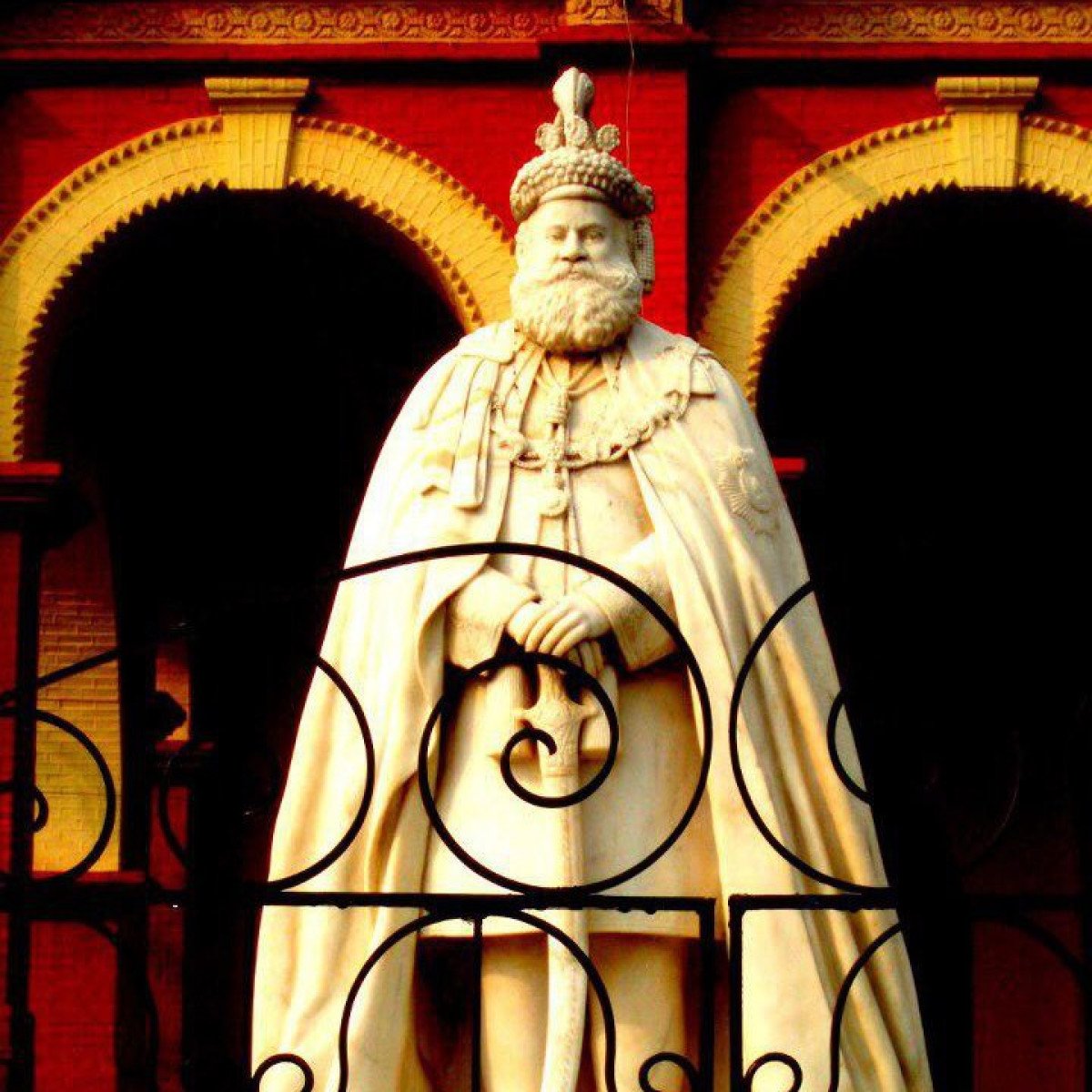
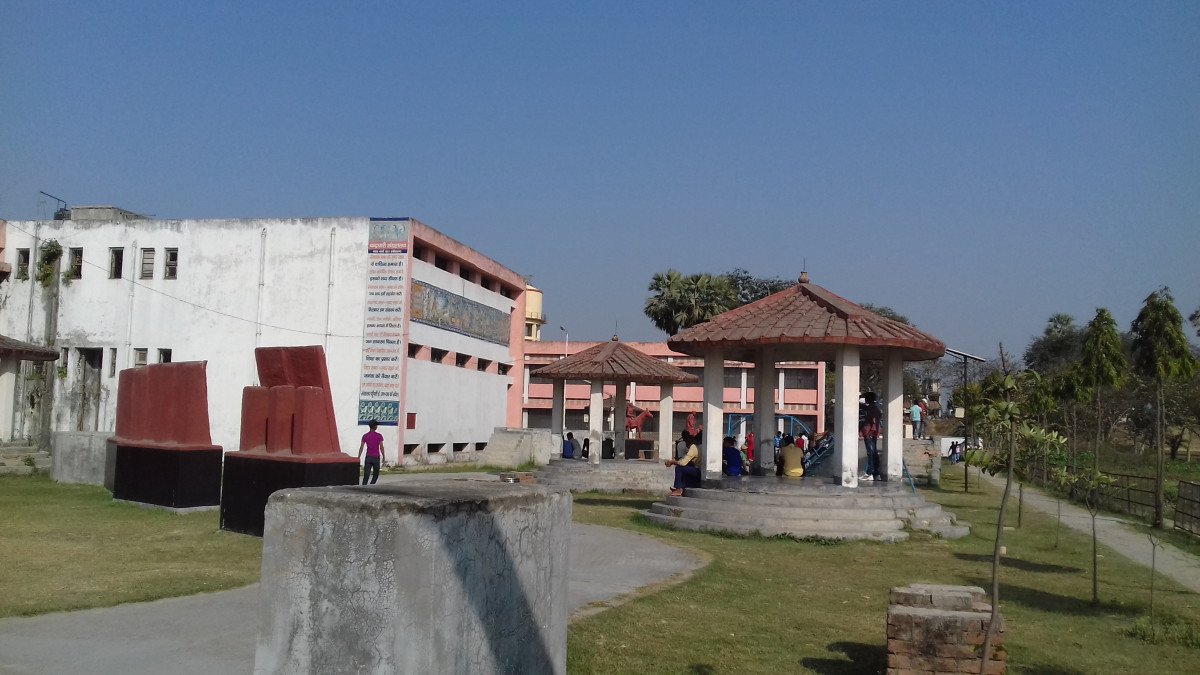
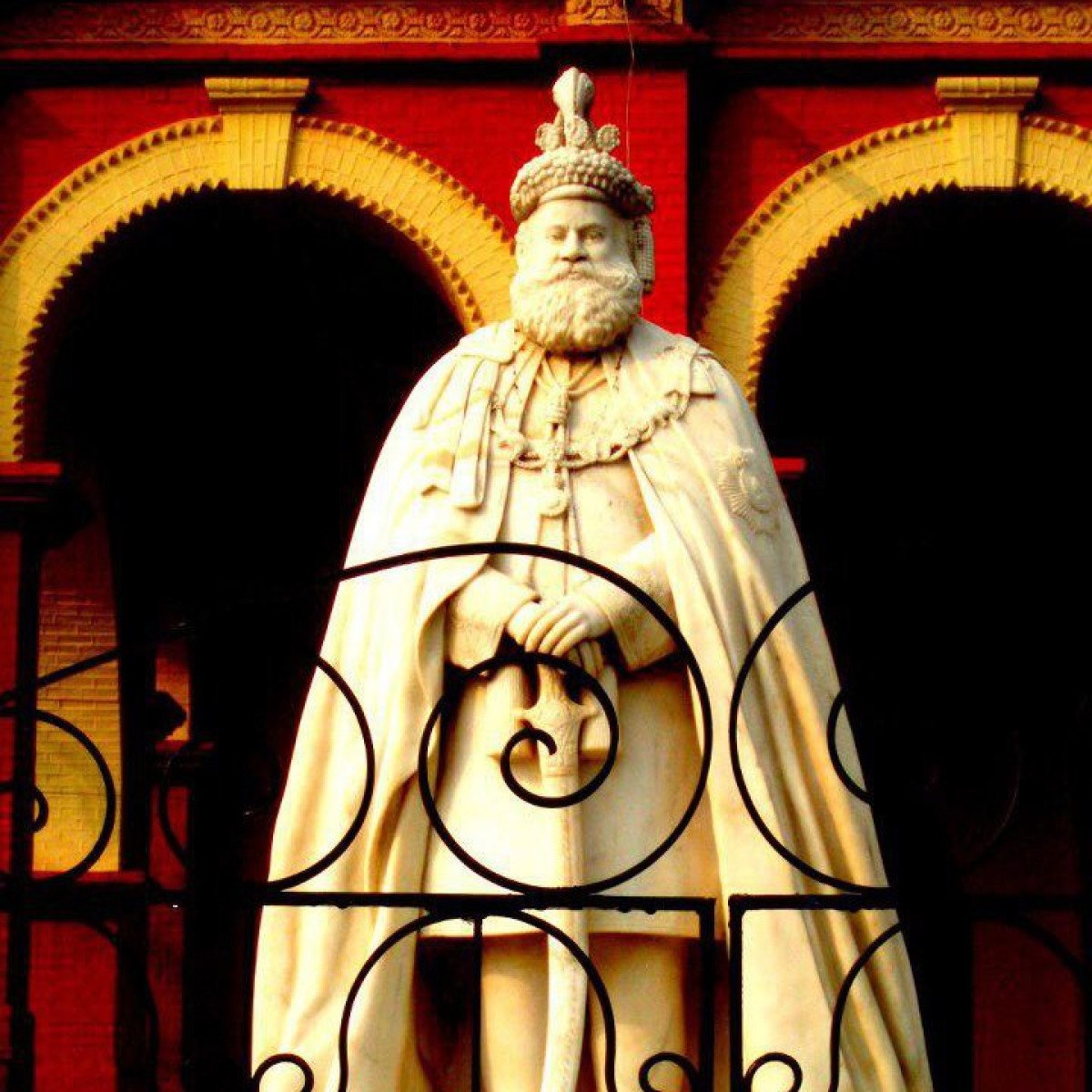
Chandradhari Museum
General information
-
Ideal Duration:
2-3 Hours:Place Type:
Museum/Cultural Heritage:Entry Fees:
General Entry Fees: Entry to the Chandradhari Museum is typically very nominal, often being free or a token amount (Rs.5 to Rs.10) for Indian visitors and a slightly higher fee for foreign nationals. This low-cost entry is designed to encourage public access to cultural heritag...General Entry Fees: Entry to the Chandradhari Museum is typically very nominal, often being free or a token amount (Rs.5 to Rs.10) for Indian visitors and a slightly higher fee for foreign nationals. This low-cost entry is designed to encourage public access to cultural heritage.
Fees for Photography/Videography: There might be a small separate fee for carrying a camera or taking photographs inside the galleries (often restricting flash use). This fee helps in the maintenance and preservation efforts, while videography is usually charged at a higher rate and may require special permission.
Library/Research Access Fees: While general visitors can often access the public areas, scholars or researchers requiring long-term access to the library, archives, or specific collections for study may need to pay a nominal research fee or membership charge.
Educational Concessions: Students, especially those on organized educational tours, are often provided with discounted or free entry upon showing a valid ID, supporting the museum's educational mandate. Check the official website for current rates as they can change. :Timing:
Regular Timings: The museum is typically open from 10:00 AM to 4:00 PM. It is generally closed on Mondays and on major public holidays. Always check the current schedule before planning a visit, especially regarding the closing day.
Ideal Visi...Regular Timings: The museum is typically open from 10:00 AM to 4:00 PM. It is generally closed on Mondays and on major public holidays. Always check the current schedule before planning a visit, especially regarding the closing day.
Ideal Visit Time: The best time to visit is on a clear weekday, between 10:30 AM and 1:00 PM, allowing ample time to explore the galleries without rush. Visiting shortly after opening (10 AM) often provides a more quiet, crowd-free experience.
Time Required: The recommended duration for a thorough visit is 2 to 3 hours to properly appreciate the diversity of the 11 galleries, especially if you are interested in Mithila history or art.
Seasonal Consideration: The months of October to March are best due to the pleasant weather, making the travel to and from the museum comfortable, compared to the harsh summer heat. :Special Events:
Museum Foundation Day Celebrations: The museum celebrates its foundation day (December 7, 1957) annually, often featuring special lectures, cultural programs, and small ceremonies that highlight the museum's importance to the cultural life of Darbhanga.
Read MoreMuseum Foundation Day Celebrations: The museum celebrates its foundation day (December 7, 1957) annually, often featuring special lectures, cultural programs, and small ceremonies that highlight the museum's importance to the cultural life of Darbhanga.
Exhibitions and Workshops: Occasionally, the museum organizes special exhibitions, art workshops, or scholarly seminars focused on Mithila art, archaeology, or conservation. These events attract regional experts and art lovers.
National Museum Week: The museum often participates in events related to National Museum Week or World Heritage Day, offering free or discounted entry and special talks to encourage public engagement with heritage preservation. This provides an enhanced visiting experience for a short period. :Best Photo Spots:
Display Cases and Artifact Groupings: The artistic way the artifacts are grouped in the display cases offers excellent compositional shots. Focus on the intricate details of a bronze or ivory statue against the case's backdrop, using the lighting to enhance the texture.Display Cases and Artifact Groupings: The artistic way the artifacts are grouped in the display cases offers excellent compositional shots. Focus on the intricate details of a bronze or ivory statue against the case's backdrop, using the lighting to enhance the texture.
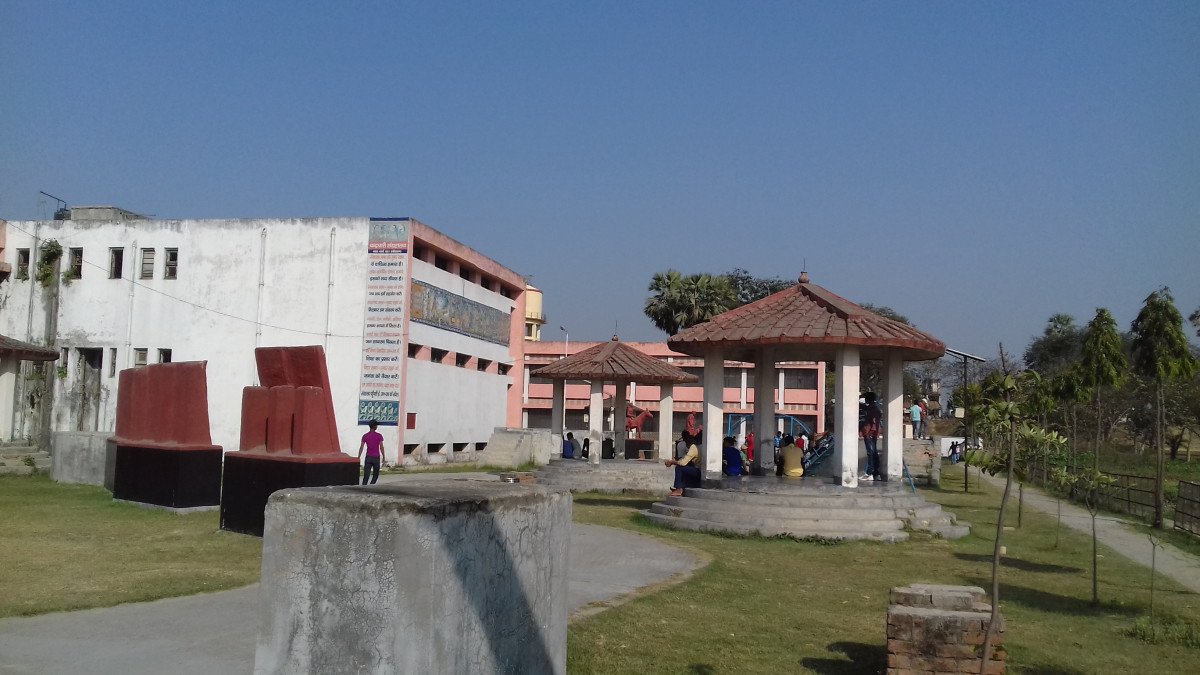
The Entrance and Facade: The double-storeyed structure's entrance and facade can be photographed to capture the institutional scale, especially if framed with the surrounding greenery or a view towards the nearby Mansarovar Lake.
The Miniature Painting Gallery: If photography is allowed without flash, focus on the details of the miniature paintings, capturing their vibrant colors and narrative scenes. A macro lens (or phone zoom) can highlight the fine brushwork.
Shadow and Light Play: Look for areas where the natural light interacts with the terracotta and bronze artifacts, creating interesting shadows and highlighting the 3D form of the sculptures. This adds drama to the images.
Quiet Corners and Architectural Details: Capture the quiet corners of the library or specific architectural elements of the building that reflect the mid-20th-century design, offering a contrast to the ancient artifacts. :Photo Gallery

Things To Do
-
Systematic Gallery Exploration: Dedicate sufficient time to explore all 11 gallery halls systematically. Start with the ground floor and move to the first floor. Take time to read the descriptions and labels to fully appreciate the context of the artifacts, from the intricate ivory carvings to the terracotta sculptures.
Study the Miniature Paintings: Spend time specifically in the painting galleries. Focus on the delicate artistry of the miniature paintings, noting the use of color, the subject matter, and the different stylistic schools represented. Look for the unique Sikh crafts and paintings mentioned in the collection.
Examine the Ancient Coins and Manuscripts: The numismatics (coin collection) and manuscript sections offer a direct connection to the historical chronology and literary trad...
Information
-
Why Famous:
Primary Repository of Mithila Art: It is famous as the pre-eminent institution for housing and displaying the historical and cultural artifacts of the Mithila region. Its extensive collection of paintings, sculptures, and manuscripts offers a comprehensive view of the area'...Primary Repository of Mithila Art: It is famous as the pre-eminent institution for housing and displaying the historical and cultural artifacts of the Mithila region. Its extensive collection of paintings, sculptures, and manuscripts offers a comprehensive view of the area's rich heritage, making it a key educational resource.
The Chandradhari Singh Collection: The core of the museum's fame lies in the personal collection donated by Babu Chandradhari Singh, which includes rare ivory items, bronze idols, and unique textile samples. This initial generous donation is what led to the museum's establishment and its subsequent reputation as a treasure trove.
Diverse Exhibits: Its fame is also derived from the sheer diversity of its exhibits, which range from fine arts like miniature paintings and glass artifacts to archaeological finds, coins, and a natural history section. This broad scope appeals to a wide variety of visitors, from historians to general tourists.
Preservation of Manuscripts: The museum is also recognized for its efforts in preserving old and rare manuscripts, often in the Maithili and Sanskrit languages, solidifying its role as a cultural and literary heritage conservation center in Darbhanga. : -
Architecture:
Building Structure and Galleries: The museum is housed in a modern, functional double-storeyed building, designed for the effective display and preservation of artifacts. The interior is structured into approximately 11 gallery halls, each focusing on a specific collection ...Building Structure and Galleries: The museum is housed in a modern, functional double-storeyed building, designed for the effective display and preservation of artifacts. The interior is structured into approximately 11 gallery halls, each focusing on a specific collection category. This layout facilitates a thematic exploration of the exhibits.
Dimension: While the specific Dimensions of the building are not commonly published, the structure is substantial enough to house 11 gallery halls, an administrative section, and library facilities, covering a large floor area for its multi-purpose function.
Mithila Influence: The architecture is functional, prioritizing climate control and display space for the delicate items. However, the themes within the galleries strongly reflect the traditional aesthetics of the Mithila art, such as the use of vibrant colors and intricate designs found in the miniature paintings and textiles. The overall structure is an example of mid-20th-century institutional architecture in India, designed to serve a public, educational, and conservation purpose. The layout ensures a smooth flow for visitors. : -
How To Reach:
By Air: The nearest airport is Darbhanga Airport (DBR), approximately 7-8 KMS away. From there, a taxi or auto-rickshaw can be hired directly to the museum near Mansarovar Lake. For a broader air network, Patna Airport (PAT) is the closest major international airport, abou... -
Near Tourist Places:
Darbhanga Fort (Ram Bagh Fort) (2 KMS), Dighi Pond (1 KM), Harahi Pond (1. 5 KMS), Ganga Sagar Lake (2 KMS), Shyama Kali Temple (2. 5 KMS), Anandbagh Palace (3 KMS), Laxmeshwar Vilas Palace (3. 5 KMS), Manokamna Temple (3 KMS), Kankali Temple (2.
5 KMS), Ahiyara Devi Mandir (10 KMS):
Tourism Tips
-
Health & safety: Be mindful of your steps, especially on the stairs in the double-storeyed building. Do not touch any artifacts, as the oils and dirt from hands can cause irreversible damage. Carry a small bag and leave larger bags at the security counter (if required).
Reviews
Darbhanga Itineray And Cost:-
Chandradhari Museum Tourism:-
Information about New and Updated Locations() of Bihar Has Been Added :-
Card subtitle
Note:-
Information provided here in good Faith and for reference only.
All information and pictures will be updated soon, please keep visiting.
Near Places

Ahilya Asthan
Some quick example text to build on the card title and make up the bulk of the card's content.
Go somewhere
Anandbagh Palace
Some quick example text to build on the card title and make up the bulk of the card's content.
Go somewhere
Baneshwaristhan Temple
Some quick example text to build on the card title and make up the bulk of the card's content.
Go somewhere
Brahmpur
Some quick example text to build on the card title and make up the bulk of the card's content.
Go somewhere
Chandradhari Museum
Some quick example text to build on the card title and make up the bulk of the card's content.
Go somewhere
Chhaprar
Some quick example text to build on the card title and make up the bulk of the card's content.
Go somewhere
Darbhanga Airport
Some quick example text to build on the card title and make up the bulk of the card's content.
Go somewhere
Darbhanga Fort
Some quick example text to build on the card title and make up the bulk of the card's content.
Go somewhere
Darbhanga Planetarium
Some quick example text to build on the card title and make up the bulk of the card's content.
Go somewhere
Darbhanga Railway Station Walls
Some quick example text to build on the card title and make up the bulk of the card's content.
Go somewherein Other Cities