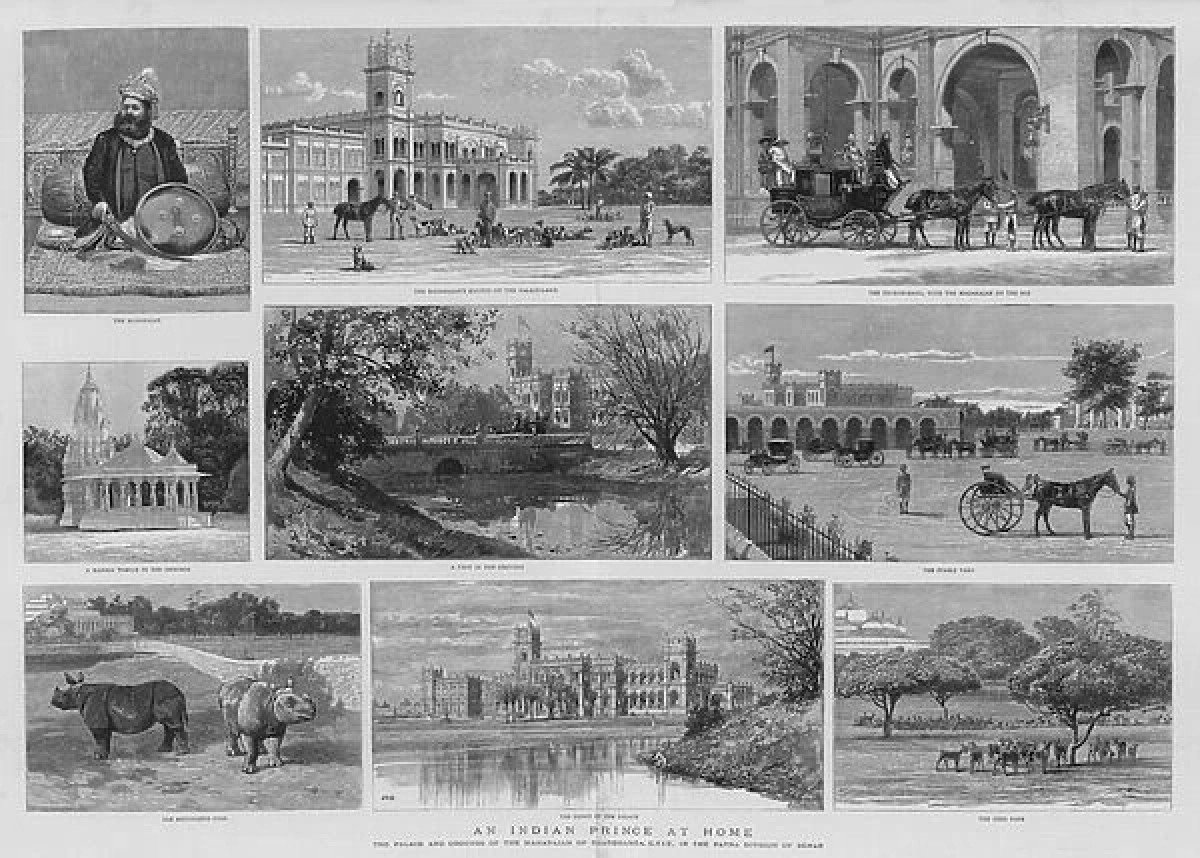
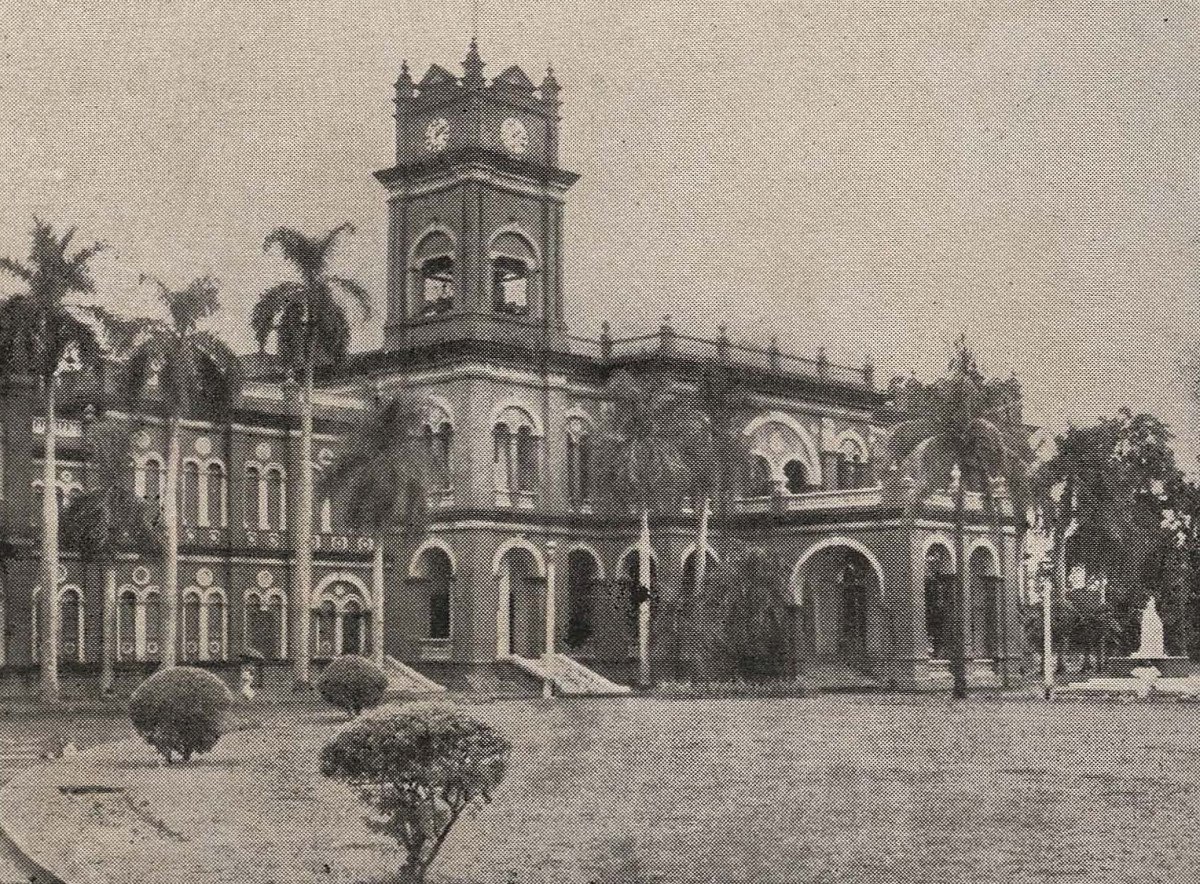
Anandbagh Palace
General information
-
Ideal Duration:
1-2 Hours:Place Type:
Heritage Building/University:Entry Fees:
Academic and Heritage Site Access: The main university campus, which includes the palace, generally has No Entry Fees for basic access to the public grounds during working hours, as it is a public university. However, accessing specific administrative buildings or internal ...Academic and Heritage Site Access: The main university campus, which includes the palace, generally has No Entry Fees for basic access to the public grounds during working hours, as it is a public university. However, accessing specific administrative buildings or internal sections may be restricted or require permission.
Fees for Special Archives: If a visitor wants to access rare manuscripts or special archives within the university's library (part of the heritage complex), there may be an administrative fee or a formal procedure requiring an appointment, especially for non-students or non-scholars. This ensures the preservation of the delicate documents.
Parking/Vehicle Fees: There might be a nominal fee for parking personal vehicles on the campus grounds, managed by the university administration. This small charge helps in the maintenance of the premises.
Guided Tours: Currently, there are no formal, ticketed guided tours of the palace complex, meaning no structured entry fee exists for that service. Any internal tour would be informal and based on the availability and permission of university staff. :Timing:
Regular Timings: The university campus (palace) is generally open from around 10:00 AM to 4:00 PM on weekdays, coinciding with standard university administrative hours. Weekend and public holiday access might be restricted to exterior viewing only.
Read MoreRegular Timings: The university campus (palace) is generally open from around 10:00 AM to 4:00 PM on weekdays, coinciding with standard university administrative hours. Weekend and public holiday access might be restricted to exterior viewing only.
Ideal Visit Time: The best time to visit is during the cool months, from October to March, particularly on a clear weekday morning (10:30 AM to 12:30 PM) when the light is good for photography and the campus is active but not overly crowded. Avoid the extreme heat of May and June.
Administrative Blocks: Access to the main palace building (administrative block) is typically limited to business hours, usually 10:30 AM to 4:30 PM, and often requires prior appointment or specific university business.
Quiet Reflection Time: The early morning hours, just as the campus opens, are ideal for peaceful exploration and photography, before the main bustle of university life begins. :Special Events:
Annual KSDSU Sanskrit Day Celebrations: The most notable event is the annual celebration of Sanskrit Day (Raksha Bandhan or Shravan Purnima). The university, housed in the palace, organizes lectures, cultural programs, and scholarly discussions to promote the Sanskrit langu...Annual KSDSU Sanskrit Day Celebrations: The most notable event is the annual celebration of Sanskrit Day (Raksha Bandhan or Shravan Purnima). The university, housed in the palace, organizes lectures, cultural programs, and scholarly discussions to promote the Sanskrit language and literature. This draws scholars and students from across the country.
University Foundation Day: The university's foundation day (established in 1961) is a special event, often celebrated with academic ceremonies and cultural performances, highlighting its role in regional education. This provides a glimpse into the institution's commitment to its academic mandate.
Local Festivals: During major local festivals like Durga Puja or Chhath Puja, the campus and its adjacent areas take on a festive atmosphere, reflecting the cultural life of the region, although these are not specific palace events, they influence the overall ambiance. :Best Photo Spots:
The Grand Facade from the Main Gate: The best spot to capture the royal scale and Indo-Saracenic architecture is from a distance near the main gate. The symmetry and the central dome (if present) are best framed here, especially with the sky as a backdrop, giving a sense of...The Grand Facade from the Main Gate: The best spot to capture the royal scale and Indo-Saracenic architecture is from a distance near the main gate. The symmetry and the central dome (if present) are best framed here, especially with the sky as a backdrop, giving a sense of its royal past.
Avenue of Old Trees: The surviving old trees, possibly from the original royal garden, particularly the large, mature specimens, offer excellent frames for photography, adding a sense of time and natural beauty to the historical setting. The contrast between the old trees and the palace facade is visually striking.
The Mahakali Temple Exterior: The temple provides a unique, spiritual photo opportunity. Focus on the temple's structure and any associated deities or traditional decorative elements. Soft, diffused light works well here.
Inside the Quadrangle (If accessible): If the central courtyard or quadrangle of the university is accessible, the surrounding architectural wings and pillars offer great patterns and perspectives, highlighting the functional beauty of the rebuilt structure.
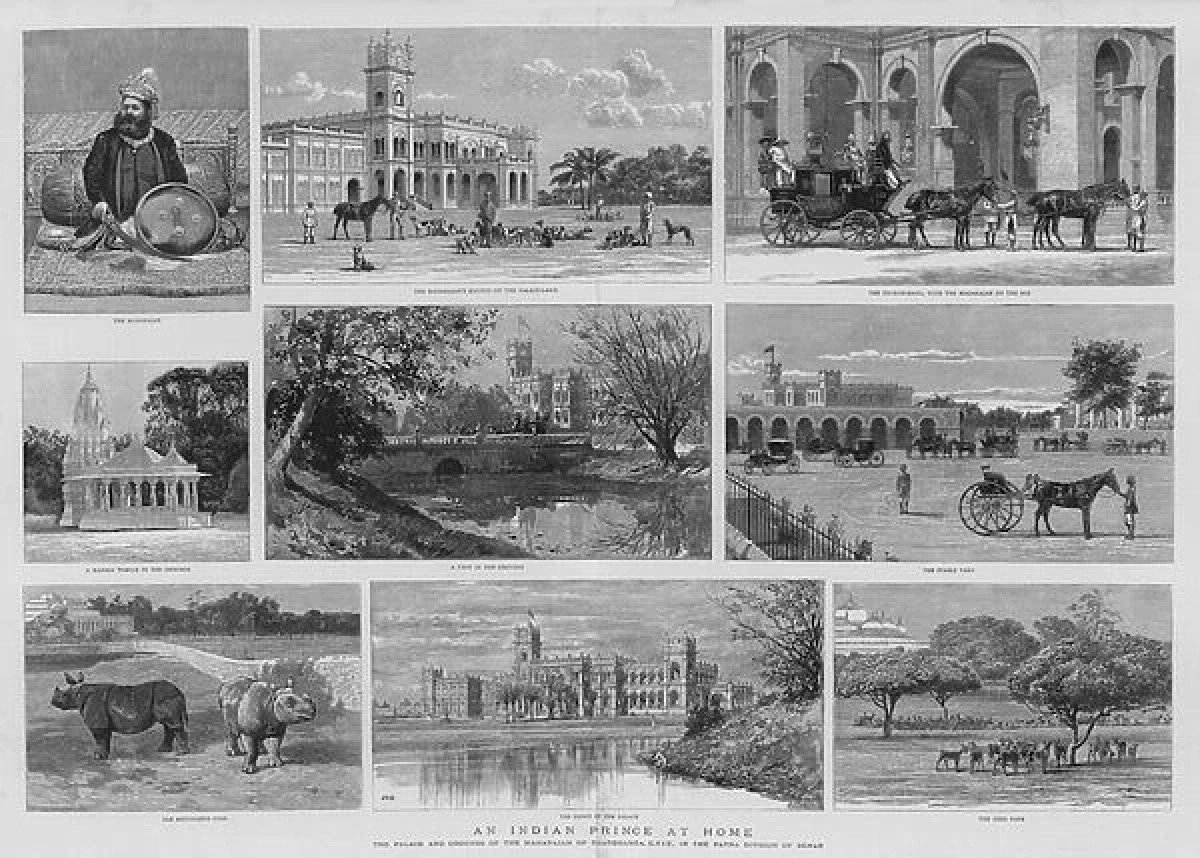
Sunrise/Sunset Light: The early morning or late afternoon light casts a warm glow on the palace walls, enhancing the architectural texture and making for dramatic photographs, perfect for capturing the historical atmosphere. :Photo Gallery
Things To Do
-
Explore the Indo-Saracenic Architecture: Walk around the palace perimeter and the main university building to appreciate the unique architectural style, noticing the blend of Indian and European motifs. Pay attention to the arches, the detailing on the walls, and the overall symmetry of the structure. Take time to study the rebuilding efforts after the 1934 earthquake, as this speaks volumes about the history.
Visit the KSDSU Campus: Since the palace is the administrative hub of the Kameshwar Singh Darbhanga Sanskrit University, take a moment to absorb the academic atmosphere. Observe the students and faculty, and perhaps inquire about the university's mission to promote Sanskrit and traditional Mithila culture. A brief visit to the main administrative area or common halls, if permitted, can be insightful.
Read More
Information
-
Why Famous:
Center for Sanskrit Learning: It is famous as the headquarters of the Kameshwar Singh Darbhanga Sanskrit University, a major institution dedicated to the preservation and promotion of the Sanskrit language and traditional knowledge systems of Mithila. This function gives th...Center for Sanskrit Learning: It is famous as the headquarters of the Kameshwar Singh Darbhanga Sanskrit University, a major institution dedicated to the preservation and promotion of the Sanskrit language and traditional knowledge systems of Mithila. This function gives the palace a unique cultural and academic significance.
Historical Royal Seat: The palace was one of the key residences of the Darbhanga Raj, a powerful and philanthropic dynasty. Its history as a seat of power and culture attracts those interested in the royal past of Bihar. The palace's connection to notable figures like Maharaja Lakshmeshwar Singh and Maharaja Kameshwar Singh enhances its fame.
Resilience to Disaster: Its reconstruction after the 1934 earthquake makes it a symbol of resilience, showcasing the commitment of the rulers to rebuild and restore their patrimonial seat. The grand architecture, though now serving a university, is a powerful visual reminder of its former glory and its unique place in the history of Darbhanga. Its fame rests on this blend of political, educational, and cultural history, making it a pivotal landmark. The expansive grounds, once lush gardens designed by Charles Maries, are also part of its historical fame. : -
Architecture:
Architectural Style: The palace is noted for its Indo-Saracenic architectural style, a blend of indigenous Indian and Gothic/European styles, though some sources attribute the design to British architect Charles Mant. This fusion reflects the era's trend of adopting Western...Architectural Style: The palace is noted for its Indo-Saracenic architectural style, a blend of indigenous Indian and Gothic/European styles, though some sources attribute the design to British architect Charles Mant. This fusion reflects the era's trend of adopting Western elements while retaining Indian craftsmanship.
Royal Grandeur and Academic Use: The palace is a double-storeyed structure, though the exact original Dimensions of the complete pre-1934 complex are vast, spread across acres. The construction primarily uses local materials like brick and lime mortar, characteristic of the region, but features grand facades, archways, and pillared halls typical of the Indo-Saracenic style. The current university structure adapts these large, ornate halls for administrative and academic purposes.
Dimension: The original complex was vast, spread across 15 acres, but a key Dimension is its imposing facade, rebuilt after the earthquake. The architecture embodies resilience and a transition from a royal residence to a center of learning. : -
How To Reach:
By Air: The nearest airport is Darbhanga Airport (DBR), which is relatively close, approximately 6-7 KMS away. From the airport, one can hire a taxi or an auto-rickshaw directly to the university campus in Kameshwar Nagar. For more connectivity, Patna's Jay Prakash Narayan... -
Near Tourist Places:
Darbhanga Fort (Ram Bagh Fort) (2 KMS), Chandradhari Museum (3 KMS), Harahi Pond (3 KMS), Dighi Pond (3. 5 KMS), Ganga Sagar Lake (4 KMS), Kankali Temple (2. 5 KMS), Shyama Kali Temple (3 KMS), Nargona Palace (4 KMS), Manokamna Temple (5 KMS), Ahilya Asthan (15 KMS):
Tourism Tips
-
Health & safety: Carry a reusable water bottle to stay hydrated, especially during the warmer months. As it is a large campus, wear comfortable walking shoes. Be respectful of the academic environment and maintain silence in university buildings. There is a security prese...
Reviews
Darbhanga Itineray And Cost:-
Anandbagh Palace Tourism:-
Information about New and Updated Locations() of Bihar Has Been Added :-
Card subtitle
Note:-
Information provided here in good Faith and for reference only.
All information and pictures will be updated soon, please keep visiting.
Near Places

Ahilya Asthan
Some quick example text to build on the card title and make up the bulk of the card's content.
Go somewhere
Anandbagh Palace
Some quick example text to build on the card title and make up the bulk of the card's content.
Go somewhere
Baneshwaristhan Temple
Some quick example text to build on the card title and make up the bulk of the card's content.
Go somewhere
Brahmpur
Some quick example text to build on the card title and make up the bulk of the card's content.
Go somewhere
Chandradhari Museum
Some quick example text to build on the card title and make up the bulk of the card's content.
Go somewhere
Chhaprar
Some quick example text to build on the card title and make up the bulk of the card's content.
Go somewhere
Darbhanga Airport
Some quick example text to build on the card title and make up the bulk of the card's content.
Go somewhere
Darbhanga Fort
Some quick example text to build on the card title and make up the bulk of the card's content.
Go somewhere
Darbhanga Planetarium
Some quick example text to build on the card title and make up the bulk of the card's content.
Go somewhere
Darbhanga Railway Station Walls
Some quick example text to build on the card title and make up the bulk of the card's content.
Go somewherein Other Cities