


Darbhanga Fort
General information
-
Ideal Duration:
1 Hour (External View):Place Type:
Historical Fort/Royal Enclosure:Entry Fees:
External Viewing: Viewing the outside walls and gates is Free of charge, as the fort is a public landmark accessible from the road.
Temple Entry: Entry to the two main temples (Shyama Mai and Kankali) is also Free for all devotees and visito...External Viewing: Viewing the outside walls and gates is Free of charge, as the fort is a public landmark accessible from the road.
Temple Entry: Entry to the two main temples (Shyama Mai and Kankali) is also Free for all devotees and visitors, as they are public places of worship. Donations are accepted but not mandatory.
Internal Access: Access to the palaces (Ram Bagh Palace, Nargona Palace) and the residential areas inside the fort walls is strictly restricted, as they are private property belonging to the royal family descendants. No Entry Fee is applicable, but access is usually denied to the public.
Parking Fees: There might be a nominal fee for parking vehicles in the areas adjacent to the fort, especially during festivals, managed by local authorities or private contractors. :Timing:
Regular Timings: The exterior of the fort is accessible 24 hours a day, seven days a week, as it is a public road and landmark. The internal temples typically open from 6:00 AM to 1:00 PM and then again from 3:00 PM to 8:00 PM, though temple timings can vary.Regular Timings: The exterior of the fort is accessible 24 hours a day, seven days a week, as it is a public road and landmark. The internal temples typically open from 6:00 AM to 1:00 PM and then again from 3:00 PM to 8:00 PM, though temple timings can vary.
Ideal Visit Time: The best time for external viewing is during the pleasant winter months (October to March) in the early morning (8:00 AM to 10:00 AM) or late afternoon (4:00 PM to 6:00 PM) to avoid the harsh sun and catch the best light for photography.
Temple Visit Time: To avoid the large crowds, visit the temples immediately after opening in the morning or just before closing in the evening. During festivals like Navaratri, be prepared for long queues and a very crowded atmosphere.
Mid-Day Heat: Avoid walking around the massive perimeter wall between 12:00 PM and 3:00 PM in the summer and hot months. :Special Events:
Navaratri and Durga Puja: The most significant and spectacular events occur during the two major Navaratri periods (especially Sharadiya Navaratri/Durga Puja in September/October and Chaitra Navaratri in March/April). The temples within the fort, particularly the Shyama Mai...Navaratri and Durga Puja: The most significant and spectacular events occur during the two major Navaratri periods (especially Sharadiya Navaratri/Durga Puja in September/October and Chaitra Navaratri in March/April). The temples within the fort, particularly the Shyama Mai Temple and Kankali Temple, host major, ancient rituals and draw massive crowds for elaborate worship ceremonies, including Tantric rituals.
Dusshera Celebrations: The festival of Dusshera, following Navaratri, sees royal traditions and large public gatherings. Historically, the Raj family played a key role in the public celebrations, and the area remains a focal point for the festival.
Diwali/Kali Puja: Kali Puja (part of Diwali in Bihar) is another major event, with special midnight worship at the Shyama Mai and Kankali temples, reflecting the Shakta traditions of the region. :Best Photo Spots:
The Main Gates at Golden Hour: The grand entrance gates are best photographed in the soft, warm light of the early morning or late afternoon (Golden Hour), which enhances the texture of the old brick and the architectural details. Frame the gate against the sky.The Main Gates at Golden Hour: The grand entrance gates are best photographed in the soft, warm light of the early morning or late afternoon (Golden Hour), which enhances the texture of the old brick and the architectural details. Frame the gate against the sky.
Shadows of the Walls: The massive walls cast dramatic shadows, especially around noon or late afternoon. Use these long shadows to emphasize the scale and the fort's imposing nature. A low-angle shot can make the wall seem even more colossal.
Framing with Local Life: Capture the walls as a backdrop for the daily life around them—local vendors, cycles, or pedestrians—to show the juxtaposition of the ancient monument with the modern city, creating a powerful narrative photograph.
Temple Spires from Outside: If the spires of the Shyama Mai Temple or Kankali Temple are visible over the walls, photograph them peeking over the historic defense structures, symbolizing the spiritual heart within the historical shell. :Photo Gallery


Things To Do
-
Walk the Perimeter: Since much of the fort's interior is private property, the primary activity is walking the entire length of the perimeter walls. This gives a sense of the massive scale (85 acres) of the royal complex and its dominance over the city. Observe the construction materials and the imposing height of the walls.
Visit the Shyama Mai Temple and Kankali Temple: These two temples, located within the fort complex (but publicly accessible), are must-visit sites. Spend time observing the rituals, the architecture of the temples, and the devotion of the large crowds.
(Note: Kankali Temple is listed separately).
Photography of the Gates: Focus on photographing the grand, historic gates that serve as the main entrances. They are often ornate and heavily bui...
Information
-
Why Famous:
Symbol of the Darbhanga Raj: It is most famous as the historical and cultural seat of the Khandwala dynasty, the rulers of the Darbhanga Raj. The fort walls are synonymous with the power, wealth, and influence the family wielded over the Mithila region for centuries.Symbol of the Darbhanga Raj: It is most famous as the historical and cultural seat of the Khandwala dynasty, the rulers of the Darbhanga Raj. The fort walls are synonymous with the power, wealth, and influence the family wielded over the Mithila region for centuries.
Home to Important Temples: The fort complex houses two highly revered and famous temples: the Shyama Mai Temple (or Tara-Shyama Temple) and the Kankali Temple. Their presence ensures the fort remains a vital pilgrimage and religious center, drawing thousands of devotees, especially during Navaratri.
Architectural Grandeur: Even the visible outer walls and gates are famous for their sheer size and historical presence, symbolizing the architectural ambition of the Maharajas. The perimeter walls, which surround the vast 85-acre campus, are an imposing sight.
Historical Landmark: The fort is a pivotal historical landmark in Bihar, representing a significant period of regional governance under the Zamindari system and is often cited in histories of the state and the Mithila region. : -
Architecture:
Fortifications and Walls: The fort's most defining feature is its extensive fortified enclosures. The walls are high, built with thick, red bricks and stone, designed for defense.
Dimension: The entire complex spans approximately 85 acres (...Fortifications and Walls: The fort's most defining feature is its extensive fortified enclosures. The walls are high, built with thick, red bricks and stone, designed for defense.
Dimension: The entire complex spans approximately 85 acres (34 hectares), with the massive walls forming a perimeter. These walls are several feet thick and high, though specific, consistent Dimensions are difficult to obtain due to varied sections.
Architectural Influences: The architecture exhibits a blend of indigenous Indian styles, with possible influences from Mughal architecture (as it was built during the Mughal period) and Rajput styles, seen in the ornamental designs and the extensive courtyards (mostly private). The style is distinct from the later Indo-Saracenic style of palaces like Anandbagh. The palaces within, like Ram Bagh Palace, showcase rich ornamental designs, reflecting the Raj's patronage of arts and crafts.
Structural Resilience: The walls, despite the devastating 1934 earthquake, have stood the test of time, though some internal structures are in various states of disrepair. The main gates are grand and imposing, designed to project authority and grandeur. : -
How To Reach:
By Air: The nearest airport is Darbhanga Airport (DBR), about 7 KMS away. A taxi or auto-rickshaw can be hired for a direct ride to the fort area. For a major international hub, Patna Airport (PAT) is about 140 KMS away, requiring a longer road or train journey to Darbhang... -
Near Tourist Places:
Kankali Temple (0. 5 KMS), Shyama Mai Temple (0. 5 KMS), Chandradhari Museum (2 KMS), Dighi Pond (2 KMS), Harahi Pond (2. 5 KMS), Ganga Sagar Lake (3 KMS), Anandbagh Palace (2. 5 KMS), Darbhanga Junction (3 KMS), Manokamna Temple (3.
5 KMS), Ahiyara Devi Mandir (13 KMS):
Tourism Tips
-
Health & safety: Be mindful of your footing if exploring unpaved areas around the walls. The area around the temples can be very crowded, especially during festivals; watch your belongings. Carry water, especially on hot days.
Packing: We...
Reviews
Darbhanga Itineray And Cost:-
Information about New and Updated Locations() of Bihar Has Been Added :-
Card subtitle
Note:-
Information provided here in good Faith and for reference only.
All information and pictures will be updated soon, please keep visiting.
Near Places

Ahilya Asthan
Some quick example text to build on the card title and make up the bulk of the card's content.
Go somewhere
Anandbagh Palace
Some quick example text to build on the card title and make up the bulk of the card's content.
Go somewhere
Baneshwaristhan Temple
Some quick example text to build on the card title and make up the bulk of the card's content.
Go somewhere
Brahmpur
Some quick example text to build on the card title and make up the bulk of the card's content.
Go somewhere
Chandradhari Museum
Some quick example text to build on the card title and make up the bulk of the card's content.
Go somewhere
Chhaprar
Some quick example text to build on the card title and make up the bulk of the card's content.
Go somewhere
Darbhanga Airport
Some quick example text to build on the card title and make up the bulk of the card's content.
Go somewhere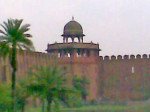
Darbhanga Fort
Some quick example text to build on the card title and make up the bulk of the card's content.
Go somewhere
Darbhanga Planetarium
Some quick example text to build on the card title and make up the bulk of the card's content.
Go somewhere
Darbhanga Railway Station Walls
Some quick example text to build on the card title and make up the bulk of the card's content.
Go somewherein Other Cities