Chandragiri Fort
General information
-
Ideal Duration:
1. 5 to 2 hoursPlace Type:
Fort, Historical Monument, Sunset ViewpointEntry Fees:
Small Entry Fee: Unlike the free beaches, Chandragiri Fort is a protected monument under the State Archaeology Department, and there is a small entry fee charged to maintain the site. This fee is generally modest, typically around INR 10 to INR 20 for Indian nationals, and ...Small Entry Fee: Unlike the free beaches, Chandragiri Fort is a protected monument under the State Archaeology Department, and there is a small entry fee charged to maintain the site. This fee is generally modest, typically around INR 10 to INR 20 for Indian nationals, and slightly higher for foreign tourists.
The Purpose of the Fee: The entry fee is collected for the conservation, maintenance, landscaping, and provision of basic amenities like drinking water and restrooms at this historic site. There might be a small additional charge for a still camera, though this varies.Timing:
Regular Timings: 8:00 AM to 5:
30 PM: The fort has strict visiting hours, usually from 8:00 AM to 5:30 PM daily. Visitors must ensure they enter well before the closing time, as the gatekeepers enforce the closure to ensure safety after dark....Regular Timings: 8:00 AM to 5:
30 PM: The fort has strict visiting hours, usually from 8:00 AM to 5:30 PM daily. Visitors must ensure they enter well before the closing time, as the gatekeepers enforce the closure to ensure safety after dark.
Ideal Visit Time:
Late Afternoon for Sunset: The ideal time is the late afternoon, typically arriving around 3:30 PM to 4:00 PM, to spend time exploring the ruins before positioning yourself for the spectacular sunset view, ensuring you exit just before the 5:30 PM closing time.
Morning for Cool Exploration: The early morning is an excellent alternative, offering a cool climate, beautiful soft light for photography, and a chance to explore the expansive ramparts before the arrival of the main crowds and the heat of the day.Special Events:
Chandragiri River Fest (Occasional/Seasonal): The fort's natural vantage point over the Chandragiri River sometimes serves as the backdrop for seasonal or occasional local events, notably the Chandragiri River Fest. This festival, when held, celebrates the river’s importa...Chandragiri River Fest (Occasional/Seasonal): The fort's natural vantage point over the Chandragiri River sometimes serves as the backdrop for seasonal or occasional local events, notably the Chandragiri River Fest. This festival, when held, celebrates the river’s importance to the region’s culture and economy. It typically features traditional music and dance, local food stalls offering specialty river fish dishes, and most importantly, competitive boat races (regattas) on the river below the fort. These boat races are a stunning visual spectacle when viewed from the ramparts above, offering a unique blend of history, culture, and athleticism, usually held around the October to January period.Best Photo Spots:
The Sunset View from the West Rampart: The most popular spot is the western-facing rampart, which provides the clearest, unobstructed view of the sun setting over the Arabian Sea. Position yourself to include the old laterite stones of the fort wall in the foreground, frami...The Sunset View from the West Rampart: The most popular spot is the western-facing rampart, which provides the clearest, unobstructed view of the sun setting over the Arabian Sea. Position yourself to include the old laterite stones of the fort wall in the foreground, framing the vibrant sky and the sea horizon.
The River Confluence Vista: Stand on the north-western bastion to capture the unique, intricate flow of the Chandragiri River as it meets the sea. This is best photographed in the soft light of the morning or late afternoon to emphasize the river's winding path through the green landscape before the dramatic junction with the blue sea.
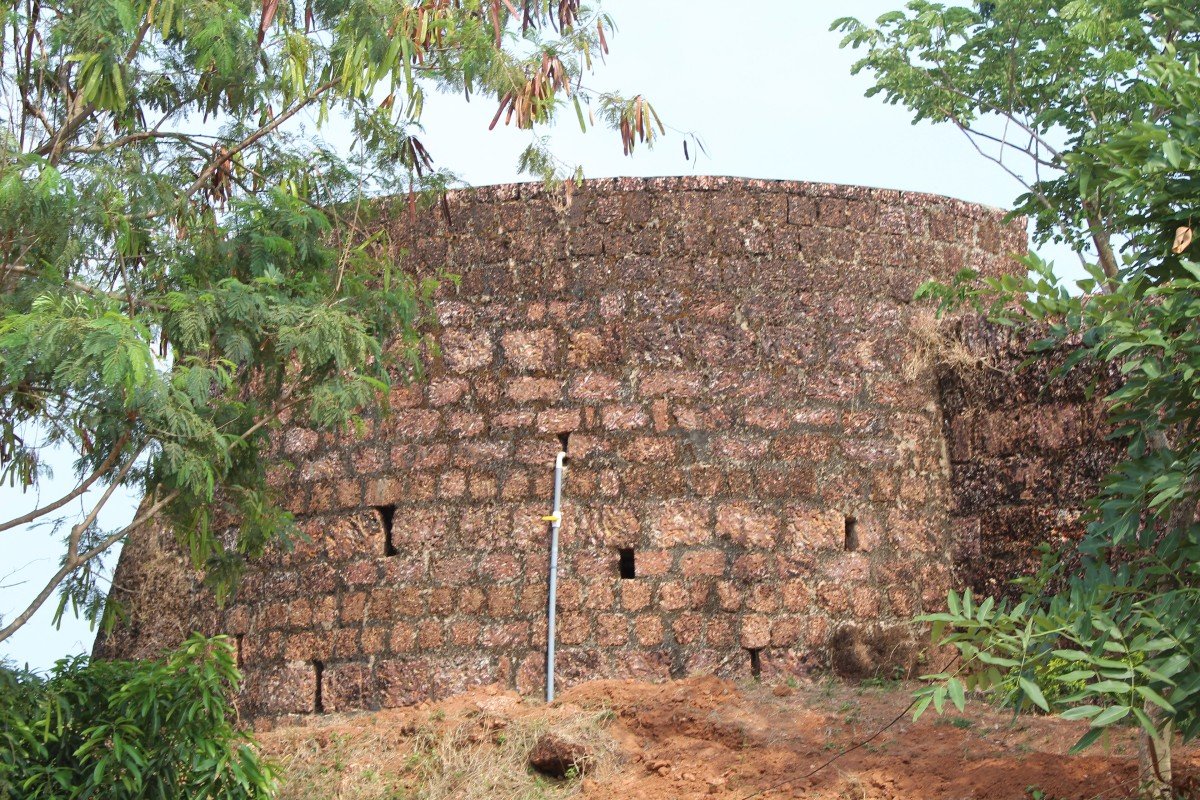
The Fort Walls and Sky: For a classic architectural shot, focus on the rough texture of the laterite stone walls. Photograph the vast expanse of the wall against a dramatic sky, particularly one with colorful clouds during sunset or a deep blue sky at midday. This highlights the scale and robustness of the 17th-century military engineering.Photo Gallery
Things To Do
-
Sightseeing and Photography:
Sunset Viewing on the Ramparts: The top activity is spending the late afternoon on the fort's massive ramparts to witness the spectacular sunset over the Arabian Sea and the Chandragiri River. Plan to arrive at least 1 hour before sunset for the best viewing spots.
Panoramic Photography: Capture the extensive panoramic views, focusing on the river mouth, the winding river, and the vast coastline. Use a wide-angle lens to get the full sweep of the unique river-sea junction.
Exploring the Ruins: Take a leisurely walk along the perimeter walls, which are estimated to cover a walking distance of nearly 1 kilometer. Explore the ruins of the inner buildings, imagining the daily life of the soldiers and officials who once inhabited the ...Sightseeing and Photography:
Sunset Viewing on the Ramparts: The top activity is spending the late afternoon on the fort's massive ramparts to witness the spectacular sunset over the Arabian Sea and the Chandragiri River. Plan to arrive at least 1 hour before sunset for the best viewing spots.
Panoramic Photography: Capture the extensive panoramic views, focusing on the river mouth, the winding river, and the vast coastline. Use a wide-angle lens to get the full sweep of the unique river-sea junction.
Exploring the Ruins: Take a leisurely walk along the perimeter walls, which are estimated to cover a walking distance of nearly 1 kilometer. Explore the ruins of the inner buildings, imagining the daily life of the soldiers and officials who once inhabited the stronghold.
Cultural and Water Activities:
River Boat Cruise: Arrange for a boat ride on the Chandragiri River. The Chandragiri Boat Club (run by BRDC) offers various options, including small cruises or sunset trips, which provide a different perspective of the fort and the surrounding villages.
Understanding History: Read the informational plaques provided by the Archaeology Department to gain a deeper appreciation of the fort's historical role under Shivappa Nayaka and its transition under the Mysore Sultans and the British.
Information
-
Why Famous:
Stunning River-Sea Confluence View: Its primary fame is derived from its unparalleled location atop a hill, offering a breathtaking panoramic view of the Chandragiri River as it meanders through the landscape and finally merges with the Arabian Sea. The elevated view of the...Stunning River-Sea Confluence View: Its primary fame is derived from its unparalleled location atop a hill, offering a breathtaking panoramic view of the Chandragiri River as it meanders through the landscape and finally merges with the Arabian Sea. The elevated view of the river mouth is arguably the best natural viewpoint in the Kasaragod district, making it a globally famous photography spot.
Historical Significance of the Nayakas: The fort is a symbol of the rule of Shivappa Nayaka and the Keladi dynasty over the Malabar Coast in the 17th century. Its historical role as a defensive and administrative boundary marker lends it immense cultural importance, attracting history buffs who wish to explore the remnants of this powerful dynasty.
The Golden Hour Sunset: Chandragiri Fort is widely renowned as the premier sunset viewing spot in the region. Tourists flock to the ramparts in the late afternoon to witness the sun’s descent over the Arabian Sea, often enhanced by the beautiful colors reflected on the vast expanse of the river below. -
Architecture:
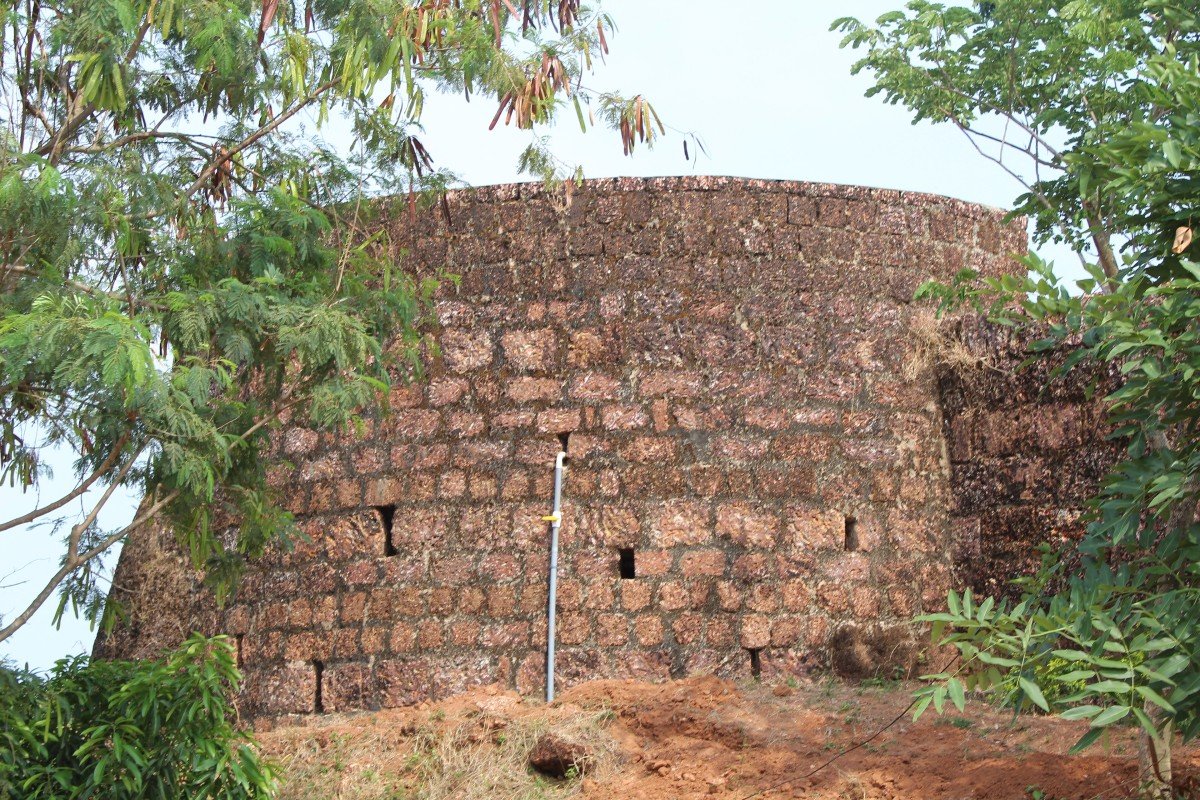
Chandragiri Fort is an excellent example of the military architecture employed by the Ikkeri Nayakas in the 17th century, primarily utilizing locally sourced laterite stone.
Fortification Material and Plan:
Laterite and Polygonal Design...Chandragiri Fort is an excellent example of the military architecture employed by the Ikkeri Nayakas in the 17th century, primarily utilizing locally sourced laterite stone.
Fortification Material and Plan:
Laterite and Polygonal Design:
Material: The primary building material is locally available laterite stone (a reddish, iron-rich rock). This stone is durable, easy to quarry, and gives the fort its characteristic rustic red hue. The walls are constructed using large, rough-cut laterite blocks.
Dimension of Walls: The surrounding walls are massive, covering an estimated area of about 7 acres at the top of the hill. The perimeter walls are typically very thick, ranging from 5 to 8 feet in width, and stand at a height of about 10 to 15 meters in certain preserved sections.
Strategic Military Design:
Keyhole-Shaped Bastions: The fort features strategically placed bastions at key points along the wall, characteristic of the era's defense architecture. These bastions were designed to provide a wider firing range and observation point.
The River Viewpoint: The entire design is based on the strategic location overlooking the river mouth, with the most heavily fortified sections facing the potential river approach and the sea. The fort’s elevated position, approximately 150 feet above sea level, is its central architectural defense.
Inner Structures (Ruins): While mostly in ruins, the fort historically contained a mosque, a temple, and various storehouses. Today, the visible structures are primarily the ramparts, a well-preserved watchtower base, and the ruins of several inner chambers, offering glimpses into the fort's former layout. -
How To Reach:
By Air:
Via Mangaluru or Kannur: The nearest major airports are Mangaluru International Airport (IXE) (approx. 70 KMS) and Kannur International Airport (CNN) (approx. 110 KMS). A taxi or cab is the most convenient option for the 2 to 3-hou...By Air:
Via Mangaluru or Kannur: The nearest major airports are Mangaluru International Airport (IXE) (approx. 70 KMS) and Kannur International Airport (CNN) (approx. 110 KMS). A taxi or cab is the most convenient option for the 2 to 3-hour drive to the fort location.
By Train:
Nearest Station - Kasaragod: Kasaragod Railway Station (KGQ) is the closest major station, located about 8 KMS away. Kanhangad Railway Station (KZE) is about 25 KMS away. Since Kasaragod is much closer, it is the preferred rail gateway. From Kasaragod, an auto-rickshaw or taxi can be hired for the short ride, which takes about 15 to 20 minutes.
By Road: Easy Access from NH 66: The fort is easily accessible via a short diversion from the main National Highway 66 (NH 66), near Kasaragod. State and private buses running between Kasaragod and Kanhangad will pass near the fort's main junction, from where an auto-rickshaw can be hired for the final ascent up the hill.
By Local Transport:
Auto-Rickshaw or River Boat: An auto-rickshaw is the most common local transport from Kasaragod town center. Uniquely, for an adventure, you can approach the area via a river boat from the Chandragiri Boat Club (near the river mouth), followed by a short road trip or walk up to the fort. -
Weather and Best Time to Visit:
Winter (October to March):
The Perfect Sunset Season: This is the best time to visit. The weather is cool, dry, and the clear winter skies provide the most vibrant and unobstructed sunset views, making the late afternoon trip highly rewardin...Winter (October to March):
The Perfect Sunset Season: This is the best time to visit. The weather is cool, dry, and the clear winter skies provide the most vibrant and unobstructed sunset views, making the late afternoon trip highly rewarding.
Summer (April to May):
Early or Late Visits Only: The fort's exposed hilltop location makes it extremely hot and uncomfortable during the midday. Visits must be strictly confined to the early morning or the last two hours before closing to enjoy the cool breeze and the sunset.
Monsoon (June to September):
Lush Views, Slippery Path: The rainy season covers the surrounding hills and riverbanks in lush green, creating a beautiful contrast against the stone fort and the stormy river mouth. While slippery, the dramatic atmosphere is appealing to certain travelers, provided they carry umbrellas and exercise caution on the ramparts.
Different Parts of the Day: Late Afternoon (4:00 PM - 5:30 PM) The best time for the sunset and the comfortable evening breeze. Early Morning (8:00 AM - 10:00 AM) Ideal for exploring the entire rampart area in cool conditions and for excellent long-shot photography of the river. -
Near Tourist Places:
Chandragiri River Boat Club: (Approx. 3 KMS) - Boat cruise point on the river.
Malik Dinar Mosque: (Approx. 10 KMS) - Important historical mosque.
Bekal Fort: (Approx. 12 KMS) - Largest fort in Kerala.
Kasaragod Town: (Approx. 8 KMS) - District Headquarters and shopping area.
Bekal Beach Park: (Approx. 13 KMS) - Developed beach.
Ananthapura Lake Temple: (Approx. 20 KMS) - Only lake temple in Kerala.
Hosdurg Fort: (Approx. 25 KMS) - Fort complex near Kanhangad.
Kodi Beach: (Approx. 19 KMS) - Scenic rocky beach and cliff.
Nityanandashram Caves: (Approx. 25 KMS) - Cave system near Kanhangad.
Thalangara: (Approx. 10 KMS) - Historical area near Kasaragod known for traditional houses.
Tourism Tips
-
Health & Safety:
High Ground Precautions:
Footwear: Wear sturdy, comfortable walking shoes. The fort's pathways and ramparts are made of uneven laterite stone, which can be slippery or challenging to navigat...Health & Safety:
High Ground Precautions:
Footwear: Wear sturdy, comfortable walking shoes. The fort's pathways and ramparts are made of uneven laterite stone, which can be slippery or challenging to navigate in light footwear.
Sun Protection: The hilltop is completely exposed. Carry a hat/cap, sunscreen, and sunglasses, especially for morning visits.
Packing:
Scenic Photography Gear:
Telephoto Lens: A telephoto lens or a camera with a good zoom is excellent for capturing the winding path of the Chandragiri River and the distant views of the sea.
Water: Essential, especially during the climb and the time spent on the exposed ramparts.
Accommodation:
Stay in Kasaragod or Bekal:
Kasaragod Base: Given its proximity, staying in Kasaragod town allows easy access to the fort and other town-based attractions like Malik Dinar Mosque.
Bekal Resorts: The luxury resorts near Bekal Fort are only a 15 to 20-minute drive away and offer the best amenities.
Other Different Topics Heading:
Time Management: Since the fort strictly closes at 5:30 PM, plan your sunset viewing carefully. You must begin your descent well before the closing time.
Bird Watching: The river mouth area is a habitat for various local bird species. Carry a pair of binoculars for a relaxing session of bird watching from the fort's high vantage point.
Archaeological Respect: As a historical monument, refrain from climbing on delicate walls, carving names, or disturbing any of the ruins.
Reviews
FAQs
Bekal Itineray And Cost:-
Chandragiri Fort Tourism:-
Other Places In Bekal :-
Other States In India :-
Information about New and Updated Locations() of Kerala Has Been Added :-
Card subtitle
Note:-
Information provided here in good Faith and for reference only.
Near Places
Ananthapura Lake Temple
Some quick example text to build on the card title and make up the bulk of the card's content.
Go somewhere
Azhi Pozhi
Some quick example text to build on the card title and make up the bulk of the card's content.
Go somewhere
Bekal Beach Park
Some quick example text to build on the card title and make up the bulk of the card's content.
Go somewhere
Bekal Fort
Some quick example text to build on the card title and make up the bulk of the card's content.
Go somewhere
Bekal Fort Observation Tower
Some quick example text to build on the card title and make up the bulk of the card's content.
Go somewhere
Bekal Hole Aqua Park
Some quick example text to build on the card title and make up the bulk of the card's content.
Go somewhere
Bevinje Valley View Point
Some quick example text to build on the card title and make up the bulk of the card's content.
Go somewhere
Chandragiri Fort
Some quick example text to build on the card title and make up the bulk of the card's content.
Go somewhere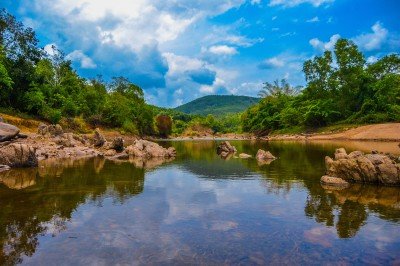
Chandragiri River
Some quick example text to build on the card title and make up the bulk of the card's content.
Go somewhere
Chemmanad Jama Masjid
Some quick example text to build on the card title and make up the bulk of the card's content.
Go somewhere
Cheroor Valley View Point
Some quick example text to build on the card title and make up the bulk of the card's content.
Go somewhere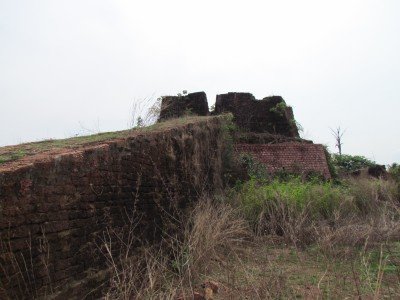
Hosdurg Fort & Beach
Some quick example text to build on the card title and make up the bulk of the card's content.
Go somewhere
Kanwatheertha Beach
Some quick example text to build on the card title and make up the bulk of the card's content.
Go somewhere
Kappil Beach
Some quick example text to build on the card title and make up the bulk of the card's content.
Go somewhere
Kodi Beach
Some quick example text to build on the card title and make up the bulk of the card's content.
Go somewhere
Kodi Hill View Point
Some quick example text to build on the card title and make up the bulk of the card's content.
Go somewherein Other Cities