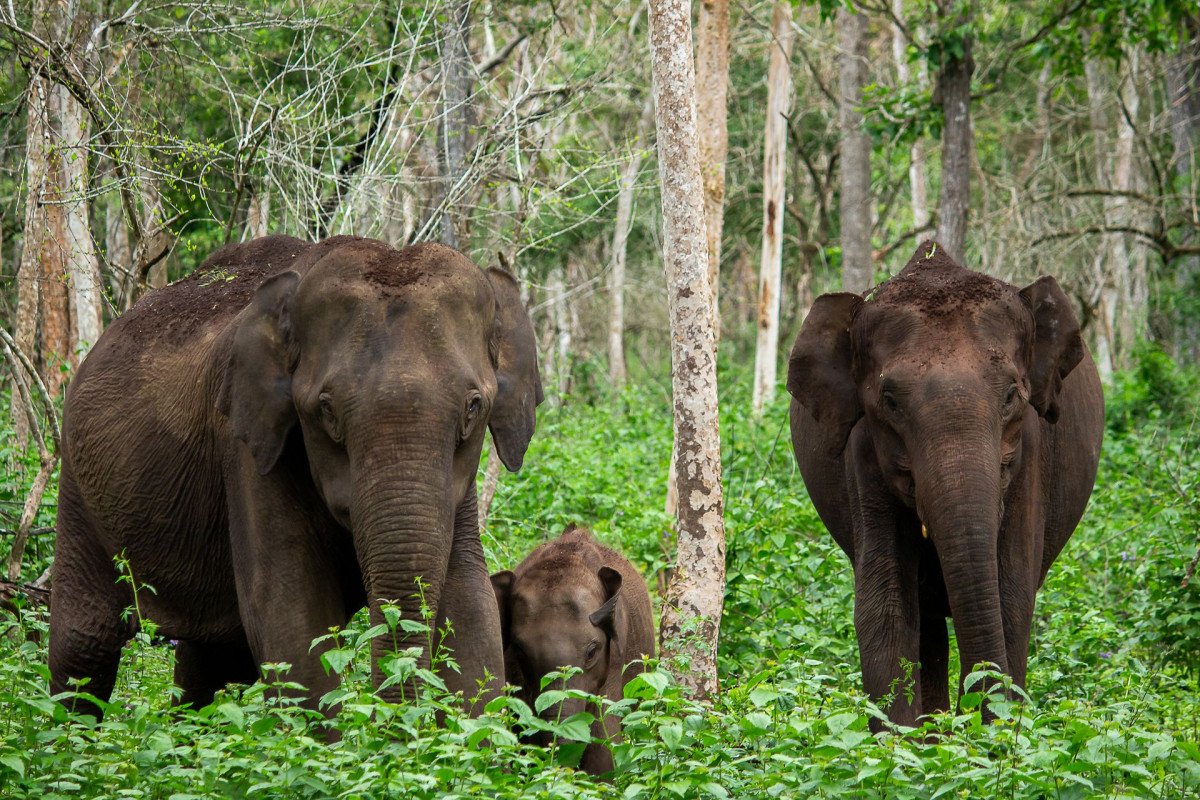
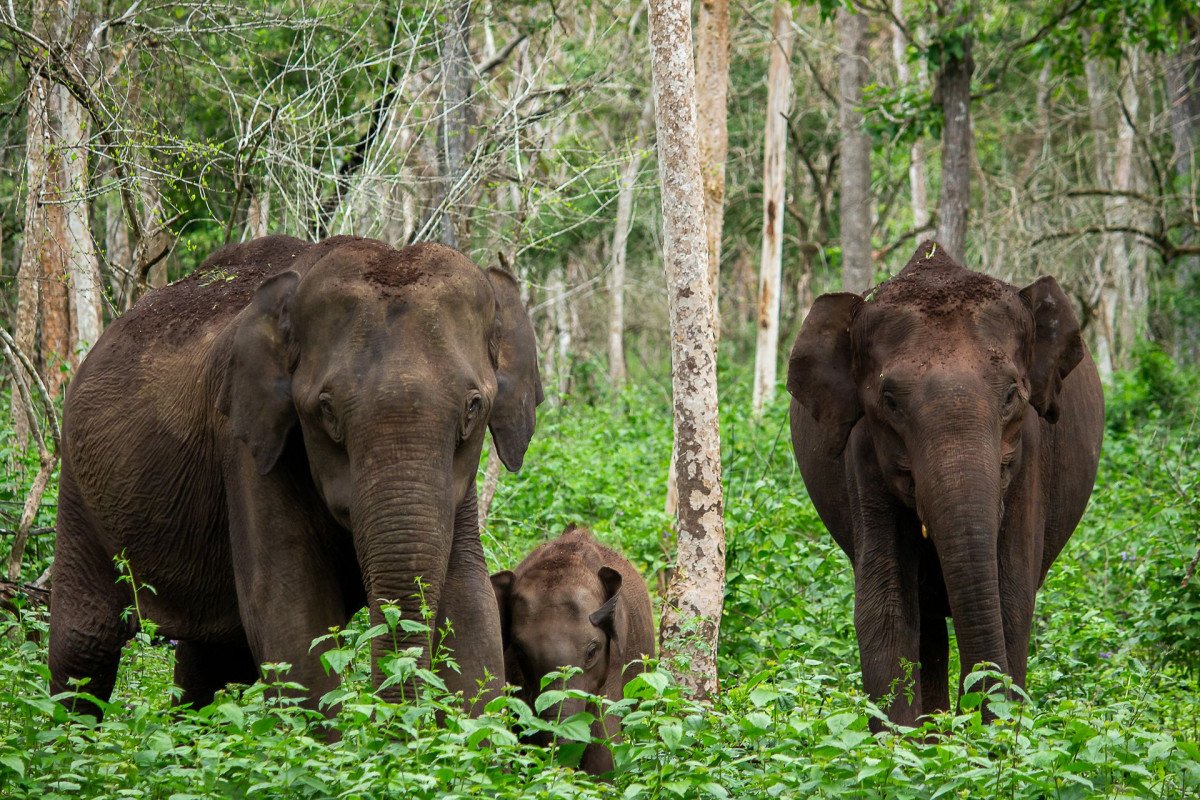
Chatra Forest Reserve
General information
-
Ideal Duration:
2-3 Days (To explore the major waterfalls and the Lawalong Sanctuary area)Place Type:
Nature/Wildlife/Adventure TourismEntry Fees:
Forest Department Charges: There are usually charges for entering the Lawalong Wildlife Sanctuary (a key part of the reserve) which typically involve separate fees for entry, vehicle permits (like cars or jeeps), and camera fees (especially for professional photography or vi...Forest Department Charges: There are usually charges for entering the Lawalong Wildlife Sanctuary (a key part of the reserve) which typically involve separate fees for entry, vehicle permits (like cars or jeeps), and camera fees (especially for professional photography or video equipment): These fees are generally nominal for Indian citizens but slightly higher for foreign nationals: Funds collected help in the maintenance and protection of the forest and its wildlife:
Waterfall and Picnic Spot Fees: Certain developed or popular waterfalls and picnic spots (like Goa Falls or designated picnic zones) may charge a small fee for maintenance, parking, or cleanliness: These entry/parking fees are usually collected by the local Panchayat or a designated tourism body and are minimal, often in the range of INR 10 to INR 50 per person or vehicle:
Guide and Trekking Charges: While not strictly entry fees, hiring a mandatory, authorized forest guide for deep jungle treks or wildlife safaris in the sanctuary is a necessary expense: Costs for guides vary based on the duration and complexity of the trek, and should always be budgeted for safety and compliance:
Accommodation Charges: Staying at any Forest Rest House or designated camping site within the reserve boundaries will incur lodging charges which vary greatly based on the facility type and season.Timing:
Regular Timings: The official entry for the Lawalong Wildlife Sanctuary and most major waterfalls/picnic spots within the reserve is typically from Sunrise to Sunset (approx. 6:00 AM to 5:00 PM), as movement after dark is restricted for safety: Some spots like the Kunda Cav...Regular Timings: The official entry for the Lawalong Wildlife Sanctuary and most major waterfalls/picnic spots within the reserve is typically from Sunrise to Sunset (approx. 6:00 AM to 5:00 PM), as movement after dark is restricted for safety: Some spots like the Kunda Cave may have shorter daylight hours: The Chatra Forest Range office generally operates during standard business hours (10:00 AM to 5:
00 PM) for obtaining permits:
Ideal Visit Time: The BEST time for jungle trekking and waterfall viewing is early in the morning, between 7:00 AM and 11:00 AM, when the air is cool, and the chances of spotting wildlife are highest: Late afternoon (3:00 PM to 5:00 PM) is also ideal for photography due to the soft light: Visits during the week, especially Tuesday to Thursday, are quieter and more serene.Special Events:
Kolhua Mela: This is the most significant special event associated with the forest area, celebrated on the eve of Ram Navami at the Kauleshwari Devi Temple atop Kolhua Hill: The festival attracts thousands of devotees who undertake a trek to the temple, making it a vibrant c...Kolhua Mela: This is the most significant special event associated with the forest area, celebrated on the eve of Ram Navami at the Kauleshwari Devi Temple atop Kolhua Hill: The festival attracts thousands of devotees who undertake a trek to the temple, making it a vibrant cultural and spiritual event deep within the forest environment:
Bishua Festival at Bhadrakali: While the Bhadrakali Temple is outside the main reserve, its location by the Mahanad river and surrounded by hills and forest makes it part of the forest's cultural calendar: The Bishua festival (often coinciding with Kartik Purnima after Chhath) sees a large influx of people for ritual baths and celebrations in this serene, forested setting.Best Photo Spots:
Kolhua Hill Summit Viewpoint: The summit of Kolhua Hill provides an unmatched, expansive, and high-altitude view (Akash Lochan) of the surrounding dense Chatra forests and the distant plains, offering the perfect wide-angle and landscape shots, especially during sunrise or s...Kolhua Hill Summit Viewpoint: The summit of Kolhua Hill provides an unmatched, expansive, and high-altitude view (Akash Lochan) of the surrounding dense Chatra forests and the distant plains, offering the perfect wide-angle and landscape shots, especially during sunrise or sunset:
Tamasin Waterfall Plunge Pool and Rocks: The area around the Tamasin Waterfall is characterized by dark, mossy rocks and a clear water reservoir, providing a dramatic contrast for long-exposure photography of the falling water, framed by the famously dense forest canopy:
Keridah Falls Multi-Level Cascades: The three separate cascades of Keridah Falls provide dynamic compositions: Photographers can capture the water flowing between the two hill rocks, offering interesting depth-of-field and compositional opportunities:
Lawalong Sanctuary Forest Roads: The winding dirt roads and sun-dappled trails deep inside the Lawalong Wildlife Sanctuary are excellent for capturing light and shadow play, as well as high-quality macro photography of the forest floor, fungi, and insects.Photo Gallery
Things To Do
-
Jungle Trekking and Hiking:
Chatra is a trekker's paradise: Enjoy a challenging hike to the top of Kolhua Hill (1,575 ft) near Hunterganj for a panoramic view (Akash Lochan): Tackle the trails leading to the base of waterfalls like Dumer Sumer and Maludah; the 2-3 km trek to Maludah Waterfall through the forest is particularly rewarding:
Wildlife Spotting and Safari in Lawalong: Arrange a guided safari or nature walk within the designated zones of the Lawalong Wildlife Sanctuary for the chance to spot diverse wildlife, including sambhars, boars, and various exotic birds: Early morning and late afternoon are the best times for this activity: Carry binoculars and maintain silence for better sightings:
Waterfall Exploration and Picnic: Dedicate a full day to visiting ...Jungle Trekking and Hiking:
Chatra is a trekker's paradise: Enjoy a challenging hike to the top of Kolhua Hill (1,575 ft) near Hunterganj for a panoramic view (Akash Lochan): Tackle the trails leading to the base of waterfalls like Dumer Sumer and Maludah; the 2-3 km trek to Maludah Waterfall through the forest is particularly rewarding:
Wildlife Spotting and Safari in Lawalong: Arrange a guided safari or nature walk within the designated zones of the Lawalong Wildlife Sanctuary for the chance to spot diverse wildlife, including sambhars, boars, and various exotic birds: Early morning and late afternoon are the best times for this activity: Carry binoculars and maintain silence for better sightings:
Waterfall Exploration and Picnic: Dedicate a full day to visiting the major waterfalls: The easily accessible Goa Falls (6 km) is a popular spot for a quick visit and a dip: Bichkiliya Waterfall on the Lilajan River and Keridah Falls (split into three parts) offer spectacular views and are ideal picnic spots, though they require some trekking:
Birdwatching and Photography: The forest is a hotspot for ornithologists and photographers due to the presence of over 150 species of birds, including the striking Paradise Fly Catcher and various raptors: Set up at a secluded water body or observation deck for the best photo opportunities:
Nature Camping and Stargazing: In permitted areas, set up an overnight camp to experience the magical lull of the forest at night: The low light pollution in this remote area makes it an excellent location for stargazing: Always ensure prior permission from the Forest Department:
Riverside Relaxation and Meditation: Find a quiet spot by the Lilajan or Amanat rivers which flow through the reserve: The sound of the flowing water and the dense, tranquil surroundings make it a perfect location for relaxation, reading, or quiet meditation:
Visit Sacred Sites: Explore the temples nestled in the forest's periphery, such as the ancient Kauleshwari Devi Temple atop Kolhua Hill, which offers a blend of pilgrimage and a scenic trekking experience.
Information
-
Why Famous:
Biodiversity Hub of Chatra: The reserve is famous for being a prime example of the rich biodiversity of the Chotanagpur region: It is home to the Lawalong Wildlife Sanctuary, which provides refuge to various animal species, including a variety of deer, wild boars, sloth bear...Biodiversity Hub of Chatra: The reserve is famous for being a prime example of the rich biodiversity of the Chotanagpur region: It is home to the Lawalong Wildlife Sanctuary, which provides refuge to various animal species, including a variety of deer, wild boars, sloth bears, Indian leopards, jackals, hyenas, and an extensive list of bird species like the Serpent Eagle and Paradise Fly Catcher:
Land of Waterfalls and Scenic Beauty: The forest is celebrated for its stunning natural landscape, dotted with picturesque waterfalls, earning the district the nickname of the Gateway of Jharkhand: Popular waterfalls like Maludah Falls, Keridah Falls, Goa Falls, Dumer Sumer, and Tamasin Waterfall are major attractions, drawing nature lovers and trekkers: The dense jungle and rugged terrain offer unspoiled, dramatic views, making it a sought-after destination for eco-tourism and adventure:
Tribal Culture and Heritage: The region's fame is also linked to its indigenous tribal communities, who have lived in harmony with the forest for generations: Their traditional practices, music, and way of life are interwoven with the natural environment, providing a unique cultural dimension to the forest reserve experience. -
Architecture:
Natural Architecture and Terrain: Unlike man-made structures, the "architecture" of the forest reserve is its natural, geographical composition: It is defined by the Chotanagpur Plateau landscape, characterized by elevated plateaus, rolling hills, and deep valleys: The altit...Natural Architecture and Terrain: Unlike man-made structures, the "architecture" of the forest reserve is its natural, geographical composition: It is defined by the Chotanagpur Plateau landscape, characterized by elevated plateaus, rolling hills, and deep valleys: The altitude of the district generally averages around 2012 feet (613 meters) above sea level, with the terrain marked by sudden changes in elevation and the presence of numerous waterfalls and streams, which are integral to its natural design: The reserve's vastness encompasses approximately 22,644 square kilometers of forest area across the district, forming a significant green patch in Jharkhand: This natural architecture includes dense canopies, particularly where large trees like Saal and Mahua thrive, creating layers of vegetation that define the forest's interior: The borders of the Lawalong Sanctuary are naturally demarcated by rivers and streams like the Lilajan and Amanat:
Dimension and Composition: The Lawalong Wildlife Sanctuary, a key protected zone within the broader reserve, is one of the larger sanctuaries in the region, encompassing a substantial area dedicated to wildlife protection: The tree cover consists of dry, moist, and damp deciduous mixed forests, along with tropical shrubs and dense bamboo clumps: The towering trees create a vertical dimension that dominates the forest landscape, while the serpentine rivers and streams add a horizontal flow: The rocky outcrops and laterite soil found throughout the forest are also key architectural elements, dictating the growth patterns of the flora and shaping the flow of water, leading to the formation of its many waterfalls. -
How To Reach:
By Air: The nearest major airport is Birsa Munda Airport (IXR) in Ranchi, which is approximately 150-160 km away: Flights connect Ranchi to major Indian cities like Delhi, Kolkata, and Patna: From Ranchi, one must hire a pre-booked taxi or take a bus to Chatra town, a journe...By Air: The nearest major airport is Birsa Munda Airport (IXR) in Ranchi, which is approximately 150-160 km away: Flights connect Ranchi to major Indian cities like Delhi, Kolkata, and Patna: From Ranchi, one must hire a pre-booked taxi or take a bus to Chatra town, a journey of about 4-5 hours: For some destinations in the North of Chatra, Gaya Airport (GAY) (approx.
110 km) in Bihar can also be an option:
By Train:
The district is not directly connected by rail: The closest major railway station is Gaya Junction (GAYA), approximately 90-100 km away, offering trains from all over India, including Delhi, Mumbai, Chennai, and Howrah: Another option is Hazaribagh Road Station (HZD), about 100 km away: From the station, taxis or local buses are available to reach Chatra town:
By Road: Chatra is well-connected by road, notably by National Highway 22: State and private buses operate regular services from nearby major cities like Ranchi, Hazaribagh, Gaya, and Daltonganj: Self-driving is a good option, but interior roads to the waterfalls and the sanctuary may be rough and unpaved (Katcha) and require a rugged vehicle like an SUV or jeep:
By Local Transport: From Chatra town, local transport options include jeeps (shared or private), auto-rickshaws (for closer destinations), or hiring local taxis: For reaching the deep forest areas or specific waterfalls, it is best to hire a local vehicle and a knowledgeable driver/guide, as the last few kilometers often involve trekking on foot (e. g. , 2-6 km walk for places like Dumer Sumer or Bichkiliya). -
Weather and Best Time to Visit:
Winter Season (October to March):
This is the BEST TIME to visit the reserve: The weather is pleasantly cool and dry, with temperatures ranging from 10°C to 25°C: This climate is perfect for trekking, long walks, and wildlife spotting, as a...Winter Season (October to March):
This is the BEST TIME to visit the reserve: The weather is pleasantly cool and dry, with temperatures ranging from 10°C to 25°C: This climate is perfect for trekking, long walks, and wildlife spotting, as animals often come out to bask in the sun: All waterfalls have a decent flow and the forest is verdant:
Summer Season (April to June):
This is the Least Recommended time: Temperatures can soar up to 44°C, making daytime excursions extremely uncomfortable and dangerous: The forest becomes dry, and water sources dwindle, though it might be the last chance to see some migratory birds: Stick to early mornings and late evenings if visiting:
Monsoon Season (July to September): While the forest is at its most beautiful, lush, and the waterfalls are at their fullest (especially in August and September), the heavy rainfall can make many roads (Katcha paths) inaccessible and treacherous for trekking:
Landslides are a risk: Visit only immediately after a dry spell and be prepared for mud and leeches:
Different Parts of the Day: Early Morning is best for wildlife and bird watching:
Daytime is for waterfall and temple visits: Late Afternoon is ideal for photography. -
Near Tourist Places:
Goa Falls (6 km, Waterfall), Keridah Falls (8 km, Waterfall), Maludah Falls (8 km, Waterfall), Bichkiliya Waterfall (11 km, Waterfall/Reservoir), Dumer Sumer Waterfall (12 km, Waterfall/Trek), Khaya Banaroo (10 km, Picnic Spot/Waterfall), Kunda Fort and Cave (Approx. 15 km, Historical/Spiritual), Kauleshwari Devi Temple (Approx. 30 km, Religious/Hilltop), Bhadrakali Temple Itkhori (Approx. 35 km, Religious/Cultural), Balbal Duari (25 km, Hot Spring).
Tourism Tips
-
Health & safety: Always carry a well-stocked First-Aid Kit with antiseptic, pain relievers, and medication for snake bites (though trained guides should handle this): Drink only packaged or filtered water to avoid stomach issues: Always stay on marked trails and never ventur...Health & safety: Always carry a well-stocked First-Aid Kit with antiseptic, pain relievers, and medication for snake bites (though trained guides should handle this): Drink only packaged or filtered water to avoid stomach issues: Always stay on marked trails and never venture alone into the deep forest, especially in the Lawalong Sanctuary, without a local guide: Inform your accommodation/Forest Department of your trekking plan:
Packing: Pack light, quick-drying clothing in muted colors (khaki, olive green) to blend in for better wildlife viewing:
A good pair of sturdy trekking shoes is essential: Carry a hat, sunglasses, mosquito repellent, and a good quality camera/binoculars: A light rain jacket is recommended even outside the monsoon season:
Accommodation: Accommodation in Chatra town is basic, with local hotels and lodges: For a better nature experience, check for availability in the Forest Rest Houses or designated tourist bungalows near the sanctuary/waterfalls, which must be booked in advance through the Forest Department: Pre-booking is highly advised, especially during peak season (November to February):
Other Different Topics Heading:
Respecting Wildlife:
Never feed or attempt to touch wild animals: Maintain absolute silence in the sanctuary to avoid disturbing the ecosystem: Do not litter and bring all non-biodegradable waste back with you:
Local Interaction: The area is predominantly inhabited by tribal communities; be respectful of their culture, traditions, and privacy: Ask permission before taking photographs of local people.
Reviews
FAQs
Chatra Itineray And Cost:-
Chatra Forest Reserve Tourism:-
Information about New and Updated Locations() of Jharkhand Has Been Added :-
Card subtitle
Note:-
Information provided here in good Faith and for reference only.
All information and pictures will be updated soon, please keep visiting.
Near Places
Balthar Falls
Some quick example text to build on the card title and make up the bulk of the card's content.
Go somewhere
Balu Math Shiva Temple
Some quick example text to build on the card title and make up the bulk of the card's content.
Go somewhere
Barura Sharif
Some quick example text to build on the card title and make up the bulk of the card's content.
Go somewhere
Bichkiliya Water Reservoir
Some quick example text to build on the card title and make up the bulk of the card's content.
Go somewhere
Chatra Forest Reserve
Some quick example text to build on the card title and make up the bulk of the card's content.
Go somewhere
Chatra Jama Masjid
Some quick example text to build on the card title and make up the bulk of the card's content.
Go somewhere
Chatra Lake
Some quick example text to build on the card title and make up the bulk of the card's content.
Go somewhere
Chatra Museum
Some quick example text to build on the card title and make up the bulk of the card's content.
Go somewhere
Duari Waterfall
Some quick example text to build on the card title and make up the bulk of the card's content.
Go somewhere
Dumer Sumer Waterfall
Some quick example text to build on the card title and make up the bulk of the card's content.
Go somewherein Other Cities