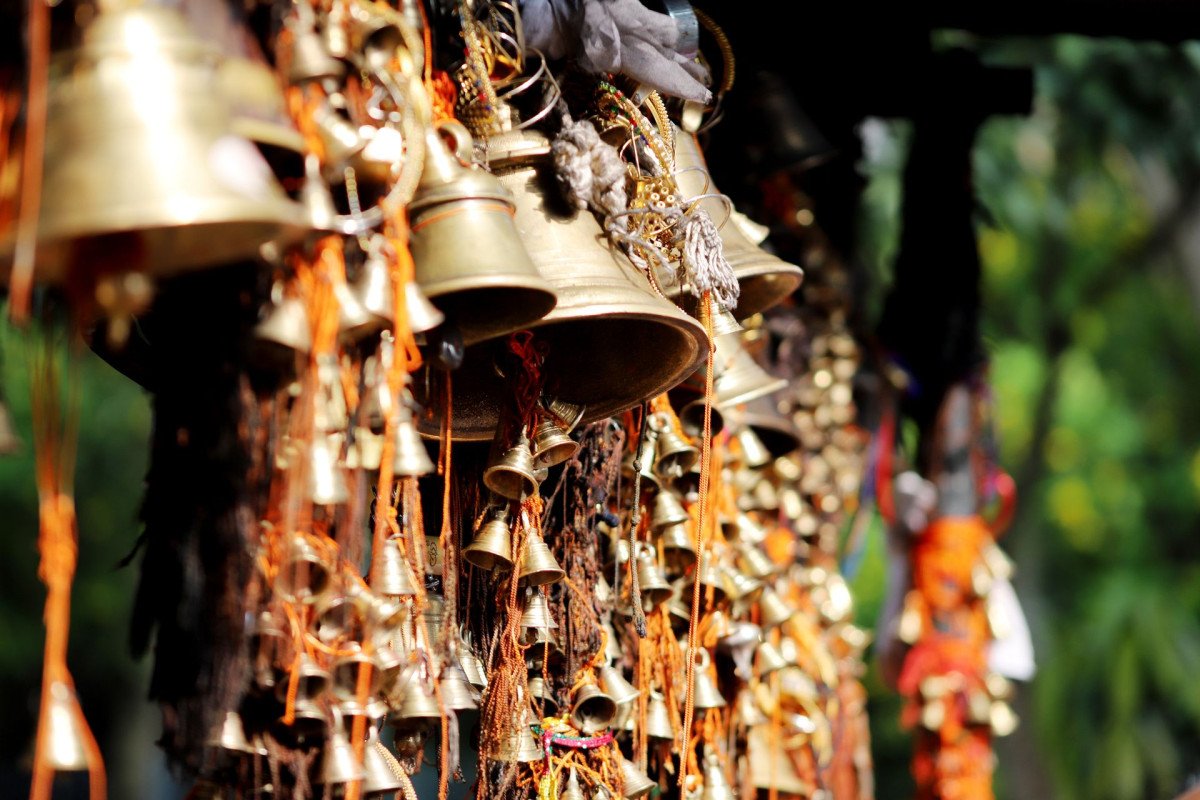
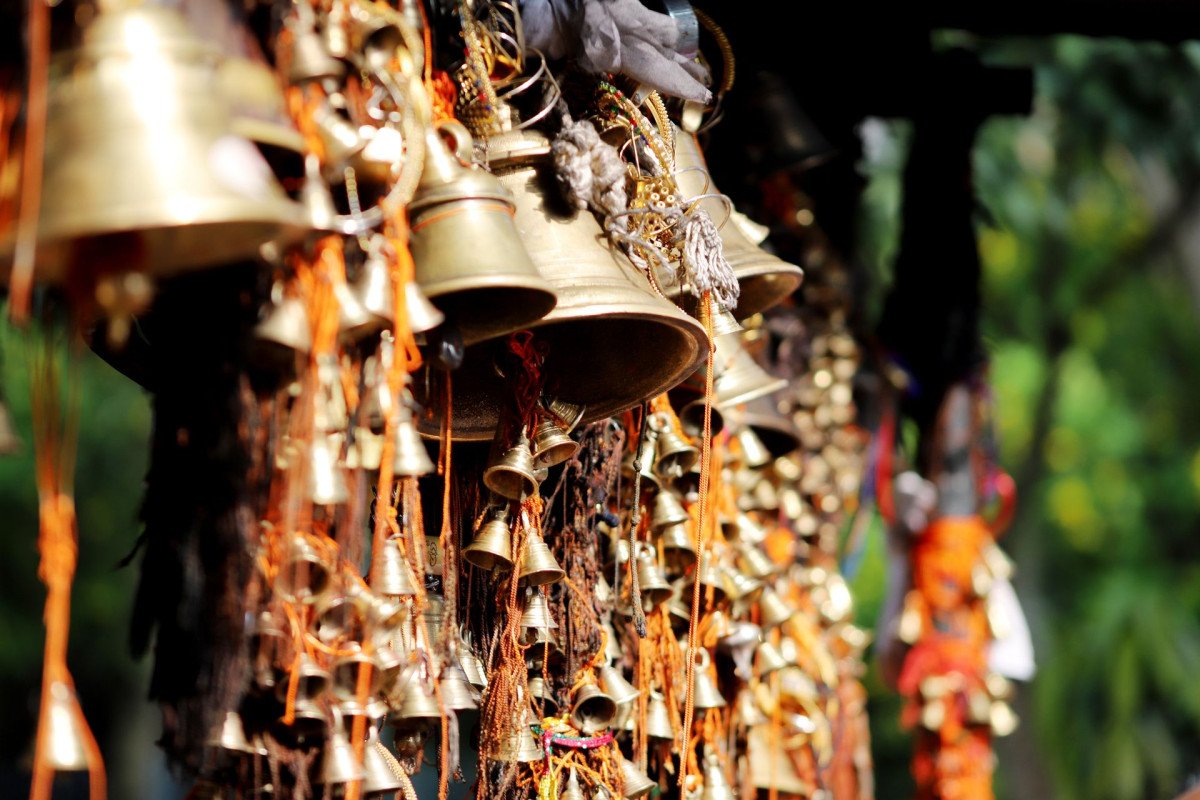
Chennakesava Temple
General information
-
Ideal Duration:
3-4 hours (To properly view all carvings and secondary shrines)Place Type:
UNESCO World Heritage Site Nominee / ArchitecturalEntry Fees:
Entry Fees for the Complex: The main Chennakesava Temple complex has a nominal entry fee (often less than Rs. 50) for Indian citizens and a slightly higher fee (often around Rs. 250 to Rs. 500) for Foreign Nationals. These fees are charged by the Archaeological Survey of...Entry Fees for the Complex: The main Chennakesava Temple complex has a nominal entry fee (often less than Rs. 50) for Indian citizens and a slightly higher fee (often around Rs. 250 to Rs. 500) for Foreign Nationals. These fees are charged by the Archaeological Survey of India (ASI) and are subject to change. The ticket is usually purchased at a dedicated counter near the main Gopuram.
Video and Still Camera Fees: There is typically a separate, modest fee (around Rs. 25 to Rs. 100) for still cameras and a higher fee for video cameras/camcorders. Professional photography equipment (like tripods or high-end film cameras) may require special, pre-arranged permits from the ASI, which can be significantly more expensive.
Guide Fees: The most variable cost is the guide fee. Licensed, English-speaking guides will charge a fixed hourly or per-tour rate (typically starting from Rs. 400 and up), which must be agreed upon before starting the tour. Hiring a guide is optional but highly recommended.
Parking Fees: There are usually nominal charges for vehicle parking near the temple entrance, managed by local authorities.Timing:
Regular Temple Timings: The Chennakesava Temple complex is generally open for visitors from around 7:30 AM to 1:00 PM and then from 3:00 PM to 8:00 PM. However, the exact timing for the inner sanctum (Garbhagriha) Darshan can vary based on the daily Puja schedule of the pri...Regular Temple Timings: The Chennakesava Temple complex is generally open for visitors from around 7:30 AM to 1:00 PM and then from 3:00 PM to 8:00 PM. However, the exact timing for the inner sanctum (Garbhagriha) Darshan can vary based on the daily Puja schedule of the priests, so it's best to check locally.
Ideal Visit Time: The Ideal Visit Time is in the very early morning, immediately after the temple opens (around 7:30 AM), before the arrival of the main tour groups. The early morning sunlight hits the eastern facade beautifully, highlighting the carvings. Late afternoon (4:00 PM to 6:00 PM) is also good, as the western light illuminates the southern and western walls, and it's cooler.
Best Day/Time for Viewing Carvings: Weekdays are less crowded than weekends. Avoid the midday heat and the period between 1:00 PM and 3:00 PM when the Garbhagriha is usually closed. For photography, the golden hours (sunrise/sunset) are essential.Special Events:
Annual Hoysala Mahotsava: The most significant special event is the annual Hoysala Mahotsava (usually in March or April), where the temple becomes the spectacular venue for classical dance and music performances by renowned artists from all over India. The temple is dramati...Annual Hoysala Mahotsava: The most significant special event is the annual Hoysala Mahotsava (usually in March or April), where the temple becomes the spectacular venue for classical dance and music performances by renowned artists from all over India. The temple is dramatically illuminated, and the stone carvings serve as a living backdrop, creating a truly unique fusion of ancient and modern art.
Rathotsava (Chariot Festival): The Chennakesava Temple celebrates a grand Rathotsava (car chariot festival) every year, usually in the month of March or April. The main idol is taken out in a magnificent wooden chariot that is elaborately decorated. This festival attracts thousands of devotees and is a vibrant display of local religious fervor and tradition.
Vairamudi Festival: Although the main Vairamudi festival is at the Melkote Cheluvanarayana Swamy Temple, the Chennakesava Temple in Belur celebrates related key Vaishnava festivals, such as Srivari Brahmotsava or Vaikuntha Ekadashi (in December/January), with special Pujas, processions, and recitations of holy texts.Best Photo Spots:
The Jagati View (Panoramic): The best overall photo spot is standing back on the Jagati (platform) diagonally across from the main temple's eastern entrance. This angle allows you to capture the entire star-shaped Vimana and Navaranga in a single frame, highlighting its geo...The Jagati View (Panoramic): The best overall photo spot is standing back on the Jagati (platform) diagonally across from the main temple's eastern entrance. This angle allows you to capture the entire star-shaped Vimana and Navaranga in a single frame, highlighting its geometric complexity and the density of the exterior carvings.
The Madanika Close-Up: Use a zoom lens to capture a tight, detailed shot of a famous Madanika figure, such as the Darpana Sundari. Focus sharply on the intricate jewelry, the facial expression, and the supporting bracket to showcase the sculptor's technical mastery.
The Pillar Detail in Navaranga: Inside the dark Navaranga, use a tripod (if allowed, or a high-ISO setting) to take a close-up of the minute details on the famous lathe-turned pillars, such as the Narasimha Pillar or the Mohini Pillar, capturing the incredible geometric and narrative carvings.
The Gopuram and Tank Reflection: Stand near the Pushkarini (water tank) on a calm morning to try and capture the towering Vijayanagara Gopuram (entrance tower) reflected perfectly in the water, providing a beautiful symmetry and contrast between the water's surface and the solid stone structure.
Frieze Narrative Details (Low Angle): Kneel down to take close-up, low-angle shots of the lowest horizontal friezes (elephants, horses) on the exterior wall. This perspective emphasizes the texture and the continuous narrative flow of the carvings. (Approx )Photo Gallery
Things To Do
-
Hire a Knowledgeable Local Guide: The Chennakesava Temple is dense with symbolic carvings, and an official, government-licensed guide is absolutely essential to truly understand the history, mythology, and intricate details of the sculptures. They can point out the Madanika figures, the sculptors' signatures, and explain the epic narratives on the friezes.
Perform Pradakshina (Circumambulation): Walk slowly and reverently clockwise around the star-shaped Jagati (platform). This is the intended path (pradakshina-patha). As you walk, study the exterior walls of the Vimana (shrine) and the Navaranga. Take time to examine the six horizontal friezes at the base, from the elephants to the mythological scenes, as they run continuously like a comic strip of the epics.
Contemplate the Madanikas: Spend...Hire a Knowledgeable Local Guide: The Chennakesava Temple is dense with symbolic carvings, and an official, government-licensed guide is absolutely essential to truly understand the history, mythology, and intricate details of the sculptures. They can point out the Madanika figures, the sculptors' signatures, and explain the epic narratives on the friezes.
Perform Pradakshina (Circumambulation): Walk slowly and reverently clockwise around the star-shaped Jagati (platform). This is the intended path (pradakshina-patha). As you walk, study the exterior walls of the Vimana (shrine) and the Navaranga. Take time to examine the six horizontal friezes at the base, from the elephants to the mythological scenes, as they run continuously like a comic strip of the epics.
Contemplate the Madanikas: Spend dedicated time locating and appreciating all the major Madanika (bracket figure) sculptures on the outer walls and the four inside the Navaranga. Try to identify famous ones like the Darpana Sundari (Lady with a Mirror) and the Shuka Bhashini (Lady with a Parrot). Observe the minute details of their jewelry and expression.
Explore the Navaranga Hall and Pillars: Enter the main Navaranga (hall) and marvel at the 48 lathe-turned pillars. Don't miss the famous Mohini Pillar and the Narasimha Pillar for their exquisite, detailed carving. Look up at the central dome ceiling to see the magnificent Trimurti Sangama Bhubaneshwari carving (the union of the trinity of Brahma, Vishnu, and Shiva) and the surrounding ceiling panels.
Visit the Secondary Shrines: Explore the other important shrines within the complex, such as the Kappe Chennigaraya Temple, the Soumyanayaki Temple, and the Andal Temple. These are smaller but offer different styles and deities, completing the pilgrimage experience of the complex.
Attend the Aarti (Ritual of Light): If possible, attend the evening Aarti ceremony. Witnessing the rituals performed by the priests and the chants in the ancient hall provides a profound spiritual atmosphere and a break from purely architectural appreciation. The temple takes on a different, more spiritual energy in the evening.
Meditate at the Temple Tank (Pushkarini): Spend a few minutes in quiet contemplation near the Vasantha Mantapa and the Pushkarini (water tank). The serene setting here offers a peaceful contrast to the busy carvings and can be a place for reflection.
Study the Hoysala Emblem: Carefully examine the large Hoysala Emblem on both sides of the main eastern entrance, understanding its dual significance—the founding legend of Sala and the military victory over the Cholas.
Visit the Archeological Museum: Though often simple, the small museum or display center near the temple complex sometimes houses broken fragments, tools, and larger explanatory panels that can offer further context and a close-up view of the sculptural techniques.
Shop for Temple Replicas: The area around the temple is famous for shops selling intricate miniature wooden and stone replicas of the Hoysala sculptures. Bargaining for one of these is a popular activity, allowing you to take a piece of the art home.
Photography of the Temple Tower: While the main temple lacks its Shikhara (tower), take photos of the towering Gopuram (entrance tower) and the overall compound from a distance for a sense of its scale and grandeur.
Study the Inscriptions: Locate and read the available English translations of the major Kannada inscriptions (like the Kappe Chennigaraya inscription) to fully grasp the historical and political context of the temple's construction.
Information
-
Why Famous:
Hoysala Architectural Zenith: The Chennakesava Temple is internationally famous as the pinnacle of Hoysala architectural style. It's renowned for its star-shaped Jagati platform, which allows for pradakshina (circumambulation). The temple is famous for successfully blendin...Hoysala Architectural Zenith: The Chennakesava Temple is internationally famous as the pinnacle of Hoysala architectural style. It's renowned for its star-shaped Jagati platform, which allows for pradakshina (circumambulation). The temple is famous for successfully blending the artistic traditions of North and South India into a unique Vesara style.
The Madanikas and Intricate Carvings: It is most famous for the exceptional density and quality of its carvings, especially the 42 Madanika or Salabhanjika figures. The detail in these sculptures—showing hair, jewelry, and expressions—is considered unmatched in Indian temple art. The precision is such that some bangles on the carvings are said to be moveable.
Religious and Historical Significance: The temple is a major Vaishnava pilgrimage site dedicated to Lord Vishnu. It is famous because it was built by King Vishnuvardhana in 1117 AD, not only as a religious act but also to commemorate a significant military victory, making it a powerful symbol of dynastic pride and conversion from Jainism to Vaishnavism. The temple's 103-year construction period, spanning three generations, is a famous fact that attests to the scale of the project. The Navaranga hall with its stunning, lathe-turned pillars and the celestial dancers on the ceiling are also globally famous points of architectural wonder. -
Architecture:
The Vesara/Karnata-Dravida Star-Shaped Plan: The Chennakesava Temple exemplifies the unique Hoysala architectural style, classified as a blend of Vesara and Karnata-Dravida. Its most defining feature is the main shrine's plan, which is not a simple square but a staggered sq...The Vesara/Karnata-Dravida Star-Shaped Plan: The Chennakesava Temple exemplifies the unique Hoysala architectural style, classified as a blend of Vesara and Karnata-Dravida. Its most defining feature is the main shrine's plan, which is not a simple square but a staggered square or star-shaped layout, dictated by a complex polygonal design. This entire structure rests on a high, star-shaped plinth called the Jagati (approximately 100 feet long and 86 feet wide), which serves as the pradakshina-patha (circumambulatory path).
Intricate Horizontal and Vertical Layers: The temple exterior is divided into horizontal friezes running continuously around the entire structure. These layers, from bottom to top, often depict rows of charging elephants (symbolizing strength, with over 650 carved elephants), horses (speed), mythical beasts (yalis), floral scrolls, and miniature deities, providing a narrative and structural base. Above these, the walls are adorned with large, richly carved figures of gods, goddesses, and scenes from Hindu epics.
The Navaranga and Lathe-Turned Pillars: The interior Navaranga (main hall) features 48 highly polished, lathe-turned pillars, many of which are unique. The famous Mohini Pillar and Narasimha Pillar are highlights, known for their minute carvings and mechanical perfection. The central ceiling is a large, deep dome featuring a lotus bud at the apex and friezes depicting the Ramayana. The shrine (Vimana) initially had a Shikhara (tower) of a complex Bhumija style, which was lost and not fully reconstructed during later restorations. The overall compound Dimension is approximately 443 feet by 396 feet, enclosed by a stone wall and entered through a towering Gopuram added later by the Vijayanagara rulers. -
How To Reach:
By Air: The nearest major airport is Mangalore International Airport (IXE), about 150-160 KMS away, providing a travel time of around 3. 5 to 4 hours by taxi or bus to Belur. The alternative, Bangalore's Kempegowda International Airport (BLR), is about 220 KMS away, offerin...By Air: The nearest major airport is Mangalore International Airport (IXE), about 150-160 KMS away, providing a travel time of around 3. 5 to 4 hours by taxi or bus to Belur. The alternative, Bangalore's Kempegowda International Airport (BLR), is about 220 KMS away, offering more connections, with a subsequent road journey of 4. 5 to 5 hours to Belur.
By Train: The closest major railway station is Hassan Junction (HAS), approximately 35 KMS from Belur. Hassan is a well-connected rail head on the South Western Railway network. From Hassan station, numerous options are available: frequent local buses to Belur bus stand, pre-paid taxis, or ride-share cabs. The train journey followed by the road trip from Hassan is a popular route for pilgrims.
By Road: Belur is a major town on the state highway network and has excellent road connectivity. State-owned buses (KSRTC) and private luxury buses run regular, direct services from Bangalore (220 KMS), Mysore (150 KMS), and Mangalore (160 KMS). Traveling by car or taxi from Bangalore takes approximately 4-5 hours via NH75 or the more scenic route via Chikmagalur.
By Local Transport: The Chennakesava Temple is located right in the heart of Belur town, less than 1 KM from the main bus stand. From any point in Belur, you can easily walk to the temple complex. Alternatively, local auto-rickshaws are available for a nominal fee, and they are the primary local transport within the town. The temple's central location makes it highly accessible on foot. -
Weather and Best Time to Visit:
Different Types of Seasons: The Best Time to Visit the Chennakesava Temple is during the Winter season, from October to March. The weather is cool, pleasant, and ideal for spending several hours walking around the complex and studying the outdoor carvings without the discom...Different Types of Seasons: The Best Time to Visit the Chennakesava Temple is during the Winter season, from October to March. The weather is cool, pleasant, and ideal for spending several hours walking around the complex and studying the outdoor carvings without the discomfort of heat or heavy rain. The Monsoon season (June to September) makes the surroundings lush but can interrupt viewing due to rain. The Summer (April and May) should be avoided, as the midday heat can be intense and the stone floors become extremely hot.
Different Parts of the Day: The Ideal Part of the Day is the Early Morning (7:30 AM to 10:00 AM), immediately after the temple opens. The crowd is thin, and the eastern sunlight perfectly illuminates the main facade, bringing out the depth of the carvings. The Late Afternoon (4:00 PM to 6:00 PM) is the next best time, offering cooler temperatures and an excellent angle of light for photographing the southern and western walls. The temple is spectacular during the evening Aarti as well.
Festival Season: Visiting during the Hoysala Mahotsava (March/April) offers a unique cultural dimension to the architectural visit. -
Near Tourist Places:
Hoysaleswara Temple, Halebidu: (16 KMS) - The renowned twin city temple, another Hoysala masterpiece dedicated to Shiva.
Belavadi (Veera Narayana Temple): (27 KMS) - A beautiful trikuta (triple-shrine) Hoysala temple.
Yagachi Dam: (12 KMS) - A popular spot for boating and viewing the reservoir.
Chikmagalur Town: (25 KMS) - A famous hill station and center of Indian coffee.
Lakshmi Devi Temple, Doddagaddavalli: (35 KMS) - An early, unique four-shrine Hoysala temple.
Shankareshvara Temple, Belur: (0. 5 KMS) - An older Shiva temple near the complex.
Kappe Chennigaraya Temple, Belur: (Adjacent) - Part of the main complex.
Pathaleshwara Temple, Belur: (1 KM) - A smaller, nearby Shiva temple.
Maharaja Park, Belur: (1 KM) - A local park for relaxation in the town center.
Sri Ranganatha Temple, Belur: (1. 5 KMS) - Another local Vishnu temple.
Tourism Tips
-
Health & safety (Stone Flooring): Wear socks to walk on the stone platform (Jagati) and the temple floor, as they can become extremely hot in the sun. Carry a hat and sunscreen. ASI sites are generally well-maintained, but watch out for uneven steps and old stonework. Alw...Health & safety (Stone Flooring): Wear socks to walk on the stone platform (Jagati) and the temple floor, as they can become extremely hot in the sun. Carry a hat and sunscreen. ASI sites are generally well-maintained, but watch out for uneven steps and old stonework. Always remain alert for crowds, especially during peak season.
Packing (Guidebook/Light): Bring a specialized guidebook or a printout about the temple's art and architecture. A pair of binoculars is highly recommended for viewing the higher carvings and ceiling details. A small flashlight or a phone with a torch is useful for appreciating the art in the darker parts of the Navaranga.
Accommodation: Book your accommodation well in advance in Belur town, especially if traveling during the peak Winter season or the Hoysala Mahotsava. Nearby Halebidu or Chikmagalur offer high-quality resort options for a more luxurious stay.
Other Topics (Photography & Guides): Purchase the official camera ticket. Do NOT touch the carvings. Hire an official, licensed guide at the entrance to fully appreciate the details (demand to see their official badge). Plan to spend at least 3-4 hours, as the carvings require slow, deliberate viewing.
Reviews
FAQs
Belur Itineray And Cost:-
Chennakesava Temple Tourism:-
Other Places In Belur :-
Other States In India :-
Information about New and Updated Locations() of Karnataka Has Been Added :-
Card subtitle
Note:-
Information provided here in good Faith and for reference only.
Near Places
Archaeological Museum, Halebidu
Some quick example text to build on the card title and make up the bulk of the card's content.
Go somewhere
Belavadi Shri Veera Narayana Temple
Some quick example text to build on the card title and make up the bulk of the card's content.
Go somewhere
Belur Halebidu Temples
Some quick example text to build on the card title and make up the bulk of the card's content.
Go somewhere
Bommadihalli Gadi
Some quick example text to build on the card title and make up the bulk of the card's content.
Go somewhere
Chennakesava Temple
Some quick example text to build on the card title and make up the bulk of the card's content.
Go somewhere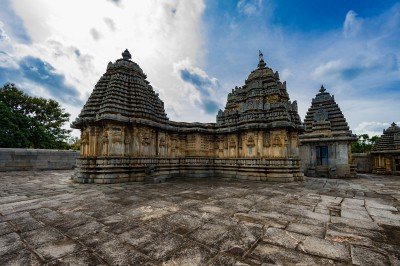
Doddagaddavalli Lakshmi Devi Temple
Some quick example text to build on the card title and make up the bulk of the card's content.
Go somewhere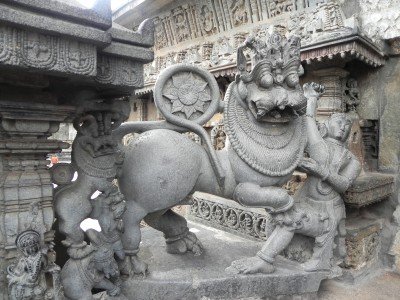
Hoysala Emblem
Some quick example text to build on the card title and make up the bulk of the card's content.
Go somewhere
Hoysala Mahotsava
Some quick example text to build on the card title and make up the bulk of the card's content.
Go somewhere
Hoysaleswara Temple
Some quick example text to build on the card title and make up the bulk of the card's content.
Go somewhere
ISKCON Temple Belur
Some quick example text to build on the card title and make up the bulk of the card's content.
Go somewhere
Kedareswara Temple
Some quick example text to build on the card title and make up the bulk of the card's content.
Go somewhere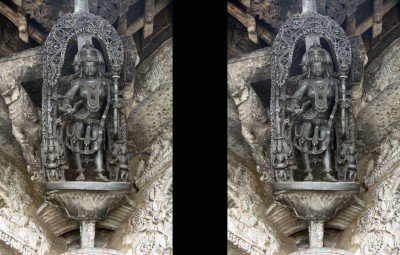
Madanikas
Some quick example text to build on the card title and make up the bulk of the card's content.
Go somewhere
Narasimha Pillar
Some quick example text to build on the card title and make up the bulk of the card's content.
Go somewhere
Paathaaleshwara Temple
Some quick example text to build on the card title and make up the bulk of the card's content.
Go somewhere
Real Govinahalli Village
Some quick example text to build on the card title and make up the bulk of the card's content.
Go somewhere
Shravanabelagola
Some quick example text to build on the card title and make up the bulk of the card's content.
Go somewherein Other Cities