

Hoysala Mahotsava
General information
-
Ideal Duration:
1-2 full days (If attending the entire Mahotsava)Place Type:
Cultural Festival / Classical Arts EventEntry Fees:
Variable Festival Ticket Pricing: The Hoysala Mahotsava often has a separate entry fee from the regular temple ticket, as it is a special event. The pricing is variable and depends on the organizers (KSTDC) and the performance lineup for that year. There may be tiered pric...Variable Festival Ticket Pricing: The Hoysala Mahotsava often has a separate entry fee from the regular temple ticket, as it is a special event. The pricing is variable and depends on the organizers (KSTDC) and the performance lineup for that year. There may be tiered pricing for different seating sections (e. g. , VIP seating). Daytime vs.
Evening Fees: Sometimes, the temple is open to regular visitors for the usual ASI fee during the daytime, but a separate, higher fee is charged for the evening Mahotsava performances and light show.
Advance Booking: Since this is a popular event, tickets should be purchased well in advance, either online through the official tourism portal or at designated booking counters in Belur and Halebidu. The ticket price is an investment in a high-quality cultural experience.
Camera Fees: While general photography is usually allowed during the Mahotsava, professional photography (especially for commercial use) may require a separate, high-cost press/media pass, which must be obtained from the event organizers.Timing:
Regular Festival Timings: The festival typically runs for 2-3 days annually, usually in March or April (the date is variable). The evening performances are the main event, generally running from around 6:00 PM to 9:30 PM.
Ideal Visit Time: ...Regular Festival Timings: The festival typically runs for 2-3 days annually, usually in March or April (the date is variable). The evening performances are the main event, generally running from around 6:00 PM to 9:30 PM.
Ideal Visit Time: The Ideal Visit Time is the early evening (5:30 PM onwards) to secure a good seat before the performance starts and to witness the lighting of the temple as the sun sets. Daytime is suitable for the accompanying art exhibitions, seminars, and heritage walks, which usually run from 10:00 AM to 4:00 PM.
Best Time for Photography: Arrive just before sunset (the Golden Hour) to photograph the temple and the initial setup in natural light, and then stay for the deep, dramatic illumination of the night performances for spectacular shots.
Accommodation Consideration: Since the performances end late, it is ideal to secure accommodation in Belur or Halebidu itself to avoid traveling long distances late at night.Special Events:
Classical Dance and Music Nights: The core special event is the series of evening performances where acclaimed artists perform classical dances like Bharatanatyam and Kuchipudi, and classical music concerts (both Carnatic and Hindustani). This is the main highlight of the M...Classical Dance and Music Nights: The core special event is the series of evening performances where acclaimed artists perform classical dances like Bharatanatyam and Kuchipudi, and classical music concerts (both Carnatic and Hindustani). This is the main highlight of the Mahotsava.
Inaugural Ceremony and Light Show: The festival kicks off with a grand inaugural ceremony, often attended by high-ranking political or cultural figures, followed by the first evening's light and sound show, which is a spectacular event marking the start of the celebrations.
Artisan and Handicraft Market: A major component of the Mahotsava is the specialized market/exhibition for local artisans, showcasing and selling traditional Karnataka handicrafts, wooden carvings, and indigenous toys. This is a special economic and cultural event within the Mahotsava itself.
Felicitations of Artists: The festival is also a special event for the regional and national art community, as it often includes felicitation ceremonies for veteran and young artists who have contributed significantly to the preservation of Indian classical arts, continuing the patronage of the Hoysala kings.Best Photo Spots:
Stage and Temple Backdrop: The best overall spot is from the main seating area, ensuring you get a clean, wide shot that features the entire stage in the foreground with the magnificent, illuminated temple facade as the grand backdrop. This is the iconic shot of the Mahotsa...Stage and Temple Backdrop: The best overall spot is from the main seating area, ensuring you get a clean, wide shot that features the entire stage in the foreground with the magnificent, illuminated temple facade as the grand backdrop. This is the iconic shot of the Mahotsava.
Dancer Close-up with Carvings: Use a telephoto lens to capture a close-up of a classical dancer mid-performance, with the intricately carved Madanikas on the temple wall visible (but slightly out of focus) directly behind them. This shot encapsulates the fusion of living and stone art.
Light Show Panorama: Capture a wide-angle panorama of the entire temple complex during the light and sound show. The colourful, dynamic illumination on the Gopuram and the Vimana creates a spectacular, painterly scene.
Audience and Atmosphere: Capture the vibrant, festive atmosphere of the audience, focusing on their expressions and the collective mood as they watch the performance. This shot conveys the cultural energy of the event.
The Food/Craft Stalls: The temporary market stalls offer a great chance for candid, vibrant street-style photography, focusing on the colours of the crafts, the details of the local food, and the interaction between vendors and visitors. (Approx )Photo Gallery
Things To Do
-
Attend the Classical Dance Performances: The primary thing to do is attend the evening performances of Classical Indian Dance forms like Bharatanatyam and Kuchipudi. The stage is set against the temple backdrop, and the atmosphere is mesmerizing. Book your seats early and ensure you have a clear view of both the dancers and the illuminated carvings behind them.
Listen to Classical Music Concerts: Enjoy the soulful concerts of Carnatic and Hindustani Classical Music. The natural acoustics of the temple courtyard and the spiritual ambiance elevate the musical experience. The music is often devotional, complementing the sacred venue.
Watch the Light and Sound Show: A must-do is the special light and sound show, often narrated in English and Kannada, that tells the history of the Hoysala dynasty ...Attend the Classical Dance Performances: The primary thing to do is attend the evening performances of Classical Indian Dance forms like Bharatanatyam and Kuchipudi. The stage is set against the temple backdrop, and the atmosphere is mesmerizing. Book your seats early and ensure you have a clear view of both the dancers and the illuminated carvings behind them.
Listen to Classical Music Concerts: Enjoy the soulful concerts of Carnatic and Hindustani Classical Music. The natural acoustics of the temple courtyard and the spiritual ambiance elevate the musical experience. The music is often devotional, complementing the sacred venue.
Watch the Light and Sound Show: A must-do is the special light and sound show, often narrated in English and Kannada, that tells the history of the Hoysala dynasty and the temple's construction. The dramatic illumination of the carvings brings the stone architecture to life in a way that is not possible during the daytime.
Explore the Art and Craft Exhibitions: Visit the temporary stalls and exhibitions set up near the venue. These often feature local Karnataka crafts, including intricate wooden carvings, traditional toys (like Channapatna), and silk products. This is a great opportunity to buy authentic souvenirs and support local artisans.
Take a Guided Heritage Walk: The festival often includes special guided heritage walks or tours of the temple complex led by historians or archaeologists. These exclusive tours provide detailed, expert information that is richer than a standard guided tour.
Savor Local Festival Food: The Mahotsava brings with it temporary food stalls, offering regional Karnataka delicacies, particularly Malnad and Hassan district specialties. Sampling these local snacks and meals is a delightful part of the festival experience.
Capture Spectacular Photography: The illuminated temple at night and the dancers in their vibrant costumes against the stone backdrop offer unparalleled photographic opportunities. Ensure you have a tripod and a good low-light camera. Capture both the wide shots of the stage and the close-ups of the performers and the carvings.
Attend the Daytime Seminars: If you are a history or art student, look for the daytime academic seminars or lectures that are sometimes part of the Mahotsava. These provide deep historical and artistic insights.
Socialize with Artists and Enthusiasts: The festival attracts a large community of artists, historians, and cultural enthusiasts. Engaging in conversations with fellow attendees and performers can be a rewarding cultural experience.
Witness the Preparation: Try to visit during the day before the main evening performances to witness the dedication of the technical crew, sound engineers, and dancers during their dress rehearsals, which is a hidden layer of the festival's production.
Information
-
Why Famous:
Showcasing Classical Arts: The Hoysala Mahotsava is famous for being one of Karnataka's premier cultural festivals dedicated to classical performing arts. It provides a unique and majestic platform for renowned dancers and musicians to perform Bharatanatyam, Kuchipudi, and ...Showcasing Classical Arts: The Hoysala Mahotsava is famous for being one of Karnataka's premier cultural festivals dedicated to classical performing arts. It provides a unique and majestic platform for renowned dancers and musicians to perform Bharatanatyam, Kuchipudi, and Carnatic music, continuing the tradition of royal patronage of the arts that existed during the Hoysala reign.
The Living Backdrop: The festival is famous primarily because of its venue: the stunning, intricately carved Chennakesava Temple and Hoysaleswara Temple. Performing classical dance forms against the backdrop of stone sculptures that literally depict dance forms (Madanikas) creates a magical, immersive experience where art comes alive against its own historical context. This fusion of static and dynamic art is a key draw.
Promotion of Heritage Tourism: The Mahotsava is also famous for its role in promoting heritage tourism for the region. Organized by the government, it draws international and national tourists during the otherwise quieter shoulder season, bringing the history and culture of Belur and Halebidu to a wider audience. The evening light shows, which illuminate the stone work, are a particularly famous and much-anticipated part of the celebration. -
Architecture:
Ephemeral Architecture and Venue Utilization: The architecture for the Hoysala Mahotsava is largely ephemeral, consisting of temporary staging, professional lighting setups, and seating arrangements installed within the ancient temple complexes.
...Ephemeral Architecture and Venue Utilization: The architecture for the Hoysala Mahotsava is largely ephemeral, consisting of temporary staging, professional lighting setups, and seating arrangements installed within the ancient temple complexes.
Dimension: The stage size can be large, often 40-60 feet wide, built on the open ground in front of the Chennakesava Temple's Gopuram or directly on the elevated Jagati platform. The arrangement is carefully planned to use the carved temple wall as a stunning, natural backdrop, essentially merging the ancient stone art with the living performing arts.
Illumination and Acoustic Design: A key architectural component of the Mahotsava is the lighting design. The intricate carvings of the temple are professionally illuminated at night to highlight their detail, dramatically enhancing the setting. This temporary architecture of light aims to bring the stone figures to life, creating a magical atmosphere. Furthermore, sound engineers set up professional acoustic systems, but these are often designed to leverage the natural sound-reflecting properties of the temple stone and the open courtyard space. The temporary structures are always designed to be non-invasive, respecting the protected status of the ancient monument and ensuring no damage is done to the heritage site. -
How To Reach:
By Air: The event's primary venues are in Belur and Halebidu. The nearest airports remain Mangalore International Airport (IXE) (150-160 KMS) and Kempegowda International Airport (BLR) in Bangalore (220 KMS). During the Mahotsava period (March/April), it is highly advisabl...By Air: The event's primary venues are in Belur and Halebidu. The nearest airports remain Mangalore International Airport (IXE) (150-160 KMS) and Kempegowda International Airport (BLR) in Bangalore (220 KMS). During the Mahotsava period (March/April), it is highly advisable to book flights and onward transport well in advance, as the region sees a surge in tourists.
By Train: Hassan Junction (HAS) is the nearest major rail link (35 KMS). Travelers should book train tickets early for this busy season. From Hassan, one must travel to Belur via taxi or bus.
By Road: Road travel is the most reliable option. KSRTC and private operators may run special bus services directly to Belur and Halebidu during the festival. It is highly recommended to book a comfortable, private taxi for travel between Belur and Halebidu (16 KMS apart) to attend performances at both venues.
By Local Transport (Inter-venue): To travel between the two main venues in Belur (Chennakesava Temple) and Halebidu (Hoysaleswara Temple), local transport like shared taxis, tourist vans, or pre-hired auto-rickshaws are the best option. Always negotiate a fixed price for the return journey and waiting time, especially for the evening performances. -
Weather and Best Time to Visit:
Different Types of Seasons: The Best Time to Visit is during the specific period of the festival, which is generally held in the transition between Winter and Summer, in the months of March or April. While the day can be warm, the evenings are pleasant and cool, creating th...Different Types of Seasons: The Best Time to Visit is during the specific period of the festival, which is generally held in the transition between Winter and Summer, in the months of March or April. While the day can be warm, the evenings are pleasant and cool, creating the perfect environment for outdoor performances.
Different Parts of the Day: The Ideal Part of the Day for the Mahotsava is the Evening (5:30 PM onwards). This is when the cultural performances and the spectacular light and sound show take place. The dramatic illumination of the temple at night is the main feature. Daytime is ideal for attending any associated workshops, seminars, and viewing the artisan stalls, which often run from 10:00 AM to 4:00 PM.
Advance Planning: Since the festival dates are announced annually and are subject to change, the Best Time to Visit is strictly governed by the official schedule, requiring advance planning for tickets and accommodation. -
Near Tourist Places:
Chennakesava Temple Complex, Belur: (Event Venue) - The main temple.
Hoysaleswara Temple, Halebidu: (16 KMS) - The alternate venue for the Mahotsava.
Kappe Chennigaraya Temple, Belur: (Adjacent) - Part of the main complex.
Belavadi (Veera Narayana Temple): (27 KMS) - A notable stop for a temple-hopping day trip.
Yagachi Dam: (12 KMS) - Good for a relaxing afternoon break from the crowds.
Shankareshvara Temple, Belur: (0. 5 KMS) - Older Shiva temple.
Chikmagalur Town: (25 KMS) - For higher-end accommodation during the busy festival.
Lakshmi Devi Temple, Doddagaddavalli: (35 KMS) - Early Hoysala temple.
Pathaleshwara Temple, Belur: (1 KM) - Small Shiva shrine.
Maharaja Park, Belur: (1 KM) - Town park.
Tourism Tips
-
Health & safety: The Hoysala Mahotsava is an outdoor event, so be prepared for crowds and warm weather, even in March or April. Carry water, a hat, and wear comfortable clothing. Arrive early to secure a good seat and avoid the rush at the gate.
Read MoreHealth & safety: The Hoysala Mahotsava is an outdoor event, so be prepared for crowds and warm weather, even in March or April. Carry water, a hat, and wear comfortable clothing. Arrive early to secure a good seat and avoid the rush at the gate.
Packing (Camera & Seating): Bring a high-quality camera with a zoom lens for capturing the distant stage performances against the temple backdrop. Since seating is often on the ground or in temporary chairs, a small cushion or a shawl might make the long performance more comfortable.
Accommodation: This is a peak time for the region. Book all hotels and transportation well in advance (3-6 months), especially in Belur or Halebidu. Last-minute options will be expensive or non-existent.
Other Topics (Festival Etiquette): Be respectful of the performers and the sacred venue. Silence your phone during the music and dance. Purchase tickets from official sources only. When traveling between Belur and Halebidu at night, use a reliable pre-booked taxi service.Reviews
FAQs
Belur Itineray And Cost:-
Hoysala Mahotsava Tourism:-
Other Places In Belur :-
Other States In India :-
Information about New and Updated Locations() of Karnataka Has Been Added :-
Card subtitle
Note:-
Information provided here in good Faith and for reference only.
Near Places
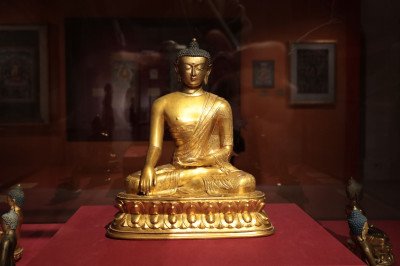
Archaeological Museum, Halebidu
Some quick example text to build on the card title and make up the bulk of the card's content.
Go somewhere
Belavadi Shri Veera Narayana Temple
Some quick example text to build on the card title and make up the bulk of the card's content.
Go somewhere
Belur Halebidu Temples
Some quick example text to build on the card title and make up the bulk of the card's content.
Go somewhere
Bommadihalli Gadi
Some quick example text to build on the card title and make up the bulk of the card's content.
Go somewhere
Chennakesava Temple
Some quick example text to build on the card title and make up the bulk of the card's content.
Go somewhere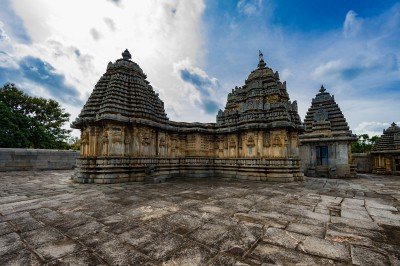
Doddagaddavalli Lakshmi Devi Temple
Some quick example text to build on the card title and make up the bulk of the card's content.
Go somewhere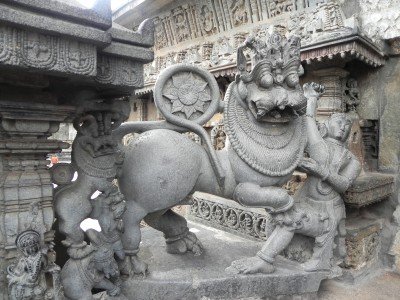
Hoysala Emblem
Some quick example text to build on the card title and make up the bulk of the card's content.
Go somewhere
Hoysala Mahotsava
Some quick example text to build on the card title and make up the bulk of the card's content.
Go somewhere
Hoysaleswara Temple
Some quick example text to build on the card title and make up the bulk of the card's content.
Go somewhere
ISKCON Temple Belur
Some quick example text to build on the card title and make up the bulk of the card's content.
Go somewhere
Kedareswara Temple
Some quick example text to build on the card title and make up the bulk of the card's content.
Go somewhere
Madanikas
Some quick example text to build on the card title and make up the bulk of the card's content.
Go somewhere
Narasimha Pillar
Some quick example text to build on the card title and make up the bulk of the card's content.
Go somewhere
Paathaaleshwara Temple
Some quick example text to build on the card title and make up the bulk of the card's content.
Go somewhere
Real Govinahalli Village
Some quick example text to build on the card title and make up the bulk of the card's content.
Go somewhere
Shravanabelagola
Some quick example text to build on the card title and make up the bulk of the card's content.
Go somewherein Other Cities