Hoysala Emblem
General information
-
Ideal Duration:
30 minutes - 1 hour (As part of the Chennakesava Temple visit)Place Type:
Historical Emblem / Dynastic Art / SculptureEntry Fees:
No Specific Entry Fees: As the Hoysala Emblem is a carving on the Chennakesava Temple, there is no separate or specific entry fee for viewing the emblem itself. The cost of viewing is covered by the general Chennakesava Temple complex entry ticket, which is required to ente...No Specific Entry Fees: As the Hoysala Emblem is a carving on the Chennakesava Temple, there is no separate or specific entry fee for viewing the emblem itself. The cost of viewing is covered by the general Chennakesava Temple complex entry ticket, which is required to enter the grounds.
Photography Fees: The fees for still cameras and video cameras are also covered under the main temple's camera fee structure, which is a nominal charge. Visitors who wish to use tripods or other professional equipment for close-up photography of the emblem might need to pay the special permit fee required by the Archaeological Survey of India (ASI), especially if they plan to spend extended time on the detailed photography.
Guide Focus Cost: Although not a fee, visitors should ensure that their guide's agreed-upon fee covers a detailed explanation of the Hoysala Emblem, as a casual guide may only offer a brief mention. A good guide's time dedicated to this single sculpture is a worthwhile investment.Timing:
Regular Timings (Same as Temple): Since the Hoysala Emblem is on the temple premises, the viewing timings are the same as the Chennakesava Temple complex, generally 7:30 AM to 1:00 PM and 3:00 PM to 8:00 PM.
Ideal Visit Time: The Ideal Visit...Regular Timings (Same as Temple): Since the Hoysala Emblem is on the temple premises, the viewing timings are the same as the Chennakesava Temple complex, generally 7:30 AM to 1:00 PM and 3:00 PM to 8:00 PM.
Ideal Visit Time: The Ideal Visit Time is immediately upon entry in the morning, around 7:30 AM, as the emblem is the first major artistic feature you encounter. The morning sun dramatically illuminates the sculpture on the eastern face, bringing out the depth and detail of the carving.
Optimal Light for Photography: For capturing the best high-contrast photography of the Sala and Tiger carving, the late morning (9:00 AM to 11:00 AM) or the late afternoon (4:00 PM to 6:00 PM) provides excellent, angled natural light. In the midday sun, the details can be washed out.
Evening Focus: The evening viewing is excellent, especially during the Hoysala Mahotsava when the emblem is professionally illuminated, offering a different, high-drama viewing experience.Special Events:
Hoysala Mahotsava Viewing Point: The Hoysala Emblem's location at the entrance is a focal point during the Hoysala Mahotsava. During this annual event (usually March/April), the emblem is prominently illuminated, and cultural programs, including processional entries, often ...Hoysala Mahotsava Viewing Point: The Hoysala Emblem's location at the entrance is a focal point during the Hoysala Mahotsava. During this annual event (usually March/April), the emblem is prominently illuminated, and cultural programs, including processional entries, often pass right by it. It becomes a major landmark for festival attendees and a prime spot for welcoming dignitaries.
The Rathotsava Procession Start: During the temple's annual Rathotsava (Chariot Festival, often in March/April), the chariot procession begins near the main entrance. The Hoysala Emblem, representing the dynasty's power, symbolically guards the procession as the deity is taken out, linking the ancient dynasty with the continuing ritualistic life of the temple.
Official Dignitary Welcomes: Any official state visit or major cultural event at the temple complex often begins with a formal welcome near the main entrance, making the Hoysala Emblem a permanent, highly photographed backdrop for VIP events and official ceremonies, reinforcing its status as a symbol of Karnataka's heritage.Best Photo Spots:
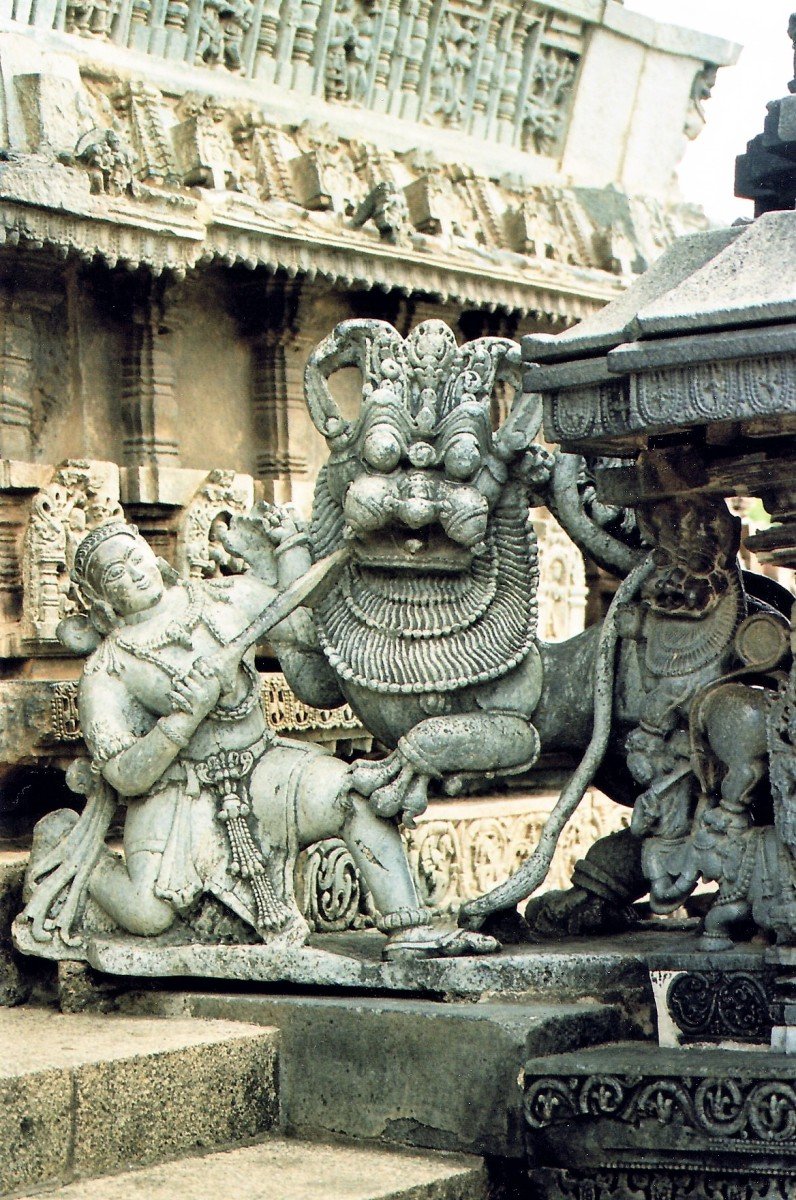
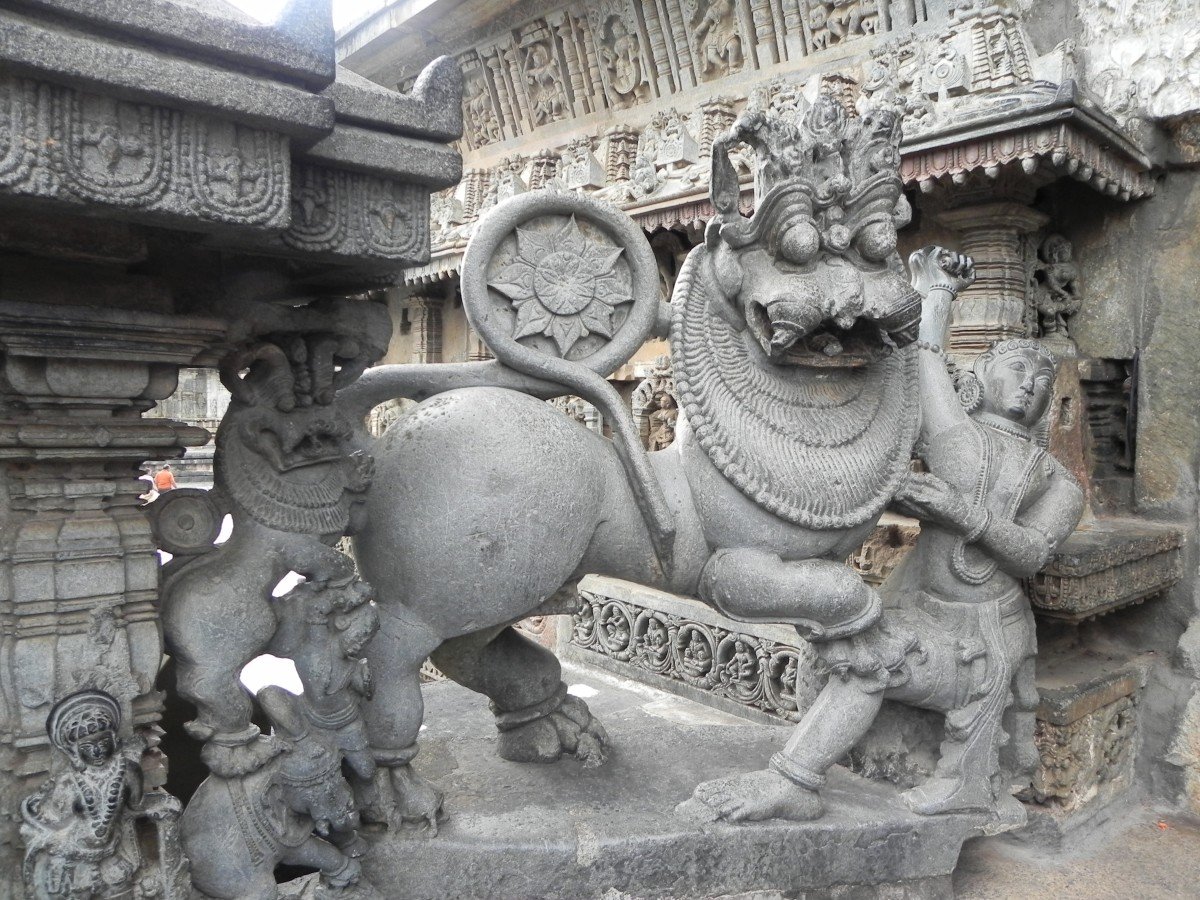
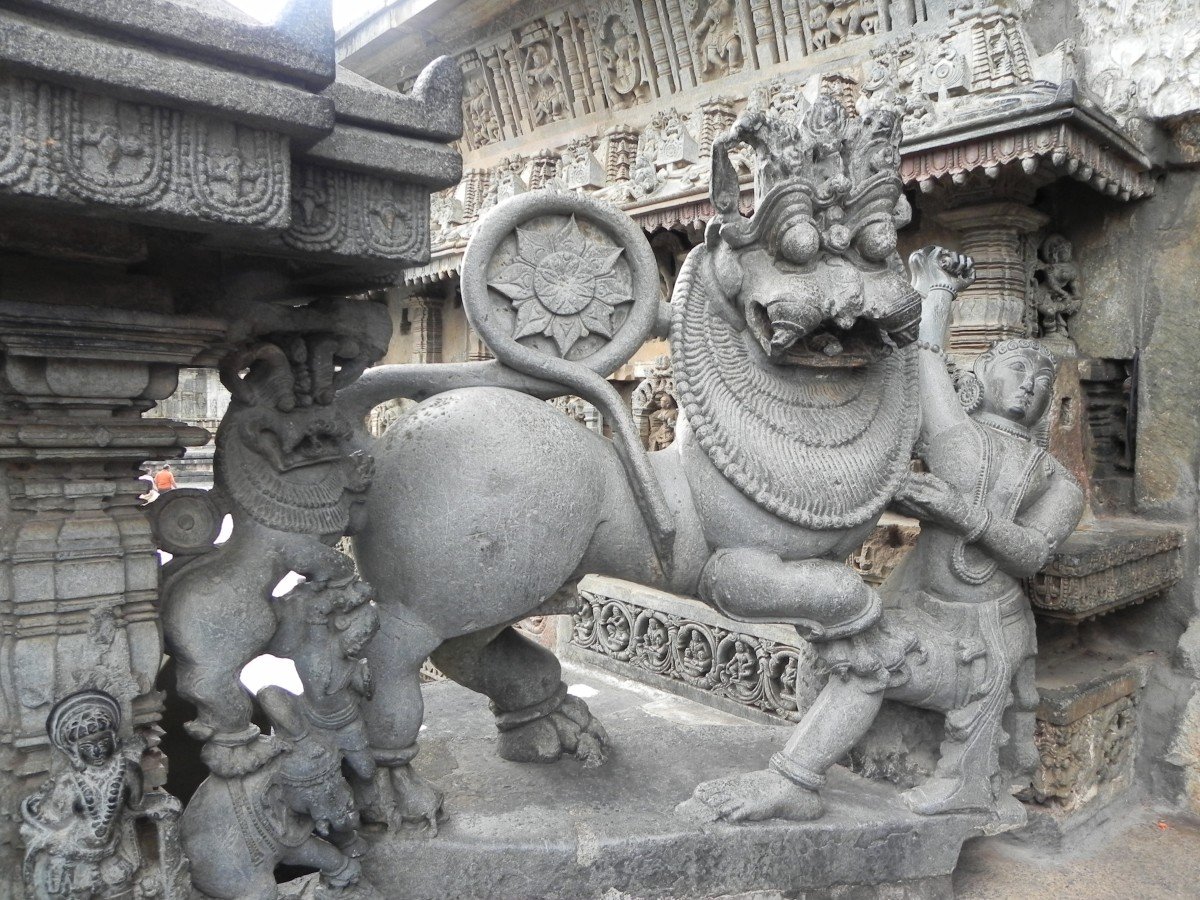
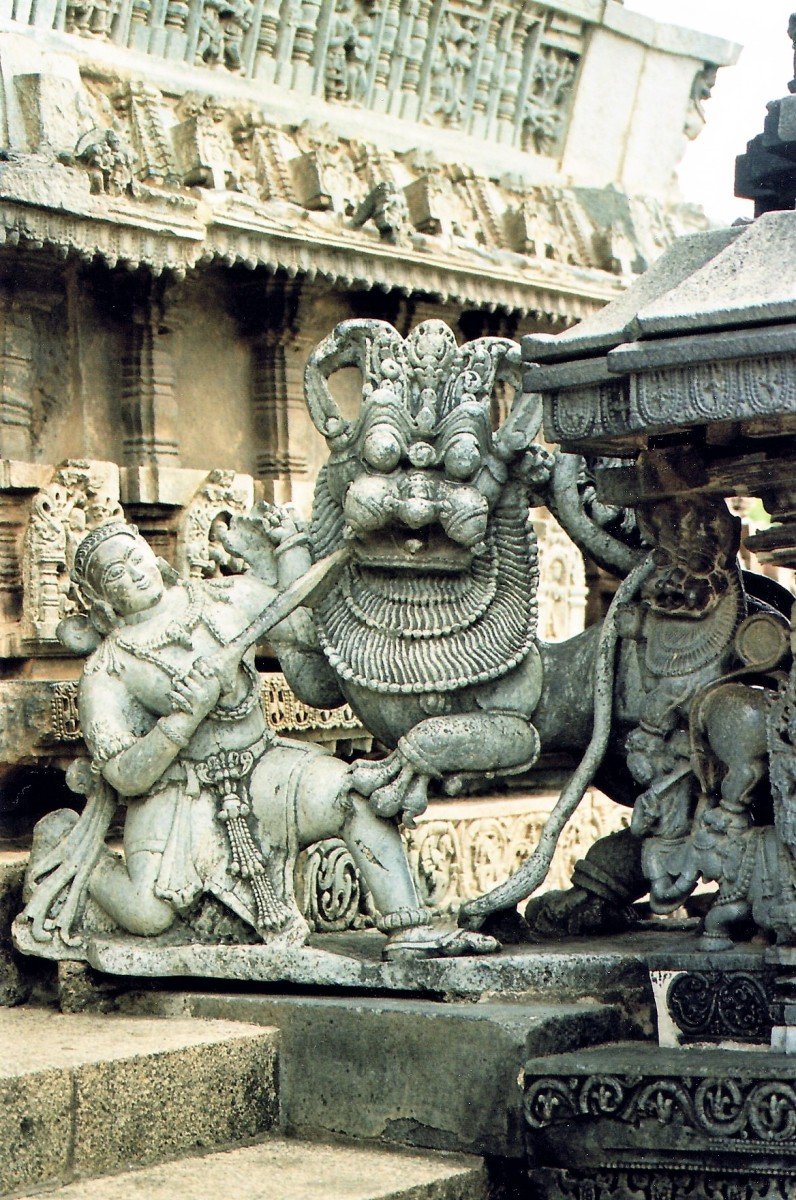
Direct View at the Main Entrance: The absolute best photo spot is a frontal, slightly elevated view of the main eastern entrance, focusing specifically on one of the two Hoysala Emblem carvings. This allows for a clear, high-resolution shot of the dynamic action between Sal...Direct View at the Main Entrance: The absolute best photo spot is a frontal, slightly elevated view of the main eastern entrance, focusing specifically on one of the two Hoysala Emblem carvings. This allows for a clear, high-resolution shot of the dynamic action between Sala and the tiger/lion.
The Symmetrical Shot: Frame the photo to include both Hoysala Emblem sculptures and the Makara Torana archway in between them above the main door. This shot emphasizes the perfect symmetry of the Hoysala design at the temple entrance.
Low-Angle Hero Shot: Take a low-angle shot of the emblem to make the carving appear more monumental and imposing, highlighting the hero's power and the drama of the scene. This works especially well to capture the texture of the stone against the sky.
Emblem and Devotee Interaction: Capture candid shots of visitors or devotees pausing to look at the emblem. This human element adds context and scale, showing the emblem's role as a historical and cultural marker in the daily life of the temple.
Nighttime Illumination: During festival times or special lighting events, the illuminated emblem offers a stunningly dramatic, high-contrast shot, where the shadows accentuate the depth and dynamism of the carving against the dark background. (Approx )Photo Gallery
Things To Do
-
Analyze the Symbolic Narrative: Spend time at the Eastern gateway of the Chennakesava Temple to deeply analyze the Hoysala Emblem. Compare the two twin carvings on either side of the entrance. Notice how the hero Sala is depicted with a heroic, dynamic posture, and examine the details of his weapons and clothing. This exercise in comparing two similar sculptures reveals the subtle mastery of the artisans.
Compare with the Friezes: Look at the narrative friezes on the main temple walls, particularly those depicting scenes of battle and heroism from the Mahabharata and Ramayana. Comparing the depiction of battle/violence in the friezes with the single-focus action of the Hoysala Emblem gives a complete view of Hoysala narrative art.
Take Close-up Photographs: Use a good camera to take detailed,...Analyze the Symbolic Narrative: Spend time at the Eastern gateway of the Chennakesava Temple to deeply analyze the Hoysala Emblem. Compare the two twin carvings on either side of the entrance. Notice how the hero Sala is depicted with a heroic, dynamic posture, and examine the details of his weapons and clothing. This exercise in comparing two similar sculptures reveals the subtle mastery of the artisans.
Compare with the Friezes: Look at the narrative friezes on the main temple walls, particularly those depicting scenes of battle and heroism from the Mahabharata and Ramayana. Comparing the depiction of battle/violence in the friezes with the single-focus action of the Hoysala Emblem gives a complete view of Hoysala narrative art.
Take Close-up Photographs: Use a good camera to take detailed, close-up photographs of the emblem. Try to capture the details of the tiger/lion's mane, the hero's facial expression, and the weapon's impact. The carving is so fine that a photo often reveals minute details not visible to the naked eye at a distance.
Find the Emblem in Other Shrines: Actively search for the Hoysala Emblem or similar narrative carvings at the other smaller temples within the complex, such as the Kappe Chennigaraya Temple. Their presence or absence and stylistic differences offer a comparative study of the emblem's importance across the complex.
Engage a Guide for Context: Ask your temple guide specifically about the two famous, yet conflicting, interpretations of the emblem: the mythical Hoy Sala legend and the historical Chola victory theory. Understanding both adds significant depth to your viewing experience.
Reflect on Dynastic Power: Stand before the emblem and reflect on its purpose: to project the power, legitimacy, and divine right of the Hoysala dynasty. Consider how this single image functioned as a political symbol for the empire's subjects in the 12th century.
Sketch the Scene: For artists, sketching the emblem is a great way to understand its composition, action, and symmetry. It's a challenging piece to render due to its dynamic nature and is an excellent subject for artistic study.
Information
-
Why Famous:
Symbol of Dynastic Origin: The Hoysala Emblem is famous because it is the sculptural representation of the dynasty's founding legend. The image of the hero Sala striking the tiger/lion is a key visual narrative that defines the Hoysala identity. It’s an iconic piece of a...Symbol of Dynastic Origin: The Hoysala Emblem is famous because it is the sculptural representation of the dynasty's founding legend. The image of the hero Sala striking the tiger/lion is a key visual narrative that defines the Hoysala identity. It’s an iconic piece of art that visitors seek out immediately upon entering the temple.
Marker of Military Victory: Historically, the emblem is famous for representing the Hoysala King's victory over the Cholas, whose royal emblem was the tiger. Therefore, the carving serves as a permanent, boastful inscription of military supremacy and the establishment of a new regional power. This famous dual interpretation—myth and history—makes the emblem a rich subject for historians and art lovers alike.
Artistic Mastery of Action: The way the dynamic action is captured in the stone is famous. The tension, the force of the blow, and the imminent collapse of the animal are rendered with anatomical accuracy and dramatic flair, making it an exceptional example of narrative sculpture from the 12th century. Its prominent placement at the main entrance of the Chennakesava Temple ensures its fame and visibility as the ultimate symbol of Hoysala power. -
Architecture:
Narrative Sculpture and Strategic Placement: The Hoysala Emblem is a piece of narrative sculpture that is fundamentally integrated into the architecture of the Chennakesava Temple. It is not a separate structure but a high-relief carving strategically placed at the entry po...Narrative Sculpture and Strategic Placement: The Hoysala Emblem is a piece of narrative sculpture that is fundamentally integrated into the architecture of the Chennakesava Temple. It is not a separate structure but a high-relief carving strategically placed at the entry points of the temple.
Dimension: Each of the two main carvings flanking the eastern entrance is a large panel, approximately 6 to 8 feet high, depending on the pillar or pedestal they are mounted on. They are sized to be monumental and immediately capture the eye of the entering devotee or visitor.
The Composition of Action and Symbolism: The architecture of the emblem serves to convey power and foundation. The young hero Sala is depicted with a dynamic posture, often mid-thrust with a spear, standing over the collapsing, stylized tiger or lion. This composition is carved with the same fine detail as the rest of the temple, illustrating musculature, drapery, and the ferocity of the beast. Architecturally, placing this emblem on either side of the main doorway reinforces the concept of the temple as a royal monument, linking the divine deity inside with the protective power of the ruling dynasty. The twin emblems ensure perfect symmetry across the main East-West axis of the temple's Jagati, a core principle of Hoysala temple planning. The emblem's architectural function is to serve as a dvarapalaka (doorkeeper) symbol in addition to its dynastic role. -
How To Reach:
By Air: The closest major airports are Mangalore International Airport (IXE), about 150-160 KMS away, requiring a 3. 5 to 4-hour taxi or bus ride to Belur. Alternatively, Kempegowda International Airport (BLR) in Bangalore is approximately 220 KMS away, requiring a longer 4...By Air: The closest major airports are Mangalore International Airport (IXE), about 150-160 KMS away, requiring a 3. 5 to 4-hour taxi or bus ride to Belur. Alternatively, Kempegowda International Airport (BLR) in Bangalore is approximately 220 KMS away, requiring a longer 4. 5 to 5-hour road journey to Belur.
By Train: The nearest railway station is Hassan Junction (HAS), located just 35 KMS from Belur. Hassan is a key station connecting various parts of Karnataka. From Hassan, travelers can choose from frequent local buses, private taxis, or app-based cabs to reach Belur town in about an hour.
By Road: Belur is easily accessible via state and national highways. KSRTC buses offer frequent services from all major cities, including Bangalore (220 KMS) and Mysore (150 KMS). The road journey is smooth and scenic, especially the stretch through the Malnad region.
By Local Transport: Since the Hoysala Emblem is an integral part of the Chennakesava Temple complex, local access is straightforward. The temple is centrally located in Belur town, making it an easy 10-minute walk from the main Belur bus stand. Local auto-rickshaws can be hired for transport from any part of the town directly to the temple gate for a small fee. -
Weather and Best Time to Visit:
Different Types of Seasons: The Best Time to View the Hoysala Emblem is the same as the temple: the pleasant Winter months, from October to March. This allows for comfortable, detailed study of the sculpture without the discomfort of heat or rain.
Read MoreDifferent Types of Seasons: The Best Time to View the Hoysala Emblem is the same as the temple: the pleasant Winter months, from October to March. This allows for comfortable, detailed study of the sculpture without the discomfort of heat or rain.
Different Parts of the Day: The Ideal Part of the Day for viewing and photographing the emblem is the Mid-Morning (9:00 AM to 11:00 AM) or the Late Afternoon (4:00 PM to 6:00 PM). Because the emblem is at the Eastern entrance, the angled light in the late morning provides the best combination of light and shadow, which is essential for bringing out the high-relief and dynamic details of the carving. In the direct midday sun, the details can be visually lost due to flatness. The early morning is also good, but the light is softer and less dramatic.
Avoid Crowds: Visiting right at the opening time (7:30 AM) ensures a clear, unobstructed view of the emblem, as the main crowd tends to arrive later.Near Tourist Places:
Chennakesava Temple Complex, Belur: (Same Location) - The primary site.
Kappe Chennigaraya Temple, Belur: (Adjacent) - Part of the main complex.
Hoysaleswara Temple, Halebidu: (16 KMS) - Hoysala temple in the twin city.
Belavadi (Veera Narayana Temple): (27 KMS) - Another architecturally significant Hoysala temple.
Yagachi Dam: (12 KMS) - Scenic dam and reservoir.
Shankareshvara Temple, Belur: (0. 5 KMS) - Older Shiva temple in Belur.
Pathaleshwara Temple, Belur: (1 KM) - Small Shiva temple.
Chikmagalur Town: (25 KMS) - Major coffee plantation hub and hill station.
Lakshmi Devi Temple, Doddagaddavalli: (35 KMS) - Early Hoysala temple.
Maharaja Park, Belur: (1 KM) - Town park for rest.Tourism Tips
-
Health & safety: Since the emblem is at the main entrance, watch for crowds, especially during entry and exit times. The emblem is on a pillar/pedestal, so be careful not to bump into it or any surrounding stonework. Wear socks on the hot stone platform.
Read MoreHealth & safety: Since the emblem is at the main entrance, watch for crowds, especially during entry and exit times. The emblem is on a pillar/pedestal, so be careful not to bump into it or any surrounding stonework. Wear socks on the hot stone platform.
Packing (Detailed Camera): If you are a serious photographer, consider bringing a macro lens or a high-zoom telephoto lens to capture the fine details of the carving (the spear, the animal's teeth, Sala's expression) from a respectful distance.
Accommodation: Staying close to the temple in Belur town is the most convenient option, as the emblem is immediately visible upon arrival at the complex.
Other Topics (Interpretive Aid): Do not rely solely on the small signboards (if any exist). Engage your guide to explain the two major interpretations of the emblem (mythical legend vs. Chola victory), which will enrich your understanding of this piece of dynastic art significantly. Look for the emblem on the temple's outer Gopuram as well for variations.Reviews
FAQs
Belur Itineray And Cost:-
Other Places In Belur :-
Other States In India :-
Information about New and Updated Locations() of Karnataka Has Been Added :-
Card subtitle
Note:-
Information provided here in good Faith and for reference only.
Near Places
Archaeological Museum, Halebidu
Some quick example text to build on the card title and make up the bulk of the card's content.
Go somewhere
Belavadi Shri Veera Narayana Temple
Some quick example text to build on the card title and make up the bulk of the card's content.
Go somewhere
Belur Halebidu Temples
Some quick example text to build on the card title and make up the bulk of the card's content.
Go somewhere
Bommadihalli Gadi
Some quick example text to build on the card title and make up the bulk of the card's content.
Go somewhere
Chennakesava Temple
Some quick example text to build on the card title and make up the bulk of the card's content.
Go somewhere
Doddagaddavalli Lakshmi Devi Temple
Some quick example text to build on the card title and make up the bulk of the card's content.
Go somewhere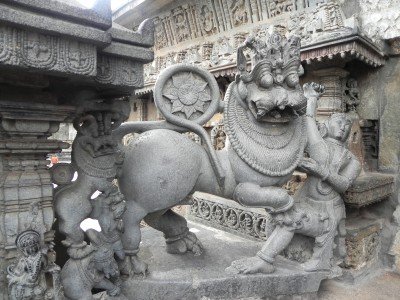
Hoysala Emblem
Some quick example text to build on the card title and make up the bulk of the card's content.
Go somewhere
Hoysala Mahotsava
Some quick example text to build on the card title and make up the bulk of the card's content.
Go somewhere
Hoysaleswara Temple
Some quick example text to build on the card title and make up the bulk of the card's content.
Go somewhere
ISKCON Temple Belur
Some quick example text to build on the card title and make up the bulk of the card's content.
Go somewhere
Kedareswara Temple
Some quick example text to build on the card title and make up the bulk of the card's content.
Go somewhere
Madanikas
Some quick example text to build on the card title and make up the bulk of the card's content.
Go somewhere
Narasimha Pillar
Some quick example text to build on the card title and make up the bulk of the card's content.
Go somewhere
Paathaaleshwara Temple
Some quick example text to build on the card title and make up the bulk of the card's content.
Go somewhere
Real Govinahalli Village
Some quick example text to build on the card title and make up the bulk of the card's content.
Go somewhere
Shravanabelagola
Some quick example text to build on the card title and make up the bulk of the card's content.
Go somewherein Other Cities