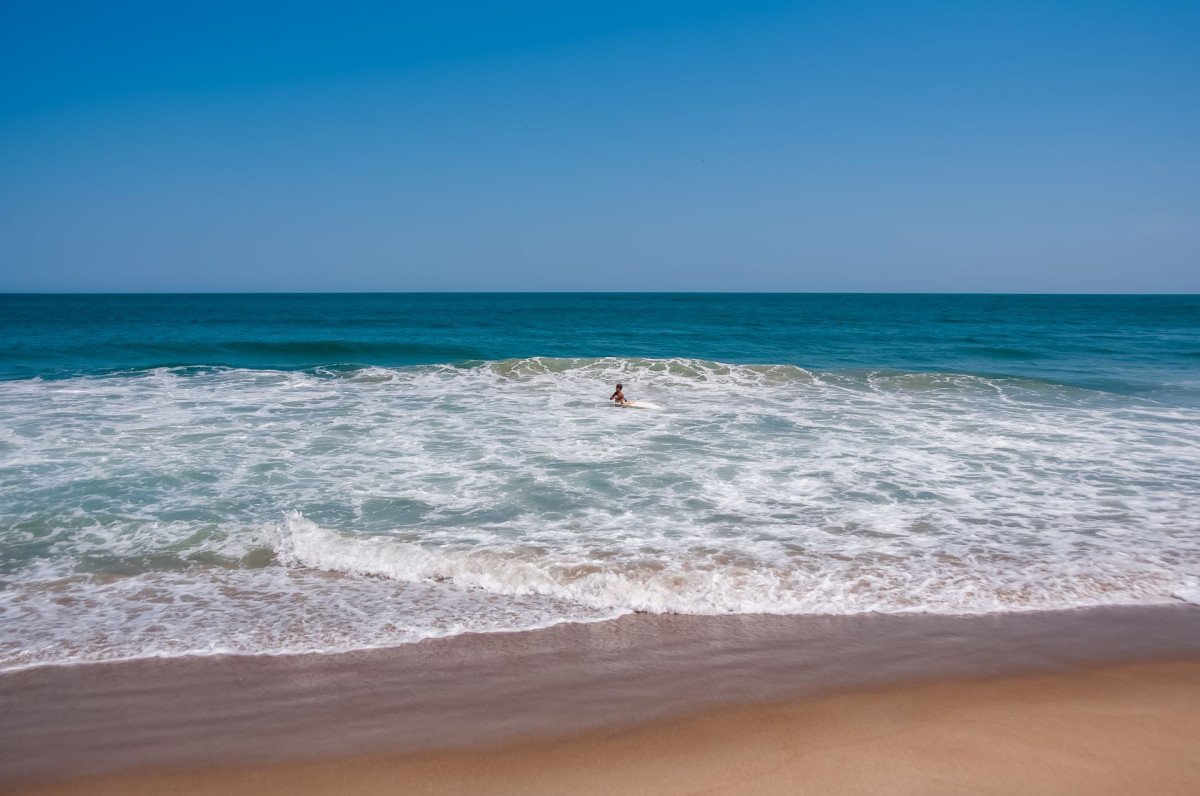
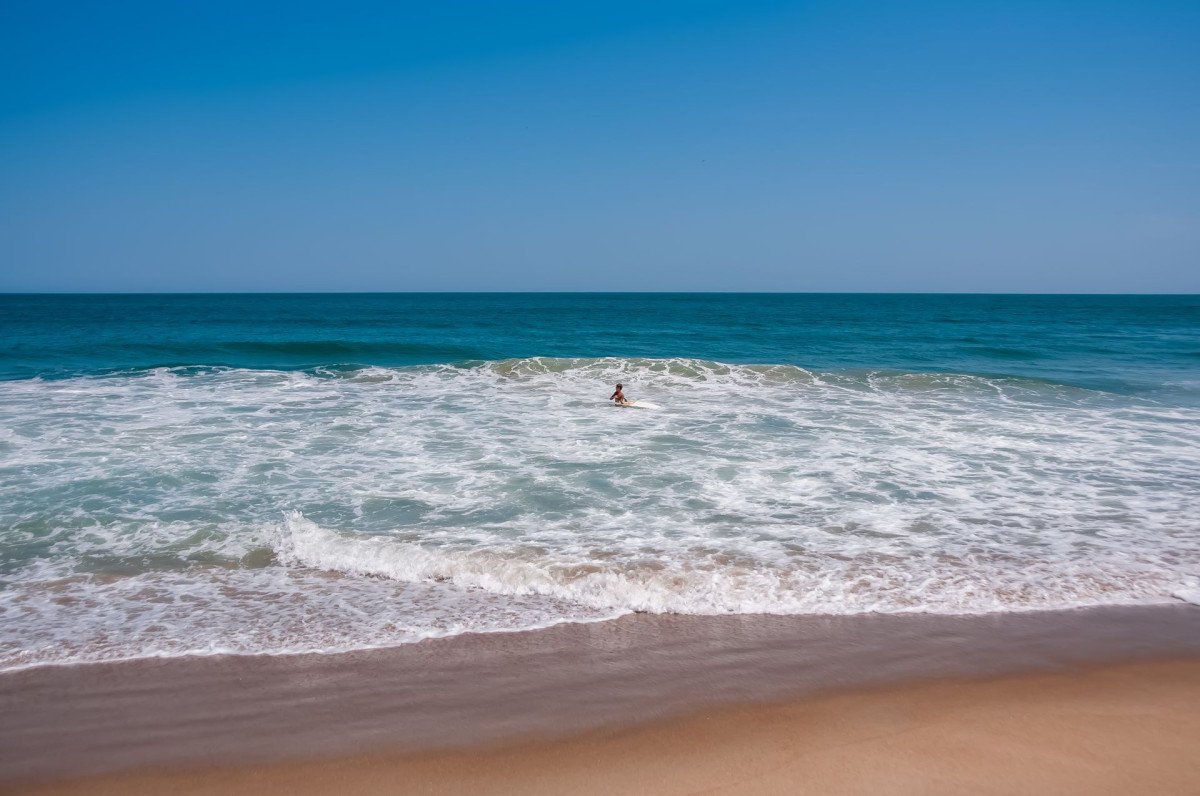
Chetlat Beach
General information
-
Ideal Duration:
2-3 Hours (For a relaxed stroll and light activities)Place Type:
Beach and Nature SpotEntry Fees:
UT Tourism Permits: No specific entry fee is charged for accessing Chetlat Beach (Main Beach), as it is a natural, communal space. However, all non-island visitors, both domestic and foreign, must possess the mandatory Lakshadweep Administration travel permit, which involve...UT Tourism Permits: No specific entry fee is charged for accessing Chetlat Beach (Main Beach), as it is a natural, communal space. However, all non-island visitors, both domestic and foreign, must possess the mandatory Lakshadweep Administration travel permit, which involves a fee and is a prerequisite for entry to the Union Territory, including a visit to Chetlat. This permit is usually obtained via a registered tour operator.
Water Sports Activity Fees: While beach entry is free, all organized water sports—such as snorkeling, kayaking, and boating—will incur separate rental or service charges. These fees are regulated by the local sports authorities or registered operators and are typically paid as part of a package or directly on the island. For instance, a kayak rental might cost between INR 300-500 per hour. Transparency in pricing for these activities is generally good, but visitors should always confirm the rates beforehand.
Eco-Contribution/Taxes: While not an "entry fee," visitors should anticipate a small, mandatory eco-contribution or local island tax that may be included in their overall travel package, the proceeds of which are intended for the island's environmental upkeep and community development. This practice is common across Lakshadweep to support sustainable tourism efforts and infrastructure maintenance on smaller islands.Timing:
Regular Public Access: Chetlat Beach is generally open for public access 24 hours a day, seven days a week, being a natural, un-gated public space. However, organized tourism activities (water sports, boat rentals, etc. ) usually operate during daylight hours, specifically ...Regular Public Access: Chetlat Beach is generally open for public access 24 hours a day, seven days a week, being a natural, un-gated public space. However, organized tourism activities (water sports, boat rentals, etc. ) usually operate during daylight hours, specifically from around 7:00 AM to 6:00 PM. Night-time access, while technically permitted, is often discouraged for safety reasons and to respect the local quiet.
Ideal Visit Time: The ideal time to visit is during the early morning, from 6:00 AM to 9:00 AM, for a serene atmosphere, the mildest temperatures, and the best light for photography, including sunrise. The late afternoon, from 4:00 PM to 6:30 PM, is also highly recommended for a leisurely stroll, sunset views, and cooler temperatures. Midday (10:00 AM to 3:00 PM) should be avoided due to intense tropical heat and sun exposure.Special Events:
Milad-un-Nabi Celebrations: As the island has a devout Muslim population, the birthday of Prophet Muhammad, known as Milad-un-Nabi (Prophet's Birthday), is a major, though quiet, spiritual event. While the primary observance occurs at the Central Mosque, the beachfront may ...Milad-un-Nabi Celebrations: As the island has a devout Muslim population, the birthday of Prophet Muhammad, known as Milad-un-Nabi (Prophet's Birthday), is a major, though quiet, spiritual event. While the primary observance occurs at the Central Mosque, the beachfront may host small, cultural gatherings or processions. These events are deeply respectful, featuring devotional songs (Maulood), community feasts, and an atmosphere of communal harmony and quiet celebration.
Lakshadweep Day Celebration: This is a celebratory event marking the formation of the Union Territory on November 1st. The beach often serves as the venue for local sports and cultural programs, including traditional dances like Kolakali and Parichakali, showcasing the island's heritage. These events are an excellent way for visitors to witness the local community's pride and culture in a relaxed, open setting.Best Photo Spots:
Palm-Fringed Sunset Vistas: The most coveted spot is the western shore during the golden hour (just before sunset, roughly 5:30 PM to 6:30 PM). The perfect photo captures the silhouette of the endless coconut palms against the dramatic colours of the sky, with the glassy la...Palm-Fringed Sunset Vistas: The most coveted spot is the western shore during the golden hour (just before sunset, roughly 5:30 PM to 6:30 PM). The perfect photo captures the silhouette of the endless coconut palms against the dramatic colours of the sky, with the glassy lagoon reflecting the spectacle. Use a wide-angle lens to capture the vastness of the scene. The reflections on the shallow water are particularly stunning.
The Traditional Canoe Lineup: Near the jetty or settlement areas, traditional wooden fishing boats and canoes are often pulled up onto the white sand. These colourful, hand-painted vessels provide a stark contrast to the white sand and blue water, offering a cultural photo opportunity. Wait for a local fisherman to be mending his nets near the boats to capture a candid moment of island life.
Panoramic Lagoon and Reef View: Use the slightly elevated areas near the Dak Bungalow or the administrative buildings (distance approximately 0. 8 KMS from the beach center) to capture a high-angle, panoramic view of the lagoon and the distant coral reef. This shot best illustrates the atoll's unique geography—the island, the shallow turquoise lagoon, and the deep blue ocean beyond the reef. The depth and clarity of the water are best appreciated from this vantage point.
Minimalist Footprints on White Sand: Focus on close-up, minimalist shots of the untouched white sand and the gentle wash of the waves. The texture of the coral sand and the clarity of the water create beautiful, abstract compositions. Photograph the water's edge at low tide to capture the tiny, fascinating world of intertidal creatures and coral fragments.Photo Gallery
Things To Do
-
Relaxed Sunbathing and Beachcombing: Dedicate at least 90 minutes to simply relax on the pure white sand. Bring a good book and enjoy the peaceful sound of the gentle waves. The beach is perfect for collecting small, unique coral fragments and shells (note: Do not remove live coral). Walking the full 3 KM stretch of the main shore is a must for a complete experience of the island's coastline.
Safe Lagoon Swimming and Snorkeling: The calm, crystal-clear lagoon is the primary draw. Spend at least 2 hours swimming in the protected waters. Rent snorkeling gear locally to explore the shallow patches near the shore where schools of small, vibrant fish and sea cucumbers are often found. The clarity of the water is exceptional for a beginner's introduction to the underwater world.
Coir Weaving and Loca...Relaxed Sunbathing and Beachcombing: Dedicate at least 90 minutes to simply relax on the pure white sand. Bring a good book and enjoy the peaceful sound of the gentle waves. The beach is perfect for collecting small, unique coral fragments and shells (note: Do not remove live coral). Walking the full 3 KM stretch of the main shore is a must for a complete experience of the island's coastline.
Safe Lagoon Swimming and Snorkeling: The calm, crystal-clear lagoon is the primary draw. Spend at least 2 hours swimming in the protected waters. Rent snorkeling gear locally to explore the shallow patches near the shore where schools of small, vibrant fish and sea cucumbers are often found. The clarity of the water is exceptional for a beginner's introduction to the underwater world.
Coir Weaving and Local Craft Observation: The beach often serves as an informal workspace for local artisans. Spend time near the local settlements to observe the traditional craft of coir (coconut fiber) making, a key livelihood for the islanders. This is a unique cultural activity that connects the beach's natural resource (coconut palms) to the island's economy. Respectfully observing their work and perhaps purchasing a handicraft directly is highly encouraged.
Sunset Boating/Kayaking: Rent a kayak or a traditional island canoe (easily available) for a minimum of 60 minutes to paddle out into the lagoon, especially during the late afternoon. This is an unparalleled activity for watching the sun dip below the horizon, with the island's silhouette as the backdrop. The lagoon remains safe and calm, making it suitable for all skill levels.
Lakshadweep Cuisine Picnic: Arrange a beach picnic with local delicacies, particularly fresh seafood and dishes flavoured with coconut. This allows you to combine the island's culinary culture with its natural beauty. Ensure all waste is collected and responsibly disposed of to maintain the beach's pristine condition, following all UT guidelines.
Wildlife Spotting (Turtles and Birds): Dedicate early morning or late evening hours (about 1 hour) for walking the quieter stretches of the beach. Chetlat is known for sea turtles; though nesting is rare, sightings of turtles swimming in the lagoon or coming ashore are a possibility. The area is also home to various sea birds like terns and noddies, offering excellent bird-watching opportunities.
Information
-
Why Famous:
The Calm Lagoon's Embrace: Chetlat Beach is famous for its exceptionally calm, shallow lagoon, which is a rare feature compared to mainland coastal areas. This large, protected water body, enclosed by the outer coral reef, makes it an ideal and very safe spot for swimming a...The Calm Lagoon's Embrace: Chetlat Beach is famous for its exceptionally calm, shallow lagoon, which is a rare feature compared to mainland coastal areas. This large, protected water body, enclosed by the outer coral reef, makes it an ideal and very safe spot for swimming and water sports, differentiating it from beaches with strong currents.
Authentic Islander Experience: Its fame also stems from being one of the few places where tourists can observe the genuine, unhurried pace of Lakshadweep life, free from the commercialization found in more frequently visited islands. It offers a unique cultural immersion alongside its natural beauty, where locals are often seen fishing or tending to their coir work near the shore.
Rich Marine Nursery: The area is celebrated as a critical nursery ground for diverse marine life. Although the main reef is farther out, the shallow waters near the beach are teeming with small, colourful reef fish, sea cucumbers, and young turtles, making it a natural teaching environment for marine ecology. -
Architecture:
Natural Coastal Structure: The architecture here is purely natural, defined by the geological formation of a coral atoll. The beach is composed of fine, white coral sand, essentially pulverized calcium carbonate from the surrounding reef. This structure allows the beach to...Natural Coastal Structure: The architecture here is purely natural, defined by the geological formation of a coral atoll. The beach is composed of fine, white coral sand, essentially pulverized calcium carbonate from the surrounding reef. This structure allows the beach to act as a buffer against tidal forces.
Dimension: The primary beachfront strip is approximately 2-3 KMS long, running along the lagoon side, with a width varying from 50 to 100 meters from the palm line to the water's edge at high tide.
Coral Reef Barrier: The reef itself forms a massive natural seawall, a sub-structure that is the very architect of the beach. This barrier is a colossal living structure, roughly 4. 5 KMS long and up to 1 KM wide in places, creating the calm, shallow lagoon that makes the beach safe for swimming. The reef crest is often exposed during low tide, showcasing a unique intertidal architecture made of hard coral limestone and broken coral boulders. This barrier protects the island from the harsh waves of the open Arabian Sea. -
How To Reach:
By Air (Mainland to Agatti): The primary method to reach Lakshadweep from the mainland is by air to Agatti Aerodrome (AGX), the only airport in the Union Territory. Direct flights are available only from Kochi (Kerala). The journey from Kochi to Agatti takes approximately ...By Air (Mainland to Agatti): The primary method to reach Lakshadweep from the mainland is by air to Agatti Aerodrome (AGX), the only airport in the Union Territory. Direct flights are available only from Kochi (Kerala). The journey from Kochi to Agatti takes approximately 1. 5 hours.
By Local Air/Sea (Agatti to Chetlat): From Agatti Island, Chetlat can only be reached by inter-island helicopter service (during fair weather and subject to availability, primarily for VIPs or emergencies) or, more commonly, by inter-island boat or ship service. This sea journey takes several hours and is dependent on weather and ferry schedules.
By Ship (Mainland to Chetlat): The most common way for tourists on the Samudram cruise package is a passenger ship from Kochi (Kerala) to the northern islands, including Chetlat. The sea voyage from Kochi to Chetlat covers a distance of approximately 433 KMS and can take 18 to 20 hours. Ships anchor about 2 nautical miles from the island, and passengers are transferred to the shore by smaller, motorized boats (Local Transport).
By Road (On the Island): Since Chetlat Island is very small (1. 174 sq. km area), there is virtually no 'road' transport. The entire island can be explored on foot, using bicycles, or by local two-wheelers. The distance from the jetty to the administrative center/main settlement is very short (less than 1 KM). -
Weather and Best Time to Visit:
The Winter-Dry Season (October to March): This is the best time to visit. The weather is pleasantly warm (25°C to 30°C) with low humidity and clear skies, which is perfect for sunbathing, swimming, and all water sports, including snorkeling and diving. The sea is calmest...The Winter-Dry Season (October to March): This is the best time to visit. The weather is pleasantly warm (25°C to 30°C) with low humidity and clear skies, which is perfect for sunbathing, swimming, and all water sports, including snorkeling and diving. The sea is calmest during these months, making for comfortable ship travel and excellent visibility for coral reef viewing. This period is the Peak Tourist Season.
The Hot Summer Season (April to May): This period is characterized by high temperatures (up to 32°C) and increased humidity, though the ocean remains beautiful. The calm seas are still suitable for water sports, but activities are best limited to the cooler parts of the day. This is considered the Shoulder Season for tourists.
The Monsoon/Rainy Season (June to September): This season brings heavy rainfall and strong winds. The sea can be rough, and inter-island boat services are often erratic or suspended. This is the Off-Season, and travel is generally discouraged, though the island's greenery is at its most vibrant.
Different Parts of the Day: Morning (6:00 AM - 9:00 AM) for serene walks and the best light. Late Afternoon (4:00 PM - 6:30 PM) for sunset views and cooler temperatures. -
Near Tourist Places:
Bitra Island (47 KMS North-East), Kiltan Island (34 KMS South), Amini Island (63 KMS South-East), Kadmat Island (77 KMS South-West), Agatti Island (109 KMS South-West, nearest Airport), Kavaratti Island (145 KMS South, UT Capital), Bangaram Island (115 KMS South-West, uninhabited resort), Thinnakara Island (118 KMS South-West, uninhabited resort), Kalpeni Island (300 KMS South-East), Minicoy Island (400 KMS South).
Tourism Tips
-
Health & Safety: Always carry a comprehensive medical kit, as specialized medical facilities are extremely limited on Chetlat (the nearest major facility is on Kavaratti).
Sun protection is crucial: use high-SPF sunscreen, wear wide-brimmed ...Health & Safety: Always carry a comprehensive medical kit, as specialized medical facilities are extremely limited on Chetlat (the nearest major facility is on Kavaratti).
Sun protection is crucial: use high-SPF sunscreen, wear wide-brimmed hats, and cover up during midday. Drink plenty of water to prevent dehydration. Be aware of the delicate coral reef; never touch or stand on it, even broken coral on the beach can be sharp.
Packing Essentials: Pack light cotton clothing suitable for a tropical, humid climate. Essential items include swimwear, sunglasses, insect repellent, waterproof bags for electronics, and comfortable walking sandals or reef shoes. Cash (Indian Rupees) is essential, as ATMs and card payment facilities are non-existent or unreliable. Also, carry your official government-issued ID proof and the mandatory Lakshadweep permit at all times.
Accommodation: Accommodation options on Chetlat are highly limited, primarily consisting of the government-run Dak Bungalow (Guest House) or basic community-run homestays, if available. Tourist stays are often part of the regulated package tours, which may require you to stay on a larger island or on a ship. Book all accommodations and permits well in advance through the official Lakshadweep Administration or authorized travel operators.
Respect for Local Culture and Environment: Chetlat is a traditional Muslim island. Dress modestly, especially when away from the beach (shoulders and knees covered). Alcohol is strictly prohibited. Respect the local customs and do not take photographs of people without their explicit permission. Strictly adhere to the 'no littering' policy; carry all waste with you.
Reviews
FAQs
Chetlat Itineray And Cost:-
Information about New and Updated Locations() of Lakshadweep Has Been Added :-
Card subtitle
Note:-
Information provided here in good Faith and for reference only.
All information and pictures will be updated soon, please keep visiting.
Near Places
Chetlat Beach
Some quick example text to build on the card title and make up the bulk of the card's content.
Go somewhere
Chetlat Central Mosque
Some quick example text to build on the card title and make up the bulk of the card's content.
Go somewhere
Chetlat Lagoon Area
Some quick example text to build on the card title and make up the bulk of the card's content.
Go somewhere
Chetlat Traditional Houses
Some quick example text to build on the card title and make up the bulk of the card's content.
Go somewhere
Coconut Plantation Area
Some quick example text to build on the card title and make up the bulk of the card's content.
Go somewhere
Coral Reef Observation Spot
Some quick example text to build on the card title and make up the bulk of the card's content.
Go somewhere
Northern Tip View Point
Some quick example text to build on the card title and make up the bulk of the card's content.
Go somewhere
Sunset View Point
Some quick example text to build on the card title and make up the bulk of the card's content.
Go somewhere
Turtle Nesting Beach
Some quick example text to build on the card title and make up the bulk of the card's content.
Go somewhere
Water Sports Facility
Some quick example text to build on the card title and make up the bulk of the card's content.
Go somewherein Other Cities