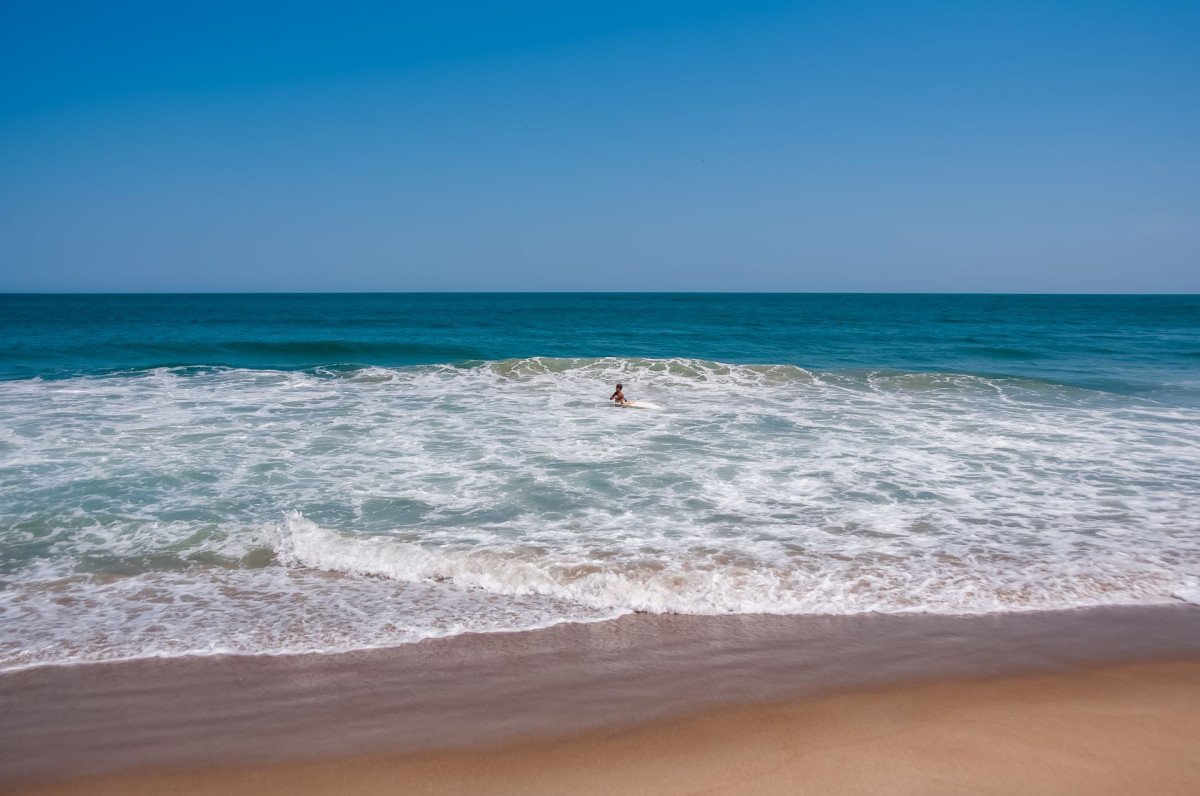
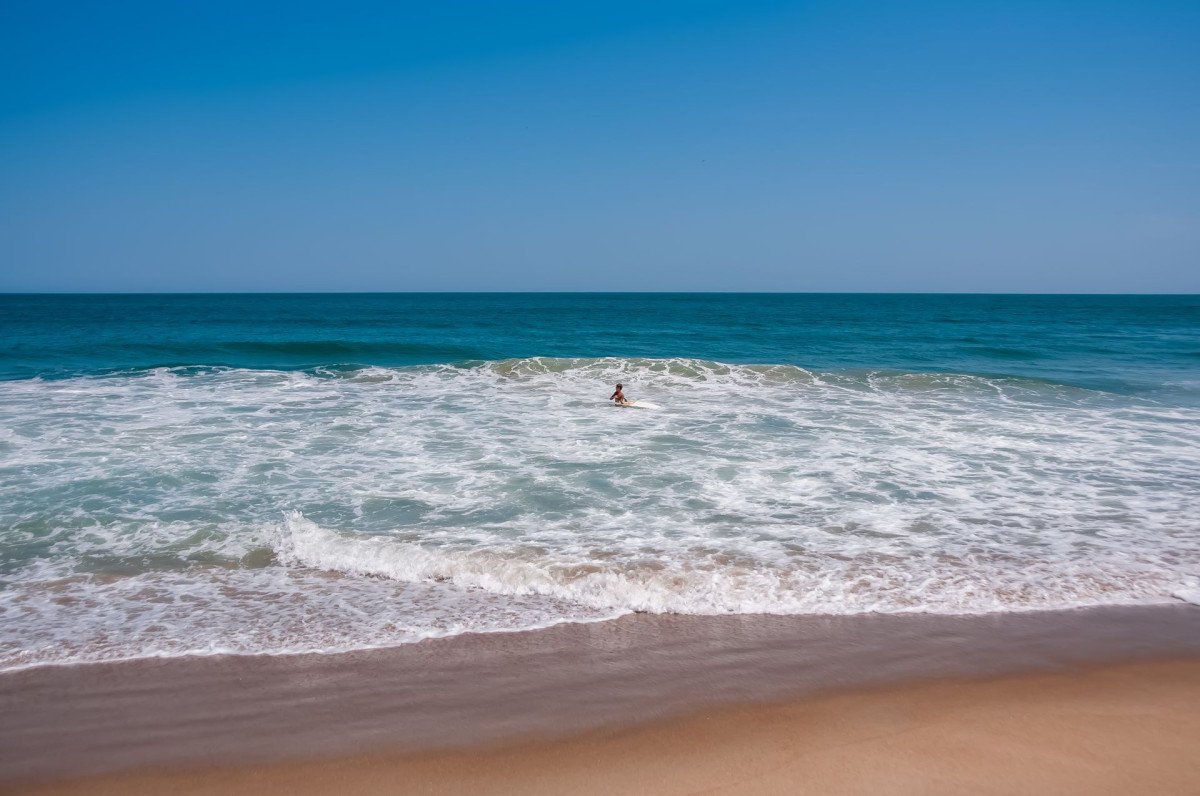
Turtle Nesting Beach
General information
-
Ideal Duration:
2 to 3 hours (Nesting season)Place Type:
Conservation/Nature ReserveEntry Fees:
No General Public Entry Fee, but Permit is Mandatory: As a protected conservation area, there is no public entry fee for the beach itself. However, access to Chetlat Island necessitates the government-issued permit, which is the baseline cost for any visit. The cost is highly variable based on pac...No General Public Entry Fee, but Permit is Mandatory: As a protected conservation area, there is no public entry fee for the beach itself. However, access to Chetlat Island necessitates the government-issued permit, which is the baseline cost for any visit. The cost is highly variable based on package type (like the Samudram cruise) and travel duration, but must be factored into the overall budget.
Restricted and Priced Conservation Tours: Participating in a guided turtle monitoring walk or a hatchling release event, which provides access to the restricted areas during the nesting season, is not a free public event. This access is only granted through official tour operators or the Forest Department and may incur a special conservation fee. This fee is used to fund the local monitoring efforts, potentially ranging from Rs.500 to Rs.1,500 per person for a dedicated experience.
Strict Fine for Disturbance: A major financial deterrent is the extremely high fine for causing any disturbance to a nesting turtle, eggs, or hatchlings, or for attempting to trespass into the protected zone without permission. Under the Wildlife Protection Act, these fines can run into tens of thousands of Indian Rupees or result in severe legal action, serving as a powerful financial guardrail to protect the turtles.
Parking and Photography Fees: There are no fees for parking an auto-rickshaw or bicycle near the access path, and no photography fees are charged, provided the photography is non-intrusive and does not use bright flashes near nesting areas.Timing:
Regular Operating Hours: The beach is technically open 24 hours, but public access is strongly discouraged after sunset to prevent disturbance to nesting turtles. The spirit of the place mandates that visits be confined to daylight hours, ideally until about 5:00 PM.Regular Operating Hours: The beach is technically open 24 hours, but public access is strongly discouraged after sunset to prevent disturbance to nesting turtles. The spirit of the place mandates that visits be confined to daylight hours, ideally until about 5:00 PM.
Ideal Visit Time - Nesting Patrols: The most ideal and privileged time for an ecotourist is either just before sunrise (5:30 AM to 7:30 AM) or just before sunset (4:00 PM to 5:30 PM). These times are when the local monitors conduct their checks and when the sand is cool enough to show the freshest turtle tracks. Any visit outside of daylight is only possible with a specialized, approved nocturnal patrol.
Ideal Visit Time - Non-Nesting Solitude: In the non-nesting season (June to November), the beach is a haven of solitude and is best visited in the early morning for a quiet walk, as the lack of crowds is the main draw during this period.
Avoidance Times: Midday (10:00 AM to 3:00 PM) should be avoided due to the intense, uncomfortable sun on the open coast, which lacks the dense, close-to-shore shade of the west coast. More importantly, the hours from 6:00 PM to 5:30 AM should be avoided to ensure that visitors do not accidentally disturb any nesting female or emerging hatchling, which can be disoriented by artificial light.Special Events:
The Hatchling Release Ceremony (Seasonal and Restricted): The single most special event is a supervised hatchling release, which occurs when a batch of eggs, either from a monitored in-situ nest or a relocated hatchery, is ready to hatch. This is typically done at dusk or night to protect the hatch...The Hatchling Release Ceremony (Seasonal and Restricted): The single most special event is a supervised hatchling release, which occurs when a batch of eggs, either from a monitored in-situ nest or a relocated hatchery, is ready to hatch. This is typically done at dusk or night to protect the hatchlings. It is not a guaranteed event, and only a very small number of tourists may be invited by the Forest Department to witness the tiny turtles make their frantic dash for the sea. This event is purely for conservation and educational purposes, not entertainment.
The Annual World Turtle Day Observation: While not a massive public festival, the local schools and conservation staff observe World Turtle Day (May 23) with small, educational events near the beach. This may include a talk on turtle biology, a beach walk focused on finding nesting signs, or a small awareness campaign for local villagers and tourists. These low-key events highlight the importance of the beach's ecosystem.
Lakshadweep Foundation Day Conservation Pledge: On the annual Lakshadweep Foundation Day (November 1), a local pledge ceremony focused on environmental conservation and protection of marine life, particularly the sea turtles, may be held on a suitable stretch of the eastern coast. This event is a civic and cultural occasion where community leaders affirm their commitment to preserving their natural heritage.Best Photo Spots:
Turtle Tracks in the Early Morning Sand: The most unique photo is the clear, distinct track left by a female Green Sea Turtle after she has nested and returned to the sea. Capturing this wide, beautiful track leading to a section of untouched sand, with the high-tide line a...Turtle Tracks in the Early Morning Sand: The most unique photo is the clear, distinct track left by a female Green Sea Turtle after she has nested and returned to the sea. Capturing this wide, beautiful track leading to a section of untouched sand, with the high-tide line and the open ocean in the background, is a photographer's trophy. This must be taken right at sunrise before the tracks are obscured by the wind or human activity.
The Minimalist Seclusion Shot: A shot that captures the wild, empty expanse of the beach, with the dense, native vegetation line contrasting sharply with the white sand and the deep blue of the open sea. The focus is on isolation, with no human figures or structures visible, conveying the untouched nature of the conservation zone. This shot works best from a slight elevation on the edge of the coconut groves.
Macro Photography of Nesting Signs: Detailed close-up (macro) shots of the sand where a nest is located, focusing on the texture and the subtle changes in the sand's pattern, are excellent for conveying the hidden life of the beach. Another beautiful photo opportunity is a close-up, respectful shot of a researcher or local volunteer marking a nest site with a temporary marker.
The Rugged Coral Coastline: Capturing the more rugged, wind-battered appearance of the southern/eastern coast, with its exposed, eroded coral rubble near the waterline, provides a dramatic, contrasting photo to the soft beauty of the western lagoon. This shot highlights the power of the open ocean.Photo Gallery
Things To Do
-
Guided Turtle Nest Monitoring Walks: The primary and most rewarding activity is participating in a highly controlled, supervised turtle nest monitoring walk with local guides or Forest Department staff (subject to availability and season). This involves walking slowly along the designated stretch of beach in the early morning or late evening, looking for signs of new nesting or hatchling tracks. This is an ethical, conservation-focused activity.
Respectful Observation of the Beach Environment: Simply spending time on the secluded beach, being mindful of the environment, and observing the natural coastal ecosystem is a core activity. This includes quietly birdwatching for wading birds, observing the vegetation line, and identifying different types of coral debris that wash ashore. The focus is on appreciating the untouched nat...Guided Turtle Nest Monitoring Walks: The primary and most rewarding activity is participating in a highly controlled, supervised turtle nest monitoring walk with local guides or Forest Department staff (subject to availability and season). This involves walking slowly along the designated stretch of beach in the early morning or late evening, looking for signs of new nesting or hatchling tracks. This is an ethical, conservation-focused activity.
Respectful Observation of the Beach Environment: Simply spending time on the secluded beach, being mindful of the environment, and observing the natural coastal ecosystem is a core activity. This includes quietly birdwatching for wading birds, observing the vegetation line, and identifying different types of coral debris that wash ashore. The focus is on appreciating the untouched nature of the area.
Nature Photography and Macro Shots: The lighting and raw textures of the beach are perfect for nature photography. Focusing on macro shots of small creatures, the texture of the nesting sand, the footprints of various small animals, and the pattern of the waves hitting the open coast provides an artistic challenge. The absence of crowds ensures a clean photographic subject. Collecting and Documenting Coral Specimens (Non-Removal): Engaging in a non-removal study of the coral and shell specimens that are naturally washed up on the beach. This involves identifying, photographing, and documenting the different species of coral and shells found, which provides a deeper understanding of the local reef biodiversity without breaking any laws by removing the material.
Sunrise Viewing Over the Arabian Sea: Deliberately making the journey to the eastern side of the island to witness the pure, unadulterated sunrise over the open sea is a peaceful and highly recommended activity, offering a stark contrast to the colorful reflections of the western sunset.
Learning About Island Conservation Policy: Using the time at the beach to read educational materials (if provided by local guides) about Lakshadweep's stringent environmental regulations, particularly concerning turtle protection and coral reef preservation, enhances the visitor's understanding of sustainable tourism. Coastal Clean-up Participation (Volunteer Activity): Occasionally, local conservation groups organize small, focused coastal clean-up drives to remove plastic or debris that has washed ashore. Participating in such a voluntary activity is an excellent way to give back to the island and engage directly in conservation efforts.
Information
-
Why Famous:
A Hub for Green Sea Turtle Research: The primary fame is its role as a documented, recurrent nesting site for the Green Sea Turtle in the Lakshadweep archipelago. This makes it a place of significant international importance for marine conservation and research. The long-t...A Hub for Green Sea Turtle Research: The primary fame is its role as a documented, recurrent nesting site for the Green Sea Turtle in the Lakshadweep archipelago. This makes it a place of significant international importance for marine conservation and research. The long-term monitoring programs, often in collaboration with organizations like the Dakshin Foundation, draw attention from ecologists worldwide, solidifying its reputation as a crucial biological asset.
The Emotional Spectacle of Hatchling Release: It is famous, though restricted, for the emotional and rare spectacle of the hatchling emergence and their "race" to the sea, which typically occurs at night. Tourists who are lucky enough to be present during a scheduled, supervised release, guided by the local Forest Department, consider it a once-in-a-lifetime, unforgettable event that dramatically connects them to the cycle of nature.
Isolation and Untouched Coastal Wilderness: The beach's fame also stems from its untouched, wild, and pristine condition. Unlike more commercial beaches, this area has retained its original tropical island character, providing a pure, unadulterated experience of a coral atoll's coastline. This isolation appeals directly to the responsible ecotourist. -
Architecture:
Natural Terrain and Beach Profile: The architecture of the nesting ground is purely natural and specifically suited for turtle reproduction. The beach is a wide, continuous stretch, often wider than the western beach, measuring 25 to 40 meters from the waterline to the tree...Natural Terrain and Beach Profile: The architecture of the nesting ground is purely natural and specifically suited for turtle reproduction. The beach is a wide, continuous stretch, often wider than the western beach, measuring 25 to 40 meters from the waterline to the tree line. The crucial "architecture" is the high-tide line, where the female turtles dig their nests above the watermark. This line often sits a few meters higher than the western beach. The substrate is a mix of coral sand, small coral pebbles, and organic matter, which retains heat and moisture necessary for incubation.
The Low-Impact Monitoring Structures: Unlike the Lighthouse, there are no grand human-built structures. Instead, there are only small, temporary, low-impact conservation structures. These include simple, fenced-off areas (in-situ hatcheries) marked with bamboo poles and simple netting to protect a known cluster of nests from predators like dogs or birds. The markers are temporary wooden stakes or inscribed coral stones used by researchers to log GPS coordinates, nest depth, and clutch size. These are minimalist, purely functional, and designed to blend with the environment.
The Turtle Track 'Fossil Record': The "footprints" or "tracks" left by a nesting female turtle, often several feet wide, are a temporary, organic "architecture" on the sand, a rare and sought-after sight. These tracks leading from the sea to the nest site and back are critical data points for researchers and are respectfully preserved until the next high tide washes them away. -
How To Reach:
By Air (Access from Agatti via Inter-Island Ferry): The journey starts with a flight from Kochi to Agatti (AGX), followed by an inter-island boat or helicopter transfer to Chetlat. Once on the island, the Turtle Nesting Beach is a secluded spot on the southern/eastern side....By Air (Access from Agatti via Inter-Island Ferry): The journey starts with a flight from Kochi to Agatti (AGX), followed by an inter-island boat or helicopter transfer to Chetlat. Once on the island, the Turtle Nesting Beach is a secluded spot on the southern/eastern side. Access to this beach requires a 20-25 minute auto-rickshaw ride from the main village/jetty, or a vigorous 45-minute walk.
By Train (Kochi Rail Connection and Sea Travel): Since there is no rail, the journey is primarily via the passenger ship from the mainland railhead of Kochi. The ship voyage is necessary to reach Chetlat from Kochi, a journey that takes 14 to 18 hours. The local transfer from the ship's anchoring point to the Chetlat jetty is the final step before the short local trip to the beach.
By Road (Local Auto-Rickshaw Essential): The best way to reach the remote beach is by hiring a local auto-rickshaw from the main Chetlat village. The driver will know the exact location of the restricted access point. The road is often a narrow, unpaved or poorly maintained path leading through the thickest part of the coconut groves and local homes, adding to the sense of exploration. This is the most practical way to cover the 1. 5 KM distance.
By Local Transport (Bicycle and Local Guide): For the adventurous, a rental bicycle offers a quiet, eco-friendly way to travel the distance, though the road can be sandy and challenging in parts. A local guide is highly recommended for this particular location, not only for navigation but also for education on conservation ethics and proper conduct on the nesting beach. -
Weather and Best Time to Visit:
Seasons and Weather:Best Time - Peak Nesting Season (December to March): For the ecotourist who desires to witness the conservation efforts and has a chance of seeing a turtle or hatchling, this is the prime window. The weather is cool and dry, and visibility is excellent. ...Seasons and Weather:Best Time - Peak Nesting Season (December to March): For the ecotourist who desires to witness the conservation efforts and has a chance of seeing a turtle or hatchling, this is the prime window. The weather is cool and dry, and visibility is excellent. However, this is also the busiest tourist time for Lakshadweep overall.
Secondary Best Time (October/November): The post-monsoon period offers solitude, vibrant greenery, and still-warm, clear waters for snorkeling in other parts of the island, though turtle sightings are less likely.
Parts of the Day:Ideal Visit Time - Early Morning and Late Afternoon: The absolute best time is from 5:30 AM to 7:30 AM for finding fresh turtle tracks and enjoying the quiet sunrise. The late afternoon, from 4:00 PM to 5:30 PM, is also ideal for photography and a peaceful walk before all non-essential personnel must leave.
Strictly Restricted Time - Night: Night visits are only permitted with an official Forest Department or designated local guide for conservation monitoring. Any unauthorized night visit can lead to fines and disorientation of nesting females and hatchlings.
Avoidance Time - Midday: The extreme heat of the midday sun makes walking on this open beach very uncomfortable, and no turtle activity will be seen at this time. -
Near Tourist Places:
Chetlat Beach (0. 5 KM) - Chetlat Lagoon (1 KM) - Chetlat Bird Sanctuary (0. 5 KM) - Kalpitti Islet (1. 5 KM, across channel) - Chetlat Village/Jumath Mosque (1. 5 KM) - Kiltan Island (37 KM) - Amini Island (63 KM) - Kadmat Island (52 KM) - Agatti Aerodrome (109 KM) - Kavaratti Island (140 KM)
Tourism Tips
-
Health & Safety (Reef-Safe Sunscreen and First Aid): Use only reef-safe sunscreen (containing no oxybenzone or octinoxate) to protect the marine environment when on this coast. The beach can have sharp coral pieces, so closed-toe sandals or water shoes are essential. Carry a well-stocked first-aid...Health & Safety (Reef-Safe Sunscreen and First Aid): Use only reef-safe sunscreen (containing no oxybenzone or octinoxate) to protect the marine environment when on this coast. The beach can have sharp coral pieces, so closed-toe sandals or water shoes are essential. Carry a well-stocked first-aid kit for minor cuts. Be aware of the limited medical facilities and the need for evacuation to Agatti or Kochi for serious issues.
Packing (Binoculars and Conservation Etiquette): Bring a pair of binoculars to observe birds and potentially distant turtles in the water without getting too close. Essential packing includes light, breathable clothing, an extra water bottle, and a strong flashlight with a red-light filter (red light is less disturbing to turtles). A small notebook for documenting observations is also recommended.
Accommodation (Proximity and Permits): As the beach is remote, stay near the main village but budget for the local transport cost to the beach and back. Ensure your guide has all the necessary permissions for your visit, especially if you plan to visit during the nesting season. Never attempt to camp or overnight on or near the nesting area.
Conservation Ethics (Light and Distance):
This is the most important tip: Maintain a minimum distance of 15-20 meters from any nesting turtle. Never use bright white light, including camera flash, or make loud noises after dusk, as this can disorient the turtles and prevent them from nesting. Do not attempt to touch or feed the turtles or hatchlings. Adhere strictly to all instructions given by the local guides, whose primary goal is the protection of the species.
Reviews
FAQs
Chetlat Itineray And Cost:-
Turtle Nesting Beach Tourism:-
Information about New and Updated Locations() of Lakshadweep Has Been Added :-
Card subtitle
Note:-
Information provided here in good Faith and for reference only.
All information and pictures will be updated soon, please keep visiting.
Near Places
Chetlat Beach
Some quick example text to build on the card title and make up the bulk of the card's content.
Go somewhere
Chetlat Central Mosque
Some quick example text to build on the card title and make up the bulk of the card's content.
Go somewhere
Chetlat Lagoon Area
Some quick example text to build on the card title and make up the bulk of the card's content.
Go somewhere
Chetlat Traditional Houses
Some quick example text to build on the card title and make up the bulk of the card's content.
Go somewhere
Coconut Plantation Area
Some quick example text to build on the card title and make up the bulk of the card's content.
Go somewhere
Coral Reef Observation Spot
Some quick example text to build on the card title and make up the bulk of the card's content.
Go somewhere
Northern Tip View Point
Some quick example text to build on the card title and make up the bulk of the card's content.
Go somewhere
Sunset View Point
Some quick example text to build on the card title and make up the bulk of the card's content.
Go somewhere
Turtle Nesting Beach
Some quick example text to build on the card title and make up the bulk of the card's content.
Go somewhere
Water Sports Facility
Some quick example text to build on the card title and make up the bulk of the card's content.
Go somewherein Other Cities