

Coral Reef Observation Spot
General information
-
Ideal Duration:
3-4 Hours (Including travel time by boat)Place Type:
Marine/Coral Reef and Adventure SportsEntry Fees:
Regulated Tour Package Fee: No direct 'entry ticket' is sold for the coral reef itself. The 'fee' is the mandatory cost of the regulated tour package which includes the boat transfer, guide, and equipment rental (snorkeling/diving gear). This bundled fee is strictly contro...Regulated Tour Package Fee: No direct 'entry ticket' is sold for the coral reef itself. The 'fee' is the mandatory cost of the regulated tour package which includes the boat transfer, guide, and equipment rental (snorkeling/diving gear). This bundled fee is strictly controlled by the UT Administration. For example, a full day of snorkeling/boat usage will cost around INR 2,500 - 4,000 per person.
Scuba Certification and Dive Fees: Certified scuba divers will pay an additional fee per dive, which includes the rental of specialized equipment and the dive master's services. This can range from INR 4,000 to 7,000 per dive.
Fines for Ecological Damage: The most crucial 'fee' is the severe fine imposed for any act of ecological damage, such as touching, breaking, or removing coral, or feeding the fish. These fines are extremely high, reinforcing the status of the area as a highly protected marine zone.Timing:
Daylight Operations: All reef observation activities are restricted to daylight hours, specifically from 8:00 AM to 4:30 PM. The reef is not accessible or safe for tourists after sunset.
Ideal Dive Window: The best time for both snorkeling ...Daylight Operations: All reef observation activities are restricted to daylight hours, specifically from 8:00 AM to 4:30 PM. The reef is not accessible or safe for tourists after sunset.
Ideal Dive Window: The best time for both snorkeling and diving is the mid-morning (9:00 AM to 1:00 PM), when the sun is directly overhead, providing maximum light penetration into the water, resulting in the most vibrant colours and best visibility.
Tidal Impact: Observation is typically best during High Tide, as this provides sufficient water depth over the reef crest to prevent accidental damage to the coral from touching the seabed. Always check the tidal chart with your guide.Special Events:
Coral Reef Monitoring Day: The most special event is the occasional Coral Reef Monitoring Day, often organized by the local marine conservation teams in partnership with the Lakshadweep Administration. Tourists, if present, might be invited to join a brief orientation sessi...Coral Reef Monitoring Day: The most special event is the occasional Coral Reef Monitoring Day, often organized by the local marine conservation teams in partnership with the Lakshadweep Administration. Tourists, if present, might be invited to join a brief orientation session or a guided talk about the conservation efforts. These events focus on educating visitors about coral health and climate change.
Specialized Marine Workshops: Sometimes, specialized workshops on marine ecology, conducted by visiting scientists, are held near the jetty. These are a unique opportunity for tourists to learn about the reef system and the local marine species in-depth.Best Photo Spots:
Reef Wall Drop-Off Perspective: The best photo spot is looking down the reef wall (taken with a wide-angle lens by an experienced underwater photographer). The photo captures the dramatic blue gradient—from the light turquoise of the crest to the deep indigo of the drop-o...Reef Wall Drop-Off Perspective: The best photo spot is looking down the reef wall (taken with a wide-angle lens by an experienced underwater photographer). The photo captures the dramatic blue gradient—from the light turquoise of the crest to the deep indigo of the drop-off—showcasing the reef's vertical drama and the vastness of the ocean.
School of Fish Shot: Capture a photograph of a large, synchronized school of fish swimming in formation over a patch of hard coral. This requires patience but beautifully captures the vitality and communal life of the reef.
Coral Close-Ups: Use a macro lens or a close-up setting on an underwater camera to capture the intricate, alien-like detail of the brain, table, or branched coral polyps. These abstract, textural shots highlight the biological wonder of the reef.
The Boat and Water Contrast: Photograph the small tourist boat anchored near the reef crest, with the bright blue water of the open sea as the background. This shot emphasizes the isolation of the reef and the clarity of the water.Photo Gallery
Things To Do
-
Guided Snorkeling Excursion: Spend a minimum of 90 minutes in the water on a guided snorkeling trip. This is the best way to interact safely with the reef, allowing you to float effortlessly over the shallow crest and observe the marine life below. Always follow the designated guide's path.
Scuba Diving (Certified Divers Only): For certified divers, dedicate 2 hours for a single-tank dive. The drop-off offers an incredible opportunity for a drift dive, observing the larger marine life that patrols the deeper reef wall, including tuna and rays. This is the ultimate adventure activity at this spot.
Photography (Underwater): Bring an underwater camera and spend at least 45 minutes photographing the vibrant coral and the schools of fish. The sheer clarity of the water ensures excellent natural l...Guided Snorkeling Excursion: Spend a minimum of 90 minutes in the water on a guided snorkeling trip. This is the best way to interact safely with the reef, allowing you to float effortlessly over the shallow crest and observe the marine life below. Always follow the designated guide's path.
Scuba Diving (Certified Divers Only): For certified divers, dedicate 2 hours for a single-tank dive. The drop-off offers an incredible opportunity for a drift dive, observing the larger marine life that patrols the deeper reef wall, including tuna and rays. This is the ultimate adventure activity at this spot.
Photography (Underwater): Bring an underwater camera and spend at least 45 minutes photographing the vibrant coral and the schools of fish. The sheer clarity of the water ensures excellent natural light for bright, colourful shots. Focus on composition that highlights the depth and texture of the coral.
Marine Life Identification Session: After leaving the water, spend 30 minutes with your guide identifying the various species of fish and coral you observed using a provided marine identification chart. This educational activity enhances appreciation for the ecosystem and is a key part of the ecotourism experience.
Glass-Bottom Boat Tour: For non-swimmers, a 1-hour glass-bottom boat tour is an essential activity. This allows a comfortable, dry, and detailed view of the reef structures and marine life without entering the water, making the experience accessible to everyone.
Information
-
Why Famous:
An Ecotourism Showcase: The spot is famous for being part of the highly protected Lakshadweep coral reef system, known as one of the most pristine and least-disturbed in India. It is a major draw for eco-tourists and certified divers/snorkellers seeking unblemished marine e...An Ecotourism Showcase: The spot is famous for being part of the highly protected Lakshadweep coral reef system, known as one of the most pristine and least-disturbed in India. It is a major draw for eco-tourists and certified divers/snorkellers seeking unblemished marine environments.
Dramatic Underwater Geography: It is renowned for the dramatic contrast between the shallow, tranquil lagoon and the abrupt drop-off of the outer reef wall. This 'wall' is a famous feature that attracts larger pelagic fish and offers a spectacular, vertical view of the reef's complexity.
Diversity of Marine Fauna: The area is celebrated for its rich marine biodiversity. The spot is famous for guaranteed sightings of colourful reef fish (like parrotfish, butterflyfish), giant clams, sea cucumbers, and a high likelihood of observing sea turtles feeding or resting. -
Architecture:
Massive Coral Barrier Structure: The reef's architecture is a natural barrier structure formed over millennia by the accumulation of coral skeletons. The reef crest itself is a shallow platform that can be partially exposed during extreme low tides.
Read MoreMassive Coral Barrier Structure: The reef's architecture is a natural barrier structure formed over millennia by the accumulation of coral skeletons. The reef crest itself is a shallow platform that can be partially exposed during extreme low tides.
Dimension: The entire reef barrier is a massive structure stretching approximately 4. 5 KMS long and ranging from 500 meters to 1 KM in width. The Observation Spot is positioned near the Reef Slope, where the depth dramatically drops from 1-2 meters on the crest to over 20 meters in the open sea.
Bommies and Channels: The architectural interest lies in the submerged structures: Bommies (isolated coral mounds) and deep channels or cuts in the reef wall. These features create varied currents and habitats, attracting a wide diversity of marine life. The natural channels are crucial for water exchange between the open sea and the lagoon.
Coral Types as Building Blocks: The reef is structurally built from different types of hard coral, like Acropora (table and branched coral) and Porites (massive boulder coral), which act as the 'bricks and mortar' of this underwater city, providing shelter and sustenance for the entire marine food chain.How To Reach:
By Boat/Local Transport (The Only Way): The Coral Reef Observation Spot is exclusively reached by local mechanized boat from the Chetlat main jetty across the lagoon. The boat journey takes approximately 15-20 minutes one way across the calm lagoon waters to the outer reef ...By Boat/Local Transport (The Only Way): The Coral Reef Observation Spot is exclusively reached by local mechanized boat from the Chetlat main jetty across the lagoon. The boat journey takes approximately 15-20 minutes one way across the calm lagoon waters to the outer reef crest. There is no land access.
Access Protocol: All reef trips must be organized through the government's official water sports center on the island. Independent travel to the reef is strictly prohibited for safety and environmental protection reasons.
Mandatory Equipment: For the safety of the tourists and the reef, the boat must carry all necessary safety equipment (life jackets, first aid) and be piloted by a licensed local seafarer who is knowledgeable about the reef's topography and currents.Weather and Best Time to Visit:
Post-Monsoon Clarity (October to March): This is the absolute best time to visit. The sea is calmest, and the long period of dry weather ensures that the water clarity and visibility are at their peak, which is essential for a good observation experience. This time also co...Post-Monsoon Clarity (October to March): This is the absolute best time to visit. The sea is calmest, and the long period of dry weather ensures that the water clarity and visibility are at their peak, which is essential for a good observation experience. This time also coincides with the mildest water temperatures.
Monsoon Avoidance: The Monsoon season (June to September) makes the outer reef virtually inaccessible due to strong winds, high waves, and extremely poor underwater visibility. Boat transfers are often suspended.
Different Parts of the Day: Midday Sun is surprisingly good for this spot (unlike land visits), as the sun at its zenith allows for the best color and light penetration for viewing the deeper corals.Near Tourist Places:
Bitra Island (47 KMS North-East), Kiltan Island (34 KMS South), Amini Island (63 KMS South-East), Kadmat Island (77 KMS South-West), Agatti Island (109 KMS South-West, nearest Airport), Kavaratti Island (145 KMS South, UT Capital), Bangaram Island (115 KMS South-West, uninhabited resort), Thinnakara Island (118 KMS South-West, uninhabited resort), Kalpeni Island (300 KMS South-East), Minicoy Island (400 KMS South).Tourism Tips
-
Health & Safety: Never snorkel or dive without a trained guide. Check your equipment thoroughly before entering the water. Be aware of the possibility of strong currents near the reef drop-off, and adhere strictly to the guide’s instructions. Do not attempt to touch or ...Health & Safety: Never snorkel or dive without a trained guide. Check your equipment thoroughly before entering the water. Be aware of the possibility of strong currents near the reef drop-off, and adhere strictly to the guide’s instructions. Do not attempt to touch or feed any marine life.
Packing: Essential items include full-coverage swimwear (rash guards) to protect from the sun and minor abrasions. Bring an underwater flashlight (torch) for clearer viewing in deeper spots or crevices. Motion sickness medication is advised for the boat journey.
Accommodation: Confirm your stay on Chetlat via the official channels. Do not expect impromptu stays. Ensure your package includes all necessary boat transfers to and from the reef.
Other Tips: Keep a safe distance from all coral structures. The reef is a living animal. Do not use chemical sunscreens (opt for reef-safe ones) as the chemicals can harm the coral.
Reviews
FAQs
Chetlat Itineray And Cost:-
Coral Reef Observation Spot Tourism:-
Other Places In Chetlat :-
Other States In India :-
Information about New and Updated Locations() of Lakshadweep Has Been Added :-
Card subtitle
Note:-
Information provided here in good Faith and for reference only.
Near Places
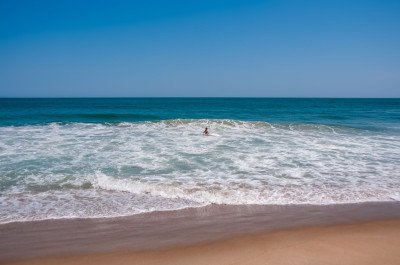
Chetlat Beach
Some quick example text to build on the card title and make up the bulk of the card's content.
Go somewhere
Chetlat Central Mosque
Some quick example text to build on the card title and make up the bulk of the card's content.
Go somewhere
Chetlat Lagoon Area
Some quick example text to build on the card title and make up the bulk of the card's content.
Go somewhere
Chetlat Traditional Houses
Some quick example text to build on the card title and make up the bulk of the card's content.
Go somewhere
Coconut Plantation Area
Some quick example text to build on the card title and make up the bulk of the card's content.
Go somewhere
Coral Reef Observation Spot
Some quick example text to build on the card title and make up the bulk of the card's content.
Go somewhere
Northern Tip View Point
Some quick example text to build on the card title and make up the bulk of the card's content.
Go somewhere
Sunset View Point
Some quick example text to build on the card title and make up the bulk of the card's content.
Go somewhere
Turtle Nesting Beach
Some quick example text to build on the card title and make up the bulk of the card's content.
Go somewhere
Water Sports Facility
Some quick example text to build on the card title and make up the bulk of the card's content.
Go somewherein Other Cities