Da-Parbatia Gate
General information
-
Ideal Duration:
30 minutes to 1 hour (To explore the ruins and the surrounding garden).Place Type:
Historical/Archaeological Site, Protected MonumentEntry Fees:
Fee Structure for Indian Citizens: Being an ASI-protected monument, the entry fee for Indian citizens, including those from Assam, is generally minimal. As of latest updates, the fee is typically around Rs.15 to Rs.25 per person. This nominal fee contributes directly to the si...Fee Structure for Indian Citizens: Being an ASI-protected monument, the entry fee for Indian citizens, including those from Assam, is generally minimal. As of latest updates, the fee is typically around Rs.15 to Rs.25 per person. This nominal fee contributes directly to the site's maintenance, conservation, and the upkeep of the surrounding gardens and public facilities.
Fee Structure for Foreign Tourists: The fee for foreign tourists is typically higher than the domestic rate, a standard practice at ASI sites across India. The fee is generally around Rs.100 to Rs.300 per person. Foreign visitors are encouraged to carry identification.
Fee Exemptions and Concessions: Entry for children below the age of 15 is often free of charge, as per ASI policy. Educational groups may be eligible for concessions, although this should be verified with the site caretaker or the local ASI office in advance of the visit.
No Fee for Photography (Still Camera): There is generally no additional charge for carrying and using a still camera for non-commercial photography.
Professional Photography/Videography: Using a tripod, drone, or professional video equipment for commercial purposes may require a special permit from the ASI, which would involve a separate, significantly higher fee and prior authorization.Timing:
Regular Timings (Opening and Closing): The Da-Parbatia Ruins are typically open to the public daily, including weekends and most holidays. The regular visiting hours are usually from 6:00 AM to 7:00 PM or 8:00 PM. Visitors are advised to check the exact closing time upon a...Regular Timings (Opening and Closing): The Da-Parbatia Ruins are typically open to the public daily, including weekends and most holidays. The regular visiting hours are usually from 6:00 AM to 7:00 PM or 8:00 PM. Visitors are advised to check the exact closing time upon arrival, especially during the shorter days of the winter months (November to February).
Ideal Visit Time (Morning Serenity): The single best time to visit is early in the morning, right after opening (around 6:00 AM to 8:00 AM). During this period, the site is quiet, you can enjoy the cool, fresh air, and the soft morning light provides the best conditions for photography and quiet contemplation of the ancient structure.
Mid-Day Heat Avoidance: The hours between 11:00 AM and 3:00 PM are best avoided, particularly during the hot and humid summer months (March to June). The intense sunlight is harsh for viewing and photography, and the lack of shade near the main ruins can be uncomfortable.
Best Season for Visit: The months from October to March (Winter and Post-Monsoon) are the most comfortable season due to pleasant weather.Special Events:
Maha Shivaratri Celebrations: Although the temple is primarily a ruin, the religious significance of the site, particularly its dedication to Shiva (as evidenced by the later Ahom temple remains), means that Maha Shivaratri is a period of heightened local devotion. Nearby t...Maha Shivaratri Celebrations: Although the temple is primarily a ruin, the religious significance of the site, particularly its dedication to Shiva (as evidenced by the later Ahom temple remains), means that Maha Shivaratri is a period of heightened local devotion. Nearby temples and the local community often celebrate this festival in February or March. Visitors during this time can experience the vibrant local religious fervour and rituals, even if the main event is not held on the ruins itself.
Archaeology Week/Heritage Day Events: Since the site is protected by the ASI, events related to national or international heritage days (like World Heritage Day on April 18th) or Archaeology Week are occasionally hosted here. These events often include guided walks, lectures, or special clean-up drives, offering a unique opportunity to interact with archaeologists, historians, and heritage enthusiasts.
Local Village Festivals: The surrounding Da Parbatia village may observe local festivals like Bihu (the Assamese harvest festival celebrated in January, April, and October). Visiting during these times offers an authentic cultural experience, showcasing local music, dance, and culinary traditions that are part of the broader cultural landscape around the ruins.Best Photo Spots:
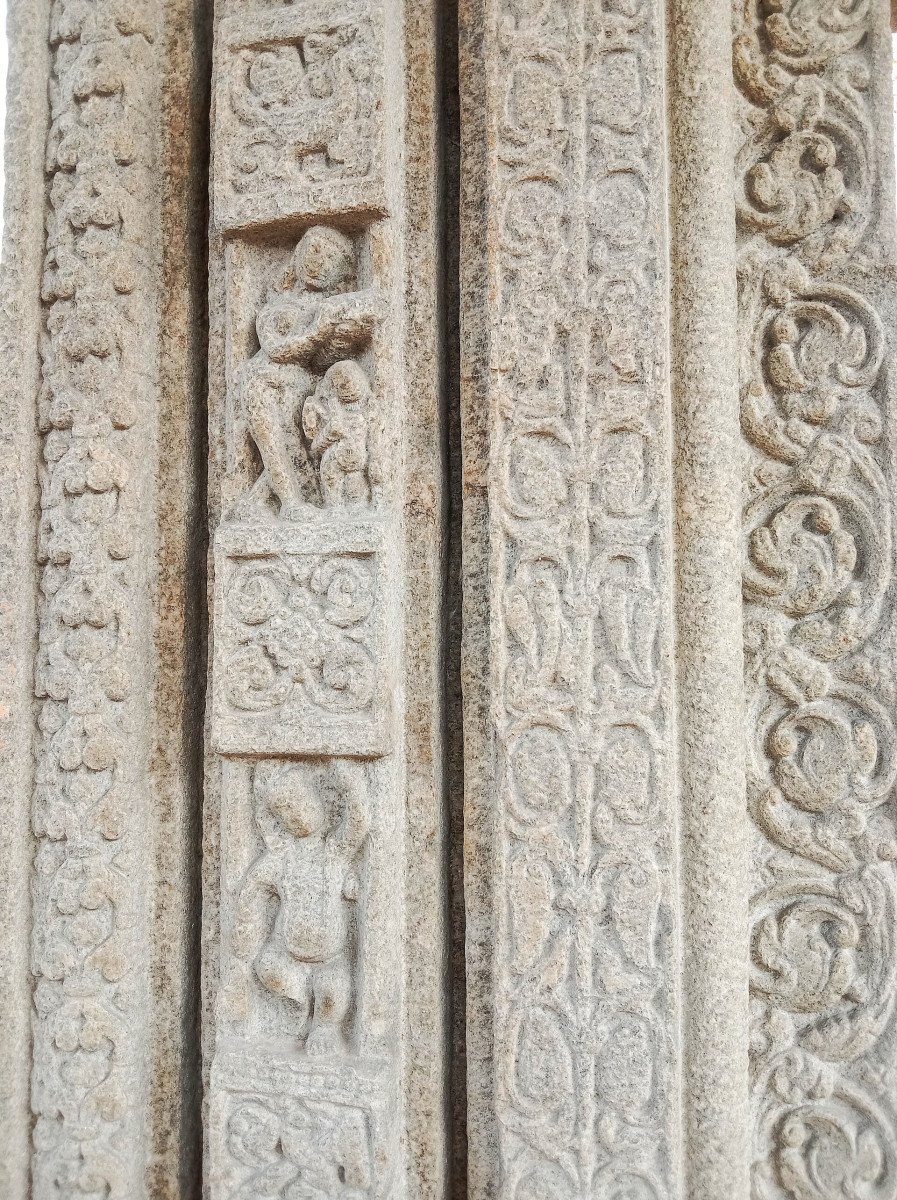
The Main Door Frame (Front View): The classic shot is the full, frontal view of the stone door frame. The best time for this is early morning (6:00 AM - 7:00 AM) or late afternoon (4:00 PM - 5:00 PM) when the soft, angled sunlight highlights the intricate texture and depth ...The Main Door Frame (Front View): The classic shot is the full, frontal view of the stone door frame. The best time for this is early morning (6:00 AM - 7:00 AM) or late afternoon (4:00 PM - 5:00 PM) when the soft, angled sunlight highlights the intricate texture and depth of the carvings, giving them a three-dimensional effect. This is the best way to capture the entire composition, including the river goddesses.
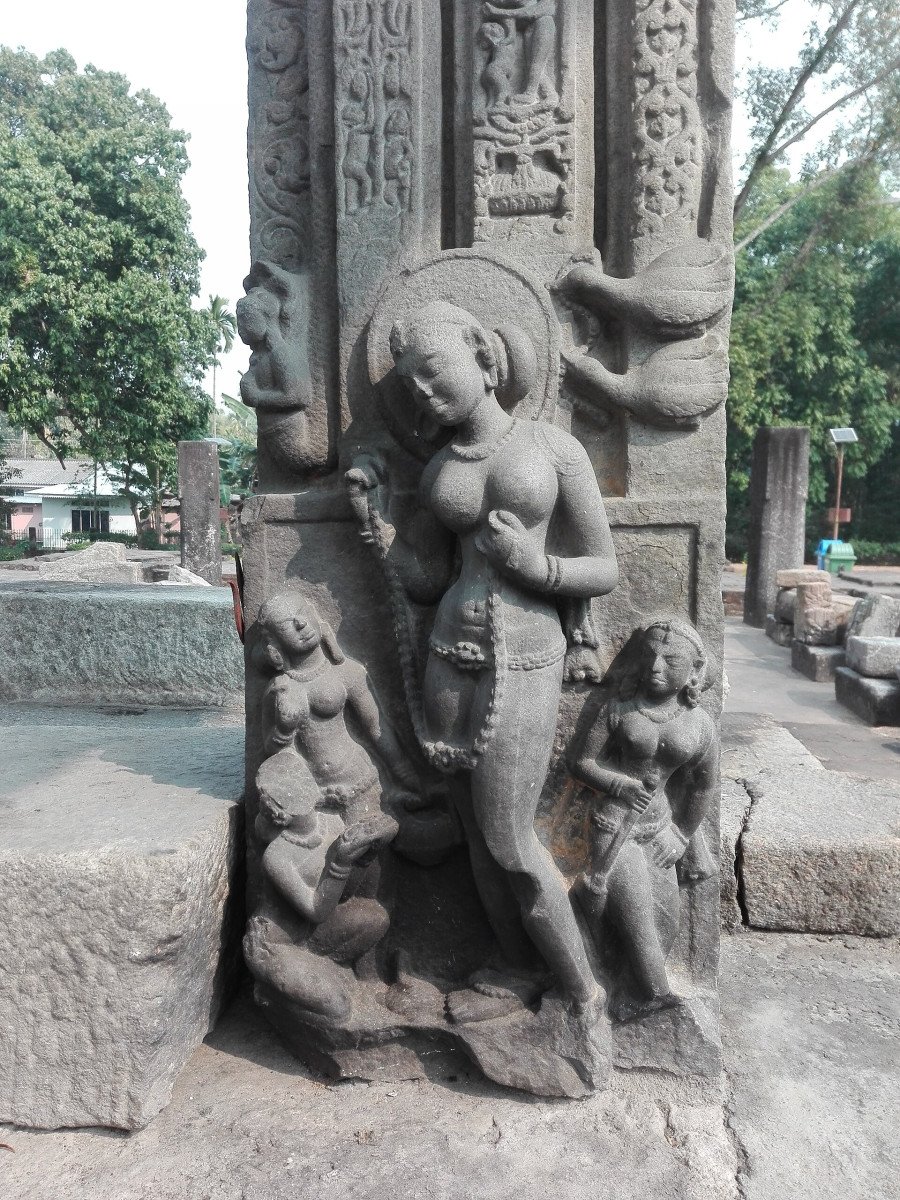
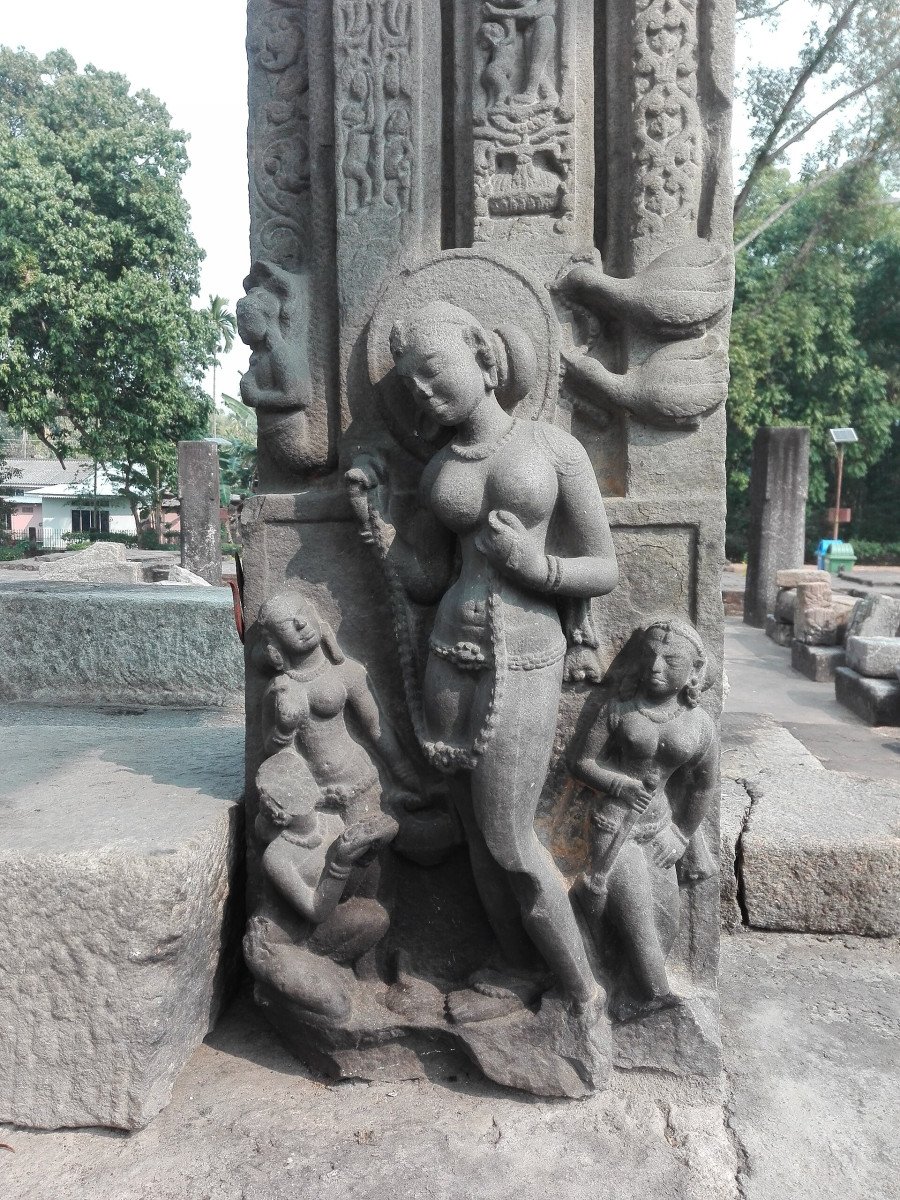
Close-ups of the River Goddesses: Focus your lens on the carvings of Ganga and Yamuna at the base. These are the most artistic elements. Use a macro or telephoto lens to isolate the details of their posture, ornaments, and their respective vahanas (vehicles: crocodile and turtle), capturing the finesse of the Gupta sculptural style.
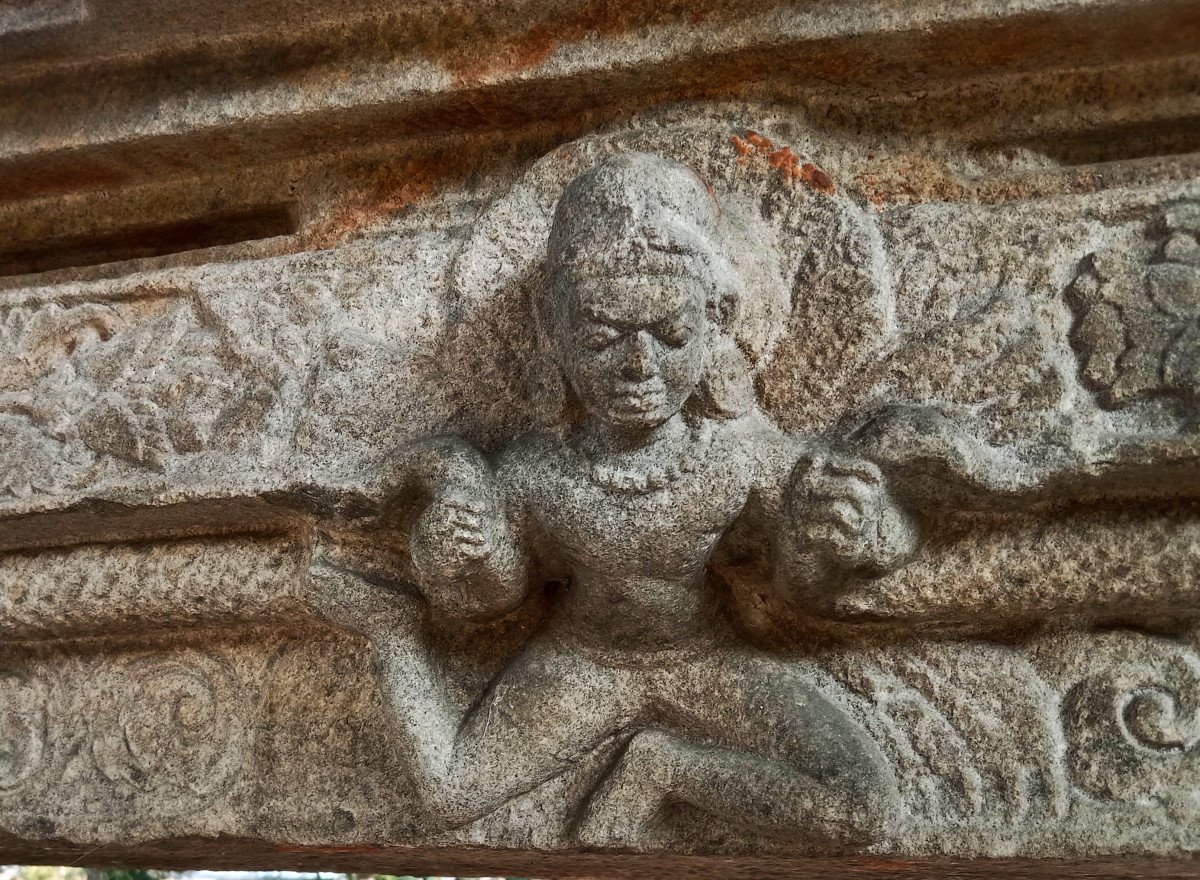
The Lintel and Upper Carvings: Tilt your camera upward to capture the carvings on the top lintel, especially the figure of Surya. This angle also emphasizes the weathered yet majestic feel of the ancient stone against the sky. Use a slightly wider aperture to blur the background and keep the focus sharp on the stone.
Ruins in the Landscape: Frame the stone door frame from a distance, including the surrounding ASI-maintained green lawn and the small fence. This shot establishes the context of the ruins as a historical artifact preserved in a peaceful, natural environment, contrasting the ancient stone with the modern upkeep.
The Brick Foundations: Take a photograph of the outline of the brick foundations on the ground. This image is important for telling the site’s full story, showing the footprint of the later Ahom temple that once stood over the Gupta ruins.Photo Gallery
Things To Do
-
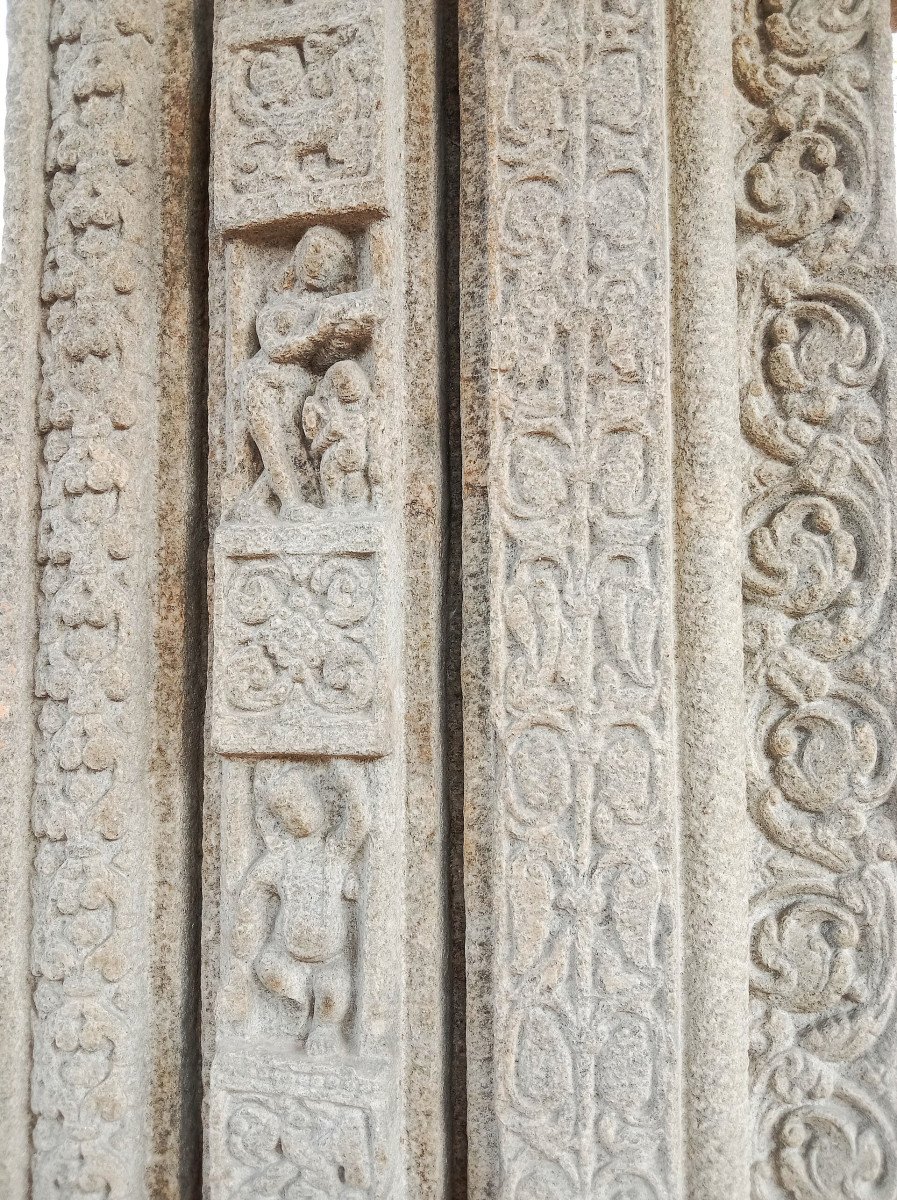
Study the Architecture and Sculpture: Spend time closely examining the stone door frame. Look for the fine details of the river goddesses, the unique floral and geometric carvings on the jambs, and the figure of Surya on the lintel. Bring binoculars to appreciate the high-relief work and the weathering that has occurred over fifteen centuries. Try to identify the characteristics that link this style to the Gupta art of North India.
Walk the Excavated Foundations: Carefully walk the perimeter of the excavated site. The stone paving and brick remains are the actual floor plan of the ancient temple. Imagine the original structure, which consisted of a sanctum and a mandapa. This exercise helps in visualizing the scale and design of the 6th-century place of worship.
Photography of Heritage: The...Study the Architecture and Sculpture: Spend time closely examining the stone door frame. Look for the fine details of the river goddesses, the unique floral and geometric carvings on the jambs, and the figure of Surya on the lintel. Bring binoculars to appreciate the high-relief work and the weathering that has occurred over fifteen centuries. Try to identify the characteristics that link this style to the Gupta art of North India.
Walk the Excavated Foundations: Carefully walk the perimeter of the excavated site. The stone paving and brick remains are the actual floor plan of the ancient temple. Imagine the original structure, which consisted of a sanctum and a mandapa. This exercise helps in visualizing the scale and design of the 6th-century place of worship.
Photography of Heritage: The door frame is an exceptional subject for photography, especially in the soft morning or late afternoon light, which enhances the textures and shadows of the carvings. Focus on close-up shots of the deities and the detailed ornamentation. The entire complex, set within a well-maintained garden, also offers excellent landscape photo opportunities, capturing the historical structure against a peaceful, natural backdrop.
Connect with Local History: Read the informational plaques placed by the Archaeological Survey of India (ASI) to fully understand the historical context, the archaeological discoveries, and the significance of the Ahom and Gupta layers of the site. Engaging with a local guide, if available, can provide rich mythological stories and local legends associated with the temple and the Tezpur region.
Relax in the ASI Maintained Garden: The site is managed like a heritage park with a neat lawn and boundary. After exploring the ruins, spend some time sitting in the tranquil garden. The serene atmosphere provides a perfect contrast to the city, making it an ideal spot for quiet contemplation, reading a book, or simply enjoying the peaceful ambiance.
Explore the Village: Take a short walk through the surrounding Da Parbatia village to get a sense of the local Assamese rural life. Observing the traditional houses and interacting briefly with the villagers can add a cultural dimension to your historical visit.
Information
-
Why Famous:
Oldest Stone Art in Assam: The primary fame of Da-Parbatia rests on its door frame, which is widely considered the oldest and finest example of sculptural art discovered in Assam. Its age, dating back to the 5th or 6th century AD, places it historically before many other ma...Oldest Stone Art in Assam: The primary fame of Da-Parbatia rests on its door frame, which is widely considered the oldest and finest example of sculptural art discovered in Assam. Its age, dating back to the 5th or 6th century AD, places it historically before many other major regional temples.
The Gupta Connection: The style is remarkably similar to the art prevalent during the Gupta Empire in northern India. This connection proves the spread of the sophisticated Gupta art tradition into the Northeast and highlights the region's cultural ties with the mainland centuries ago.
Depiction of River Goddesses: The carvings of Ganga and Yamuna at the base of the door are iconic and highly significant. In ancient Indian temple architecture, these goddesses symbolized purity and were placed to sanctify the entrance to the main shrine. This feature makes the gate a crucial reference point for art historians studying the history of temple construction.
Archaeological Importance: The site is a key excavation area that has revealed multiple layers of history, including the foundation of the 6th-century temple and the later Ahom structure built over it. It acts as an open-air museum detailing the evolution of religious architecture in the region. -
Architecture:
Gupta Style Door Frame: The most notable architectural feature is the intricately carved stone door frame. The style is distinctly of the early Gupta period (circa 5th-6th century AD), often compared to the door frames found in central India. The craftsmanship is considere...Gupta Style Door Frame: The most notable architectural feature is the intricately carved stone door frame. The style is distinctly of the early Gupta period (circa 5th-6th century AD), often compared to the door frames found in central India. The craftsmanship is considered the best example of ancient stone art in Assam.
River Goddess Carvings: The lower parts of the door jambs feature high-relief carvings of the river goddesses Ganga standing on her makara (crocodile) and Yamuna standing on her kurma (turtle). This placement is a classic signature of the Gupta architectural tradition.
Ornamentation and Motif: The door frame is richly decorated with detailed carvings, including four vertical bands of different patterns: floral motifs, creepers, and geometric designs. The lintel (the horizontal beam above the door) also displays symmetrically placed architectural carvings.
Approximate Dimensions: The visible stone door jambs are approximately 5. 25 feet (1. 60 m) in height and 1. 25 feet (0. 38 m) in width. The lintel spans about 3. 75 feet (1. 14 m) in length.
Temple Plan: Archaeological excavations revealed the stone-paved layout plan of the original sanctum sanctorum (garbhagriha) and a hall (mandapa), indicating the temple was originally a structure of brick and stone masonry, oriented in an east-west direction. -
How To Reach:
By Air (Flights): The nearest airport is Tezpur Airport (also known as Salonibari Airport, IATA: TEZ), which is approximately 10 KMs away from the main city and around 15-20 KMs from the Da-Parbatia Ruins. This airport has limited domestic flight connectivity, primarily to ...By Air (Flights): The nearest airport is Tezpur Airport (also known as Salonibari Airport, IATA: TEZ), which is approximately 10 KMs away from the main city and around 15-20 KMs from the Da-Parbatia Ruins. This airport has limited domestic flight connectivity, primarily to cities like Kolkata and Guwahati. The major international and most connected airport is Lokpriya Gopinath Bordoloi International Airport in Guwahati (GAU), which is about 180 KMs from Tezpur. From either airport, you would need to hire a pre-paid taxi or take a shared cab/bus to reach the main Tezpur town and then use local transport.
By Train (Rail): Tezpur is served by a few railway stations. The closest major station for express trains is Rangapara North Railway Station (RPAN), located about 25 KMs away. A closer, though smaller, station is Dekargaon Railway Station (DKGN), which is about 10 KMs from the main town. Both stations connect Tezpur to major cities, especially through Guwahati Railway Station. From the railway stations, travelers can easily hire auto-rickshaws or taxis to reach the Da-Parbatia Ruins.
By Road (Bus and Private Vehicle): Tezpur is exceptionally well-connected by road to the rest of Assam and the Northeast. National Highway 15 (NH 15) and others provide good road access. State-run and private buses (known as 'Astc' and others) run frequently between Tezpur and major cities like Guwahati (approx. 4-5 hours), Jorhat, and Itanagar. The Da-Parbatia Ruins are located just a few kilometers off the main highway, easily accessible by a short diversion.
By Local Transport (Local Travel): Once in Tezpur town, reaching the ruins is simple. The most convenient local transport options are hiring an auto-rickshaw (or 'tempos') for a direct trip, or utilizing local taxis and shared mini-vans (called 'shuttle cars'). Negotiating the fare with the auto-rickshaw driver is advisable before starting the journey. The ruins are well-known locally, making directions easy. -
Weather and Best Time to Visit:
Winter Season (October to March): This is the Best Time to Visit. The weather is cool, dry, and extremely pleasant, with day temperatures ranging from 12°C to 25°C. This season is perfect for spending extended time outdoors to study the ruins and enjoy the surrounding sc...Winter Season (October to March): This is the Best Time to Visit. The weather is cool, dry, and extremely pleasant, with day temperatures ranging from 12°C to 25°C. This season is perfect for spending extended time outdoors to study the ruins and enjoy the surrounding scenery without the discomfort of heat or humidity. The skies are generally clear, which is excellent for photography.
Summer Season (March to June): This is a Good Time but can be challenging. The temperatures rise significantly, and humidity increases, making mid-day visits uncomfortable. Temperatures can range from 20°C to over 35°C. If visiting, ensure your trip is scheduled for the early morning or late afternoon hours to avoid the peak heat.
Monsoon Season (July to September): This is the Least Recommended Time for casual visitors. While the landscape is lush and green, the heavy rainfall and high humidity can disrupt travel plans. Rain may make the ground muddy and outdoor exploration difficult. However, history enthusiasts who do not mind the rain may find the wet, misty ambiance around the ancient stones quite evocative. Different Parts of the Day (Photographer's Choice): The most Ideal Visit Time is the early morning (6:00 AM - 8:00 AM) or late afternoon (4:00 PM - 6:00 PM). The soft light during these 'golden hours' brings out the intricate details of the stone carvings beautifully, creating excellent shadows and depth, making the experience more immersive and the photographs stunning. -
Near Tourist Places:
1.
Mahabhairab Temple: Ancient Shiva temple with one of the largest stone lingas. (~ 5 KMs)2.
Chitralekha Udyan (Cole Park): Scenic park with two ornamented stone pillars and ancient sculptures. (~ 7 KMs)3.
Agnigarh Hill: Historical hill-fortress with a circular staircase and panoramic Brahmaputra river views. (~ 8 KMs)4.
Bhairabi Temple: Important Shakti shrine on the outskirts of Tezpur. (~ 10 KMs)5.
Bamuni Hills: Archaeological ruins of stone carvings from the 9th-12th century. (~ 10-12 KMs)6.
Kolia Bhomora Setu: Long road bridge over the Brahmaputra river, good for photography. (~ 15 KMs)7.
Padum Pukhuri: Large lake with a musical fountain, popular for boating. (~ 6 KMs)8.
Hazara Pukhuri: Large historical tank/pond dug in the medieval period. (~ 7 KMs)9.
Nameri National Park: Tiger Reserve, famous for river rafting and bird watching. (~ 45 KMs)10.
Bhalukpong: Scenic town near the Assam-Arunachal Pradesh border, gateway to Tawang. (~ 60 KMs)
Tourism Tips
-
Health & Safety: Carry a basic first-aid kit, especially in the humid seasons, for minor cuts or insect bites. During summer months, stay hydrated by carrying a reusable water bottle; the climate can be dehydrating. Be aware of uneven surfaces and small pathways around th...Health & Safety: Carry a basic first-aid kit, especially in the humid seasons, for minor cuts or insect bites. During summer months, stay hydrated by carrying a reusable water bottle; the climate can be dehydrating. Be aware of uneven surfaces and small pathways around the ruins. The site is generally safe, but always be mindful of your personal belongings. Respect the ancient stones and do not climb or touch the carvings unnecessarily.
Packing Essentials: Wear comfortable walking shoes, as you will be standing and walking on historical grounds. Wear light, breathable cotton clothing for summer and carry a light jacket or shawl for the cooler winter months. Since it is a protected monument, conservative dress is appreciated but not strictly mandatory. Always carry a camera to capture the art, a cap/hat, and sunscreen.
Accommodation Options: Tezpur offers a range of accommodation options. For comfort and easy access, choose hotels near the city center or main highways, such as the ones near Mission Chariali or the main bazaar. Options range from budget hotels to mid-range resorts. Advance booking is recommended during peak tourist seasons (October to March) and during major festivals.
Other Visitor Tips (Respect and Preservation): The Da-Parbatia Ruins are a protected national monument; help in their preservation by using designated paths and disposing of waste only in bins. Hire a local guide if you want in-depth historical information, supporting the local economy. Be courteous to the resident caretaker and other visitors. Remember that a short auto-rickshaw ride is the simplest way to get here from any part of Tezpur.
Reviews
FAQs
Tezpur Itineray And Cost:-
Da-Parbatia Gate Tourism:-
Information about New and Updated Locations() of Assam Has Been Added :-
Card subtitle
Note:-
Information provided here in good Faith and for reference only.
Near Places

Agnigarh Hill
Some quick example text to build on the card title and make up the bulk of the card's content.
Go somewhere
Agnigarh View Point
Some quick example text to build on the card title and make up the bulk of the card's content.
Go somewhere
Bamuni Hills
Some quick example text to build on the card title and make up the bulk of the card's content.
Go somewhere
Bhairabi Temple
Some quick example text to build on the card title and make up the bulk of the card's content.
Go somewhere
Bharali New Bridge Tezpur Side
Some quick example text to build on the card title and make up the bulk of the card's content.
Go somewhere
Bhomoraguri Historical Stone
Some quick example text to build on the card title and make up the bulk of the card's content.
Go somewhere
Bura Chapori Wildlife Sanctuary
Some quick example text to build on the card title and make up the bulk of the card's content.
Go somewhere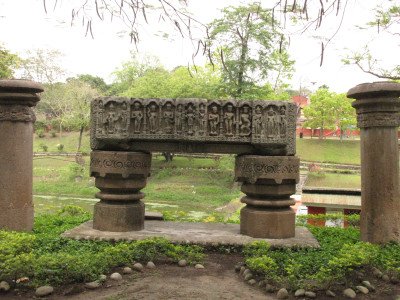
Chitralekha Udyan
Some quick example text to build on the card title and make up the bulk of the card's content.
Go somewhere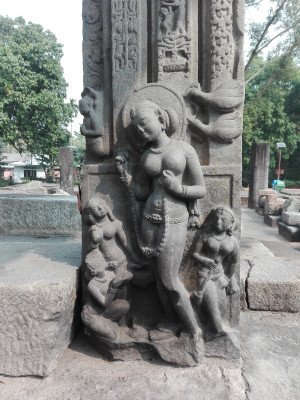
Da-Parbatia Gate
Some quick example text to build on the card title and make up the bulk of the card's content.
Go somewhere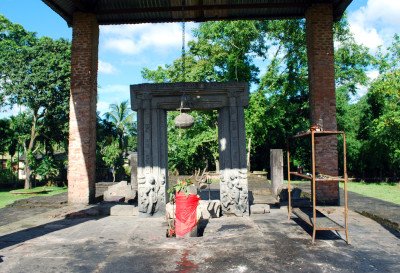
Da Parbatia
Some quick example text to build on the card title and make up the bulk of the card's content.
Go somewhere
District Museum Tezpur
Some quick example text to build on the card title and make up the bulk of the card's content.
Go somewhereGanesh Ghat Temple
Some quick example text to build on the card title and make up the bulk of the card's content.
Go somewhereGanesh Ghat
Some quick example text to build on the card title and make up the bulk of the card's content.
Go somewhere
Ghai Nadi Picnic Spot
Some quick example text to build on the card title and make up the bulk of the card's content.
Go somewhereHaleshwar Temple
Some quick example text to build on the card title and make up the bulk of the card's content.
Go somewhere
Hazara Pukhuri
Some quick example text to build on the card title and make up the bulk of the card's content.
Go somewherein Other Cities