Bamuni Hills
General information
-
Ideal Duration:
1 to 2 HoursPlace Type:
Archaeological Site; Historical Landmark; Temple REntry Fees:
Ticket Pricing Details:
No Fees Applied: As an important archaeological site maintained by the ASI (Archaeological Survey of India), the Bamuni Hills are currently free of cost for all visitors. There is no entry fee for Indian citizens, fo...Ticket Pricing Details:
No Fees Applied: As an important archaeological site maintained by the ASI (Archaeological Survey of India), the Bamuni Hills are currently free of cost for all visitors. There is no entry fee for Indian citizens, foreign tourists, or children. This policy ensures that the historical and cultural heritage is accessible to everyone, promoting education and local tourism. Visitors can walk around and explore the ruins at their leisure without the burden of ticket purchases. This absence of formal ticketing infrastructure also means fewer queues and a more relaxed entry experience compared to ticketed heritage sites.
Associated Costs:
Guide and Camera Fees (Variable): While the entry is free, visitors should budget for certain associated, yet optional, costs. If you choose to hire a local guide for an in-depth tour, their fees will be negotiated directly and are not set by the ASI. This optional expense is highly recommended to enrich the visit. Similarly, while professional photography or videography may incur a fee for commercial purposes, general photography for personal use using mobile phones or standard cameras is typically free. However, rules can change, so it's wise to carry a small amount of local currency (Indian Rupees) in case of an update in policy or for guide services.
Maintenance and Development Funding: The preservation and maintenance of the site are managed by the ASI, funded by the Government of India. The fact that there are no entry fees underscores the site's status as a publicly-owned and protected historical asset. This contrasts with some privately managed or trust-run temples in the region that may charge a nominal fee for maintenance. Visitors are indirectly encouraged to respect the site and contribute to its upkeep by refraining from littering or touching the fragile ruins, acting as responsible guardians of this 9th-century heritage.Timing:
Regular Timings:
Sunrise to Sunset: The Bamuni Hills archaeological site is generally open to the public from sunrise to sunset, seven days a week. Given that it is an open-air historical site, these hours allow for maximum daylight explora...Regular Timings:
Sunrise to Sunset: The Bamuni Hills archaeological site is generally open to the public from sunrise to sunset, seven days a week. Given that it is an open-air historical site, these hours allow for maximum daylight exploration. Typically, this means the site is accessible from around 6:00 AM to 4:00 PM or 5:00 PM, depending on the season and local conditions. The absence of strict gate-keeping allows for flexible visits, though it is always recommended to check with local sources upon arrival in Tezpur for any unexpected changes due to maintenance or weather conditions.
Ideal Visit Time:
Early Morning and Late Afternoon: The ideal visit time is the early morning (between 7:00 AM and 9:00 AM) or the late afternoon (between 3:00 PM and 5:00 PM). Early morning offers the most pleasant weather, especially during the warm months, and provides the best soft light for photography, highlighting the textures of the stone carvings without harsh shadows. The air is also freshest and quietest, enhancing the tranquil atmosphere. Late afternoon is equally appealing, with the stunning setting sun over the Brahmaputra providing a beautiful backdrop for reflection and scenic photography. It is highly advisable to avoid the midday hours (from 11:00 AM to 2:00 PM), particularly during the summer, as the intense heat and strong sun can make exploring the open-air site uncomfortable.
Seasonal Considerations for Timing: During the peak tourist season of winter (November to March), the weather is cool and pleasant throughout the day, allowing for comfortable visits at almost any time, though the mornings remain the most beautiful. In the hot and humid summer months (April to June), visiting during the very early morning is absolutely crucial. The monsoon months (July to September) require careful timing; visits should be planned between rain showers, and the uneven terrain can become slippery, making the early part of the day, when the ground is potentially drieSpecial Events:
Archaeological Preservation Events: While Bamuni Hills does not host large public festivals like a living temple, it is occasionally the site for special archaeological events, workshops, or academic tours organized by the ASI (Archaeological Survey of India), Tezpur Univer...Archaeological Preservation Events: While Bamuni Hills does not host large public festivals like a living temple, it is occasionally the site for special archaeological events, workshops, or academic tours organized by the ASI (Archaeological Survey of India), Tezpur University, or local history groups. These events, though not regular tourist attractions, are special for history buffs. They often involve expert talks, documentation efforts, and a deeper exploration of the site's ongoing preservation and study. Announcements for such events are usually local and irregular but offer a unique chance to see the ruins through an academic lens. Bihu Festival Celebrations (April, January, October): As the site is a significant cultural landmark in the region, its atmosphere is influenced by the major cultural festivals of Assam. The Rongali Bihu (or Bohag Bihu in April), which marks the Assamese New Year, is celebrated with great fervor across Tezpur. While not celebrated at the ruins, the festive spirit permeates the town, making the entire period a special time to visit. Similarly, Kati Bihu (in October) and Magh Bihu (in January) add a cultural context to the visit, allowing tourists to combine historical exploration with the vibrant local customs and traditions of Tezpur. Observing Religious Rituals at Nearby Bhairavi Temple: Since the ancient ruins are believed to be part of a larger historical-religious landscape, the special events at the adjacent, functioning Bhairavi Temple can be considered a related event. Pilgrims often visit both spots. Festivals like Durga Puja (usually in October), which is dedicated to Goddess Durga (of which Bhairavi is a form), see a massive congregation of devotees at the nearby temple. Witnessing these vibrant religious ceremonies offers a cultural connection to the ancient, devotional purpose of the ruined site.Best Photo Spots:
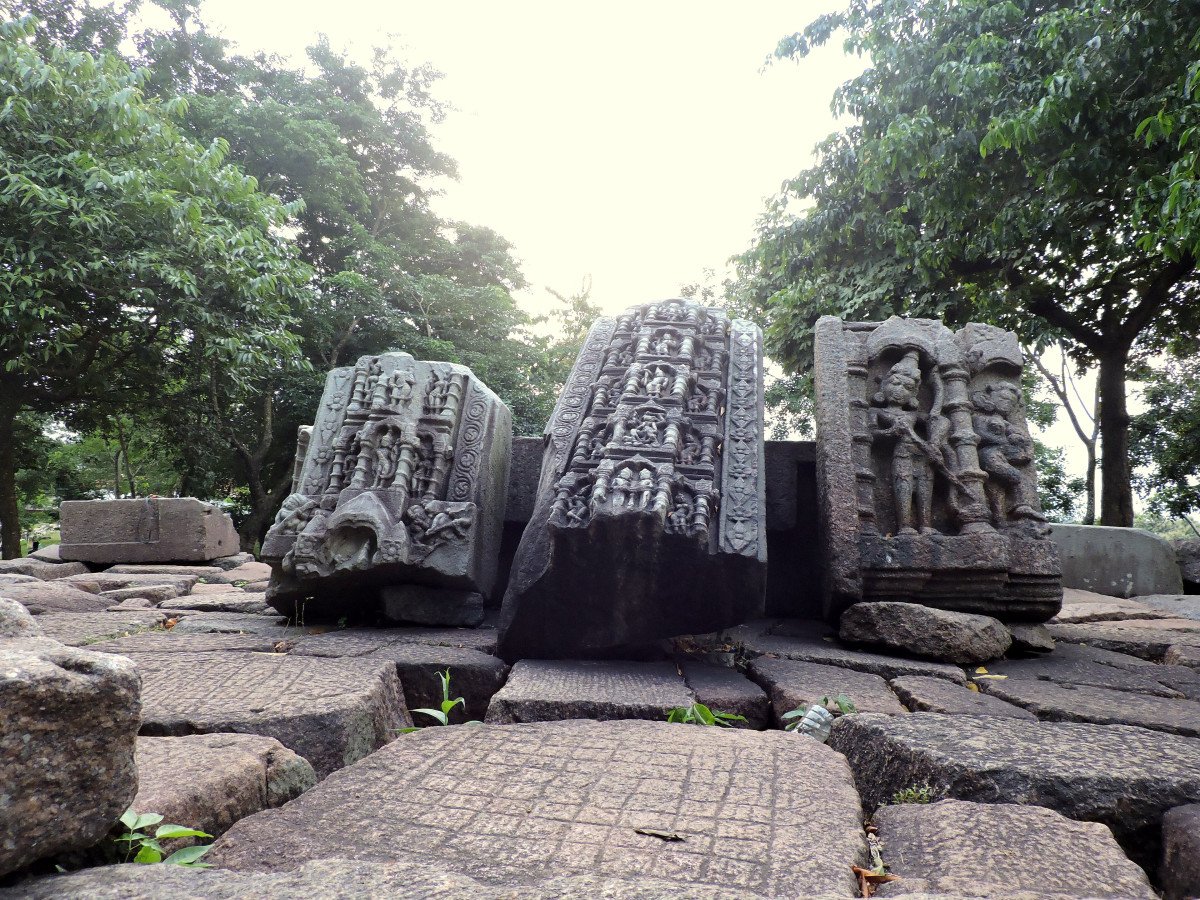
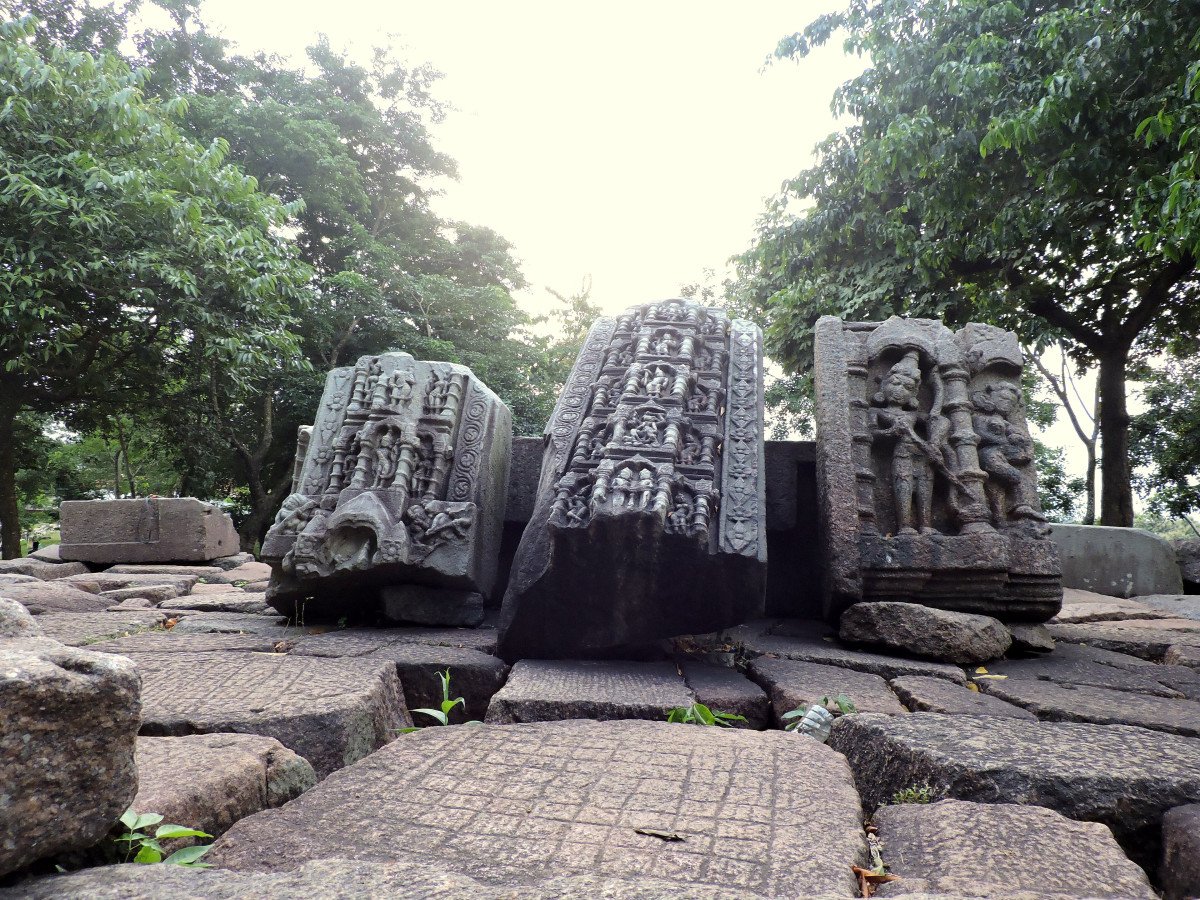
The Cross-Shaped Lintel and Vishnu Avatars: The most iconic and best photographic spot is the remnants of the cross-shaped lintel. Often placed for protection or display, this stone piece features incredibly detailed carvings, including the Dasavatara (Ten Incarnations of ...The Cross-Shaped Lintel and Vishnu Avatars: The most iconic and best photographic spot is the remnants of the cross-shaped lintel. Often placed for protection or display, this stone piece features incredibly detailed carvings, including the Dasavatara (Ten Incarnations of Vishnu). A photo here captures the peak of the site's artistic value. Use a macro lens or a tight crop to emphasize the intricate details and the erosion texture of the 9th-century stone. Early morning light provides excellent texture and shadow contrast.
Panoramic Brahmaputra River Viewpoint: The hillock's vantage point overlooking the Brahmaputra River offers a magnificent landscape photography opportunity. This spot captures the vastness of the river and the surrounding natural greenery. The best time for this shot is during sunset, as the sun dips below the horizon, casting a warm orange and purple glow over the water and the distant shore, creating a truly memorable silhouette of the ruins in the foreground.
Ruins Framed by Foliage and Sky: Look for compositions where the scattered stone pillars and carved fragments are framed by the abundant local flora—bamboo shoots, trees, or tall grass. This helps to contrast the man-made antiquity with the vibrant, reclaiming nature of Assam. Mid-morning provides bright, soft light for this kind of shot. A classic composition is finding a pillar base or a low wall section and shooting upwards to include the ruins and the wide expanse of the blue sky above, symbolizing time and endurance.
Texture Shots and Erosion Details: Focus on the ground-level fragments—the moss, lichen, and natural cracks in the stone—to capture the raw, eroded texture. These detail shots tell a story of centuries of exposure. The best photo spots for this are usually on the low-lying pavement or near the base of the larger remaining structures, utilizing the natural shadows and highlights on a bright day to enhance the stone's age and character.Photo Gallery
Things To Do
-
Explore the Ancient Archaeological Ruins: The primary activity at Bamuni Hills is the thorough exploration of the archaeological remnants. Visitors should take their time walking around the designated area to examine the scattered stone pieces. Look for the fragmented pillars, doorjambs, and lintels. Focus particularly on the intricate carvings that depict various Hindu deities, especially the avatars of Lord Vishnu. Try to trace the outline of the original Panchayatana plan, identifying where the central shrine and the four corner shrines might have stood. This is an active, educational pursuit that requires observation and imagination.
Photography of Historical and Scenic Views: The ruins set against the backdrop of the lush green hillock and the wide expanse of the Brahmaputra River offer exceptional photographic opport...Explore the Ancient Archaeological Ruins: The primary activity at Bamuni Hills is the thorough exploration of the archaeological remnants. Visitors should take their time walking around the designated area to examine the scattered stone pieces. Look for the fragmented pillars, doorjambs, and lintels. Focus particularly on the intricate carvings that depict various Hindu deities, especially the avatars of Lord Vishnu. Try to trace the outline of the original Panchayatana plan, identifying where the central shrine and the four corner shrines might have stood. This is an active, educational pursuit that requires observation and imagination.
Photography of Historical and Scenic Views: The ruins set against the backdrop of the lush green hillock and the wide expanse of the Brahmaputra River offer exceptional photographic opportunities. Morning and late afternoon light is ideal for capturing the texture of the ancient stone. Photographers can focus on macro shots of the detailed sculptures, or wide-angle shots of the ruins framed by the surrounding nature. The panoramic view of the Brahmaputra from the top of the hill is a must-capture scenic element.
Trekking and Nature Walks on the Hillock: While the site itself is the main attraction, the surrounding hillock and its natural environment are perfect for light trekking and nature walks. The gentle slopes and serene atmosphere provide a pleasant escape. Visitors can enjoy the fresh air and the sight of various flora and fauna native to the Assam region. The path up to the ruins is manageable for most, offering a mild physical activity to complement the historical visit. Ensure to wear comfortable walking shoes.
Picnicking and Leisure Time: Due to its serene ambiance and green surroundings, the base of Bamuni Hills or the surrounding open areas can be a pleasant spot for a brief picnic or a leisurely rest, especially during the cool winter months. However, as it is a protected monument, visitors must ensure they maintain cleanliness and respect the historical integrity of the site, choosing a spot slightly away from the actual ruins.
Visit the Nearby Bhairavi Temple: The famous Bhairavi Temple, a significant religious site dedicated to the Goddess Durga (in her form as Bhairavi), is located very close to Bamuni Hills. It is a major local pilgrimage spot. Visitors to the ruins often combine the trip with a visit to this active temple, which provides a fascinating contrast between the ancient, ruined worship site and a vibrant, functioning place of worship. This combination of historical and living heritage enriches the overall experience.
Hire a Local Guide for In-Depth History: To truly appreciate the fragments, it is highly recommended to engage a local guide. These guides can often narrate the local legends, detail the specific mythological scenes depicted in the carvings (like the story of Usha and Aniruddha), and explain the archaeological significance of the ruins and the history of the Pala dynasty's rule in Kamrupa. Their insights transform a simple walk through ruins into a deeply informative historical journey.
Information
-
Why Famous:
Home to Ancient Sculptural Art: Bamuni Hills is famous primarily as a rich repository of ancient stone art. The ruins, which date back to the 9th and 10th centuries AD, showcase an exceptional level of artistic finesse and technical skill. These carvings are considered so...Home to Ancient Sculptural Art: Bamuni Hills is famous primarily as a rich repository of ancient stone art. The ruins, which date back to the 9th and 10th centuries AD, showcase an exceptional level of artistic finesse and technical skill. These carvings are considered some of the finest examples of early Assamese sculpture, depicting scenes from Hindu mythology, the Dasavatara of Lord Vishnu (including Narasimha, Parashurama, and Rama), and various celestial figures and decorative motifs. The quality of the surviving stone carvings offers invaluable insight into the religious beliefs and aesthetic sensibilities of the Pala period rulers of the ancient Kamrupa kingdom.
A Glimpse into the Panchayatana Style: The site is one of the few places in Assam that clearly indicates the presence of the Panchayatana architectural style in the medieval period. This specific style of temple building, where a central deity is flanked by four subsidiary deities, holds immense historical significance as it points to the prevalent religious syncretism of the time. The supposed dedication of the central shrine to Lord Vishnu, with subsidiary shrines for Lord Shiva, highlights the harmonious coexistence of Vaishnavism and Shaivism in ancient Tezpur. Its location overlooking the powerful Brahmaputra river also adds to its fame, connecting the spiritual site with the life-giving natural environment.
Connection to Local Mythology and Legend: The region around Tezpur is steeped in legends, most notably the Harivamsa tale involving Lord Krishna's battle with the demon king Banasura (Tezpur means 'City of Blood', referring to the great battle). While the historical ruins are dated later, the entire area is imbued with this legendary past. Bamuni Hills, like the nearby Agnigarh Hill, forms part of this rich mythological landscape. The ancient ruins are thought by some to be the remnants of the fortress or temple complex linked to Banasura's legendary kingdom, thus attracting visitors interested in the intersection of mythology and historical fact. -
Architecture:
Architectural Brilliance:
Gupta & Post-Gupta Style: The architectural remains at Bamuni Hills are a splendid example of the regional style that flourished in Assam during the 9th to 10th centuries AD, showing strong affinities with the late ...Architectural Brilliance:
Gupta & Post-Gupta Style: The architectural remains at Bamuni Hills are a splendid example of the regional style that flourished in Assam during the 9th to 10th centuries AD, showing strong affinities with the late Gupta and early post-Gupta styles of art and temple architecture prevalent across Eastern India. The craftsmanship is highly detailed, visible in the numerous broken pillars, lintels, and carved panels scattered across the hillock. These relics reveal an ancient complex, likely built primarily of stone, utilizing sophisticated techniques for carving and structural support. The influence of the Nagara style of temple architecture, common in North India, is also discernible in the layout and remaining structural members, particularly the detailed carvings on doorframes and pillar shafts. The Panchayatana Design and Dimension (Approximate): The entire complex is believed to have followed the Panchayatana (five-shrine) plan. While the exact original dimensions of the complex are hard to determine from the ruins, archaeologists suggest the central temple, dedicated to Lord Vishnu, would have stood on the highest part of the mound. The foundation platform (pitha) or plinth area of the central shrine would have been significant to support a typical North Indian-style Shikhara (spire). The four subsidiary shrines would have been positioned strategically at the four corners of a rectangular courtyard, signifying the integration of different cults, especially Shaivism (Shiva worship) alongside the main Vaishnavite (Vishnu worship) center. Fragments found include intricately carved cross-shaped bracket lintels and doorjambs. Dimensionally, a typical Panchayatana complex could cover a large area, perhaps a courtyard of 50x50 meters or more, depending on the scale. The scattered stone blocks and pillar bases suggest robust, large-scale construction, with pillars that could have stood over 3 to 4 meters high to support the roof of the mandapa (hall) and the central tower. Sculptural details include depictions of the Dasavatara (Ten Incarnations of Vishnu), celestial beings (Gandharvas), and intricate floral and geometrical motifs. -
How To Reach:
From Place Name: Tezpur Bamuni Hills is easily reachable as a quick excursion from Tezpur town center, which acts as the major transit hub. By Air (Approx.
15-20 KMS to City Center): The nearest airport is Tezpur's Salonibari Airport (TEZ...From Place Name: Tezpur Bamuni Hills is easily reachable as a quick excursion from Tezpur town center, which acts as the major transit hub. By Air (Approx.
15-20 KMS to City Center): The nearest airport is Tezpur's Salonibari Airport (TEZ), which is roughly 15 to 20 KMS from the city center and approximately 20-25 KMS from Bamuni Hills. This airport connects Tezpur to major cities like Kolkata with limited flight frequency. Upon arrival at Salonibari Airport, visitors can hire a prepaid taxi, a local cab service, or an auto-rickshaw to reach Tezpur town (Mission Chariali area) and then proceed towards Bamuni Hills. The road journey from the airport to the city center takes about 30 to 45 minutes. By Train (Approx.
6 KMS to City Center): The nearest major railway station is Dekargaon Railway Station (DKGN), which is about 6 KMS from the heart of Tezpur and around 10-12 KMS from Bamuni Hills. This station offers connections to other parts of Assam and India. Alternatively, the Rangapara North Railway Station (RPAN) is a slightly larger junction further away, offering more connections. From either station, local auto-rickshaws or hired taxis are readily available to take visitors directly to Bamuni Hills. By Road (From Guwahati - Approx.
180 KMS): Tezpur is exceptionally well-connected by road via National Highway NH15 (formerly part of NH-37 and NH-52). State-run buses (ASTC) and numerous private bus operators run regular services from Guwahati (about 180 KMS away, taking 4 to 5 hours) and other major towns in Assam and Arunachal Pradesh. Once you reach the main Tezpur Inter-State Bus Terminus (ISBT), you can hire a local transport option to reach the hill. By Local Transport (From Tezpur Center - Approx.
5-6 KMS): Bamuni Hills is easily accessible from any point in Tezpur town. The most common and convenient local transport is the auto-rickshaw or e-rickshaw (Toto). The ride from the main city center (like the Clock Tower or Mahabhairab Temple area) should take only about 15 to 20 minutes. Always negotiate the fare with the auto-rickshaw driver before starting the journey. Taxis can also be hired for a return trip, which is advisable for a hassle-free visit. -
Weather and Best Time to Visit:
Different Types of Seasons:
Winter is Best: The best time to visit Bamuni Hills is during the winter season, which spans from October to March. During this period, the weather in Tezpur is pleasantly cool and dry, with temperatures ranging ...Different Types of Seasons:
Winter is Best: The best time to visit Bamuni Hills is during the winter season, which spans from October to March. During this period, the weather in Tezpur is pleasantly cool and dry, with temperatures ranging from 10°C to 25°C. This comfortable climate is ideal for exploring the open-air archaeological site, walking the uneven terrain, and enjoying the scenic views without the discomfort of heat or humidity. The skies are generally clear, which is perfect for photography. The monsoon season (June to September) brings heavy, unpredictable rainfall, which can make the hillock slippery and impede sightseeing. The summer months (April to May) are hot and humid, with temperatures potentially rising above 35°C, making exploration challenging during midday.
Different Parts of the Day:
Golden Hours: The best part of the day to visit is during the golden hours—the early morning (shortly after sunrise, around 7:00 AM) and the late afternoon (an hour or two before sunset, around 4:00 PM). Morning visits are quieter and offer the freshest air and a soft, beautiful light that highlights the carvings' intricate details. Afternoon visits provide a spectacular view of the sun setting over the Brahmaputra River, which is a photographer's delight. Avoiding the peak midday sun (11:00 AM to 2:00 PM) is essential for comfort, especially outside of the cool winter months. A visit typically takes 1 to 2 hours. -
Near Tourist Places:
Bhairavi Temple (1 KMS): A significant active Hindu temple very close to the ruins.
Mahabhairab Temple (5 KMS): An ancient Shiva temple, another major pilgrimage spot in Tezpur.
Agnigarh Hill (7-8 KMS): A hill fortress of mythological significance, offering a panoramic view of the Brahmaputra.
Chitralekha Udyan (Cole Park) (6 KMS): A picturesque park where many well-preserved sculptures from Bamuni Hills and other ruins are housed.
Da Parbatia Gate (10-12 KMS): The ruins of a stone temple from the 6th century AD, famous for its magnificent and highly ornate door frame.
Kalia Bhomora Setu (15 KMS): A major bridge over the Brahmaputra connecting Tezpur with the south bank.
Hazara Pukhuri (7 KMS): A large ancient pond, believed to have been dug by King Banasura's minister, Hazara.
Padum Pukhuri (8 KMS): A beautiful pond with a central island connected by a bridge, perfect for boating.
Nameri National Park (35 KMS): Famous for White-winged Wood Duck and as a base for river rafting on the Jia Bharali River.
Bhalukpong (55 KMS): A scenic town on the border of Assam and Arunachal Pradesh, popular for rafting and nature.
Tourism Tips
-
Health & Safety:
Footwear and Hydration: Since Bamuni Hills is an archaeological site with scattered ruins and uneven, rocky terrain, wearing sturdy, comfortable walking shoes is essential to prevent slips and ensure comfortable movement. T...Health & Safety:
Footwear and Hydration: Since Bamuni Hills is an archaeological site with scattered ruins and uneven, rocky terrain, wearing sturdy, comfortable walking shoes is essential to prevent slips and ensure comfortable movement. There is little shade at the site, so carry a bottle of water (especially for visits outside of winter), a hat, and sunscreen. While the area is safe, it is always wise to inform your accommodation of your plans and carry a local contact number. Be mindful of snakes during the monsoon season, although sightings are rare. Carry a basic first-aid kit for minor scrapes.
Packing Essentials:
Camera Gear and Guides: Pack your best camera gear, as the ruins and the Brahmaputra backdrop offer stunning photo opportunities. Consider a telephoto lens to capture details of distant carvings. A local language phrasebook (Assamese or Hindi) can be helpful, although English is understood by most tourism personnel. A light jacket or shawl is recommended for the cool winter mornings and evenings. Don't forget your identification documents (ID proof and address proof) as a precaution.
Accommodation:
Staying in Tezpur: The best place to find accommodation is in Tezpur town itself, which offers a range of options from budget guesthouses to mid-range hotels and heritage resorts. Since the trip to Bamuni Hills is a half-day excursion, basing yourself in Tezpur provides access to better dining, local transport, and other tourist amenities. Consider staying near the Mission Chariali or Kolibari areas for good connectivity. It is highly advisable to book in advance, especially if visiting during the peak winter season (November to February).
Respecting the Heritage and Environment: Bamuni Hills is a protected ancient monument under the ASI.
Visitors must be respectful of the ruins: do not climb on the fragments, do not touch the carvings, and do not litter. Take all trash with you. Hire a local guide (if available) to gain a richer understanding of the ruins' historical and mythological significance. Support local vendors who may be selling small refreshments or souvenirs nearby.
Reviews
FAQs
Tezpur Itineray And Cost:-
Information about New and Updated Locations() of Assam Has Been Added :-
Card subtitle
Note:-
Information provided here in good Faith and for reference only.
Near Places

Agnigarh Hill
Some quick example text to build on the card title and make up the bulk of the card's content.
Go somewhere
Agnigarh View Point
Some quick example text to build on the card title and make up the bulk of the card's content.
Go somewhere
Bamuni Hills
Some quick example text to build on the card title and make up the bulk of the card's content.
Go somewhere
Bhairabi Temple
Some quick example text to build on the card title and make up the bulk of the card's content.
Go somewhere
Bharali New Bridge Tezpur Side
Some quick example text to build on the card title and make up the bulk of the card's content.
Go somewhere
Bhomoraguri Historical Stone
Some quick example text to build on the card title and make up the bulk of the card's content.
Go somewhere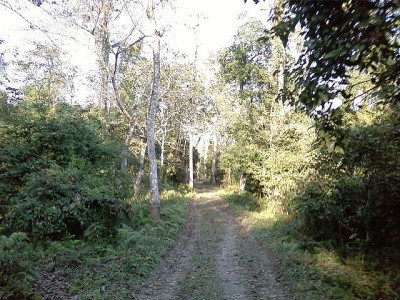
Bura Chapori Wildlife Sanctuary
Some quick example text to build on the card title and make up the bulk of the card's content.
Go somewhere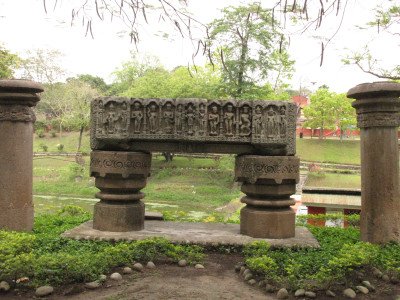
Chitralekha Udyan
Some quick example text to build on the card title and make up the bulk of the card's content.
Go somewhere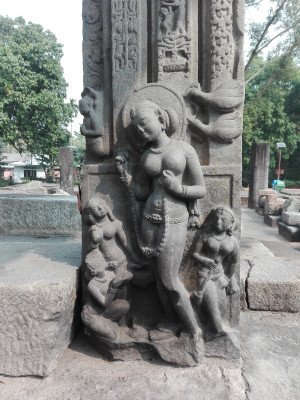
Da-Parbatia Gate
Some quick example text to build on the card title and make up the bulk of the card's content.
Go somewhere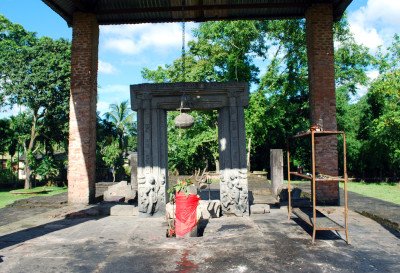
Da Parbatia
Some quick example text to build on the card title and make up the bulk of the card's content.
Go somewhere
District Museum Tezpur
Some quick example text to build on the card title and make up the bulk of the card's content.
Go somewhereGanesh Ghat Temple
Some quick example text to build on the card title and make up the bulk of the card's content.
Go somewhereGanesh Ghat
Some quick example text to build on the card title and make up the bulk of the card's content.
Go somewhere
Ghai Nadi Picnic Spot
Some quick example text to build on the card title and make up the bulk of the card's content.
Go somewhereHaleshwar Temple
Some quick example text to build on the card title and make up the bulk of the card's content.
Go somewhere
Hazara Pukhuri
Some quick example text to build on the card title and make up the bulk of the card's content.
Go somewherein Other Cities