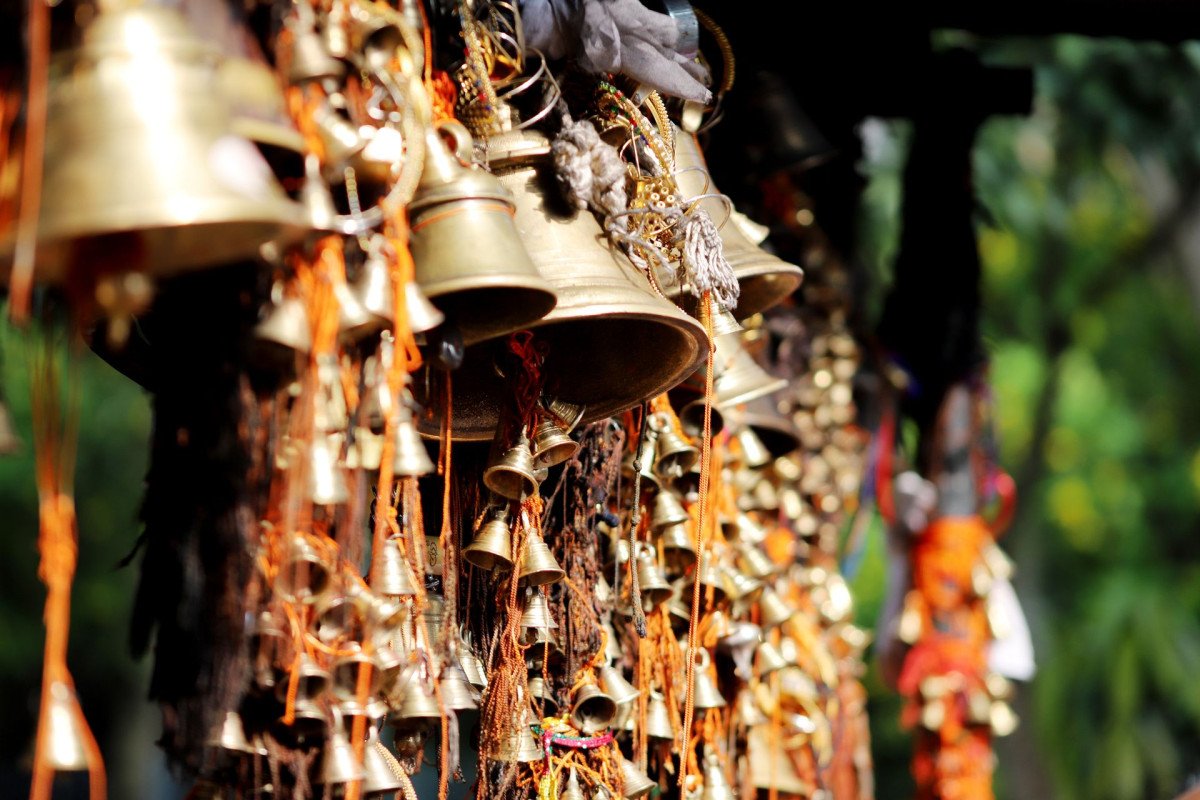
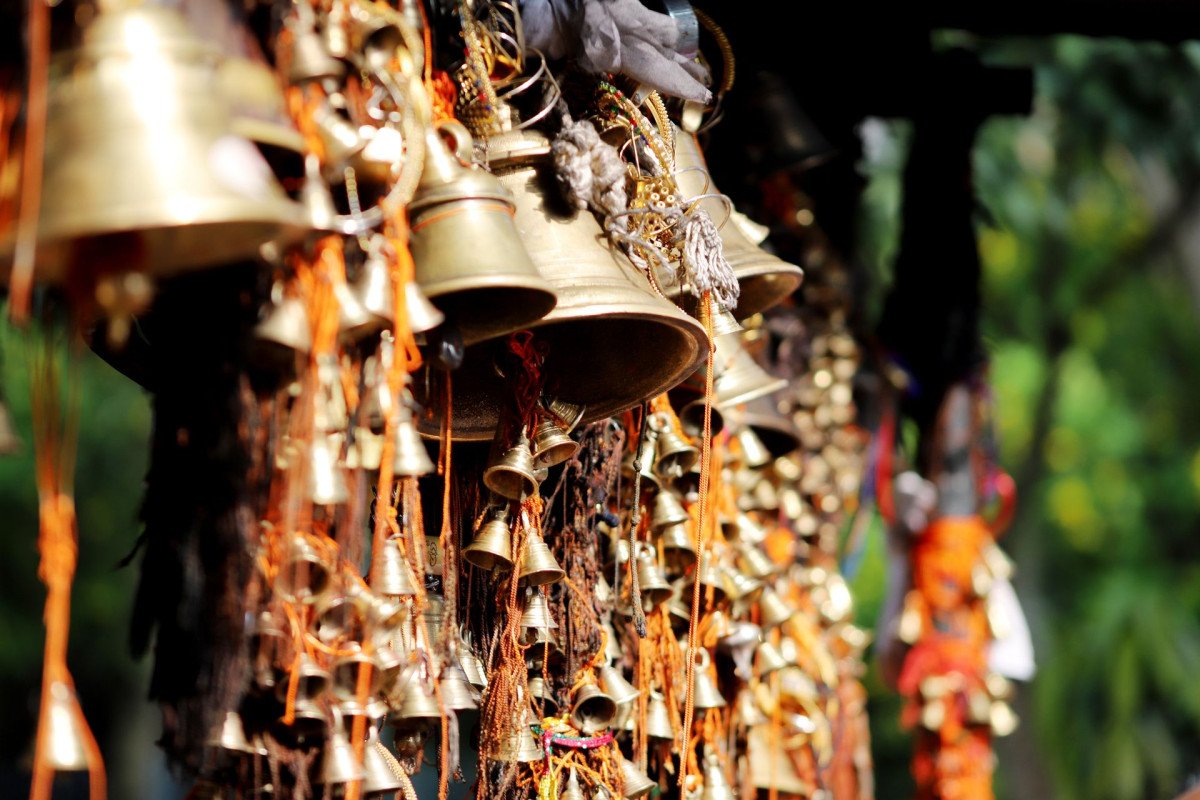
Danteshwari Temple
Historical Significance: The Danteshwari Temple is an ancient and revered Hindu temple dedicated to Goddess Danteshwari, a fierce and powerful form of Shakti or Goddess Durga. It is one of the 52 sacred Shakti Peethas in India, which are mythological sites where parts of Goddess Sati's body are beli eved to have fallen; in this case, her Daanth (tooth) is said to have landed here, giving the town and the deity its name. The temple served as the Kuldevi (family goddess) shrine for the former Kakatiya rulers of the Bastar state, cementing its central role in the regional socio-political and religious landscape. The current structure, predominantly built in the 14th century by King Annamdev, brother of Kakatiya ruler Prataprudra of Warangal, stands as a testament to the patronage of various dynasties, though earlier structures date back to the 11th-12th century under the Chindak Nagvanshi rulers. The confluence of the two holy rivers, the dark-watered Shankini and the white-watered Dhankini, further sanctifies the site. The deity's main idol, carved from a striking black stone, is a constant source of reverence. The continuous worship and the legendary status of the temple contribute to its immense spiritual pull, drawing devotees and tourists alike from all over India throughout the year, making it the undeniable spiritual heart of the Dantewada district. The ongoing traditions and rituals preserved within its walls are a living encapsulation of centuries of local history and Bastar's rich cultural heritage.
General information
-
Ideal Duration:
1. 5 to 2 HoursPlace Type:
Religious Place: TempleEntry Fees:
No Direct Entry Fee: As a highly sacred and regularly functioning religious site and one of India's Shakti Peethas, the Danteshwari Temple does not charge any direct entry fee for devotees or tourists to enter the main premises, making it accessible to all.No Direct Entry Fee: As a highly sacred and regularly functioning religious site and one of India's Shakti Peethas, the Danteshwari Temple does not charge any direct entry fee for devotees or tourists to enter the main premises, making it accessible to all.
Donation and Puja Costs: While entry is free, visitors are expected or encouraged to make a voluntary donation to the temple trust for its maintenance and daily rituals. Specific Puja (worship) rituals, archana offerings, or participation in the Jyoti Kalasha lighting ceremony during Navaratri will have associated fixed charges, typically ranging from a few hundred to a couple of thousand rupees, depending on the scale and type of the ritual performed, which should be confirmed at the temple office.
Photography and Other Fees: There are typically no charges for photography in the outer courtyard, but photography inside the inner sanctum (Garbha Griha) is strictly prohibited. There may be a nominal fee or a designated slot for parking vehicles near the temple premises, which is managed by local bodies. Overall, the visit is highly affordable.Timing:
Regular Timings: The temple generally opens its doors for devotees from 6:00 AM and remains open until around 9:00 PM, with breaks during the afternoon. The exact timings may vary slightly on special festive days or based on the season, so it is advisable to check the offic...Regular Timings: The temple generally opens its doors for devotees from 6:00 AM and remains open until around 9:00 PM, with breaks during the afternoon. The exact timings may vary slightly on special festive days or based on the season, so it is advisable to check the official notice board.
Ideal Visit Time: The best time to visit and avoid the heat is during the early morning hours, between 6:00 AM and 9:00 AM, when the atmosphere is the most serene and spiritually charged, especially during the morning Aarti. The evening time, around 6:30 PM for the evening Aarti, is also highly recommended for its devotional energy.
Crowd and Festive Timings: During major festivals like Navaratri and the Bastar Dussehra (typically September to November), the temple remains open for extended hours, but the crowd is massive. Visiting during the off-peak hours of a regular weekday can offer a more peaceful, personal experience with the deity, whereas a festival visit is for the grand cultural immersion.Special Events:
Bastar Dussehra (Main Festival): The grandest festival is the unique 75-day long Bastar Dussehra, typically occurring in October-November, which focuses entirely on the worship of Goddess Danteshwari. The main attraction is the Rath Yatra (chariot procession) where the deit...Bastar Dussehra (Main Festival): The grandest festival is the unique 75-day long Bastar Dussehra, typically occurring in October-November, which focuses entirely on the worship of Goddess Danteshwari. The main attraction is the Rath Yatra (chariot procession) where the deity's idol is paraded around the town, involving participation from countless local tribes and royal family descendants, making it a cultural phenomenon.
Navaratri and Phagun Mela: The temple celebrates the two main Navaratri festivals—Chaitra Navaratri (around March-April) and Sharadiya Navaratri (around September-October)—with immense fervor, featuring the tradition of lighting Jyoti Kalashas. The Phagun Mela (or Fagun Wadi) in February-March is another major tribal festival, with devotees flocking to the temple for a special gathering, cultural performances, and rituals, marking the culmination of the harvest season and welcoming the spring.Best Photo Spots:
The Confluence Point: The best place to capture the raw natural beauty is the spot where the dark waters of the Shankini river meet the white waters of the Dhankini river, right behind the temple, especially at sunrise or sunset for dramatic colors.
Read MoreThe Confluence Point: The best place to capture the raw natural beauty is the spot where the dark waters of the Shankini river meet the white waters of the Dhankini river, right behind the temple, especially at sunrise or sunset for dramatic colors.
The Temple Courtyard and Pillars: The spacious, weathered courtyard, surrounded by the massive stone walls, offers excellent contrast. Focus on the main entrance's Garuda Pillar and the intricately carved doorjambs of the Garbha Griha for close-up shots of ancient artistry.
The Black Stone Idol's Halo: Capturing the powerful black stone idol of the Goddess is difficult due to sanctum restrictions, but the elaborately decorated main entrance, with the main door flanked by figures and the occasional view of the idol from a distance, provides a magnificent devotional frame.
Panoramic View from the River Bank: A slightly distant shot from the opposite bank of the Dhankini river can capture the entire temple complex, including its pyramidal roofs and the natural backdrop of the holy river confluence, offering a grand, contextual frame.Photo Gallery
Things To Do
-
Participate in Daily Aarti: Attending the morning or evening Aarti (ritual of light) offers the most profound spiritual experience, allowing one to witness the centuries-old traditional rituals and hear the ancient hymns and chants in the peaceful atmosphere.
Meditate at the Sangam: Spend time on the banks of the Shankini-Dhankini confluence, a serene spot ideal for meditation and reflection, away from the immediate temple crowd. The sight of the two different-colored rivers meeting is a natural wonder.
Explore the Surrounding Courtyard: Walk the perimeter of the spacious, walled courtyard, taking time to observe the intricate stone carvings on the temple walls and the architectural layout that delineates the various mandaps. The courtyard is a great place to absorb the temple's grandeur and it...Participate in Daily Aarti: Attending the morning or evening Aarti (ritual of light) offers the most profound spiritual experience, allowing one to witness the centuries-old traditional rituals and hear the ancient hymns and chants in the peaceful atmosphere.
Meditate at the Sangam: Spend time on the banks of the Shankini-Dhankini confluence, a serene spot ideal for meditation and reflection, away from the immediate temple crowd. The sight of the two different-colored rivers meeting is a natural wonder.
Explore the Surrounding Courtyard: Walk the perimeter of the spacious, walled courtyard, taking time to observe the intricate stone carvings on the temple walls and the architectural layout that delineates the various mandaps. The courtyard is a great place to absorb the temple's grandeur and its defensive-like architecture.
Shop for Local Tribal Artifacts: The lanes near the temple, especially on market days, are excellent spots to find genuine tribal crafts, terracotta items, and indigenous artifacts from the Bastar region. Support local artisans by purchasing a souvenir.
Witness the Jyoti Kalash Tradition: During the nine days of Navaratri (twice a year), the temple lights thousands of 'Jyoti Kalashas' (earthen pots with continuously burning lamps). Witnessing this spectacle of light and faith is a deeply moving experience and a unique photo opportunity.
Interact with Local Priests: Engage with the temple priests (Pujaris) or local elders; they often hold a wealth of unwritten knowledge about the temple's legends, the lineage of the Kakatiya royals, and the specifics of the Shakti Peetha myth, offering insights far beyond the standard tourist narratives.
Plan a Visit During Bastar Dussehra: While it involves careful planning and managing large crowds, attending the Bastar Dussehra in October or November is the ultimate experience, where the whole town comes alive in a magnificent celebration of tribal and royal traditions. The 75-day festival is an unmissable cultural spectacle.
Information
-
Why Famous:
Shakti Peetha Status: The temple is internationally famous as one of the 52 Shakti Peethas of Mother Goddess Sati, where her tooth is believed to have fallen, lending an unparalleled religious sanctity to the site. This status draws pilgrims from across India seeking blessi...Shakti Peetha Status: The temple is internationally famous as one of the 52 Shakti Peethas of Mother Goddess Sati, where her tooth is believed to have fallen, lending an unparalleled religious sanctity to the site. This status draws pilgrims from across India seeking blessings from Goddess Danteshwari.
Center of Bastar Dussehra: It is the undisputed epicenter of the unique Bastar Dussehra festival, a magnificent 75-day-long celebration that does not involve the effigy burning of Ravana but focuses solely on the worship of the Goddess Danteshwari. The grand procession, known as the Rath Yatra, where the deity's idol is carried, is a cultural spectacle that attracts global attention, showcasing the distinct tribal customs and devotion of the Bastar region.
Confluence of Holy Rivers: The geographical and spiritual significance of its location at the 'Sangam' (confluence) of the two differently colored rivers, Shankini and Dhankini, makes it a Triveni Sangam-like holy spot. Devotees often perform ritualistic dips in the waters before entering the temple, believing the act purifies them of all sins. This dual significance—mythological Shakti Peetha and holy confluence—solidifies its fame. -
Architecture:
Architectural Style and Influence: The temple exhibits a captivating blend of architectural styles, primarily following the South Indian or Dravida style, which is unusual for a central Indian temple, alongside local tribal and ancient Hindu influences, reflecting the cultur...Architectural Style and Influence: The temple exhibits a captivating blend of architectural styles, primarily following the South Indian or Dravida style, which is unusual for a central Indian temple, alongside local tribal and ancient Hindu influences, reflecting the cultural synthesis of the ruling dynasties.
Temple Structure and Divisions: The structure is meticulously divided into four main sections as per traditional Hindu temple architecture: the Garbha Griha (Sanctum Sanctorum) where the main idol resides, the Maha Mandap, the Mukhya Mandap, and the Sabha Mandap (Assembly Hall). The Garbha Griha and the two inner mandaps are constructed using carefully hewn stone blocks, showcasing the craftsmanship of the era.
Key Features and Dimensions: A notable feature is the presence of a Garuda Pillar in front of the main entrance, a common sight in Vishnu temples, suggesting a historical interlink between Shaivism, Shaktism, and Vaishnavism in the region. The temple premises are fortified by massive walls, enclosing a spacious courtyard, providing a tranquil atmosphere for pilgrims. The roofing of the outer mandaps, particularly the Muktimandap (Darshak Dirgha) and the Natamandap, were constructed in a distinctive pyramidal shape, often supported by 32 wooden pillars and covered with terracotta tiles, demonstrating the integration of local building materials and techniques. The spire (Shikhara) is known to have sculptural embellishments, though the temple's overall aesthetic leans toward robust and weathered stone rather than excessive carving, exuding a raw, ancient energy. The main idol of the Goddess is a six-armed Mahishasuramardini (slayer of the buffalo demon) carved on a black stone slab. -
How To Reach:
By Air (Nearest Airport): The nearest major airports are Raipur's Swami Vivekananda Airport (RPR) and Vishakhapatnam (VTZ), both approximately 400 KMs away. Jagdalpur (JAG) has a small, regional airport with limited connectivity to Raipur and Vishakhapatnam. From any of th...By Air (Nearest Airport): The nearest major airports are Raipur's Swami Vivekananda Airport (RPR) and Vishakhapatnam (VTZ), both approximately 400 KMs away. Jagdalpur (JAG) has a small, regional airport with limited connectivity to Raipur and Vishakhapatnam. From any of these airports, one must hire a taxi or take a bus to reach Dantewada, which takes about 8-10 hours by road.
By Train (Direct Connectivity): The nearest major railway station is Dantewada Railway Station (DWZ), which is well connected to Vishakhapatnam (Andhra Pradesh) through a daily passenger train and an express train (Kirandul-Vishakhapatnam Express). The temple is about 1 KM from the railway station; a rickshaw or short walk will suffice.
By Road (Bus and Taxi): Dantewada is well-connected by National and State Highways. Regular public and private bus services, as well as shared and private taxis, run from major cities like Raipur, Jagdalpur (approx. 85 KM), and Hyderabad. The road from Jagdalpur is in good condition. The journey from Raipur takes about 8-10 hours, and from Jagdalpur about 2-3 hours.
By Local Transport (Within the City): The temple is centrally located. From the Dantewada city center or bus stand, one can easily hire a cycle-rickshaw, auto-rickshaw, or walk (about 500 meters to 1 KM) to reach the temple. -
Weather and Best Time to Visit:
Different Types of Seasons: Winter (November to March) is the absolute best time to visit. The weather is cool and pleasant, with temperatures ranging from 12°C to 25°C, making sightseeing and travel comfortable. Monsoon (July to October) brings moderate rain, turning th...Different Types of Seasons: Winter (November to March) is the absolute best time to visit. The weather is cool and pleasant, with temperatures ranging from 12°C to 25°C, making sightseeing and travel comfortable. Monsoon (July to October) brings moderate rain, turning the surrounding forests lush green, which is also a good, scenic time to visit, but travel can be slightly challenging. Summer (April to June) is extremely hot and dry, with temperatures soaring past 40°C; this season is best avoided for leisure travel.
Different Parts of the Day: The best time to experience the temple is Early Morning (6:00 AM to 9:00 AM) for the morning rituals and a tranquil atmosphere. The Late Afternoon (4:00 PM onwards) and Evening (Aarti) are also excellent, offering a slightly cooler temperature and the chance to witness the evening prayers and the beautifully lit temple complex. -
Near Tourist Places:
Samlur Shiva Temple (9 KMs): Ancient Shiva temple near Samlur village. Kumarras Dam (Approx.
15 KMs): Local reservoir and picnic spot.
Bailadila Mountains (29 KMs to Bacheli): Famous for iron ore mines and scenic viewpoints like Aakash Nagar.
Dholkal Ganesh Temple (17 KMs + trekking): Ancient Ganesh idol on a hilltop.
Barsur (24 KMs from Geedam): Village of ancient temples (Mama-Bhanjaa Temple, Battisa Temple).
Fulpad Waterfall (42 KMs): Beautiful natural waterfall.
Memory Pillars of Gamawada (14 KMs): Centuries-old tribal memorial pillars. Chitrakote Falls (Approx.
130 KMs): The 'Niagara of India'. Tirathgarh Waterfall (Approx.
150 KMs): Waterfall inside a national park. Kanger Ghati National Park (Approx.
150 KMs): Wildlife and nature reserve.
Tourism Tips
-
Health & Safety: Carry a basic First-Aid Kit and any personal medication. Although crime is generally low, it is wise to follow local advice, especially regarding travel outside the main town after sunset. Drink only bottled water.
Packing Ess...Health & Safety: Carry a basic First-Aid Kit and any personal medication. Although crime is generally low, it is wise to follow local advice, especially regarding travel outside the main town after sunset. Drink only bottled water.
Packing Essentials: Wear modest, conservative clothing suitable for a religious place (cover shoulders and knees). Carry light cotton clothes for the day and a light jacket or shawl for the cool winter evenings. Comfortable, easy-to-remove footwear is a must for temple visits. Always carry ID proof.
Accommodation: Dantewada has limited modern accommodation options. It is recommended to book your stay in advance at a reputable hotel or guesthouse in the town or consider staying in the larger nearby city of Jagdalpur (85 KM) which offers more choices and travel to Dantewada for a day trip. The temple trust may also offer simple lodging for pilgrims.
Other Tips (Respect and Language): Be respectful of the tribal culture and local traditions. Do not photograph tribal people without their explicit permission. The main languages spoken are Halbi, Chhattisgarhi, and Hindi. English is understood in tourist/official circles. Carry enough cash as ATM and digital payment facilities may be limited in remote areas.
Reviews
FAQs
Dantewada Itineray And Cost:-
Danteshwari Temple Tourism:-
Other States In India :-
Information about New and Updated Locations() of Chhattisgarh Has Been Added :-
Card subtitle
Note:-
Information provided here in good Faith and for reference only.
Near Places

Bailadila Mountain Range
Some quick example text to build on the card title and make up the bulk of the card's content.
Go somewhere
Danteshwari Temple
Some quick example text to build on the card title and make up the bulk of the card's content.
Go somewhere
Dholkal Ganesh
Some quick example text to build on the card title and make up the bulk of the card's content.
Go somewhere
Handawada Waterfalls
Some quick example text to build on the card title and make up the bulk of the card's content.
Go somewhere
Jharalawa Water Fall Jhirka
Some quick example text to build on the card title and make up the bulk of the card's content.
Go somewhere
Kumarras Dam
Some quick example text to build on the card title and make up the bulk of the card's content.
Go somewhere
Samlur Shiva Temple
Some quick example text to build on the card title and make up the bulk of the card's content.
Go somewherein Other Cities