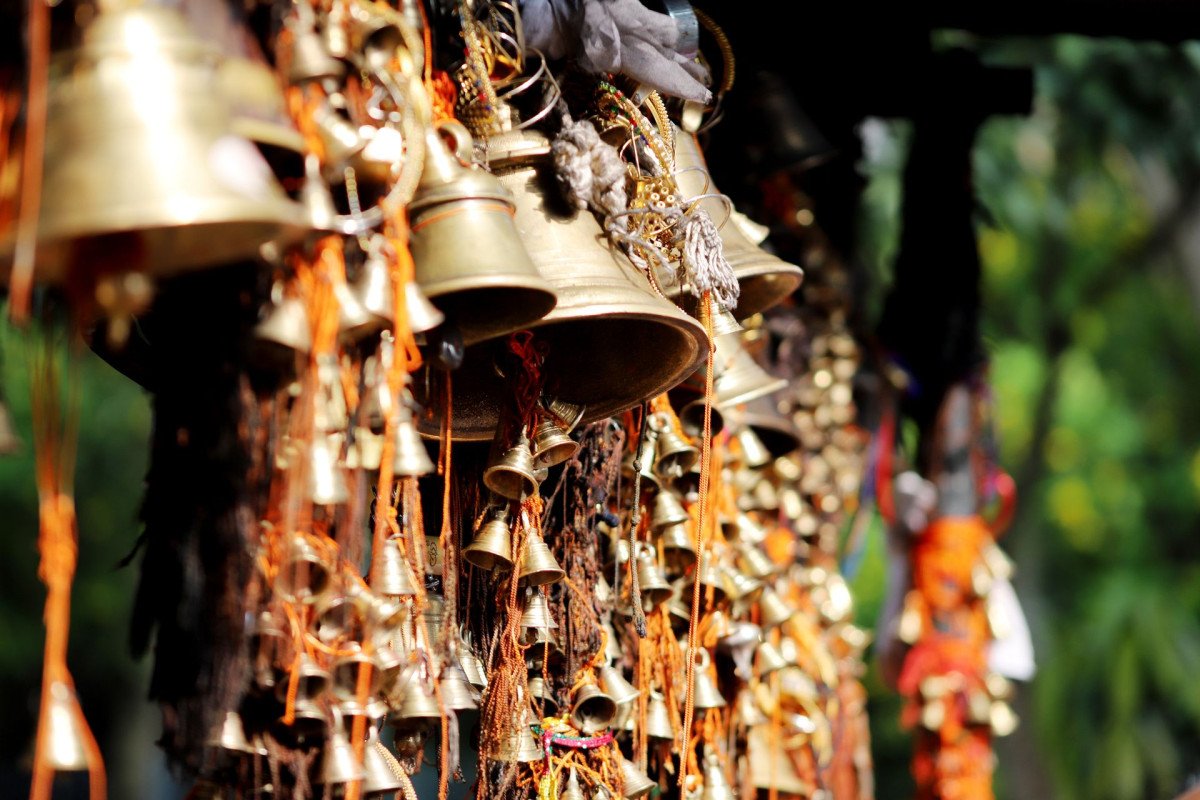
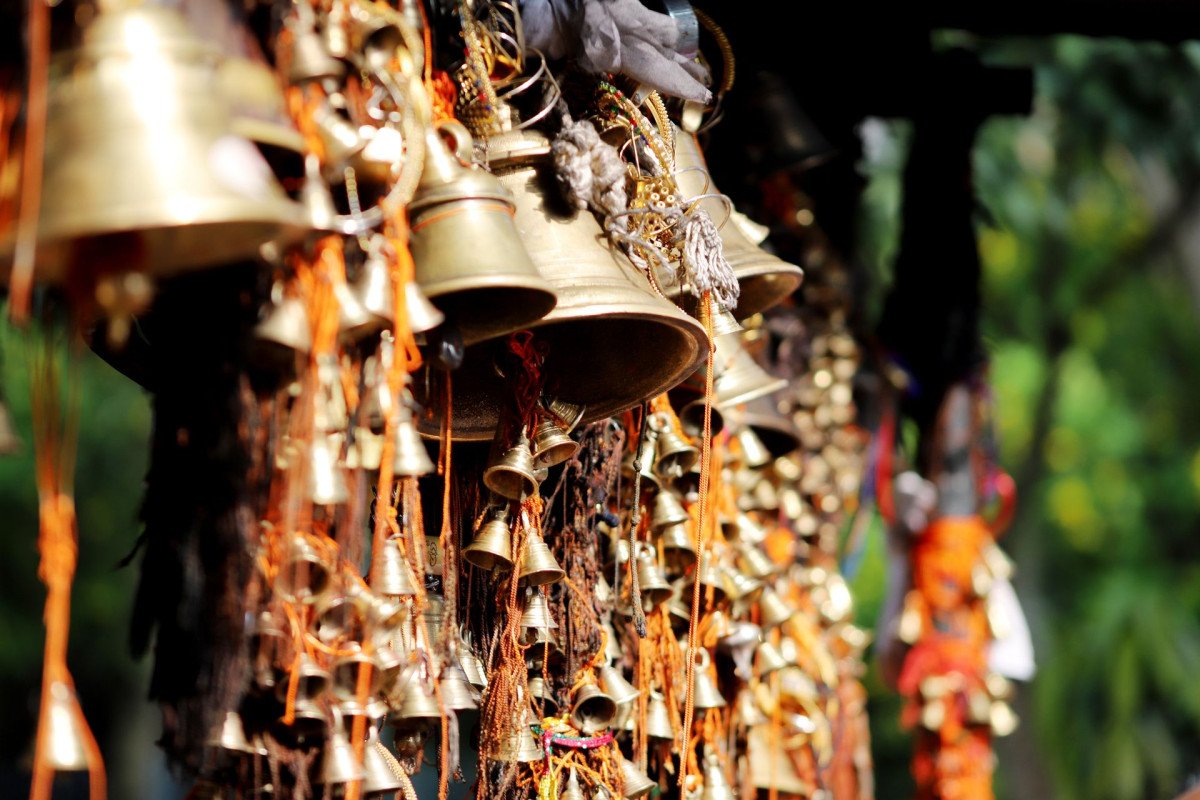
Samlur Shiva Temple
Historical Context and Worship: The Samlur Shiva Temple is an ancient Hindu temple dedicated to Lord Shiva, dating back to the 11th-12th Century AD, a period when the Chindak Nagvanshi rulers held sway over the Bastar region. It represents a significant surviving example of the early medieval archit ectural heritage of Dantewada alongside the Danteshwari Temple and the ruins at Barsur. The temple is notable because it has remained almost entirely intact over the centuries and is still a site of regular worship, unlike many of the ruined temples in the nearby area. The continuation of rituals for nearly a millennium highlights its deep spiritual importance to the local community. The presiding deity, the Shiva Lingam, is considered Swayambhu (self-manifested) by some devotees. The temple's location in the quiet, forested village of Samlur gives it a secluded, contemplative atmosphere, which is highly prized by pilgrims and history enthusiasts. The simplicity of the shrine, compared to the grandeur of the main Danteshwari Temple, gives it a distinct, rustic charm, serving as a powerful reminder of the historical prevalence of Shaivism in the Bastar kingdom before the rise of the Kakatiyas. A Testament to Tribal Faith: The temple is also a melting pot where formal Hinduism merges seamlessly with local tribal beliefs. The deity here is often worshipped by local tribes as one of the many forms of their nature and forest Gods, integrating the shrine into the living culture of the surrounding hamlets. This syncretism of faith is a key element of the temple’s enduring legacy and charm.
General information
-
Ideal Duration:
1 HourPlace Type:
Religious Place: Shiva TempleEntry Fees:
No Entry Fee for the Shrine: As an actively worshipped religious site, there is no formal entry fee for pilgrims and visitors to enter the Samlur Shiva Temple premises, adhering to the traditional Hindu principle of free access to public shrines.No Entry Fee for the Shrine: As an actively worshipped religious site, there is no formal entry fee for pilgrims and visitors to enter the Samlur Shiva Temple premises, adhering to the traditional Hindu principle of free access to public shrines.
Donations and Abhishekam Costs: Visitors can make a voluntary donation for the maintenance of the temple. For performing special Puja or Abhishekam (ritual bathing of the Shiva Lingam), there may be a nominal charge for the materials used and the services of the priest, which are usually very modest and should be discussed with the temple priest.
Parking and Local Services: Parking is typically informal, with no official charges. However, a small charge for local services like a village guide or a refreshment stall is to be expected and encouraged to support the local economy. Visitors should keep in mind that this is a small village temple, and there are no commercial tourist fee structures in place. The visit is extremely economical.Timing:
Regular Timings: The temple is generally open from 7:00 AM to 6:00 PM, aligning with the local village routine, with a possible short closing period during the early afternoon. As a regularly worshipped shrine, it is important to respect the timings of the daily rituals.Regular Timings: The temple is generally open from 7:00 AM to 6:00 PM, aligning with the local village routine, with a possible short closing period during the early afternoon. As a regularly worshipped shrine, it is important to respect the timings of the daily rituals.
Ideal Visit Time: The best time to visit is in the Morning (8:00 AM to 10:00 AM) to witness the morning rituals in a calm and peaceful setting, or the Late Afternoon (4:00 PM to 6:00 PM) to catch the end-of-day prayers and a cooler, serene atmosphere.
Respectful Visit Time: Since the temple is a functional village shrine, avoid visiting during the main Puja times unless you wish to participate in the prayer, and always maintain silence and reverence, particularly if the local villagers are offering prayers.Special Events:
Maha Shivaratri (Main Festival): The temple is the focal point for the celebration of Maha Shivaratri, which typically falls in February or March. Thousands of devotees throng the temple for special all-night prayers, fasts, and the traditional offering of milk and water to...Maha Shivaratri (Main Festival): The temple is the focal point for the celebration of Maha Shivaratri, which typically falls in February or March. Thousands of devotees throng the temple for special all-night prayers, fasts, and the traditional offering of milk and water to the Shiva Lingam. The atmosphere on this night is highly electric and devotional, with local cultural performances.
Local Fair (Mela): The temple often hosts a small, localized fair (mela) a day or two after Maha Shivaratri or during a local harvest festival. This fair is purely a community event, featuring local vendors, simple rides, and traditional Bastar food, offering an authentic cultural immersion that is not centered on mass tourism.
Village Rituals: During the tribal festivals and Pandums (like Vijja Pandum in April or Phagun Mela in February-March), the temple is visited by the local tribal elders as part of a larger set of community rituals, symbolizing the integration of local deities with the greater Hindu pantheon.Best Photo Spots:
The Weathered Stone and Doorway: Focus on capturing the main temple entrance, paying attention to the details of the stone doorjambs and the contrast between the ancient, weathered masonry and the contemporary decorations offered by the devotees.The Weathered Stone and Doorway: Focus on capturing the main temple entrance, paying attention to the details of the stone doorjambs and the contrast between the ancient, weathered masonry and the contemporary decorations offered by the devotees.
The Nandi Statue: If a statue of Nandi (Lord Shiva's Bull) is present outside the shrine, it makes for a powerful, symbolic photo subject, often positioned to gaze directly at the main shrine.
Temple in the Green Frame: Position yourself at a respectful distance to capture the entire temple structure framed by the dense foliage and trees of the Samlur village, highlighting its secluded, rustic charm.
The Sunrise Shot: Given its eastern orientation, an early morning visit allows for a spectacular shot of the temple with the rising sun casting a golden glow on the ancient stone, symbolizing the enduring light of faith.Photo Gallery
Things To Do
-
Participate in Temple Rituals: Attend the morning or evening Puja and Aarti to experience the temple's ancient spiritual energy firsthand. Witnessing the traditional rituals dedicated to Lord Shiva is a must-do for a spiritual visitor.
Quiet Contemplation: Due to its low tourist traffic, the temple is an excellent spot for quiet meditation and spiritual contemplation, allowing a peaceful moment of connection away from commercial distractions.
Explore Samlur Village: Take a short, respectful walk through the surrounding Samlur village to experience the quiet, rural life of the Dantewada region and observe the traditional tribal and rural architecture of the homes.
Observe the Stone Carvings: Carefully examine the stone doorjambs and any remaining external panels ...Participate in Temple Rituals: Attend the morning or evening Puja and Aarti to experience the temple's ancient spiritual energy firsthand. Witnessing the traditional rituals dedicated to Lord Shiva is a must-do for a spiritual visitor.
Quiet Contemplation: Due to its low tourist traffic, the temple is an excellent spot for quiet meditation and spiritual contemplation, allowing a peaceful moment of connection away from commercial distractions.
Explore Samlur Village: Take a short, respectful walk through the surrounding Samlur village to experience the quiet, rural life of the Dantewada region and observe the traditional tribal and rural architecture of the homes.
Observe the Stone Carvings: Carefully examine the stone doorjambs and any remaining external panels for subtle, ancient carvings, which provide clues about the sculptural artistry and religious iconography of the 11th-12th Century.
Visit on a Monday: Dedicated to Lord Shiva, visiting on a Monday is considered particularly auspicious. While it might be slightly busier with local devotees, the special prayers and focused energy on this day offer a heightened spiritual experience.
Photography of the Structure: Capture the simple, enduring beauty of the ancient temple structure in its quiet, natural setting, focusing on the contrast between the weathered stone and the surrounding greenery.
Seek Local Hospitality: Engage respectfully with local villagers; they often embody the famed hospitality of the Chhattisgarh people and can offer authentic, simple tea or local snacks, which is a great way to support and appreciate the local community.
Information
-
Why Famous:
Ancient and Intact Heritage: The temple is renowned for being one of the few ancient temples (11th-12th Century) in the Dantewada region that has remained almost completely intact and in continuous use for worship over the centuries, offering a tangible link to the Chindak N...Ancient and Intact Heritage: The temple is renowned for being one of the few ancient temples (11th-12th Century) in the Dantewada region that has remained almost completely intact and in continuous use for worship over the centuries, offering a tangible link to the Chindak Nagvanshi and Kalachuri eras of history.
A Local Spiritual Powerhouse: For the local populace and the villages surrounding Samlur, it is a key spiritual center, second only to the Danteshwari Temple. It is a major pilgrimage site during the Maha Shivaratri festival, drawing significant crowds and local devotees who consider the presiding Shiva Lingam to be highly potent and wish-fulfilling.
The Scenic Village Setting: Its location in the tranquil and green Samlur village, slightly away from the main road, contributes to its fame as a peaceful sanctuary for meditation and prayer. The temple provides a unique blend of spiritual pilgrimage and a short, refreshing rural getaway, away from the typical tourist crowds. -
Architecture:
Architectural Style and Lineage: The temple is believed to belong to the style prevalent during the Chindak Nagvanshi period (11th-12th Century AD), which generally adheres to a simpler version of the Nagara style of temple architecture, characteristic of Central India. The...Architectural Style and Lineage: The temple is believed to belong to the style prevalent during the Chindak Nagvanshi period (11th-12th Century AD), which generally adheres to a simpler version of the Nagara style of temple architecture, characteristic of Central India. The structure is built predominantly using local, dressed stone, featuring a robust and resilient construction, which accounts for its preservation.
Key Components and Simplicity: The temple consists of the core components of a Hindu shrine, including the Garbha Griha (sanctum), which houses the Shiva Lingam, and a small Mandap (hall) or an entrance area. The architecture is marked by its comparative simplicity, focusing on the sanctity of the sanctum rather than elaborate external carvings, though some intricate work may be found on the door frame (dwarapala).
Preservation and Dimension: The temple is a small-to-medium-sized structure, designed for devotion rather than royal display. Its simple, well-proportioned Shikhara (spire) rises above the Garbha Griha. Its longevity is a testament to the quality of the masonry and the continuous care by the local community. The temple's modest dimensions contribute to its secluded, sacred feel, allowing for a more intimate spiritual experience. It typically faces the east, a standard orientation for most Hindu temples, maximizing the effect of the sunrise on the deity. The structure's intact nature, unlike the ruins at Barsur, makes it a valuable study site for medieval Chhattisgarh's architecture. -
How To Reach:
By Air (Nearest Airport): Nearest major airports are Raipur (RPR) and Vishakhapatnam (VTZ), both approx. 400 KMs away. Take a taxi or bus to Dantewada city center first.
By Train (Nearest Railway Station): The nearest railway station is Da...By Air (Nearest Airport): Nearest major airports are Raipur (RPR) and Vishakhapatnam (VTZ), both approx. 400 KMs away. Take a taxi or bus to Dantewada city center first.
By Train (Nearest Railway Station): The nearest railway station is Dantewada Railway Station (DWZ). From the station, the temple is easily accessible, located approximately 9 KMs away, making a short 20-30 minute drive.
By Road (Bus and Taxi): The temple is located near the main road connecting Dantewada to Jagdalpur (NH 63 route). Private taxis and auto-rickshaws are the most efficient ways to reach Samlur from Dantewada city. Given the short distance, hiring a round-trip auto-rickshaw is a cost-effective local transport option. Local buses to Samlur village are available but can be slow and infrequent.
By Local Transport (Within the City): From the Dantewada city center, a dedicated auto-rickshaw or taxi should be hired for a round trip to the Samlur village, ensuring the driver is familiar with the location, which is well-known to locals. The journey is short and scenic. -
Weather and Best Time to Visit:
Different Types of Seasons: Winter (November to March) is the ideal time, as the weather is cool and perfect for sightseeing. The surrounding vegetation is green and appealing. Monsoon (July to October) is also good for a scenic drive through the lush landscape, but expect...Different Types of Seasons: Winter (November to March) is the ideal time, as the weather is cool and perfect for sightseeing. The surrounding vegetation is green and appealing. Monsoon (July to October) is also good for a scenic drive through the lush landscape, but expect some road challenges. Summer (April to June) is best avoided due to extreme heat.
Different Parts of the Day: Morning is the most spiritual and calm time to visit for a personal prayer experience. Late Afternoon is also pleasant for sightseeing, avoiding the peak sun, and enjoying the quiet village surroundings. The temple is not recommended for a visit after sunset. -
Near Tourist Places:
Danteshwari Temple (Approx.
9 KMs): The main spiritual hub of the district. Kumarras Dam (Approx.
12 KMs): Scenic reservoir and picnic spot. Memory Pillars of Gamawada (Approx.
5 KMs): Historical tribal memorial site. Bailadila Mountains (Approx.
20 KMs to closest entry): Famous iron ore mining and viewing spots. Dholkal Ganesh Temple (Approx.
25 KMs to base village): A popular trekking destination.
Barsur (35 KMs): Village of ancient temples (Battisa Temple, Mama-Bhanjaa Temple). Indul Jharna Waterfalls (Distance not provided, but nearby): Local natural attraction. Satdhar Waterfall (Approx.
40 KMs): Scenic spot where the Indravati river splits into seven parts. Ganesh Temple, Barsur (Approx.
35 KMs): Mammoth statue of Lord Ganesha.
Mata Tapeshwari (19 KMs): Another local temple near Samlur.
Tourism Tips
-
Health & Safety: The temple is in a remote village setting, so carry a basic first-aid kit and insect repellent. Ensure your phone is fully charged as local assistance may be distant.
Packing Essentials: Wear simple, conservative clothing (...Health & Safety: The temple is in a remote village setting, so carry a basic first-aid kit and insect repellent. Ensure your phone is fully charged as local assistance may be distant.
Packing Essentials: Wear simple, conservative clothing (full pants, modest tops) as it is an active place of worship in a conservative village. A bottle of water and some light change/cash for offerings is useful.
Accommodation: No accommodation is available in Samlur. You must stay in Dantewada city. The visit should be planned as a short day-trip from the city.
Other Tips (Respect and Language): Be extremely respectful of the religious sanctity and the local villagers, who are very protective of their shrine. Always ask for permission before taking photographs, especially of people or their homes. Carry cash for any local purchases or donations. The temple is a quiet spot; maintain peace and silence.
Reviews
FAQs
Dantewada Itineray And Cost:-
Samlur Shiva Temple Tourism:-
Other States In India :-
Information about New and Updated Locations() of Chhattisgarh Has Been Added :-
Card subtitle
Note:-
Information provided here in good Faith and for reference only.
Near Places

Bailadila Mountain Range
Some quick example text to build on the card title and make up the bulk of the card's content.
Go somewhere
Danteshwari Temple
Some quick example text to build on the card title and make up the bulk of the card's content.
Go somewhere
Dholkal Ganesh
Some quick example text to build on the card title and make up the bulk of the card's content.
Go somewhere
Handawada Waterfalls
Some quick example text to build on the card title and make up the bulk of the card's content.
Go somewhere
Jharalawa Water Fall Jhirka
Some quick example text to build on the card title and make up the bulk of the card's content.
Go somewhere
Kumarras Dam
Some quick example text to build on the card title and make up the bulk of the card's content.
Go somewhere
Samlur Shiva Temple
Some quick example text to build on the card title and make up the bulk of the card's content.
Go somewherein Other Cities