Kumarras Dam
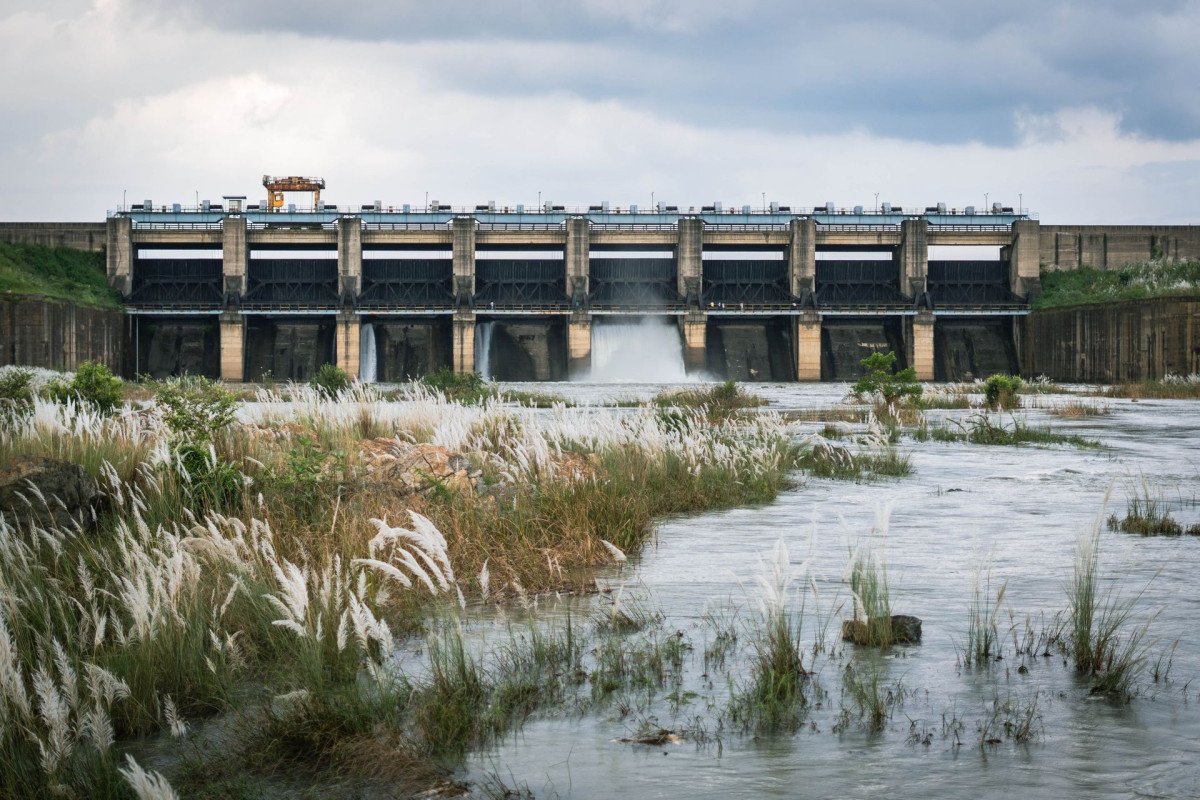
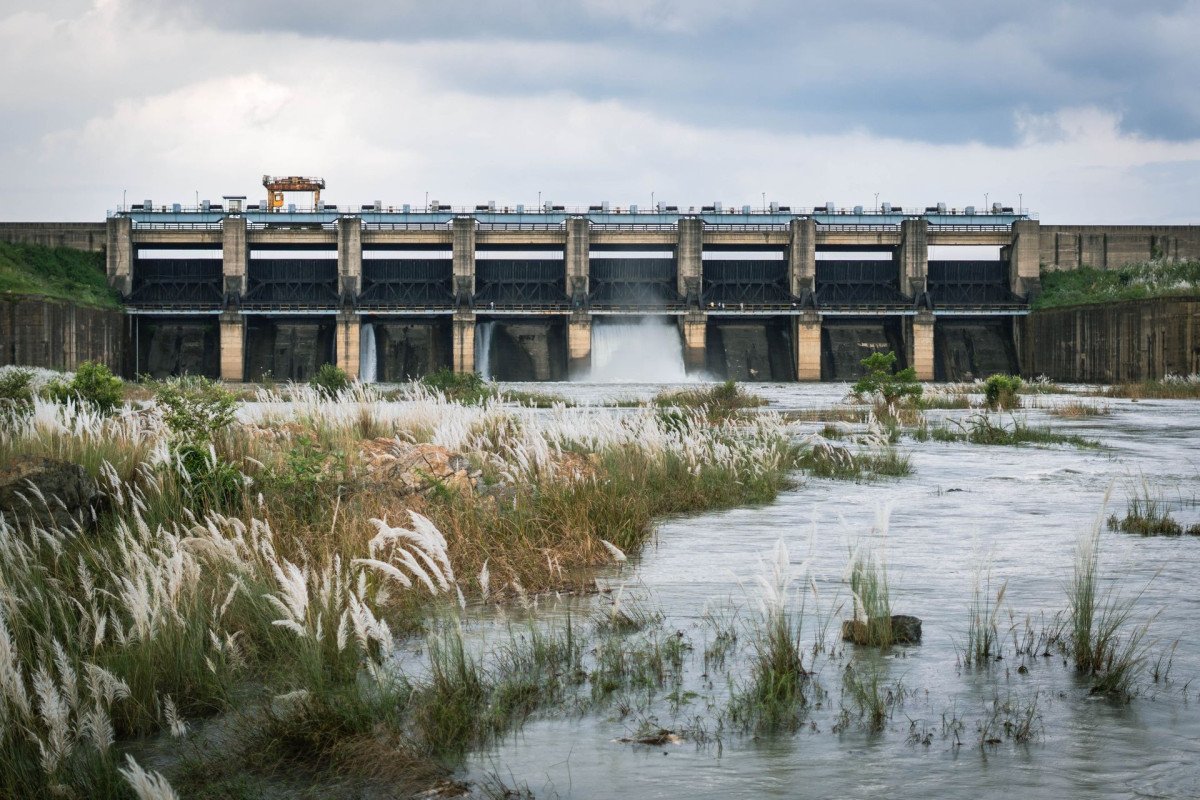
Engineering Marvel and Water Source: Kumarras Dam is a significant reservoir in the Dantewada district, primarily built for irrigation purposes, playing a vital role in supporting the local agricultural economy and providing water security to the surrounding villages. While not a massive multi-purpo se project like some of Chhattisgarh's other dams, it is a crucial piece of local infrastructure. Its construction involved utilizing the natural contours of the hilly terrain, effectively creating a large water body that also serves as a check against seasonal water scarcity. The dam's location is strategically chosen to harness the water flow from the local rivulets and monsoon runoff. The sheer volume of water impounded creates a vast lake-like expanse, which significantly alters the micro-climate of the area, making the surroundings noticeably cooler. The dam project also includes ancillary structures, such as spillways and canals, to manage water release and distribution. A Sanctuary of Tranquility: Beyond its functional role, the dam site has naturally evolved into a popular local tourism spot, prized for its tranquil environment and scenic beauty. The massive body of water, framed by the lush green hills of the Bailadila range, creates a stunning, picturesque landscape that is a welcome retreat from the bustle of town life. It offers a unique vantage point to appreciate the natural forested wealth of the Dakshin Bastar region, as the reflections of the sky and the surrounding greenery on the water's surface provide a calming vista. The relative isolation of the site contributes to its peaceful ambiance, making it a favorite for weekend getaways, picnics, and simple nature contemplation. The dam is a perfect example of how vital infrastructure can also become a hub for eco-tourism.
General information
-
Ideal Duration:
1 to 2 HoursPlace Type:
Nature/Reservoir: Dam and Picnic SpotEntry Fees:
No Entry Fee for the Dam: Like most irrigation projects and public reservoirs in rural areas, there is no official entry fee to visit the Kumarras Dam site, allowing free public access for sightseeing, picnicking, and enjoyment.
Parking and Faci...No Entry Fee for the Dam: Like most irrigation projects and public reservoirs in rural areas, there is no official entry fee to visit the Kumarras Dam site, allowing free public access for sightseeing, picnicking, and enjoyment.
Parking and Facility Costs: Visitors arriving in private vehicles may have to pay a minimal, nominal parking fee to local vendors or cooperative groups who manage the small parking area near the viewpoint, especially during peak holiday seasons. This fee is typically very small.
Local Guide Fees: If a visitor chooses to hire a local guide, which is highly recommended for exploring the hidden trails or interacting with the nearby tribal villages, there will be a guide fee that should be negotiated beforehand. This is a payment for a specialized service and is not an entry fee.
Picnic and Refreshment Costs: The main cost for visitors will be for their own food and non-alcoholic refreshments, as dedicated commercial outlets are scarce here. There might be small local stalls selling tea, snacks, and water, which are very affordable.Timing:
Regular Timings: The dam area is an open public space and is generally accessible from Sunrise (around 6:00 AM) to Sunset (around 6:00 PM). It is not recommended to stay near the dam site after dark due to limited lighting and local safety considerations in a remote area. <...Regular Timings: The dam area is an open public space and is generally accessible from Sunrise (around 6:00 AM) to Sunset (around 6:00 PM). It is not recommended to stay near the dam site after dark due to limited lighting and local safety considerations in a remote area.
Ideal Visit Time: The best time to visit is in the Late Afternoon (around 4:00 PM) to enjoy the gentle cool breeze and stay to witness the spectacular Sunset over the water. Early Morning is also ideal for bird-watching and experiencing the quiet, misty charm of the reservoir.
Crowd Management: Weekends and public holidays see a higher concentration of local visitors and picnickers. Visiting on a Weekday morning will provide the most tranquil and solitary experience for nature contemplation. Always check for local advisories, especially during the monsoon, when access roads might be tricky.Special Events:
Harvest Season Celebrations: While the dam does not host large religious festivals like the temple, it becomes a focal point of celebration after a successful agricultural harvest season, usually around December or January. Local communities often organize informal fairs or...Harvest Season Celebrations: While the dam does not host large religious festivals like the temple, it becomes a focal point of celebration after a successful agricultural harvest season, usually around December or January. Local communities often organize informal fairs or gatherings, and farmers visit the dam site to offer thanks for the water supply that sustained their crops.
Community Fishing Events: The dam occasionally hosts community-led fishing events, often after the monsoon, to manage the fish population or as part of a local livelihood activity. These events are not tourist-centric but offer a unique, authentic glimpse into the cooperative nature of the tribal communities and their reliance on the reservoir's resources. These timings can be unpredictable and are best ascertained from local guides.
Local Picnic and Social Gatherings: Throughout the cool months, the dam is the venue for numerous family day-outs, school picnics, and social gatherings, transforming the quiet area into a vibrant spot for local recreation and enjoyment, especially on Sunday afternoons and public holidays.Best Photo Spots:
The Spillway and Regulator: The best vantage point is often near the spillway or regulator section, which showcases the structure of the dam and the mesmerizing rush of water (if the gates are open during or after monsoon). The contrast between the concrete structure and th...The Spillway and Regulator: The best vantage point is often near the spillway or regulator section, which showcases the structure of the dam and the mesmerizing rush of water (if the gates are open during or after monsoon). The contrast between the concrete structure and the natural water flow is highly photogenic.
Sunset Reflection on Water: Position yourself on the earthen embankment facing west to capture the fiery colors of the sunset reflecting perfectly on the massive, still sheet of water, with the silhouette of the distant hills providing a stunning frame.
Panoramic Embankment View: A wide-angle shot taken from the top of the dam's embankment captures the full sweep of the reservoir on one side and the vast, forested valley downstream on the other, providing a compelling contrast between the backwaters and the dam's functionality.
Foreground Foliage Shots: Utilize the rich foreground foliage—bushes, rocks, and local trees—along the banks to frame the massive water body and the distant hills, adding depth and a sense of scale to the landscape photographs.Photo Gallery
Things To Do
-
Picnicking and Lakeside Relaxation: The primary activity is to find a suitable shaded spot along the banks, spread a blanket, and enjoy a peaceful picnic with family and friends. The tranquil setting is perfect for reading, sketching, or simply unwinding amidst nature's quiet charm.
Sunset and Sunrise Photography: The vast, open skies and the reflective surface of the water make the dam an ideal location for landscape and nature photography, especially during the golden hours of sunrise and sunset. Capturing the silhouettes of the surrounding hills against the vibrant sky is a popular pursuit for local photographers.
Nature Walk and Light Trekking: The low hills and trails surrounding the dam reservoir are perfect for a gentle nature walk or a light trek. These walks allow visitors to explore ...Picnicking and Lakeside Relaxation: The primary activity is to find a suitable shaded spot along the banks, spread a blanket, and enjoy a peaceful picnic with family and friends. The tranquil setting is perfect for reading, sketching, or simply unwinding amidst nature's quiet charm.
Sunset and Sunrise Photography: The vast, open skies and the reflective surface of the water make the dam an ideal location for landscape and nature photography, especially during the golden hours of sunrise and sunset. Capturing the silhouettes of the surrounding hills against the vibrant sky is a popular pursuit for local photographers.
Nature Walk and Light Trekking: The low hills and trails surrounding the dam reservoir are perfect for a gentle nature walk or a light trek. These walks allow visitors to explore the local flora and fauna, spot different species of birds, and appreciate the dense Saal and Teak forests typical of the Bastar region.
Bird-Watching Excursion: Armed with binoculars, visitors can spend time observing the aquatic and local avifauna. Egrets, kingfishers, various ducks, and occasionally migratory birds are spotted here, making it a rewarding experience for bird enthusiasts, particularly in the winter.
Local Angling: With permission, one can engage in some amateur fishing or angling, following the local tribal methods. This provides an opportunity to interact with the locals and learn about the indigenous techniques of livelihood.
Water Sports (Limited/Seasonal): While official water sports infrastructure is limited, some local groups or seasonal vendors might offer simple boating opportunities, especially during the peak tourist season, which can be an enjoyable way to explore the expanse of the reservoir. Always prioritize safety and use licensed operators.
Interacting with Locals: Talking to the local villagers and farmers about the dam's importance to their lives and the history of the region can be a deeply insightful and enriching activity that adds depth to the visit, offering perspectives beyond the scenic view.
Information
-
Why Famous:
Serene Picnic and Sunset Spot: The dam is primarily famous locally as an ideal picnic spot and a getaway for families and youth. Its expansive waterfront and tranquil environment provide a perfect setting for relaxation, offering a quiet, pollution-free atmosphere away from...Serene Picnic and Sunset Spot: The dam is primarily famous locally as an ideal picnic spot and a getaway for families and youth. Its expansive waterfront and tranquil environment provide a perfect setting for relaxation, offering a quiet, pollution-free atmosphere away from the city. The panoramic view of the sunset over the still waters of the reservoir is an especially famous sight, drawing photography enthusiasts and romantics.
Source of Local Irrigation: Its functional fame lies in its critical role as a major irrigation source for the surrounding agricultural lands. The dam's water enables farming activities for multiple villages, securing the livelihood of local communities and making it an essential lifeline for the region, thus revered by the local farmers.
A Natural Bird-Watching Location: Due to the large permanent water body, the dam attracts a variety of local and migratory birds, especially during the winter months, establishing it as a budding spot for bird-watching and nature photography. The aquatic ecosystem and the surrounding forest provide a rich habitat, adding an ecological layer to its fame beyond simple tourism. -
Architecture:
Dam Construction and Material: Kumarras Dam is primarily an earthen or rock-fill dam, a construction style frequently used in hilly and forested regions like Dantewada for water storage projects, providing a stable, wide base that harmonizes with the natural slope of the lan...Dam Construction and Material: Kumarras Dam is primarily an earthen or rock-fill dam, a construction style frequently used in hilly and forested regions like Dantewada for water storage projects, providing a stable, wide base that harmonizes with the natural slope of the land. The core structure is likely a blend of local rock, gravel, and earth, engineered for maximum stability against water pressure and seismic activity.
Spillway and Regulator Design: The crucial component of the dam, the spillway, is a marvel of hydrological engineering, designed to safely release surplus water during peak monsoon seasons. The spillway structure is often made of reinforced concrete or masonry, ensuring durability and precise control over the water flow. The dam's total length runs along the valley, creating a massive water catchment area, with the specific dimensions being locally regulated.
Aesthetic Integration with Nature: Unlike purely functional industrial structures, the dam's design is inherently integrated with the natural landscape. The sloping earthen walls are often grassed over, blending seamlessly with the surrounding green hills and forests. The large reservoir area created by the dam provides a serene, lake-like appearance, transforming a geological depression into a stunning aquatic feature. The design focuses on robust utility combined with a subtle aesthetic that utilizes the beauty of the Bastar region, avoiding ornate architectural flourishes and prioritizing environmental compatibility and engineering stability. The reservoir's edges are often rocky and natural, preserving the wild, untamed feel of the landscape. -
How To Reach:
By Air (Nearest Airport): Nearest major airports are Raipur (RPR) and Vishakhapatnam (VTZ), both approx. 400 KMs away. Take a taxi or bus from the airport to Dantewada city center first.
By Train (Nearest Railway Station): The nearest rail...By Air (Nearest Airport): Nearest major airports are Raipur (RPR) and Vishakhapatnam (VTZ), both approx. 400 KMs away. Take a taxi or bus from the airport to Dantewada city center first.
By Train (Nearest Railway Station): The nearest railway station is Dantewada Railway Station (DWZ). From the station, the dam is approximately 15 KMs away. You can hire an auto-rickshaw or a private taxi for the 30-40 minute drive.
By Road (Bus and Taxi): The dam is situated approximately 15 KMs from Dantewada on an accessible road, possibly the NH 63 route or an adjoining link road. Private taxis are the most convenient mode of transport from Dantewada city. Local bus services to the villages near Kumarras may be available but are infrequent and not ideal for tourists.
By Local Transport (Within the City): From Dantewada city center, hiring a return taxi or a reliable auto-rickshaw is the preferred local transport option. Ensure you negotiate the fare for the round trip, as finding a return vehicle from the dam site can be challenging due to its remote location. The road condition is generally good for the main stretch. -
Weather and Best Time to Visit:
Different Types of Seasons: Winter (November to March) is the perfect time to visit, with cool, mild weather ideal for picnicking and nature walks. The reservoir is full after the monsoon, enhancing the scenic beauty. Monsoon (July to October) is also beautiful, with lush ...Different Types of Seasons: Winter (November to March) is the perfect time to visit, with cool, mild weather ideal for picnicking and nature walks. The reservoir is full after the monsoon, enhancing the scenic beauty. Monsoon (July to October) is also beautiful, with lush green surroundings, but care must be taken due to rain and slippery conditions. Summer (April to June) should be avoided due to the intense heat and dry conditions, which can make the experience uncomfortable, though the water body will remain a visual relief.
Different Parts of the Day: Late Afternoon is the most popular and scenic time to visit, allowing visitors to enjoy the cool breeze and stay for the breathtaking Sunset. Early Morning is recommended for bird-watching and experiencing a peaceful start to the day. Avoid the midday heat (11 AM to 3 PM) in all seasons except deep winter. -
Near Tourist Places:
Samlur Shiva Temple (Approx.
12 KMs): Ancient temple, often visited as a religious stop. Danteshwari Temple (Approx.
15 KMs): The main spiritual center of the district. Bailadila Mountains (Approx.
15 KMs to closest entry): Famous iron ore mining and viewing spots. Memory Pillars of Gamawada (Approx.
20 KMs): Historical tribal monuments. Dholkal Ganesh Temple (Approx.
30 KMs to base village): A trek to a unique Ganesh idol. Barsur (Approx.
35 KMs): Group of ancient Chandel and Naga-era temples. Muchnar River Beach (Distance not provided, but nearby): Local river picnic spot.
Tular Cave (Distance not provided, but nearby): Local natural cave. Indul Jharna Waterfalls (Distance not provided, but nearby): Local seasonal waterfall. Kirandul Town View Point (Approx.
45 KMs): Viewpoint overlooking the mining town.
Tourism Tips
-
Health & Safety: Carry adequate water and basic snacks as commercial facilities are limited. The dam area involves water and potentially steep embankments, so always supervise children. Be mindful of the surrounding forest and local wildlife.
...Health & Safety: Carry adequate water and basic snacks as commercial facilities are limited. The dam area involves water and potentially steep embankments, so always supervise children. Be mindful of the surrounding forest and local wildlife.
Packing Essentials: Wear comfortable footwear suitable for walking on uneven terrain. A hat or cap, sunglasses, and sunscreen are essential even in winter. Bring a camera for the spectacular views. If picnicking, carry a waterproof mat/blanket.
Accommodation: No overnight stay options are available at the dam itself. The nearest suitable accommodation must be booked in Dantewada city. Plan for a day trip only.
Other Tips (Ecology and Access): Carry all your waste back with you to maintain the dam's pristine natural environment. Respect the quiet of the place and the local villagers. It is highly recommended to arrange your return transport before leaving Dantewada as local taxis are not stationed at the dam. Mobile network connectivity may be intermittent.
Reviews
FAQs
Dantewada Itineray And Cost:-
Other States In India :-
Information about New and Updated Locations() of Chhattisgarh Has Been Added :-
Card subtitle
Note:-
Information provided here in good Faith and for reference only.
Near Places

Bailadila Mountain Range
Some quick example text to build on the card title and make up the bulk of the card's content.
Go somewhere
Danteshwari Temple
Some quick example text to build on the card title and make up the bulk of the card's content.
Go somewhere
Dholkal Ganesh
Some quick example text to build on the card title and make up the bulk of the card's content.
Go somewhere
Handawada Waterfalls
Some quick example text to build on the card title and make up the bulk of the card's content.
Go somewhere
Jharalawa Water Fall Jhirka
Some quick example text to build on the card title and make up the bulk of the card's content.
Go somewhere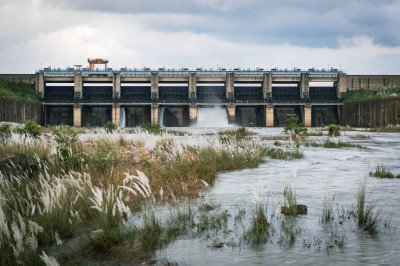
Kumarras Dam
Some quick example text to build on the card title and make up the bulk of the card's content.
Go somewhere
Samlur Shiva Temple
Some quick example text to build on the card title and make up the bulk of the card's content.
Go somewherein Other Cities