

Devi Stan Mandir
General information
-
Ideal Duration:
1 to 2 Hours.Place Type:
Religious Site, Sightseeing.Entry Fees:
Devi Stan Mandir does not charge any mandatory entry fee for visitors or devotees.
Voluntary Donations: As with most places of worship in India, there is no official ticket counter. However, there are usually donation boxes within the temple premises. Visitors wh...Devi Stan Mandir does not charge any mandatory entry fee for visitors or devotees.
Voluntary Donations: As with most places of worship in India, there is no official ticket counter. However, there are usually donation boxes within the temple premises. Visitors who wish to contribute towards the temple's maintenance, daily rituals, and charitable activities are welcome to make a voluntary donation. This is entirely optional and depends on the visitor's goodwill. The absence of a fixed fee ensures the temple remains accessible to everyone, irrespective of their financial status, reinforcing its role as a community religious center.Timing:
Regular Timings: The temple is generally open to the public from Morning 6:00 AM to Evening 6:00 PM on all days of the week. These hours accommodate the essential morning and evening prayer services (Aarti).
Ideal Visit Time: The Ideal Vis...Regular Timings: The temple is generally open to the public from Morning 6:00 AM to Evening 6:00 PM on all days of the week. These hours accommodate the essential morning and evening prayer services (Aarti).
Ideal Visit Time: The Ideal Visit Time is during the early morning (8:00 AM to 10:00 AM) or late afternoon (4:00 PM to 6:00 PM).
Early Morning Serenity: Visiting early ensures a calmer, quieter environment, perfect for peaceful reflection and witnessing the morning rituals. The cool, crisp air and the gentle light are also ideal for photography.
Late Afternoon Views: A late afternoon visit is perfect for catching the stunning sunset colors over the valley and Sumendu Lake, providing a beautiful backdrop for your visit before the temple closes. Avoiding the peak noon hours is advisable, as the midday sun can be intense. (Approx. )Special Events:
The temple, being dedicated to Ma Durga, is the primary focus of celebrations during the major Hindu festivals, particularly Navaratri and Durga Puja.
Annual Durga Puja and Navaratri Celebrations: The most significant time for special events is the festival of Durg...The temple, being dedicated to Ma Durga, is the primary focus of celebrations during the major Hindu festivals, particularly Navaratri and Durga Puja.
Annual Durga Puja and Navaratri Celebrations: The most significant time for special events is the festival of Durga Puja (which includes Navaratri). The temple complex comes alive during the autumn months (September or October), attracting a large number of devotees. Special ceremonies, 'aarti' (worship with light), chanting of hymns, and community feasts are organized. The atmosphere is vibrant with religious fervor, traditional music, and the rhythmic sound of the 'dhak' (traditional drum). These celebrations provide a deep insight into the religious and cultural life of the local community, which mixes traditional Hindu practices with the unique cultural flavor of the Gorkha and other hill communities.Best Photo Spots:
1.
The Elevated Lake View: The area just outside the main temple provides the best vantage point for capturing the entire sweep of Sumendu Lake, the surrounding hills, and the forest. This is the ultimate landscape photo spot. To make it special, try to include th...1.
The Elevated Lake View: The area just outside the main temple provides the best vantage point for capturing the entire sweep of Sumendu Lake, the surrounding hills, and the forest. This is the ultimate landscape photo spot. To make it special, try to include the temple spire or a bell in the foreground for a cultural context. 2.
The Temple Doorway and Iconography: Focus on the intricate details of the temple's structure, the colorful paintwork, the faces of the deities, and the array of hanging bells. These photographs capture the religious essence and the simple, vibrant architecture of the hill temple. 3.
The Forest Path Leading Up: The path to the temple, shaded by towering Pine trees, offers excellent opportunities for atmospheric nature photography. The interplay of light and shadow, especially in the mid-morning, can create dramatic and beautiful images. This is also a great spot for candid portraits. 4.
Devotees and Rituals: With respectful permission, capturing the devotion of the pilgrims, the smoke from the incense, and the rituals being performed provides a powerful human element to the photography. (Approx. )Photo Gallery
Things To Do
-
1.
Offering Prayers and Seeking Blessings: The primary activity is engaging in religious observance. Devotees visit the shrine to offer 'puja', light incense, ring the temple bells, and seek the blessings of Ma Durga, Lord Shiva, and other resident deities. Participating in any ongoing rituals or simply spending time in quiet prayer in the sanctum provides a deep spiritual experience. 2.
Enjoying the Panoramic Lake View: The temple's strategic location offers a magnificent panoramic view of Sumendu Lake and the forested hills around it. Taking the time to sit on the steps or in the viewing area to simply gaze at the tranquil lake, the surrounding Pine trees, and the small town of Mirik is a must-do. 3.
Photography from an Elevated Vantage: The viewpoint near the temple is one of t...1.
Offering Prayers and Seeking Blessings: The primary activity is engaging in religious observance. Devotees visit the shrine to offer 'puja', light incense, ring the temple bells, and seek the blessings of Ma Durga, Lord Shiva, and other resident deities. Participating in any ongoing rituals or simply spending time in quiet prayer in the sanctum provides a deep spiritual experience. 2.
Enjoying the Panoramic Lake View: The temple's strategic location offers a magnificent panoramic view of Sumendu Lake and the forested hills around it. Taking the time to sit on the steps or in the viewing area to simply gaze at the tranquil lake, the surrounding Pine trees, and the small town of Mirik is a must-do. 3.
Photography from an Elevated Vantage: The viewpoint near the temple is one of the best spots in Mirik to capture the entire lake-valley complex. Photographers can take stunning landscape shots, including the Rainbow Bridge over the lake from a high angle. The early morning and late afternoon light often creates magical effects, ideal for photography. 4.
Walking the Temple Approach Path: The short walk up to the temple through the forested path is highly recommended. Its an easy trek, offering a refreshing and peaceful immersion in nature. Pay attention to the local flora and the birdsongit's a serene experience often missed in the hurry. 5.
Quiet Reflection and Meditation: Given the relatively calm and spiritual environment, the temple complex offers a perfect setting for quiet reflection, reading, or a short session of meditation. The peace here is profound, especially on weekdays. 6.
Observing Local Culture: Witnessing how the local people interact with the temple, their attire, and their rituals provides insight into the Darjeeling districts unique blend of cultures and religious practices. 7.
Combining with the Lake Circuit Walk: The temple is easily accessible from the lake circuit path. Visitors can seamlessly integrate a visit to the Devi Stan Mandir into their leisurely walk around Sumendu Lake by crossing the Rainbow Bridge. 8.
Light Picnic or Snack: While strictly maintaining sanctity, one can enjoy a small, simple snack or a cup of local tea from nearby small stalls before or after the temple visit, enjoying the view.
Hotels
● Damphu Homestay
Address: Mirik, West Bengal
Distance: 1.2 km
Details: A very affordable budget option offering basic necessities, including hot tubs in some units. Perfect for budget-conscious solo travelers or small gro...
● Euphoria Homestay
Address: Mirik, West Bengal
Distance: 0.7 km
Details: A cozy mid-range homestay providing breathtaking mountain views. Each room is designed for comfort, featuring large windows, attached bathrooms, and a...
● Hotel Blue Lagoon
Address: Mirik, West Bengal
Distance: 0.9 km
Details: A comfortable hotel with a terrace and lounge area. Modern amenities like complimentary Wi-Fi and breakfast are provided. The staff is known for hospi...
● Hotel Jagjeet
Address: Deosa Dara Rd, Mirik
Distance: 0.8 km
Details: This well-regarded mid-range hotel provides clean, cozy rooms with modern bathroom facilities. Guests enjoy reliable service, an on-site restaurant se...
● Lake View Villa
Address: Deosa Dara Rd, Mirik
Distance: 0.6 km
Details: Offering beautiful vistas of the lake and mountains, this mid-range hotel provides a comfortable stay. Facilities include free Wi-Fi, private parking,...
● Mount Queens Hill Resort & Spa
Address: Dilmaya Rd, Mirik
Distance: 0.7 km
Details: A charming resort offering stunning views of the surrounding hills. Facilities include a multi-cuisine restaurant, free parking, and a lush garden. It...
● Pradhan Hotel
Address: Mirik Bazaar, Mirik
Distance: 0.5 km
Details: A popular budget-friendly hotel located centrally. It offers comfortable rooms, clean linens, and friendly staff. Basic amenities include room service...
● Ratnagiri Boutique Hotel
Address: Mirik, West Bengal
Distance: 0.3 km
Details: A premium boutique experience offering stylish rooms and personalized service. Features include an aesthetic decor, premium bedding, and gourmet dinin...
● Sampang Stay and Restaurant
Address: Mirik, West Bengal
Distance: 0.4 km
Details: A simple and budget-conscious homestay-style hotel. It focuses on offering a homely environment with basic clean rooms. The attached restaurant provid...
● Sungava Homestay
Address: Mirik, West Bengal
Distance: 1.0 km
Details: An exceptional budget homestay with garden views and a shared lounge. Provides a very authentic local experience. Facilities include free parking and ...
Show AllRestaurants
● 214 Diner
Address: Near Krishnagar Road, Thurbo, Mirik - 734214
Distance: 0.9 KM
Details: 214 Diner is a contemporary dining spot that brings a fresh twist to the food scene in Mirik. The restaurant is known for its modern ambiance and dive...
Food List: Grilled Chicken', 'Pasta', 'French Fries', 'Cold C...
● Annapurna Hotel
Address: Taxi Stand, Krishnagar Rd, Mirik, West Bengal - 734214
Distance: 0.7 KM
Details: Annapurna Hotel is a reliable and popular destination for those seeking a mix of Bengali and North Indian cuisine. It is highly valued for its reasona...
Food List: Alu Posto', 'Fish Fry', 'Chicken Curry', 'Mixed Ve...
● Buddha Restaurant
Address: Alipurduar Road, Thurbo, Mirik - 734214
Distance: 1.4 KM
Details: Buddha Restaurant is a serene and peaceful place to dine, reflecting the spiritual culture of the area. It serves a variety of Indian and regional dis...
Food List: Veg Thali', 'Dal', 'Seasonal Saag', 'Rice'...
● Doma Restaurant
Address: Ward No 5, Krishna Nagar, Thurbo, Mirik - 734214
Distance: 1.0 KM
Details: Doma Restaurant is a cozy, friendly eatery known for its simple yet satisfying meals. The menu is packed with comfort foods that hit the spot after a ...
Food List: Chicken Chowmein', 'Momos', 'Vegetable Soup', 'Tea...
● Jagjeet Restaurant
Address: Ward No-3, Krishnanagar, Darjeeling, Mirik - 734214
Distance: 0.3 KM
Details: Jagjeet Restaurant stands as one of the largest and most historic eateries in Mirik. Located centrally in the Krishnanagar area, it has been serving d...
Food List: Dal Makhani', 'Butter Chicken', 'Aloo Dum', 'Tando...
Show AllInformation
-
Why Famous:
Devi Stan Mandir is famous for several reasons, primarily blending religious significance with natural, tranquil beauty.
Religious Sanctity and Goddess Durga: The temple is a sacred site dedicated primarily to Devi, or Goddess Durga, a central figure in Hinduism r...Devi Stan Mandir is famous for several reasons, primarily blending religious significance with natural, tranquil beauty.
Religious Sanctity and Goddess Durga: The temple is a sacred site dedicated primarily to Devi, or Goddess Durga, a central figure in Hinduism representing power and protection. For the local populace and visiting devotees, it is a crucial place for offering prayers, seeking blessings, and observing religious rituals. Its fame rests heavily on its spiritual value and the belief in the Goddess's divine presence. The presence of multiple deities further enhances its status as a significant Hindu pilgrimage spot in the region.
Picturesque Location Overlooking Mirik Lake: A major draw is its sublime location. Situated on a hill directly above the magnificent Sumendu Lake, the temple provides breathtaking, serene views of the lake, the surrounding tea gardens, and the dense forests. This combination of spiritual peace and stunning scenery makes it an exceptionally appealing destination for both pilgrims and casual tourists. The elevated position offers a unique vantage point for photography and quiet contemplation. -
Architecture:
The architecture of Devi Stan Mandir is a reflection of the regional, simple, and traditional hill temple style, rather than a grand, elaborate structure found in plains.
Simplicity in Design: The structure is generally built using locally sourced materials, emphas...The architecture of Devi Stan Mandir is a reflection of the regional, simple, and traditional hill temple style, rather than a grand, elaborate structure found in plains.
Simplicity in Design: The structure is generally built using locally sourced materials, emphasizing functionality and devotion over intricate ornamentation. The construction typically involves concrete, bricks, and often corrugated iron sheets or slates for the roofing, characteristic of the cooler climate in the Himalayan foothills. The design often incorporates a modest main shrine area (garbhagriha) for the primary deity, Ma Durga, and smaller, separate shrines for the other deities. The overall look is usually colorful, with bright paintwork, especially red and saffron, which are considered auspicious colors in Hinduism.
Influence and Materials: The temple complex often includes a small courtyard or open area for devotees to gather, and the shrines are adorned with traditional Hindu iconography and small bells. The surrounding natural environmentthe pine trees and the hillockforms a crucial, picturesque backdrop that complements the simple architecture. While exact dimensions vary for each shrine within the complex, the main structure is usually of a small to medium size, sufficient to accommodate a few priests and a handful of devotees at any given time. The focus is on the sanctity of the idols and the peaceful atmosphere.
Dimension (Approximate):
Main Temple Height: Approximately 15 to 20 feet.
Main Shrine Area: Roughly 10 feet by 10 feet.
Complex Area: The temple complex including the pathways and smaller shrines occupies a relatively small footprint on the hillock, perhaps covering a total area of a few thousand square feet. The architecture successfully blends with the natural hilly terrain, offering a spiritual retreat that feels integrated with nature. (Approx. ) -
How To Reach:
By Air: The nearest airport is Bagdogra Airport (IXB), located in Siliguri, approximately 55-60 KMS away from Mirik. Bagdogra has regular flight connectivity with major Indian cities like Kolkata, Delhi, Mumbai, and Guwahati. From the airport, one can hire a pre-paid taxi ...By Air: The nearest airport is Bagdogra Airport (IXB), located in Siliguri, approximately 55-60 KMS away from Mirik. Bagdogra has regular flight connectivity with major Indian cities like Kolkata, Delhi, Mumbai, and Guwahati. From the airport, one can hire a pre-paid taxi or a private cab directly to Mirik. The journey takes around 2 to 3 hours, depending on traffic and road conditions, offering picturesque views of tea gardens and forests along the way.
By Train: The nearest major railway station is New Jalpaiguri (NJP), also located near Siliguri, about 60 KMS from Mirik. NJP is a crucial railway hub, well-connected to most parts of India. From NJP, a similar approach to the airport journey is followed: hiring a taxi or pre-booked vehicle. The drive time is comparable to the airport route, offering a scenic ascent into the hills.
By Road: Mirik is exceptionally well-connected by road. It lies on the route connecting Darjeeling and the plains of Siliguri.
From Siliguri/NJP/Bagdogra: A comfortable drive of about 2 to 3 hours via the Rohini Road or the Pankhabari Road. Shared jeeps (locally known as 'sumos') and private taxis are readily available.
From Darjeeling: It's about 50 KMS, a drive of about 2 to 2. 5 hours. The Devi Stan Mandir is located only about 2. 0 KMS from the central Mirik Bus Stop.
By Local Transport (Within Mirik): Once in Mirik, the temple is a short distance from the lake area.
Walking: The best way to reach is by a pleasant walk of about 30-40 minutes from the Mirik Bus Stop or the main market area, following the path around Sumendu Lake and then walking up the hillock.
Local Taxis/Cabs: One can hire a local cab for the short distance to the base of the hill, though the final short ascent to the temple complex must be done on foot. -
Weather and Best Time to Visit:
Different Types of Seasons: The best time to visit Devi Stan Mandir and Mirik generally is during the Spring and Autumn months.
Spring (March to May): The weather is pleasantly cool, with temperatures ranging from 15C to 25C. Skies are ge...Different Types of Seasons: The best time to visit Devi Stan Mandir and Mirik generally is during the Spring and Autumn months.
Spring (March to May): The weather is pleasantly cool, with temperatures ranging from 15C to 25C. Skies are generally clear, offering excellent views of the surrounding mountains and the lake. This is a perfect time for sightseeing and comfortable walking.
Autumn (October to November): This is considered the peak tourist season. The air is crisp, and the atmosphere is clear and pollution-free following the monsoon. Temperatures are cool, between 10C and 20C. The mountain views are often at their most spectacular.
Monsoon (June to September): While the area is lush, heavy rainfall can cause landslides and obstruct views. Visiting is not recommended during intense rains.
Winter (December to February): Winters are cold, with temperatures dipping near freezing. Views are clear, but outdoor activities can be challenging due to the chill.
Different Parts of the Day:
Morning (Ideal): As mentioned, the early morning provides the most serene atmosphere, best for spiritual reflection and clear photography before the tourist rush.
Late Afternoon (Good for Views): The hours leading up to sunset offer dramatic lighting and beautiful colors over the lake and valley. -
Near Tourist Places:
S. No. Other Place Name Distance (KMS) from Devi Stan Mandir 1 Sumendu Lake (Mirik Lake) 0. 5 (At the base of the hill) 2 Bokar Ngedon Chokhor Ling Monastery 1. 5 (Approx. ) 3 Mirik Church (Don Bosco Church) 1. 5 (Approx. ) 4 Rameetay Dhara View Point 3. 0 (Approx. ) 5 Tingling View Point 9. 0 (Approx. ) 6 Orange Orchards (Seasonal) 5. 0 - 8. 0 (Approx. ) 7 Pashupati Market (Nepal Border) 15. 0 (Approx. ) 8 Thurbo Tea Garden 7. 0 (Approx. ) 9 Simana Viewpoint 20. 0 (Approx. ) 10 Darjeeling (City) 50. 0 (Approx. )
Tourism Tips
-
Health & Safety:
Footwear: Wear comfortable walking shoes, as the path to the temple is unpaved and involves a short, gentle uphill trek.
Hydration: Carry water, especially if visiting during sunny days, th...Health & Safety:
Footwear: Wear comfortable walking shoes, as the path to the temple is unpaved and involves a short, gentle uphill trek.
Hydration: Carry water, especially if visiting during sunny days, though the climb is short.
Respect: Maintain silence and respect the sanctity of the place. Dress modestly as it is a place of worship.
Monkeys: Be mindful of monkeys in the surrounding areas; do not feed them and keep food items secured.
Packing:
Layers: Pack layered clothing as the weather in Mirik can change quickly, especially if visiting during Spring or Autumn. A light jacket or shawl is advisable.
Photography Gear: Don't forget your camera for the stunning lake and valley views.
Essentials: Carry a small backpack with essential medication, sun protection (cap/sunglasses), and insect repellent, although mosquitoes are generally not an issue due to the altitude.
Accommodation:
Near Lake: Most accommodation options, ranging from budget to mid-range hotels and homestays, are located around Sumendu Lake (the City Center). Booking in advance, particularly during October and November, is highly recommended.
Homestays: Consider a local homestay for an authentic cultural experience and local cuisine.
Other Different Topics:
Local Language: While Nepali is the primary language, people also understand Hindi and often some English. Simple gestures and respect go a long way.
Taxis: Negotiate taxi fares before starting your journey, especially for round trips from Siliguri or Darjeeling.
Plastic: Mirik is making efforts to remain clean; please carry your waste with you and avoid plastic use.
Mobile Connectivity: Major networks have good connectivity in the main Mirik area, but it can be patchy in remote corners.
Reviews
FAQs
Ans:- Devi Stan Mandir is one of the most revered and culturally significant religious sites in the Mirik region. It is dedicated to the Goddess Singha Devi and holds deep spiritual importance for the local community, particularly the Gorkha population. Pilgrims visit this temple throughout the year to seek blessings for prosperity, peace, and well-being. The temple is situated on a small hillock, providing a serene environment that attracts devotees and tourists alike who wish to experience the local religious traditions and enjoy the peaceful atmosphere of this sacred space.Ans:- Reaching Devi Stan Mandir from Mirik Lake is relatively easy and part of the scenic charm of visiting Mirik. The temple is located within walking distance from the main tourist area near Sumendu Lake. Visitors can enjoy a pleasant walk through the local town roads, which takes approximately 10 to 15 minutes. Alternatively, local taxis or shared vehicles are readily available if one prefers a quick ride. The short journey allows travelers to witness the beautiful surroundings of the hill station while heading toward this iconic spiritual destination.Ans:- While the temple is open year-round for visitors, the best time to visit Devi Stan Mandir is during the spring or autumn months when the weather in Mirik is pleasant and clear. Visiting during major festivals, such as Durga Puja or Navratri, provides a unique opportunity to witness the vibrant cultural celebrations, where the temple is beautifully decorated and rituals are performed with great devotion. Early morning hours are particularly recommended for those seeking a quiet, meditative experience before the peak tourist hours begin.Ans:- No, there is no entry fee to visit Devi Stan Mandir. Like most traditional religious shrines in the region, the temple is open to all visitors free of charge. Devotees may choose to offer donations or perform special rituals, which are entirely voluntary and purely based on personal choice. This accessibility makes it a popular stop for tourists exploring the town of Mirik, as it allows visitors to appreciate the local culture and architecture without any financial barrier, maintaining the sacred spirit of the site for everyone.Ans:- The main rituals at Devi Stan Mandir involve daily offerings of prayers, flowers, fruits, and incense by local priests and devotees. During special religious occasions, elaborate pujas and ceremonies are organized, which often include devotional chanting, music, and the distribution of 'prasad' to the attendees. Visitors are encouraged to observe these rituals respectfully. The atmosphere is filled with the fragrance of incense and the sound of bells, creating an immersive experience that reflects the deep-rooted religious practices of the local community living in the Himalayan foothills of West Bengal.Ans:- While there is no strictly enforced dress code for entering Devi Stan Mandir, it is highly recommended to dress modestly out of respect for the religious sanctity of the place. Wearing clothes that cover the shoulders and knees is appreciated. Removing footwear before stepping onto the temple premises is a standard practice and a mandatory sign of respect. By following these simple cultural norms, visitors show consideration for the sentiments of the local devotees, ensuring a harmonious and respectful visit to this significant and peaceful spiritual landmark in Mirik.Ans:- The architecture of Devi Stan Mandir is characterized by a blend of traditional Nepali and contemporary styles, reflecting the cultural fabric of the region. The structure is relatively simple yet elegant, designed to harmonize with the tranquil natural landscape surrounding it. The temple features vibrant colors and intricate decorative elements that highlight its spiritual identity. The peaceful hilltop location enhances its visual appeal, offering a picturesque view of the valley below. The architectural simplicity focuses more on the spiritual resonance of the site than on grandiosity, inviting contemplation and peace.Ans:- Photography policies at Devi Stan Mandir can vary depending on the occasion and the specific guidelines set by the temple management. Generally, it is acceptable to take pictures of the exterior of the temple and the beautiful surrounding scenery, as these areas are quite photogenic. However, it is always courteous to ask for permission before taking photographs inside the inner sanctum where deities are placed. Respecting the privacy and spiritual concentration of devotees praying inside is paramount, so it is best to avoid using flash or disturbing the prayer services.Ans:- Yes, there are small shops and local vendors located near the approach to Devi Stan Mandir. These vendors typically sell items required for offerings, such as fresh flowers, incense sticks, sweets, and small religious souvenirs. Additionally, tourists can find small stalls offering local snacks and refreshments nearby. These shops provide convenience for visitors who wish to make offerings at the temple or enjoy a quick snack after their visit. Supporting these local small businesses is a common way for tourists to contribute to the local economy while visiting the temple.Ans:- Devi Stan Mandir is generally accessible, but it does involve climbing a few steps as it is situated on a small hillock. The pathway is well-maintained, and the climb is not strenuous for most individuals. However, for elderly visitors or those with significant mobility issues, it is advisable to take the climb slowly and take breaks if needed. The local environment is calm and accommodating, and most visitors find the short ascent manageable. It is always a good idea to assess individual fitness levels before attempting the walk to the temple entrance.Ans:- A visit to Devi Stan Mandir is usually a short but peaceful experience. Most tourists spend between 30 to 60 minutes at the location. This duration is sufficient to climb the pathway, offer prayers, admire the beautiful views of the surrounding hills, and soak in the serene atmosphere. If you choose to sit in silence or participate in a ritual, you might want to allocate a little more time. It is a perfect spot for those looking for a quick spiritual or cultural break during their comprehensive tour of Mirik town.Ans:- Yes, it is generally very safe to visit Devi Stan Mandir alone. Mirik is a friendly and welcoming town, and the path to the temple is frequented by locals and tourists throughout the day. The area is peaceful and does not have reports of significant security concerns. However, as with travel to any destination, it is always wise to be aware of your surroundings, especially if you are visiting during late hours or when the area is less crowded. Generally, a daytime visit is recommended to fully appreciate the views and the surroundings.Ans:- While there is no explicit rule, it is highly discouraged to bring pets inside the premises of Devi Stan Mandir. As it is a sacred religious place where many people come for prayer and meditation, having pets can cause disturbances. Additionally, many people may feel uncomfortable around animals in such a setting. If you are traveling with a pet, it is best to leave them in a secure place or have a companion wait outside with them while you visit the shrine. Respecting the sanctity of the temple environment is essential for all visitors.Ans:- The forest surrounding Devi Stan Mandir adds to the spiritual and tranquil vibe of the location. Mirik is known for its lush greenery and tall pine forests, and the area around the temple is no exception. The dense trees provide a cooling effect and create a quiet haven away from the noise of the town center. Many visitors find the walk to the temple refreshing because of the crisp, clean air and the scenic beauty provided by these trees, making the overall journey to the temple feel like a nature walk as well.Ans:- Parking facilities near the immediate entrance of Devi Stan Mandir are quite limited due to the nature of the terrain and the narrow approach paths. Visitors arriving by car or hired taxi usually have to park a short distance away and walk the remaining way to the temple. It is recommended to consult with local drivers or your hotel staff regarding the best place to leave your vehicle. The walk from the nearby parking points is easy and allows visitors to enjoy the pleasant scenery leading up to the serene temple location in Mirik.Devi Stan Mandir Tourism:-
Information about New and Updated Locations() of West Bengal Has Been Added :-
Card subtitle
Note:-
Information provided here in good Faith and for reference only.
All information and pictures will be updated soon, please keep visiting.
Near Places

All India Radio Station Hill
Some quick example text to build on the card title and make up the bulk of the card's content.
Go somewhere
Bokar Institute Library
Some quick example text to build on the card title and make up the bulk of the card's content.
Go somewhere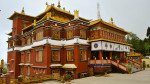
Bokar Ngedon Chokhor Ling Monastery
Some quick example text to build on the card title and make up the bulk of the card's content.
Go somewhere
Bunkulung
Some quick example text to build on the card title and make up the bulk of the card's content.
Go somewhere
Deosi Dara
Some quick example text to build on the card title and make up the bulk of the card's content.
Go somewhere
Devi Stan Mandir
Some quick example text to build on the card title and make up the bulk of the card's content.
Go somewhere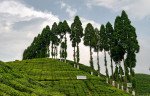
Gopaldhara Tea Estate
Some quick example text to build on the card title and make up the bulk of the card's content.
Go somewhere
Indreni Pull
Some quick example text to build on the card title and make up the bulk of the card's content.
Go somewhere
Manju Picnic Spot
Some quick example text to build on the card title and make up the bulk of the card's content.
Go somewhere
Mirik Bazaar
Some quick example text to build on the card title and make up the bulk of the card's content.
Go somewherein Other Cities