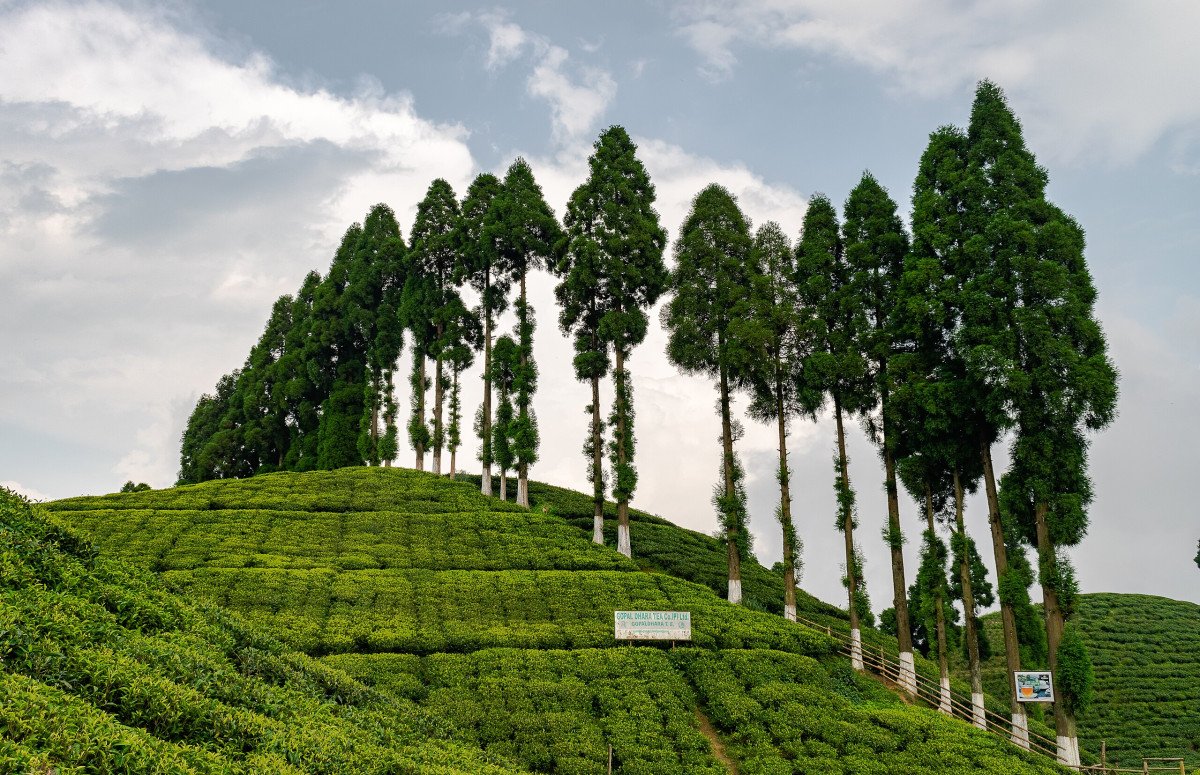
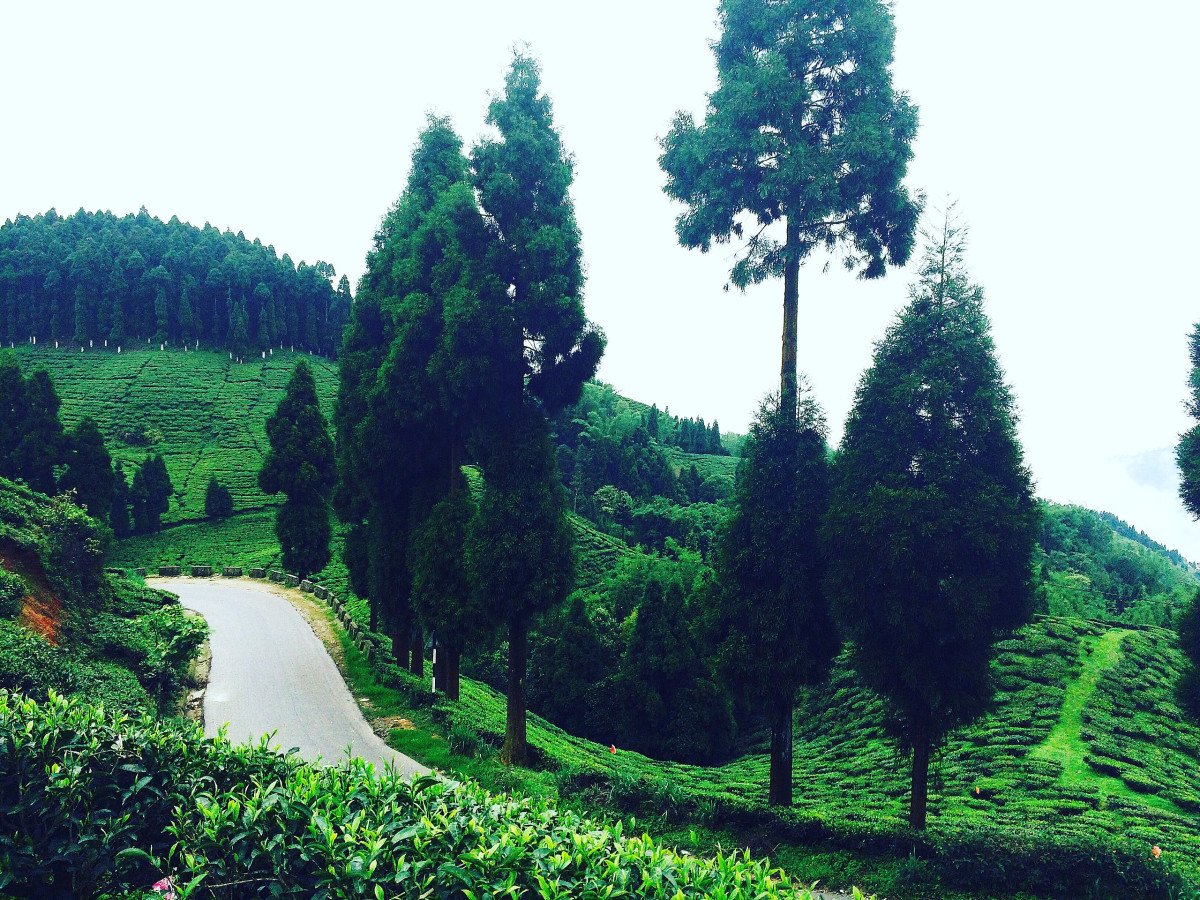
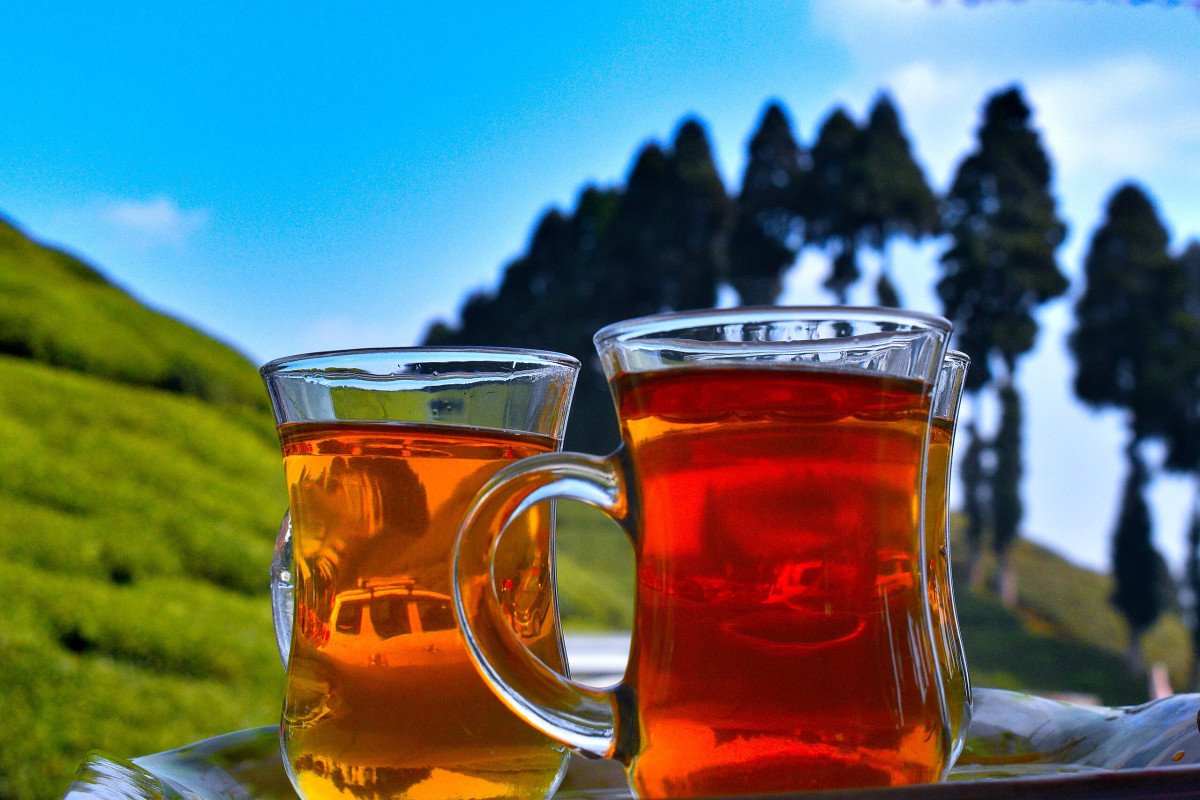
Gopaldhara Tea Estate
General information
-
Ideal Duration:
2 to 3 Hours (Including drive time and a factory visit, if available).Place Type:
Nature, Agriculture, HeritageEntry Fees:
General Garden Access: For most of the Mirik Tea Gardens (e. g. , Thurbo, Gopaldhara), there is No Direct Entry Fee for simply driving past or pulling over at a roadside viewpoint. The tea gardens are working agricultural areas with main roads passing through or alongside ...General Garden Access: For most of the Mirik Tea Gardens (e. g. , Thurbo, Gopaldhara), there is No Direct Entry Fee for simply driving past or pulling over at a roadside viewpoint. The tea gardens are working agricultural areas with main roads passing through or alongside them, meaning the primary scenic viewing experience is free of cost. However, visitors are expected to respect the property and not trespass into the bushes unless invited or part of a guided tour.
Guided Tours and Factory Visits: Some major estates offer formal, guided Tea Factory Tours and Tea Tasting Sessions. These experiences typically involve a fee. This fee is not a simple 'entry fee' but a charge for a specialized service, which includes the knowledge of a guide, access to the processing facility, and the tasting samples. The cost can vary widely, but expect to pay between Rs.100 to Rs.300 per person for a comprehensive tour. This fee contributes to the maintenance of the factory premises and the wages of the specialized staff.
Photography and Commercial Fees: For professional photography, commercial filming, or large group events, the tea estates will charge a significantly higher, pre-negotiated Commercial Fee. This fee compensates the estate for the potential disruption to their work and the use of their private property for profit-making activities. Casual tourist photography is, of course, free. Additionally, any purchase made at the estate's retail outlet (like a packet of fresh tea) can be seen as a de facto contribution to the estate, though it is voluntary.Timing:
Regular Timings: The Mirik Tea Gardens themselves are essentially open all the time, as they are part of the natural landscape and traversed by public roads. However, the best time for a scenic visit is generally considered to be from Sunrise to Sunset (roughly 6:00 AM to ...Regular Timings: The Mirik Tea Gardens themselves are essentially open all the time, as they are part of the natural landscape and traversed by public roads. However, the best time for a scenic visit is generally considered to be from Sunrise to Sunset (roughly 6:00 AM to 6:00 PM). For those interested in the operational side, the Tea Factory working hours are usually confined to business hours, typically 9:00 AM to 4:00 PM on weekdays, and they may be closed on Sundays or during the off-season.
Ideal Visit Time:
Morning and Post-Monsoon: The Ideal Visit Time for the gardens is the early morning between 7:00 AM and 9:00 AM. This period offers the best lighting for photography, a higher chance of seeing the misty valleys, and often the beginning of the tea-plucking activity. Seasonally, the period from September to November (post-monsoon and early winter) is ideal, offering clear skies, vibrant green bushes, and pleasant temperatures for walking and viewing. The First Flush season in March/April is also highly recommended for witnessing the peak harvesting excitement.Special Events:
The Annual Tea Plucking Festival (Conceptual/Seasonal Celebration): While a single, formally named "festival" might not occur universally across all Mirik gardens, the most important special event is the beginning of the First Flush in March/April. This period is celebrated as a significant season...The Annual Tea Plucking Festival (Conceptual/Seasonal Celebration): While a single, formally named "festival" might not occur universally across all Mirik gardens, the most important special event is the beginning of the First Flush in March/April. This period is celebrated as a significant seasonal milestone. The first plucking of the year is marked with special care, as this tea is the most delicate and expensive. In many villages, this time is accompanied by small community gatherings, traditional songs and dances, and special prayers for a good harvest. The 'event' is the collective buzz and excitement of the community and the factory, which springs to life with renewed vigour. Visitors during the First Flush witness the peak of activity and the palpable sense of anticipation among the workers. A related special event is the Orange Festival held in and around Mirik town, which, while not strictly "tea garden," celebrates a key product of the nearby villages like Soureni that are interlinked with the tea cultivation ecosystem.Best Photo Spots:
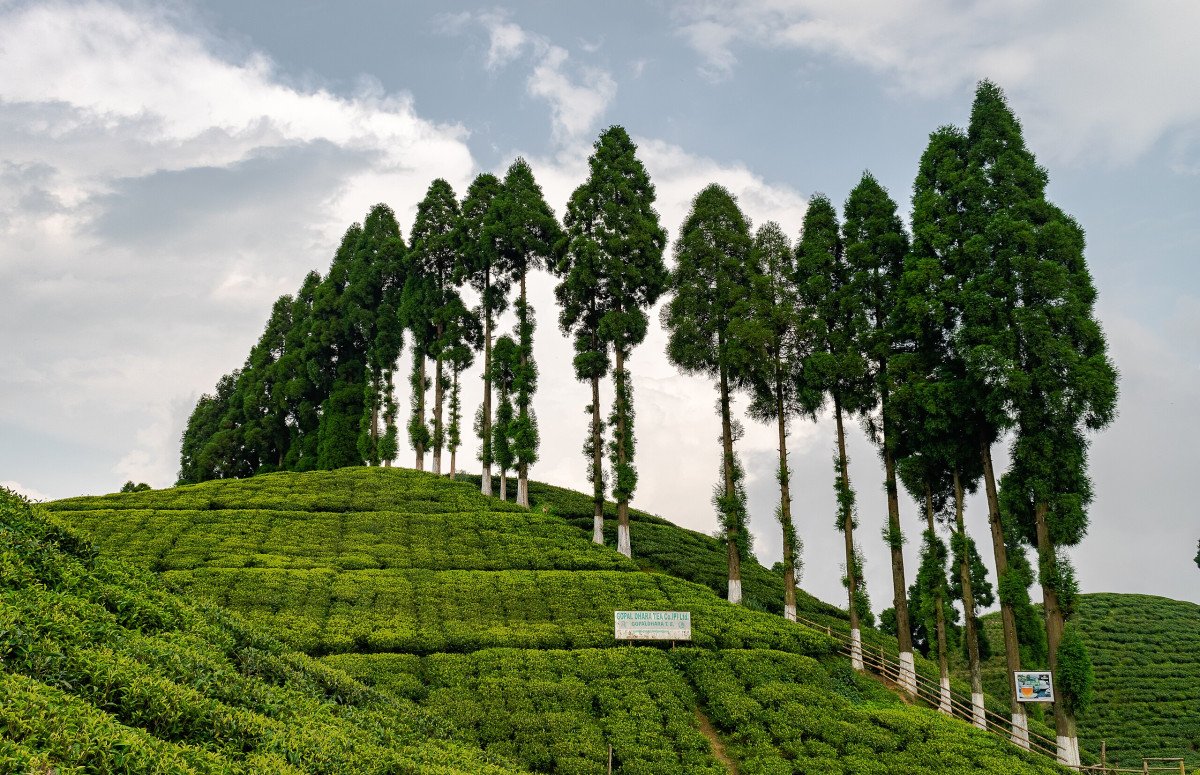
The Roadside Viewpoint at Gopaldhara Tea Estate: The most iconic photo spot is a designated, or simply prominent, roadside curve that offers a sweeping, panoramic view of the entire valley carpeted in tea bushes. The best angle is usually one that captures the terracing ef...The Roadside Viewpoint at Gopaldhara Tea Estate: The most iconic photo spot is a designated, or simply prominent, roadside curve that offers a sweeping, panoramic view of the entire valley carpeted in tea bushes. The best angle is usually one that captures the terracing effect in its full glory, showing the precision of the planting. The ideal time is during the early morning (7:00 AM to 9:00 AM) when the light is soft, or late afternoon, to capture the long shadows. A wide-angle lens is best for encompassing the vastness of the green slopes.
The Foreground Tea Bush and Misty Background: For a closer, more intimate shot, focusing on the vibrant green of the tea bushes in the immediate foreground, with the distant hills shrouded in the famous Mirik mist, creates a striking contrast. Using a shallow depth of field to keep the foreground sharp and the background softly blurred gives a sense of depth and focus to the rich texture of the leaves. This shot is particularly effective shortly after a rainfall or in the misty mornings of September.
The Candid Shot of the Tea Pluckers: Capturing the cultural essence of the gardens is best achieved through a respectful, candid photo of the tea pluckers at work. The colourful attire of the predominantly female workforce, contrasted with the endless green of the bushes, creates a powerful human element. The best lighting is often the dappled sunlight under the occasional shade trees. Always seek permission or maintain a respectful distance before taking these photos. The 'golden hour' right after sunrise or before sunset is also perfect for soft, warm light on their faces.
The Tea Factory Entrance and Colonial Bungalows: The architecture of the old tea factory buildings or the manager's bungalows offers a completely different photographic themeone of heritage and history. Capturing the faded colonial charm of these structures, often set amidst manicured flower gardens, provides a strong sense of place and time. Focusing on architectural details like the gabled roofs, old signage, or the wooden verandas, particularly with a bit of mist, can create a moody, evocative image.Photo Gallery
Things To Do
-
Guided Tea Estate Walk and Photography: The primary activity is a leisurely, guided walk through the undulating tea bushes. Engaging a local guide or a factory representative is essential, not just for navigation but for gaining knowledge. Topics covered on the walk include the differences between the various tea clones, the technique of plucking (the 'two leaves and a bud' method), and the history of the specific estate. Photography is a major draw, with the seemingly endless green rows offering perfect composition for landscape shots, and the tea pluckers, often dressed in vibrant colors, providing excellent candid and cultural photo opportunities. Visitors are encouraged to walk slowly, breathe the clean, fragrant air, and absorb the sheer scale of the landscape. This walk typically takes 1 to 2 hours.
Tea Tasting and Tea ...Guided Tea Estate Walk and Photography: The primary activity is a leisurely, guided walk through the undulating tea bushes. Engaging a local guide or a factory representative is essential, not just for navigation but for gaining knowledge. Topics covered on the walk include the differences between the various tea clones, the technique of plucking (the 'two leaves and a bud' method), and the history of the specific estate. Photography is a major draw, with the seemingly endless green rows offering perfect composition for landscape shots, and the tea pluckers, often dressed in vibrant colors, providing excellent candid and cultural photo opportunities. Visitors are encouraged to walk slowly, breathe the clean, fragrant air, and absorb the sheer scale of the landscape. This walk typically takes 1 to 2 hours.
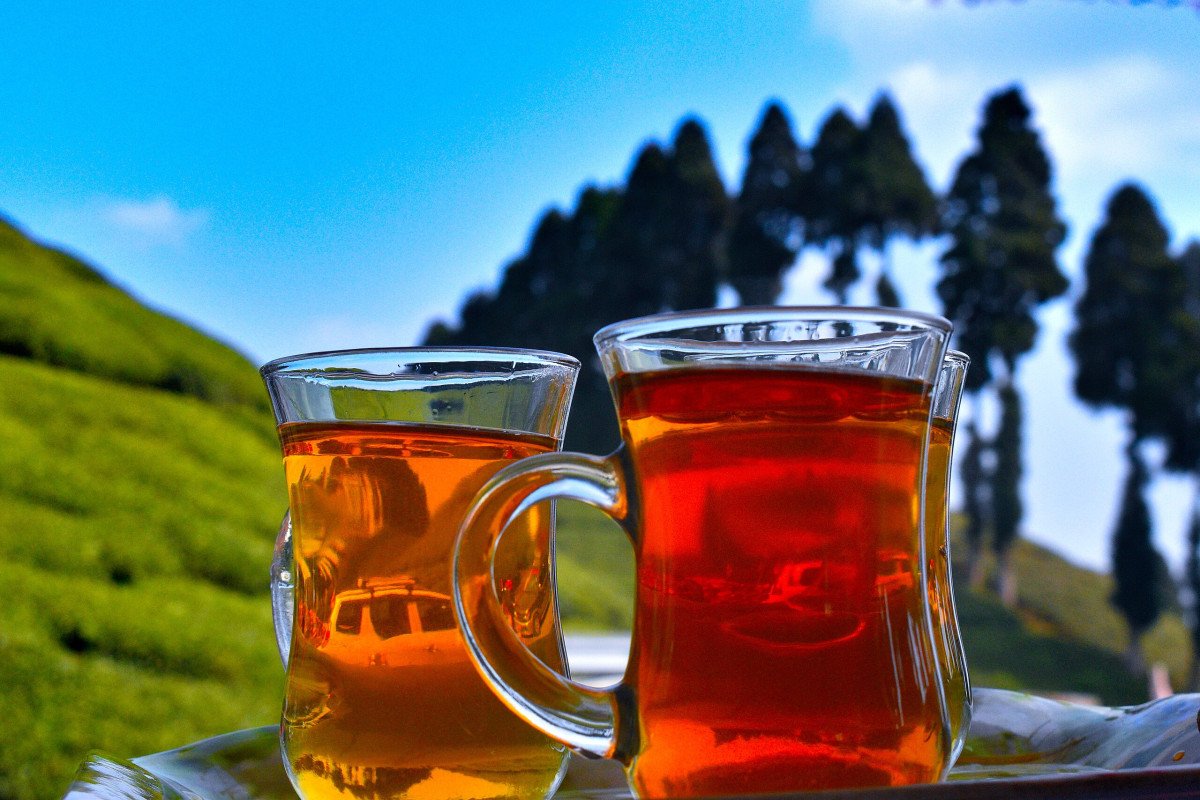
Tea Tasting and Tea Factory Tour: A must-do activity is visiting the factory (check in advance for permission and operation times, especially during off-season months like December to February). The factory tour is an educational experience where one can see the industrial process. Following the tour, a Tea Tasting Session is often offered. Here, one learns to appreciate the nuances of the different flushes (First, Second, Monsoon, and Autumn) and specialized teas (Oolong, Green, White). Learning to distinguish the 'muscatel' flavour of the Second Flush or the delicate aroma of the First Flush provides a deep appreciation for the product. Purchasing freshly packaged, direct-from-the-source tea is a highly recommended souvenir. The experience transforms a casual tea drinker into a connoisseur.
Village Immersion and Birdwatching: The villages and forested patches bordering the tea gardens are excellent for birdwatching and cultural immersion. The quiet trails that snake through the less-traveled parts of the estate offer a chance to spot local Himalayan birds. In the surrounding areas, like Soureni or Tabakoshi, visitors can explore the famous orange orchards (especially in season: October to December) and cardamom groves. Staying in a local homestay is another way to immerse oneself, learning local cooking, sharing stories, and observing the simple, unhurried pace of life. This slow travel approach focuses on authentic human connection over mere sightseeing.
Sunrise/Sunset Viewing: While dedicated viewpoints exist, the tea gardens themselves provide spectacular spots for watching the sunrise or sunset over the eastern and western horizons, respectively. The soft, golden light filtering through the tea bushes creates a magical effect, especially when combined with the morning mist or evening fog rolling in from the valley. Finding a high point on the estate road or a clearing can provide an intimate setting for this natural spectacle, away from the crowds of the main viewpoints.
Picnicking and Relaxing: The serene and manicured environment of the gardens makes them an ideal spot for a small, respectful picnic. Many estates have designated spots or small, grassy clearings along the access roads where one can simply sit, relax, and enjoy the pristine mountain air and the view. Carrying a flask of hot, freshly brewed tea and local snacks makes for a perfect, tranquil afternoon break, allowing visitors to fully decompress in the natural setting.
Hiking and Trekking Opportunities: The estate roads and bridle paths often connect to nearby villages or other points of interest. These serve as excellent, if sometimes steep, hiking trails. For instance, one can hike from a tea garden down to the Rangbhang River or up to one of the nearby viewpoints. These spontaneous treks offer good physical exercise, a closer look at the local flora and fauna, and an alternative perspective of the tea cultivation from the valley floor upwards.
Learning About Cardamom and Ginger Cultivation: In the shaded, damper parts of the tea
Hotels
● Avongrove Tea Boutique
Address: Mirik, West Bengal
Distance: 1.5 km
Details: A high-end heritage-style retreat within a tea estate. Guests enjoy privacy, panoramic views of the hills, premium breakfast, and specialized tea esta...
● Hotel Raj
Address: Mirik, West Bengal
Distance: 2.8 km
Details: A straightforward budget lodge providing essential services. Ideal for backpackers who need a clean place to sleep while exploring the nearby tea esta...
● MAYFAIR Tea Resort
Address: Siliguri/Mirik Region
Distance: 3.5 km
Details: A luxurious property offering massive rooms and an elegant atmosphere. Amenities include a swimming pool, spa, and guided garden tours. It is one of t...
● Orion Retreat
Address: Mirik, West Bengal
Distance: 2.6 km
Details: A value-for-money resort providing decent facilities including parking and comfortable rooms. A great middle-ground choice for travelers who want to b...
● Padma Riverside Homestay
Address: Tabakoshi, Mirik
Distance: 3.2 km
Details: A simple budget homestay near the riverside. It offers a quiet escape with basic amenities, fresh local food, and a chance to experience life near the...
● Sourenee Tea Estate
Address: Sourenee, Mirik
Distance: 2.0 km
Details: A luxury boutique resort nestled right in the middle of a sprawling tea garden. Offers premium suites, personalized trekking, tea tasting tours, and a...
● The Retreat
Address: Mirik, West Bengal
Distance: 2.2 km
Details: A luxury-leaning hotel offering high-end comfort with modern amenities. Includes premium lounge areas, exceptional room service, and stunning views of...
● Titung Orange Grove Homestay
Address: Mirik, West Bengal
Distance: 2.5 km
Details: A budget-friendly getaway located within an orange orchard. Perfect for nature lovers, this simple accommodation provides a unique rustic experience w...
● Tripoo Potala Palace
Address: Mirik, West Bengal
Distance: 2.4 km
Details: A mid-to-high range hotel offering quality accommodations and modern room features. The property is well-kept and provides a comfortable atmosphere wi...
● Vamoose Jharna Tabakoshi
Address: Tabakoshi, Mirik
Distance: 3.0 km
Details: A beautiful mid-range property near the river and tea gardens. Features a garden, comfortable rooms, and friendly service. Ideal for those wanting to ...
Show AllRestaurants
● Alavi Tea Stall
Address: Rishi Road, Gopal Dhara, Mirik - 734214
Distance: 1.54 km
Details: Known for its quintessential tea experience, Alavi Tea Stall is a cornerstone of the Gopal Dhara community. It serves as a bustling hub where traveler...
Food List: Ginger Tea, Samosas, Biscuits, Coffee, Namkeen...
● Didi Hotel And Restaurant
Address: Lakeside, Mirik, Thurbo, Mirik - 734214
Distance: 2.5 KM
Details: Didi Hotel And Restaurant captures the essence of traditional hill station dining with its simple yet flavorful menu. Located near the lakeside, it of...
Food List: Ningro Churpi Curry', 'Local Chicken Curry', 'Mixe...
● Divya Restaurant
Address: Pradhan Nagar, Thurbo, Mirik - 734214
Distance: 4.10 km
Details: The Divya Restaurant is a popular destination for families and large groups looking for a comprehensive dining experience. With a vast menu that spans...
Food List: Paneer Butter Masala, Naan, Chicken Biryani, Raita...
● Elegant Sip
Address: Near Golpahar View Point, Ookayati, Mirik - 734214
Distance: 1.73 km
Details: Located near the scenic Golpahar View Point, Elegant Sip provides a breathtaking dining experience with panoramic views of the surrounding hills. This...
Food List: Masala Tea, Sandwiches, Blueberry Muffin, Coffee, ...
● Fatty Fingers Restaurant
Address: Mirik - 734214
Distance: 2.0 KM
Details: Fatty Fingers Restaurant is a trendy spot that has gained popularity for its innovative take on classic fast food. The vibrant atmosphere and upbeat m...
Food List: Sya Phaley', 'Chicken Momos', 'French Fries', 'Bur...
Show AllInformation
-
Why Famous:
The World-Renowned Darjeeling Brand: The Mirik Tea Gardens are famous primarily because they are an integral part of the Darjeeling tea-producing region, which has achieved a near-mythical status globally. Darjeeling Tea is often called the "Champagne of Teas" du...
The World-Renowned Darjeeling Brand: The Mirik Tea Gardens are famous primarily because they are an integral part of the Darjeeling tea-producing region, which has achieved a near-mythical status globally. Darjeeling Tea is often called the "Champagne of Teas" due to its delicate, complex flavour profile, known as the 'muscatel' note. The fame stems from the unique high-altitude, misty growing conditions that slow down the growth of the tea leaves, concentrating their flavour compounds. Estates like Gopaldhara are celebrated for producing some of the highest-quality single-estate teas, including specialized varieties like White, Oolong, and hand-rolled teas, that fetch premium prices in international auctions. This association with an elite, protected geographical indication (GI Status) elevates the Mirik gardens beyond simple farms into places of agricultural and commercial prestige.
Panoramic Landscape and Scenic Beauty: Beyond commerce, the gardens are an unparalleled sight of natural beauty. The vista of thousands of acres of tea bushes cascading down impossibly steep slopes, punctuated by the shadows of surrounding forests and often shrouded in a picturesque mist, is the definitive Himalayan view. The tea gardens serve as a major scenic attraction and are extensively featured in travel photography. Their fame is also due to the excellent viewpoints, often located right next to the estates, that allow tourists to appreciate the grand scale of the cultivation. The aesthetic precision of the contour planting contrasts beautifully with the wild, rugged nature of the mountains, making them a famous destination for nature lovers and photographers alike. -
Architecture:
Landscape Architecture:
Terraced Cultivation and Contour Planting: The most prominent "architecture" of the tea garden is its landscape architecture, which involves the highly specialized technique of contour planting. The tea bushes (Camel...Landscape Architecture:
Terraced Cultivation and Contour Planting: The most prominent "architecture" of the tea garden is its landscape architecture, which involves the highly specialized technique of contour planting. The tea bushes (Camellia sinensis) are meticulously planted in continuous, parallel rows that follow the natural contours of the steep slopes. This precise arrangement is essential for multiple reasons: firstly, it minimizes soil erosion, which is a major concern in the heavy monsoon environment of the Himalayas; secondly, it facilitates irrigation and drainage, ensuring the roots are properly hydrated without being waterlogged; and thirdly, it creates the distinctive, mesmerizing terraced appearance that is visually synonymous with Darjeeling. The sheer scale of this human-engineered green tapestry, covering hundreds of hectares, speaks to an architectural marvel achieved with organic matter and sustained over centuries. The dimensions of the terraces themselves are irregular, dictated by the gradient of the hill, but the rows are typically spaced to allow pluckers and small machinery access. The tea bushes are maintained through periodic pruning at an average height of about 3 to 4 feet (approximately 1 to 1. 2 meters) to promote new growth for harvesting.
Industrial Architecture:
The Tea Factory and Bungalows: Within each large tea estate, the Tea Factory stands as the industrial and processing center. These are typically large, functional buildings, often constructed during the British colonial era, featuring practical, robust designs intended to handle heavy machinery and large volumes of leaf. Their architecture is generally utilitarian, often characterized by high ceilings, corrugated iron roofs, and large windows for ventilation, crucial for the withering and fermentation processes. Dimensions vary, but a medium-sized factory complex could easily span over 1,000 to 2,000 square meters. Contrastingly, the estate manager's Bungalows and older administrative offices showcase classic colonial architecture, featuring gabled roofs, sweeping verandas, fireplaces, and extensive use of timber, designed to withstand the cold and fog of the high hills. These structures often carry a heritage value and provide a glimpse into the socio-economic history of the tea industry. -
How To Reach:
By Air:
Bagdogra Airport (IXB): The nearest major airport is Bagdogra Airport (IXB), located in West Bengal. This airport is approximately 60 to 65 KMS from the Mirik town center. Bagdogra has excellent connectivity to major Indian cities ...By Air:
Bagdogra Airport (IXB): The nearest major airport is Bagdogra Airport (IXB), located in West Bengal. This airport is approximately 60 to 65 KMS from the Mirik town center. Bagdogra has excellent connectivity to major Indian cities such as Kolkata, Delhi, Mumbai, and Guwahati. Upon arrival at IXB, travelers can hire a pre-booked private taxi or a shared jeep/taxi to reach Mirik. The road journey from the airport to Mirik takes about 2 to 2. 5 hours and is a scenic drive, often passing through forests and tea plantations. Taxis are readily available outside the terminal.
By Train:
New Jalpaiguri (NJP) Railway Station: The nearest major railway hub is New Jalpaiguri (NJP), which is approximately 60 KMS away from Mirik. NJP is a critically important junction on the Indian railway network, with frequent services connecting it to almost all parts of the country, including major metropolitan areas. From NJP, a wide range of transport options is available: private taxis, shared taxis (Sumo/Bolero), or local buses to Mirik. The journey by road takes approximately 2. 5 to 3 hours and follows a similar route to the one from Bagdogra, winding up into the hills after crossing the plains of Siliguri.
By Road:
Scenic Mountain Highways: Mirik is exceptionally well-connected by road, which is often considered the best way to travel due to the scenic views. It is about 49 KMS from Darjeeling and about 52 KMS from Siliguri. Regular bus services and shared taxi services (like Sumo or Bolero) ply the routes from Darjeeling, Kurseong, and Siliguri. The main road from Siliguri to Mirik (via Pankhabari or Rohini) is in good condition. To reach the specific tea gardens, such as Gopaldhara, one needs to take a diversion from the main Mirik-Siliguri or Mirik-Darjeeling road. Private taxis are the most convenient option for a dedicated trip to a tea garden, as they can wait while visitors explore. The roads leading directly into the estates can sometimes be narrow and steep.
By Local Transport:
Taxis and Shared Jeeps: Within Mirik, the best way to reach the tea gardens is by hiring a private taxi from the main Mirik Bazaar area. Negotiating a fixed fare for a half-day or full-day sightseeing tour that includes the tea gardens and other viewpoints like Tingling and Rameetay Dara is the most practical choice. Shared Jeeps/Taxis are a budget-friendly option, but they typically operate on fixed routes between towns (e. g. , Mirik to Soureni Bazaar) and may not drop you directly inside the tea estate premises, requiring a walk. Local buses also run on the main roads but are infrequent and slow. -
Weather and Best Time to Visit:
Different Types of Seasons: The best time to visit the Mirik Tea Gardens is generally during the Post-Monsoon (Autumn) and Spring seasons.
Autumn (September to November): This is arguably the best time. The monsoon has retreated, leaving ...Different Types of Seasons: The best time to visit the Mirik Tea Gardens is generally during the Post-Monsoon (Autumn) and Spring seasons.
Autumn (September to November): This is arguably the best time. The monsoon has retreated, leaving behind intensely vibrant green foliage. The weather is cool and pleasant, and the skies are often crystal clear, offering the best chance for distant Himalayan views. The harvest is also in full swing for the valuable Autumnal Flush.
Spring (March to May): This is the season for the delicate First Flush tea. The weather is mild, and the entire region feels refreshed. This is an exciting time to visit the factory, but there can be occasional showers towards May.
Winter (December to February): The weather is cold, especially in the mornings, but the skies are usually very clear. Tea production is slow or halted due to the dormant period, so the factory is less active, but the views are superb.
Monsoon (June to August): Travel is not recommended due to heavy rainfall, fog, and the risk of landslides. The tea bushes are lush, but visibility for sightseeing is poor, and factory visits are challenging due to the heavy downpours.
Different Parts of the Day: The Ideal Time of Day is the early morning (7:00 AM to 10:00 AM). The light is softer, the atmosphere is tranquil, and the tea pluckers are often beginning their work. The low-lying morning mist often creates dramatic photographic opportunities over the rolling hills. The late afternoon (3:00 PM to 5:00 PM) is also excellent as the setting sun casts long, beautiful shadows over the terraced slopes, highlighting their contours and providing a sense of depth and dimension to the landscape. -
Near Tourist Places:
S. No. Other Place Name Distance (in KMS) from Mirik City Center Category 1 Sumendu Lake (Mirik Lake) 1. 5 KMS Lake, Relaxation 2 Bokar Monastery 5 KMS Spiritual, Architecture 3 Tingling Viewpoint 9 KMS Viewpoint, Nature 4 Rameetay Dara Viewpoint 5 KMS Viewpoint, Nature 5 Soureni Orange Orchards 6 KMS Agriculture, Nature 6 Pashupati Market (Nepal Border) 14 KMS Shopping, Border Experience 7 Simana View Point 20 KMS Viewpoint, Indo-Nepal Border 8 Jorpokhri 20 KMS Lake, Nature 9 Tabakoshi Village 15 KMS Offbeat, Riverside 10 Kurseong Town 35 KMS Hill Station, Heritage
Tourism Tips
-
Health & Safety: The tea gardens are generally safe, but basic precautions are necessary.
Terrain: Wear comfortable, sturdy walking shoes, as the slopes can be steep, and paths can be uneven or slippery, especially after rain.Health & Safety: The tea gardens are generally safe, but basic precautions are necessary.
Terrain: Wear comfortable, sturdy walking shoes, as the slopes can be steep, and paths can be uneven or slippery, especially after rain.
Insects: Carry basic insect repellent, particularly if venturing into the denser, forested areas bordering the gardens.
Hydration: Carry a water bottle, as the mountain air can be dehydrating. While the weather is cool, walking uphill requires energy.
Factory Safety: If you visit a factory, adhere strictly to the guides instructions, as industrial machinery poses safety risks. Do not touch equipment.
Packing:
Clothing: Pack layers, as the weather can change rapidly from warm sun to sudden chilly mist. A light jacket or sweater is necessary even in the summer months.
Essentials: A good camera with a wide-angle lens, sunglasses, a hat, and sunscreen (the high altitude makes UV rays strong). Binoculars are great for birdwatching and distant viewing.
Footwear: Sturdy trainers or walking boots are highly recommended over sandals or flip-flops.
Accommodation:
In-Garden Stays: Consider booking a homestay in a nearby village like Tabakoshi or Soureni, which are often nestled right inside the larger tea estates. This provides an authentic, quiet, and deeply immersive experience.
Mirik Town Base: For more amenities, stay in the main Mirik town near Sumendu Lake. From there, the tea gardens are a short drive away. Hotels and guesthouses are available to suit various budgets. Booking during peak season (October to November) is essential.
Other Different Topics:
Respect and Etiquette:
Respect Workers: The tea gardens are the workplace and home of many people. Always ask for permission before taking close-up photos of workers, and treat them with respect. Do not disturb their work.
Do Not Litter: Maintain the pristine environment by carrying all trash with you. The tea gardens are working ecosystems, and littering is strictly prohibited.
Stay on Paths: Do not venture off established paths or roads into the deep tea bushes, as this can damage the plants or lead to getting lost.
Reviews
FAQs
Ans:- Gopaldhara Tea Estate is globally renowned for its high-altitude tea cultivation and premium quality Darjeeling tea production. Located in the picturesque hills of Mirik, it is one of the highest tea gardens in the world, which gives its tea a unique, delicate flavor profile often described as floral and musky. Visitors are attracted by the estate’s stunning panoramic views of the Himalayas and the lush, sprawling green tea bushes. It serves as a prime destination for tea lovers to witness the tea manufacturing process and experience the serenity of Himalayan nature.Ans:- Yes, tourists can participate in guided tea tasting sessions at Gopaldhara Tea Estate. These sessions are a highlight of the visit, offering guests the chance to sample some of the finest varieties of Darjeeling tea, including the rare first and second flushes. Knowledgeable staff explain the nuances of the tea, such as aroma, color, and taste, while providing insights into what makes high-altitude tea special. It is an educational and sensory experience that allows visitors to appreciate the craftsmanship and hard work involved in producing world-class tea from this historic estate in the hills.Ans:- Yes, guided tours are available, allowing visitors to see the intricate process of tea manufacturing, from the plucking of fresh leaves to the final drying and packing stages. The tour guides provide comprehensive information about the different methods used, such as withering, rolling, and oxidation, which define the final quality of the tea. Seeing the machinery and the dedication of the workers provides a deep appreciation for the effort that goes into each cup of tea. It is recommended to check with the estate office or your guide to confirm tour timings in advance.Ans:- The best season to visit Gopaldhara Tea Estate is during the plucking season, which typically spans from March to November. Each flush offers a unique experience; for example, the spring season (March-April) is perfect to see the tea bushes fresh after winter, while the second flush (May-June) offers the opportunity to taste the famous muscatel flavor. The weather during these months is generally pleasant, making it ideal for walking through the gardens and enjoying the scenic beauty. Autumn also offers clear skies and excellent views of the majestic Himalayan mountain range.Ans:- Absolutely, one of the most popular activities for visitors is purchasing authentic tea directly from the estate. Gopaldhara has a dedicated tea boutique or shop on the premises where tourists can buy a wide range of products, including premium black, green, white, and oolong teas. Buying directly ensures that you are getting fresh, genuine Darjeeling tea. The staff is usually very helpful in guiding you through the selection process based on your taste preferences, making it an excellent place to pick up souvenirs or gifts for tea enthusiasts back home.Ans:- Gopaldhara Tea Estate is conveniently located along the route toward Darjeeling and is easily accessible from Mirik town. The most common way to reach the estate is by hiring a local taxi or a private cab, which offers a flexible and comfortable journey through the scenic mountain roads. The drive takes about 30 to 45 minutes depending on traffic and road conditions. The journey itself is visually rewarding, as you pass through verdant hills and dense forests, providing a perfect introduction to the beautiful tea garden landscape of the Mirik region.Ans:- Yes, photography and videography are generally allowed and even encouraged at Gopaldhara Tea Estate. The stunning backdrop of the rolling hills, the lush green tea bushes, and the mist-covered mountains provide excellent opportunities for nature photography. Visitors love to capture memories of themselves amidst the tea garden. However, it is advisable to be mindful of the workers and avoid obstructing any ongoing tea plucking or processing work. Always check if there are any specific restrictions within the factory units, as safety and hygiene standards might limit the use of cameras in those specific areas.Ans:- Gopaldhara Tea Estate is recognized as one of the highest tea plantations in the world, with its cultivation areas reaching altitudes ranging from 3,500 to 7,000 feet above sea level. This high elevation is a crucial factor in the tea's unique characteristics, as the cooler temperatures and mountain mist influence the growth of the tea leaves, resulting in a flavor profile that is distinctive and highly sought after by connoisseurs worldwide. This extreme altitude contributes to the slow growth of the plants, which in turn helps in developing a more complex and refined flavor in the cup.Ans:- Accommodation options can vary at Gopaldhara Tea Estate, so it is recommended to check their official website or contact them directly for the most current information regarding stay options. Some tea estates offer luxury bungalows or homestays for visitors who wish to experience the life of a tea planter for a few days. Staying on-site allows for an immersive experience, waking up to the fresh mountain air and the view of the tea gardens. If on-site accommodation is unavailable, Mirik town offers several hotels and resorts within a short distance of the estate.Ans:- A visit to Gopaldhara Tea Estate usually takes about 2 to 4 hours. This duration allows enough time for a guided tour of the factory, a stroll through the tea garden, and a relaxing tea tasting session at the boutique. Many visitors also enjoy taking time to appreciate the mountain views and capturing photos. If you plan to spend more time exploring the surrounding paths or having a meal, you might want to allocate a half-day. It is a flexible destination that can be adjusted based on your personal interest and the time you have available.Ans:- Yes, Gopaldhara Tea Estate is very family-friendly. Children often enjoy seeing the vast greenery and learning about how tea is produced. The estate provides a calm and natural environment, away from the hustle and bustle of urban life, which is refreshing for visitors of all ages. However, parents should keep an eye on children, especially when walking through the uneven terrain of the tea gardens, to ensure their safety. It is a great educational trip where children can learn about agriculture and nature in a beautiful, real-world setting.Ans:- While the primary focus of Gopaldhara Tea Estate is tea production, they often have small cafes or tea lounges where visitors can enjoy a cup of fresh tea and light snacks. These spots offer a relaxing environment to sit and enjoy the surrounding view. For more substantial meals, visitors might need to look for restaurants in nearby Mirik town or along the highway route. It is always a good idea to carry some water and light refreshments with you, as well as to confirm the current availability of dining services when you plan your visit.Ans:- When visiting Gopaldhara Tea Estate, it is recommended to wear comfortable clothing and sturdy walking shoes, as you will likely be walking on slopes and uneven paths within the tea garden. Given the hilly terrain and the unpredictable mountain weather, layering is a great strategy; bring a light jacket or sweater even during warmer months, as temperatures can drop quickly, especially in the mornings or evenings. Sunscreen, a hat, and sunglasses are also advisable to protect yourself from the strong mountain sun, ensuring you stay comfortable throughout your tour of the lush estate.Ans:- While guests are encouraged to enjoy the beauty of the gardens, it is generally recommended to stick to designated paths and follow the guidance of the staff. Tea gardens can be large and have complex layouts; straying off the main trails might not only be unsafe but could also damage the delicate tea bushes. Guided tours are the best way to explore the garden, as they provide context and ensure you do not get lost. Always check with the estate management about which areas are open to the public for independent walking to ensure a safe visit.Ans:- Yes, it is possible to visit Gopaldhara Tea Estate during winter, although the tea production is generally slower or dormant during this time compared to the spring and summer months. The winter season offers a clear, crisp atmosphere and some of the best panoramic views of the snow-capped Kanchenjunga range, which is a major draw for photographers and nature lovers. While you might not witness the full-scale harvesting and processing activities, the serenity and the quiet beauty of the estate make it a unique and peaceful experience for those visiting Mirik in winter.Gopaldhara Tea Estate Tourism:-
Information about New and Updated Locations() of West Bengal Has Been Added :-
Card subtitle
Note:-
Information provided here in good Faith and for reference only.
All information and pictures will be updated soon, please keep visiting.
Near Places

All India Radio Station Hill
Some quick example text to build on the card title and make up the bulk of the card's content.
Go somewhere
Bokar Institute Library
Some quick example text to build on the card title and make up the bulk of the card's content.
Go somewhere
Bokar Ngedon Chokhor Ling Monastery
Some quick example text to build on the card title and make up the bulk of the card's content.
Go somewhere
Bunkulung
Some quick example text to build on the card title and make up the bulk of the card's content.
Go somewhere
Deosi Dara
Some quick example text to build on the card title and make up the bulk of the card's content.
Go somewhere
Devi Stan Mandir
Some quick example text to build on the card title and make up the bulk of the card's content.
Go somewhere
Gopaldhara Tea Estate
Some quick example text to build on the card title and make up the bulk of the card's content.
Go somewhere
Indreni Pull
Some quick example text to build on the card title and make up the bulk of the card's content.
Go somewhere
Manju Picnic Spot
Some quick example text to build on the card title and make up the bulk of the card's content.
Go somewhere
Mirik Bazaar
Some quick example text to build on the card title and make up the bulk of the card's content.
Go somewherein Other Cities