Ekvira Devi Temple
General information
-
Ideal Duration:
2 to 3 hours: (This includes 1 hour for the ascent and descent of the 500 steps, and 1 to 2 hours for darshan and exploring the temple complex and the adjacent Karla Caves).Place Type:
Ancient Temple, Pilgrimage Site, Historical/ArchaeEntry Fees:
Ekvira Devi Temple Entry: There is no entry fee to enter the Ekvira Devi Temple complex for darshan. It is a place of public worship open to all.
Karla Caves Entry Fee: Crucially, the adjacent Karla Caves are a protected archaeological site...Ekvira Devi Temple Entry: There is no entry fee to enter the Ekvira Devi Temple complex for darshan. It is a place of public worship open to all.
Karla Caves Entry Fee: Crucially, the adjacent Karla Caves are a protected archaeological site managed by the Archaeological Survey of India (ASI). There is a separate entry fee to access the caves. This fee is typically nominal, around Rs.25 per person for Indian nationals and slightly higher for foreign tourists. This fee is payable at the cave entrance counter.
Parking and Local Fees: A small fee for vehicle parking is typically charged at the base of the hill near the start of the steps. This is usually managed by local vendors or a trust and ranges from Rs.30 to Rs.70. There may also be a very small, variable local charge for the maintenance of the path.
Photography Fees: There is no charge for personal photography, but commercial or professional photography equipment may be charged a fee at the Karla Caves entrance.
Entry Fee Summary: While the temple is free, expect to pay a parking fee and the fee for the adjacent Karla Caves if you plan to visit them.Timing:
Regular Timings (Temple Hours): The temple is generally open from 5:00 am to 12:00 pm (midday) and again from 4:00 pm to 9:00 pm. The afternoon break is for bhog and rest. The Maha Aarti timings are typically at 5:00 am (Morning) and 7:00 pm (Evening).
Read MoreRegular Timings (Temple Hours): The temple is generally open from 5:00 am to 12:00 pm (midday) and again from 4:00 pm to 9:00 pm. The afternoon break is for bhog and rest. The Maha Aarti timings are typically at 5:00 am (Morning) and 7:00 pm (Evening).
Karla Caves Timings: The adjacent Karla Caves have different timings, usually from 9:00 am to 5:00 pm (with no afternoon break). This means the temple is accessible before the caves open and after they close.
Ideal Visit Time (Auspicious and Cool): The best time for the climb is the early morning (5:00 am to 7:00 am) to beat the heat, catch the morning Aarti, and complete the ascent and descent before the sun is directly overhead. The late afternoon (4:00 pm to 6:00 pm) is also ideal, offering cooler temperatures for the climb and the evening Aarti (7:00 pm). Avoid the mid-day hours (10:00 am to 4:00 pm) for the climb, especially in summer.Special Events:
Chaitra Purnima Yatra (The Grand Festival): The most important and special event is the annual yatra (pilgrimage/fair) during Chaitra Purnima (the full moon day in the Hindu month of Chaitra, usually in March or April). This day is the Goddess's main festival, drawing hundr...Chaitra Purnima Yatra (The Grand Festival): The most important and special event is the annual yatra (pilgrimage/fair) during Chaitra Purnima (the full moon day in the Hindu month of Chaitra, usually in March or April). This day is the Goddess's main festival, drawing hundreds of thousands of Koli and Aagri devotees from all over Maharashtra. The hill is completely transformed into a vibrant fairground, with people climbing the steps in masses, performing special rituals, and celebrating their Kuladevi. The atmosphere is charged with devotional energy.
Hindu New Year Celebrations (Gudi Padwa): The temple celebrates Gudi Padwa (the Hindu New Year in Maharashtra) with special pujas and ceremonies, marking the auspicious start of the new year with offerings to the Goddess, which is a significant local event.
Tuesday Pilgrimages: While not an annual festival, every Tuesday is considered a highly auspicious day for Ekvira Devi, and the number of devotees visiting the temple increases significantly on this day, giving the atmosphere a special, elevated devotional energy.Best Photo Spots:
The Ascent and the 500 Steps: Photographing the long flight of 500 rock-cut steps is a must. Capture the sheer scale of the climb and the small figures of devotees making their way up to symbolize the spiritual journey. This is best taken from a halfway point or from the b...The Ascent and the 500 Steps: Photographing the long flight of 500 rock-cut steps is a must. Capture the sheer scale of the climb and the small figures of devotees making their way up to symbolize the spiritual journey. This is best taken from a halfway point or from the base looking up.
The Temple with the Karla Caves Arch: The unique photo opportunity is to capture the Hindu temple structure framed by or next to the magnificent horseshoe arch of the ancient Buddhist Chaitya Hall of the Karla Caves. This juxtaposed shot perfectly encapsulates the history and religious blending of the site.
The Panoramic Valley View: The viewing points near the temple complex offer stunning, wide-angle shots of the entire Indrayani Valley and the winding road below. This is an ideal spot for capturing the sunrise or the mist-filled valley during the monsoon. Use the stone walls or a decorative element of the temple as a frame for the landscape.
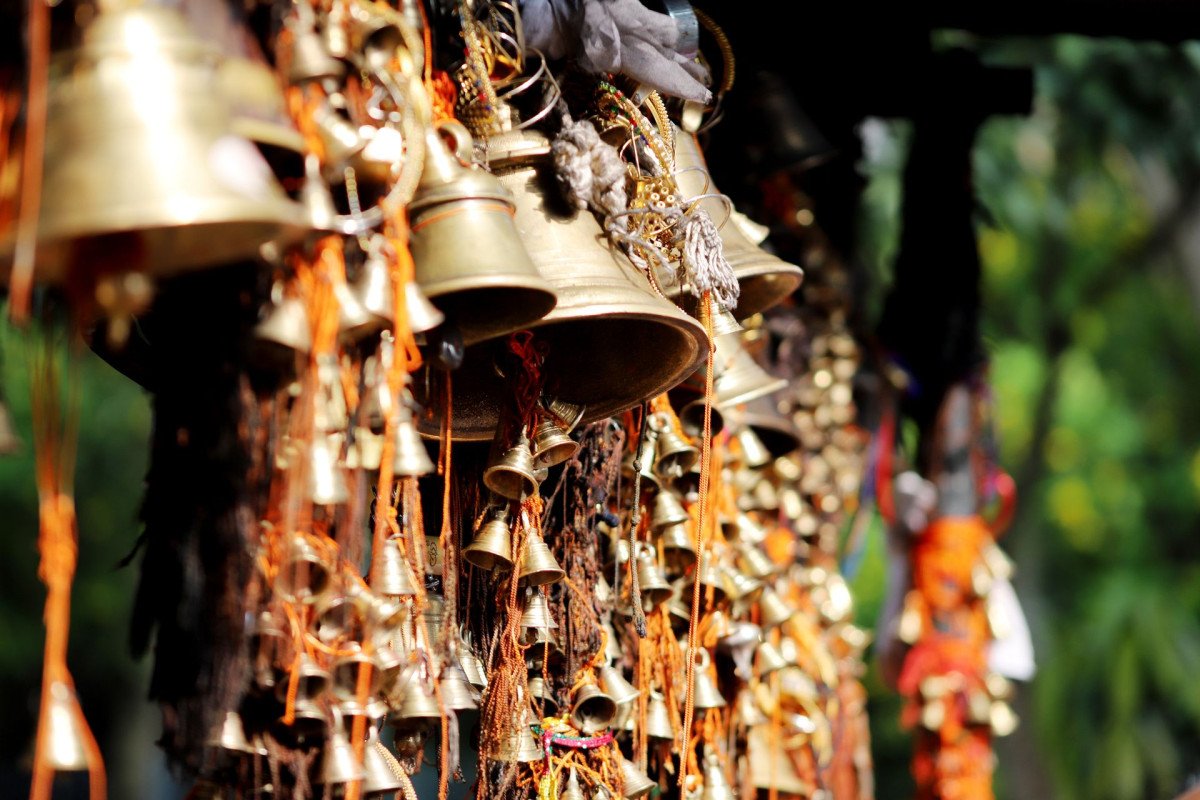
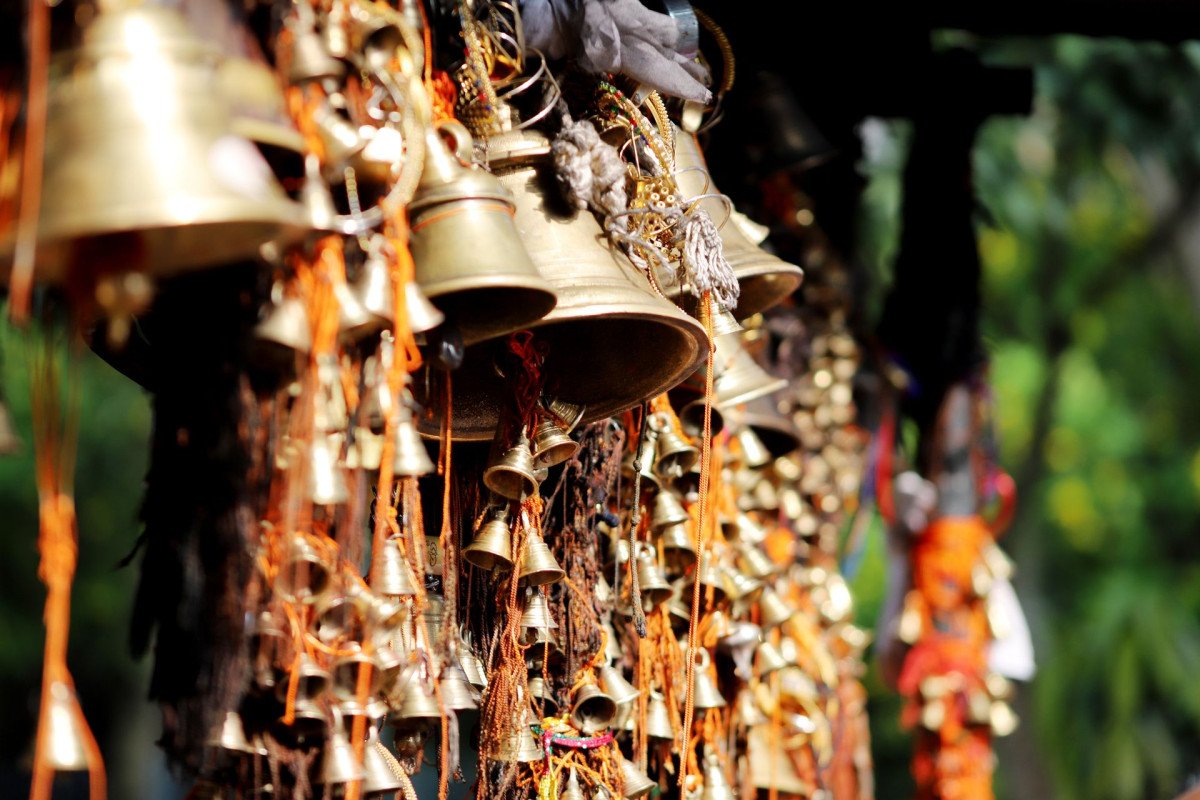
The Temple Bell and Gopura: Close-up shots of the temple bell or the small entrance gopura with its traditional ornamentation provide excellent detail and texture shots, especially with the backdrop of devotees or the sky. The juxtaposition of the weathered stone and the vibrant religious flags is very photogenic.Photo Gallery
Things To Do
-
1. Ascending the 500 Steps and Seeking Darshan (The Pilgrimage): The primary activity is the physically and spiritually rewarding ascent of the 500 rock-cut steps. This climb is considered an act of devotion. Once at the top, the main activity is to seek darshan (viewing and worship) of Goddess Ekvira and JogeRs.varRs. Devi in the central shrine. 2. Exploring the Adjacent Karla Caves (Historical Dive): No visit to the Ekvira Devi Temple is complete without exploring the adjoining Karla Caves. This is a protected archaeological site with the largest rock-cut Buddhist Chaitya (prayer hall) in India, dating back to the 2nd century BCE. Spend time admiring the intricate carvings, pillars, and the massive horseshoe arch, which is a major historical and architectural spectacle. 3.
Attending the Maha Aarti (Spiritual Immersion): Try to plan your visit aroun...1. Ascending the 500 Steps and Seeking Darshan (The Pilgrimage): The primary activity is the physically and spiritually rewarding ascent of the 500 rock-cut steps. This climb is considered an act of devotion. Once at the top, the main activity is to seek darshan (viewing and worship) of Goddess Ekvira and JogeRs.varRs. Devi in the central shrine. 2. Exploring the Adjacent Karla Caves (Historical Dive): No visit to the Ekvira Devi Temple is complete without exploring the adjoining Karla Caves. This is a protected archaeological site with the largest rock-cut Buddhist Chaitya (prayer hall) in India, dating back to the 2nd century BCE. Spend time admiring the intricate carvings, pillars, and the massive horseshoe arch, which is a major historical and architectural spectacle. 3.
Attending the Maha Aarti (Spiritual Immersion): Try to plan your visit around the Maha Aarti (grand prayer) timings, usually around 5:00 am (Morning) and 7:00 pm (Evening). Participating in the Aarti ritual is an intense spiritual experience, often accompanied by traditional drumming and chanting, creating a vibrant, devotional atmosphere. 4.
Valley View Photography (Capturing the Vista): The temple's hilltop location offers sweeping views of the Indrayani Valley and the plain below, especially towards the Old Mumbai-Pune Highway. Find a spot on the edge of the complex to take panoramic landscape photos, capturing the surrounding hills and the road that winds through the valley. 5. Observing Devotional Offerings and Rituals (Cultural Insight): During certain days, especially on Tuesdays and the Chaitra Purnima festival, you can observe the unique rituals and traditional devotional acts performed by the Koli and Aagri communities. This provides a deep and fascinating insight into the local cultural and religious practices associated with the Goddess. 6. Picnicking and Relaxing at the Base (Post-Trek Break): After the strenuous climb and descent, the area at the base of the hill near the parking lot offers several small eateries and open spaces. It is a perfect spot to enjoy local snacks, Lonavala chikki, and simple refreshments as a reward for the climb. 7.
Exploring the Smaller Shrines (Complete Worship): Don't just focus on the main shrine. The complex features sixteen smaller shrines dedicated to various Parivar Devatas. Exploring these minor shrines allows for a more complete religious journey and appreciation of the complex's design. 8. Buying Souvenirs and Offerings (Supporting Local Economy): Stalls near the base and on the way up sell flowers, coconuts, bangles, and other devotional items. Buying these for offerings or as souvenirs helps support the local economy and adds to the pilgrimage experience.
Information
-
Why Famous:
The Deity of the Koli Community: The temple is extremely famous as the Kuladevi (family deity) of the powerful Aagri and Koli communities, especially those residing along the Konkan coast. This connection draws a massive number of pilgrims from these communities, particular...The Deity of the Koli Community: The temple is extremely famous as the Kuladevi (family deity) of the powerful Aagri and Koli communities, especially those residing along the Konkan coast. This connection draws a massive number of pilgrims from these communities, particularly during their major festivals, making it a focal point of their cultural identity.
Location Adjacent to Karla Caves: Its unique location, immediately adjacent to the magnificent, ancient Buddhist Karla Caves (a protected archaeological site), makes it famous. Tourists visiting the caves naturally visit the temple, and pilgrims visiting the temple often explore the caves, ensuring a continuous stream of visitors and highlighting the region's diverse history.
Legend of the Pandavas: The captivating local legend that the temple was constructed overnight by the five Pandava brothers of the Mahabharata during their exile adds a mystical, mythological layer to its fame, attracting people who are interested in Hindu epic stories and ancient lore.
The Challenge of the 500 Steps: For many devotees, the challenging ascent of the 500 rock-cut steps is a sign of faith and penance, making the journey a deeply meaningful experience. The climb itself is part of the temple's identity and fame. -
Architecture:
Rock-Cut and Constructed Hybrid: The temple's architecture is unique because it sits on the notch of the same hill that houses the ancient Buddhist Karla Caves. The main temple structure is built from stone but is positioned right next to the massive, rock-cut facade of the...Rock-Cut and Constructed Hybrid: The temple's architecture is unique because it sits on the notch of the same hill that houses the ancient Buddhist Karla Caves. The main temple structure is built from stone but is positioned right next to the massive, rock-cut facade of the Buddhist Chaitya (prayer hall), reflecting a historical blending of two faiths.
Structure and Features (Dimensions and Scale): The temple complex originally consisted of three shrines facing west, of which only the central and southern shrines are well-preserved today. The central shrine houses the idol of Ekvira Devi along with a statue of JogeRs.varRs. Devi. The front of the main shrine is marked by two large structures: the Maha-mandapa (great hall) and the Varsha-mandapa (rain hall), which provide shelter and space for gatherings. The entrance is a small gopura (gateway). The most defining architectural feature is the approximately 500 rock-cut steps that ascend from the base of the hill to the temple level. These steps are a feat of ancient construction, providing access to both the temple and the adjacent Karla Caves. The temple itself is modest in size but features intricate carvings on its pillars and walls, a blend of ancient and later renovations.
Dimension Note: The major vertical dimension is the climb of 500 steps to the temple complex, which is situated at a considerable height above the plain, offering a commanding view of the valley. -
How To Reach:
By Air (Connect via Road/Rail): The nearest major airport is Pune International Airport (PNQ), approximately 62 km away. The second closest is Mumbai International Airport (BOM), about 97 km away. From the airport, you must travel to Lonavala (by taxi or train) and then co...By Air (Connect via Road/Rail): The nearest major airport is Pune International Airport (PNQ), approximately 62 km away. The second closest is Mumbai International Airport (BOM), about 97 km away. From the airport, you must travel to Lonavala (by taxi or train) and then continue to the temple by road.
By Train (Closer Station): The nearest railway station is Malavli Railway Station, which is on the local Pune-Lonavala route. From Malavli, the temple is only about 5 km away. The most common approach is to take a train to the larger junction of Lonavala Railway Station (LNL) (about 8 km away), which is well-connected by express and local trains from Mumbai and Pune.
By Road (Old Highway Route): The temple is easily accessible and well-marked on the Old Mumbai-Pune Highway (NH-48). It is located at the Karla Phata turn-off. From Lonavala, drive about 8-10 km towards Pune on the old highway, and the turn-off is on the left. Self-driving or hiring a cab is the most direct way to reach the base of the hill.
By Local Transport (The Final Mile): From Lonavala, frequent State Transport buses (ST buses) or shared jeep-taxis are available from the main bus stand and railway station that go towards Karla or Malavli. Ask the driver to drop you at the Karla Phata or Ekvira Devi Temple base. Auto-rickshaws can also be hired but are more expensive than shared jeeps. The final ascent of the 500 steps must be done on foot. -
Weather and Best Time to Visit:
Monsoon Season (July to September): A beautiful time to visit. The surrounding hills are covered in thick fog and vibrant greenery, and the views of the valley are dramatic. However, the 500 steps can become extremely slippery, requiring caution.
Read MoreMonsoon Season (July to September): A beautiful time to visit. The surrounding hills are covered in thick fog and vibrant greenery, and the views of the valley are dramatic. However, the 500 steps can become extremely slippery, requiring caution.
Winter Season (November to February): This is the most practical time. The weather is cool and dry, making the strenuous climb of the 500 steps much easier and more enjoyable. The skies are also generally clear, offering the best views.
Summer Season (March to May): The high temperature makes the climb very challenging, especially during mid-day. An early morning or late evening visit is mandatory during this season.
Different Parts of the Day: Early Morning (5:00 am - 7:
00 am): The best time for the climb. It is cool, and you can attend the morning Maha Aarti. Late Afternoon/Evening (4:00 pm - 7:
00 pm): The temperature is pleasant, and you can catch the sunset and the evening Maha Aarti.Near Tourist Places:
1. Karla Caves (Adjacent) - Ancient Buddhist rock-cut caves. 2. Malavli Railway Station (5 km) - The nearest local railway stop. 3. Lonavala Town Center (8 km) - Shopping for chikki and major facilities. 4. Bhaja Caves (12 km) - Another set of ancient Buddhist rock-cut caves. 5. Lohagad Fort (16 km) - Famous twin hill fort of Visapur. 6. Visapur Fort (17 km) - Historic trek and waterfall destination in monsoon. 7. Della Adventure Park (18 km) - Major adventure sports park. 8. Bushy Dam (15 km) - Monsoon destination. 9. Wax Museum (7 km) - Sunil's Celebrity Wax Museum. 10. Lonavala Lake (9 km) - Scenic lake for boating.Tourism Tips
-
Health & Safety (The Climb): The 500 steps are the main challenge. Wear shoes with excellent grip; never attempt the climb in flip-flops. Carry a water bottle for the climb. Pace yourself and take breaks, especially if traveling with seniors or children. There are vendo...Health & Safety (The Climb): The 500 steps are the main challenge. Wear shoes with excellent grip; never attempt the climb in flip-flops. Carry a water bottle for the climb. Pace yourself and take breaks, especially if traveling with seniors or children. There are vendors selling water and snacks along the path.
Packing (Simple Essentials): Carry a camera for the stunning views and historical sites. A light bag is essential, as carrying heavy loads up the steps is difficult. Carry small change for offerings and the Karla Caves entry fee.
Accommodation (Proximity to Town): Accommodation is available nearby in Karla, but for better resort and hotel options, it is recommended to stay in Lonavala town, which is only a short drive away. Other Different Topics (Respect and Combined Trip): Dress modestly for the temple. Be mindful of the Karla Caves as an ASI protected site; do not touch or deface the carvings. The Karla Caves and the Ekvira Devi Temple are right next to each other, so plan to visit them together to save time. Be prepared for very large crowds on Tuesdays and during the Chaitra Purnima festival. Bargain with local taxi/auto-rickshaw drivers.
Reviews
FAQs
Lonavala Itineray And Cost:-
Ekvira Devi Temple Tourism:-
Information about New and Updated Locations() of Maharashtra Has Been Added :-
Card subtitle
Note:-
Information provided here in good Faith and for reference only.
All information and pictures will be updated soon, please keep visiting.
Near Places
Aamby Valley City
Some quick example text to build on the card title and make up the bulk of the card's content.
Go somewhere
Amrutanjan Point
Some quick example text to build on the card title and make up the bulk of the card's content.
Go somewhere
Bedsa Caves
Some quick example text to build on the card title and make up the bulk of the card's content.
Go somewhere
Bhairavnath Temple
Some quick example text to build on the card title and make up the bulk of the card's content.
Go somewhere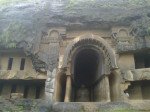
Bhaja Caves
Some quick example text to build on the card title and make up the bulk of the card's content.
Go somewhere
Bhushi Dam
Some quick example text to build on the card title and make up the bulk of the card's content.
Go somewhere
Bushy Lake
Some quick example text to build on the card title and make up the bulk of the card's content.
Go somewhere
Celebrity Wax Museum
Some quick example text to build on the card title and make up the bulk of the card's content.
Go somewhere
Della Adventure Park
Some quick example text to build on the card title and make up the bulk of the card's content.
Go somewhere
Duke's Nose
Some quick example text to build on the card title and make up the bulk of the card's content.
Go somewherein Other Cities