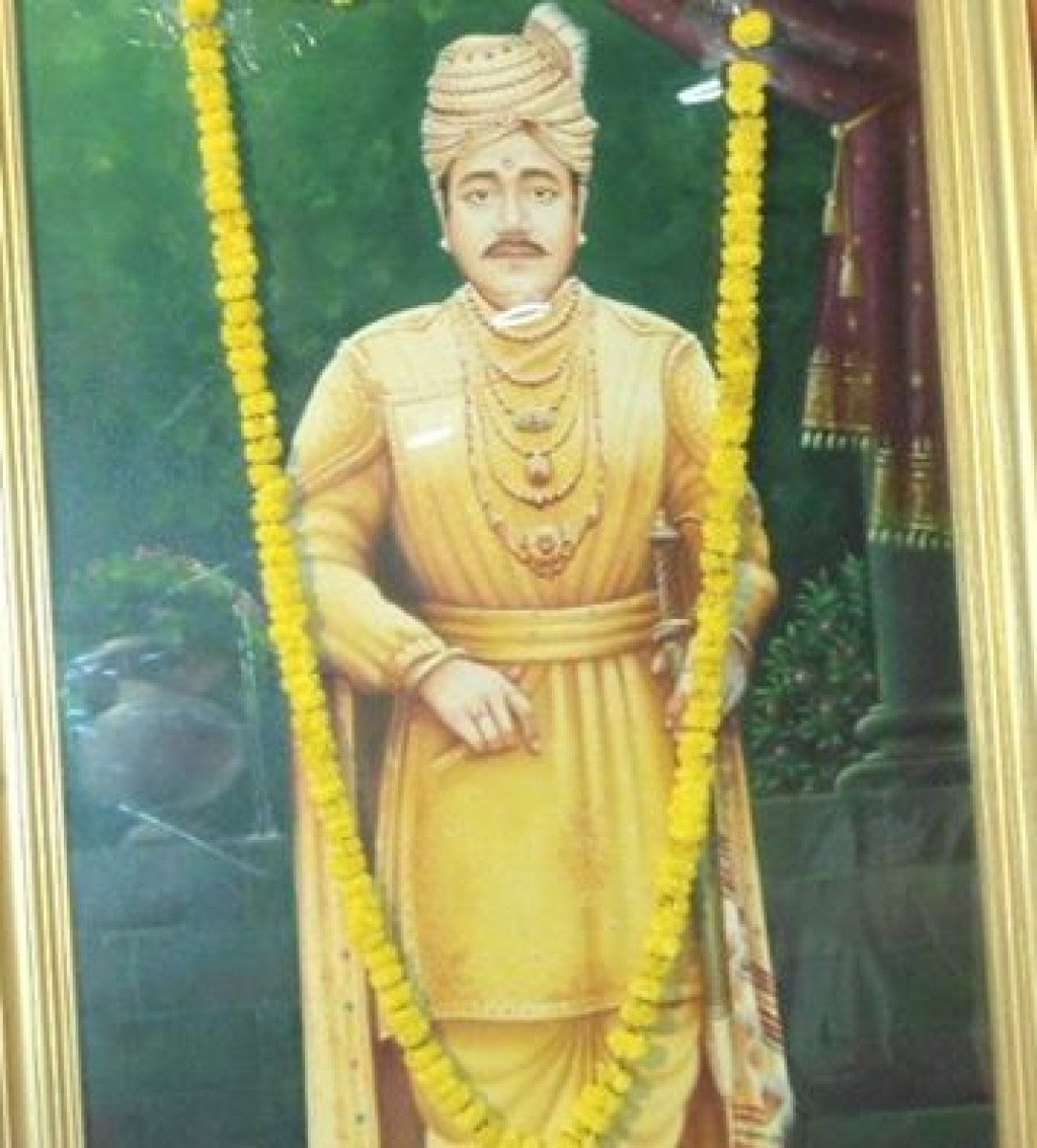
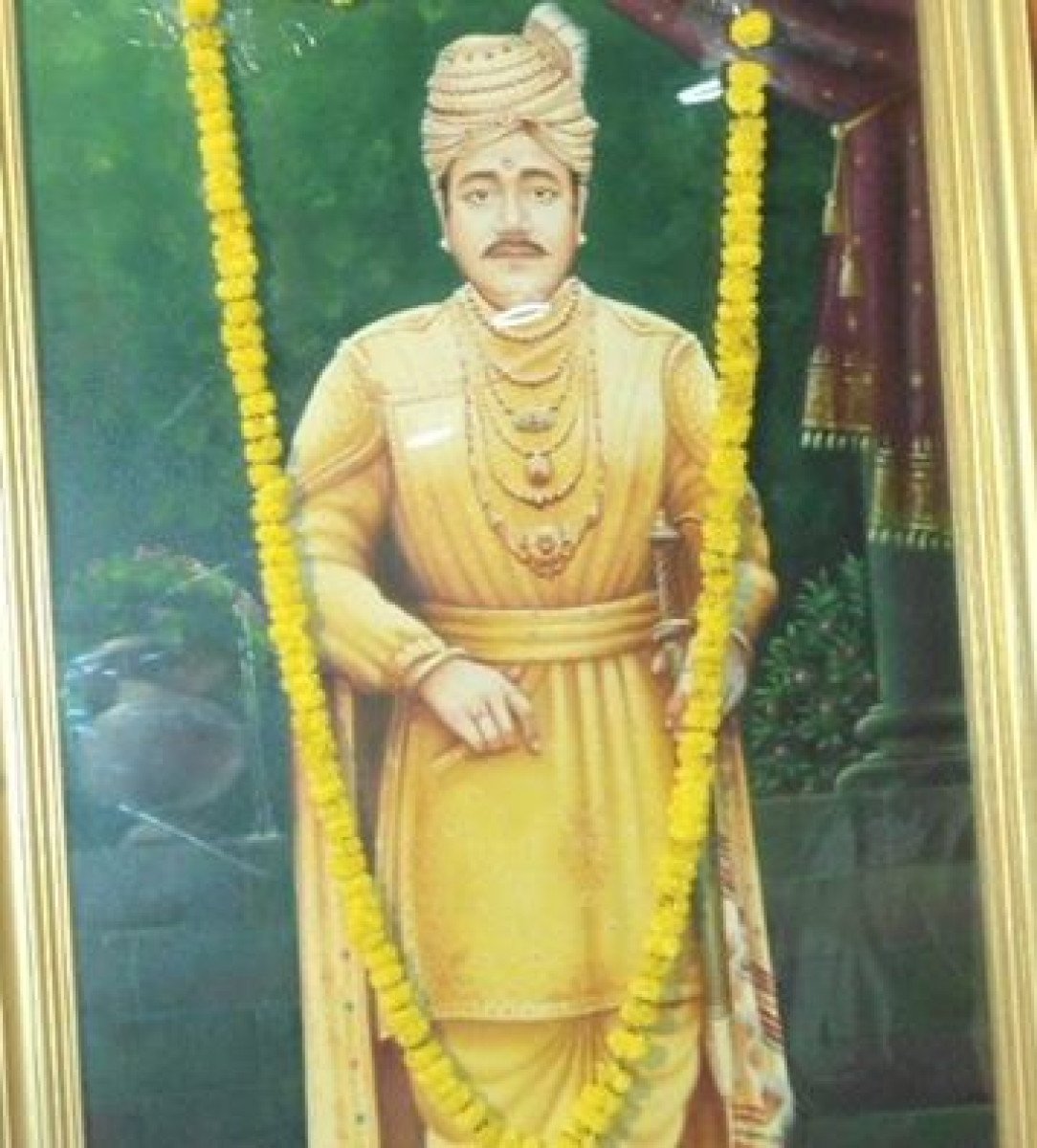
Statue Of Gobindachandra Narayana Hasnu
General information
-
Ideal Duration:
30 minutes to 1 hour (For viewing and reading the plaque).Place Type:
Historical Monument / Cultural LandmarkEntry Fees:
No Entry Fee for the Statute: The most important point is that there is No Entry Fee to visit the Statue Of Gobindachandra Narayana Hasnu. As a public monument located within the open premises of the Silchar Circuit House, it is accessible to all citizens and tourists compl...No Entry Fee for the Statute: The most important point is that there is No Entry Fee to visit the Statue Of Gobindachandra Narayana Hasnu. As a public monument located within the open premises of the Silchar Circuit House, it is accessible to all citizens and tourists completely free of cost. This ensures that the history and legacy of the Dimasa Kachari king remain universally accessible to everyone, promoting cultural awareness without financial barrier.
Photography and Personal Use Fees: There are No Fees for photography or videography for personal, non-commercial use. Visitors are encouraged to take pictures and document their visit freely. However, for any large-scale commercial photography, filming, or documentary purposes, it is always advisable to seek prior permission from the local administrative authorities, specifically the office managing the Circuit House premises.
Parking and Other Incidental Costs: While the statue itself is free, visitors who arrive by private vehicle will need to consider parking. Since it is near the Circuit House, there may be designated parking areas. If a formal paid parking facility is not available, local parking regulations must be strictly followed to avoid fines. Any other incidental costs would only relate to personal expenses like bottled water or snacks from nearby vendors.Timing:
Regular Timings:
24/7 Accessibility: As a public statue located in the open grounds of the Circuit House, the monument itself is generally accessible 24 hours a day, 7 days a week. There are no gates or formal closing times specifically for ...Regular Timings:
24/7 Accessibility: As a public statue located in the open grounds of the Circuit House, the monument itself is generally accessible 24 hours a day, 7 days a week. There are no gates or formal closing times specifically for the statue viewing area, allowing for great flexibility for visitors. However, for a comfortable and meaningful visit, specific times are recommended.
Ideal Visit Time:
Morning and Late Afternoon: The best time to visit the statue is during the early morning (8:00 AM to 10:00 AM) or late afternoon (4:00 PM to 6:00 PM). Morning visits offer pleasant, cool weather and soft, directional lighting that is perfect for photography, and the environment is typically quiet and peaceful for reflection. Late afternoon offers similar comfortable weather and the beautiful golden hour light, but may be slightly busier with locals taking evening strolls.
Time to Avoid:
Mid-Day Heat: Visitors should try to avoid the peak hours of the day, particularly between 11:00 AM and 3:00 PM during the summer months (March to September). The intense tropical heat and strong overhead sunlight can make the experience uncomfortable and result in harsh lighting for photographs. An evening visit is possible to see the statue under ambient street lighting, which offers a different, more dramatic visual perspective.Special Events:
King’s Birth and Death Anniversaries: The most special events associated with the statue are the observance of the birth and death anniversaries of Raja Gobinda Chandra Narayana Hasnu. On these days, the Barman Dimasa Kachari Development Council and other socio-cultural o...King’s Birth and Death Anniversaries: The most special events associated with the statue are the observance of the birth and death anniversaries of Raja Gobinda Chandra Narayana Hasnu. On these days, the Barman Dimasa Kachari Development Council and other socio-cultural organizations in Silchar organize special programs. These usually involve floral tributes at the statue, commemorative meetings, cultural performances showcasing Dimasa heritage, and discussions on the king's life and contributions. These events are key moments for the community to reaffirm their identity.
Unveiling Anniversary: The anniversary of the statue's unveiling, on September 19 each year, is a notable event. This day celebrates the act of historical recognition itself. It can involve small ceremonies, speeches by local dignitaries and community leaders, and a renewed commitment to the preservation of indigenous history. It is a day when the statue receives special attention and is often freshly garlanded.
Cultural and Heritage Days: The statue may also become a focal point during broader cultural and heritage awareness days in the Cachar district, especially those relating to the indigenous tribes of Assam. Delegations or educational groups often visit the site to pay respect and learn about the Dimasa Kachari kingdom, turning the statue into a living classroom for local history and cultural studies.Best Photo Spots:
The Statue on its Pedestal: The best and most obvious photo spot is a full-frame shot of the life-size statue standing on its pedestal. Position yourself to capture the entire figure against a clear sky or the green backdrop of the Circuit House grounds. Morning or late af...The Statue on its Pedestal: The best and most obvious photo spot is a full-frame shot of the life-size statue standing on its pedestal. Position yourself to capture the entire figure against a clear sky or the green backdrop of the Circuit House grounds. Morning or late afternoon light is ideal for soft, shadow-free pictures. Try to include the inscription plaque in the shot for context if possible.
Profile Shot with Regal Details: A close-up profile shot is excellent for capturing the artistic details, particularly the face, the royal headgear, and the traditional attire of the Raja. Focus on the texture and finish of the bronze or stone material. This angle brings out the artistry of the sculptor and highlights the cultural elements of the figure.
Statue as a Backdrop for Portraits: The monument serves as a powerful backdrop for personal or group portraits. Stand a respectful distance from the base of the pedestal, allowing the towering statue to be visible behind you, symbolizing the historical influence and magnitude of the king's legacy. This kind of photograph is a popular way for visitors to document their trip to a historical landmark.
In Context with the Circuit House: Frame the statue such that a part of the Silchar Circuit House building is visible in the background. This composition highlights the statue’s location at an important administrative center, tying the historical figure to the contemporary governance of the region. This contrast between the historical monument and the modern state facility makes for a meaningful and unique photo.Photo Gallery
Things To Do
-
Historical Contemplation and Study: The primary activity is to spend time contemplating the historical significance of Raja Gobinda Chandra Narayana Hasnu and the Dimasa Kachari legacy. You can read the inscription on the plaque (if available) to understand the official tribute. This is an excellent spot for history buffs to pause and reflect on the transition of power in Northeast India from native kingdoms to British rule. Use the quiet surroundings to research the Dimasa Kachari people's culture and history on your phone, linking the monument to broader regional events.
Photography and Documentation: The statue offers a good subject for photography, especially with the administrative building of the Circuit House or the surrounding garden as a backdrop. Take well-composed pictures of the statue from different angles to cap...Historical Contemplation and Study: The primary activity is to spend time contemplating the historical significance of Raja Gobinda Chandra Narayana Hasnu and the Dimasa Kachari legacy. You can read the inscription on the plaque (if available) to understand the official tribute. This is an excellent spot for history buffs to pause and reflect on the transition of power in Northeast India from native kingdoms to British rule. Use the quiet surroundings to research the Dimasa Kachari people's culture and history on your phone, linking the monument to broader regional events.
Photography and Documentation: The statue offers a good subject for photography, especially with the administrative building of the Circuit House or the surrounding garden as a backdrop. Take well-composed pictures of the statue from different angles to capture its scale and the details of the king’s attire. If you are a student or a researcher, this is a good opportunity to document the memorial for academic or historical records, noting the sculptor (if named) and the material used.
Explore the Circuit House Area: Since the statue is on the premises of the Circuit House, you can take a short walk around the public areas of the compound (respecting administrative boundaries). The Circuit House area is generally well-maintained and often features a pleasant garden, providing a nice environment for a brief, peaceful stroll. It gives you a sense of the important administrative parts of Silchar town.
Visit Nearby Landmarks on Circuit House Road: The location is close to other points of interest in central Silchar. Walk down Circuit House Road to find the statue of Kishore Kumar and the Gandhi Bagh Park, which are also located nearby. This allows you to combine your visit into a 'monument tour' of the area, contrasting the historical monarch with the cultural icon and a public park.
Engage with Local Culture and People: If you visit during the morning or evening, you might encounter local residents or members of the Barman Dimasa Kachari community. Engaging in polite conversation can offer valuable, first-hand insights into the community's perspective on their king and their cultural heritage, providing a richer experience than just viewing the monument.
Enjoy the Peaceful Ambiance: The Circuit House area is often less congested than the main markets of Silchar, offering a relatively quiet and shaded spot. Take a moment to sit on a nearby bench, if available, and simply enjoy the calm atmosphere away from the city's hustle and bustle.
Plan a Trip to Khaspur: Use the inspiration from the statue to plan an excursion to Khaspur, the former capital. It is a short drive from Silchar and contains the ruins of the royal complex, including the Singhadwar (Lion Gate) and other relics of the Dimasa Kachari kingdom. This will complete the historical journey that begins at the king's statue.
Information
-
Why Famous:
Honoring the Last Dimasa Kachari Monarch: The primary fame of this statue lies in its dedication to Raja Gobinda Chandra Narayana Hasnu, the final ruler of the Dimasa Kachari kingdom. This recognition is immensely important as it validates and preserves the history of one o...Honoring the Last Dimasa Kachari Monarch: The primary fame of this statue lies in its dedication to Raja Gobinda Chandra Narayana Hasnu, the final ruler of the Dimasa Kachari kingdom. This recognition is immensely important as it validates and preserves the history of one of the region's most significant indigenous communities. The statue acts as a tangible link to the royal past, ensuring that the king's legacy is remembered by new generations. His rule marked a critical period before the annexation of the kingdom by the British, making the statue a symbol of historical transition.
Symbol of Cultural Preservation: The king is particularly celebrated for his efforts in safeguarding the Dimasa Kachari culture, language, and literature. Therefore, the monument is famous as a symbol of cultural resilience and identity for the Barman Dimasa Kachari people. It stands as a beacon for cultural enthusiasts and historians interested in the ethnolinguistic groups of Assam and Northeast India. The statue's unveiling was a major event, marking its importance in the socio-political landscape of Silchar and the entire Cachar district.
Prominent Location and Accessibility: The location at the Circuit House Road, a key thoroughfare and administrative hub, contributes to its fame. Its easy accessibility and prominent placement mean it is seen by numerous citizens and visitors daily, constantly reinforcing its significance. This public visibility helps maintain the king's memory in the collective consciousness of Silchar. -
Architecture:
Regal Representation and Material Used: The statue is described as a life-size figure, which suggests a height comparable to a standing human, typically around 5. 5 to 6. 5 feet (1. 7 to 2 meters). While the exact material is not specified in detail, such public statues in ...Regal Representation and Material Used: The statue is described as a life-size figure, which suggests a height comparable to a standing human, typically around 5. 5 to 6. 5 feet (1. 7 to 2 meters). While the exact material is not specified in detail, such public statues in India are generally cast in bronze or sometimes sculpted from durable stone like marble or granite and placed upon a robust pedestal. The figure likely captures the Raja in a posture of authority and dignity, possibly in traditional Dimasa Kachari royal attire, which includes elaborate headgear and clothing, reflecting the aesthetic traditions of the community. The overall height, including the pedestal, can easily reach 8 to 12 feet (2. 4 to 3. 7 meters). The design aims for a high degree of realism to honor the historical personality.
The Pedestal and Placement: The statue is mounted on a raised, solid pedestal, which is a key architectural feature designed to elevate the figure and make it prominent to observers. This pedestal often features an engraved plaque detailing the Raja's name, his contribution, and the date of the unveiling. The placement is significant, being within the Circuit House complex, symbolizing the integration of the historical monarchy's legacy with contemporary administration. The architecture of the pedestal itself is usually simple and geometric, serving to highlight the statue rather than compete with it, typically being square or rectangular and faced with polished stone. -
How To Reach:
By Air: The nearest airport is Silchar Airport (IXS), located in Kumbhirgram, approximately 29 kilometers from the city center of Silchar. Upon landing, you have several options to reach the statue. The most convenient is hiring a pre-paid taxi or a radio cab directly to t...By Air: The nearest airport is Silchar Airport (IXS), located in Kumbhirgram, approximately 29 kilometers from the city center of Silchar. Upon landing, you have several options to reach the statue. The most convenient is hiring a pre-paid taxi or a radio cab directly to the Circuit House Road. The drive takes about 45 minutes to 1 hour, depending on traffic. Alternatively, shared airport shuttle services might be available up to the main city points, from where you can take local transport.
By Train: The main railway station is Silchar Railway Station (SCL), which is well-connected to major cities in Assam and the rest of India. The station is located approximately 4 kilometers from the Circuit House Road area. From the station, you can easily hire an auto-rickshaw or an e-rickshaw (often called "totos") to reach the statue. The journey is short, typically taking around 15 to 20 minutes.
By Road: Silchar is a crucial hub in the Barak Valley and is well-connected by National Highways, primarily NH 6 and NH 37 (which connects to NH 6). State-run buses (ASTC) and private sleeper buses operate frequent services from major cities like Guwahati, Shillong, and Agartala. If arriving by bus, you will disembark at the main bus stand, from where the Circuit House Road is a short ride away using local transport. The drive from Guwahati can take 10 to 12 hours.
By Local Transport: Within Silchar, the statue is very easy to reach due to its central location. Auto-rickshaws and e-rickshaws (totos) are the most common and convenient modes of local transport. They are readily available from any part of the city. Simply ask the driver to take you to the "Circuit House" or "Gobinda Chandra Narayan Hasnu Statue. " The statue is also within walking distance (15-20 minutes) from the main market areas like Premtala and Central Road. -
Weather and Best Time to Visit:
Best Season:
Winter (October to March): The period from October to March is considered the Best Time to Visit Silchar and the statue. During these Winter months, the weather is pleasantly cool and dry, with daytime temperatures ranging from ...Best Season:
Winter (October to March): The period from October to March is considered the Best Time to Visit Silchar and the statue. During these Winter months, the weather is pleasantly cool and dry, with daytime temperatures ranging from 15°C to 25°C. This comfortable climate is ideal for walking around the Circuit House area and spending time outdoors. The air is clear, enhancing the overall viewing experience.
Monsoon Season (June to September): The Monsoon season brings heavy rainfall to Silchar, which can make outdoor sightseeing challenging. While the statue is an open-air attraction, the humidity is high, and continuous rain can disrupt travel plans. If you visit during this time, carry rain gear. The surrounding area will be lush and green, but mobility will be hampered.
Summer Season (April to May): The Summer months are hot and humid, with temperatures often soaring above 35°C. It is the least recommended time for sightseeing. If visiting in summer, you must restrict your outdoor time to the very early morning or late evening to avoid heat exhaustion.
Different Parts of the Day: As detailed in the "Sub Place Timings" section, the early morning and late afternoon/evening are the best parts of the day for a visit. These times offer cooler temperatures and softer natural light. Mid-day should be strictly avoided in all seasons except perhaps the peak of winter (late December to early January). -
Near Tourist Places:
Statue Of Kishore Kumar: (0. 1 KM, located on the same Circuit House Road near Gandhi Bagh)
Gandhi Bagh Park: (0. 5 KM, a central public park for relaxation)
District Library Auditorium: (0. 7 KM, a cultural hub often hosting events)
Kachari Fort Ruins (Entrance/Area): (1. 5 KM, remnants of the Dimasa Kachari kingdom's structure)
Premtala Point: (1. 5 KM, a major commercial and traffic junction)
Silchar Railway Station: (4. 0 KM, the main rail entry point)
Maniharan Tunnel & Temple: (12 KM, a religious site associated with Lord Krishna)
Khaspur Ruins (Ancient Capital): (20 KM, historical capital of the Dimasa Kachari kingdom)
Bhuban Pahar (Bhuban Tirtha): (35-40 KM, a significant pilgrimage site with a temple on a hilltop)
Doloo Lake (Bheel): (15 KM, a large natural water body and bird-watching spot)
Tourism Tips
-
Health & Safety: Always carry a bottle of water, especially if visiting outside of the peak winter months, to stay hydrated. Use a good quality mosquito repellent, as the Northeast can have high mosquito populations, particularly in the evenings. The area around the Circui...Health & Safety: Always carry a bottle of water, especially if visiting outside of the peak winter months, to stay hydrated. Use a good quality mosquito repellent, as the Northeast can have high mosquito populations, particularly in the evenings. The area around the Circuit House is generally safe, but as with any public place, be mindful of your personal belongings. In case of any emergency, the nearest major hospital is the Silchar Medical College and Hospital (SMCH).
Packing Essentials: For the winter months (October to March), pack light woolens or jackets for the mornings and evenings. For the summer and monsoon months, light, breathable cotton clothing is essential. Always carry an umbrella or raincoat, regardless of the season, due to the unpredictable nature of rainfall in Assam. Comfortable walking shoes are a must, even for a short visit.
Accommodation in Silchar: Silchar offers a range of accommodation options. For a comfortable stay, look for hotels near the main areas like Central Road, Premtala, or Tarapur. Options range from budget guest houses to mid-range and upscale hotels. Booking in advance, especially during the festival season or major local events, is highly recommended. Many good hotels are located within a few kilometers of the Circuit House Road area.
Respecting the Monument: The statue is a tribute to a historical king and a source of community pride. Visitors should show due respect by refraining from climbing on the pedestal, littering, or engaging in any disrespectful behavior. Maintain silence if any formal ceremony is taking place.
Language and Communication: The primary languages spoken in Silchar are Bengali (which is predominant) and Assamese. Hindi is also widely understood, and a significant portion of the service industry staff can communicate in basic English. Knowing a few phrases in Bengali can enhance local interaction.
Reviews
FAQs
Silchar Itineray And Cost:-
Statue Of Gobindachandra Narayana Hasnu Tourism:-
Information about New and Updated Locations() of Assam Has Been Added :-
Card subtitle
Note:-
Information provided here in good Faith and for reference only.
All information and pictures will be updated soon, please keep visiting.
Near Places
Bhuban Mahadev Temple
Some quick example text to build on the card title and make up the bulk of the card's content.
Go somewhere
Borail Wildlife Sanctuary
Some quick example text to build on the card title and make up the bulk of the card's content.
Go somewhere
Chamragudam Point
Some quick example text to build on the card title and make up the bulk of the card's content.
Go somewhere
Dolu Lake
Some quick example text to build on the card title and make up the bulk of the card's content.
Go somewhere
Gandhibag Park
Some quick example text to build on the card title and make up the bulk of the card's content.
Go somewhere
Goldighi Mall
Some quick example text to build on the card title and make up the bulk of the card's content.
Go somewhere
Goldighi Municipal Mall
Some quick example text to build on the card title and make up the bulk of the card's content.
Go somewhere
Hindustan Paper Corporation Ltd.
Some quick example text to build on the card title and make up the bulk of the card's content.
Go somewhere
ISKCON Temple
Some quick example text to build on the card title and make up the bulk of the card's content.
Go somewhere
Jatinga Point
Some quick example text to build on the card title and make up the bulk of the card's content.
Go somewherein Other Cities