Fort Kochi
General information
-
Ideal Duration:
1 to 2 Full DaysPlace Type:
Heritage Town, Historic Fortification, Art Hub, anEntry Fees:
General Entry and Walkability: Fort Kochi is a residential area and a public space, meaning there is No Entry Fee for simply walking around, exploring the streets, the beach, Vasco da Gama Square, and the general public areas. The most famous sights, like the Chinese Fishin...General Entry and Walkability: Fort Kochi is a residential area and a public space, meaning there is No Entry Fee for simply walking around, exploring the streets, the beach, Vasco da Gama Square, and the general public areas. The most famous sights, like the Chinese Fishing Nets and the exteriors of colonial buildings, are free to view and photograph. Specific Attraction Fees (Approximate and Subject to Change):
Paradesi Synagogue (Jew Town): A nominal fee, typically around ext{Rs.}10 {to } ext{Rs.}20 per person. Camera fees may apply, or photography may be prohibited entirely inside.
Mattancherry Palace (Dutch Palace): A low entry fee, usually around ext{Rs.}5 {to } ext{Rs.}20 for Indian citizens and slightly higher for foreign tourists. St.
Francis CSI Church & Santa Cruz Basilica: No entry fee as they are working churches, but donations are welcome. Photography inside the St. Francis Church may be restricted.
Indo-Portuguese Museum: A small fee, generally around ext{Rs.}10 {to } ext{Rs.}25.
Kathakali/Kalaripayattu Performances: These are commercial shows and have the highest fees, typically ranging from ext{Rs.}300 {to } ext{Rs.}500 per person for a standard seat, with higher prices for premium seating or make-up viewing sessions.
Kochi-Muziris Biennale: During the festival, a ticket/pass is required for entry to the main venues. This is a one-time fee, and a standard day pass can range from ext{Rs.}100 {to } ext{Rs.}200.Timing:
Regular Timings:
A Day-Long Experience: Fort Kochi as an area is always accessible (24/7). The core tourist activity begins around 8:00 AM and continues until 9:00 PM. The main attractions have specific opening and closing hours that must b...Regular Timings:
A Day-Long Experience: Fort Kochi as an area is always accessible (24/7). The core tourist activity begins around 8:00 AM and continues until 9:00 PM. The main attractions have specific opening and closing hours that must be observed. The street-side markets, antique shops in Jew Town, and cafes generally open between 9:00 AM and 10:00 AM.
Specific Attraction Timings:
Paradesi Synagogue: Typically open from 10:00 AM to 12:00 PM and 3:00 PM to 5:00 PM. Crucially, it is closed on Fridays, Saturdays, and all Jewish holidays.
Mattancherry Palace: Usually open from 9:45 AM to 1:00 PM and 2:00 PM to 4:45 PM. Closed on Fridays. Churches (St.
Francis CSI, Santa Cruz Basilica): Generally open from 7:00 AM to 6:30 PM. Note that they may close for a period during the mid-day and will be inaccessible during mass or special services, especially on Sunday mornings.
Chinese Fishing Nets: Visible 24/7, but the fishermen are actively operating the nets in the early morning (Sunrise) and late afternoon (Sunset).
Ideal Visit Time:
Sunrise and Sunset: The absolute Ideal Visit Time is split between the beginning and end of the day. Sunrise (around 6:30 AM to 7:30 AM) is perfect for witnessing the Chinese Fishing Nets being operated in the tranquil morning light, offering a cool and less-crowded experience. The late afternoon and Sunset (4:00 PM to 7:00 PM) is the peak time, as the light is fantastic for photography, and the area comes alive with food vendors, tourists, and the spectacle of the setting sun over the water. The midday hours (12:00 PM to 3:00 PM) are best spent inside air-conditioned cafes or museums due to the high humidity and heat.Special Events:
The Kochi-Muziris Biennale (Typically December to March): The most significant and internationally acclaimed special event is the Kochi-Muziris Biennale. This contemporary art festival, launched in 2012, is the largest of its kind in South Asia. Held primarily in Fort Kochi and Mattancherry, it re...The Kochi-Muziris Biennale (Typically December to March): The most significant and internationally acclaimed special event is the Kochi-Muziris Biennale. This contemporary art festival, launched in 2012, is the largest of its kind in South Asia. Held primarily in Fort Kochi and Mattancherry, it revitalises historical sites, abandoned warehouses, and galleries into temporary exhibition spaces for artists from all over the world. The event turns the entire peninsula into a vibrant, interactive art installation, focusing on global and local themes. The Biennale is a major draw for art critics, collectors, and tourists, dramatically increasing the area’s buzz and tourism figures during its run, which typically spans three to four months, mostly over the winter and early spring months. The atmosphere is electric, with numerous public talks, workshops, and side events happening alongside the main exhibitions.Best Photo Spots:
The Chinese Fishing Nets at Sunset: This is, without a doubt, the most iconic and essential photo opportunity.
Best Time: Around 5:30 PM to 6...The Chinese Fishing Nets at Sunset: This is, without a doubt, the most iconic and essential photo opportunity.
Best Time: Around 5:30 PM to 6:30 PM, when the sun descends into the Arabian Sea.
Composition Ideas: Capture the silhouette of the massive wooden net structures against the orange and pink sky. Focus on the geometry of the ropes and counterweights, or include local fishermen in action to convey a sense of scale and life. The low angle near the water provides a dramatic shot.
The Pastel-Hued Colonial Streets (Princess Street): The residential streets of Fort Kochi offer stunning architectural photography.
Best Time: Mid-morning (10:00 AM) or early afternoon (3:00 PM) for vibrant light that highlights the pastel colours of the houses.
Composition Ideas: Focus on the symmetry of the gabled roofs and the contrast of the bright colours against the green foliage. Look for the ornate windows and balconies that reflect Dutch and Portuguese styles. The street itself can act as a leading line into the photo.
The Interior of Paradesi Synagogue (Mattancherry): While photography inside is often restricted or requires permission, the external architecture and surrounding Jew Town are highly photogenic.
Best Time: During open hours (check timings carefully).
Composition Ideas: Capture the antique shops and the narrow, character-filled Jew Town street. If permitted, the stunning blue and white Chinese floor tiles and the Belgian chandeliers inside the Synagogue offer rich, detailed subjects. The clock tower provides an excellent exterior landmark shot. The Wall Art of the Biennale (Permanent & Temporary): During the Biennale period, and even in the residual art spaces, numerous vibrant murals and installations offer contemporary photo backdrops.
Best Time: Anytime with good natural light.
Composition Ideas: Use the large-scale murals as a colourful backdrop for portrait or travel photography. Look for interesting textures, abandoned spaces, or old-world doors and windows that have been integrated into the artwork.Photo Gallery
Things To Do
-
Witnessing the Chinese Fishing Nets in Action (Early Morning/Sunset): One of the essential experiences is to observe the operation of the Chinese Fishing Nets. The best times are at dawn, when the fishermen are pulling in their first catch, or at sunset, when the silhouette of the massive wooden structures against the vibrant sky is perfect for photography. Tourists can pay a small fee to the local fishermen to help them operate the net, offering a hands-on experience of this ancient tradition. The nearby Vasco da Gama Square is the perfect spot to watch the activity while enjoying fresh seafood cooked by local vendors.
The Fort Kochi Heritage Walk: Embark on a leisurely walk covering all the major landmarks. This free self-guided tour should include the St. Francis CSI Church, the Santa Cruz Cathedral Basilica, the ruins of Fort Immanuel, the Para...Witnessing the Chinese Fishing Nets in Action (Early Morning/Sunset): One of the essential experiences is to observe the operation of the Chinese Fishing Nets. The best times are at dawn, when the fishermen are pulling in their first catch, or at sunset, when the silhouette of the massive wooden structures against the vibrant sky is perfect for photography. Tourists can pay a small fee to the local fishermen to help them operate the net, offering a hands-on experience of this ancient tradition. The nearby Vasco da Gama Square is the perfect spot to watch the activity while enjoying fresh seafood cooked by local vendors.
The Fort Kochi Heritage Walk: Embark on a leisurely walk covering all the major landmarks. This free self-guided tour should include the St. Francis CSI Church, the Santa Cruz Cathedral Basilica, the ruins of Fort Immanuel, the Parade Ground, and the various colonial bungalows. The walk is best done in the morning or late afternoon to avoid the midday sun. Many local guides are available who offer informative, anecdotal tours that enrich the historical context of the buildings and communities.
Exploring Jew Town and the Paradesi Synagogue: A short auto-rickshaw ride or a longer walk from the Fort Kochi main area is the historically significant Jew Town and the Paradesi Synagogue in Mattancherry. The Synagogue, built in 1568, is the oldest active synagogue in the Commonwealth. Inside, admire the beautiful Chinese porcelain floor tiles, the exquisite Belgian glass chandeliers, and the Scrolls of the Law. The surrounding Jew Town street is a must-visit for antique shopping, with vendors selling everything from old maritime instruments and furniture to spices and handicrafts. Engaging with Art at the Kochi-Muziris Biennale and Art Galleries: Fort Kochi has established itself as an art destination, primarily due to the Kochi-Muziris Biennale, a major international contemporary art exhibition held typically from December to March every two years (check current dates). Even when the Biennale is not on, the area is full of smaller, independent art galleries and studios, such as the famous Kashi Art Cafe, which often hosts exhibitions and provides a tranquil space for coffee and reflection.
Indulging in Local Cuisine and Fresh Seafood: Kochi is a culinary paradise, especially for seafood lovers. Head to the stalls near the Chinese Fishing Nets where you can buy fresh catch of the day (like Karimeen or Kingfish) directly from the fishermen and have it cooked in a nearby shack, choosing your preferred Kerala style (spicy curry, Tawa fry, or grilled). Fort Kochi also boasts excellent heritage restaurants offering traditional Kerala Sadya (a feast served on a banana leaf) and fusion cuisine in beautiful colonial settings. Enjoying a Cultural Performance (Kathakali/Kalaripayattu): To fully experience Kerala's rich culture, attend an evening performance of Kathakali, the classical dance-drama, or Kalaripayattu, the ancient martial art form. Venues like the Kerala Kathakali Centre offer performances that often include a pre-show demonstration of the elaborate make-up process, which takes hours and is a spectacle in itself. Booking in advance is highly recommended, especially during the peak tourist season of December and January.
Backwater Sunset Cruise from the Fort Kochi Jetty: While the extensive backwater tours are done from Alappuzha (Alleppey), you can take a shorter, scenic sunset cruise directly from the Fort Kochi jetty. These short ferry trips provide beautiful views of the harbour, the various islands, and the distant mainland skyline, particularly as the sun dips below the horizon, painting the sky in fiery hues over the Arabian Sea.
Information
-
Why Famous:
The Vasco da Gama Connection: Fort Kochi holds immense historical significance as the site of the first European settlement in India. The arrival of Portuguese explorer Vasco da Gama in 1498 fundamentally altered the subcontinent's history. St. Francis CSI Church...
The Vasco da Gama Connection: Fort Kochi holds immense historical significance as the site of the first European settlement in India. The arrival of Portuguese explorer Vasco da Gama in 1498 fundamentally altered the subcontinent's history. St. Francis CSI Church is internationally renowned because it was the original burial place of Vasco da Gama in 1524. Although his remains were repatriated to Lisbon, Portugal, fourteen years later, his tombstone remains prominently displayed within the church, drawing countless history enthusiasts. This tangible link to the Age of Discovery makes the fort area a mandatory stop for anyone interested in global history and colonial past.
The Iconic Chinese Fishing Nets (Cheena Vala): The most photographed and universally recognised symbol of Kochi is the cluster of Chinese Fishing Nets seen at the Fort Kochi beach and Vasco da Gama Square. These enormous, land-based cantilevered nets, believed to have been introduced by the traders from the court of Kublai Khan in the 15th century, are unique to this stretch of coast outside of China. Their operation is a graceful, almost rhythmic, centuries-old spectacle. The sight of up to six men balancing weights and ropes to slowly lower and raise the massive wooden structure against the backdrop of the setting sun is an unforgettable visual that defines Kochi tourism. They are not merely tourist props; they are a living example of a distinct, ancient fishing technique still in use today.
A Microcosm of Cultural Diversity: The area's fame stems from its unique cosmopolitan heritage. Within a small geographical radius, one can find a Portuguese cathedral (Santa Cruz Basilica), the oldest European church in India (St. Francis CSI Church), a Dutch palace (Mattancherry Palace - nearby but integral to the old town), and the magnificent Paradesi Synagogue in the adjoining Jew Town. This unparalleled confluence of Hindu, Christian, Muslim, and Jewish history and architecture showcases a remarkable period of tolerance and trade, making Fort Kochi famous as a crucible of global cultures. -
Architecture:
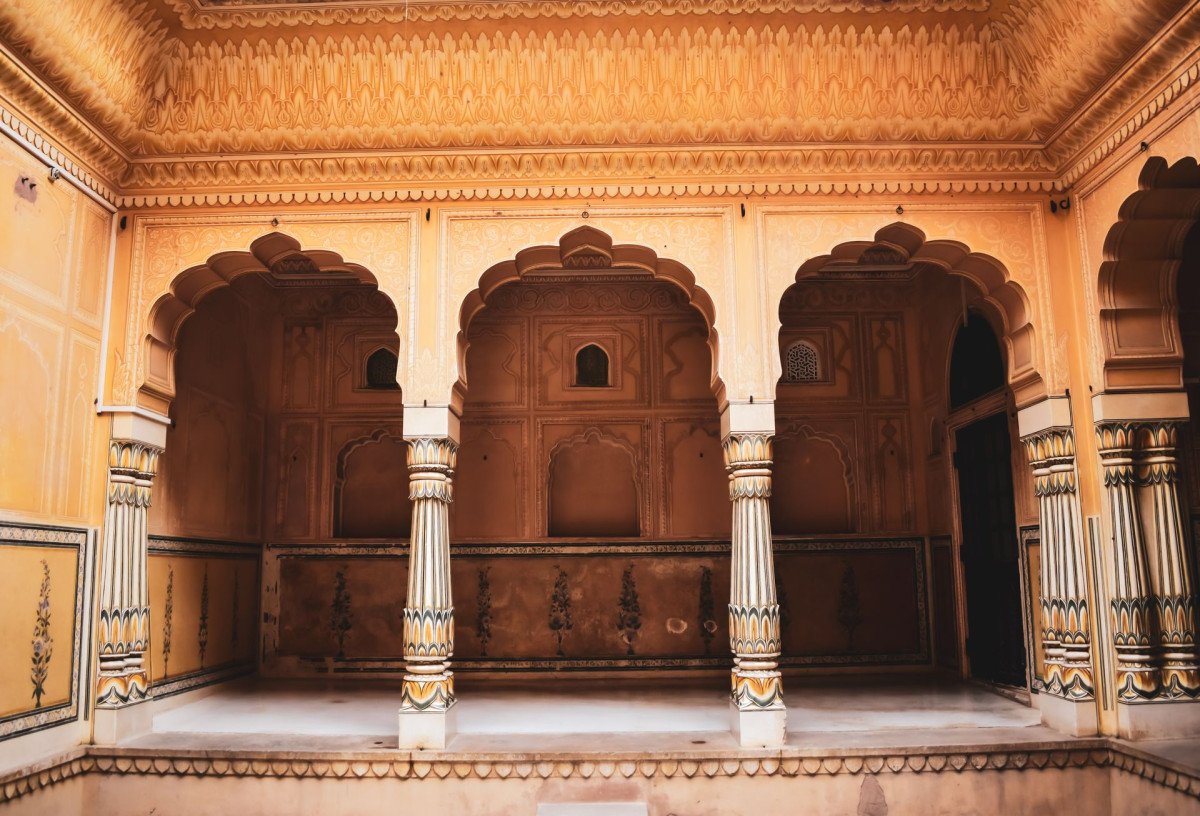
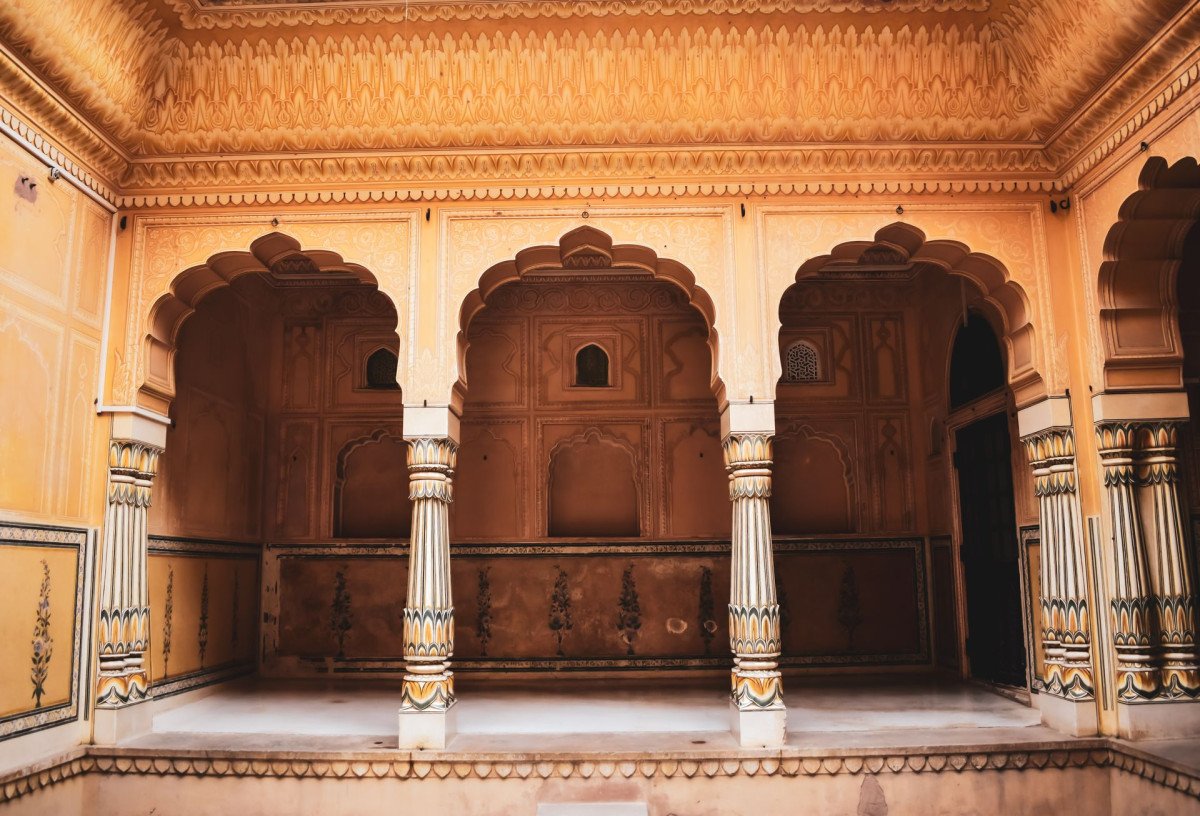
The Indo-European Architectural Fusion: The architecture of Fort Kochi is a spectacular case study of a colonial port adapting various European and traditional Kerala styles. The prevailing style is often termed Indo-European, a fusion born out of over 150 years of foreign ...The Indo-European Architectural Fusion: The architecture of Fort Kochi is a spectacular case study of a colonial port adapting various European and traditional Kerala styles. The prevailing style is often termed Indo-European, a fusion born out of over 150 years of foreign influence. The earliest surviving structures reflect the austere and functional style of the Portuguese, visible in the original design of churches like St. Francis CSI Church.
Dutch Influence and Street Planning: Following the Dutch occupation in 1663, a more pronounced and distinctive architectural style emerged. The Dutch were meticulous city planners, and their influence is seen in the grid-like pattern of the streets, particularly the narrow, interconnected lanes near the waterfront. Their houses, like the Bastion Bungalow, feature gabled roofs, large windows, and sturdy masonry, often with open courtyards that adhere to the traditional Kerala NRs.lukettu style but with a European facade. The use of brick, laterite stone, and simple whitewashed or pastel plaster for external walls is common, presenting a clean, geometric look distinct from the ornate carvings of interior Kerala temples.
Prominent Structures and Dimensions:
Fort Kochi Homes: Most colonial houses are two to three stories high, with typical dimensions around 10 meters by 20 meters, often featuring a ground floor used for commerce and upper floors for residential purposes. They frequently incorporate a veranda or pial (a raised platform) outside for sitting and socialising. St.
Francis CSI Church: As the oldest European church in India, its design is deliberately simple and unadorned, reflecting the early Portuguese Franciscan style. It features a timber-framed roof, a central nave, and a prominent bell tower. The overall dimension of the church building is roughly 30 meters long and 12 meters wide.
Santa Cruz Cathedral Basilica: This structure showcases a grander, Neo-Gothic style, a hallmark of the later British influence and restoration. Its twin spires, large arched windows with stained glass, and detailed altar distinguish it from the older, simpler St. Francis Church. The structure is vast, with a central dome and a lengthy nave, easily exceeding 50 meters in length. -
How To Reach:
By Air: The nearest major airport is Cochin International Airport (COK), located in Nedumbassery, approximately 36-40 KMS from Fort Kochi. The airport is a modern facility and the world's first to be fully solar-powered.
From the Airport to Fo...By Air: The nearest major airport is Cochin International Airport (COK), located in Nedumbassery, approximately 36-40 KMS from Fort Kochi. The airport is a modern facility and the world's first to be fully solar-powered.
From the Airport to Fort Kochi: The most convenient options are pre-paid taxis or ride-sharing services (like Ola/Uber). A taxi takes about 1. 5 hours, depending on traffic, and costs around ext{Rs.}1,000 {to } ext{Rs.}1,500. KSRTC (Kerala State Road Transport Corporation) buses also run regularly from the airport to the Ernakulam city center.
By Train:
Kochi has two main railway stations: 1.
Ernakulam Junction (ERS): The primary station, about 13 KMS from Fort Kochi. 2.
Ernakulam Town (ERN): A smaller station, about 15 KMS away.
From the Railway Station to Fort Kochi: After arriving at either station, one can take an auto-rickshaw (30-45 minutes, costing ext{Rs.}150 {to } ext{Rs.}250) or a taxi. A more scenic and authentic option is to take a short auto-rickshaw to the Ernakulam Marine Drive or Vytilla boat jetty and then catch a public ferry to the Fort Kochi or Vypin area.
By Road: Kochi is excellently connected by National Highways (NH 66, NH 85) to all major cities in Kerala and South India.
By Bus: State-run and private luxury buses connect Kochi to cities like Bengaluru, Chennai, and Thiruvananthapuram. The main bus terminals are Vytilla Mobility Hub and the station near the Ernakulam Junction railway station. From these hubs, you can take a local bus, taxi, or auto-rickshaw to Fort Kochi.
Self-Drive/Taxi: The drive to Fort Kochi involves crossing bridges or taking a ferry, as it's a peninsula. Driving within the narrow streets of Fort Kochi is slow, and parking is limited.
By Local Transport (The Best Way): The most characteristic and efficient way to travel between Ernakulam mainland and Fort Kochi is the local public ferry service, which is very inexpensive (around ext{Rs.}4 {to } ext{Rs.}6 per person) and offers scenic views of the backwaters and harbour. Within the Fort Kochi peninsula, the best ways to get around are:
Walking: The entire tourist area is highly walkable.
Rented Cycles: A popular and eco-friendly way to explore the side streets.
Auto-Rickshaws: Abundant and relatively cheap for shorter distances, like between Fort Kochi and Mattancherry (Jew Town). -
Weather and Best Time to Visit:
Different Types of Seasons:
Winter (October to March):
The Absolute Best Time: The winter months are by far the most pleasant and the Best Time to Visit. Temperatures are moderate, ranging from a comfort...Different Types of Seasons:
Winter (October to March):
The Absolute Best Time: The winter months are by far the most pleasant and the Best Time to Visit. Temperatures are moderate, ranging from a comfortable 18{circ} ext{C} to 30{circ} ext{C}, with low humidity. This weather is perfect for long walks, cycling, outdoor sightseeing, and attending cultural events. The peak tourist season falls between December and February, which includes Christmas and New Year celebrations, and often coincides with the Kochi-Muziris Biennale. Booking accommodation well in advance is essential as prices are highest.
Summer (April to May):
Hot and Humid: Summer is characterised by high temperatures, often soaring above 35{circ} ext{C}, and high humidity. While the crowds are thin and hotel prices are lower, outdoor sightseeing can be exhausting, especially during the day. It's advisable to plan activities for the early morning and late evening.
Monsoon (June to September):
The Green Season: The Southwest Monsoon arrives in June, bringing heavy and continuous rainfall. While the rain washes the area clean, making the surrounding Kerala landscape incredibly lush and beautiful (hence, the 'Green Season'), it can disrupt sightseeing and outdoor activities, including ferry services. This period is, however, highly sought after by tourists interested in Ayurvedic treatments, which are traditionally considered most effective during the monsoon. Hotel prices are generally lower than in winter.
Different Parts of the Day Topic Heading: Early Morning (Sunrise to 9:00 AM) Ideal for photography at the Chinese Fishing Nets, visiting the churches before they get crowded, and going for a peaceful morning walk or cycle ride. The air is cool and fresh. Mid-Day (10:00 AM to 3:00 PM) Best for indoor activities to escape the heat. This is the time to visit museums like the Mattancherry Palace and the Indo-Portuguese Museum, or to browse the antique shops of Jew Town. A long lunch break at a heritage cafe is highly recommended. Late Afternoon/Evening (4:00 PM to 9:00 PM) The second peak window. Perfect for enjoying the sunset at the beach, getting fresh seafood cooked by the vendors, and attending a Kathakali performance. The streets come alive with people, lights, and vendors, creating a lively atmosphere. -
Near Tourist Places:
The distances are approximate and based on travel from the Fort Kochi area.
Mattancherry Palace (Dutch Palace): approx 2 {KMS}
Paradesi Synagogue (Jew Town): approx 2. 5 {KMS}
Vasco da Gama Square: approx 0. 5 {KMS} (Adjacent to Chinese Nets)
Marine Drive (Ernakulam Mainland): approx 6 {KMS} (Across the water, via ferry)
Hill Palace Museum: approx 15 {KMS}
Cherai Beach: approx 30 {KMS} (Located on Vypin Island)
Bolgatty Palace: approx 5 {KMS} (On Bolgatty Island)
Lulu International Shopping Mall (Edapally): approx 18 {KMS}
Kodanad Elephant Training Centre: approx 45 {KMS}
Backwater Houseboat Tours (Alappuzha/Alleppey): approx 55 {KMS}
Tourism Tips
-
Health & Safety:
Hydration and Insect Repellent: Kochi's tropical climate, especially the high humidity, makes dehydration a serious risk. Always carry bottled water and drink frequently. Use a high-SPF sunscreen, even on overcast days. Ca...Health & Safety:
Hydration and Insect Repellent: Kochi's tropical climate, especially the high humidity, makes dehydration a serious risk. Always carry bottled water and drink frequently. Use a high-SPF sunscreen, even on overcast days. Carry and use a good quality insect repellent, especially in the evenings, to guard against mosquitos. For health concerns, the modern part of the city, Ernakulam, has excellent hospitals. Keep a small first-aid kit with basic medicines, particularly for stomach issues, as experimenting with street food is tempting.
Packing:
Light, Breathable, and Respectful: Pack light, breathable cotton clothing. Long, loose clothes are recommended as they provide sun protection and are culturally appropriate for visiting temples and mosques. Women should carry a scarf or shawl to cover their shoulders and head, which may be required for entry into certain religious sites like the Paradesi Synagogue or local temples. Comfortable walking shoes or sandals are essential for navigating the old, cobbled streets. Remember a light rain jacket or umbrella if travelling during the shoulder or monsoon seasons.
Accommodation:
Heritage Stays and Location: Fort Kochi offers a range of accommodation options, from luxury heritage resorts in old colonial bungalows to charming homestays run by local families. Staying in a homestay provides an excellent opportunity for cultural immersion, often including authentic Kerala breakfast and local insights from the hosts. Book well in advance, especially if travelling between November and March, as the best places fill up quickly and prices inflate. If looking for a more modern experience or closer proximity to the main transport hubs, consider staying in the Ernakulam mainland.
Other Different Topics Heading: Currency, Connectivity, and
Local Etiquette:
Currency: The official currency is the Indian Rupee ( ext{Rs.}). ATMs are widely available, especially on the mainland and in the main Fort Kochi area. Many establishments accept card payments, but cash is necessary for local transport, small shops, and street food vendors.
Connectivity: Kochi generally has good mobile network coverage. Local cafes often offer free Wi-Fi. The Cochin International Airport is renowned for its excellent, modern facilities.
Local Etiquette: The locals in Fort Kochi are generally polite and used to tourists. Always ask permission before taking a close-up photo of people, especially the fishermen or residents. Remove your footwear before entering religious sites (temples, mosques, churches, and the Synagogue) and also before entering many homes and shops. Bargaining is acceptable in local markets and for auto-rickshaws, but not in fixed-price shops or government outlets.
Reviews
FAQs
Kochi Itineray And Cost:-
Information about New and Updated Locations() of Kerala Has Been Added :-
Card subtitle
Note:-
Information provided here in good Faith and for reference only.
All information and pictures will be updated soon, please keep visiting.
Near Places

Bolgatty Palace
Some quick example text to build on the card title and make up the bulk of the card's content.
Go somewhere
Cherai Beach
Some quick example text to build on the card title and make up the bulk of the card's content.
Go somewhere
Chinese Fishing Nets
Some quick example text to build on the card title and make up the bulk of the card's content.
Go somewhere
Chottanikkara Bhagavathy Temple
Some quick example text to build on the card title and make up the bulk of the card's content.
Go somewhere
Cochin Shipyard
Some quick example text to build on the card title and make up the bulk of the card's content.
Go somewhere
Ernakulam Shiva Temple
Some quick example text to build on the card title and make up the bulk of the card's content.
Go somewhere
Ernakulathappan Temple
Some quick example text to build on the card title and make up the bulk of the card's content.
Go somewhere
Fort Kochi
Some quick example text to build on the card title and make up the bulk of the card's content.
Go somewhere
Goshree Bridges
Some quick example text to build on the card title and make up the bulk of the card's content.
Go somewhere
Hill Palace Museum
Some quick example text to build on the card title and make up the bulk of the card's content.
Go somewherein Other Cities