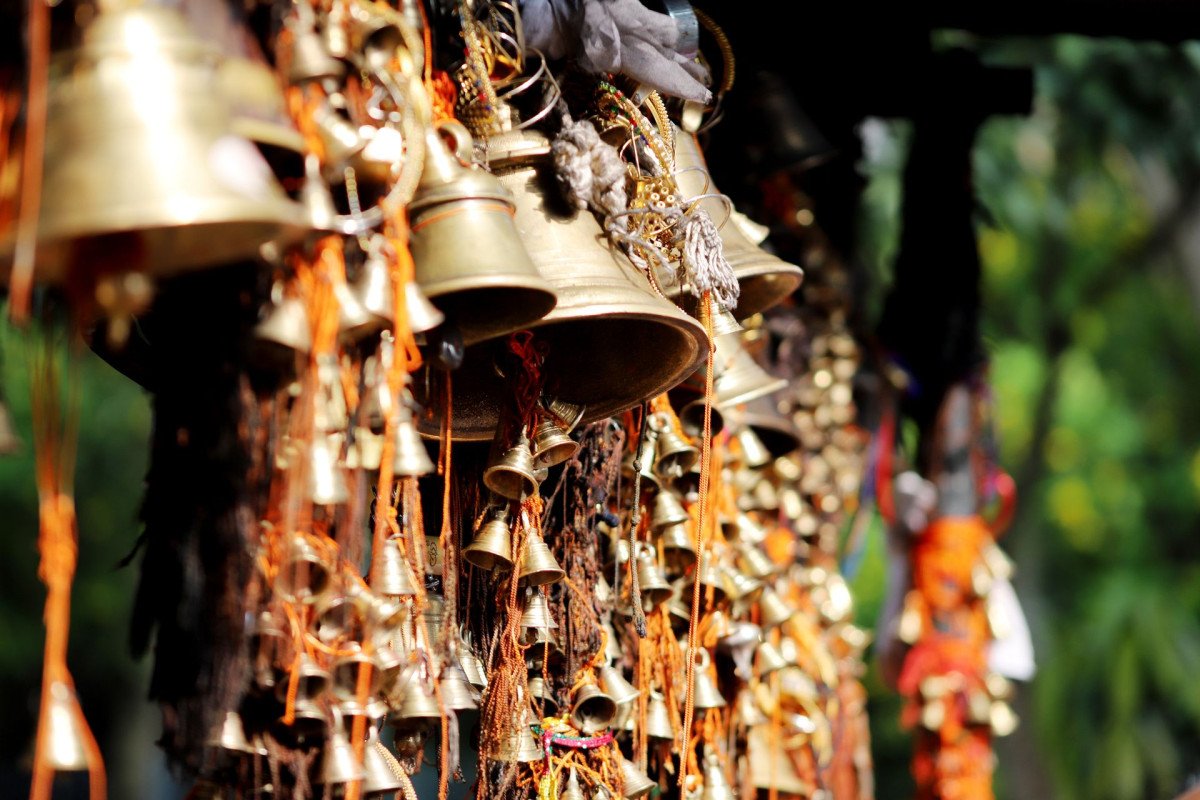
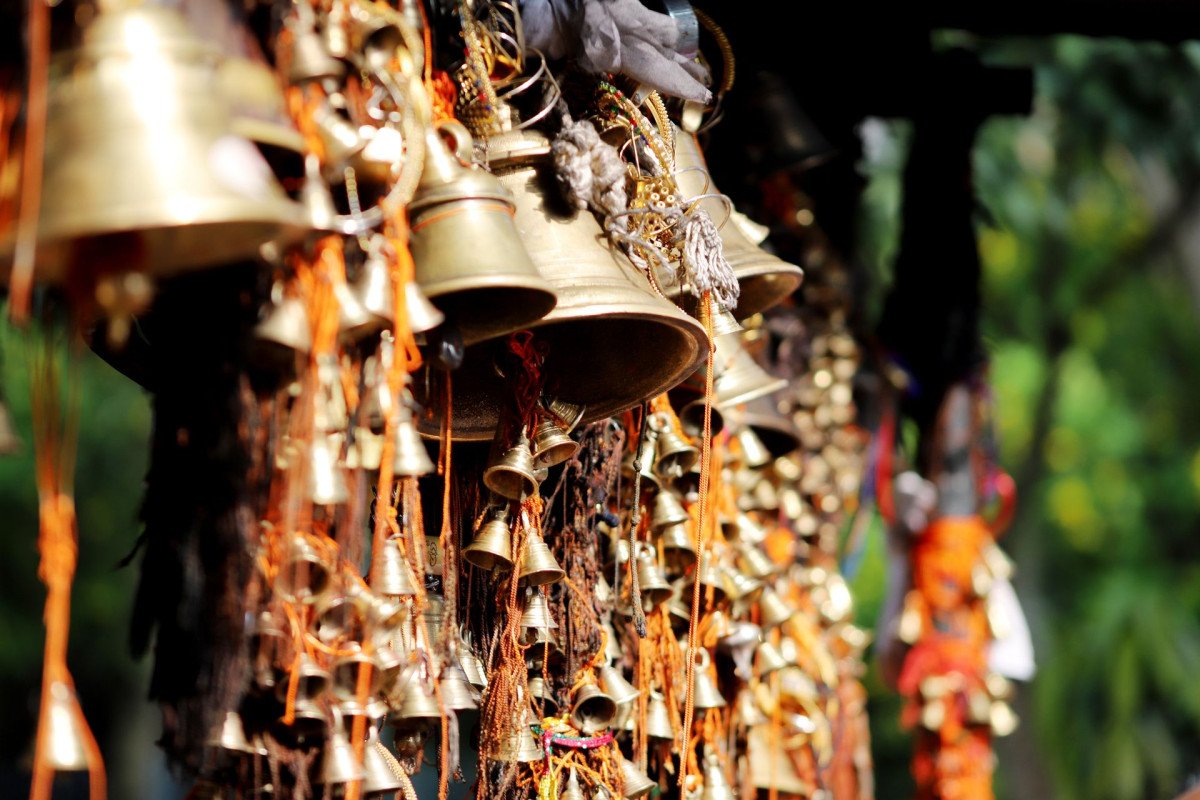
Gandi Ramanna Temple
General information
-
Ideal Duration:
2-3 Hours (To visit all the sub-shrines and the rock area):Place Type:
Temple / Cave Shrine:Entry Fees:
No Mandatory Darshan Fee: Entry to the complex and general Darshan is free for all visitors. The temple is supported by the community and voluntary donations.
Specific Ritual Fees: Fees are charged only for personal Sevas like Archana, Abhi...No Mandatory Darshan Fee: Entry to the complex and general Darshan is free for all visitors. The temple is supported by the community and voluntary donations.
Specific Ritual Fees: Fees are charged only for personal Sevas like Archana, Abhishekam for Hanuman, or participating in the Kalyanotsavam. These are usually minimal, ranging from Rs. 50 to Rs. 500.
Cow Shelter Donation: Visitors can buy feed or make a cash donation towards the upkeep of the Goshala (cow shelter), which is a virtuous act for devotees.
Parking Fee: There may be a small, nominal fee (Rs. 10 to Rs. 20) for vehicle parking outside the temple compound, especially during crowded periods. :Timing:
Regular Timings: Generally open from 6:00 AM to 1:00 PM and from 4:00 PM to 8:30 PM. The temple office or Prasadam counter may close during the afternoon.
Ideal Visit Time: The best time is during the Winter months (October to February) to ...Regular Timings: Generally open from 6:00 AM to 1:00 PM and from 4:00 PM to 8:30 PM. The temple office or Prasadam counter may close during the afternoon.
Ideal Visit Time: The best time is during the Winter months (October to February) to avoid the heat. The best time of day is the early morning (6:00 AM to 8:00 AM) for a peaceful Darshan and to feel the cool, fresh air of the hillock area. Tuesday and Saturday mornings are highly auspicious but more crowded.
Peak Season: Rama Navami (March/April) and Hanuman Jayanti (varies, often March-May) are the peak spiritual seasons with the largest number of pilgrims. :Special Events:
Sri Rama Navami: The biggest celebration in March or April (the birth of Lord Rama), featuring the Kalyanotsavam (marriage of Rama and Sita) and a grand procession of the deities.
Hanuman Jayanti: The birth anniversary of Lord Hanuman is cel...Sri Rama Navami: The biggest celebration in March or April (the birth of Lord Rama), featuring the Kalyanotsavam (marriage of Rama and Sita) and a grand procession of the deities.
Hanuman Jayanti: The birth anniversary of Lord Hanuman is celebrated with great fervor, involving special large-scale Abhishekams, bhajans, and community feasts, drawing the largest crowds of the year.
Dattatreya Jayanti: The birth anniversary of Dattatreya in the month of Margashirsha (November/December) is also celebrated with special rituals, highlighting the diversity of the complex. :Best Photo Spots:
The Main Anjaneya Rock Carving: The carving on the rock face, particularly if you can capture the contrast between the natural stone and the sindoor (vermillion) applied to the deity, makes for a powerful shot.
The Temple Gopuram and Entrance:The Main Anjaneya Rock Carving: The carving on the rock face, particularly if you can capture the contrast between the natural stone and the sindoor (vermillion) applied to the deity, makes for a powerful shot.
The Temple Gopuram and Entrance: The colorful facade of the main entrance, especially when decorated during festivals, is excellent for wide-angle shots.
Panoramic View from the Hillock: The temple's higher vantage point offers opportunities to photograph the surrounding landscape of Nirmal town, particularly pleasing at sunrise or sunset.
The Ringing Stone: A photo documenting the act of tapping the mysterious rock is a unique and essential souvenir, capturing the temple's most famous curiosity. :Photo Gallery
Things To Do
-
Performing Darshan of All Five Deities: Take a slow, reverent circuit of the complex to ensure you receive blessings from all five major deities (Rama, Anjaneya, Shiva, Sai Baba, and Dattatreya), which is the unique draw of the temple.
Seeking Blessings for Obstacles: Special Poojas for Lord Hanuman are performed on Tuesdays and Saturdays. Attending the morning Aarti on these days is recommended for devotees seeking strength and success.
The Ringing Stone Discovery: Spend time locating and tapping the famous ringing stone to experience the local legend firsthand. It is a fun and intriguing activity for all visitors.
Quiet Meditation at the Shiva Cave: Spend a few minutes in silent contemplation inside the naturally rustic and cool Shiva cave, away from the crow...Performing Darshan of All Five Deities: Take a slow, reverent circuit of the complex to ensure you receive blessings from all five major deities (Rama, Anjaneya, Shiva, Sai Baba, and Dattatreya), which is the unique draw of the temple.
Seeking Blessings for Obstacles: Special Poojas for Lord Hanuman are performed on Tuesdays and Saturdays. Attending the morning Aarti on these days is recommended for devotees seeking strength and success.
The Ringing Stone Discovery: Spend time locating and tapping the famous ringing stone to experience the local legend firsthand. It is a fun and intriguing activity for all visitors.
Quiet Meditation at the Shiva Cave: Spend a few minutes in silent contemplation inside the naturally rustic and cool Shiva cave, away from the crowds of the main temple structure.
Enjoying the Natural Vistas: The temple's location on a hillock provides some good views of the surrounding Nirmal landscape. Spend time simply enjoying the rocky, green environment.
Community Feeding (Annadanam): If the temple is hosting Annadanam, consider participating or making a donation towards the noble cause, which is highly valued here.
Photography of the Cave Entrance: The rustic rock cave entrance provides a dramatic and historically significant backdrop for memorable photographs. :
Information
-
Why Famous:
Legend of Lord Rama's Carving: Its primary fame comes from the powerful local legend that the Anjaneya idol was carved by Lord Rama himself, establishing a direct link to the Ramayana and making it one of the most sacred Hanuman shrines in the region.
Read MoreLegend of Lord Rama's Carving: Its primary fame comes from the powerful local legend that the Anjaneya idol was carved by Lord Rama himself, establishing a direct link to the Ramayana and making it one of the most sacred Hanuman shrines in the region.
The Mysterious Ringing Stone: The temple is locally renowned for a specific rock or stone near the cave shrine that, when struck with a smaller stone, produces a metallic, bell-like sound. This unique, geological phenomenon has become a major draw for curious visitors and devotees.
Unity of Deities: The presence of major shrines for Rama, Shiva, Sai Baba, and Dattatreya in one complex makes it a rare pilgrimage site for diverse Hindu worshippers, signifying religious harmony and syncretism. :Architecture:
Architectural Style: The temple is a mix of natural cave shrine architecture and later-stage, formal temple construction. The earliest part is the natural cave or rock formation that houses the Shiva Linga and the original Anjaneya carving. The later additions, like the Go...Architectural Style: The temple is a mix of natural cave shrine architecture and later-stage, formal temple construction. The earliest part is the natural cave or rock formation that houses the Shiva Linga and the original Anjaneya carving. The later additions, like the Gopuram and Mandapam over the new shrines, follow a simple, functional Telangana Hindu style, characterized by a smooth, cement-plaster finish and colorful sculptural depictions.
Dimension Overview: The complex is spread across a large, uneven terrain, incorporating the natural hillock. The main Anjaneya shrine is small, perhaps 5×5 feet, built around the rock face. The newer structures, like the Sai Baba and Dattatreya temples, are moderate in size (e. g. , 20×15 feet halls). A notable feature is the Goshala (cow shelter) and a renovated Mandapam near the main entrance, highlighting the community's dedication.
Unique Feature: The Shiva Linga is often housed in a cave-like structure or beneath a rock overhang, giving it a distinct, rustic appearance that contrasts with the newer, more colorful shrines on the property. :How To Reach:
By Air: The nearest major airport is Rajiv Gandhi International Airport (HYD) in Hyderabad (approx. 250 KMS). From HYD, a direct taxi or bus to Nirmal is required.
By Train: Nearest major railway stations are Basar Railway Station (BSX) (a...By Air: The nearest major airport is Rajiv Gandhi International Airport (HYD) in Hyderabad (approx. 250 KMS). From HYD, a direct taxi or bus to Nirmal is required.
By Train: Nearest major railway stations are Basar Railway Station (BSX) (approx. 70 KMS) and Nizamabad (NZB) (approx. 110 KMS). From these stations, take a bus or hired cab directly to Nirmal town.
By Road: The temple is located right on the main NH-44 route, just at the edge of the main Nirmal town area, making it very easy to access. It is a well-known stop for travelers on the highway. TSRTC buses from all major cities stop nearby.
By Local Transport: It is just a very short auto-rickshaw ride (Tuk-Tuk) from the main Nirmal bus stand or Gandhi Chowk, typically costing less than Rs. 30. Due to its proximity to the highway, finding a return auto or bus is very easy. :Weather and Best Time to Visit:
Different Types of Seasons: Winter (October to February) is the most comfortable season, allowing for easy exploration of the hillock and temple complex. Monsoon (July to September) makes the surroundings lush, but the rock path can be slippery. Summer (March to June) is e...Different Types of Seasons: Winter (October to February) is the most comfortable season, allowing for easy exploration of the hillock and temple complex. Monsoon (July to September) makes the surroundings lush, but the rock path can be slippery. Summer (March to June) is extremely hot, making a midday visit very uncomfortable.
Different Parts of the Day: Early Morning (6:00 AM - 8:00 AM) is highly recommended for the peaceful atmosphere, cool air, and the special morning Aarti. Late Afternoon / Evening (5:00 PM - 8:00 PM) is also pleasant for an unhurried visit, avoiding the sun's peak heat. :Near Tourist Places:
Nirmal Fort (3.
5 KMS): Historical attraction on a nearby hill. Mini Tankbund (1.
5 KMS): Relaxing spot for an evening walk.
Balaji Temple / Devarakota Temple (2 KMS): Nearby popular Vishnu temple. Kalabhairava Temple (1 KM) Prominent Shiva temple.
Jungle Hanuman (4 KMS): Another popular Hanuman shrine.
Nirmal Museum (3 KMS): Museum showcasing the famous Nirmal art.
Kuntala Waterfalls (70 KMS): Highest waterfall in Telangana.
Pochera Waterfalls (4
5 KMS): Scenic cascade waterfall.
Adelli Pochamma Temple (2
5 KMS): Significant local Goddess shrine.
Kaddam Dam (50 KMS): Reservoir and picnic spot. :Tourism Tips
-
Health & Safety: Wear sturdy footwear, especially if you plan to explore the rock and cave area, as the path can be uneven and slightly slippery. Be respectful of the cave environment. Keep silence inside the shrines. Dress modestly.
Packing ...Health & Safety: Wear sturdy footwear, especially if you plan to explore the rock and cave area, as the path can be uneven and slightly slippery. Be respectful of the cave environment. Keep silence inside the shrines. Dress modestly.
Packing Essentials: A camera for the views. Sunscreen and a hat for daytime visits, even in winter. Water bottle. Small flash-light for exploring the darker cave shrine.
Accommodation: Stay in the center of Nirmal town, as the temple is very close to the center. Hotels are available near the bus stand.
Other Different Topics Heading:
Local Souvenirs: Look for small, hand-painted Nirmal toy miniatures of Lord Rama or Hanuman sold by vendors near the entrance.
Accessibility: The main shrines are easily accessible, but the cave shrine and hillock path may be difficult for the elderly or those with mobility issues. :
Reviews
FAQs
Nirmal Itineray And Cost:-
Gandi Ramanna Temple Tourism:-
Information about New and Updated Locations() of Telangana Has Been Added :-
Card subtitle
Note:-
Information provided here in good Faith and for reference only.
Near Places
Adelli Pochamma Temple
Some quick example text to build on the card title and make up the bulk of the card's content.
Go somewhere
Ayyappa Temple
Some quick example text to build on the card title and make up the bulk of the card's content.
Go somewhere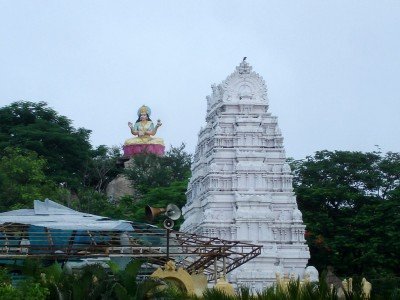
Balaji Temple / Devarakota Temple
Some quick example text to build on the card title and make up the bulk of the card's content.
Go somewhere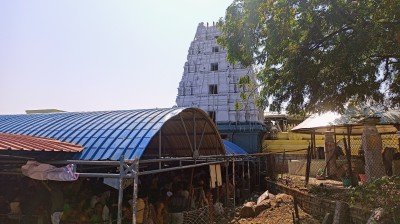
Basara Saraswathi Temple
Some quick example text to build on the card title and make up the bulk of the card's content.
Go somewhere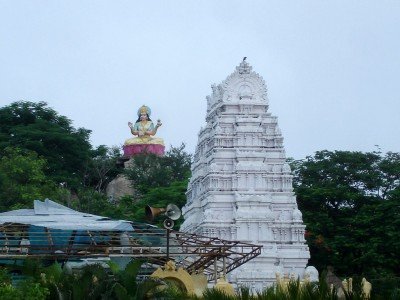
Boorgupally Shivalayam
Some quick example text to build on the card title and make up the bulk of the card's content.
Go somewhere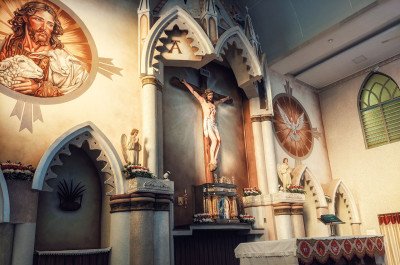
Gajulpet Church
Some quick example text to build on the card title and make up the bulk of the card's content.
Go somewhere
Gandi Ramanna Temple
Some quick example text to build on the card title and make up the bulk of the card's content.
Go somewhere
Gayatri Waterfalls
Some quick example text to build on the card title and make up the bulk of the card's content.
Go somewhere
Jungle Hanuman
Some quick example text to build on the card title and make up the bulk of the card's content.
Go somewhere
Kadem Project
Some quick example text to build on the card title and make up the bulk of the card's content.
Go somewhere
Kadile Papahareshwara Temple
Some quick example text to build on the card title and make up the bulk of the card's content.
Go somewhere
Kalabhairava Temple
Some quick example text to build on the card title and make up the bulk of the card's content.
Go somewhere
Kortikal Waterfall
Some quick example text to build on the card title and make up the bulk of the card's content.
Go somewhere
Kuntala Waterfalls
Some quick example text to build on the card title and make up the bulk of the card's content.
Go somewhere
Maha Lakshmi Temple
Some quick example text to build on the card title and make up the bulk of the card's content.
Go somewhere
Mini Tankbund
Some quick example text to build on the card title and make up the bulk of the card's content.
Go somewherein Other Cities