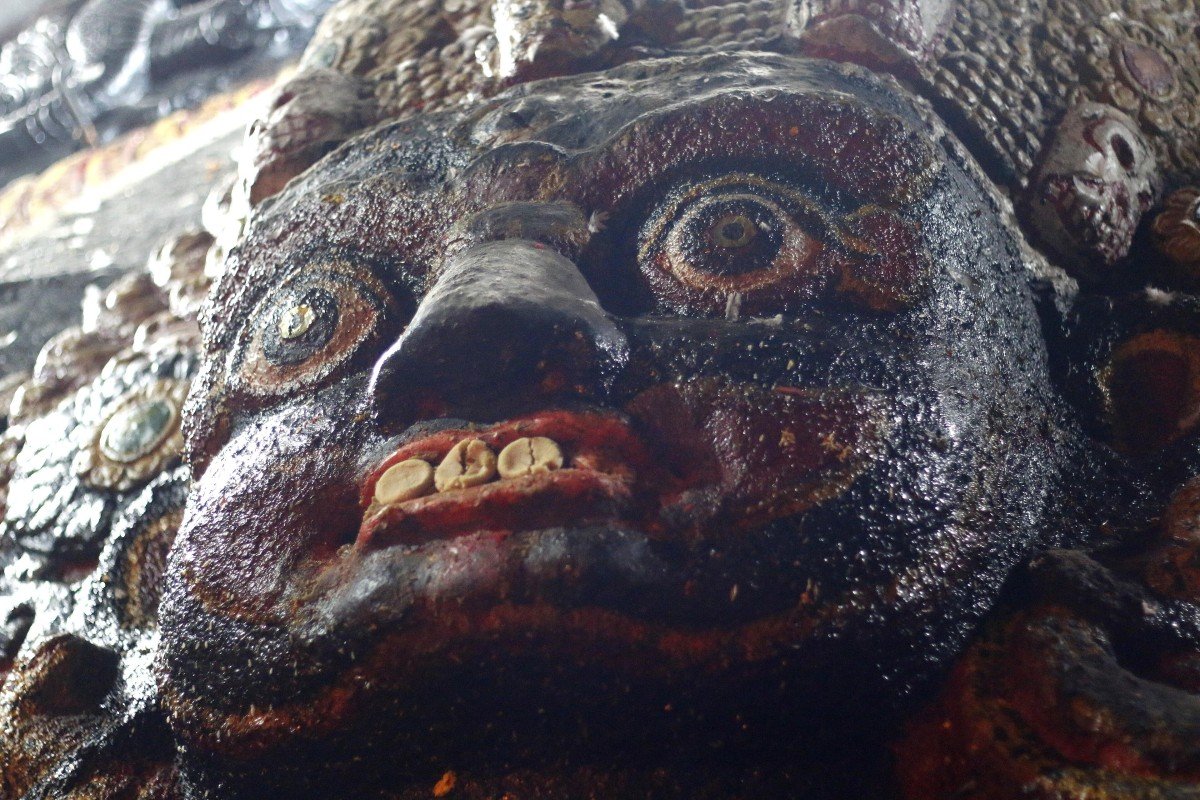


Kalabhairava Temple
General information
-
Ideal Duration:
1 Hour (For Darshan and circumambulation):Place Type:
Temple / Shaivite Shrine:Entry Fees:
No General Fee: There is no fee for general entry or Darshan. The temple operates on voluntary offerings from devotees.
Seva Fees: Specific, personal rituals or Sevas (like Abhishekam or Archana) require a nominal fee, typically ranging fro...No General Fee: There is no fee for general entry or Darshan. The temple operates on voluntary offerings from devotees.
Seva Fees: Specific, personal rituals or Sevas (like Abhishekam or Archana) require a nominal fee, typically ranging from Rs. 50 to Rs. 300, which must be booked through the temple office.
Parking: Being in a congested old town area, there might be a small, unofficial parking fee (for two-wheelers) or you may need to rely on street parking.
Special Offerings: Devotees may purchase special items like black sesame seeds or certain vadas from vendors to offer to the deity. :Timing:
Regular Timings: Generally opens at 5:00 AM and closes around 12:00 PM; reopens from 4:30 PM to 8:00 PM. The morning Abhishekam often starts very early.
Ideal Visit Time: The best season is Winter (October to February) for comfortable weat...Regular Timings: Generally opens at 5:00 AM and closes around 12:00 PM; reopens from 4:30 PM to 8:00 PM. The morning Abhishekam often starts very early.
Ideal Visit Time: The best season is Winter (October to February) for comfortable weather. The ideal time of day is the Early Morning (5:30 AM - 7:30 AM) to witness the rituals and avoid the crowd, or Late Evening (6:00 PM - 7:30 PM) during Deeparadhana. Sunday is traditionally associated with Bhairava and is a popular, though more crowded, day.
Peak Season: Kalabhairava Jayanti (November/December) is the peak celebration period. :Special Events:
Kalabhairava Jayanti: The temple's most important festival, celebrated on Karthika Bahula Ashtami (November/December), with grand processions and special midnight Poojas that are considered highly powerful.
Maha Shivaratri: As a form of Shiv...Kalabhairava Jayanti: The temple's most important festival, celebrated on Karthika Bahula Ashtami (November/December), with grand processions and special midnight Poojas that are considered highly powerful.
Maha Shivaratri: As a form of Shiva, the temple celebrates Maha Shivaratri in February/March with all-night Jagaran (vigil) and continuous Abhishekam of the Linga.
Dasara: Special prayers and Poojas are performed during the Navaratri period in September/October. :Best Photo Spots:
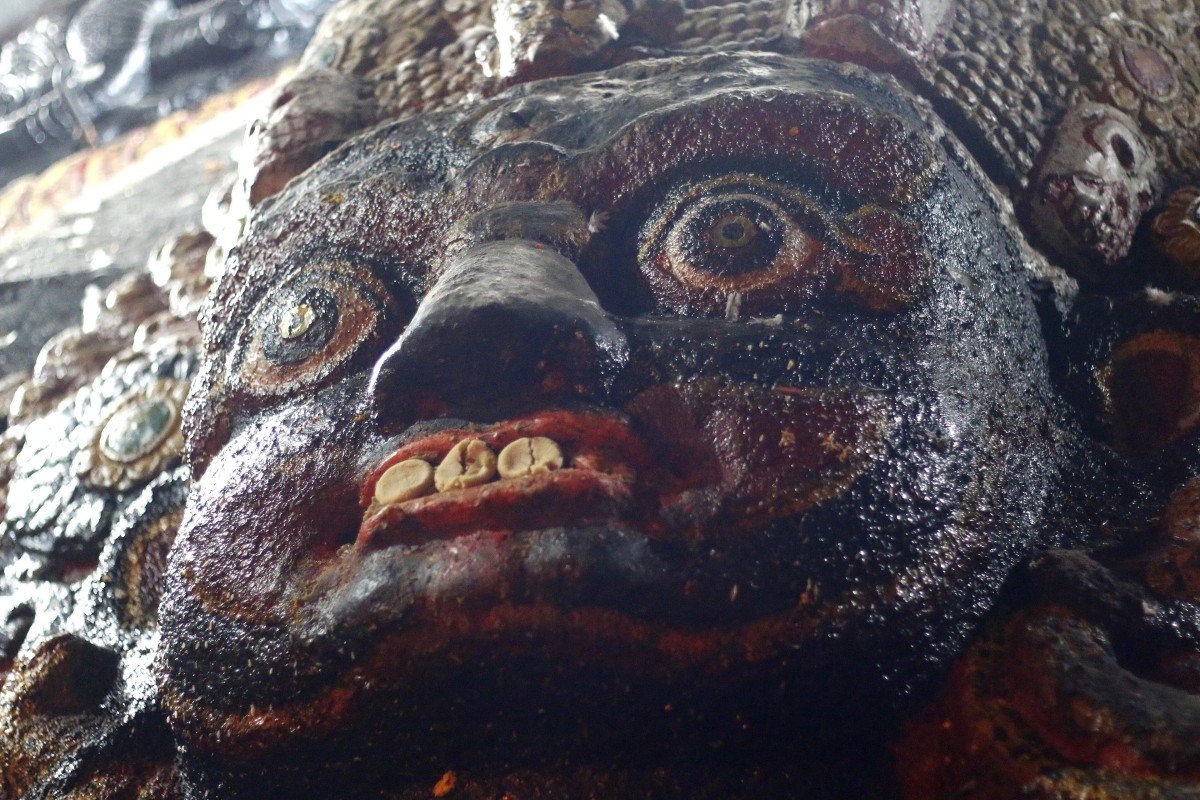
The Fierce Deity's Idol: Capture a respectful close-up of the main idol of Lord Kalabhairava (if permitted, without flash), focusing on the intensity and ornamentation.
The Shvan (Dog) Statue: The statue of the dog near the entrance or in th...The Fierce Deity's Idol: Capture a respectful close-up of the main idol of Lord Kalabhairava (if permitted, without flash), focusing on the intensity and ornamentation.
The Shvan (Dog) Statue: The statue of the dog near the entrance or in the complex makes for a unique photo, highlighting the temple's specific deity.
The Temple Facade at Sunset: The simple Vimana and the entrance archway, captured in the warm light of the setting sun, give the structure an ancient, mysterious feel.
The Oil Lamps: The rows of small oil lamps lit around the Garbhagriha perimeter during the evening Aarti create a dramatically beautiful and spiritual composition. :Photo Gallery
Things To Do
-
Seeking Protection Poojas: Attend the special Poojas performed, particularly on Sunday or Ashtami (the eighth day after the Full Moon or New Moon), for protection from the ill effects of planets or time.
Performing Abhishekam: Observing or sponsoring the Abhishekam for Lord Kalabhairava, especially with milk and honey, is a core activity for devotees.
Meditation on Time: Spend time in quiet reflection on the nature of time and destiny, seeking the Lord's guidance in mastering one's own time and actions. The energy of the temple is conducive to this type of deep contemplation.
Offering Coconut and Flowers: Purchase offerings from the local vendors and offer them to the main deity, which is a simple yet sincere act of devotion.
Photog...Seeking Protection Poojas: Attend the special Poojas performed, particularly on Sunday or Ashtami (the eighth day after the Full Moon or New Moon), for protection from the ill effects of planets or time.
Performing Abhishekam: Observing or sponsoring the Abhishekam for Lord Kalabhairava, especially with milk and honey, is a core activity for devotees.
Meditation on Time: Spend time in quiet reflection on the nature of time and destiny, seeking the Lord's guidance in mastering one's own time and actions. The energy of the temple is conducive to this type of deep contemplation.
Offering Coconut and Flowers: Purchase offerings from the local vendors and offer them to the main deity, which is a simple yet sincere act of devotion.
Photographing the Iconography: The unique and often dramatic iconography of Kalabhairava and his Vahana (dog) is worth a respectful photograph from the Mandapam. :
Information
-
Why Famous:
Kalabhairava's Power: It is highly renowned locally for the fierce spiritual power of the main deity, who is believed to control time and protect the devotees from misfortune and planetary afflictions.
Rare Dedication: Being one of the few p...Kalabhairava's Power: It is highly renowned locally for the fierce spiritual power of the main deity, who is believed to control time and protect the devotees from misfortune and planetary afflictions.
Rare Dedication: Being one of the few prominent temples dedicated specifically to Lord Kalabhairava in the region, it attracts Shaivite devotees from a wider geographical area than just Nirmal town.
Kalabhairava Jayanti Festival: The annual celebration of Kalabhairava Jayanti in the Karthika month (November/December) is a major event, drawing special-purpose pilgrims for blessings. : -
Architecture:
Architectural Style: The architecture is functional and traditional, reflecting the local Telangana style of temple construction. It is typically a compact temple complex, often with the main shrine facing south or west, which is traditional for Kalabhairava worship. It fe...Architectural Style: The architecture is functional and traditional, reflecting the local Telangana style of temple construction. It is typically a compact temple complex, often with the main shrine facing south or west, which is traditional for Kalabhairava worship. It features a simple, slightly pyramidal Vimana (tower) over the Garbhagriha and a moderate-sized Mandapam.
Dimension Overview: The complex is small, befitting its urban location, possibly occupying a compound of 50×50 feet. The Garbhagriha is intimate, focusing attention on the powerful deity. A notable feature is often a small shrine dedicated to Lingeswara (Shiva Lingam) and a separate platform for the Sthala Vruksham.
Iconography: The idol of Kalabhairava is usually depicted in a fearsome form, with multiple arms and carrying a trident (Trishula). The temple may also feature a prominent statue of the dog (Shvan) near the entrance, symbolizing the Lord's vehicle. : -
How To Reach:
By Air: The nearest major airport is Rajiv Gandhi International Airport (HYD) in Hyderabad (approx. 250 KMS). From HYD, one must take a taxi or bus directly to Nirmal.
By Train: The closest major railheads are Basar Railway Station (BSX) (...By Air: The nearest major airport is Rajiv Gandhi International Airport (HYD) in Hyderabad (approx. 250 KMS). From HYD, one must take a taxi or bus directly to Nirmal.
By Train: The closest major railheads are Basar Railway Station (BSX) (approx. 70 KMS) and Nizamabad (NZB) (approx. 110 KMS). From the station, take a bus or hired cab towards Nirmal and then local transport to the old bus stand area.
By Road: The temple is centrally located in the Chinthakunta Wada area, right near the old bus stand of Nirmal. It is easily accessible from the main highway (NH-44) and is a well-known local landmark. TSRTC buses connect Nirmal to all major nearby towns.
By Local Transport: Due to its central location, it is a very short and affordable auto-rickshaw ride (Tuk-Tuk) from the new Nirmal Bus Stand or Gandhi Chowk, typically costing less than Rs. 20. : -
Weather and Best Time to Visit:
Different Types of Seasons: Winter (October to February) offers the most pleasant temperatures for a visit. Monsoon (July to September) is also a good time, but the paths around the old bus stand area can be messy. Summer (March to June) should be avoided during the sun's ...Different Types of Seasons: Winter (October to February) offers the most pleasant temperatures for a visit. Monsoon (July to September) is also a good time, but the paths around the old bus stand area can be messy. Summer (March to June) should be avoided during the sun's peak hours.
Different Parts of the Day: Early Morning (5:00 AM - 8:00 AM) is the most powerful time for Darshan and to avoid traffic congestion in the old town area. Evening (5:00 PM - 7:00 PM) is a good time to visit before the temple closes for the night. : -
Near Tourist Places:
Balaji Temple / Devarakota Temple (1 KM) Nearby major Vishnu temple. Mini Tankbund (1.
5 KMS): Relaxing spot for an evening walk. Gandi Ramanna Temple (1 KM) Popular multi-deity complex.
Murali Krishna Mandir (2 KMS): Nearby shrine of Lord Krishna.
Nirmal Museum (2 KMS): Museum showcasing the famous Nirmal art.
Nirmal Fort (4 KMS): Historical attraction on the hill.
Basar Saraswathi Temple (70 KMS): Educational pilgrimage center.
Kuntala Waterfalls (70 KMS): Highest waterfall in Telangana.
Pochera Waterfalls (4
5 KMS): Scenic cascade waterfall.
Kaddam Dam (50 KMS): Reservoir and picnic spot. :
Tourism Tips
-
Health & Safety: Dress modestly. The area near the old bus stand can be congested, so be mindful of traffic. As a Bhairava shrine, the atmosphere can be intense; approach with respect and a clear mind. Watch out for stray dogs, as they are considered sacred here.Health & Safety: Dress modestly. The area near the old bus stand can be congested, so be mindful of traffic. As a Bhairava shrine, the atmosphere can be intense; approach with respect and a clear mind. Watch out for stray dogs, as they are considered sacred here.
Packing Essentials: Small denominations of cash for offerings and prasadam. Water bottle. Tuesdays and Saturdays are the most crowded, requiring extra patience.
Accommodation: Plenty of budget and mid-range accommodation options are available within a short walk or auto ride from the temple near the bus stand area.
Other Different Topics Heading:
Local Belief: It is believed that visiting this temple before starting a journey ensures a safe trip.
Footwear Security: Use the designated shoe-keeping service near the entrance for a small, nominal fee. :
Reviews
FAQs
Nirmal Itineray And Cost:-
Kalabhairava Temple Tourism:-
Information about New and Updated Locations() of Telangana Has Been Added :-
Card subtitle
Note:-
Information provided here in good Faith and for reference only.
Near Places
Adelli Pochamma Temple
Some quick example text to build on the card title and make up the bulk of the card's content.
Go somewhere
Ayyappa Temple
Some quick example text to build on the card title and make up the bulk of the card's content.
Go somewhere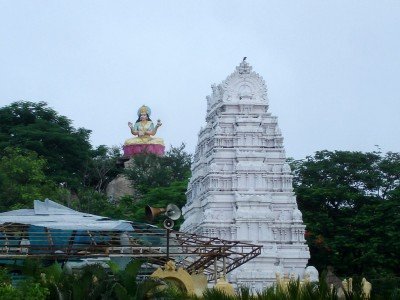
Balaji Temple / Devarakota Temple
Some quick example text to build on the card title and make up the bulk of the card's content.
Go somewhere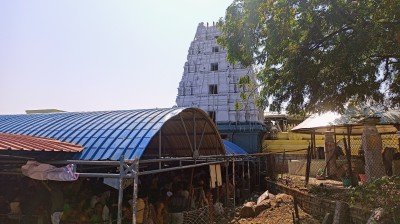
Basara Saraswathi Temple
Some quick example text to build on the card title and make up the bulk of the card's content.
Go somewhere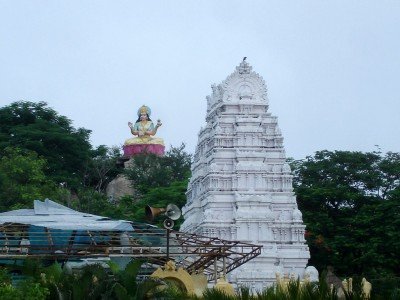
Boorgupally Shivalayam
Some quick example text to build on the card title and make up the bulk of the card's content.
Go somewhere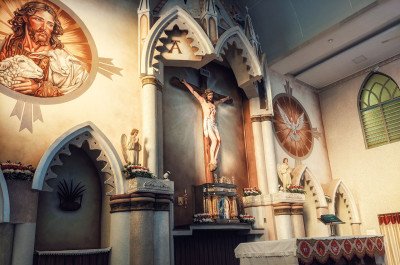
Gajulpet Church
Some quick example text to build on the card title and make up the bulk of the card's content.
Go somewhere
Gandi Ramanna Temple
Some quick example text to build on the card title and make up the bulk of the card's content.
Go somewhere
Gayatri Waterfalls
Some quick example text to build on the card title and make up the bulk of the card's content.
Go somewhere
Jungle Hanuman
Some quick example text to build on the card title and make up the bulk of the card's content.
Go somewhere
Kadem Project
Some quick example text to build on the card title and make up the bulk of the card's content.
Go somewhere
Kadile Papahareshwara Temple
Some quick example text to build on the card title and make up the bulk of the card's content.
Go somewhere
Kalabhairava Temple
Some quick example text to build on the card title and make up the bulk of the card's content.
Go somewhere
Kortikal Waterfall
Some quick example text to build on the card title and make up the bulk of the card's content.
Go somewhere
Kuntala Waterfalls
Some quick example text to build on the card title and make up the bulk of the card's content.
Go somewhere
Maha Lakshmi Temple
Some quick example text to build on the card title and make up the bulk of the card's content.
Go somewhere
Mini Tankbund
Some quick example text to build on the card title and make up the bulk of the card's content.
Go somewherein Other Cities