

Ghasipura Haveli
General information
-
Ideal Duration:
2 to 3 HoursPlace Type:
Historic / HeritageEntry Fees:
Complimentary Access for Visitors: Currently, there is no formal entry fee to visit the Ghasipura Haveli as it is a private heritage site. Visitors are generally allowed to view the exteriors and common areas with permission. However, travelers should be respectful of the...Complimentary Access for Visitors: Currently, there is no formal entry fee to visit the Ghasipura Haveli as it is a private heritage site. Visitors are generally allowed to view the exteriors and common areas with permission. However, travelers should be respectful of the residents and the property.Timing:
Standard Visiting Hours: The haveli is best visited between 09:00 am and 05:00 pm.
Ideal Time for Photography: The early morning hours around 08:00 am offer the softest light for capturing the textures of the old brickwork and arches. Avoi...Standard Visiting Hours: The haveli is best visited between 09:00 am and 05:00 pm.
Ideal Time for Photography: The early morning hours around 08:00 am offer the softest light for capturing the textures of the old brickwork and arches. Avoid visiting after sunset as the area is not well-lit.Special Events:
Annual Clan Gatherings and Festivals: While not a public commercial event, the descendants of the family often gather during Holi and Diwali, bringing the old haveli back to life with traditional celebrations. The village of Ghasipura also hosts local fairs during Baisakhi...Annual Clan Gatherings and Festivals: While not a public commercial event, the descendants of the family often gather during Holi and Diwali, bringing the old haveli back to life with traditional celebrations. The village of Ghasipura also hosts local fairs during Baisakhi, reflecting the agricultural success of the region which the haveli's founders once oversaw.Best Photo Spots:
The Main Entrance Arched Gateway: The towering entrance with its heavy wooden doors and weathered stone provides an iconic historical shot.
The Inner Courtyard Pillars: The series of arches and pillars in the main courtyard offer great pers...The Main Entrance Arched Gateway: The towering entrance with its heavy wooden doors and weathered stone provides an iconic historical shot.
The Inner Courtyard Pillars: The series of arches and pillars in the main courtyard offer great perspective shots, especially during the golden hour of sunset.
Upper Balconies: Looking down into the courtyard from the upper balconies captures the symmetry and scale of the ancestral home perfectly.Photo Gallery
Things To Do
-
Heritage Walk and Exploration: Visitors can take a self-guided heritage walk through the vast corridors and courtyards. Exploring the various "Mahals" within the haveli allows you to appreciate the transition of architectural styles over decades.
Photography and Videography: The ruins offer a dramatic backdrop for photography. Capturing the interplay of light through the arched doorways and the textured crumbling walls is a favorite activity for artists.
Interacting with Local Elders: Talking to the village elders in Ghasipura provides a treasure trove of oral history and legends about the Maulaheri family that are not found in books.
Village Tourism: Take a stroll through the village to see traditional farming practices and the vibrant rural life of Muzaffarn...Heritage Walk and Exploration: Visitors can take a self-guided heritage walk through the vast corridors and courtyards. Exploring the various "Mahals" within the haveli allows you to appreciate the transition of architectural styles over decades.
Photography and Videography: The ruins offer a dramatic backdrop for photography. Capturing the interplay of light through the arched doorways and the textured crumbling walls is a favorite activity for artists.
Interacting with Local Elders: Talking to the village elders in Ghasipura provides a treasure trove of oral history and legends about the Maulaheri family that are not found in books.
Village Tourism: Take a stroll through the village to see traditional farming practices and the vibrant rural life of Muzaffarnagar.
Picnicking in the Orchards: The area surrounding the haveli is lush with mango and sugarcane plantations, making it a perfect spot for a quiet outdoor lunch.
Bird Watching: The old structure and surrounding trees attract several species of local birds, ideal for nature enthusiasts.
Historical Research: Academic students and history buffs can document the surviving inscriptions and architectural details for research purposes.
Information
-
Why Famous:
A Legacy of the Maulaheri Dynasty: The haveli is famous for its association with the Maulaheri family, who were once the largest landowners in Muzaffarnagar. They played a pivotal role in the regional politics of the Mughal and Maratha eras. The family’s fame peaked whe...A Legacy of the Maulaheri Dynasty: The haveli is famous for its association with the Maulaheri family, who were once the largest landowners in Muzaffarnagar. They played a pivotal role in the regional politics of the Mughal and Maratha eras. The family’s fame peaked when they were nearly granted the title of Raja by the British, a process halted only by the sudden demise of Chaudhri Ghasiram Singh. This history of "almost-royalty" makes the haveli a place of great intrigue for historians. It is also famous for being one of the few surviving examples of large-scale fortified rural mansions in the region, showcasing the wealth generated by the sugar industry in its infancy. -
Architecture:
Indo-Islamic and Colonial Fusion Architecture: The architecture of Ghasipura Haveli is a robust blend of traditional Indo-Islamic styles and early colonial influences. The main structure features thick masonry walls made of Lakhori bricks and lime mortar, designed for both...Indo-Islamic and Colonial Fusion Architecture: The architecture of Ghasipura Haveli is a robust blend of traditional Indo-Islamic styles and early colonial influences. The main structure features thick masonry walls made of Lakhori bricks and lime mortar, designed for both thermal insulation and defense. The central courtyard (Aangan) is a defining feature, surrounded by arched corridors and "Dalans. " The dimensions of the main entrance gate are imposing, standing approximately 25 feet high to allow mounted elephants and horses to pass. The upper floors contain intricate wood-carved windows and stone-carved brackets that support the overhanging balconies. The layout is divided into the "Mardana" (men's quarters) and "Zenana" (women's quarters), typical of high-status 19th-century residences. Ornate floral motifs and geometric patterns are visible on the plasterwork of the inner chambers. -
How To Reach:
By Air: The nearest airport is Jolly Grant Airport in Dehradun, about 120 km away. Alternatively, IGI Airport in Delhi is 140 km away.
By Train: Muzaffarnagar Railway Station is the closest major railhead, well-connected to Delhi and Dehra...By Air: The nearest airport is Jolly Grant Airport in Dehradun, about 120 km away. Alternatively, IGI Airport in Delhi is 140 km away.
By Train: Muzaffarnagar Railway Station is the closest major railhead, well-connected to Delhi and Dehradun.
By Road: Ghasipura is easily accessible via NH-58. You can take a bus or taxi from Muzaffarnagar city center towards Mansurpur.
By Local Transport: Auto-rickshaws and local E-rickshaws are available from Muzaffarnagar and Mansurpur to reach the village. -
Weather and Best Time to Visit:
Winter Season (October to March): This is the best time as the weather is cool and pleasant for exploring the outdoors.
Summer Season (April to June): Summers are extremely hot, with temperatures exceeding 40°C, making it uncomfortable.Winter Season (October to March): This is the best time as the weather is cool and pleasant for exploring the outdoors.
Summer Season (April to June): Summers are extremely hot, with temperatures exceeding 40°C, making it uncomfortable.
Monsoon Season (July to September): The rains bring greenery, but the old structures can be slippery and difficult to navigate.
Time of Day: Morning and late afternoon are ideal to avoid the midday sun. -
Near Tourist Places:
1. Namaste Dwaar (3 km), 2. Chitora Jhal (5 km), 3. Mansurpur Sugar Mill (4 km), 4. Vahelna Jain Temple (15 km), 5. Shiv Chowk (18 km), 6. Hanumatdham (45 km), 7. Akshay Vat (45 km), 8. Ganeshdham (45 km), 9. Bhairon Temple (19 km), 10. Zoology Museum (20 km).
Tourism Tips
-
Health and Safety: Wear sturdy shoes as the ground can be uneven and there may be debris. Carry a basic first-aid kit and insect repellent.
Packing Essentials: Bring a hat, sunglasses, and plenty of drinking water.
Read MoreHealth and Safety: Wear sturdy shoes as the ground can be uneven and there may be debris. Carry a basic first-aid kit and insect repellent.
Packing Essentials: Bring a hat, sunglasses, and plenty of drinking water.
Accommodation: It is best to stay in Muzaffarnagar city or nearby resorts like Namaste Dwaar.
Cash and Connectivity: Carry sufficient cash as ATMs are limited in the village. Mobile connectivity is generally good, but Wi-Fi is unavailable at the site.Reviews
FAQs
Muzaffarnagar Itineray And Cost:-
Ghasipura Haveli Tourism:-
Information about New and Updated Locations() of Uttar Pradesh Has Been Added :-
Card subtitle
Note:-
Information provided here in good Faith and for reference only.
All information and pictures will be updated soon, please keep visiting.
Near Places

Akshay Vat Vatika
Some quick example text to build on the card title and make up the bulk of the card's content.
Go somewhere
Bhairon ka Mandir
Some quick example text to build on the card title and make up the bulk of the card's content.
Go somewhere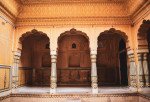
Chandsina Fort
Some quick example text to build on the card title and make up the bulk of the card's content.
Go somewhere
Clock Tower Khatauli
Some quick example text to build on the card title and make up the bulk of the card's content.
Go somewhere
Durga Dham
Some quick example text to build on the card title and make up the bulk of the card's content.
Go somewhere
Ganeshdham
Some quick example text to build on the card title and make up the bulk of the card's content.
Go somewhere
Ghasipura Haveli
Some quick example text to build on the card title and make up the bulk of the card's content.
Go somewhere
Government Educational Museum
Some quick example text to build on the card title and make up the bulk of the card's content.
Go somewhere
Hanumatdham
Some quick example text to build on the card title and make up the bulk of the card's content.
Go somewhere
Kali Nadi Devi Mandir
Some quick example text to build on the card title and make up the bulk of the card's content.
Go somewherein Other Cities