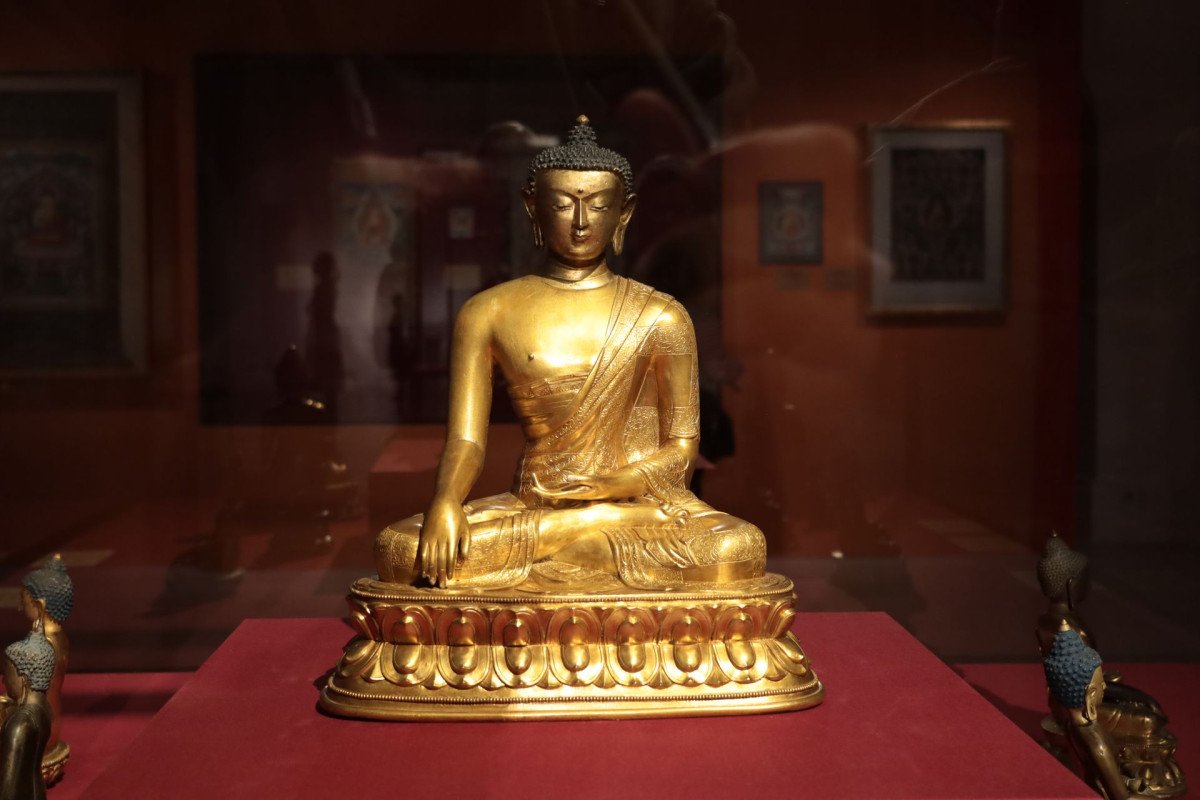
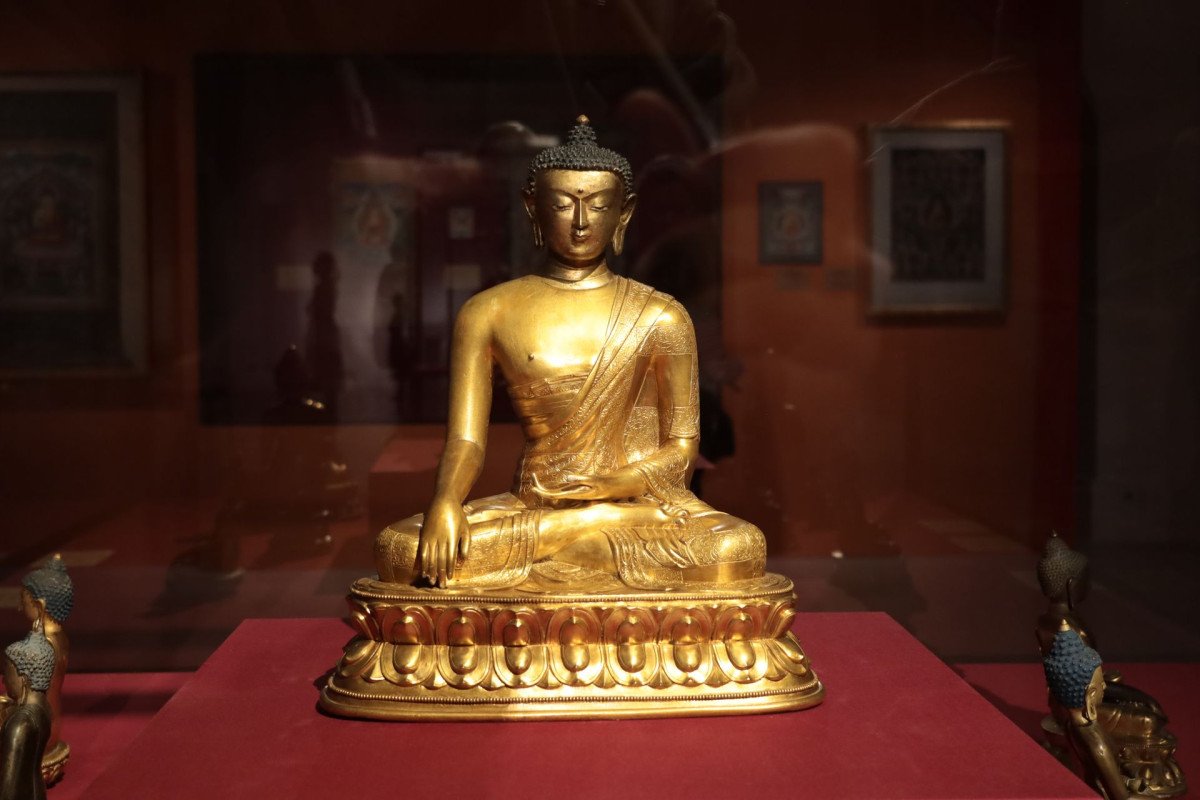
Government Educational Museum
General information
-
Ideal Duration:
1-2 HoursPlace Type:
Educational, Historical, CulturalEntry Fees:
Minimal Entry Fee for Citizens: Being a government-run institution, the Government Educational Museum typically charges a very minimal entry fee for Indian citizens, often ranging from Rs.5 to Rs.20 per person. This nominal fee makes the cultural heritage accessible to everyone...Minimal Entry Fee for Citizens: Being a government-run institution, the Government Educational Museum typically charges a very minimal entry fee for Indian citizens, often ranging from Rs.5 to Rs.20 per person. This nominal fee makes the cultural heritage accessible to everyone and contributes slightly to the museum's upkeep. :
Higher Fee for Foreign Tourists: A slightly higher entry fee is usually applicable to foreign tourists, a standard practice in Indian museums and monuments, often ranging from Rs.100 to Rs.300, which is still quite affordable compared to global standards. :
Fees for Students and Groups: Students, especially those on official school trips, often receive a significant discount or may even be allowed free entry upon presenting a valid ID or a group application letter, reinforcing the museum's educational mandate. :
Photography/Videography Fees: There might be a separate, small fee for carrying a camera (Rs.25 to Rs.50) or a higher fee for professional videography, to protect the artifacts. Always inquire at the ticket counter regarding the current rules on photography. :Timing:
Regular Timings: The museum is typically open from 10:30 AM to 4:30 PM on weekdays (Monday to Saturday). It strictly remains Closed on Sundays and on major national holidays, so confirming the schedule is essential before planning a visit. :
Idea...Regular Timings: The museum is typically open from 10:30 AM to 4:30 PM on weekdays (Monday to Saturday). It strictly remains Closed on Sundays and on major national holidays, so confirming the schedule is essential before planning a visit. :
Ideal Visit Time (General): The best time to visit for a quiet, focused experience is during the mid-morning (11:00 AM to 1:00 PM) on a weekday, shortly after it opens. This time is usually less crowded with school groups, allowing for a more reflective and detailed study of the exhibits. :
Ideal Visit Time (Academic): For researchers or serious students, the quietest time is often the late afternoon (3:00 PM to 4:30 PM), as school groups have generally left, providing uninterrupted access to the displays and potentially allowing time for interaction with the on-duty staff. :Special Events:
Special Educational Programs: The museum's primary special events revolve around Educational Programs for students, often held during major school breaks or on days of historical significance. These can include lectures, essay competitions, and temporary exhibitions focused...Special Educational Programs: The museum's primary special events revolve around Educational Programs for students, often held during major school breaks or on days of historical significance. These can include lectures, essay competitions, and temporary exhibitions focused on themes like Indian Independence, local history, or specific art forms. :
Museum Day Celebration: The museum actively participates in celebrating International Museum Day (May 18) and other national heritage days. During these events, special tours, free entry, and unique programs are often organized to promote public awareness and appreciation of local culture and history, drawing in a diverse crowd. :Best Photo Spots:
Gallery Layout and Display Cases: A clean, wide-angle shot of one of the main galleries, showing the well-arranged display cases and the overall layout, can beautifully capture the educational atmosphere and the scale of the collection. The geometry of the room makes for a ...Gallery Layout and Display Cases: A clean, wide-angle shot of one of the main galleries, showing the well-arranged display cases and the overall layout, can beautifully capture the educational atmosphere and the scale of the collection. The geometry of the room makes for a structured photograph. :
Close-Up of a Terracotta Head: Get a close-up, respectful shot of one of the particularly expressive terracotta human or animal heads, focusing on the detail and the texture of the ancient clay. This highlights the artistry of the past and the tactile nature of the artifact. :
The Exterior Facade and Signage: The official sign and the entrance facade of the government building offer a classic photo of the institution itself, often including the official logo or crest, which provides context for the historical/educational nature of the visit. :Photo Gallery
Things To Do
-
Study the Coin Collection: Spend focused time examining the coin gallery. The coins are miniature documents of history, reflecting the economic systems, scripts, and iconography of various ruling dynasties. Use the provided information panels to trace the change in rulers and their influence on the region, which is a key educational experience. :
Analyze the Terracotta and Metal Images: Pay close attention to the terracotta and metal images. These pieces often depict Hindu deities, local folk figures, or scenes from daily life. Observe the different artistic styles and techniques used, which can provide clues about the time period and the cultural aesthetics of the society that produced them. :
Research the Dolls and Paintings: Explore the section dedicated to dolls in traditional costumes and pa...Study the Coin Collection: Spend focused time examining the coin gallery. The coins are miniature documents of history, reflecting the economic systems, scripts, and iconography of various ruling dynasties. Use the provided information panels to trace the change in rulers and their influence on the region, which is a key educational experience. :
Analyze the Terracotta and Metal Images: Pay close attention to the terracotta and metal images. These pieces often depict Hindu deities, local folk figures, or scenes from daily life. Observe the different artistic styles and techniques used, which can provide clues about the time period and the cultural aesthetics of the society that produced them. :
Research the Dolls and Paintings: Explore the section dedicated to dolls in traditional costumes and paintings. This offers a valuable, often colorful, educational look at the regional clothing, cultural diversity, and artistic expressions from various parts of India, moving beyond the purely archaeological focus to an anthropological one. :
Engage with the Curator or Staff: If possible, politely ask the staff or curator about specific pieces or sections of the museum. Their knowledge about the provenance and context of the artifacts can significantly enhance your understanding and provide details not available on the display labels. :
Educational Self-Guided Tour: Treat your visit as an educational self-guided tour. Take notes, sketch favorite artifacts, or focus on a specific time period (like the Gupta or Mughal era) to make the experience more structured and rewarding, utilizing the quiet atmosphere for deep learning. :
Attend a Lecture or Workshop: Inquire if the museum hosts any public lectures, workshops, or temporary exhibitions. Educational museums often hold such events to engage the community, and attending one can provide a fresh, expert perspective on the collections or a related topic. :
Photography of Non-Restricted Items: Where permitted (always ask), respectfully take photographs of the architecture, display cases, and general arrangement of the galleries (avoiding flash on sensitive materials like paintings) to capture the atmosphere of the learning environment and to serve as a memory aid for the exhibits. :
Information
-
Why Famous:
Diverse and Rare Collections: The museum is famous for its remarkably diverse and rare collections, particularly its historical metal images, intricate terracotta artifacts, and its extensive, chronologically important collection of coins. These artifacts provide invaluable...Diverse and Rare Collections: The museum is famous for its remarkably diverse and rare collections, particularly its historical metal images, intricate terracotta artifacts, and its extensive, chronologically important collection of coins. These artifacts provide invaluable insights into the social, economic, and religious history of the Muzaffarnagar region and the wider Ganga-Yamuna Doab. For researchers and students, it is an essential resource for studying regional art history. :
Educational Focus and Accessibility: Its fame is cemented by its designation as an Educational Museum, underscoring its commitment to learning. It's a key institution for school field trips and academic study, making history accessible to the local population. Its location in the Civil Lines area, near schools and administrative offices, also enhances its accessibility and status as a reputable governmental body. : -
Architecture:
Architectural Style: The building housing the museum typically follows the governmental or institutional architecture style prevalent in North India during the mid-20th century. It is likely a functional, utilitarian structure, often characterized by simple, robust construc...Architectural Style: The building housing the museum typically follows the governmental or institutional architecture style prevalent in North India during the mid-20th century. It is likely a functional, utilitarian structure, often characterized by simple, robust construction, brickwork, and a practical layout suitable for display and storage, rather than traditional artistic architecture. :
Interior Design and Display: The interior is designed for educational display, featuring well-lit galleries and glass cases. The focus is on chronological and thematic arrangement of artifacts. The layout ensures easy navigation between sections like the Sculpture Gallery, Terracotta Section, Coin Section, and Dolls and Paintings Section. The building aims for functionality, prioritizing the safety and visibility of its valuable collections, with clear labeling in Hindi and often English. :
Dimension and Layout: The museum, while not as grand as metropolitan museums, is sufficiently sized for a regional educational center. It is compartmentalized into several specific galleries or rooms, each dedicated to a particular type of artifact (e. g. , metal, stone, coins). The overall dimension is designed to offer a focused, 1-2 hour exploration experience, ensuring that visitors can absorb the information without being overwhelmed by sheer scale. : -
How To Reach:
By Air: The nearest major airport is Indira Gandhi International Airport (DEL) in New Delhi (approx. 105 KMS). From DEL, hire a taxi to Muzaffarnagar or take an express train to MOZ. Once in the city, the museum is easy to reach via local transport. :
Read MoreBy Air: The nearest major airport is Indira Gandhi International Airport (DEL) in New Delhi (approx. 105 KMS). From DEL, hire a taxi to Muzaffarnagar or take an express train to MOZ. Once in the city, the museum is easy to reach via local transport. :
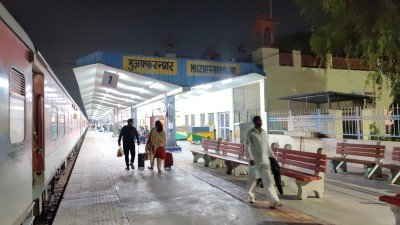
By Train: Muzaffarnagar Railway Station (MOZ) is very close. From MOZ, the museum is only about 1. 5 KMS away. A very short auto-rickshaw ride (approx. 5 minutes) or a pleasant 15-minute walk will get you to the Civil Lines - South area on Dr. APJ Abdul Kalam Road where the museum is prominently located. :
By Road: Being in the central Civil Lines area, the museum is easily accessible by city roads. From the main city bus stand, an auto-rickshaw or taxi can take you there directly. The location is well-known to all local transport providers, ensuring a hassle-free journey to the address. :
By Local Transport: Due to its central, in-city location, the museum is best reached by local transport like an e-rickshaw or auto-rickshaw from any point in Muzaffarnagar. The area is safe and well-connected, and the fixed street address is easy to convey to drivers, making it an inexpensive and quick trip. :Weather and Best Time to Visit:
Winter Season (October to March): This is the Best Time to Visit as the mild weather allows for comfortable travel to and from the museum. The indoor environment is generally comfortable year-round, but the overall travel experience in Winter is superior. :Winter Season (October to March): This is the Best Time to Visit as the mild weather allows for comfortable travel to and from the museum. The indoor environment is generally comfortable year-round, but the overall travel experience in Winter is superior. :
Summer Season (April to June): Visits are fine since it's an indoor attraction, but travel during the day can be hot. Aim to visit during the cooler hours of the morning (10:30 AM to 12:00 PM) and plan other activities indoors for the rest of the day. :
Monsoon Season (July to September): The monsoon is a good time to visit as it's an indoor activity. The rain provides a break from the heat, and the museum offers a dry and engaging place to spend a few hours, though local traffic might be slightly affected by heavy downpours. :
Different Parts of the Day: The Ideal Visit Time is the morning, immediately after opening. This ensures the best viewing experience with minimal crowds, especially minimizing interaction with large school groups that tend to visit in the late morning or early afternoon. :Near Tourist Places:
Bhairon ka Mandir (1. 5 KMS), Sankirtan Bhawan (Balaji Temple) (2 KMS), Zoology Museum (1 KMS - located in SD College), Kamla Nehru Vatika (2. 5 KMS), Durga Dham (5 KMS), Kali Nadi Devi Mandir (6 KMS), Vahelna Jain Temple (5 KMS - on the outskirts), Muzaffarnagar Railway Station (1. 5 KMS), ASJ Grand Plaza Mall (3 KMS), Shiv Chowk (2 KMS):Tourism Tips
-
Health & Safety: The building is old but generally well-maintained. Follow any safety instructions given by the staff, particularly regarding touching the display cases or artifacts. Carry minimal bags, as you may be asked to deposit larger items at a locker facility near ...Health & Safety: The building is old but generally well-maintained. Follow any safety instructions given by the staff, particularly regarding touching the display cases or artifacts. Carry minimal bags, as you may be asked to deposit larger items at a locker facility near the entrance. :
Packing: No specific packing is needed for an indoor museum, but a notebook and pen are excellent for taking notes on the artifacts. A valid ID and your ticket must be kept handy. Avoid carrying large backpacks to prevent accidental damage to the display cases. :
Accommodation: Staying in the Civil Lines area, which is the institutional and administrative hub of the city, provides the best access to the museum. This area offers good quality mid-range hotels and is generally quiet and well-connected to all parts of the city. :
Other Important Tips: Remember the museum is closed on Sundays. Plan to visit early in your trip, as its collections provide a great historical and cultural context for other sites in the Muzaffarnagar region. Be quiet and respectful of the academic environment inside the galleries. :
Reviews
FAQs
Muzaffarnagar Itineray And Cost:-
Government Educational Museum Tourism:-
Other Places In Muzaffarnagar :-
Other States In India :-
Information about New and Updated Locations() of Uttar Pradesh Has Been Added :-
Card subtitle
Note:-
Information provided here in good Faith and for reference only.
Near Places
Akshay Vat Vatika
Some quick example text to build on the card title and make up the bulk of the card's content.
Go somewhere
Bhairon ka Mandir
Some quick example text to build on the card title and make up the bulk of the card's content.
Go somewhere
Chandsina Fort
Some quick example text to build on the card title and make up the bulk of the card's content.
Go somewhere
Clock Tower Khatauli
Some quick example text to build on the card title and make up the bulk of the card's content.
Go somewhere
Durga Dham
Some quick example text to build on the card title and make up the bulk of the card's content.
Go somewhere
Ganeshdham
Some quick example text to build on the card title and make up the bulk of the card's content.
Go somewhere
Ghasipura Haveli
Some quick example text to build on the card title and make up the bulk of the card's content.
Go somewhere
Government Educational Museum
Some quick example text to build on the card title and make up the bulk of the card's content.
Go somewhere
Hanumatdham
Some quick example text to build on the card title and make up the bulk of the card's content.
Go somewhere
Kali Nadi Devi Mandir
Some quick example text to build on the card title and make up the bulk of the card's content.
Go somewhere
Kamla Nehru Vatika
Some quick example text to build on the card title and make up the bulk of the card's content.
Go somewhere
Maulaheri Palace
Some quick example text to build on the card title and make up the bulk of the card's content.
Go somewhere
Purana Qila Chhapar
Some quick example text to build on the card title and make up the bulk of the card's content.
Go somewhere
Sambhalheda Panchmukhi Shivling
Some quick example text to build on the card title and make up the bulk of the card's content.
Go somewhere
Sankirtan Bhawan
Some quick example text to build on the card title and make up the bulk of the card's content.
Go somewhere
Shapir
Some quick example text to build on the card title and make up the bulk of the card's content.
Go somewherein Other Cities