

Durga Dham
General information
-
Ideal Duration:
2-3 HoursPlace Type:
Religious, Spiritual, ScenicEntry Fees:
No Entry Fee for General Visit: Similar to other temples, there is no official entry fee to access the Durga Dham premises and main shrines, allowing everyone to visit freely and worship. The cost of maintaining the grand complex is covered through voluntary donations (Daks...No Entry Fee for General Visit: Similar to other temples, there is no official entry fee to access the Durga Dham premises and main shrines, allowing everyone to visit freely and worship. The cost of maintaining the grand complex is covered through voluntary donations (Dakshina) from pilgrims and devotees. :
Parking and Shoe Storage Fees: Minor costs might be incurred for parking a private vehicle, which is typically a nominal amount (Rs.20 to Rs.50). Additionally, a small fee (often Rs.5 to 10) might be charged by local vendors for securely storing footwear outside the temple, a common and highly recommended practice in India. :
Optional Donations and Puja Costs: Visitors are welcome to offer voluntary donations in the hundi (donation box). Buying Puja items like coconuts or garlands from the shops outside is optional but usually required if you wish to perform a specific, ritualistic offering to the Goddess. :Timing:
Regular Timings: The temple is generally open from 7:00 AM to 8:00 PM daily, with potential extensions during major festival periods like Navratri. It's advisable to confirm if visiting close to the closing hour, as this is a spiritual retreat rather than a city center temp...Regular Timings: The temple is generally open from 7:00 AM to 8:00 PM daily, with potential extensions during major festival periods like Navratri. It's advisable to confirm if visiting close to the closing hour, as this is a spiritual retreat rather than a city center temple. :
Aarti and Puja Timings: The best times to visit for a powerful spiritual experience are during the morning Aarti (around 7:30 AM) and the main evening Aarti (around 7:00 PM). These rituals mark the high points of devotional activity and are visually and spiritually enriching events to witness. :
Ideal Visit Time (General): The Ideal Visit Time is the late afternoon (4:00 PM to 6:30 PM) on a weekday. This provides enough time to explore the complex, visit the cave, see the statues, and witness the beautiful transition to the evening Aarti, all while avoiding the intense midday heat and the largest crowds. :Special Events:
Sharad Navratri and Chaitra Navratri: The temple's most significant celebrations occur during the two annual Navratri festivals, held typically in the March/April and September/October months. The temple is lavishly decorated, and special nine-day-long Pujas and recitations...Sharad Navratri and Chaitra Navratri: The temple's most significant celebrations occur during the two annual Navratri festivals, held typically in the March/April and September/October months. The temple is lavishly decorated, and special nine-day-long Pujas and recitations of the Devi Mahatmya are conducted. Devotees flock in huge numbers, and the entire area is transformed into a massive, vibrant fairground with intense devotional energy. :
Shivratri Festival: Given the prominent Lord Shiva statue, Maha Shivratri (usually in February/March) is also celebrated with great fervor, featuring all-night vigil (Jagran) and special Abhishekam rituals for the deity, showcasing the dual dedication of the temple complex. :Best Photo Spots:
The Majestic Shiva Statue from a Distance: Capture the entire 51 ft Shiva statue framed against the sky from the entrance or the open courtyard. This emphasizes the scale and grandeur of the sculpture, making for a dramatic, high-impact photograph, especially during the blu...The Majestic Shiva Statue from a Distance: Capture the entire 51 ft Shiva statue framed against the sky from the entrance or the open courtyard. This emphasizes the scale and grandeur of the sculpture, making for a dramatic, high-impact photograph, especially during the blue hour just after sunset. :
The Cave Entrance and Shadows: The mouth of the natural cave offers a unique, textured photo spot. Capturing the interplay of light and shadow, perhaps with a devotee entering or exiting, can create a powerful, mystical image that speaks to the temple's hidden elements. :
Colorful Devotional Offerings: Focus on the vibrant colors of the offerings—red cloth, flowers, incense smoke—placed at the feet of Goddess Durga's idol. A close-up, respectful shot of these items can beautifully convey the deep devotion and local customs practiced at the shrine. :Photo Gallery
Things To Do
-
Engage in Goddess Durga's Worship: Focus your visit on the main shrine dedicated to Goddess Durga. Participate in the ritualistic offering of flowers, red cloth, or bangles. Observe the priests' performance of Puja and Aarti. The atmosphere in the main sanctum is highly charged with feminine energy (Shakti), which is central to the temple's identity and spiritual purpose. :
Meditate in the Natural Cave: Spend time inside the natural cave structure. This unique feature of the temple offers a quiet, cool, and dark space perfect for deep meditation or quiet contemplation. The natural environment inside the cave is believed to amplify spiritual focus, providing a truly immersive and introspective experience away from the main temple crowds. :
Awe at the 51 ft Shiva Statue: Walk around the massive 51...Engage in Goddess Durga's Worship: Focus your visit on the main shrine dedicated to Goddess Durga. Participate in the ritualistic offering of flowers, red cloth, or bangles. Observe the priests' performance of Puja and Aarti. The atmosphere in the main sanctum is highly charged with feminine energy (Shakti), which is central to the temple's identity and spiritual purpose. :
Meditate in the Natural Cave: Spend time inside the natural cave structure. This unique feature of the temple offers a quiet, cool, and dark space perfect for deep meditation or quiet contemplation. The natural environment inside the cave is believed to amplify spiritual focus, providing a truly immersive and introspective experience away from the main temple crowds. :
Awe at the 51 ft Shiva Statue: Walk around the massive 51 ft high Lord Shiva statue. Its size is breathtaking, and observing the scale of the sculpture is an activity in itself. Use the space around the base for quiet reflection on the power and omnipresence of the deity. It is a modern marvel of devotional art and engineering. :
Photography of the Grandeur: Utilize the open space of the complex to capture the grandeur of the statues and the temple architecture. The best time for this is early morning or late afternoon when the lighting is soft and golden. The contrast between the sheer scale of the statues and the surrounding sky and landscape is highly photogenic. :
Observe the Community Service: If visiting around midday, observe or inquire about any community services like Bhandaras (community feasts) that might be taking place. Witnessing acts of selfless service is an enriching cultural experience that highlights the temple's role beyond worship. :
Attend the Evening Aarti and Chants: The evening Aarti is a sensory delight with the sound of bells, devotional music, and the sight of oil lamps. Attending the closing ceremonies provides a spiritual climax to the day and is a major communal event at the temple. :
Explore the Nearby Stalls: Check out the small, temporary stalls or shops outside the temple premises. They often sell religious items, local handicrafts, or unique regional snacks, offering a glimpse into the local commerce and culture surrounding the shrine. :
Information
-
Why Famous:
The Colossal Shiva Statue and Durga Shrine: The primary fame of Durga Dham rests on the impressive 51 ft high statue of Lord Shiva standing next to the Goddess Durga shrine. This towering monument is a spectacular sight and is a powerful symbol of the divine union. The she...The Colossal Shiva Statue and Durga Shrine: The primary fame of Durga Dham rests on the impressive 51 ft high statue of Lord Shiva standing next to the Goddess Durga shrine. This towering monument is a spectacular sight and is a powerful symbol of the divine union. The sheer scale and presence draw pilgrims from surrounding regions and states, making it a well-known pilgrimage center in Muzaffarnagar District. :
Spiritual Tranquility and Natural Cave: The tranquil atmosphere, slightly removed from the city's hustle, contributes to its fame as a spiritual haven. The presence of a natural cave formation within the premises is another unique feature that enhances the devotional experience, offering a sense of ancient mystique and drawing in visitors seeking a unique religious environment. The complex is seen as a source of peace and positive energy. : -
Architecture:
Architectural Style: The main shrine incorporates contemporary North Indian temple architecture, characterized by bright marble and concrete construction. The architecture emphasizes verticality and grand scale, particularly for the central statues. The style is modern but...Architectural Style: The main shrine incorporates contemporary North Indian temple architecture, characterized by bright marble and concrete construction. The architecture emphasizes verticality and grand scale, particularly for the central statues. The style is modern but incorporates traditional elements like detailed Jharokhas (overhanging balconies) and intricate Murtis (idols) within the inner sanctums. :
The Grand Statues and Cave: The standout feature is the colossal 51 ft statue of Lord Shiva standing prominently on the premises. This is a feat of modern engineering and devotional art, creating a dramatic visual impact. Additionally, the presence of a natural or artificially enhanced cave is an architectural highlight, providing a unique element often associated with older, natural shrines or ancient practices. :
Dimension and Layout: The temple complex is large, designed to accommodate the huge statue and the main Durga shrine, along with an open courtyard for large congregations during festivals. The main shrine area is spacious, allowing easy circulation for pilgrims. The cave structure, while not architecturally complex, adds a mystical dimension to the overall layout, differentiating it from typical city temples. Its size allows for significant community activities. : -
How To Reach:
By Air: The nearest major airport is Indira Gandhi International Airport (DEL) in New Delhi (approx. 105 KMS). From DEL, the best way is to take a direct taxi or an intercity bus to Muzaffarnagar and then a local transport option (like an auto-rickshaw) to Lakadsandha. :By Air: The nearest major airport is Indira Gandhi International Airport (DEL) in New Delhi (approx. 105 KMS). From DEL, the best way is to take a direct taxi or an intercity bus to Muzaffarnagar and then a local transport option (like an auto-rickshaw) to Lakadsandha. :
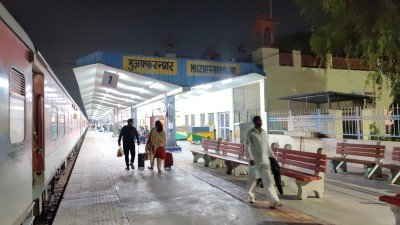
By Train: Muzaffarnagar Railway Station (MOZ) is the closest major railhead. From the station, Durga Dham is approximately 6 KMS away. An auto-rickshaw or taxi is the most convenient and fastest way to reach the temple, taking about 15-20 minutes depending on traffic. The station is well-connected nationally. :
By Road: Muzaffarnagar is on NH-58. From the city, follow the signs towards the Lakadsandha area, which is well-known locally. The roads leading up to the temple are generally motorable, and private vehicles and taxis can easily reach the spot. Regular buses might stop at a point from where a short local ride is needed. :
By Local Transport: From the Muzaffarnagar city center or bus stand, the most reliable and affordable local transport is the auto-rickshaw. Negotiate the fare beforehand, or ask a local for the standard rate to Lakadsandha/Durga Dham to ensure a fair price. Cycle-rickshaws are an option for very short distances. : -
Weather and Best Time to Visit:
Winter Season (October to March): This is the Best Time to Visit due to the pleasant and moderate temperatures, making it comfortable to spend time outdoors admiring the statues and walking the grounds. The spiritual energy is often highest during the major Navratri festiva...Winter Season (October to March): This is the Best Time to Visit due to the pleasant and moderate temperatures, making it comfortable to spend time outdoors admiring the statues and walking the grounds. The spiritual energy is often highest during the major Navratri festival in October. :
Summer Season (April to June): Avoid mid-day visits during this period due to high heat. Early morning or late evening visits are the only comfortable times. The temple grounds can become very hot under the direct sun, making exploration less enjoyable. :
Monsoon Season (July to September): The rains bring relief and lush green surroundings, but care must be taken as the open ground can be slippery. Visiting after a shower offers a refreshing and clean atmosphere, with the massive statues looking majestic under dramatic skies. :
Different Parts of the Day: The Ideal Visit Time is the late afternoon (4:00 PM onwards) as it allows for a comfortable tour of the grounds and ends with the beautiful evening Aarti, making the most of the temple's serene environment before closing time. : -
Near Tourist Places:
Kali Nadi Devi Mandir (5 KMS), Bhairon ka Mandir (6 KMS), Government Educational Museum (5 KMS), Sankirtan Bhawan (Balaji Temple) (7 KMS), Kamla Nehru Vatika (7 KMS), Vahelna Jain Temple (10 KMS), Shukratal (22 KMS), Hanumatdham (22 KMS), Akshay Vat Vatika (22 KMS), Cheetal Grand (10 KMS):
Tourism Tips
-
Health & Safety: Wear sturdy footwear, especially if you plan to explore the cave area or if the grounds are wet from rain. Be cautious of mosquitoes during the monsoon and evening hours; carry repellent. Since the temple is a little outside the core city, plan your retur...Health & Safety: Wear sturdy footwear, especially if you plan to explore the cave area or if the grounds are wet from rain. Be cautious of mosquitoes during the monsoon and evening hours; carry repellent. Since the temple is a little outside the core city, plan your return transport in advance. :
Packing: Modest clothing is highly recommended out of respect for the religious site. A light scarf or shawl for sun protection and a small bag for essentials are useful. Carry some small change for donations, vendors, or local transport, as card payments are unlikely. :
Accommodation: Consider staying in hotels near the Delhi-Haridwar Highway for easy access, such as those near the Civil Lines area, which are a comfortable distance from the Dham. Alternatively, budget-friendly options are available near the Muzaffarnagar Railway Station. :
Other Important Tips: Check the specific dates of Navratri before your visit, as the crowds will be significantly higher, but the experience will be more intense. Take time to sit quietly in the courtyard to absorb the spiritual energy and listen to the devotional chants, which are often played throughout the day. :
Reviews
FAQs
Muzaffarnagar Itineray And Cost:-
Other Places In Muzaffarnagar :-
Other States In India :-
Information about New and Updated Locations() of Uttar Pradesh Has Been Added :-
Card subtitle
Note:-
Information provided here in good Faith and for reference only.
Near Places
Akshay Vat Vatika
Some quick example text to build on the card title and make up the bulk of the card's content.
Go somewhere
Bhairon ka Mandir
Some quick example text to build on the card title and make up the bulk of the card's content.
Go somewhere
Chandsina Fort
Some quick example text to build on the card title and make up the bulk of the card's content.
Go somewhere
Clock Tower Khatauli
Some quick example text to build on the card title and make up the bulk of the card's content.
Go somewhere
Durga Dham
Some quick example text to build on the card title and make up the bulk of the card's content.
Go somewhere
Ganeshdham
Some quick example text to build on the card title and make up the bulk of the card's content.
Go somewhere
Ghasipura Haveli
Some quick example text to build on the card title and make up the bulk of the card's content.
Go somewhere
Government Educational Museum
Some quick example text to build on the card title and make up the bulk of the card's content.
Go somewhere
Hanumatdham
Some quick example text to build on the card title and make up the bulk of the card's content.
Go somewhere
Kali Nadi Devi Mandir
Some quick example text to build on the card title and make up the bulk of the card's content.
Go somewhere
Kamla Nehru Vatika
Some quick example text to build on the card title and make up the bulk of the card's content.
Go somewhere
Maulaheri Palace
Some quick example text to build on the card title and make up the bulk of the card's content.
Go somewhere
Purana Qila Chhapar
Some quick example text to build on the card title and make up the bulk of the card's content.
Go somewhere
Sambhalheda Panchmukhi Shivling
Some quick example text to build on the card title and make up the bulk of the card's content.
Go somewhere
Sankirtan Bhawan
Some quick example text to build on the card title and make up the bulk of the card's content.
Go somewhere
Shapir
Some quick example text to build on the card title and make up the bulk of the card's content.
Go somewherein Other Cities