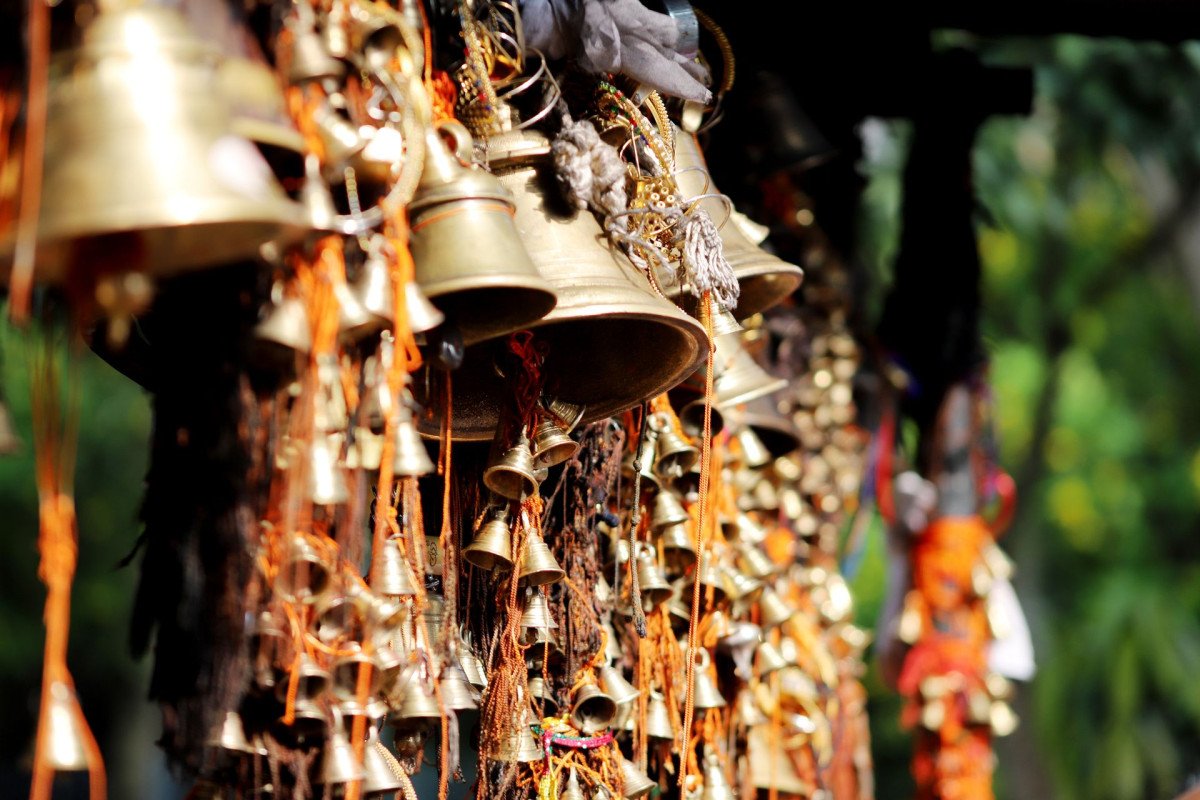
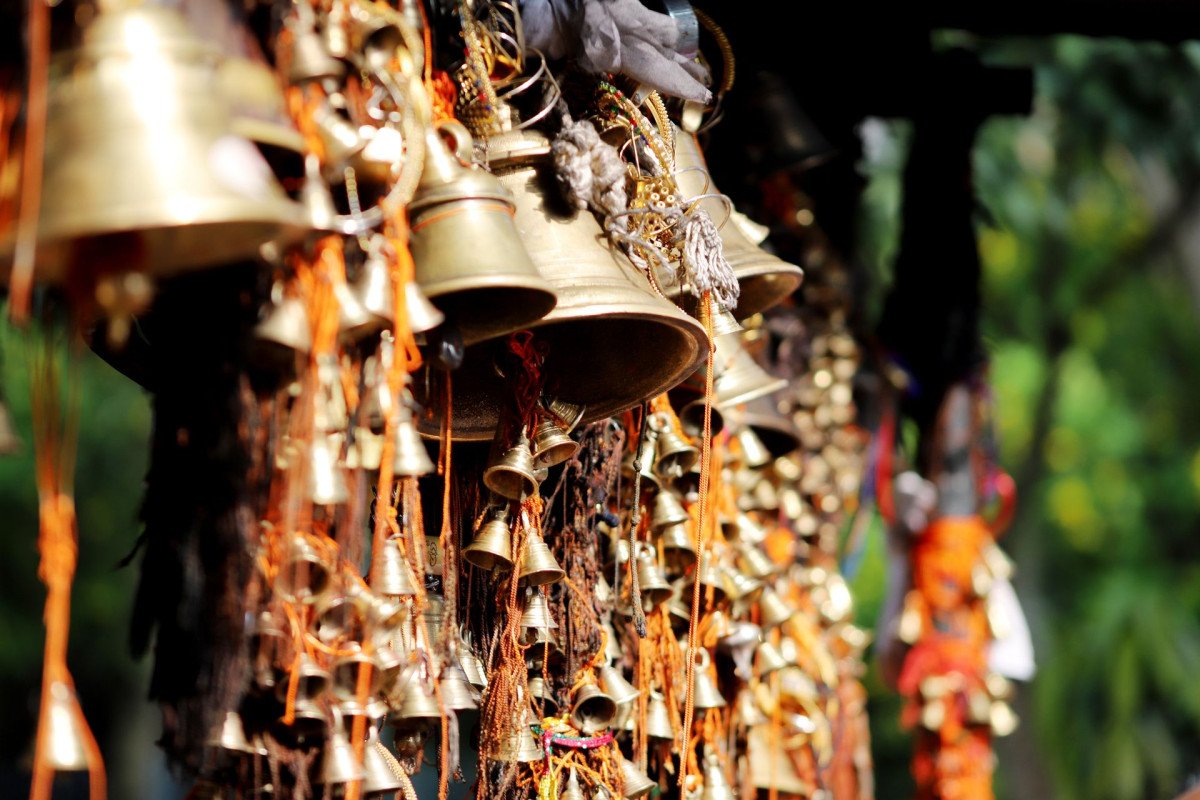
Hatu Mata Temple
General information
-
Ideal Duration:
3 to 4 hoursPlace Type:
Religious/Pilgrimage Site, Trekking Destination, VEntry Fees:
General Entry Fees: There are no specific entry fees for the Hatu Mata Temple or the Hatu Peak itself, as it is a public religious and natural site. Access to the peak is free for all visitors and pilgrims, making it a highly accessible natural wonder.
Read MoreGeneral Entry Fees: There are no specific entry fees for the Hatu Mata Temple or the Hatu Peak itself, as it is a public religious and natural site. Access to the peak is free for all visitors and pilgrims, making it a highly accessible natural wonder.
Road and Parking Charges: While there is no entry fee, local authorities or forest department may sometimes levy a nominal fee (typically between Rs.10 and Rs.50) for the last stretch of the road leading up to the peak, especially during peak seasons, primarily to regulate traffic and contribute to road maintenance. Parking a private vehicle at the summit area might also involve a small, informal charge (e. g. , Rs.50 to Rs.100).
Guided Tour Costs: The main expense for this attraction is associated with transportation and guided activities. Hiring a local taxi or cab from Narkanda for a round trip to the peak (with a waiting period) typically costs between Rs.1,500 and Rs.2,500, depending on the season and negotiation. Hiring a trekking guide (optional but recommended for a more informed experience) may cost an additional Rs.800 to Rs.1,500.
Activity Fees: If you opt for specific adventure activities like organized camping at Jor Bagh, the cost can range from Rs.1,500 to Rs.3,000 per person, which usually includes dinner, breakfast, and tent accommodation. Skiing or sledding during winter will involve equipment rental costs.
Timing:
Regular Timings: The Hatu Mata Temple is generally open from Sunrise to Sunset (approximately 5:00 AM to 7:00 PM in summer, 6:30 AM to 5:30 PM in winter), but being on a peak accessible by a winding road, the approach is best done in daylight hours. The peak itself is acces...Regular Timings: The Hatu Mata Temple is generally open from Sunrise to Sunset (approximately 5:00 AM to 7:00 PM in summer, 6:30 AM to 5:30 PM in winter), but being on a peak accessible by a winding road, the approach is best done in daylight hours. The peak itself is accessible 24/7, though trekking or driving at night is not recommended for safety reasons.
Ideal Visit Time:
Clear Weather Views: The ideal visit time is during the early morning hours, particularly for catching the spectacular sunrise (around 5:30 AM to 6:30 AM in summer) and the clearest, most unobstructed views of the distant Himalayan ranges before the haze or clouds set in. Early morning light is also best for photography.
Mid-day Convenience: Visiting between 10:00 AM and 3:00 PM is convenient for a relaxed drive or moderate trek to the top and ensures enough time to explore the temple, the Bheem Chullah, and enjoy a picnic.
Late Afternoon/Sunset: A visit around 4:00 PM allows time to witness the majestic sunset (around 6:00 PM to 7:30 PM in summer) and the changing hues of the valleys, but visitors must plan for a safe descent back to Narkanda before dark.
Winter Timings: During the heavy snow season (December to February), the road may be closed. Access then is purely by a challenging snow trek, which is best started by 8:00 AM and completed before 4:00 PM due to the quick drop in temperature and early sunset.
Special Events:
The Jyestha Sunday Fair: The most significant annual event is the special fair held on the first Sunday of the Hindu month of Jyestha (typically late May or early June). This day sees a huge congregation of local devotees from surrounding villages, who travel long distances...The Jyestha Sunday Fair: The most significant annual event is the special fair held on the first Sunday of the Hindu month of Jyestha (typically late May or early June). This day sees a huge congregation of local devotees from surrounding villages, who travel long distances to pay homage to Hatu Mata. The fair is a vibrant display of traditional Himachali culture, featuring local music, dance (the Nati), and rituals, including an ancient practice of goat sacrifice (Bali) near the temple complex. This event offers a rare glimpse into the deep-rooted spiritual traditions of the region.
Bheeshma Ekadashi Celebration: While smaller than the Jyestha fair, the temple also observes Bheeshma Ekadashi (February). The day is marked by special prayers, community gatherings, and a slightly smaller local fair, reflecting the temple's continuous spiritual importance throughout the calendar year.
Navratri Festival: Like all temples dedicated to Goddess Kali, the temple witnesses special decorations, elaborate rituals, and increased devotional activities during the nine-day Navratri festival, celebrated with fervor in Spring and Autumn.
Best Photo Spots:
The 360-Degree Observation Deck: Located right at the summit, this point provides a clean, unobstructed 360-degree view of the vast Himalayan panorama, including the distant Kinnaur Kailash range. It is the perfect spot for landscape photography, especially wide-angle shots...The 360-Degree Observation Deck: Located right at the summit, this point provides a clean, unobstructed 360-degree view of the vast Himalayan panorama, including the distant Kinnaur Kailash range. It is the perfect spot for landscape photography, especially wide-angle shots.
Sunrise and Sunset Point: The magical, shifting colors of the sky as the sun rises over or sets behind the snow-capped peaks offers a dramatic backdrop for time-lapse photography and silhouette shots against the orange and pink hues. This requires an early start or late stay, which is often challenging but extremely rewarding.
The Wooden Temple Façade: The intricate Kath Kuni architecture of the temple itself, particularly the detailed carvings on the door frames and the tiered wooden roof, makes for an excellent cultural and architectural subject. Photos taken with the dramatic mountain backdrop offer a contrast between human-made art and natural grandeur.
The Bheem Ka Chulha Setting: The two massive, mythical hearth stones, often set against a backdrop of deep blue sky and forest, provide a unique, folklore-infused photo opportunity that adds a layer of cultural narrative to the travel album.
The Dense Deodar Forest Trail: The winding, tree-lined road leading to the summit, where shafts of sunlight pierce through the dense canopy of deodar and fir, is ideal for scenic road photography, capturing the mystical 'tunnel' effect of the forest.
The Jor Bagh Meadow: The open, sprawling meadow of Jor Bagh near the peak, dotted with seasonal flowers and camping tents in summer, offers great opportunities for candid people photography and capturing the scale of the landscape.
Photo Gallery
Things To Do
-
Trekking to the Summit: The primary activity is the scenic 7-8 km trek from Narkanda town or the forest barrier. The trail is moderate to difficult, passing through dense forests of towering deodar and fir trees, offering spectacular views and a quiet immersion in nature.
Worship and Spiritual Reflection: Devotees visit to offer prayers to Hatu Mata, seeking blessings for prosperity and protection. The serene atmosphere on the peak is perfect for meditation and quiet contemplation, especially at the shrine.
360-Degree Panoramic Photography: The peak is a photographer's paradise, offering stunning 360-degree views of the entire Himalayan range, including the Kinnaur-Kailash and Srikhand peaks. Capturing the vibrant sunrise and sunset is a highly recommended and rewarding endeavor.Trekking to the Summit: The primary activity is the scenic 7-8 km trek from Narkanda town or the forest barrier. The trail is moderate to difficult, passing through dense forests of towering deodar and fir trees, offering spectacular views and a quiet immersion in nature.
Worship and Spiritual Reflection: Devotees visit to offer prayers to Hatu Mata, seeking blessings for prosperity and protection. The serene atmosphere on the peak is perfect for meditation and quiet contemplation, especially at the shrine.
360-Degree Panoramic Photography: The peak is a photographer's paradise, offering stunning 360-degree views of the entire Himalayan range, including the Kinnaur-Kailash and Srikhand peaks. Capturing the vibrant sunrise and sunset is a highly recommended and rewarding endeavor.
Picnicking Amidst Nature: The surrounding meadows, including the nearby Jor Bagh (Jau Baug), are excellent spots for a peaceful picnic, allowing visitors to relax and soak in the high-altitude serenity after the climb.
Exploring Bheem Ka Chulha: Tourists can visit the legendary Bheem Ka Chulha (hearth stones) near the temple, engaging with the local folklore and the tales of the Pandavas.
Nature Walks and Forest Trails: Beyond the main route, the dense surrounding forests offer opportunities for gentle nature walks, exploring the rich flora like seasonal wildflowers and the diverse birdlife of the temperate Himalayas.
Camping at Jor Bagh: For adventure enthusiasts, camping in the open meadows of Jor Bagh near the peak provides an unforgettable experience of spending the night under the starry Himalayan sky, often with organized groups providing gear and meals.
Winter Snow Adventures: During the heavy snowfall months of December, January, and February, the slopes around the peak transform into ideal spots for snow walking, sledding, and experiencing deep winter conditions, though caution is advised due to snow-blocked roads.
Local Interaction and Cultural Immersion: Engaging with the local villagers and the few temporary shepherds (Gujjar community) found near the peak offers a chance to learn about the traditional mountain lifestyle and local customs, providing a rich cultural experience beyond the typical tourist itinerary.
Self-Drive or Jeep Safari: For those not keen on trekking, driving up the narrow, winding forest road (preferably in a 4x4 or with an experienced driver) is an adventure in itself, providing quick access to the summit.
Information
-
Why Famous:
Highest Spiritual Point in Shimla District: Its location atop Hatu Peak (3,352m), the highest peak in the district, offers a spiritual experience combined with unparalleled natural beauty, drawing pilgrims and trekkers alike.
Mythological Import...Highest Spiritual Point in Shimla District: Its location atop Hatu Peak (3,352m), the highest peak in the district, offers a spiritual experience combined with unparalleled natural beauty, drawing pilgrims and trekkers alike.
Mythological Importance: The strong association with Mandodari and the Pandavas solidifies its status as a place of profound religious and historical curiosity in the Himachal region.
Wooden Marvel: The exquisite example of the traditional Kath Kuni wooden architecture, with its detailed carvings and tiered roof, makes it a unique cultural and artistic marvel.
The Bheem Ka Chulha: The presence of the legendary two giant hearth stones nearby, locally known as Bheem Ka Chulha (Bheem's stove, linked to the Pandava's exile), is a major draw for tourists interested in local folklore and history.
Winter Snow Destination: In the winter months (December to March), the peak is heavily snow-covered, transforming it into a picturesque wonderland, highly sought after for snow enthusiasts.
-
Architecture:
Himachali Pagoda-Style Architecture: The structure of Hatu Mata Temple is a beautiful example of the indigenous Kath Kuni architectural style, which is traditional to the hilly regions of Himachal Pradesh. This style is characterized by the use of alternating layers of loca...Himachali Pagoda-Style Architecture: The structure of Hatu Mata Temple is a beautiful example of the indigenous Kath Kuni architectural style, which is traditional to the hilly regions of Himachal Pradesh. This style is characterized by the use of alternating layers of locally sourced cedar wood and stone, interlocked without the use of cement, providing remarkable resilience against seismic activity, which is common in the Himalayas.
Structural Dimensions and Layout: The temple is a relatively small shrine, but its design is meticulously detailed. It typically features a rectangular base and rises in tiers, culminating in a distinctive, multi-tiered sloping roof, often referred to as a pagoda-style roof, which is highly effective in shedding heavy snowfall. The exact dimensions are small, perhaps around 15 feet by 15 feet at the base, and it rises to a height of about 25 to 30 feet, making it modest in size but prominent due to its location.
Intricate Wooden Carvings and Motifs: The most striking feature of the temple is the rich and detailed wooden carvings that adorn the exterior walls and door frames. These carvings depict scenes and characters from Hindu epics, including the Ramayana and the Mahabharata, visually narrating the legends associated with the temple. Interestingly, one can also observe subtle influences of Buddhist iconography, such as stylized dragon carvings and other auspicious symbols, which speaks to the cross-cultural artistic exchanges in the region over centuries. The main sanctum houses the idol of Hatu Mata.
Historical and Cultural Preservation: Despite being renovated and occasionally rebuilt (the current structure is relatively new, standing on the site of the ancient one), the spirit and architectural essence of the original temple are carefully preserved, making it a cultural landmark.
-
How To Reach:
By Air:
The Nearest Airport: The nearest major airport is Jubbarhatti Airport (SLV) near Shimla, located approximately 80-85 KMS from Narkanda town. Travelers can take a pre-booked taxi or a shared cab from the airport to Narkanda, which is ...By Air:
The Nearest Airport: The nearest major airport is Jubbarhatti Airport (SLV) near Shimla, located approximately 80-85 KMS from Narkanda town. Travelers can take a pre-booked taxi or a shared cab from the airport to Narkanda, which is a scenic drive of about 3 to 4 hours. The cost for a reserved taxi can be around Rs.3,000 to Rs.4,500. From Narkanda, the final 8 KMS to Hatu Peak is completed by local taxi, a private 4x4, or by trekking.
By Train:
Rail Connectivity: The nearest major broad gauge railhead is at Kalka (KLK), approximately 150-160 KMS away. From Kalka, one can take the famous UNESCO World Heritage Kalka-Shimla Toy Train to Shimla Railway Station (SML), which is a wonderful 5-hour experience. From Shimla (65 KMS from Narkanda), frequent buses (HRTC) or taxis can be hired to reach Narkanda. The total rail and road journey from the plains is long but scenic.
By Road:
Excellent Road Network: Narkanda is excellently connected by the NH-5 (formerly NH-22), the historic Hindustan-Tibet Road. Narkanda is about 65 KMS from Shimla and the drive takes approximately 2. 5 to 3 hours. State-run HRTC buses run frequently from Shimla to Rampur or Reckong Peo and stop at the Narkanda bus stand. Private taxis are also available. The final 8 KMS to Hatu Peak is a steep, narrow, and winding road, suitable only for experienced hill drivers and strong vehicles, or a hike for trekkers.
By Local Transport:
The Final Stretch: From the main Narkanda market area, the only reliable transport option for the final 8 KMS to the peak is hiring a local taxi (usually a Maruti Alto or similar small vehicle, ideal for the narrow road) or simply choosing the trek itself, which is a popular and physically rewarding option. Public transport like local buses does not ply the Hatu Peak road.
-
Weather and Best Time to Visit:
Different Types of Seasons:
Summer (April to June): This is the best time for trekking and enjoying clear panoramic views. The weather is very pleasant, with temperatures ranging from 15°C to 25°C. The mountain flora is in full bloom.Different Types of Seasons:
Summer (April to June): This is the best time for trekking and enjoying clear panoramic views. The weather is very pleasant, with temperatures ranging from 15°C to 25°C. The mountain flora is in full bloom.
Monsoon (July to August): Heavy rainfall can cause slippery roads and reduced visibility due to fog and clouds. Trekking is challenging, and driving the narrow road is risky.
Autumn (September to November): This period offers another ideal window with clear skies, crisp air, and moderate temperatures (10°C to 20°C). It's excellent for photography and enjoying the apple harvest season post-monsoon.
Winter (December to March): This is the season for heavy snowfall, transforming the peak into a stunning, snow-covered landscape. While beautiful, the road to the peak is often closed, and the trip requires a challenging snow trek. Temperatures can drop below 0°C.
Different Parts of the Day:
Early Morning: Ideal for catching the sunrise and the clearest views before atmospheric haze builds up. Best for serious photographers.
Late Morning to Mid-day: Best for trekkers starting from Narkanda as the trail is well-lit and comfortable. It's the most convenient time for a relaxed visit.
Late Afternoon/Evening: Perfect for witnessing the spectacular sunset, but one must ensure a safe and quick descent before complete darkness.
-
Near Tourist Places:
Hatu View Point (On the way, 1-2 KMS), Jau Baug (Jor Bagh) (Adjacent meadow, <1 KMS), Hatu Peak (Same spot), Tannu Jubbar Lake (12 KMS), Mahamaya Temple, Kacheri (7 KMS), Narkanda Skiing Slopes (7 KMS, near the base), Kingal (20 KMS), Thanedhar (15 KMS), Kotgarh Church (17 KMS), Fagu (25 KMS), Stokes Farm (16 KMS)
Tourism Tips
-
Health & safety:
Altitude Awareness: Hatu Peak is at 11,000 ft, so take it slow, especially if trekking, and be aware of symptoms of altitude sickness, though it is usually minor at this elevation. Carry basic medicines for headaches and nau...Health & safety:
Altitude Awareness: Hatu Peak is at 11,000 ft, so take it slow, especially if trekking, and be aware of symptoms of altitude sickness, though it is usually minor at this elevation. Carry basic medicines for headaches and nausea.
Footwear: Wear sturdy trekking shoes with good grip, especially if you plan to hike or visit during snowy or wet conditions. The trail can be slippery.
Road Safety: If driving, ensure the vehicle is a strong hill-climbing model and the driver is highly experienced with steep, narrow mountain roads. Avoid driving after dark or during heavy rain/snow.
Water and Snacks: Carry adequate water and energy-boosting snacks as there are no shops on the final stretch to the peak.
Packing:
Layered Clothing: Dress in layers, as the temperature can change rapidly from the base of Narkanda to the peak, and the wind chill can be significant. Carry a windproof jacket or a light down jacket even in summer.
Sun Protection: Carry a good quality sunscreen, a cap/hat, and sunglasses, as the high altitude intensifies UV radiation, even on cloudy days.
Accommodation:
Stay in Narkanda: It is advisable to stay in the numerous hotels, homestays, or resorts available in Narkanda town or nearby Thanedhar. Staying on the peak itself is limited to organized camping at Jor Bagh or a few unofficial spots.
Other Different Topics heading:
Leave No Trace: The peak is part of a fragile mountain ecosystem. Carry back all your plastic and non-biodegradable waste.
Photography Permission: There is no official restriction, but be respectful of the temple rituals and people when taking photos.
Mobile Network: Mobile network connectivity can be intermittent or weak at the very top of Hatu Peak.
Reviews
FAQs
Narkanda Itineray And Cost:-
Hatu Mata Temple Tourism:-
Information about New and Updated Locations() of Himachal Pradesh Has Been Added :-
Card subtitle
Note:-
Information provided here in good Faith and for reference only.
All information and pictures will be updated soon, please keep visiting.
Near Places

Dhumri Ski Slopes
Some quick example text to build on the card title and make up the bulk of the card's content.
Go somewhere
Hatu Mata Temple
Some quick example text to build on the card title and make up the bulk of the card's content.
Go somewhere
Hatu Peak
Some quick example text to build on the card title and make up the bulk of the card's content.
Go somewhere
Hatu View Point
Some quick example text to build on the card title and make up the bulk of the card's content.
Go somewhere
Jau Baug
Some quick example text to build on the card title and make up the bulk of the card's content.
Go somewhere
Kingal Sunset Point
Some quick example text to build on the card title and make up the bulk of the card's content.
Go somewhere
Kotgarh & Thanedhar
Some quick example text to build on the card title and make up the bulk of the card's content.
Go somewhere
Mahamaya Temple
Some quick example text to build on the card title and make up the bulk of the card's content.
Go somewhere
Matiana Selfie Point
Some quick example text to build on the card title and make up the bulk of the card's content.
Go somewhere
Narkanda
Some quick example text to build on the card title and make up the bulk of the card's content.
Go somewherein Other Cities