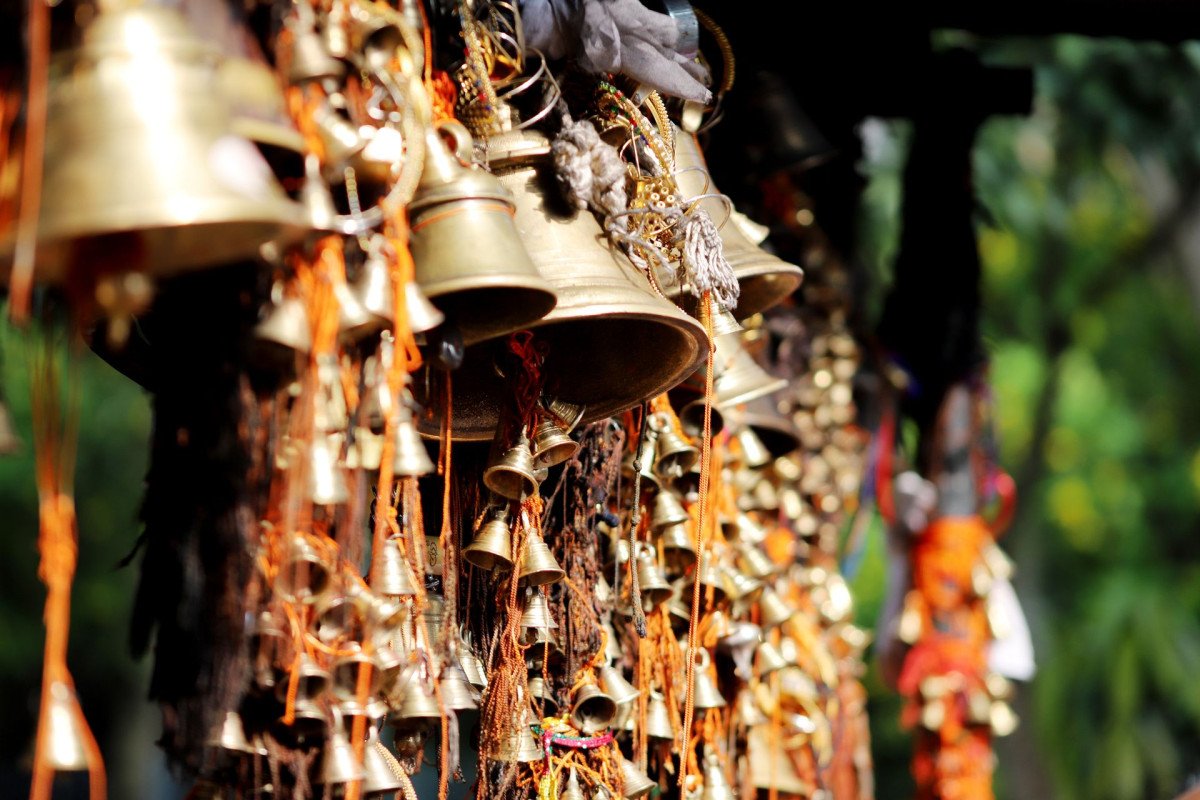
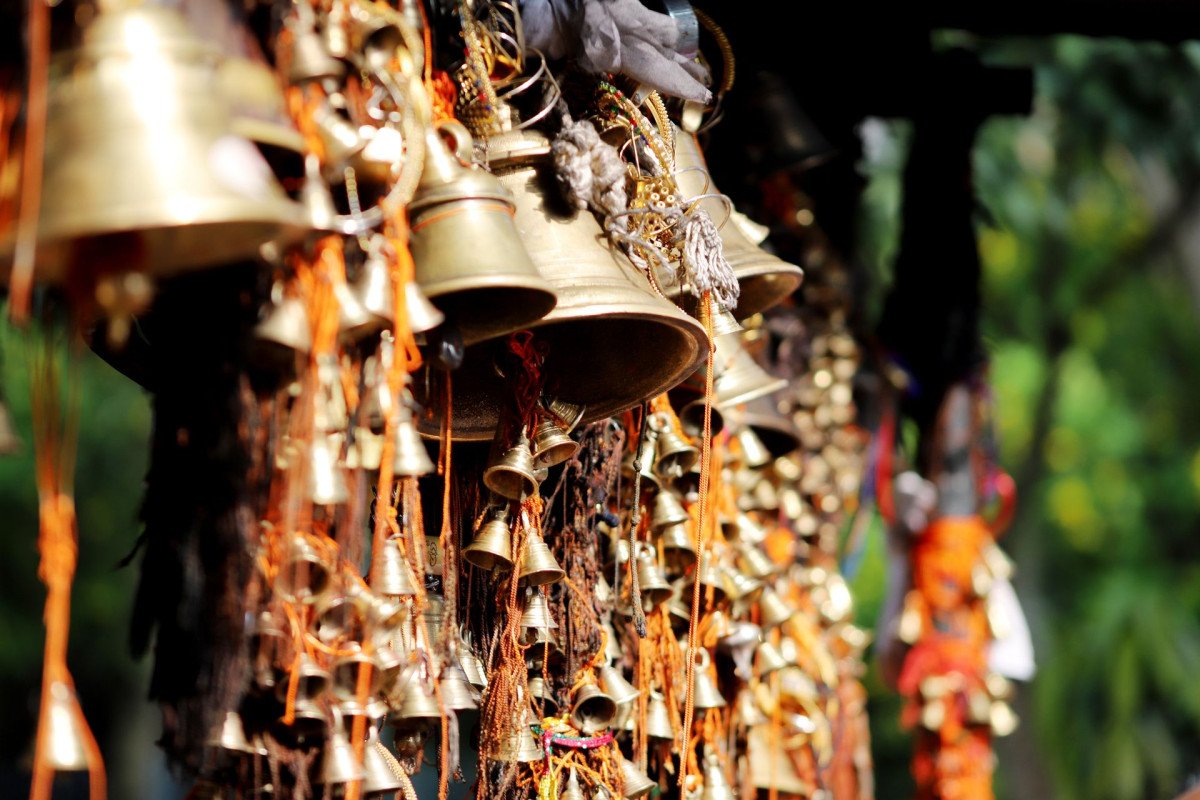
Mahamaya Temple
General information
-
Ideal Duration:
1 to 2 hoursPlace Type:
Religious Site, Historical Temple, Roadside AttracEntry Fees:
General Entry Fees: There are no entry fees for the Mahamaya Temple. All Hindu temples in the region are open to the public free of charge, as the purpose is religious devotion.
Donations: Visitors may choose to make a voluntary donation (D...General Entry Fees: There are no entry fees for the Mahamaya Temple. All Hindu temples in the region are open to the public free of charge, as the purpose is religious devotion.
Donations: Visitors may choose to make a voluntary donation (Dakshina) in the donation box or to the priest for the upkeep of the temple, which is entirely at the visitor's discretion.
Road Costs: The only cost is the transportation cost to reach the temple via the NH-5, which is minimal if using a local bus.
Purchases: Any expenses would be limited to purchasing offerings (Prasad, flowers) from the small, temporary stalls that might be set up outside the temple gate.
Timing:
Regular Timings: The temple is generally open from 6:00 AM to 7:00 PM. The hours may extend during the festival of Navratri. It is advised to visit during these hours as the sanctum may be closed for the priest's rest or rituals outside these times.
Read MoreRegular Timings: The temple is generally open from 6:00 AM to 7:00 PM. The hours may extend during the festival of Navratri. It is advised to visit during these hours as the sanctum may be closed for the priest's rest or rituals outside these times.
Ideal Visit Time:
Early Morning: Visiting around 6:00 AM to 8:00 AM is best for a quiet, deeply spiritual experience and to witness the morning aarti without crowds.
Mid-day: Convenient for travelers passing through, ensuring comfortable travel and a short, peaceful stop.
Late Afternoon: Ideal for a serene visit just before sunset.
Special Events:
The Navratri Festival: The temple sees its most significant annual event during the nine-day Navratri festival (Spring and Autumn). The temple is beautifully decorated, and special rituals, community feasts (langar), and continuous devotional singing (bhajans and kirtans) d...The Navratri Festival: The temple sees its most significant annual event during the nine-day Navratri festival (Spring and Autumn). The temple is beautifully decorated, and special rituals, community feasts (langar), and continuous devotional singing (bhajans and kirtans) draw large crowds of devotees from the entire region.
Temple Foundation Day: The temple may observe an annual foundation day or a special Jagra (all-night vigil) on a specific date related to Raja Sidh Sen's dream, though this is primarily a local, smaller event.
The Kacheri Village Fair: In conjunction with the temple's importance, the village of Kacheri may host a small, localized fair or gathering, usually in the summer, featuring local goods, food, and music.
Best Photo Spots:
The Temple and Deodar Frame: Photographing the simple temple structure, framed by the towering, ancient Deodar trees that surround the complex, emphasizing the harmonious blend of nature and spiritual structure.
The Roadside View: The view o...The Temple and Deodar Frame: Photographing the simple temple structure, framed by the towering, ancient Deodar trees that surround the complex, emphasizing the harmonious blend of nature and spiritual structure.
The Roadside View: The view of the valley and the endless forest from the slight elevation of the temple's location, perfect for capturing the sweeping landscape of the NH-5 route.
Candid Prayer Shots: Capturing the candid moments of devotion and prayer of the local villagers (with respectful distance) to convey the spiritual atmosphere of the shrine.
Architectural Details: Focusing on the sloped roof, the simple carvings, and the distinct use of local stone in the temple's construction.
Photo Gallery
Things To Do
-
Offering Prayers and Seeking Blessings: The primary activity is to visit the temple to offer prayers to Goddess Mahamaya for protection, prosperity, and the removal of obstacles. Spend time inside the sanctum in quiet devotion.
Road Break and Relaxation: Use the temple as a strategic and scenic break point on the long drive along the NH-5. The calm environment is ideal for stretching your legs and soaking in the mountain air.
Photography of the Temple in Nature: The simple temple structure nestled in the deep green of the surrounding forests makes for excellent, serene nature and cultural photography.
Observing Traditional Rituals: Witnessing the daily rituals (aarti and puja) performed by the temple priest, which provides a connection to the local spiritual ro...Offering Prayers and Seeking Blessings: The primary activity is to visit the temple to offer prayers to Goddess Mahamaya for protection, prosperity, and the removal of obstacles. Spend time inside the sanctum in quiet devotion.
Road Break and Relaxation: Use the temple as a strategic and scenic break point on the long drive along the NH-5. The calm environment is ideal for stretching your legs and soaking in the mountain air.
Photography of the Temple in Nature: The simple temple structure nestled in the deep green of the surrounding forests makes for excellent, serene nature and cultural photography.
Observing Traditional Rituals: Witnessing the daily rituals (aarti and puja) performed by the temple priest, which provides a connection to the local spiritual routine.
Short Forest Walks: The immediate area around the temple is surrounded by accessible, gentle trails through the deodar forest, perfect for a short, peaceful nature walk.
Exploring Kacheri Village: Take a brief detour to walk through the small, traditional village of Kacheri to observe the local lifestyle and architecture.
Historical Reflection: Read the local plaques or ask the priest about the temple's history, particularly its connection to Raja Sidh Sen and the local legends surrounding the Goddess Kali incarnation.
Picnicking: While not right on the temple grounds, the surrounding forest clearings offer excellent spots for a quiet picnic before continuing the journey.
Information
-
Why Famous:
Dedicated to a Powerful Goddess: It is a highly important local shrine dedicated to Goddess Mahamaya, a powerful incarnation of Goddess Kali, making it a major spiritual focus for the local community and pilgrims.
Historical Significance: Th...Dedicated to a Powerful Goddess: It is a highly important local shrine dedicated to Goddess Mahamaya, a powerful incarnation of Goddess Kali, making it a major spiritual focus for the local community and pilgrims.
Historical Significance: The temple's association with Raja Sidh Sen and its believed construction in the 17th century adds a layer of historical mystique and heritage value to the site.
Convenient Roadside Access: Its location right on the NH-5 makes it an extremely convenient and popular stop for all travelers moving along the Hindustan-Tibet Road, unlike the remote location of the Hatu Mata Temple.
Tranquil Forest Setting: The peaceful environment, nestled in a dense pine and deodar forest in the village of Kacheri, offers a moment of spiritual calm and a scenic break from the road journey.
-
Architecture:
Himachali Hill Temple Design: The Mahamaya Temple in Kacheri is a classic example of a modest, traditional hill temple, often incorporating elements of the local building style but typically relying more on solid stone construction than the purely wooden Kath Kuni style. Th...Himachali Hill Temple Design: The Mahamaya Temple in Kacheri is a classic example of a modest, traditional hill temple, often incorporating elements of the local building style but typically relying more on solid stone construction than the purely wooden Kath Kuni style. The main structure is generally built with well-cut stone masonry set with a protective layer of plaster, providing durability against the elements.
Roof and Layout: The most distinctive architectural feature is the temple's pyramidal or simple gabled roof, which is covered in slate tiles or corrugated tin, essential for shedding the heavy winter snowfall. The layout is simple, typically consisting of a small sanctum sanctorum (garbhagriha) that houses the main idol of Goddess Mahamaya and a small mandapa (assembly hall or porch) for devotees to offer prayers. The temple complex is usually a single-story structure, reflecting the humility and simplicity of traditional village shrines.
Aesthetic Simplicity: In terms of dimensions, the temple is small and compact, designed primarily for village use. Its aesthetic appeal lies not in intricate, elaborate carvings but in its functional simplicity and its serene setting amidst the deodar forest. The temple entrance is often adorned with simple geometric patterns or paintwork, with the focus remaining squarely on the spiritual energy of the site rather than architectural grandeur. The temple precinct may also include a small, covered area for ceremonial rituals or community gatherings, essential for the annual Navratri celebrations.
-
How To Reach:
By Air:
The Main Air Route: The nearest airport is Jubbarhatti Airport (SLV) near Shimla (80 KMS away). From the airport, a taxi can be hired directly to the temple site via the NH-5. The temple is on the main highway, making the journey si...By Air:
The Main Air Route: The nearest airport is Jubbarhatti Airport (SLV) near Shimla (80 KMS away). From the airport, a taxi can be hired directly to the temple site via the NH-5. The temple is on the main highway, making the journey simple.
By Train:
Rail Connectivity: Nearest broad-gauge station is Kalka (KLK), followed by the Kalka-Shimla Toy Train to Shimla Railway Station (SML) (60 KMS from Narkanda). From Shimla, the temple is a direct 2-2. 5 hour drive via the NH-5 towards Narkanda and Rampur.
By Road:
NH-5 Accessibility: The temple is one of the most accessible points, as it is located directly on the NH-5 (Hindustan-Tibet Road), about 7 KMS from Narkanda and 60 KMS from Shimla. All buses and private taxis plying the route from Shimla to Narkanda, Rampur, or Kinnaur will pass this temple.
By Local Transport:
Convenient Stop: Local HRTC buses running between Shimla and Narkanda (or Rampur) stop near the village of Kacheri or the temple turn-off. Taxis hired from Narkanda can easily reach the temple in about 15-20 minutes. It is too far to walk from Narkanda unless one is an avid hiker.
-
Weather and Best Time to Visit:
Different Types of Seasons:
April to June (Summer): Pleasant weather and ideal for combining the visit with other nearby attractions like Tannu Jubbar Lake or the Narkanda main market.
September to November (Autu...Different Types of Seasons:
April to June (Summer): Pleasant weather and ideal for combining the visit with other nearby attractions like Tannu Jubbar Lake or the Narkanda main market.
September to November (Autumn): Clear skies and crisp air, excellent for photography and enjoying the road journey, with a cool and pleasant temple atmosphere.
Festival Season: The Navratri periods (Spring/Autumn) are the most spirited, but also the most crowded, time to visit.
Different Parts of the Day:
Early Morning: Best for a spiritual, quiet experience and to witness the morning rituals.
Mid-day: Most convenient for travelers stopping off the highway, with comfortable light and warmth.
-
Near Tourist Places:
Tannu Jubbar Lake (Thanedhar, 9 KMS), Narkanda Skiing Slopes (7 KMS, uphill), Narkanda Market (7 KMS), Hatu Peak (15 KMS, uphill drive/trek), Hatu Mata Temple (15 KMS), Kotgarh & Thanedhar (9 KMS), Stokes Farm (10 KMS), Sutlej View Point, Kingal (25 KMS), Matiana (20 KMS), Fagu (30 KMS), Theog (35 KMS)
Tourism Tips
-
Health & safety:
Road Safety: The temple is right on the busy NH-5. Be extremely cautious of traffic when pulling over, crossing the road, and entering/exiting the temple complex.
Footwear: Wear shoes that c...Health & safety:
Road Safety: The temple is right on the busy NH-5. Be extremely cautious of traffic when pulling over, crossing the road, and entering/exiting the temple complex.
Footwear: Wear shoes that can be easily removed, as shoes are not allowed inside the temple sanctum.
Packing:
Offering: Carry a small offering (flowers, coconut, fruit) as a sign of respect, though offerings are not mandatory.
Water: Carry bottled water for the journey.
Accommodation:
Day Trip Focus: This is a spot for a quick visit. Accommodation is best found in the main town of Narkanda (7 KMS away) or along the highway in nearby guesthouses.
Other Different Topics heading:
Respect Rituals: When inside the temple, maintain a quiet demeanor and respect the religious rituals being performed.
Photography: Ask the priest for permission before taking photographs inside the main sanctum.
Reviews
FAQs
Narkanda Itineray And Cost:-
Information about New and Updated Locations() of Himachal Pradesh Has Been Added :-
Card subtitle
Note:-
Information provided here in good Faith and for reference only.
All information and pictures will be updated soon, please keep visiting.
Near Places

Dhumri Ski Slopes
Some quick example text to build on the card title and make up the bulk of the card's content.
Go somewhere
Hatu Mata Temple
Some quick example text to build on the card title and make up the bulk of the card's content.
Go somewhere
Hatu Peak
Some quick example text to build on the card title and make up the bulk of the card's content.
Go somewhere
Hatu View Point
Some quick example text to build on the card title and make up the bulk of the card's content.
Go somewhere
Jau Baug
Some quick example text to build on the card title and make up the bulk of the card's content.
Go somewhere
Kingal Sunset Point
Some quick example text to build on the card title and make up the bulk of the card's content.
Go somewhere
Kotgarh & Thanedhar
Some quick example text to build on the card title and make up the bulk of the card's content.
Go somewhere
Mahamaya Temple
Some quick example text to build on the card title and make up the bulk of the card's content.
Go somewhere
Matiana Selfie Point
Some quick example text to build on the card title and make up the bulk of the card's content.
Go somewhere
Narkanda
Some quick example text to build on the card title and make up the bulk of the card's content.
Go somewherein Other Cities