...

Assam State Zoo cum Botanical Garden

Guwahati, Assam, India
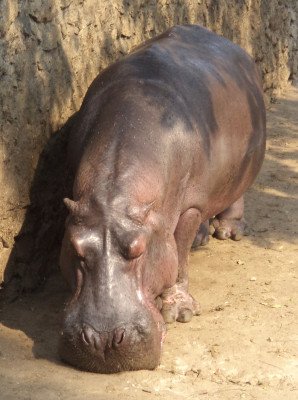
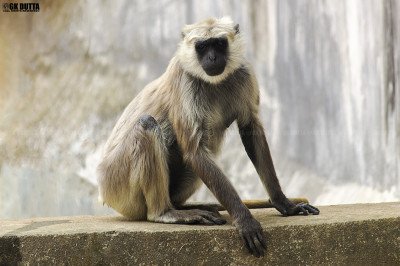
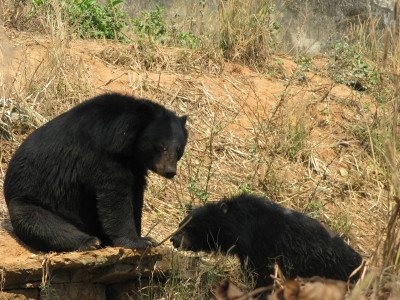
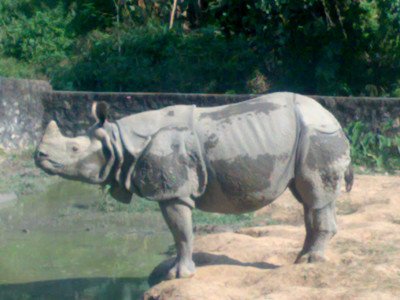
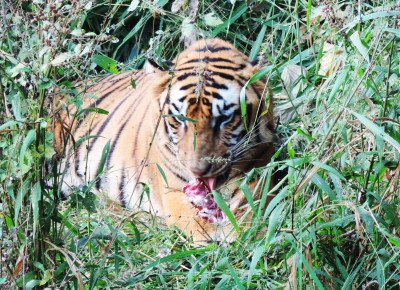
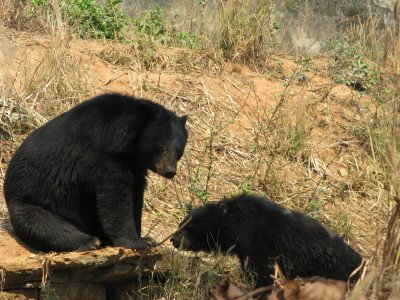
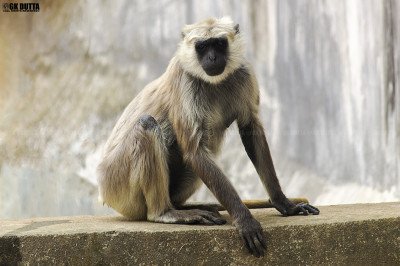
The Assam State Zoo cum Botanical Garden, established in 1957 and opened to the public in 1958, is the largest institution of its kind in the entire North Eastern region of India. Spanning a huge area of 175 hectares (432.435 acres) within the natural confines of the Hengrabari Reserved Forest, it s erves as a critical center for conservation, particularly for the unique and endangered fauna of the region. The zoo is a biodiversity hotspot, home to over 115 species, with a total count of more than 1125 animals, birds, and reptiles from across the globe, though its primary focus is on Himalayan and local Assamese wildlife. It is proudly referred to as the "Green Lung" of the rapidly developing Guwahati City. Major attractions include the majestic One-horned Indian Rhinoceros, a flagship species of Assam, the playful Golden Langur, the rare Clouded Leopard, the endemic Hoolock Gibbon, and various species of deer, tigers, and exotic birds. The inclusion of the Botanical Garden in 1982 expanded its mission to include the preservation and display of indigenous and exotic plant species, providing a lush, green, and serene environment that offers a much-needed escape from urban life. It also actively participates in conservation breeding programs and educational activities to raise public awareness about wildlife protection and environmental stewardship. The Zoo Road area itself is a vibrant locality, making the park easily accessible and a highly popular spot for families, students, and tourists alike. This sprawling natural sanctuary plays a vital role in maintaining the ecological balance of the city. (Word count: ~400 words)

General information

  • ...

    Ideal Duration:

    4 to 6 Hours (Half a day to a full day for a comprehensive visit)
  • ...

    Place Type:

    Zoological Park, Botanical Garden, Wildlife Conser
  • ...

    Entry Fees:

    Adult Indian Visitor Fee:The entry fee for an adult Indian visitor is generally kept affordable to promote conservation education and access for the public, typically around Rs.30 per person. This nominal fee contributes directly to the maintenance of the zoo, the feeding of ...
    Adult Indian Visitor Fee:The entry fee for an adult Indian visitor is generally kept affordable to promote conservation education and access for the public, typically around Rs.30 per person. This nominal fee contributes directly to the maintenance of the zoo, the feeding of the animals, and the funding of various conservation programs. The affordable cost makes it a preferred family outing destination.

    Child and Special Category Pricing:The fee for children (usually below 12 years) and students is often lower, around Rs.10 per person, reflecting the zoo's commitment to educating the youth. There may be separate charges for cameras, video cameras, or to ride the internal battery-operated vehicles (golf carts). Discounts or special package rates are often available for large school or college groups conducting educational visits, encouraging academic interaction with the facility.

    Foreign Tourist Charges and Other Fees:For foreign nationals, the ticket price is generally higher, aligning with international tourism pricing standards for wildlife parks. Visitors should be prepared for additional charges for services like the golf cart ride (which is highly recommended for covering the massive area) or bicycle rentals. It is always advised to check the latest fee structure at the ticket counter upon arrival, as prices for various amenities and entry may be subject to revision by the Forest Department.

    (Word count: ~)
  • ...

    Timing:


    Regular Timings:


    Summer Season (April to September):The zoo generally opens from 7:00 AM and closes at 4:30 PM. This earlier opening time is ideal for visitors during the warmer summer months, allowing people...


    Regular Timings:


    Summer Season (April to September):The zoo generally opens from 7:00 AM and closes at 4:30 PM. This earlier opening time is ideal for visitors during the warmer summer months, allowing people to complete their tour before the heat of the midday sun becomes too intense. The latest entry is usually about one hour before closing time.


    Regular Timings:


    Winter Season (October to March):In the cooler winter months, the opening time is usually slightly later, from 8:00 AM and closing at 4:00 PM. Regardless of the season, the zoo remains CLOSED to the public every Friday for maintenance, cleaning, and animal welfare activities, so visitors must plan their trip accordingly.

    Ideal Visit Time (Best Part of the Day):The absolutely best time to visit is immediately after the gates open in the morning (7:00 AM or 8:00 AM). Animals are most active during the cooler parts of the day—feeding, playing, and moving around—which offers the best viewing and photography opportunities. Visiting early also helps to avoid the larger crowds that start accumulating from late morning onwards and allows you to cover the massive ground before the midday heat sets in. The later afternoon, about an hour before closing, is also a quieter and pleasant time for a final stroll through the Botanical Garden.

    (Word count: ~)
  • ...

    Special Events:

    Annual Wildlife Week Celebrations:The zoo organizes extensive programs during Wildlife Week, typically held in October (first week). This event features special guided tours, awareness campaigns, competitions (drawing, essay writing, quiz), and workshops focusing on conserv...
    Annual Wildlife Week Celebrations:The zoo organizes extensive programs during Wildlife Week, typically held in October (first week). This event features special guided tours, awareness campaigns, competitions (drawing, essay writing, quiz), and workshops focusing on conservation and biodiversity. It is a major special event that draws students and nature enthusiasts, aiming to instill a deep sense of responsibility towards wildlife protection, particularly focusing on the unique fauna of the North East, such as the rhino and the gibbon. The entire facility takes on a festive and educational atmosphere during this period.

    Animal Adoption Scheme:The Animal Adoption Scheme, launched in August 2005, is a continuous, popular initiative. While not a traditional "event," it is a significant special program allowing individuals, corporate bodies, and schools to contribute to the feeding and upkeep of an animal for a fixed period. This scheme raises crucial funds for the zoo's conservation efforts and creates a strong public-animal connect, making the act of 'adoption' a celebrated social event and a form of symbolic public participation. Adopters are often felicitated, drawing media attention and public support.

    Conservation Breeding Program Milestones:The successful birth of an endangered species, such as a Clouded Leopard cub or a One-horned Indian Rhinoceros calf, is treated as a major special event and milestone. These successful breeding efforts are publicly announced, often with special viewing arrangements or naming ceremonies, showcasing the zoo's contribution to global conservation and generating excitement among the public and the scientific community.

    (Word count: ~)
  • ...

    Best Photo Spots:

    The Rhino Enclosure Viewpoint:The enclosures for the One-horned Indian Rhinoceros are specifically designed to be spacious and naturalistic, featuring mud wallows and grassy patches. The designated viewing points often provide an excellent, unobstructed vantage point. The ...
    The Rhino Enclosure Viewpoint:The enclosures for the One-horned Indian Rhinoceros are specifically designed to be spacious and naturalistic, featuring mud wallows and grassy patches. The designated viewing points often provide an excellent, unobstructed vantage point. The sight of the massive animal, a symbol of Assam, grazing or bathing makes for a powerful and iconic photo opportunity that is instantly recognizable as a Guwahati Zoo experience. Early mornings are best for crisp light.

    Golden Langur and Hoolock Gibbon Habitats:These primates are highly active and visually unique, making them excellent photographic subjects. Their enclosures are rich with foliage and climbing structures, mimicking their natural canopy habitat. Capturing the Golden Langur in a playful pose or the Hoolock Gibbon swinging between branches requires patience but results in stunning, dynamic shots that highlight the zoo’s focus on the region's endemic species. The Botanical Garden provides a beautiful, natural, blurred background.

    The Shaded Avenues of the Botanical Garden:The walking paths in the Botanical Garden are lined with huge, mature trees, creating beautiful tunnels of light and shadow. These serene, green spaces are perfect for landscape photography and portraiture, offering a lush, tranquil background. The Orchid House interior is another dedicated spot, where the concentrated color and intricate patterns of the flowers offer macro-photography enthusiasts an unparalleled subject. The variety of bamboo groves and flowering plants provides diverse textural backdrops throughout the year.

    (Word count: ~)

Photo Gallery

...
Darjeeling
Queen of Hills • Tea Gardens
...
Darjeeling
Queen of Hills • Tea Gardens
...
Darjeeling
Queen of Hills • Tea Gardens
...
Darjeeling
Queen of Hills • Tea Gardens

Things To Do

  • ...
    Explore the Biodiversity of the Zoo Section:The primary activity is walking the extensive network of paths to see the over 113 species of animals. Start your journey early in the morning when the animals are most active. Prioritize seeing the endangered species endemic to the North East like the One-horned Indian Rhinoceros, Golden Langur, Hoolock Gibbon, and the big cats such as the Royal Bengal Tiger and the Clouded Leopard. Spend time observing the primates, which are housed in naturalistic, large enclosures that often allow for engaging viewing. Make sure to check the feeding times for certain animals as this can offer a more dynamic viewing opportunity.

    Immerse Yourself in the Botanical Garden:Dedicate a significant amount of time to the Botanical Garden area, which spans approximately 82 hectares. Take a leisurely strol...
    Explore the Biodiversity of the Zoo Section:The primary activity is walking the extensive network of paths to see the over 113 species of animals. Start your journey early in the morning when the animals are most active. Prioritize seeing the endangered species endemic to the North East like the One-horned Indian Rhinoceros, Golden Langur, Hoolock Gibbon, and the big cats such as the Royal Bengal Tiger and the Clouded Leopard. Spend time observing the primates, which are housed in naturalistic, large enclosures that often allow for engaging viewing. Make sure to check the feeding times for certain animals as this can offer a more dynamic viewing opportunity.

    Immerse Yourself in the Botanical Garden:Dedicate a significant amount of time to the Botanical Garden area, which spans approximately 82 hectares. Take a leisurely stroll along the shaded pathways, absorbing the diverse collection of indigenous and exotic flora. The garden is designed for quiet contemplation and appreciation of the plant kingdom. Visit the specialized Orchid House to marvel at the sheer variety and delicate beauty of the rare orchid species. This is an excellent activity for photography and nature study, providing a welcome break from the more crowded animal viewing areas. The gardens often host seasonal flower displays.

    Enjoy the Recreational Facilities:The sheer size of the park makes it conducive to several recreational options. You can rent bicycles or take the battery-operated golf carts available at the entrance, which are a comfortable and fun way to cover the vast distances, especially suitable for the elderly or those with young children. There is a designated Children's Park with swings and slides, providing entertainment for younger visitors. Numerous open lawns and picnic spots are available where families can sit and relax, making it a perfect spot for a day-long outing.

    Visit the Educational and Special Exhibits:Engage with the educational side of the Zoo. Visit the Reptile House to see the collection of snakes and other reptiles in their specialized habitats. The Forest Museum, located inside the complex, is a must-see, offering exhibits on the history of wildlife in Assam, forestry, and conservation efforts through dioramas and taxidermy specimens. Look out for the various educational signs posted throughout the zoo, which provide interesting facts about the animals and plants you are observing. Attending any impromptu public awareness talks or demonstrations that the zoo staff might be conducting can be very informative.

    Photography and Observation:The zoo and garden offer endless opportunities for nature and wildlife photography. Capture the rare species, the sprawling landscapes, and the vibrant flora. Bring binoculars for better observation of the more distant or shy animals, particularly the birds in the aviary section. Take a moment to sit by one of the natural ponds or water bodies to simply observe the waterfowl and the peaceful surroundings, which is a great way to unwind and connect with nature.

    (Word count: ~)

Resturants

Show All

Information

  • ...

    Why Famous:

    Flagship Species Conservation:The primary reason for its fame is its dedicated conservation of several endangered and endemic species of the North East India. It is one of the few places where you can reliably see the Golden Langur and the Hoolock Gibbon, both primates nati...
    Flagship Species Conservation:The primary reason for its fame is its dedicated conservation of several endangered and endemic species of the North East India. It is one of the few places where you can reliably see the Golden Langur and the Hoolock Gibbon, both primates native to the region. The successful captive breeding programs for the One-horned Indian Rhinoceros, the pride of Assam, also draw considerable attention from wildlife enthusiasts globally. This conservation focus gives it scientific and national importance.

    Largest in the North East:As the largest combined zoo and botanical garden in North East India, its massive 175-hectare size within a reserved forest area is a key distinction. This vastness allows for larger, more humane enclosures and a profound experience of nature, justifying its reputation as the "Green Lung of Guwahati. " The sheer scale of the property, housing over 113 different species, ensures a diverse and engaging experience for all age groups.

    Educational and Cultural Hub:Beyond wildlife, it is famous as a central educational and cultural institution. The Forest Museum and educational signages provide invaluable insights into the diverse ecology of Assam. It serves as a major recreational and picnic spot for local families and a mandatory stop for all tourists visiting Guwahati, making it a cultural touchstone for the city. Its central location, despite its huge size, adds to its popularity and fame.

    (Word count: ~)
  • ...

    Architecture:

    Integrated Natural and Constructed Enclosures:The "architecture" of the Assam State Zoo cum Botanical Garden is unique because it is primarily defined by its natural setting, being built within the Hengrabari Reserved Forest. This approach allows for large, relatively natur...
    Integrated Natural and Constructed Enclosures:The "architecture" of the Assam State Zoo cum Botanical Garden is unique because it is primarily defined by its natural setting, being built within the Hengrabari Reserved Forest. This approach allows for large, relatively naturalistic enclosures that conform to the forest's undulating topography, which includes natural hillocks and water bodies, offering animals an environment far superior to typical caged zoos. The total area is approximately 175 hectares or 432 acres.

    Botanical Garden’s Area and Layout:The Botanical Garden segment, a substantial part of the property, is approximately 82 hectares and is carefully landscaped. It is designed to showcase the rich floral diversity of Assam and the North East. A key structural feature is the Orchid House, which typically houses over 40 varieties of exotic orchids, reflecting the region's unique botany. The garden features marked trails, thematic plant sections, and open lawns for recreation.

    Key Visitor and Conservation Structures:In terms of constructed architecture, the zoo features several essential structures built for both animal welfare and visitor experience. These include the specialized Reptile House for cold-blooded species and a modern Forest Museum that showcases taxidermy and other exhibits related to the region's ecology and wildlife history. Furthermore, the administrative blocks and veterinary hospital buildings, though functional, are designed to blend somewhat with the surrounding greenery. The overall design emphasizes long, walkable pathways and designated viewpoints, utilizing the natural slopes to create panoramic viewing points rather than relying on complex man-made structures. The sheer Dimension of the park—hundreds of acres—is its most dominant "architectural" element, creating an expansive, living sanctuary.

    (Word count: ~)
  • ...

    How To Reach:

    By Air:Guwahati is served by the Lokpriya Gopinath Bordoloi International Airport (GAU), which is approximately 25 to 27 KMS from the Zoo. The airport is well-connected to major Indian cities like Delhi, Kolkata, Mumbai, Bengaluru, and international destinations. From the ...
    By Air:Guwahati is served by the Lokpriya Gopinath Bordoloi International Airport (GAU), which is approximately 25 to 27 KMS from the Zoo. The airport is well-connected to major Indian cities like Delhi, Kolkata, Mumbai, Bengaluru, and international destinations. From the airport, the most convenient way to reach the Zoo is by hiring a pre-paid taxi, a ride-sharing cab (Ola/Uber), or a local airport taxi. The drive usually takes about 45 minutes to 1 hour, depending on the city traffic, especially near the main city areas.

    By Train:The nearest and most important railway station is the Guwahati Railway Station (GHY), located approximately 6 KMS from the Zoo. This station is a major hub and is connected to all corners of India. You can easily find an auto-rickshaw, a local taxi, or use ride-sharing services from the station exit. The journey by road from the railway station to the Zoo is relatively short, often taking between 15 to 25 minutes depending on the traffic on Zoo Road, which is a key artery of the city.

    By Road (Inter-City/State):Guwahati is the "Gateway to the North East" and has excellent road connectivity. National Highways like NH-17 (formerly NH-37) pass through the city, connecting it to other major towns and states. State-run buses (ASTC) and numerous private bus operators run services from nearby cities like Shillong, Tezpur, Jorhat, and Kohima to the central bus terminals of Guwahati (like ISBT or Paltan Bazaar). From the bus terminals, one can easily take local transport to the Zoo.

    By Local Transport:The Zoo is a major landmark, so local transport is readily available. Auto-rickshaws and e-rickshaws (electric rickshaws) are common, but it's advisable to negotiate the fare beforehand or ensure the meter is used. City Buses are the cheapest mode of transport, with routes frequently passing along Zoo Road. For comfort and convenience, especially for tourists, booking a cab via popular ride-sharing apps (Ola or Uber) is the easiest and most reliable way to reach the entrance directly and avoid bargaining. Shared 'sumo' taxis or 'magic' vans also operate on the main routes and can drop you near the Zoo area for a very low cost.

    (Word count: ~)
  • ...

    Weather and Best Time to Visit:

    By Different Types of Seasons:

    Winter Season (October to March): This is unequivocally the best time to visit. The weather is cool, dry, and highly pleasant, making the long walks around the 175-hectare park extremely comfortable. The averag...
    By Different Types of Seasons:

    Winter Season (October to March): This is unequivocally the best time to visit. The weather is cool, dry, and highly pleasant, making the long walks around the 175-hectare park extremely comfortable. The average daytime temperature is manageable, and the low humidity ensures a much more enjoyable experience. The animals are also more active during this cooler period, increasing the chances of sightings.

    Summer Season (April to June): This period is characterized by high temperatures and increasing humidity. Visitors should plan to visit immediately at the opening time (7:00 AM) to avoid the intense midday heat. Hydration and light clothing are crucial, and much of the afternoon may be too tiring for extensive walking, though the dense forest cover does provide some shade.

    Monsoon Season (July to September): The monsoon brings heavy rainfall to Assam. While the greenery is at its most vibrant and lush, the rain can disrupt outdoor activities, making paths slippery and animal sightings less frequent. Waterproof gear is essential, and spontaneous downpours are common, making indoor exhibits like the Reptile House more appealing.

    By Different Parts of the Day:

    Morning (Early Opening): As mentioned, the earliest hours (7:00 AM or 8:00 AM) are the Ideal Visit Time. The air is fresh, the crowds are minimal, and the animals are most active, often during their feeding routines. This is prime time for photography.

    Afternoon: Midday is generally the hottest and busiest time, with many animals retreating to shaded areas. It’s best used for visiting indoor facilities like the Forest Museum or the shaded Botanical Garden areas.

    Late Afternoon (Closer to Closing): The crowds thin out, and the light becomes softer. This is a beautiful time for a final, leisurely walk, though the animals may be winding down for the day.

    (Word count: ~)
  • ...

    Near Tourist Places:

    Kamakhya Temple (The revered Shakti Peeth on Nilachal Hill - ~10 KMS)Guwahati Planetarium (Modern science centre and attraction - ~4. 2 KMS)Assam State Museum (Showcasing state history and culture - ~4 KMS)Umananda Temple (On Peacock Island in the Brahmaputra River - ~8 KMS to the jetty)Navagraha Temple (Temple of the Nine Planets - ~3. 5 KMS)Srimanta Sankaradeva Kalakshetra (Cultural complex, next on the list - ~6 KMS)Nehru Park (City park for relaxation - ~4. 5 KMS)Fancy Bazaar (Guwahati's famous commercial and market hub - ~5 KMS)Pobitora Wildlife Sanctuary (Known for its dense population of One-horned Rhinos - ~30 KMS)ISKCON Guwahati (Prominent Krishna Temple - ~6 KMS)

Tourism Tips

  • ...
    Health & Safety:The zoo is spread over a very large, hilly area (175 hectares), so comfortable walking shoes are a non-negotiable must. Carry a first-aid kit with essential medicines and mosquito repellent, especially during the humid or monsoon months, as you are within a ...
    Health & Safety:The zoo is spread over a very large, hilly area (175 hectares), so comfortable walking shoes are a non-negotiable must. Carry a first-aid kit with essential medicines and mosquito repellent, especially during the humid or monsoon months, as you are within a reserve forest area. Stay on marked paths and never attempt to feed or provoke the animals; always adhere strictly to the safety barriers and signages. In summer, carry a water bottle and stay well-hydrated, using the water fountains and food stalls to refill.

    Packing Essentials:Pack light cotton clothing for the heat and a light jacket or shawl for the winter months. A hat or cap, sunglasses, and sunscreen are essential for sun protection. If visiting during the monsoon, a small umbrella or a light raincoat will be very helpful. For wildlife viewing, carrying a pair of binoculars will greatly enhance the experience of seeing the more distant species like the Hoolock Gibbon.

    Accommodation:Since the zoo is centrally located, the Guwahati city center offers a wide range of accommodation options. You can find everything from luxury hotels near Paltan Bazaar and G S Road to budget-friendly guesthouses on Zoo Road itself. Staying in the Zoo Road area or near Ganeshguri will place you conveniently close to the attraction and also provide easy access to dining options and main city routes.

    Other Different Topics (General Tips):

    Use Local Transport: For traveling within the city, use ride-sharing apps (Ola/Uber) for ease or pre-negotiate fares with auto-rickshaws. Consider renting the battery-operated golf carts inside the zoo to cover the vast distance efficiently, especially if traveling with children or the elderly.

    Best Photography Practice: Visit early in the morning for the best animal activity and soft light.

    Respect the Environment: Do not litter. Use the designated trash bins and avoid carrying plastics into the reserve forest area. Finally, remember the zoo is closed on Fridays and plan your trip accordingly.

    (Word count: ~)

Reviews

FAQs

Guwahati Itineray And Cost:-

Information about New and Updated Locations() of Assam Has Been Added :-
Card subtitle

Note:-

Information provided here in good Faith and for reference only.

All information and pictures will be updated soon, please keep visiting.

Near Places
...
Accoland

Some quick example text to build on the card title and make up the bulk of the card's content.

Go somewhere
...
Assam State Museum

Some quick example text to build on the card title and make up the bulk of the card's content.

Go somewhere
...
Assam State Zoo cum Botanical Garden

Some quick example text to build on the card title and make up the bulk of the card's content.

Go somewhere
...
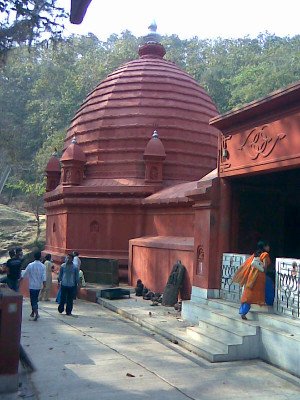
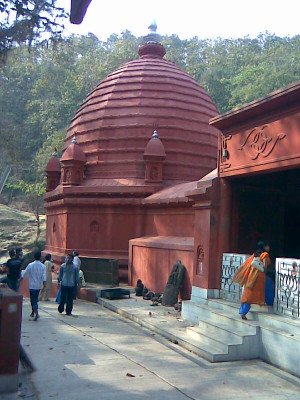
Basistha Temple & Ashram

Some quick example text to build on the card title and make up the bulk of the card's content.

Go somewhere
...
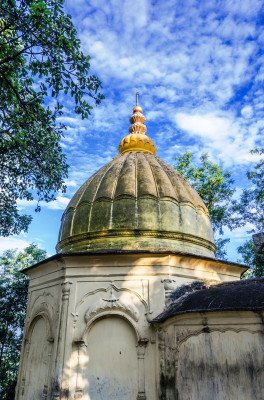
Basistha Temple

Some quick example text to build on the card title and make up the bulk of the card's content.

Go somewhere
...
Bhubaneswari Temple

Some quick example text to build on the card title and make up the bulk of the card's content.

Go somewhere

...
Brahmaputra River Cruise

Some quick example text to build on the card title and make up the bulk of the card's content.

Go somewhere
...
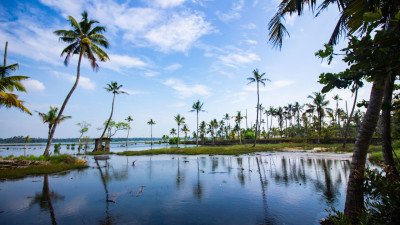
Chandubi Lake

Some quick example text to build on the card title and make up the bulk of the card's content.

Go somewhere
...
Dighali Pukhuri

Some quick example text to build on the card title and make up the bulk of the card's content.

Go somewhere

...
Dipor Bil

Some quick example text to build on the card title and make up the bulk of the card's content.

Go somewhere

in Other Cities