Na-Pukhuri
General information
-
Ideal Duration:
1 to 2 hours (Ideal for a relaxing stroll and enjoying the surroundings).Place Type:
Historical Site, Public Park, Lake/Pond Complex, REntry Fees:
Standard Entry Fees for Visitors: As of the general information available, there is generally a minimal entry fee to enter the Na-Pukhuri Park, also known as Marut Nandan Kanan. This small fee is primarily collected to support the maintenance of the park, including the upke...Standard Entry Fees for Visitors: As of the general information available, there is generally a minimal entry fee to enter the Na-Pukhuri Park, also known as Marut Nandan Kanan. This small fee is primarily collected to support the maintenance of the park, including the upkeep of the beautiful gardens, pathways, children's play area, and the general cleanliness of the historical site. The minimal cost ensures that the environment remains well-preserved for all visitors. The amount is usually very nominal, affordable for everyone, and contributes directly to the park's sustainability. Children under a certain age may have a reduced fee or be granted free entry. Visitors should always be prepared to pay this small fee at the entrance counter or gate.
Separate Charges for Recreational Activities: While the entry fee covers access to the park and its historical views, certain optional recreational activities inside may involve an additional cost. For example, if boating facilities are available in the central pond, there will be a separate ticket charge for hiring a boat. Similarly, a very nominal fee might sometimes be charged for specific amenities like using a particular play area or for car parking outside the main gate. The purpose of these separate charges is to cover the operational costs and maintenance of the specific services. There are typically no extra charges for carrying standard cameras or mobile phones for personal photography, encouraging visitors to capture the site's beauty.
Fees for Special Commercial or Group Activities: Large groups, commercial photography/videography projects, or organizations wishing to host an official event or gathering inside the park may be required to pay a higher, special permit fee. This policy is in place to manage the flow of visitors and ensure that commercial activities do not disrupt the tranquility or damage the property. Tourists should be aware that the minimal fee applies only to general sightseeing and leisure aTiming:
Regular Park Opening and Closing Timings: Na-Pukhuri Park maintains a consistent daily schedule to accommodate various visitors, from fitness enthusiasts to evening strollers. The park typically opens quite early in the morning, around 5:00 AM, to cater to the local crowds ...Regular Park Opening and Closing Timings: Na-Pukhuri Park maintains a consistent daily schedule to accommodate various visitors, from fitness enthusiasts to evening strollers. The park typically opens quite early in the morning, around 5:00 AM, to cater to the local crowds who come for morning walks, jogging, and exercise, making full use of the 1200-meter track. It remains open throughout the day and generally closes around 8:00 PM in the evening. These hours are designed to allow visitors to enjoy the park for most of the daylight and early evening hours. However, it's always prudent to check with local sources upon arrival as timings can sometimes change due to seasonal variations, maintenance work, or special public holidays.
Ideal Visit Time for Different Experiences: The ideal visit time depends heavily on what a visitor wishes to experience. For a peaceful, contemplative experience, and to observe the local fitness culture, the early morning (5:30 AM to 8:00 AM) is the best time. The air is freshest, and the light is soft. For general sightseeing, picnicking, and enjoying the full park layout, the late morning (9:00 AM to 12:00 PM) offers pleasant temperatures outside the extreme heat of the afternoon. However, the most picturesque and highly recommended time for a visit is the late afternoon leading up to sunset (4:00 PM to 6:30 PM). During this time, the light is perfect for photography, and the cool breeze makes for a beautiful stroll, culminating in the serene sight of the sunset over the historical pond, a truly memorable experience.Special Events:
Assamese Traditional Festivals - Bihu Celebrations: The open grounds and the cultural significance of Na-Pukhuri often make it a central or nearby venue for celebrating Assamese traditional festivals, especially Bihu. During Rongali Bihu (the Assamese New Year, usually in A...Assamese Traditional Festivals - Bihu Celebrations: The open grounds and the cultural significance of Na-Pukhuri often make it a central or nearby venue for celebrating Assamese traditional festivals, especially Bihu. During Rongali Bihu (the Assamese New Year, usually in April), the atmosphere around the park buzzes with cultural activities. Locals gather for traditional dances, songs, and communal feasts. Experiencing Bihu near Na-Pukhuri provides an authentic immersion into the vibrant Assamese culture. The park’s historical nature adds a special weight to these celebrations, connecting the present festivities to the region's ancient roots.
Government and District Cultural Programs: The park, being a central and important landmark, is often selected by the district administration to host various government-organized cultural programs, state functions, and public awareness events. These events can include local music concerts, art exhibitions, public forums, or commemorative functions related to the history of Tinsukia or the Muttock Kingdom. Tourists visiting during these times may unexpectedly encounter a vibrant display of local talent and community engagement. For instance, a tribute event to a historical figure or an annual khel (traditional game) tournament might be held here, offering a unique glimpse into the town's social fabric.
Morning and Evening Fitness Gatherings: While not formal "events," the daily gatherings of fitness groups—such as yoga sessions, laughter clubs, and organized running groups—are regular special features of Na-Pukhuri. These community activities, especially prevalent in the serene early morning and late afternoon hours, create a lively social scene. Observing or even participating in one of these spontaneous, health-focused gatherings can be a memorable special event for a tourist, offering a feel of the local lifestyle.Best Photo Spots:
The Central Pond from the Monument Side: One of the most classic and picturesque photo spots is capturing the wide expanse of the central pond (often referred to as a lake) from the side where the Muttock Kingdom monument is situated. This angle allows for a frame that comb...The Central Pond from the Monument Side: One of the most classic and picturesque photo spots is capturing the wide expanse of the central pond (often referred to as a lake) from the side where the Muttock Kingdom monument is situated. This angle allows for a frame that combines the vast, reflective water body with the symbolic historical structure. Timing this shot during the early morning or late afternoon will ensure soft, golden light and beautiful reflections on the water's surface, minimizing harsh shadows. The vibrant green of the surrounding trees provides a perfect natural border to the blue water. This spot is perfect for landscape and historical photography.
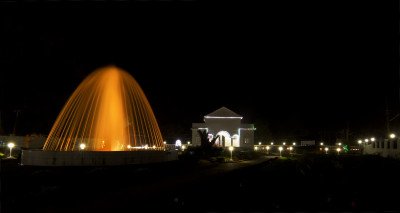
The Triple Cascade Fountain Area: The triple cascade fountain in the central area of the park provides a focal point for modern photography. The cascading water, especially when running, creates movement and texture, which contrasts nicely with the static historical environment. It's a great spot for portraiture or for capturing action shots of children playing nearby. In the evening, if the fountain is lit up, it offers a stunning, colorful photo opportunity. Positioning the camera to capture the fountain with a backdrop of the pond makes for a dynamic composition. The well-manicured flowerbeds around the fountain add bright pops of color to the foreground of your images.
The Archway and Pathway for Depth and Perspective: The entrance archway, if present, or a section of the 400-meter-long tiled pathway offers an excellent spot for photos focusing on depth and perspective. A shot taken down the long path, with the pond or distant trees as the vanishing point, can be very artistic. This spot is great for capturing the feeling of a quiet stroll or a leisurely day out. Positioning a person walking away from the camera on this path can create a sense of scale and contemplation. The line of benches along the walkway also provides natural framing elements and spots for interesting portrait poses. The jogging track area, with its distinct paving, is also suitable for action shots of runners or cyclists.Photo Gallery
Things To Do
-
Leisurely Walks and Jogging on the Paved Paths: The entire park surrounding the ponds is designed for a relaxing experience. The most popular activity is simply taking a leisurely walk along the 400-meter-long tiled pathway that skirts the central pond. This path provides perfect views of the water body and the manicured gardens. For those looking for more rigorous exercise, the 1200-meter-long pucca (paved) jogging track offers an excellent circuit for morning runs or brisk walking. The fresh air and tranquil setting make it a favorite spot for daily fitness routines among the locals. Tourists can join in the local custom, getting a bit of exercise while soaking in the atmosphere. The pathways are well-lit in the evenings, making a night-time stroll under the open sky a pleasant and safe option. This simple activity of walking allows you to notice the fin...Leisurely Walks and Jogging on the Paved Paths: The entire park surrounding the ponds is designed for a relaxing experience. The most popular activity is simply taking a leisurely walk along the 400-meter-long tiled pathway that skirts the central pond. This path provides perfect views of the water body and the manicured gardens. For those looking for more rigorous exercise, the 1200-meter-long pucca (paved) jogging track offers an excellent circuit for morning runs or brisk walking. The fresh air and tranquil setting make it a favorite spot for daily fitness routines among the locals. Tourists can join in the local custom, getting a bit of exercise while soaking in the atmosphere. The pathways are well-lit in the evenings, making a night-time stroll under the open sky a pleasant and safe option. This simple activity of walking allows you to notice the finer details of the park's landscaping and the various monuments.
Boating in the Central Pond (Padum Pukhuri): The large central water body, sometimes locally known as Padum Pukhuri, occasionally offers boating facilities, depending on local administration provisions and the season. Boating provides a unique perspective of the pond complex, allowing you to venture onto the water that was historically dug centuries ago. This is a particularly enjoyable family activity, offering fun and a different way to appreciate the scale of the central water tank. It’s a peaceful way to spend an afternoon, drifting on the calm water, and is especially popular with children. Always check for the availability and operating hours of the boating service upon arrival.
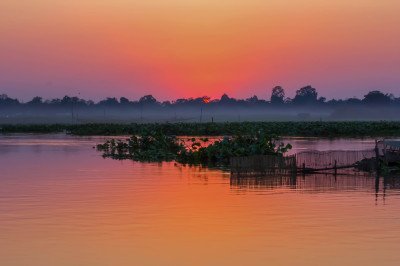
Photography and Sunset Viewing: The scenic beauty of Na-Pukhuri makes it a splendid location for photography. The lush green surroundings, the reflective surface of the water, and the colorful flowers in the gardens offer countless frames for nature and landscape photographers. The monument and the triple cascade fountain also provide interesting subjects. A particularly rewarding time for photography is during the Golden Hour, right before sunset, when the setting sun casts a warm glow over the water and the surrounding park. The sight of the sunset over the historical pond is a breathtaking experience, and many visitors come just for this purpose. The calm water acts as a mirror, creating beautiful reflections of the sky and the park's silhouette.
Relaxation and Picnicking: Na-Pukhuri is an ideal spot for unwinding. The park has numerous sitting arrangements and open grassy areas perfect for a small picnic. Families and friends often gather here to relax, read a book, or just enjoy a quiet conversation away from the city noise. The dense foliage and the natural cooling effect from the large water body make it a comfortable place to sit, even during warmer parts of the day. Spending a few hours lounging on the lawns, watching the children play on the available equipment, and simply breathing in the fresh air is a simple but highly rewarding activity here.
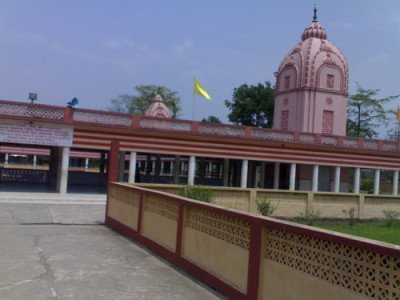
Observing the Muttock Kingdom Monument: Take some time to visit and reflect at the monument constructed within the park premises. This structure is a tribute to the legacy and memory of the Muttock Kingdom and its last ruler, Swargadeo Sarbananda Singha. Reading any available inscriptions or plaques provides context to the history of the ponds and the significance of the area, enriching your overall visit. This is an essential stop for history buffs.
Bird Watching and Nature Appreciation: While it is an urban park, the water and green spaces attract a variety of local birdlife, especially aquatic birds. Visitors with an interest in nature can engage in light bird-watching, particularly around the edges of the ponds in the quieter, vegetated sections. The diverse flora and well-maintained garden beds also offer opportunities to appreciate local plant species and horticultural efforts.
Engaging in Children’s Activities: For visitors with young children, the park is equipped wi
Information
-
Why Famous:
Historical Significance as a Muttock Monument: The primary fame of Na-Pukhuri comes from its deep historical connection to the Muttock Kingdom. It was excavated in 1792 A. D. under the rule of King Sarbananda Singha, making it a tangible link to one of the most powerful em...Historical Significance as a Muttock Monument: The primary fame of Na-Pukhuri comes from its deep historical connection to the Muttock Kingdom. It was excavated in 1792 A. D. under the rule of King Sarbananda Singha, making it a tangible link to one of the most powerful empires in Assam after the Ahoms. It is not just a pond but a historical monument symbolizing the architectural and civic planning prowess of the Muttock rulers. The cluster of nine ponds was a significant royal undertaking, designed for public utility and to mark the capital city. Visitors are drawn by the opportunity to connect with this important part of Assam’s past, appreciating the legacy of the former capital, Bengmara.
A Tranquil Oasis in the City Center: Despite being located centrally in the busy commercial town of Tinsukia, Na-Pukhuri offers an unexpected pocket of peace and natural beauty. The vast expanse of the central pond, the surrounding lush greenery, and the well-maintained park environment create a serene atmosphere. This dual nature—historical landmark and tranquil urban retreat—is what makes it so popular. It serves as a green lung for the city, attracting individuals for relaxation, morning walks, jogging, and family outings. The large, natural water body and the overall scenic setting are a major draw, distinguishing it from typical city parks. -
Architecture:
Historical Water Architecture of the Muttock Kingdom: The core architecture of Na-Pukhuri is not based on constructed buildings but on the ancient, large-scale civil engineering of its water bodies. It represents the excellent hydro-engineering skills of the Muttock Kingdom's era, dating back to th...Historical Water Architecture of the Muttock Kingdom: The core architecture of Na-Pukhuri is not based on constructed buildings but on the ancient, large-scale civil engineering of its water bodies. It represents the excellent hydro-engineering skills of the Muttock Kingdom's era, dating back to the late 18th century. The construction involved digging a cluster of nine interconnected or closely grouped ponds (the "Na-Pukhuri") for strategic purposes like water supply and civic planning for the capital, Bengmara. These earthwork tanks were essential civic monuments reflecting the king's commitment to public welfare. The tanks were designed to sustain themselves with natural water, signifying a harmonious blend of human construction with nature. The strategic placement of the ponds within the capital area highlights a thoughtful approach to urban planning, ensuring water resources for the populace.
Park Layout and Dimensions: The park, encompassing the historical ponds, covers a substantial area, approximately 23. 80 acres in total. The Central Pond, which is the main attraction and the largest water body, spans around 11. 75 acres. The modern development of the park includes a focus on visitor infrastructure. A 400-meter-long tiled pathway is constructed around the central pond for leisurely walks, while a 1200-meter-long pucca (paved) jogging pathway caters to fitness enthusiasts. In the central area, there is a distinct triple cascade fountain which adds a contemporary aesthetic feature. The park's architecture today is a blend of the ancient, functional water tanks and modern, recreational landscape design, featuring open green spaces, sitting areas, and children's play equipment, all carefully laid out to maximize the view and utility of the central historical ponds. -
How To Reach:
By Air (Flights): The nearest major airport to Tinsukia is Dibrugarh's Mohanbari Airport (DIB). This airport is situated approximately 40 to 50 KMS from Tinsukia town. The airport is well-connected to major Indian cities, including Guwahati, Kolkata, and Delhi, with regula...By Air (Flights): The nearest major airport to Tinsukia is Dibrugarh's Mohanbari Airport (DIB). This airport is situated approximately 40 to 50 KMS from Tinsukia town. The airport is well-connected to major Indian cities, including Guwahati, Kolkata, and Delhi, with regular domestic flights. Upon arriving at the airport, visitors have several options to reach Tinsukia. The most convenient way is to hire a pre-paid taxi or a private cab directly to Tinsukia, which will take around 1 to 1. 5 hours, depending on traffic. Shared taxis or state-run bus services are also available from the airport to the main Tinsukia town bus stand.
By Train (Rail): Tinsukia is very well-connected by rail, which is a popular mode of transport to the region.
The town is served by two main railway stations: Tinsukia Junction (TSK) and New Tinsukia Junction (NTSK). New Tinsukia Junction is the larger and more important station, connecting Tinsukia to major cities across India, including Delhi, Kolkata, Chennai, and Bengaluru, via long-distance express trains like the Rajdhani Express. From the railway station, Na-Pukhuri is only a short distance away, less than 3 KMS. You can easily hire a cycle-rickshaw, auto-rickshaw, or a local taxi from just outside the station to reach the park.
By Road (Bus/Car): Tinsukia is the commercial hub of Upper Assam and is therefore very accessible by road. It is connected to the rest of Assam and neighboring states like Arunachal Pradesh via a network of National Highways, including NH-15 and NH-37. Regular public and private bus services (known as 'TATA Sumos' for shared jeeps) operate from major Assamese cities like Guwahati, Jorhat, and Dibrugarh to the Tinsukia Inter-State Bus Terminus. Driving to Tinsukia is a comfortable option as the roads are generally well-maintained. From the town center, follow the signs or use GPS navigation to reach the park, which is easily locatable due to its central position.
By Local Transport: Once you are in Tinsukia town, reaching Na-Pukhuri is extremely easy due to its central location. The park is less than 2 KMS from the central marketplace. The best and most common local transport options are:
Auto-rickshaws (or Three-Wheelers): These are readily available across the town and are the quickest way to cover short distances. Always agree on the fare before starting your journey.
Cycle-Rickshaws: These offer a slower, more traditional, and more environmentally friendly way to travel, perfect for a short trip to the park while enjoying the local street views.
Walking: Given the park's proximity to the town center, it's easily reachable on foot, especially from nearby hotels or the marketplace, taking about 15-20 minutes. -
Weather and Best Time to Visit:
Seasonal Considerations - Post-Monsoon and Winter: The best time to visit Na-Pukhuri is during the post-monsoon and winter months, which span from October to March.
Winter (November to February): This is the peak tourist season. The weath...Seasonal Considerations - Post-Monsoon and Winter: The best time to visit Na-Pukhuri is during the post-monsoon and winter months, which span from October to March.
Winter (November to February): This is the peak tourist season. The weather is delightfully cool and pleasant, with daytime temperatures ranging from 12°C to 25°C. This weather is perfect for leisurely walks, jogging, and spending extended time outdoors without the discomfort of humidity. The sky is generally clear, offering excellent visibility and beautiful sunsets.
Post-Monsoon (October and March): These transitional months are also excellent. The monsoon rains have subsided, leaving the park's greenery lush and vibrant. The air is clean, and the temperatures are moderate, making outdoor activities very enjoyable.
Monsoon (June to September): This period brings heavy rainfall and high humidity. While the park is still beautiful, heavy rain can restrict outdoor activities, and the pathways might be slippery.
Summer (April to May): Summers are hot and humid, with temperatures sometimes exceeding 35°C. Visiting during these months is generally less comfortable, though the early morning and late evening hours are still bearable.
Best Parts of the Day for a Visit: The time of day significantly impacts the experience at Na-Pukhuri. Early Morning (5:00 AM - 8:00 AM) This is the ideal time for fitness and tranquility. You can join the local joggers and walkers, enjoy the freshest air, and capture the soft morning light. Late Afternoon/Evening (4:00 PM - 7:00 PM) This is the most popular time for leisure visitors. The heat subsides, and the park comes alive with families and couples. It’s the perfect time for relaxation and, crucially, to witness the spectacular sunset over the pond, offering the best photo opportunities. Mid-day (10:00 AM - 3:00 PM) This is the least recommended time, especially during summer, due to the harsh sun and high heat. However, it's generally the least crowded if you seek solitude. -
Near Tourist Places:
Historical/Religious Sites: Chauldhuwa Pukhuri (Historical Pond, 1 KMS), Devi Pukhuri (Historical Pond, 1 KMS), Tilinga Mandir (Bell Temple) (Famous Shiva Temple, approx. 11 KMS), Shiv Dham (Tinsukia) (Spiritual Site, approx. 3-4 KMS).
Nature and Wildlife: Bherjan-Borajan-Padumoni Wildlife Sanctuary (Dense Forest for Wildlife, approx. 5 KMS), Dibru-Saikhowa National Park (Biosphere Reserve, approx. 20 KMS to entry point), Maguri Motapung Beel (Wetland for Birdwatching, approx. 10 KMS).
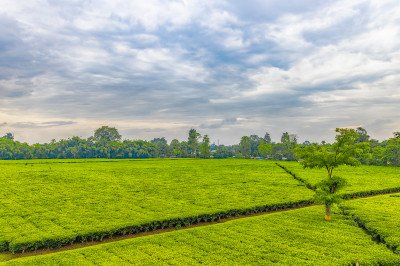
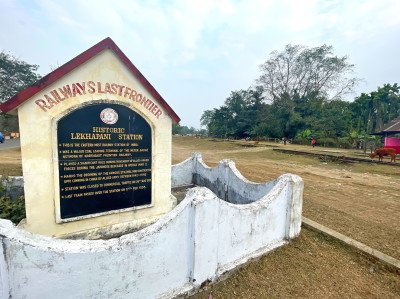
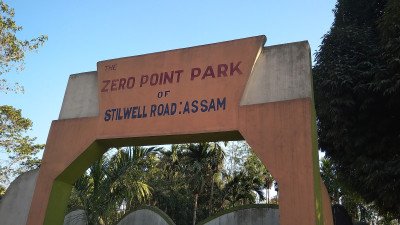
Towns and Industrial Heritage: Doomdooma (Tea Garden Town, approx. 22 KMS), Digboi (Oil City and Golf Course, approx. 30 KMS), Ledo and Margherita (Coal Queen Town and Stilwell Road Starting Point, approx. 45 KMS).
Tourism Tips
-
Health and Safety Precautions: Always carry a small First Aid kit with basic medicines, antiseptic wipes, and band-aids, as it’s a public park. Stay hydrated, especially if visiting during the day; carry a reusable water bottle. While the park is safe, practice standard...Health and Safety Precautions: Always carry a small First Aid kit with basic medicines, antiseptic wipes, and band-aids, as it’s a public park. Stay hydrated, especially if visiting during the day; carry a reusable water bottle. While the park is safe, practice standard vigilance—keep valuables secure and avoid secluded areas after dark. If you encounter any wildlife (mostly birds), maintain a respectful distance. Use a reliable mosquito repellent cream, particularly during the evenings and the monsoon season, as stagnant water bodies can attract insects. Inform a family member or friend of your plans if you are traveling alone. The pathways are well-maintained, but watch your step, especially near the pond's edge.
Smart Packing Essentials: Pack light and comfortable clothing suitable for a tropical climate. During the winter months (November to February), carry a light jacket, sweater, or shawl for the evenings and early mornings, as it can get quite chilly. Essential items include a good quality camera to capture the stunning sunsets and reflections, sun protection (a hat/cap, sunglasses, and sunscreen), and comfortable walking shoes or sneakers for the jogging track and long walks. A small notebook for jotting down historical notes or bird sightings can also enhance the visit. Carry cash (Indian Rupees) for the entry fee and any small purchases, as card payments may not be available for the minimal park charges.
Accommodation in Tinsukia: Since Na-Pukhuri is located right in the heart of Tinsukia town, finding suitable accommodation is very easy. The town offers a range of options, from budget guesthouses and homestays to mid-range hotels. It is advisable to book accommodation near the main market area or the New Tinsukia Junction for easy access to the park and other local amenities. Always check recent reviews and book through reputable travel sites or directly with the hotel. Consider staying at an accommodation that offers complimentary breakfast and reliable Wi-Fi, which is generally standard in good establishments.
Other Travel and Cultural Tips: Respect local customs and the historical significance of the site; avoid littering and maintain silence in areas where others are relaxing. Learn a few basic phrases in Assamese or Hindi; locals appreciate the effort. The staff at the park are generally helpful and can provide basic information. The park area has limited food and beverage stalls, so it's best to have meals in the main Tinsukia town before or after your visit. Remember that Tinsukia is a commercial hub, so you can easily combine your park visit with shopping for local Assam tea or handicrafts. Photography is permitted, but do not fly drones or set up large commercial equipment without prior administrative permission.
Reviews
FAQs
Tinsukia Itineray And Cost:-
Information about New and Updated Locations() of Assam Has Been Added :-
Card subtitle
Note:-
Information provided here in good Faith and for reference only.
All information and pictures will be updated soon, please keep visiting.
Near Places
Bherjan-Borajan-Padumoni Wildlife Sanctuary
Some quick example text to build on the card title and make up the bulk of the card's content.
Go somewhere
Chauldhuwa Pukhuri
Some quick example text to build on the card title and make up the bulk of the card's content.
Go somewhere
Dehing Patkai National Park
Some quick example text to build on the card title and make up the bulk of the card's content.
Go somewhere
Dibru-Saikhowa National Park
Some quick example text to build on the card title and make up the bulk of the card's content.
Go somewhere
Doomdooma
Some quick example text to build on the card title and make up the bulk of the card's content.
Go somewhere
Historic Lekhapani Station Tomb
Some quick example text to build on the card title and make up the bulk of the card's content.
Go somewhere
Ledo
Some quick example text to build on the card title and make up the bulk of the card's content.
Go somewhere
Maguri Motapung Beel
Some quick example text to build on the card title and make up the bulk of the card's content.
Go somewhere
Margherita Sunset Point
Some quick example text to build on the card title and make up the bulk of the card's content.
Go somewhere
Margherita
Some quick example text to build on the card title and make up the bulk of the card's content.
Go somewherein Other Cities