Shiv Dham
General information
-
Ideal Duration:
1 to 2 hours (Sufficient for darshan, parikrama, and peaceful contemplation).Place Type:
Religious/Spiritual Site, Cultural Attraction, ArcEntry Fees:
No General Entry Fee Policy: The Shiv Dham in Tinsukia generally operates on a policy of free entry for all visitors, including both local devotees and tourists. This is a common practice for Hindu temples across India, which are considered public places of worship and are ...No General Entry Fee Policy: The Shiv Dham in Tinsukia generally operates on a policy of free entry for all visitors, including both local devotees and tourists. This is a common practice for Hindu temples across India, which are considered public places of worship and are open to all regardless of faith or nationality. This absence of a ticket fee makes the spiritual site highly accessible to people from all economic backgrounds.
Voluntary Donations and Offerings: While there is no mandatory fee, the temple relies heavily on voluntary donations (bhiksha or daan) from devotees and visitors for its maintenance, daily rituals, and charitable activities. You will find designated donation boxes (hundi) within the premises. Visitors are free to contribute any amount they wish. This is a spiritual offering, not a compulsory charge.
Fees for Special Services/Rituals: Be aware that while entry is free, there may be nominal fees or required dakshina (honorarium) for engaging in specific, personalized rituals (puja) performed by the priests (pujaris). For instance, an elaborate abhisheka, a special prayer for a family, or a ritual performed on an auspicious day may involve a specific contribution for the samagri (materials) and the priest's service. These charges are clearly communicated by the temple management or the priests themselves.
Commercial Activities: Fees may be charged by independent vendors outside the temple for things like parking, the purchase of puja items (flowers, prasad, coconuts), or shoe-minding services, but these are not the temple's official entry fees. Always carry a small amount of cash for these minor expenses.
Timing:
Regular Opening and Closing Timings: The typical operating hours for Shiv Dham are generally from 05:00 AM to 09:00 PM every day. However, it is essential to be aware that the temple often observes a mid-day closing period, typically between 12:00 Noon and 02:00 PM (or some...Regular Opening and Closing Timings: The typical operating hours for Shiv Dham are generally from 05:00 AM to 09:00 PM every day. However, it is essential to be aware that the temple often observes a mid-day closing period, typically between 12:00 Noon and 02:00 PM (or sometimes a shorter period). This time is reserved for the deity's bhog (meal offering) and the cleaning of the inner sanctum. It is crucial to respect this break and plan your visit accordingly to ensure you can have darshan.
Ideal Visit Time for Spirituality: The most Ideal Visit Time for a peaceful, deeply spiritual experience is the early morning (just after opening, from 05:00 AM to 07:00 AM). The atmosphere is exceptionally tranquil, the air is cool and fresh, and you can witness the first rituals of the day (Mangala Aarti), which are often less crowded and more meditative. This period is best for quiet reflection and focused worship.
Ideal Visit Time for Photography/Aesthetics: For photographers, the late afternoon to evening (from 04:30 PM to 07:00 PM) is the most rewarding. The sunset provides a spectacular, warm 'golden hour' light that enhances the temple's architecture and the reflections in the water kund. Furthermore, staying for the evening aarti (usually around 07:00 PM) allows you to capture the temple beautifully illuminated with artificial lights and oil lamps, creating a dramatic and devotional scene.
Special Events:
Maha Shivaratri Celebration: The most significant and spectacular event is Maha Shivaratri (the Great Night of Shiva), typically occurring in February or March. The temple sees an overwhelming surge of devotees. The celebration involves all-night vigils (jagaran), continuo...Maha Shivaratri Celebration: The most significant and spectacular event is Maha Shivaratri (the Great Night of Shiva), typically occurring in February or March. The temple sees an overwhelming surge of devotees. The celebration involves all-night vigils (jagaran), continuous chanting of Om Namah Shivaya, special aartis performed four times throughout the night, and mass abhisheka of the Shiva Lingam. The entire complex is elaborately decorated with lights, flowers, and colourful fabrics.
The Kanvar Yatra/Bol Bam Yatra: The temple is a key destination for the regional Kanvar Yatra, or Bol Bam Yatra, which takes place during the holy Shravan (Saawan) month (July-August). Devotees, or Kanvarias, clad in saffron, walk long distances, often from places like Namrup, carrying water from a sacred source (often the Brahmaputra river or another designated spot) in decorated pots. They offer this water (jalabhisheka) to the Shiva Lingam. This procession is marked by immense spiritual fervour, singing of devotional songs, and a charged atmosphere, making it a unique cultural spectacle to witness in Tinsukia.
Other Hindu Festivals: Festivals like Dusshera, Diwali, and Janmashtami are also celebrated with special prayers and decorations, though Maha Shivaratri and Shravan remain the paramount occasions for Shiv Dham.
Best Photo Spots:
The Water Kund Vantage Point: The most iconic spot for photography is where the water kund meets the main temple structure. Capturing the reflection of the temple's shikhara or the central deity statue in the still water of the pond provides a visually stunning, symmetrical...The Water Kund Vantage Point: The most iconic spot for photography is where the water kund meets the main temple structure. Capturing the reflection of the temple's shikhara or the central deity statue in the still water of the pond provides a visually stunning, symmetrical, and serene composition. Best results are often achieved during the golden hours of sunrise or sunset, when the light casts a warm glow and highlights the architectural details.
The Intricately Carved Pillars: Close-up shots of the detailed relief carvings on the numerous pillars in the mandapa (hall) and along the main temple walls are essential for capturing the artistry of the site. Use a shallow depth of field to isolate the beautiful craftsmanship against a blurred background. These carvings, depicting mythological scenes, offer a cultural and historical narrative in photographic form.
The Entrance Gateway and Shikhara: The main entrance gate, often decorated with vibrant colours and a small gopuram (tower), is a great spot to capture the grandeur of the temple complex. Stand at a respectful distance to frame the entire facade, including the towering main Shikhara (spire). This provides context for the temple's scale and design, representing the gateway to the divine. This spot is also perfect for capturing devotional crowds during festivals.
Photo Gallery
Things To Do
-
Seek Blessings and Perform Darshan (Worship): The primary activity is visiting the main sanctum to perform darshan (gazing upon and receiving the blessing of the deity) of the Shiva Lingam. Devotees engage in rituals like abhisheka (ritual anointing) using milk, water, and bel leaves (Aegle marmelos, sacred to Shiva), especially on Mondays and during Shivaratri. You can purchase offering materials like flowers, incense, and prasad from stalls near the entrance.
Engage in Sacred Circumambulation (Parikrama): Perform the ritual walk (parikrama or pradakshina) around the main temple structure. This act is believed to bring merit and is a fundamental part of the devotional process. Pay attention to the smaller shrines of other deities like Hanuman and Radha-Krishna located along this path, offering a multi-faceted spiritual journ...Seek Blessings and Perform Darshan (Worship): The primary activity is visiting the main sanctum to perform darshan (gazing upon and receiving the blessing of the deity) of the Shiva Lingam. Devotees engage in rituals like abhisheka (ritual anointing) using milk, water, and bel leaves (Aegle marmelos, sacred to Shiva), especially on Mondays and during Shivaratri. You can purchase offering materials like flowers, incense, and prasad from stalls near the entrance.
Engage in Sacred Circumambulation (Parikrama): Perform the ritual walk (parikrama or pradakshina) around the main temple structure. This act is believed to bring merit and is a fundamental part of the devotional process. Pay attention to the smaller shrines of other deities like Hanuman and Radha-Krishna located along this path, offering a multi-faceted spiritual journey.
Photography and Architectural Appreciation: The temple's unique architecture, particularly the setting of the central deity or structure within the water kund, offers excellent photographic opportunities. Focus on capturing the intricate carvings on the pillars and walls, the vibrant colors of the gopuram (if present), and the serene reflection in the pond. Sunset is often the best time for photography due to the warm lighting.
Quiet Reflection and Meditation: Utilize the spacious grounds and the quieter hidden gems (the secluded corners and seating areas) for silent contemplation. The atmosphere, especially during the early morning hours, is conducive to meditation and escaping the daily chaos. Simply sitting and observing the rituals and the peaceful environment is a rewarding activity in itself.
Feed the Pond Life: The water kund often contains a number of fish and turtles. Buying puffed rice (muri) or other permitted food items from local vendors to feed the pond inhabitants is a small, satisfying activity believed to bring good fortune and peace, especially appealing to families with children.
Explore the Local Stalls and Markets: Immediately outside the temple complex, you will find small local shops and stalls selling religious paraphernalia, flowers, puja items, Assamese handicrafts, and local snacks. This is a great opportunity to engage with the local economy, buy souvenirs, and taste regional street food like pitha (rice cakes) or traditional Assamese tea.
Attend Evening Aarti: If visiting in the evening, try to stay for the evening aarti (ceremony of light). The collective chanting, ringing of bells, and the sight of oil lamps being offered to the deities create a powerful, immersive, and visually stunning devotional experience that truly captures the local spiritual fervor. The temple transforms into a beautifully lit space during this time.
Educational and Cultural Observation: For non-devotees, the visit is a deep dive into the socio-religious life of Tinsukia. Observe the varied rituals, the dress code, the regional differences in worship, and the community interaction. Reading the murals can serve as an informal lesson in Hindu mythology.
Family Outing and Picnic Spot (Periphery): Due to the well-maintained lawns and spacious compound, the temple premises, particularly the gardens surrounding the main structure, are also used by local families for peaceful, non-disruptive outings and relaxation, though strict respect for the religious site must be maintained.
Information
-
Why Famous:
Principal Deity and Sacredness: The primary reason for Shiv Dham’s fame is its dedication to Lord Shiva, one of Hinduism’s most revered deities. It houses a magnificent Shiva Lingam, which is the focus of all worship, drawing Shaivites and general devotees from across A...Principal Deity and Sacredness: The primary reason for Shiv Dham’s fame is its dedication to Lord Shiva, one of Hinduism’s most revered deities. It houses a magnificent Shiva Lingam, which is the focus of all worship, drawing Shaivites and general devotees from across Assam and neighbouring states. Its sanctity is particularly heightened during the Maha Shivaratri festival and the holy Shravan month.
Unique Water-Body Feature: The temple's architecture, especially the prominent water kund (pond) either encircling the main shrine or featuring a statue of Lord Shiva at its centre, is a distinct feature. This striking visual element makes it a memorable and unique temple complex compared to other local shrines, attracting tourists interested in temple design.
Central Location and Accessibility: Situated very close to the Tinsukia city center and accessible via major roads like the AT Road (Assam Trunk Road), its convenient location contributes to its fame. It serves as an easily reachable spiritual refuge, making it a popular destination for both quick daily visits and organized pilgrimages. This ease of access ensures high visibility and foot traffic, cementing its status as a top local landmark.
-
Architecture:
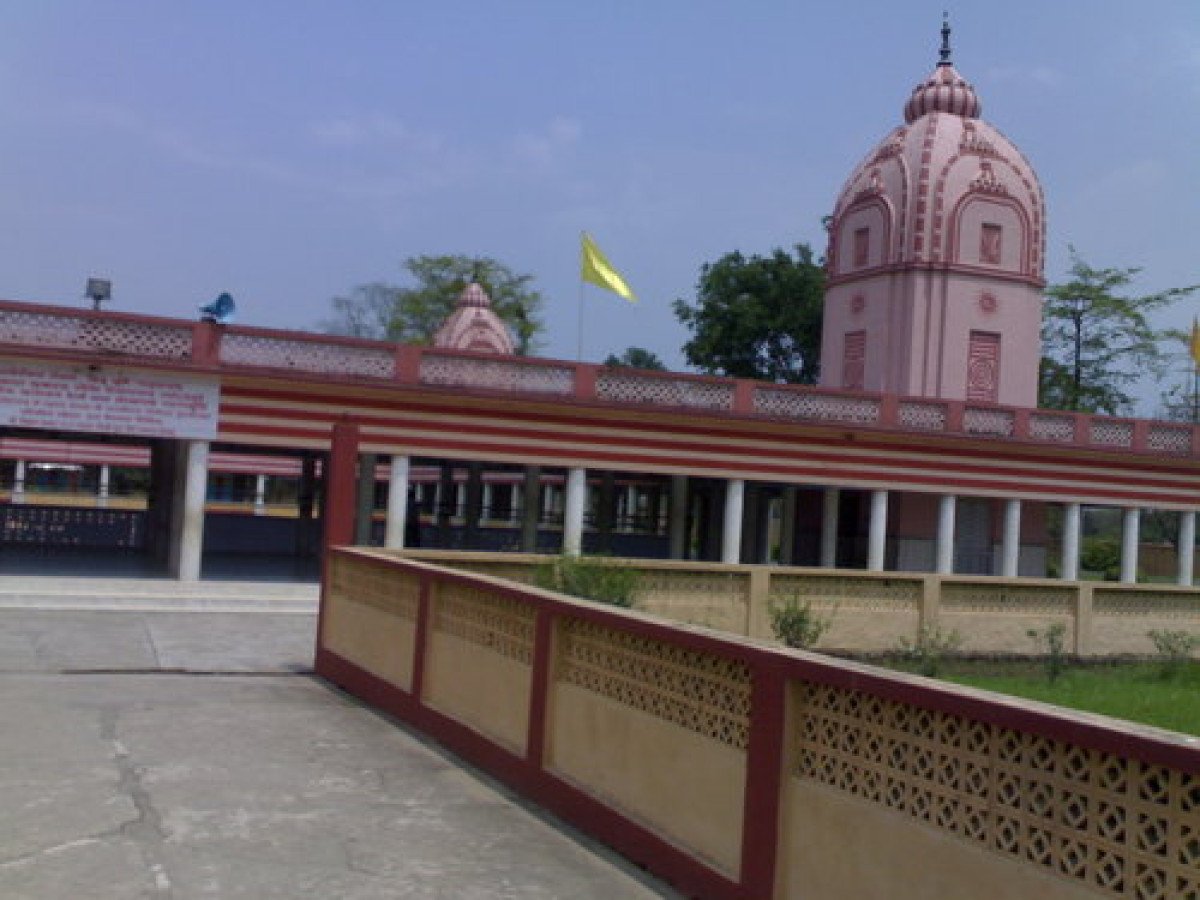
Architectural Style and Materials: The Shiv Dham complex showcases a distinctive Neo-Assamese or Contemporary Hindu Temple architectural style, drawing inspiration from classical North Indian temple forms, specifically the Nagara style (characterized by a tall, curvilinear s...Architectural Style and Materials: The Shiv Dham complex showcases a distinctive Neo-Assamese or Contemporary Hindu Temple architectural style, drawing inspiration from classical North Indian temple forms, specifically the Nagara style (characterized by a tall, curvilinear shikhara or spire), while employing modern construction materials like reinforced concrete, polished stone, and durable paints to ensure longevity. The main Shiva shrine is crowned by a towering structure, symbolizing Mount Kailash, the mythical abode of Lord Shiva. The temple's colour palette is often vibrant, featuring white, yellow, and red, consistent with traditional Indian temple ornamentation, which highlights the detailed craftsmanship.
Key Structural Elements: Dimension is primarily noticeable in the complex's sprawling layout rather than a single measurable height, but the main shikhara dominates the skyline in its vicinity. The temple is built on an elevated platform (a pitha or adhishthana), giving it a commanding presence. A crucial design element is the surrounding pavilion supported by numerous ornately carved pillars, providing a spacious mandapa (hall) for devotees to gather, chant, and perform parikrama (circumambulation). The walls and pillars are covered with intricate relief carvings and murals. These depictions narrate mythological tales—such as the Samudra Manthan (churning of the ocean), the acts of Lord Shiva as the Destroyer, and scenes from the Ramayana and Mahabharata—serving as visual scriptures for the uninitiated.
The Water Kund Feature: A unique and central architectural feature is the large water kund (pond) located within the complex. This may symbolize the sacred waters like the Ganges or the ocean, from which Shiva consumed the poison. In some areas, a statue of Lord Shiva is placed dramatically in the center of the water body, reinforcing the temple's dedication. The placement of the entire complex, utilizing both an open-air courtyard and covered halls, allows for large crowds during festivals while maintaining an intimate space for individual worship. The design prioritizes accessibility and open flow, reflecting the modern need for a communal place of worship.
-
How To Reach:
From Tinsukia City Center: The Shiv Dham is conveniently located, approximately 1-3 KMS from the heart of Tinsukia (like the Railway Junction or Bus Stand). You can easily reach it using local transport options listed below, with a travel time of just 5-10 minutes.
...From Tinsukia City Center: The Shiv Dham is conveniently located, approximately 1-3 KMS from the heart of Tinsukia (like the Railway Junction or Bus Stand). You can easily reach it using local transport options listed below, with a travel time of just 5-10 minutes.
By Air: The nearest airport is Dibrugarh Airport (DIB), also known as Mohanbari Airport, located about 40-50 KMS from Tinsukia city. The airport is well-connected to major Indian cities like Delhi, Kolkata, and Guwahati via domestic flights.
From DIB, you have several options:
Pre-paid Taxi/Cab: The most comfortable and direct option. Book a pre-paid taxi at the airport counter or use ride-hailing apps (if available) for a direct drop to Shiv Dham, Tinsukia. The journey typically takes 1 to 1. 5 hours, depending on traffic.
Shared Taxi/Bus: More economical options include shared taxis or local buses heading towards Tinsukia from the airport exit.
By Train: Tinsukia is exceptionally well-connected by the Indian Railways, as it is a major junction. The main station is Tinsukia Junction (TSK). TSK connects to pan-Indian cities through express trains like the Dibrugarh-Kanyakumari Vivek Express, Brahmaputra Mail (from Delhi), and Kamrup Express (from Kolkata). From Tinsukia Junction, the temple is a very short ride (5 minutes) via a cycle-rickshaw or auto-rickshaw.
By Road: Tinsukia is accessible via a robust network of National Highways, notably NH-15 and the Assam Trunk Road (AT Road), on which the temple is situated.
Inter-city Bus: Regular, state-run (ASTC) and private long-distance buses connect Tinsukia to major cities in Assam (like Guwahati, Jorhat, Dibrugarh, and Silchar) and neighbouring states. The Tinsukia Bus Stand is only about 1 KM from the Shiv Dham, making it a very short hop.
Self-Drive/Hired Car: Driving to Tinsukia provides flexibility. The drive from Guwahati takes approximately 10-12 hours.
By Local Transport (Within Tinsukia):
Auto-Rickshaw: The most common and convenient way to reach the temple from any part of Tinsukia. They are readily available and operate on fixed (or slightly negotiated) fares.
Cycle-Rickshaw: The most traditional and cheapest option for very short distances within the main city area. It is slow but ideal for a quick, eco-friendly local ride.
E-Rickshaw (Toto): Modern, battery-operated rickshaws are also widely available and a good option for short to mid-range distances.
-
Weather and Best Time to Visit:
Different Types of Seasons:
Winter Season (Best Time): The period from November to March is universally considered the Best Time to Visit. The weather is cool, dry, and highly pleasant, with daytime temperatures ranging from 10°C to 25°C. ...Different Types of Seasons:
Winter Season (Best Time): The period from November to March is universally considered the Best Time to Visit. The weather is cool, dry, and highly pleasant, with daytime temperatures ranging from 10°C to 25°C. This is ideal for sightseeing, comfortable long walks around the complex, and attending the outdoor festivities of Maha Shivaratri (if it falls in this window).
Summer Season (March to May): Summers are hot and humid, with temperatures potentially exceeding 35°C. It is advisable to restrict visits to the early morning or late evening to avoid the intense midday heat.
Monsoon Season (June to September): This period is characterized by heavy and persistent rainfall. While the surrounding nature is at its most lush and green, the rain can disrupt travel and outdoor activities. The month of Shravan (July-August) falls during the monsoon, and while it is a major religious time due to the Kanvar Yatra, tourists should be prepared for potential flooding and muddy conditions.
Different Parts of the Day: Morning (05:00 AM to 10:00 AM) The absolute best part of the day for a visit. The air is calm, the temple is less crowded (except during specific aarti times), and the peaceful ambiance is perfect for spiritual engagement and photography before the harsh sunlight sets in. Afternoon (12:00 PM to 02:00 PM) This is the least recommended time, not only due to high heat but also because the inner sanctum is often closed for the mandatory bhog and rest period. Evening (04:30 PM to 07:30 PM) Highly recommended for the aesthetic experience. The cooling weather, the spectacular sunset views, and the vibrant evening aarti ritual offer a culturally rich and visually rewarding experience.
-
Near Tourist Places:
(10 Other Places with distance from Shiv Dham approx. ) 1.
Tilinga Mandir (Bell Temple): (Approx. 10-12 KMS). Famous for the thousands of bells tied by devotees whose wishes have been fulfilled. 2.
Na-Pukhuri (Nine Ponds): (Approx. 4-5 KMS). A historical cluster of nine man-made ponds built during the Ahom-Matak period. 3.
Dibru-Saikhowa National Park: (Core area approx. 35-40 KMS). A biodiversity hotspot known for feral horses, migratory birds, and the unique White-winged Wood Duck. 4.
Maguri Motapung Beel (Wetland): (Approx. 18-20 KMS). A picturesque lake/wetland near Dibru-Saikhowa, excellent for bird watching and nature photography. 5.
Bherjan-Borajan-Padumoni Wildlife Sanctuary: (Approx. 5-7 KMS). A small but vital sanctuary near the city, easily accessible for spotting Hoolock Gibbons. 6.
Digboi Oil Refinery Town: (Approx. 35-40 KMS). Home to India's oldest operating oil refinery and the Digboi Centenary Museum. 7.
Ledo and Margherita: (Approx. 60-70 KMS). Historical towns associated with World War II's Stilwell Road and coal mining heritage. 8.
Rukmini Island (Dibru River): (Distance varies, transport access to river bank approx. 20 KMS). A scenic natural spot for birding and relaxation along the Brahmaputra tributary. 9.
Rani Maidam: (Approx. 3-4 KMS). A historical maidam (burial mound) showcasing Ahom architectural traditions. 10.
Tinsukia Railway Heritage Park and Museum: (Approx. 2-3 KMS). Ideal for history and railway enthusiasts, showcasing the region's railway past.
Tourism Tips
-
Health & Safety: Always carry a personal first-aid kit with basic medications. Due to the humid climate and open areas, use a good mosquito repellent at dawn and dusk. Drink only bottled water or water from a trusted, filtered source to avoid waterborne illnesses. Be espe...Health & Safety: Always carry a personal first-aid kit with basic medications. Due to the humid climate and open areas, use a good mosquito repellent at dawn and dusk. Drink only bottled water or water from a trusted, filtered source to avoid waterborne illnesses. Be especially cautious during the monsoon season for slippery paths and potential waterlogging. Secure your belongings, especially in crowded areas like the temple during a festival, to prevent petty theft.
Packing Essentials: Dress modestly as the Shiv Dham is a sacred place of worship; this means covering your shoulders and knees. Light, breathable cotton clothing is best, especially in the humid months. Carry an umbrella or rain gear, regardless of the season, particularly if travelling during the monsoon. Don't forget your camera for the beautiful architecture and a small notebook to record your spiritual or cultural observations.
Accommodation: Tinsukia city offers a range of accommodation options, from budget guesthouses and dharamsalas to mid-range and business-class hotels. Look for places close to the Tinsukia Junction or the AT Road for convenient access to the temple and the rest of the city. Booking in advance is highly recommended, especially if your visit coincides with the Maha Shivaratri festival or the Shravan month (Kanvar Yatra).
Respecting Temple Customs: Always remove your footwear before entering the temple premises and leave them at the designated stand (a small fee may apply). Maintain silence or speak softly within the main complex. Do not touch or lean on the deity idols, pillars, or murals. Ask for permission before taking close-up photographs of priests or ongoing rituals.
Other Different Topics:
Local Cuisine: Do not miss sampling the distinct Assamese cuisine in Tinsukia, which features rice, fish, and local herbs. Try dishes like Masor Tenga (sour fish curry), Khar (alkaline dish), and local pitha.
Communication: While Assamese is the local language, Hindi and English are widely understood in tourist and commercial areas like Tinsukia city.
Reviews
FAQs
Tinsukia Itineray And Cost:-
Information about New and Updated Locations() of Assam Has Been Added :-
Card subtitle
Note:-
Information provided here in good Faith and for reference only.
All information and pictures will be updated soon, please keep visiting.
Near Places

Bherjan-Borajan-Padumoni Wildlife Sanctuary
Some quick example text to build on the card title and make up the bulk of the card's content.
Go somewhere
Chauldhuwa Pukhuri
Some quick example text to build on the card title and make up the bulk of the card's content.
Go somewhere
Dehing Patkai National Park
Some quick example text to build on the card title and make up the bulk of the card's content.
Go somewhere
Dibru-Saikhowa National Park
Some quick example text to build on the card title and make up the bulk of the card's content.
Go somewhere
Doomdooma
Some quick example text to build on the card title and make up the bulk of the card's content.
Go somewhere
Historic Lekhapani Station Tomb
Some quick example text to build on the card title and make up the bulk of the card's content.
Go somewhere
Ledo
Some quick example text to build on the card title and make up the bulk of the card's content.
Go somewhere
Maguri Motapung Beel
Some quick example text to build on the card title and make up the bulk of the card's content.
Go somewhere
Margherita Sunset Point
Some quick example text to build on the card title and make up the bulk of the card's content.
Go somewhere
Margherita
Some quick example text to build on the card title and make up the bulk of the card's content.
Go somewherein Other Cities