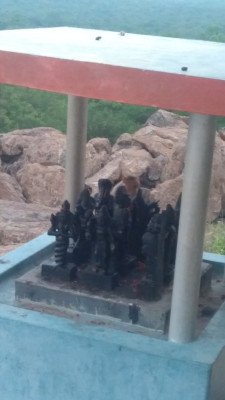
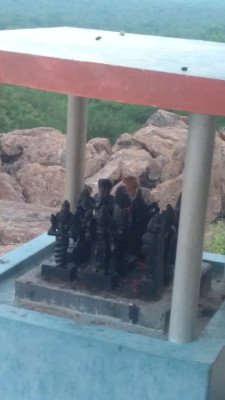
Navagraha Temple
General information
-
Ideal Duration:
1 to 2 Hours is generally sufficient for a visit, including prayer and enjoying the hill view.Place Type:
Religious & Spiritual, Historical Monument, AstrolEntry Fees:
No Entry Fee for the Temple: The Navagraha Temple itself does not charge a mandatory entry fee for devotees or general visitors to enter and offer prayers. This is common for many traditional Hindu temples in India, ensuring access for all.
Vol...No Entry Fee for the Temple: The Navagraha Temple itself does not charge a mandatory entry fee for devotees or general visitors to enter and offer prayers. This is common for many traditional Hindu temples in India, ensuring access for all.
Voluntary Donations are Encouraged: While entry is free, visitors are welcome to offer voluntary donations (dakshina) in the donation boxes located within the premises to support the temple's maintenance and religious activities. This is a personal choice.
Charges for Special Rituals: If a visitor wishes to perform a specific, elaborate Navagraha Puja or a personalized ritual with the priest, there may be a fee or a required minimum offering for the materials and the priest's service (puja samagri and dakshina). These charges are variable based on the complexity of the rite.
Photography/Videography Fees: Sometimes, an informal fee is requested by temple authorities if one is using professional equipment for photography or videography for commercial purposes. For general handheld mobile photography (where allowed), this usually doesn't apply.
Parking Fees: If driving a private vehicle, there might be a nominal fee for parking near the base or on the hill, managed by local authorities or contractors.Timing:
Regular Timings: The temple is generally open from very early morning, typically around 4:00 AM or 5:00 AM, until late evening, around 9:00 PM. However, it might observe a short closure in the afternoon (e. g. , from 12:30 PM to 4:00 PM) after the morning rituals and before...Regular Timings: The temple is generally open from very early morning, typically around 4:00 AM or 5:00 AM, until late evening, around 9:00 PM. However, it might observe a short closure in the afternoon (e. g. , from 12:30 PM to 4:00 PM) after the morning rituals and before the evening ceremonies.
Ideal Visit Time: The early morning hours, particularly for the Aarti (prayer ceremony) around 4:00 AM to 9:00 AM, are highly recommended. This is when the atmosphere is most serene, the rituals are in full swing, and the weather is pleasant.
Late Afternoon/Evening: A second ideal time is the late afternoon, around 4:00 PM to 6:00 PM, when the sun begins to set, and the weather cools down, offering a beautiful light for viewing the surroundings.
Avoid Peak Mid-day: The mid-day hours, especially during the summer, can be very hot and humid, making the visit uncomfortable. It's best to avoid the 10:00 AM to 4:00 PM slot for comfort.
Days of the Week: While open daily, visiting on a Monday (associated with Lord Shiva) or Saturday (associated with Shani) might mean a larger crowd but also a more fervent spiritual atmosphere.Special Events:
Maha Shivaratri: As the nine deities are represented by Shivalingas, the festival of Maha Shivaratri in February or March is a major event. The temple witnesses a huge congregation of devotees performing special prayers and night-long vigils dedicated to Lord Shiva and, by ...Maha Shivaratri: As the nine deities are represented by Shivalingas, the festival of Maha Shivaratri in February or March is a major event. The temple witnesses a huge congregation of devotees performing special prayers and night-long vigils dedicated to Lord Shiva and, by extension, the Navagrahas.
Annual Yagya/Homa Ceremony: There is an annual Yagya (fire sacrifice) or Homa ceremony, often held around the month of February, where special rituals are conducted for the appeasement of the nine planets. This attracts a large number of followers interested in Vedic rites.
Astrological Special Days: Days associated with specific planets, such as Saturday for Shani (Saturn) or Monday for Chandra (Moon), are considered highly auspicious and draw larger crowds for specialized prayers and oil lamp offerings.Best Photo Spots:
The Temple Entrance Archway: The stone archway leading into the main temple complex, often carved with traditional motifs, provides a beautiful frame for the structure and a classic, identifiable shot.
Panoramic Viewpoint: The cleared area o...The Temple Entrance Archway: The stone archway leading into the main temple complex, often carved with traditional motifs, provides a beautiful frame for the structure and a classic, identifiable shot.
Panoramic Viewpoint: The cleared area on Chitrachal Hill offers a fantastic spot to photograph the Guwahati city sprawling below, with the Brahmaputra River potentially visible in the distance.
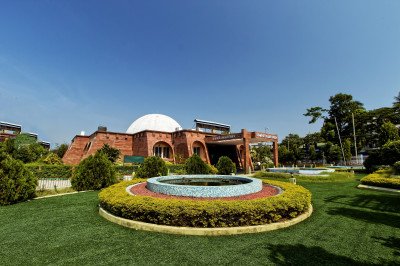
Exterior of the Sanctum: Capture the unique red-colored, dome-shaped exterior of the main temple building, highlighting its distinctive Assamese architectural elements.
The Nine Shivalingas (Exterior Shot): If permitted, a respectful exterior shot showing the entrance or the visible parts of the nine deities' setup (from a distance) can be powerful, although photography inside the immediate sanctum is usually restricted.
Sunrise or Sunset: Due to its hilltop location, the temple grounds are a great spot to capture the sky's changing colors during sunrise or sunset, adding a dramatic, spiritual atmosphere to the landscape. Image of Navagraha Temple and Surrounding Hills].Photo Gallery
Things To Do
-
Perform Navagraha Puja: The main activity is offering prayers and performing a special Navagraha Puja or ritual for the nine planets, often under the guidance of a temple priest to seek favorable planetary conditions. This is the core spiritual experience.
Meditation and Contemplation: The peaceful setting atop Chitrachal Hill is perfect for quiet meditation. Find a spot and spend time in silent reflection, absorbing the spiritual energy of the ancient place.
Explore the Temple Complex: Walk around the perimeter of the temple. Observe the architectural details, the inscriptions (if visible), and the exterior shrine elements. The temple walls sometimes bear old records.
View the Guwahati Skyline: Enjoy the scenic viewpoint from the hill. It provides an excell...Perform Navagraha Puja: The main activity is offering prayers and performing a special Navagraha Puja or ritual for the nine planets, often under the guidance of a temple priest to seek favorable planetary conditions. This is the core spiritual experience.
Meditation and Contemplation: The peaceful setting atop Chitrachal Hill is perfect for quiet meditation. Find a spot and spend time in silent reflection, absorbing the spiritual energy of the ancient place.
Explore the Temple Complex: Walk around the perimeter of the temple. Observe the architectural details, the inscriptions (if visible), and the exterior shrine elements. The temple walls sometimes bear old records.
View the Guwahati Skyline: Enjoy the scenic viewpoint from the hill. It provides an excellent perspective of the city, especially the eastern parts, and the surrounding natural landscape.
Offerings and Rituals: Purchase flowers, oil, or other specific items for offering. Each planet is sometimes associated with a specific color or item, and participating in these small rituals is a deeply personal and engaging activity.
Visit the Library (if accessible): Inquire about the temple's small library or research center, which houses manuscripts related to astrology and astronomy. Access might be restricted, but simply knowing about this heritage is rewarding.
Photography of the Surroundings: Capture the serene environment, the unique architecture (avoiding photography inside the sanctum where it is generally prohibited), and the views from the hilltop.
Talk to a Local Priest/Astrologer: Engage in a conversation with the temple priests or local astrologers who often sit there. They can offer insights into the temple's lore, the significance of the Navagrahas, and their personal spiritual perspective.
Morning Aarti Observation: Attending the early morning or evening Aarti (prayer ceremony) offers a rich cultural and spiritual experience, witnessing the collective devotion of the local community.
Savor the Quiet: Simply sit and enjoy the sound of the wind and the relative silence, which is a rare commodity in a bustling city like Guwahati.
Information
-
Why Famous:
Navagraha Significance: The temple's primary fame stems from its dedication to the nine celestial bodies or Navagrahas. It is one of the few temples in India where all nine planetary deities are worshipped together under one roof, making it a crucial pilgrimage spot for ast...Navagraha Significance: The temple's primary fame stems from its dedication to the nine celestial bodies or Navagrahas. It is one of the few temples in India where all nine planetary deities are worshipped together under one roof, making it a crucial pilgrimage spot for astrologers and devotees seeking to address planetary woes.
Astrological Importance: The temple serves as a powerful astrological hub. Devotees believe that a visit here and performing specific rituals can help neutralize the negative effects (doshas) of malefic planets in their horoscope, offering peace and good fortune. This unique spiritual niche draws people from far and wide.
Historical Legacy: Its construction by the powerful Ahom King Rajeswar Singha in the 18th century links it directly to the rich history of the Ahom kingdom, giving it significant historical weight beyond its religious function. It represents the cultural and religious patronage of a major ruling dynasty of Assam. -
Architecture:
Unique Architectural Style: The Navagraha Temple showcases the indigenous Assamese style of temple architecture, particularly the 'Bhawan' type, which is simpler and characterized by a central dome-like structure. The temple structure itself is relatively small, but its pla...Unique Architectural Style: The Navagraha Temple showcases the indigenous Assamese style of temple architecture, particularly the 'Bhawan' type, which is simpler and characterized by a central dome-like structure. The temple structure itself is relatively small, but its placement on the hill gives it prominence.
Beehive-Shaped Dome: The main superstructure over the sanctum, known as the shikhara or dome, is often described as having a modest, beehive-shaped form. This is characteristic of some regional styles, although the original structure was modified after the devastating 1897 earthquake.
Reconstruction and Material: Following the severe damage from the 1897 earthquake, the temple was rebuilt. The original stone or brick structure was partially replaced or reinforced, possibly using materials like strong iron sheets and concrete in the rebuilding efforts to ensure its stability.
Internal Layout and Dimension: The central feature of the inner sanctum (garbhagriha) is the arrangement of the nine Shivalingas. They are typically arranged in a circular fashion with the Sun's representation at the center, signifying the central role of the Sun in the solar system as perceived in ancient Indian cosmology. While specific blueprints detailing exact dimensions in meters are not universally published, the temple is relatively compact, focusing more on its spiritual symbolism than massive scale. Its height and base dimension are typical of small-to-medium-sized regional shrines. -
How To Reach:
From Place Name:
Guwahati (City Center - Paltan Bazaar) By Air: The nearest airport is Lokpriya Gopinath Bordoloi International Airport (GAU), located approximately 27 KM away from the temple. From the airport, one can easily hire a pre-paid...From Place Name:
Guwahati (City Center - Paltan Bazaar) By Air: The nearest airport is Lokpriya Gopinath Bordoloi International Airport (GAU), located approximately 27 KM away from the temple. From the airport, one can easily hire a pre-paid taxi or a ride-sharing service to reach the Navagraha Temple on Chitrachal Hill. The drive takes about 45 minutes to an hour, depending on traffic. Airport buses are also an option to reach the city center, from where local transport can be utilized.
By Train: The nearest major railway station is Guwahati Railway Station (GHY), which is very close, about 3 KM to 5 KM away. From the station, you can hire an auto-rickshaw or a cycle-rickshaw for a short ride to the temple. The railway station is well-connected to all major cities across India.
By Road (Bus/Car): The temple is well-connected by road, situated on Navagraha Road. From the Guwahati Inter-State Bus Terminal (ISBT), which is a bit farther out, you can take a city bus to the Silpukhuri area and then a short walk or auto-rickshaw to the hill. Hiring a taxi or auto-rickshaw from any point in Guwahati is the most convenient way to reach the temple. The temple is accessible via Zoo Road from many parts of the city.
By Local Transport: Auto-rickshaws and App-based cabs are the most convenient and readily available local transport options. Cycle-rickshaws are available for the shorter distance from the nearby Guwahati Railway Station or Silpukhuri area. You will likely be dropped at the base of the hill, and a short climb is required to reach the temple. -
Weather and Best Time to Visit:
Different Types of Seasons:
Winter Season (October to March): This is the best time to visit. The weather is cool and pleasant, ideal for climbing the hill and spending time outdoors. The air is clear, offering better views.Different Types of Seasons:
Winter Season (October to March): This is the best time to visit. The weather is cool and pleasant, ideal for climbing the hill and spending time outdoors. The air is clear, offering better views.
Summer Season (April to June): The weather can be hot and very humid, with temperatures rising significantly. If visiting, it's essential to visit early in the morning or late in the evening.
Monsoon Season (July to September): The region receives heavy rainfall. While the surroundings are lush and green, the rain can disrupt travel plans, and the hill can be slippery. This is considered the off-season.
Different Parts of the Day: Early Morning (4:00 AM - 9:00 AM) The ideal time for a spiritual visit, offering peace, cool weather, and the chance to witness the morning Aarti and other rituals. Late Afternoon/Evening (4:00 PM - 6:00 PM) A pleasant time to visit after the heat subsides, perfect for photography and enjoying the tranquil hilltop ambiance before the temple closes. Avoid Mid-Day (10:00 AM - 4:00 PM) The hottest part of the day, which can make the climb and the open area of the temple uncomfortable. -
Near Tourist Places:
1.
Assam State Museum: Approx. 4 KM
Tourism Tips
-
Health & Safety: Carry a bottle of water, especially if climbing the hill during warmer months. Wear comfortable walking shoes for the climb. The path is well-maintained but an uphill walk. Be mindful of your belongings in crowded areas, although the temple complex is gen...Health & Safety: Carry a bottle of water, especially if climbing the hill during warmer months. Wear comfortable walking shoes for the climb. The path is well-maintained but an uphill walk. Be mindful of your belongings in crowded areas, although the temple complex is generally safe.
Packing: Dress modestly as it is a place of worship; covering the shoulders and knees is advisable as a mark of respect. Carry a hat or umbrella for sun or rain protection. Keep a small amount of cash (Indian Rupees) for donations, offerings, or buying small souvenirs/snacks.
Accommodation: The temple is close to the city center, so numerous hotels are available in the nearby Paltan Bazaar, G. S. Road, and Ulubari areas, catering to all budgets. Book accommodations in advance, especially during the peak winter season or major festivals like Maha Shivaratri.
Respecting Customs: Observe the temple rituals; photography is often prohibited inside the main sanctum. Maintain silence and respect the sanctity of the place. Remove your footwear before entering the temple premises.
Local Transport Negotiation: When hiring an auto-rickshaw, it's wise to negotiate the fare beforehand or insist on using the meter, or use ride-sharing apps for a fixed price.
Reviews
FAQs
Guwahati Itineray And Cost:-
Navagraha Temple Tourism:-
Information about New and Updated Locations() of Assam Has Been Added :-
Card subtitle
Note:-
Information provided here in good Faith and for reference only.
All information and pictures will be updated soon, please keep visiting.
Near Places
Accoland
Some quick example text to build on the card title and make up the bulk of the card's content.
Go somewhere
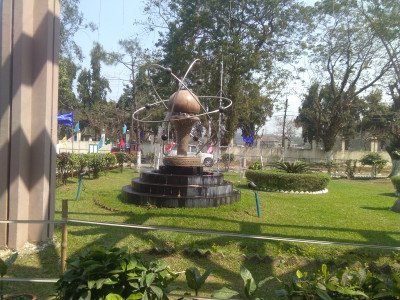
Assam State Museum
Some quick example text to build on the card title and make up the bulk of the card's content.
Go somewhere

Assam State Zoo cum Botanical Garden
Some quick example text to build on the card title and make up the bulk of the card's content.
Go somewhere
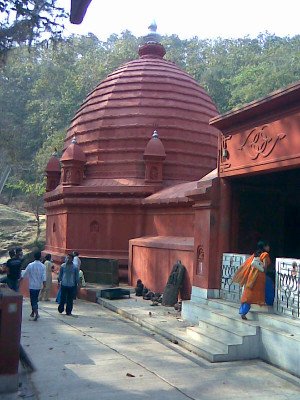
Basistha Temple & Ashram
Some quick example text to build on the card title and make up the bulk of the card's content.
Go somewhere
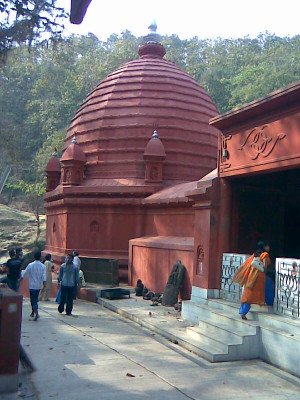
Basistha Temple
Some quick example text to build on the card title and make up the bulk of the card's content.
Go somewhere
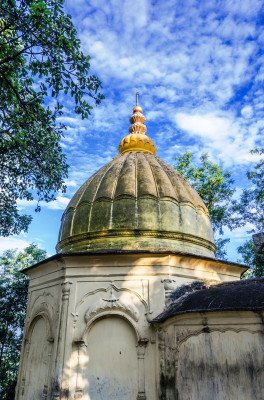
Bhubaneswari Temple
Some quick example text to build on the card title and make up the bulk of the card's content.
Go somewhere

Brahmaputra River Cruise
Some quick example text to build on the card title and make up the bulk of the card's content.
Go somewhere

Chandubi Lake
Some quick example text to build on the card title and make up the bulk of the card's content.
Go somewhere
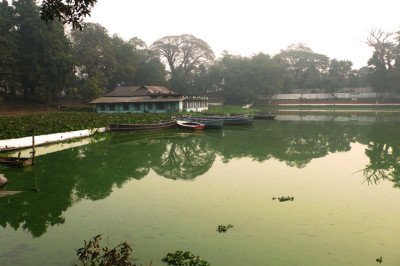
Dighali Pukhuri
Some quick example text to build on the card title and make up the bulk of the card's content.
Go somewhere

Dipor Bil
Some quick example text to build on the card title and make up the bulk of the card's content.
Go somewherein Other Cities