...

Sadarghat Bridge

Silchar, Assam, India
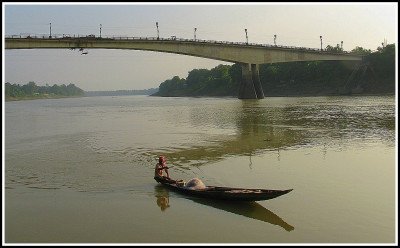
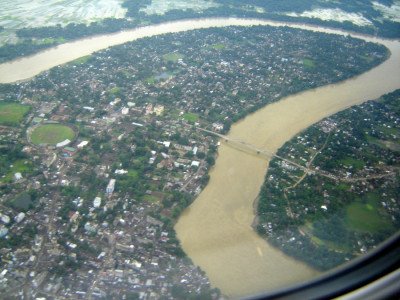
Sadarghat Bridge is one of the most significant landmarks in Silchar, a city often referred to as the gateway to the Barak Valley. The bridge spans the mighty River Barak, which is the lifeblood of the region, flowing from Manipur into Bangladesh. The history of a bridge at this location is intrinsi cally linked to the growth of Silchar as a major trade and administrative center during the British Raj. The original structure, likely a simpler iteration, facilitated the movement of goods and people, cementing Silchar's position. The current concrete structure is a modern marvel essential for the city’s daily rhythm. It serves not just as a crossing point but as a symbol of connectivity for the entire Cachar district. The bridge is constantly buzzing with activity, reflecting the dynamic nature of the city. From sunrise to sunset, it offers a window into the local life, with ferries and country boats plying the river below. The area around the bridge, including the adjacent ghats, is a hub for small-scale commerce, fishing, and traditional river transport. The structure has witnessed countless monsoon seasons, adapting to the varying water levels of the Barak. It is a testament to the engineering and planning that went into ensuring year-round access across the wide river. For locals, it's a critical piece of infrastructure; for visitors, it's a prime spot to appreciate the scale of the Barak River and the surrounding landscape. The bridge's location is strategic, linking the commercial heart of Silchar with its surrounding areas. It plays a pivotal role in ensuring the smooth flow of goods, including agricultural produce, into the city’s main markets like Janiganj Bazar. In many ways, the Sadarghat Bridge is the pulse of Silchar, connecting communities and economies across the valley. It stands as a silent sentinel, observing the city's continuous evolution. The bridge is also a popular spot for people to enjoy a brief moment of quiet contemplation amidst the city's hustle.

General information

  • ...

    Ideal Duration:

    30 minutes to 1 hour (For a walk across the bridge and a stop at the ghat/riverbank)
  • ...

    Place Type:

    Infrastructure, Landmark, Scenic Spot
  • ...

    Entry Fees:

    General Access and Pedestrian Use: There are absolutely no entry fees for walking across the Sadarghat Bridge or using the pedestrian walkways. It is a vital piece of public infrastructure, and access is free for all citizens and tourists. This ensures that everyone can en...
    General Access and Pedestrian Use: There are absolutely no entry fees for walking across the Sadarghat Bridge or using the pedestrian walkways. It is a vital piece of public infrastructure, and access is free for all citizens and tourists. This ensures that everyone can enjoy the view and use the bridge for commuting without any financial burden.

    Vehicle Tolls (Past and Present): Historically, some bridges in India had tolls, but generally, local city bridges like this one are often made toll-free after an initial construction period. Currently, there is typically no toll fee for private cars, bikes, or public buses to cross the bridge. Commercial vehicles, however, might occasionally be subject to local municipal or district tolls, which can change and are not usually paid by tourists. Always check for signage, but for the general tourist, entry is free.

    Photography Fees (Informal): Officially, there are no fees for personal photography. However, if you plan a professional, commercial, or large-scale video shoot, you may need to obtain permissions from local police or municipal authorities. For amateur photographers, clicking pictures for personal use is entirely free.

    Fees for Services (Boat Rides): While the bridge itself is free, services around the bridge are not. If you opt for a boat ride, you will need to pay the boatman a negotiated fee. These rates are not fixed and must be agreed upon before boarding. The cost is usually nominal for a short ride.
  • ...

    Timing:

    Regular Timings: As a major road bridge, Sadarghat Bridge is open 24 hours a day, 7 days a week. It is constantly in use by vehicles and pedestrians. There are no official opening or closing times for the structure itself.

    Ideal Visit Time (Mo...
    Regular Timings: As a major road bridge, Sadarghat Bridge is open 24 hours a day, 7 days a week. It is constantly in use by vehicles and pedestrians. There are no official opening or closing times for the structure itself.

    Ideal Visit Time (Morning): The best time to visit is arguably in the early morning, between 5:30 AM and 8:00 AM. During this time, the air is fresh, the heat is low, and the light is soft, perfect for photography and a peaceful walk. You can observe the city slowly waking up, and the ghat area will be less crowded.

    Ideal Visit Time (Evening): The second best time is just before sunset, between 4:30 PM and 6:30 PM (timing varies by season). This is the 'Golden Hour,' providing stunning light for photography and a pleasant, cooler atmosphere for a walk. The atmosphere is vibrant with locals enjoying the end of the day.

    Time to Avoid: Midday, from about 10:30 AM to 3:30 PM, is the least ideal time due to the intense tropical heat, especially from March to September. Also, late at night, the bridge can be poorly lit, and while generally safe, it's best to visit during daylight or early evening hours.
  • ...

    Special Events:

    Durga Puja Immersion: The most significant recurring event related to the Barak River and the ghat near the bridge is the Durga Puja idol immersion ceremony. After the four-day festival, the beautifully crafted idols of Goddess Durga and her accompanying deities are brought...
    Durga Puja Immersion: The most significant recurring event related to the Barak River and the ghat near the bridge is the Durga Puja idol immersion ceremony. After the four-day festival, the beautifully crafted idols of Goddess Durga and her accompanying deities are brought to the riverbank for the Visarjan (immersion). The event, which usually takes place in September or October, is a massive gathering of devotees, characterized by drumming, chanting, and a deeply emotional atmosphere as the idols are immersed in the Barak water. This is a spectacular cultural and religious event to witness.

    Chhath Puja: Another important event is the Chhath Puja, celebrated mainly by the Bihari and Madhesi communities residing in and around Silchar. This festival, dedicated to the Sun God (Surya), involves devotees offering prayers at the riverbank at sunrise and sunset. The riverbanks and the surrounding area near the Sadarghat Bridge become vibrant with rituals, colorful attire, and devotional songs, typically in October or November.

    Local Boat Races (Occasional): While not a yearly fixture, occasional local boat races, or Nouka Baich, are sometimes organized on the Barak River, often coinciding with harvest festivals or local celebrations. These events are highly competitive and draw a massive crowd, with the bridge serving as a natural viewing gallery. These traditional events are a rare treat that showcases the deep connection of the local community to their river.
  • ...

    Best Photo Spots:

    The Middle of the Bridge (The Wide View): The dead center of the bridge, on the pedestrian path, offers the most expansive, panoramic view of the Barak River. This spot is ideal for capturing the length of the river stretching into the distance, especially towards the sunse...
    The Middle of the Bridge (The Wide View): The dead center of the bridge, on the pedestrian path, offers the most expansive, panoramic view of the Barak River. This spot is ideal for capturing the length of the river stretching into the distance, especially towards the sunset. The symmetrical lines of the bridge railing and the road provide excellent leading lines for composition. This vantage point also allows for wide-angle shots that include the distant Silchar cityscape.

    The Approach Roads (Architectural Focus): The approach roads leading onto the bridge, particularly from the main city side, are great for architectural shots. Stand slightly back from the bridge to capture the massive scale of the concrete structure and its imposing entrance. This is the best spot to capture the bridge when it's teeming with traffic, emphasizing its role as the city's lifeline. Try a long exposure at night to turn the vehicle lights into beautiful streaks. The Sadarghat Riverbank (Local Life and Reflection): Go down to the actual ghat area near the base of the bridge. This low-angle perspective is perfect for capturing shots of country boats, fishermen, and people performing rituals against the backdrop of the massive concrete pillars and the superstructure of the bridge. The river water also acts as a mirror, offering opportunities for beautiful reflection photography of the bridge structure, particularly during calm weather.

    Sunset/Sunrise Viewpoint: Focus your lens on the horizon from the bridge's center. This spot is perfect for silhouette shots—capturing a figure or a boat against the bright backdrop of the rising or setting sun. The rich golden and orange colors of the sky reflecting on the water make for dramatic and vibrant photographs. Always ensure you have a clear, safe space to set up your shot without obstructing pedestrian or vehicle traffic.

Photo Gallery

...
Darjeeling
Queen of Hills • Tea Gardens
...
Darjeeling
Queen of Hills • Tea Gardens

Things To Do

  • ...
    Take a Panoramic Walk: The most immediate and enjoyable activity is taking a leisurely walk across the entire length of the Sadarghat Bridge. The bridge offers dedicated pedestrian walkways, providing safety and a continuous, changing view of the Barak River and the cityscape of Silchar. Start your walk from one end and go all the way to the other, perhaps 15 to 20 minutes each way. This allows you to truly appreciate the width and majesty of the river. The view of the distant hills and the hustle and bustle of the traffic below is quite engaging. This activity is best done during the early morning or late afternoon when the temperature is cooler.

    Photography of the River and Bridge: The bridge is a prime spot for landscape and street photography. Position yourself on the pedestrian walkway to capture the symmetry of the br...
    Take a Panoramic Walk: The most immediate and enjoyable activity is taking a leisurely walk across the entire length of the Sadarghat Bridge. The bridge offers dedicated pedestrian walkways, providing safety and a continuous, changing view of the Barak River and the cityscape of Silchar. Start your walk from one end and go all the way to the other, perhaps 15 to 20 minutes each way. This allows you to truly appreciate the width and majesty of the river. The view of the distant hills and the hustle and bustle of the traffic below is quite engaging. This activity is best done during the early morning or late afternoon when the temperature is cooler.

    Photography of the River and Bridge: The bridge is a prime spot for landscape and street photography. Position yourself on the pedestrian walkway to capture the symmetry of the bridge structure, the flow of the river, and the small boats plying their trade. The light is especially good during the golden hours—early morning and before sunset. You can also capture candid shots of local life on the riverbank or the constant movement of vehicles and people. Try to capture the bridge's reflection in the water, especially after the monsoon when the river is full.

    Visit the Adjacent Sadarghat: Descend to the riverbank on the Silchar side, which is the actual Sadarghat. This area is a local hub. You can spend time observing traditional river activities, such as people washing clothes, fishing, or loading and unloading goods from country boats. It's a fantastic spot for people-watching and soaking up the local atmosphere. You might find small vendors selling local snacks like roasted corn or tea.

    Take a Local Boat Ride: Hire a small country boat for a short, casual ride on the Barak River. This is a cheap and simple way to get a new perspective of the bridge, viewing the structure from below and appreciating its scale. The boat ride offers a peaceful break from the city noise and a chance to feel the slow current of the river. Always negotiate the price beforehand.

    Sunset Viewing Experience: Time your visit to coincide with the sunset. Find a comfortable and safe spot on the bridge's pedestrian path, or better yet, settle down on the riverbank (ghat) area. The sun setting over the distant hills and casting a warm glow on the river is a truly beautiful sight. This is a very popular, though informal, evening activity for locals.

    Enjoy Local Snacks and Tea: Near the ghat or on the approaches to the bridge, you'll often find small, temporary food stalls or tea vendors. Stop for a cup of local ginger tea and some quick snacks like pakoras or local sweets. This is an excellent way to engage with the local community and taste authentic Assamese and Bengali flavors.

    Observe the Monsoon River: If you visit during the monsoon months of June to September, safely observe the powerful, swollen Barak River from the bridge. The sight of the vast expanse of churning water is awe-inspiring and provides a deep understanding of why the river is called the "lifeline" of the valley. Exercise extreme caution and do not approach the water's edge on the ghat during heavy flow.

    Meditate and Reflect: The bridge, despite the traffic, offers a long, clear view of the horizon and the water. It can be a surprisingly good spot for a few moments of reflection, watching the constant flow of both the water and life in Silchar.

Resturants

Show All

Information

  • ...

    Why Famous:

    The Primary Gateway: The bridge is famous primarily because it serves as the most important and well-known road link over the Barak River into the central part of Silchar. It’s an unavoidable piece of city infrastructure and thus, automatically a famous landmark. It conn...
    The Primary Gateway: The bridge is famous primarily because it serves as the most important and well-known road link over the Barak River into the central part of Silchar. It’s an unavoidable piece of city infrastructure and thus, automatically a famous landmark. It connects the main city area to regions across the river, making it critical for commerce, daily commuting, and regional connectivity. Its sheer size and constant activity make it a prominent feature of the city's skyline, especially when viewed from the riverbanks.

    Cultural and Social Hub: The area around Sadarghat Bridge is often featured in local stories, films, and photography, making it a culturally significant spot. The daily activities here—from fishermen casting nets to vendors selling their wares near the ghat—offer a quintessential glimpse into Barak Valley life. It becomes a natural meeting point and a place where people congregate for various reasons, including enjoying the evening breeze or witnessing the spectacle of the monsoon river. This constant stream of human activity elevates its fame beyond mere function.

    Historical Marker: While the current structure is modern, the location has historically been a critical crossing point. The bridge, and the adjacent Sadarghat, signify the historical trajectory of Silchar as a trading post and administrative hub, giving it a deeper layer of fame rooted in the city's development over the centuries.
  • ...

    Architecture:

    Engineering and Structure: The Sadarghat Bridge is a modern, multi-span concrete girder bridge. This type of construction is typical for major river crossings in areas requiring high load-bearing capacity and resilience against strong river currents and seismic activity. T...
    Engineering and Structure: The Sadarghat Bridge is a modern, multi-span concrete girder bridge. This type of construction is typical for major river crossings in areas requiring high load-bearing capacity and resilience against strong river currents and seismic activity. The bridge utilizes multiple concrete piers, deeply embedded into the riverbed to provide stable support for the long deck. The use of reinforced cement concrete (RCC) ensures durability against the high humidity and heavy rainfall characteristic of the Assam region. The piers are designed to withstand the considerable force of the Barak River, especially during the peak monsoon months when the water volume is massive. The design prioritizes functional efficiency and structural integrity over purely aesthetic appeal.

    Dimension Estimates: The exact official dimensions may vary, but based on typical construction standards for such a major city bridge over a large river like the Barak, the following are approximate estimates.

    Total Length: The bridge is estimated to be over 300 meters (around 1000 feet) long, spanning the width of the river at this point.

    Width: The carriageway is likely about 10-12 meters (about 33-40 feet) wide, accommodating two lanes of traffic along with pedestrian walkways on both sides.

    Height: The clearance above the mean water level is generally substantial, perhaps 10-15 meters (about 33-50 feet), to allow for safe passage of country boats and account for high monsoon flood levels. The simple, robust architectural design ensures its primary function as a reliable transport link.
  • ...

    How To Reach:

    By Air: The nearest major airport is Silchar Airport (IXS), located at Kumbhirgram, which is about 30 KMS from the Silchar city center. After landing, you can hire a pre-paid taxi directly to the city center and the bridge. The drive from the airport takes approximately 1 ...
    By Air: The nearest major airport is Silchar Airport (IXS), located at Kumbhirgram, which is about 30 KMS from the Silchar city center. After landing, you can hire a pre-paid taxi directly to the city center and the bridge. The drive from the airport takes approximately 1 hour, depending on traffic. You can also take a shared cab (Sumo or similar vehicle) from the airport to the main bus stand (ISBT), and then take a local transport option to the bridge. Direct flights are available from major cities like Kolkata, Guwahati, and sometimes Delhi.

    By Train: The main railway station is Silchar Railway Station (SCL), which is well-connected to various parts of the country. The station is located approximately 5 KMS from the Sadarghat Bridge area. Upon arrival, you can easily hire an auto-rickshaw or a cycle-rickshaw, or book a local taxi to reach the bridge. The journey from the station should take about 15 to 25 minutes, depending on traffic congestion in the city. Major trains like the Silchar-Guwahati Express connect it to the main Assam railway network.

    By Road: Silchar is a crucial hub in the Barak Valley and is well-connected by National Highways. National Highway 37 (NH 37) and NH 6 connect it to the rest of Assam, Meghalaya, Tripura, and beyond. Regular bus services (both state-run and private, including sleeper buses) are available from cities like Guwahati, Shillong, Agartala, and Imphal. Once you arrive at the Silchar ISBT (Inter State Bus Terminus), which is a short distance from the center, you can take a local auto-rickshaw or tempo to the bridge.

    By Local Transport: Since the bridge is only about 1. 5 KMS from the central Clock Tower, the best way to reach it within the city is by local transport. Auto-rickshaws (three-wheelers) are the most common and convenient way to get around Silchar quickly. You can also take a cycle-rickshaw for a slower, more scenic, and environmentally friendly ride. Alternatively, local tempos (shared passenger vans) ply fixed routes that often pass or get very close to the bridge. If you are staying in the heart of the city, the bridge is easily reachable on foot.
  • ...

    Weather and Best Time to Visit:

    The Winter Season (Ideal): The period from November to February is the absolute best time to visit Sadarghat Bridge and Silchar in general. The weather is cool, dry, and extremely pleasant, with temperatures ranging from 10Rs.C to 25Rs.C. This is perfect for walking across the...
    The Winter Season (Ideal): The period from November to February is the absolute best time to visit Sadarghat Bridge and Silchar in general. The weather is cool, dry, and extremely pleasant, with temperatures ranging from 10Rs.C to 25Rs.C. This is perfect for walking across the bridge and spending time on the ghat without the oppressive humidity. The sky is usually clear, offering the best views for photography.

    The Pre-Monsoon Season (Good): March and April offer clear skies and moderate temperatures, though it starts getting warm, especially in the afternoon. The river level is lower, which can sometimes provide a different, shallower view of the riverbed. This is a good time for those who prefer slightly warmer weather.

    The Monsoon Season (Adventurous): The months of May to October are characterized by heavy rainfall. While travel can be disrupted and high humidity is constant, this season offers the most spectacular view of the mighty Barak River at its fullest and most powerful. The landscape is lush and green. If you visit during this time, stick to the main bridge for viewing and be prepared for rain.

    Early Morning (Tranquil): Visiting between 6:00 AM and 8:00 AM offers the most tranquil experience. The air is cool, the traffic is lighter, and the golden sunlight is beautiful. It’s the perfect time for a quiet walk and peaceful reflection.

    Late Afternoon/Evening (Vibrant): Visiting between 4:30 PM and 7:00 PM is the most vibrant time. The city's pulse is strong, locals are out, and the sunset views are unmatched. This is the best time for cultural observation and people-watching.

    Midday (Avoid): Avoid the intense sun and heat from 10:00 AM to 4:00 PM from March to September to ensure comfort and prevent sunstroke.
  • ...

    Near Tourist Places:

    Janiganj Bazar: (Major market/commercial hub) - 1. 0 KMS

    Silchar Clock Tower: (City center landmark) - 1. 5 KMS

    Kachakanti Temple, Udarband: (Ancient Temple) - 15 KMS

    Maniharan Tunnel, Bhuvaneshwar Hill: (Religious Site) - 30 KMS

    Dolu Lake: (Scenic natural spot) - 18 KMS

    ISKCON Silchar: (Temple) - 2. 5 KMS

    Gandhibag Park: (City park) - 2. 0 KMS

    Silchar Medical College: (Landmark) - 8 KMS

    Martyr's Pillar, Park Road: (Historical Monument) - 1. 8 KMS Hindustan Paper Corporation Ltd.

    (HPC) Township: (Residential Area/Landmark) - 12 KMS

Tourism Tips

  • ...
    Health & Safety: Be mindful of traffic when walking on the bridge, even on the pedestrian paths. Do not lean over the railings. If you venture down to the ghat, be extremely careful, especially during the monsoon when the river current is strong and the banks are slippery....
    Health & Safety: Be mindful of traffic when walking on the bridge, even on the pedestrian paths. Do not lean over the railings. If you venture down to the ghat, be extremely careful, especially during the monsoon when the river current is strong and the banks are slippery. Carry bottled water to stay hydrated, particularly during the hot season. Use a good quality insect repellent, especially in the evening. Keep all your valuables secured. The area is generally safe, but standard city precautions apply.

    Packing Essentials: Regardless of the season, pack light cotton clothing, but include a light jacket or shawl for the cool winter evenings (November to February). If visiting during the monsoon (May to October), an umbrella, raincoat, and waterproof footwear are essential. Comfortable walking shoes are a must. Carry a quality camera to capture the river views. Sunscreen and sunglasses are highly recommended.

    Accommodation: Silchar offers a range of accommodation options. For proximity to the bridge and the main market area, look for hotels near the Clock Tower or Premtola. Options range from budget guesthouses to mid-range and business hotels like Hotel Cachar Club or Borail View Hotel. It is advisable to book accommodation in advance, especially during festival times like Durga Puja or the peak winter tourist season.

    Local Etiquette and Language: The predominant languages spoken in Silchar are Sylheti (a dialect of Bengali) and Assamese, with Hindi and English also widely understood, especially in commercial areas. Be respectful of local customs, especially near the ghat where religious rituals take place. Always negotiate the price with auto-rickshaw or cycle-rickshaw drivers before starting the journey.

    Currency and Connectivity: The local currency is the Indian Rupee (INR). ATMs and banks are plentiful in the central Silchar area, close to the bridge. Mobile network connectivity is generally excellent across all major carriers (Jio, Airtel).

Reviews

FAQs

Silchar Itineray And Cost:-

Information about New and Updated Locations() of Assam Has Been Added :-
Card subtitle

Note:-

Information provided here in good Faith and for reference only.

All information and pictures will be updated soon, please keep visiting.

Near Places
...
Bhuban Mahadev Temple

Some quick example text to build on the card title and make up the bulk of the card's content.

Go somewhere

...
Borail Wildlife Sanctuary

Some quick example text to build on the card title and make up the bulk of the card's content.

Go somewhere
...
Chamragudam Point

Some quick example text to build on the card title and make up the bulk of the card's content.

Go somewhere
...
Dolu Lake

Some quick example text to build on the card title and make up the bulk of the card's content.

Go somewhere
...
Gandhibag Park

Some quick example text to build on the card title and make up the bulk of the card's content.

Go somewhere
...
Goldighi Mall

Some quick example text to build on the card title and make up the bulk of the card's content.

Go somewhere
...
Goldighi Municipal Mall

Some quick example text to build on the card title and make up the bulk of the card's content.

Go somewhere
...
Hindustan Paper Corporation Ltd.

Some quick example text to build on the card title and make up the bulk of the card's content.

Go somewhere
...
ISKCON Temple

Some quick example text to build on the card title and make up the bulk of the card's content.

Go somewhere
...
Jatinga Point

Some quick example text to build on the card title and make up the bulk of the card's content.

Go somewhere
in Other Cities