Kachari Fort
General information
-
Ideal Duration:
1-2 HoursPlace Type:
Historical LandmarkEntry Fees:
General Entry: There are No Entry Fees for visiting the Kachari Fort ruins. The site is a historically important, protected monument under the Archaeological Survey of India (ASI), and entry is generally free to promote heritage tourism.
Guided...General Entry: There are No Entry Fees for visiting the Kachari Fort ruins. The site is a historically important, protected monument under the Archaeological Survey of India (ASI), and entry is generally free to promote heritage tourism.
Guided Tour Fees: If you choose to hire a local guide for a more in-depth historical tour, they will charge a fee, which can range from Rs.300 to Rs.800 depending on the guide's expertise and the duration of the tour. It is advisable to negotiate and agree on the price beforehand.
Parking Charges: If you travel by a private vehicle, there might be a nominal parking fee charged by local authorities or the nearby village community, usually around Rs.20 to Rs.50 per vehicle.
Photography/Videography Fees: For casual photography and videography using a mobile phone or a basic camera, there are No separate charges. However, for professional photography, using tripods, drones, or commercial videography, you may need to obtain prior permission from the ASI and pay a fee, which can be substantial (e. g. , in the range of Rs.500 to Rs.5000 or more). Always check with the site authority for commercial rates.Timing:
Regular Timings: The fort is typically open for visitors from 9:00 AM to 5:00 PM daily. Since it is a set of open ruins and not a museum with closed doors, these timings are generally followed, though the area is not strictly gated in all sections.
Read MoreRegular Timings: The fort is typically open for visitors from 9:00 AM to 5:00 PM daily. Since it is a set of open ruins and not a museum with closed doors, these timings are generally followed, though the area is not strictly gated in all sections.
Ideal Visit Time: The best time to visit is early morning, between 9:00 AM and 11:00 AM, to avoid the midday heat and to enjoy the cool morning breeze. The soft light during this period is also perfect for photography.
Midday Considerations: Visiting between 12:00 PM and 3:00 PM is generally less ideal due to the intense sun, especially during the summer and pre-monsoon months.
Evening Visit: A visit around 4:00 PM allows you to witness the beautiful sunset over the ruins, offering a peaceful and reflective end to the day. However, ensure you leave the area before darkness sets in, as there might be limited lighting.
Holiday and Festival Timings: On public holidays, the timings generally remain the same, but the site might be slightly more crowded. During major local festivals, the area might be open slightly longer or have specific local access restrictions, so it is best to check locally.Special Events:
Kachari Festival (Hypothetical/Historical): While there is no major annual festival held at the fort ruins currently, the site's historical link to the conversion to Hinduism under King Krishna Chandra suggests that historically, grand celebrations would have marked major Hi...Kachari Festival (Hypothetical/Historical): While there is no major annual festival held at the fort ruins currently, the site's historical link to the conversion to Hinduism under King Krishna Chandra suggests that historically, grand celebrations would have marked major Hindu festivals like Durga Puja or Shivaratri.
The Bihu Festival Connection: The Bihu Festival in April (the Assamese New Year) would have been celebrated with pomp by the Kachari people in the royal court when the fort was active. Tourists visiting in April can experience the local Bihu celebrations in nearby Silchar.
ASI Heritage Week Events: The Archaeological Survey of India (ASI) occasionally organises special guided tours, historical talks, or cultural events during national or state-level Heritage Weeks, often in November. Checking the local ASI or tourism department calendar for November is advised for potential special events.
Local Village Melas: The surrounding Khaspur village might host small, local melas (fairs) during religious festivals, offering a glimpse into the local culture and community life that evolved around the former capital.Best Photo Spots:
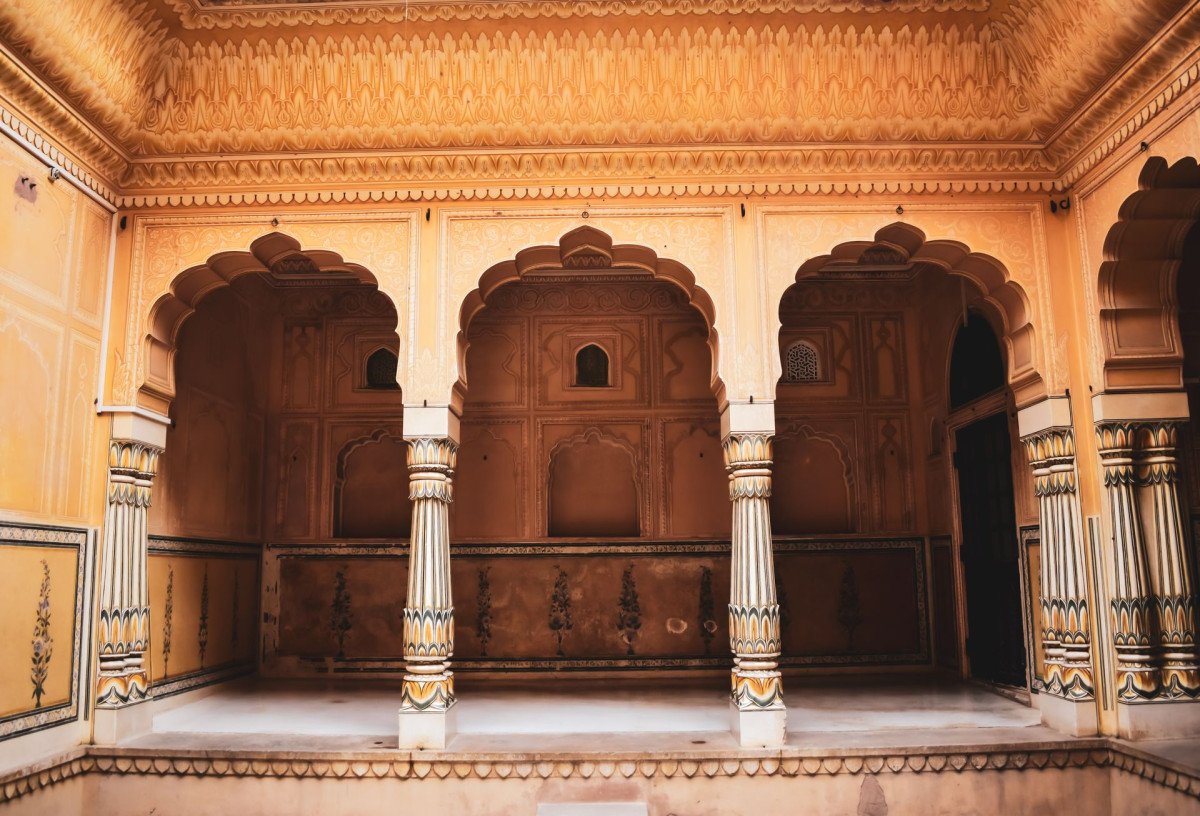
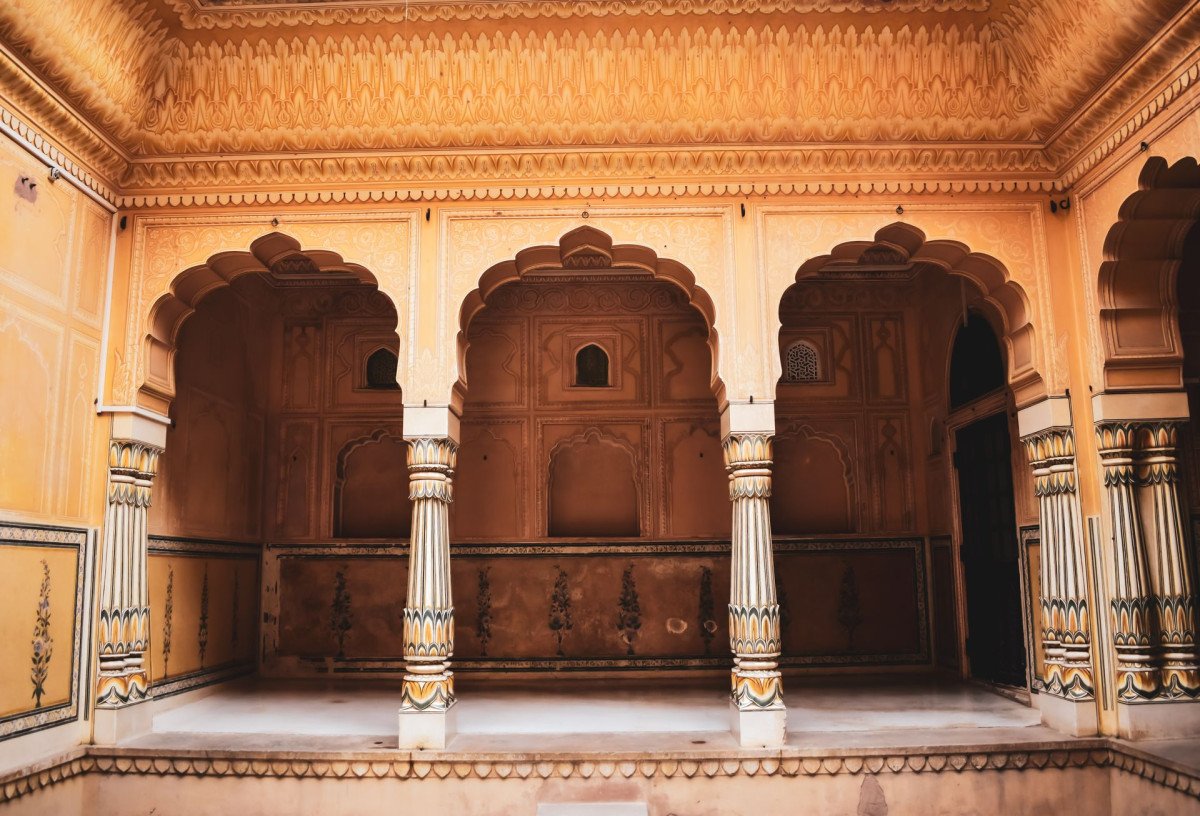
The Singha Darwaza Archway: The best spot to capture the unique blend of architecture, framing the pointed arch within the Bengali do chala roof style. This is an iconic shot representing the fort's cultural fusion.
Ruins Against the Greenery:<...The Singha Darwaza Archway: The best spot to capture the unique blend of architecture, framing the pointed arch within the Bengali do chala roof style. This is an iconic shot representing the fort's cultural fusion.
Ruins Against the Greenery: Early morning or late afternoon light creates beautiful contrasts between the ochre-coloured, weathered brick ruins and the vibrant, lush green surroundings. This highlights the fort's age and its harmonious existence within nature.
The Baradwari Silhouette: Photographing the Baradwari structure as a silhouette against the rising or setting sun provides a dramatic and evocative picture of the lost grandeur of the royal palace.
Intricate Wall Carvings Close-up: Focusing on the detailed stucco work, particularly the floral motifs and elephant carvings, allows for artistic close-up shots that capture the fine craftsmanship and artistic legacy of the Kachari kingdom.
The Solitary Snan Mandir: The relatively isolated 'Queen's Bath' offers a beautiful, peaceful composition, often featuring reflections in the surrounding small water bodies (if present) or framed by the canopy of trees.Photo Gallery
Things To Do
-
Explore the Royal Ruins: Spend time walking through the sprawling complex to imagine the former palace, focusing on the remains of the Singha Darwaza (Lion Gate) and the Baradwari (Twelve Door structure). Try to visualize the life of the Kachari royalty within these walls.
Photography and Nature Walks: The fort is surrounded by lush greenery, providing an excellent setting for photography, especially during the morning or late afternoon when the light is soft. The natural environment encourages a peaceful nature walk around the historical remnants.
Historical Interpretation: Carry a good guide book or hire a local guide to fully appreciate the historical and architectural significance of each ruin. Understanding the context of the Dimasa Kachari kingdom enhances the entire experience.
...Explore the Royal Ruins: Spend time walking through the sprawling complex to imagine the former palace, focusing on the remains of the Singha Darwaza (Lion Gate) and the Baradwari (Twelve Door structure). Try to visualize the life of the Kachari royalty within these walls.
Photography and Nature Walks: The fort is surrounded by lush greenery, providing an excellent setting for photography, especially during the morning or late afternoon when the light is soft. The natural environment encourages a peaceful nature walk around the historical remnants.
Historical Interpretation: Carry a good guide book or hire a local guide to fully appreciate the historical and architectural significance of each ruin. Understanding the context of the Dimasa Kachari kingdom enhances the entire experience.
Visit the Nearby Temple: Combine your visit with the nearby Shri Kancha Kanti Devi Temple (a temple of Goddess Kali and Durga established by the Kachari kings), which is closely linked to the history of the fort and is a short drive away.
Meditation and Quiet Reflection: The peaceful and relatively secluded nature of the ruins offers a perfect spot for quiet contemplation and reflection on the region's ancient history and the transient nature of empires.
Sketching and Painting: The picturesque and historical setting is an ideal spot for artists and sketchers to capture the beauty of the ruins against the backdrop of the Assam landscape.
Learning Local Folklore: Engage with the locals or the site caretaker to hear the myths and legends associated with the fort, particularly those concerning the secret tunnels and the royal family.
Information
-
Why Famous:
Historical Significance: The fort is most famous for being the final capital of the powerful Dimasa Kachari kingdom, which held sway over a vast territory in Northeast India during the medieval period. Its existence in Khaspur is a key marker in the history of Assam and the...Historical Significance: The fort is most famous for being the final capital of the powerful Dimasa Kachari kingdom, which held sway over a vast territory in Northeast India during the medieval period. Its existence in Khaspur is a key marker in the history of Assam and the Barak Valley.
Architectural Uniqueness: The blend of architectural styles, including local Assamese, Bengali Chala, and Mughal pointed arches, makes it a unique example of medieval North-Eastern Indian architecture. This synthesis represents the cultural confluence of the time.
Royal Relics: Despite its ruined state, the site preserves the remnants of the royal residence, including the Singha Darwaza and the Baradwari, offering tourists a direct glimpse into the royal life of the Kachari kings before the British annexation.
Preservation Effort: The fort is a protected monument under the Archaeological Survey of India (ASI), attracting history buffs and researchers interested in the preservation of ancient Indian kingdoms, which adds to its fame as a noteworthy heritage site in Assam. -
Architecture:
Architectural Blend of Cultures: The fort showcases a unique blend of indigenous Dimasa, Bengali, and Mughal architectural styles. This mixture reflects the transition of the Kachari kingdom's culture, especially after the conversion of the royal family to Hinduism. You ca...Architectural Blend of Cultures: The fort showcases a unique blend of indigenous Dimasa, Bengali, and Mughal architectural styles. This mixture reflects the transition of the Kachari kingdom's culture, especially after the conversion of the royal family to Hinduism. You can observe local Assamese influences in the motifs alongside pointed arches, which are indicative of Mughal influence.
Singha Darwaza (Lion Gate) Details: This is the main entrance gateway to the capital complex, built in the later part of the 17th century. It is rectangular in plan with low plinth walls. The materials used are burnt bricks plastered with lime surkhi. The gateway features a pointed arch and a Bengali-style do chala roof. The fusion of the arch and the local roof style is a remarkable feature.
Baradwari (Twelve Door) Structure: This is considered the most iconic building in the complex. It is a two-storeyed brick and lime structure with twelve door openings. The use of pointed arches for the doorways points towards Mughal influence in the design. It originally had a covered char chala roof with a provision for a staircase.
Religious Structures and Dimensions: The complex also houses remnants of temples. One structure is the Snan Mandir or 'Queen's Bath', a brick structure with a domical shikhara (tower) and an entrance on each side, surrounded by greenery. Temples dedicated to Lord Shiva and Devi Rana Chandi with chala roof-type shikaras and multi-foliated arches are also present. The Narbali (human sacrifice spot) within the complex, though dark in history, highlights pre-Hindu practices. Dimensions for specific structures are not readily available in public records due to the ruinous state, but the entire complex is spread over a large area, suggesting a substantial royal precinct. The walls and pillars feature exquisite stucco work, floral motifs, elephant carvings, and latticelike grid work, demonstrating the high level of craftsmanship of the era. -
How To Reach:
By Air: The nearest airport is Silchar Airport (IXS), also known as Kumbhirgram Airport, located approximately 29 KMS from Silchar city center. From the airport, which is roughly 50-60 KMS from the Kachari Fort, you can hire a prepaid taxi or a local cab. The drive takes a...By Air: The nearest airport is Silchar Airport (IXS), also known as Kumbhirgram Airport, located approximately 29 KMS from Silchar city center. From the airport, which is roughly 50-60 KMS from the Kachari Fort, you can hire a prepaid taxi or a local cab. The drive takes about 1. 5 to 2 hours. Silchar Airport is well-connected to major Indian cities like Kolkata and Guwahati.
By Train: The nearest major railway station is Silchar Railway Station (SCL), located in Tarapur, about 2 KMS from the city center and approximately 25 KMS from the fort. Silchar is a crucial station connecting the Barak Valley to the rest of India via a broad-gauge line. From the station, you can take an auto-rickshaw to the city center or directly hire a taxi to Khaspur.
By Road: Silchar is well-connected by road through National Highways (NH 6 and NH 37). You can take a public bus or a shared or private cab from Silchar city to Khaspur village. The fort is situated about 25 KMS from Silchar. Look for local transport heading towards the Udharband area, as Khaspur is close to it. The journey by road from Silchar takes about 45 minutes to 1 hour.
By Local Transport: The most common local transport from Silchar to the fort area is hiring a local taxi (yellow cab) or a shared auto-rickshaw/local van up to the main road near Khaspur, and then walking a short distance to the ruins. For convenience and to ensure a round trip, hiring a full taxi for the entire duration is the best option. You can negotiate a fare for a half-day trip covering the fort and other nearby attractions. -
Weather and Best Time to Visit:
Different Types of Seasons:
Winter (October to February): This is the Best Time to Visit. The weather is cool and pleasant, with temperatures ranging from 12°C to 25°C. The clear skies and moderate climate are ideal for walking around the...Different Types of Seasons:
Winter (October to February): This is the Best Time to Visit. The weather is cool and pleasant, with temperatures ranging from 12°C to 25°C. The clear skies and moderate climate are ideal for walking around the ruins and enjoying the outdoor setting. The months of November, December, and January are particularly comfortable.
Summer (March to May): Summers are hot and humid, with temperatures often soaring above 35°C. Visits during this time are best restricted to early mornings or late afternoons.
Monsoon (June to September): Silchar receives heavy rainfall during the monsoon. While the lush greenery is beautiful, the rain can make exploring the open ruins difficult and messy. High humidity is also a factor. Different Parts of the Day Morning (9:00 AM - 11:00 AM) Ideal Visit Time for photography and a cool, tranquil experience before the crowds (if any) and the sun intensify. Midday (11:00 AM - 3:00 PM) Least recommended due to heat, especially in the dry season. Late Afternoon (3:00 PM - 5:00 PM) Recommended for pleasant weather and beautiful lighting for sunset views. -
Near Tourist Places:
1.
Shri Kancha Kanti Devi Mandir: A revered temple established by the Kachari King Krishna Chandra. (Approx. 14 KMS from Silchar City Center, around 10-15 KMS from the Fort) 2.
Maniharan Tunnel: A tunnel linked to Hindu mythology, believed to be used by Lord Krishna. (Approx. 5 KMS from Silchar City Center, around 20 KMS from the Fort) 3.
Gandhibagh Park: A central public park in Silchar for relaxation. (Approx. 1-2 KMS from Silchar City Center, around 25 KMS from the Fort) 4.
Dolu Lake: A picturesque freshwater lake near Silchar. (Approx. 18-20 KMS from Silchar City Center) 5.
ISKCON Temple Silchar: A beautiful temple dedicated to Lord Krishna. (Located in Silchar City, approx. 25-30 KMS from the Fort) 6.
Badarpur Fort: Another historical fort on the banks of the Barak River. (Approx. 80 KMS from Silchar City Center) 7.
Bhuban Mahadev Temple: A significant Shiva temple atop Bhuban Hill. (Approx. 50 KMS from Silchar City Center) 8.
Maibong: Former capital of the Kachari Kingdom. (Approx. 62 KMS from Silchar City Center) 9.
Sadarghat Bridge: A vital bridge over the Barak River. (Located in Silchar, approx. 25 KMS from the Fort) 10.
Janiganj Bazar: A bustling local market in Silchar. (Located in Silchar City, approx. 25 KMS from the Fort)
Tourism Tips
-
Health & Safety:
Hydration and Sun Protection: Carry bottled water, especially during the hot months, and use sunscreen, a hat, and sunglasses, as the fort is an open-air site. Wear comfortable walking shoes, as the ground can be uneven and ...Health & Safety:
Hydration and Sun Protection: Carry bottled water, especially during the hot months, and use sunscreen, a hat, and sunglasses, as the fort is an open-air site. Wear comfortable walking shoes, as the ground can be uneven and rocky in places.
Packing:
Essentials and Camera Gear: Carry your camera for capturing the ruins, but remember to be respectful of the historical site. Mosquito repellent is advisable, particularly during the late afternoon and in the monsoon season.
Accommodation:
Lodging in Silchar: Since Khaspur is a village area, the best accommodation options, ranging from budget hotels to mid-range options, are available in the main Silchar city center. Book your stay, especially if travelling during the peak winter season, in advance.
Other Different Topics Heading:
Respect the Ruins: The Kachari Fort is a protected historical monument. Visitors must refrain from littering, climbing on the delicate structures, or carving/damaging the walls. Stick to designated paths, if any.
Local Cuisine: While in the area, try some authentic local Assamese and Bengali dishes in Silchar. Look for restaurants serving maasor tenga (sour fish curry) or various local pitlas.
Guide and Information: Since information boards might be limited or in a language you don't understand, consider hiring a local guide to get the full historical context.
Reviews
FAQs
Silchar Itineray And Cost:-
Information about New and Updated Locations() of Assam Has Been Added :-
Card subtitle
Note:-
Information provided here in good Faith and for reference only.
Near Places
Bhuban Mahadev Temple
Some quick example text to build on the card title and make up the bulk of the card's content.
Go somewhere
Borail Wildlife Sanctuary
Some quick example text to build on the card title and make up the bulk of the card's content.
Go somewhere
Chamragudam Point
Some quick example text to build on the card title and make up the bulk of the card's content.
Go somewhere
Dolu Lake
Some quick example text to build on the card title and make up the bulk of the card's content.
Go somewhere
Gandhibag Park
Some quick example text to build on the card title and make up the bulk of the card's content.
Go somewhere
Goldighi Mall
Some quick example text to build on the card title and make up the bulk of the card's content.
Go somewhere
Goldighi Municipal Mall
Some quick example text to build on the card title and make up the bulk of the card's content.
Go somewhere
Hindustan Paper Corporation Ltd.
Some quick example text to build on the card title and make up the bulk of the card's content.
Go somewhere
ISKCON Temple
Some quick example text to build on the card title and make up the bulk of the card's content.
Go somewhere
Jatinga Point
Some quick example text to build on the card title and make up the bulk of the card's content.
Go somewhere
Kachari Fort
Some quick example text to build on the card title and make up the bulk of the card's content.
Go somewhere
Khaspur
Some quick example text to build on the card title and make up the bulk of the card's content.
Go somewhere
Lakhipur Town
Some quick example text to build on the card title and make up the bulk of the card's content.
Go somewhere
Maibong
Some quick example text to build on the card title and make up the bulk of the card's content.
Go somewhere
Maniharan Tunnel
Some quick example text to build on the card title and make up the bulk of the card's content.
Go somewhere
Police Bazar
Some quick example text to build on the card title and make up the bulk of the card's content.
Go somewherein Other Cities