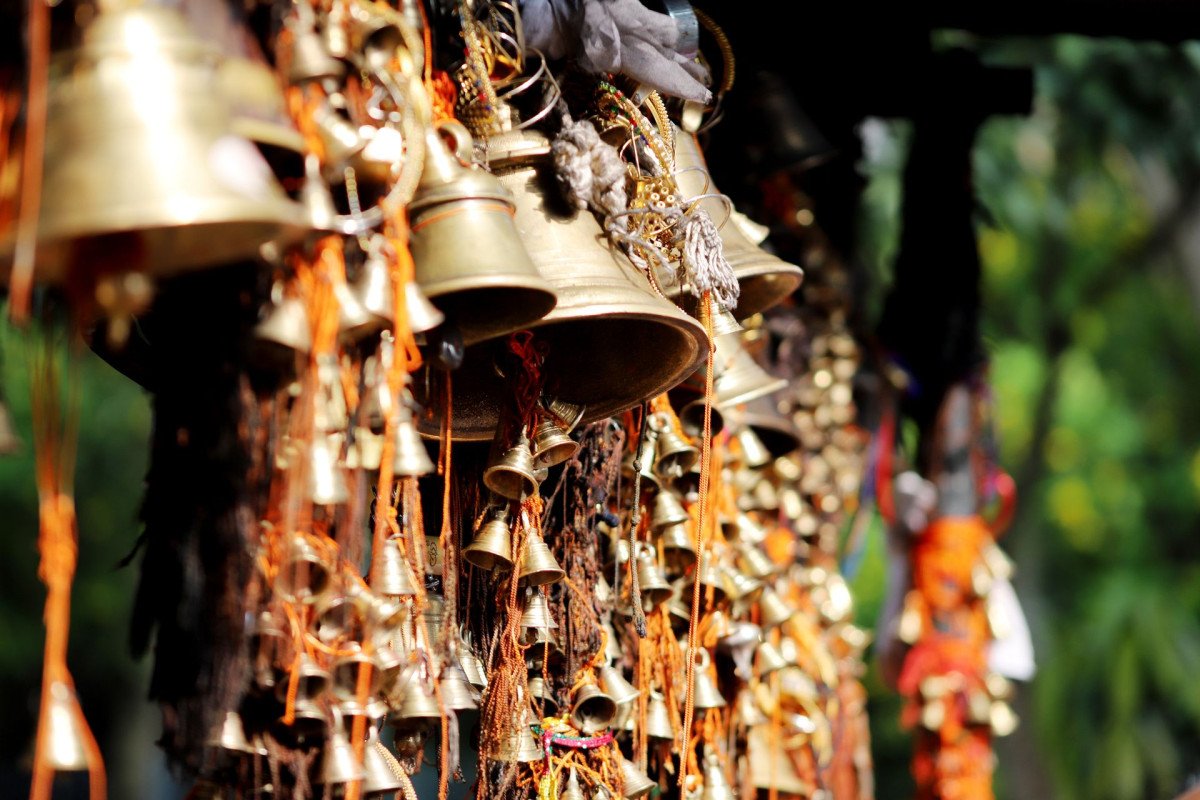
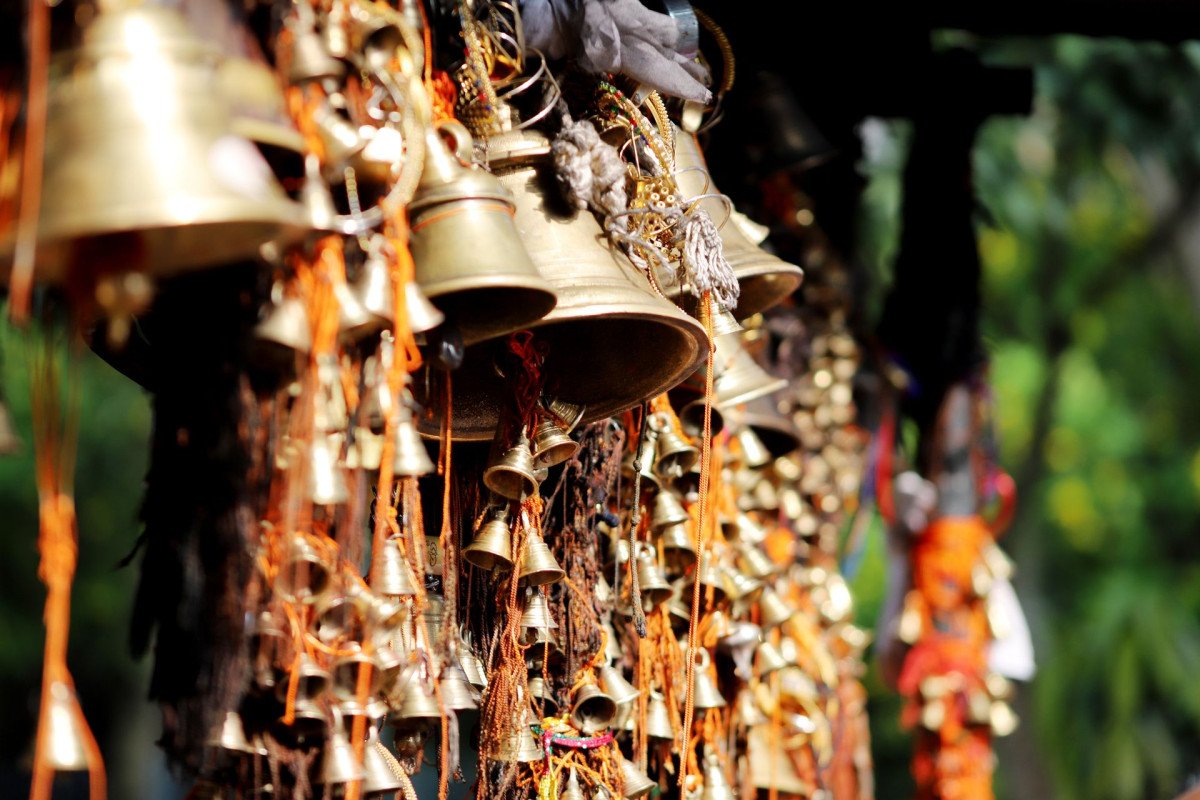
Hiyangthang Lairembi Temple
General information
-
Ideal Duration:
2-3 hours (Spiritual Visit) - 4 hours+ (During a festival):Place Type:
Pilgrimage Site/Temple:Entry Fees:
Free for All Visitors: The Hiyangthang Lairembi Temple is generally free for all visitors, with no mandatory entry fee to the complex or the main shrine, adhering to the traditional custom of open access for places of worship.
Donation Boxes:...Free for All Visitors: The Hiyangthang Lairembi Temple is generally free for all visitors, with no mandatory entry fee to the complex or the main shrine, adhering to the traditional custom of open access for places of worship.
Donation Boxes: While entry is free, voluntary donations are welcomed and encouraged for the temple's maintenance, upkeep, and the daily rituals. Clearly marked donation boxes are available near the entrance or the main sanctum.
Offerings: Visitors typically purchase offerings (flowers, fruits, incense, coconuts, or textiles) from small shops near the base of the hill or the temple gate. The cost of these offerings varies but is a personal choice, not a fee.
Parking Fee: A small, nominal parking fee (e. g. , INR 10 or INR 20) may be charged for cars or two-wheelers at the base of the hill or near the main gate to manage the area, especially during peak festival days.
:Timing:
Regular Timings: The temple is generally open from 6:00 AM to 7:00 PM daily. The main shrine may be closed for brief periods during the midday for bhog (offering) or rest, but the complex remains open.
Ideal Visit Time: Early Morning (6:00 A...Regular Timings: The temple is generally open from 6:00 AM to 7:00 PM daily. The main shrine may be closed for brief periods during the midday for bhog (offering) or rest, but the complex remains open.
Ideal Visit Time: Early Morning (6:00 AM to 9:00 AM) is the most spiritual and serene time, ideal for quiet contemplation and enjoying the fresh air and the rising sun over the valley. Late Afternoon (4:00 PM to 6:00 PM) is also recommended for the cooler weather and the beautiful lighting for photography.
Festival Hours: During major festivals (Lai Haraoba, Durga Puja), the temple will operate longer hours, sometimes staying open until late evening (8:00 PM or 9:00 PM) to accommodate the massive influx of devotees and cultural programs.
Best Photo Light: The golden hour around sunset offers the best light for capturing the temple's traditional roofline and the scenic background.
:Special Events:
Lai Haraoba Festival (April/May): This is the most significant event, celebrating the local deities. The temple is a hive of activity, with ritualistic dances (Lai Chouba) and community participation that showcase the core of Meitei traditional religion, lasting for several...Lai Haraoba Festival (April/May): This is the most significant event, celebrating the local deities. The temple is a hive of activity, with ritualistic dances (Lai Chouba) and community participation that showcase the core of Meitei traditional religion, lasting for several days.
Durga Puja/Panthoibi Iratpa (September/October): These festivals, celebrated concurrently, draw a massive crowd. Durga Puja is the Hindu component, while Panthoibi Iratpa focuses on the indigenous warrior goddess. The temple complex is beautifully decorated and features elaborate prayers and cultural programs.
Local Community Feasts (Chak-Kouba): Smaller, localized community feasts and gatherings are frequently held in the temple courtyard, especially after family ceremonies or thanksgivings, offering a glimpse into the intimate social life centered around the shrine.
Temple Anniversary: The annual anniversary of the temple's establishment or a significant renovation is celebrated, often marked by special prayers, processions, and a community fair in the surrounding area.
:Best Photo Spots:
The Hilltop Vantage Point: The highest points within the temple complex, especially at the back or side viewing areas, offer sweeping, wide-angle shots of the Imphal Valley, the distant Loktak Lake, and the serpentine roads below, making for spectacular landscape photography...The Hilltop Vantage Point: The highest points within the temple complex, especially at the back or side viewing areas, offer sweeping, wide-angle shots of the Imphal Valley, the distant Loktak Lake, and the serpentine roads below, making for spectacular landscape photography.
The Traditional Roofline: A close-up shot of the main shrine's unique sloping, thatched (or traditional-style) roof, focusing on the intricate wood carvings and the texture of the material, highlights the distinctive Meitei architecture against the clear blue sky.
Rituals and Devotees: During festivals like Lai Haraoba, capturing the colorful attire of the devotees, the traditional dance movements, and the focused atmosphere of the prayers creates powerful, evocative cultural and documentary photography (always seek permission).
The Gateway and Steps: Capturing the temple entrance or the steps leading up to the main complex, often framed by decorative pillars or flowers, creates a photo that symbolizes the spiritual journey and ascent to the sacred space.
:Photo Gallery
Things To Do
-
Undertake the Pilgrimage: Hike the path up Heibok Ching to the temple, treating the journey as a spiritual exercise. Enjoy the gradual reveal of the valley view as you ascend, appreciating the peaceful, natural environment.
Offer Prayers and Seek Blessings: Participate in the temple's daily rituals, offer flowers and incense, and seek the blessings of Goddess Hiyangthang Lairembi. Observe the local devotees performing their prayers to understand the unique Meitei-Hindu religious practices.
Witness the Lai Haraoba: Plan your visit to coincide with the Lai Haraoba festival (April/May) or Durga Puja (September/October) to witness the vibrant traditional music, dance, and community rituals, which are the essence of the temple’s cultural life.
Enjoy the Panoramic View:Undertake the Pilgrimage: Hike the path up Heibok Ching to the temple, treating the journey as a spiritual exercise. Enjoy the gradual reveal of the valley view as you ascend, appreciating the peaceful, natural environment.
Offer Prayers and Seek Blessings: Participate in the temple's daily rituals, offer flowers and incense, and seek the blessings of Goddess Hiyangthang Lairembi. Observe the local devotees performing their prayers to understand the unique Meitei-Hindu religious practices.
Witness the Lai Haraoba: Plan your visit to coincide with the Lai Haraoba festival (April/May) or Durga Puja (September/October) to witness the vibrant traditional music, dance, and community rituals, which are the essence of the temple’s cultural life.
Enjoy the Panoramic View: Spend time at the hilltop vantage points to soak in the panoramic view of the Imphal Valley, the surrounding agricultural fields, and the distant shimmering surface of Loktak Lake, especially beautiful at sunrise or sunset.
Study the Architecture: Take a detailed look at the temple’s traditional Meitei architecture, specifically the thatched roof design, the wood carvings on the pillars, and the layout of the complex, noting the differences from other temple styles in India.
Peaceful Reflection: Utilize the temple's serene hilltop location for quiet meditation or reflective prayer, escaping the hustle and bustle of Imphal city life. The tranquil setting is conducive to spiritual contemplation.
Talk to Local Priests/Devotees: Engage in respectful conversation with the temple priests or local devotees to learn more about the legends and specific rituals associated with Irai Leima and the history of the temple.
:
Information
-
Why Famous:
Syncretism of Faith: Its primary fame comes from being a major site where indigenous Sanamahism (Meitei religion, worshipping Hiyangthang Lairembi or Irai Leima) and Hinduism (worshipping Goddess Durga) seamlessly coexist and are celebrated, making it a powerful symbol of Ma...Syncretism of Faith: Its primary fame comes from being a major site where indigenous Sanamahism (Meitei religion, worshipping Hiyangthang Lairembi or Irai Leima) and Hinduism (worshipping Goddess Durga) seamlessly coexist and are celebrated, making it a powerful symbol of Manipur’s unique religious identity.
The Hilltop View: The temple’s strategic location on the Heibok Ching hilltop offers breathtaking, panoramic views of the surrounding Imphal valley, fields, and the distant glimpses of Loktak Lake (the largest freshwater lake in Northeast India), making it a popular spot for both pilgrims and sightseers.
Center of Lai Haraoba: It is a key center for the annual Lai Haraoba festival, a centuries-old ritualistic festival of the Meitei community that involves traditional songs, dances, and rituals, drawing a large number of devotees and cultural enthusiasts every year.
Ancient Lineage: The temple is believed to have been established in the 15th century by the royal patronage of King Senbi Kiyamba, giving it a deep historical lineage that anchors it in the early history of the Manipur Kingdom.
: -
Architecture:
Traditional Meitei Architecture: The temple primarily features the traditional Meitei architecture (Manipuri architecture) style, which stands in contrast to the towering granite structures found in much of South India. The core structures are rectangular, raised on a platf...Traditional Meitei Architecture: The temple primarily features the traditional Meitei architecture (Manipuri architecture) style, which stands in contrast to the towering granite structures found in much of South India. The core structures are rectangular, raised on a platform, and constructed mainly of wood and brick, though specific structures may incorporate stone elements.
Roof and Aethetics: A characteristic feature is the sloping, multi-tiered roof, often covered with thatch or corrugated iron (a modern update) that extends outwards, creating deep eaves. This design is highly functional for the high rainfall in the region and provides a distinct, intimate aesthetic. Intricate wood carvings adorn the eaves, pillars, and supporting beams, depicting mythical creatures, floral motifs, and traditional Meitei symbols.
Inner Sanctum and Symbolism: The inner sanctum (Garbhagriha) often lacks a traditional fixed doorway, instead using a richly embroidered cloth curtain to partially obscure the deity, which is represented by a symbolic form wrapped in cloth rather than a typical carved idol. This practice resonates with older tribal traditions. Dimension of the complex and main shrine is substantial enough to host thousands during festivals, with the main platform typically elevated a few feet above the courtyard floor.
Hilltop Setting: The temple's architecture is intrinsically linked to its natural, hilltop setting, integrating the structure into the landscape. The entire complex is a harmonious ensemble of shrines around a central ritual courtyard, designed to facilitate community rituals and traditional religious dances.
: -
How To Reach:
By Air: The nearest airport is Bir Tikendrajit International Airport (IMF), about 18 KMS away. A pre-paid taxi from the airport will take roughly 45 minutes to reach the temple area. You will be dropped at the base of Heibok Ching, from where you must walk up.By Air: The nearest airport is Bir Tikendrajit International Airport (IMF), about 18 KMS away. A pre-paid taxi from the airport will take roughly 45 minutes to reach the temple area. You will be dropped at the base of Heibok Ching, from where you must walk up.
By Train: Dimapur Railway Station (DM) (approx. 215 KMS) remains the main rail link. From Imphal city, follow the road directions.
By Road: The temple is located in Hiyangthang, about 13 KMS from the city center, and is easily reachable via the Imphal-Thoubal road or the road towards Loktak Lake. Hire a private taxi or an auto-rickshaw (tempo) from the city. The drive takes about 30-40 minutes. The last part of the journey requires a walk up the hill path (a mix of steps and road).
By Local Transport: Shared auto-rickshaws run towards the Hiyangthang area, but the final leg up the hill may require a reserved auto or a dedicated walk. It is best to hire a reserved taxi or auto for a comfortable round trip, including waiting time.
: -
Weather and Best Time to Visit:
Different Types of Seasons: Winter (October to March) is the most comfortable and ideal season for the visit, as the hike up the hill is pleasant and the air is clear, offering the best views. Monsoon (June to September) makes the hill path slippery and the valley views haz...Different Types of Seasons: Winter (October to March) is the most comfortable and ideal season for the visit, as the hike up the hill is pleasant and the air is clear, offering the best views. Monsoon (June to September) makes the hill path slippery and the valley views hazy, so this period is less ideal for sightseeing but vibrant for the rainy season's greenery. Avoid the summer mid-day heat.
Different Parts of the Day: Sunrise/Early Morning is the perfect time for a spiritual experience, cool weather, and the best light for photography, especially capturing the fog lifting from the valley. Late Afternoon provides a spectacular vantage point for sunset viewing over the distant horizon before the temple closes.
: -
Near Tourist Places:
1. Loktak Lake (approx.
30 KMS): 2. Keibul Lamjao National Park (approx.
35 KMS): 3. Imphal War Cemetery (approx.
15 KMS): 4. Kangla Fort (approx.
13 KMS): 5. Ima Keithel (Women's Market) (approx.
13 KMS): 6. Shaheed Minar (approx.
14 KMS): 7. Manipur State Museum (approx.
14 KMS): 8. Nupi Lan Memorial Complex (approx.
13 KMS): 9. Iroishemba Zoological Garden (approx.
15 KMS): 10. Bishnupur Vishnu Temple (approx.
35 KMS):
Tourism Tips
-
Health & Safety: The path up Heibok Ching is a gentle hike but can be slippery if wet; wear good walking shoes. Be cautious during the Monsoon. Carry water for the ascent, as shops are limited on the hill. Always follow temple etiquette, which means removing footwear and...Health & Safety: The path up Heibok Ching is a gentle hike but can be slippery if wet; wear good walking shoes. Be cautious during the Monsoon. Carry water for the ascent, as shops are limited on the hill. Always follow temple etiquette, which means removing footwear and dressing modestly (covering shoulders and knees) before entering the complex.
Packing: Carry a camera for the stunning views. Bring a pair of socks to protect your feet while walking barefoot inside the temple complex. Carry small cash for purchasing offerings or donations, as there are no nearby ATMs.
Accommodation: Best to stay in Imphal city center, which is a 30-40 minute drive away. There are no notable hotels near the Hiyangthang area, but a few local guesthouses might be available for an offbeat experience.
Other Different Topics: The temple's connection to Loktak Lake is strong in Meitei mythology; take a moment to try and spot the lake in the distance, enhancing the spiritual experience. The temple is revered by both Meiteis and Hindus, so always be respectful of the blended religious practices you observe.
:
Reviews
FAQs
Imphal Itineray And Cost:-
Hiyangthang Lairembi Temple Tourism:-
Other Places In Imphal :-
Other States In India :-
Information about New and Updated Locations() of Manipur Has Been Added :-
Card subtitle
Note:-
Information provided here in good Faith and for reference only.
Near Places

Andro Cultural Heritage Complex
Some quick example text to build on the card title and make up the bulk of the card's content.
Go somewhere
Athouba Singgi Khubam
Some quick example text to build on the card title and make up the bulk of the card's content.
Go somewhere
Bheigyachandra Open Air Theatre
Some quick example text to build on the card title and make up the bulk of the card's content.
Go somewhere
Ching-Ngam-Ya Park
Some quick example text to build on the card title and make up the bulk of the card's content.
Go somewhere
Heirangoithong Ningthemcha Karong
Some quick example text to build on the card title and make up the bulk of the card's content.
Go somewhere
Hiyangthang Lairembi Temple
Some quick example text to build on the card title and make up the bulk of the card's content.
Go somewhere
Ibudhou Thangjing Temple
Some quick example text to build on the card title and make up the bulk of the card's content.
Go somewhere
Ima Keithel
Some quick example text to build on the card title and make up the bulk of the card's content.
Go somewhere
Imphal War Cemetery
Some quick example text to build on the card title and make up the bulk of the card's content.
Go somewhere
INA Memorial Complex
Some quick example text to build on the card title and make up the bulk of the card's content.
Go somewhere
Iroishemba Zoological Garden
Some quick example text to build on the card title and make up the bulk of the card's content.
Go somewhere
ISKCON Temple
Some quick example text to build on the card title and make up the bulk of the card's content.
Go somewhere
Kaina Hill
Some quick example text to build on the card title and make up the bulk of the card's content.
Go somewhere
Kakching Garden
Some quick example text to build on the card title and make up the bulk of the card's content.
Go somewhere
Kangla Fort
Some quick example text to build on the card title and make up the bulk of the card's content.
Go somewhere
Kangla Nongpok Torban
Some quick example text to build on the card title and make up the bulk of the card's content.
Go somewherein Other Cities