

Itmad-ud-Daulah's Tomb
General information
-
Ideal Duration:
1 to 1. 5 HoursPlace Type:
Monument, Historical, ArchitecturalEntry Fees:
Indian Visitors: Rs.35 per person (as of recent general rates for non-protected monuments). Children below 15 years often have free entry.
Foreign Visitors: Rs.550 per person (as of recent general rates), which includes a single-use bottle of w...Indian Visitors: Rs.35 per person (as of recent general rates for non-protected monuments). Children below 15 years often have free entry.
Foreign Visitors: Rs.550 per person (as of recent general rates), which includes a single-use bottle of water.
Photography/Videography: There are No Extra Fees for still photography, but professional videography may require a special permit/fee.
Ticket Inclusions: The fee grants access to the main tomb and the surrounding Charbagh garden complex. The revenue goes towards the upkeep of the monument by the Archaeological Survey of India (ASI). The cost is significantly lower than the Taj Mahal, offering great value for money.Timing:
Regular Timings: Open from Sunrise to Sunset (typically 6:00 AM to 6:00 PM) on all days of the week.
Ideal Visit Time: The best time is during the early morning (6:00 AM to 8:00 AM) right after opening, to avoid the heat and the crowds, and ...Regular Timings: Open from Sunrise to Sunset (typically 6:00 AM to 6:00 PM) on all days of the week.
Ideal Visit Time: The best time is during the early morning (6:00 AM to 8:00 AM) right after opening, to avoid the heat and the crowds, and to capture the soft morning light on the white marble. Late afternoon (4:30 PM to Sunset) is also excellent for photography due to the golden hour.
Closed Days: The tomb is open every day, including Fridays, unlike the Taj Mahal's closure for prayers.Special Events:
Annual Heritage Week Events: Although there are no major annual religious festivals, during government-sponsored Heritage Weeks (often in November), special cultural events, lectures, and guided walks focused on Mughal architecture and history are occasionally organized.Annual Heritage Week Events: Although there are no major annual religious festivals, during government-sponsored Heritage Weeks (often in November), special cultural events, lectures, and guided walks focused on Mughal architecture and history are occasionally organized.
Local Cultural Programs: Smaller, local cultural programs celebrating the city's heritage are sometimes held in the surrounding gardens or near the monument on special occasions.Best Photo Spots:
The Marble-Sandstone Contrast: The view from the red sandstone platform up to the white marble mausoleum provides a stunning contrast.
The Corner Minarets: The tall, octagonal minarets crowned with chhatris make for excellent vertical compos...The Marble-Sandstone Contrast: The view from the red sandstone platform up to the white marble mausoleum provides a stunning contrast.
The Corner Minarets: The tall, octagonal minarets crowned with chhatris make for excellent vertical compositions.
The Jalis (Lattice Screens): Close-up shots of the intricate marble jali screens, especially where the light casts shadows, are essential for capturing the delicate artistry.
Reflections in Water Channels: If the water channels are flowing, capturing the reflection of the tomb is highly photogenic.
Wide-Angle from the Garden: A wide-angle shot from the Charbagh entrance provides a perfect view of the tomb centered within its garden, emphasizing its symmetry. (Approx. )Photo Gallery
Things To Do
-
Appreciate Pietra Dura: Spend time up close examining the dazzling and delicate pietra dura work on the exterior and interior, identifying the use of semi-precious stones like carnelian, jasper, lapis lazuli, and topaz, forming designs like wine vessels and cypress trees.
Stroll the Charbagh Garden: Enjoy a peaceful walk through the Persian-style Charbagh garden, which is divided by pathways and water channels, symbolically representing the four rivers of paradise. The garden's symmetry enhances the beauty of the tomb.
Photograph the Marble Detail: Capture the intricate marble carvings and the fine latticework of the jalis where light filters in, creating beautiful patterns. The tomb is best photographed in the soft light of sunrise or sunset.
Observe the Yamuna Vi...Appreciate Pietra Dura: Spend time up close examining the dazzling and delicate pietra dura work on the exterior and interior, identifying the use of semi-precious stones like carnelian, jasper, lapis lazuli, and topaz, forming designs like wine vessels and cypress trees.
Stroll the Charbagh Garden: Enjoy a peaceful walk through the Persian-style Charbagh garden, which is divided by pathways and water channels, symbolically representing the four rivers of paradise. The garden's symmetry enhances the beauty of the tomb.
Photograph the Marble Detail: Capture the intricate marble carvings and the fine latticework of the jalis where light filters in, creating beautiful patterns. The tomb is best photographed in the soft light of sunrise or sunset.
Observe the Yamuna View: Walk through the western waterfront pavilion (which served as a baradari or pleasure pavilion) to enjoy the impressive views of the River Yamuna.
Study the Architecture: Note the transitionary architectural elements, such as the absence of a large central dome and the shift from red sandstone to white marble.
Relax in the Tranquility: The site is generally less crowded than the Taj Mahal or Agra Fort, making it an ideal place for quiet contemplation and appreciation of the delicate art form.
Visit the Other Gates: Check out the imposing red sandstone gateways on the north, south, and east, which contrast sharply with the white marble tomb.
Guided Tour: Hire a local guide to understand the Persian heritage of Mirza Ghiyas Beg and the influence of his daughter, Noor Jahan, on the tomb's decoration and design.
Interior Decoration: Examine the interior of the central chamber, which features rich paintings and murals with Persian influences.
Learning the History: Reflect on the political and personal history of the tomb's occupants and patron, Noor Jahan, one of the most powerful women of the Mughal Empire.
Information
-
Why Famous:
Pietra Dura Pioneer: It is renowned as the first Mughal building to be constructed entirely in white marble and the first to make extensive use of the exquisite pietra dura technique (inlaying semi-precious stones into the marble), paving the way for the Taj Mahal.
<...Pietra Dura Pioneer: It is renowned as the first Mughal building to be constructed entirely in white marble and the first to make extensive use of the exquisite pietra dura technique (inlaying semi-precious stones into the marble), paving the way for the Taj Mahal.
The Baby Taj: Its nickname, "Baby Taj Mahal," highlights its role as the architectural precursor and inspiration for the world-famous monument, particularly in the delicate marble latticework (jalis) and the stone inlay.
A Daughter's Tribute: Unlike the Taj Mahal, which symbolizes a husband's love for his wife, this tomb is a beautiful and delicate tribute from a powerful daughter, Noor Jahan, to her beloved parents, making its story uniquely touching.
Riverside Location: Its peaceful setting on the eastern bank of the River Yamuna, across the city, offers a tranquil atmosphere away from the main tourist rush. -
Architecture:
Architectural Style: The tomb is an important transitionary monument, moving from the red sandstone architecture of the early Mughals (like Humayun's Tomb and Akbar's Tomb) to the white marble and pietra dura of the later period (Taj Mahal). It is a square structure, built ...Architectural Style: The tomb is an important transitionary monument, moving from the red sandstone architecture of the early Mughals (like Humayun's Tomb and Akbar's Tomb) to the white marble and pietra dura of the later period (Taj Mahal). It is a square structure, built in the center of a classic Persian Charbagh (four-part garden). The tomb stands on a raised red sandstone platform.
Main Features: It is famous for its extensive use of white marble imported from Rajasthan. The exterior is decorated with highly detailed pietra dura inlay, featuring floral, geometric, and decorative motifs like cypress trees, wine bottles, and fruit. It has four octagonal minarets at its corners, crowned with small pillared pavilions (chhatris). The ground floor follows a hasht bihisht (nine-chamber) plan. The roof is a square structure topped by a low, arched canopy, but notably lacks a large dome. Light penetrates the interior through delicate, intricately carved marble jali (lattice) screens.
Dimension: The mausoleum is a relatively small, square structure, approximately seven meters per side, situated on a larger red sandstone plinth (around 50 square meters per side, one meter high). The corner minarets are about 13 meters tall. The compact scale enhances its jewel-box appearance. -
How To Reach:
By Air: The nearest airport is Agra's Kheria Airport (AGR), approximately 10 KMS away. Take a taxi or auto-rickshaw from the airport to the tomb.
By Train: The nearest main station is Agra Cantonment (AGC), about 8 KMS away. The tomb is ea...By Air: The nearest airport is Agra's Kheria Airport (AGR), approximately 10 KMS away. Take a taxi or auto-rickshaw from the airport to the tomb.
By Train: The nearest main station is Agra Cantonment (AGC), about 8 KMS away. The tomb is easily accessible from the station by hiring an auto-rickshaw or pre-paid taxi. Agra Fort Railway Station is closer, around 4 KMS.
By Road: It is located on the eastern bank of the River Yamuna. It is well-connected by road, approximately 5 KMS from the city center. One can drive or hire a cab/auto-rickshaw via the Inner Ring Road.
By Local Transport: Auto-rickshaws and taxis are the most convenient ways to reach. It is highly advisable to negotiate the fare or use a metered taxi/ride-sharing service. It is a short and easy ride from the Taj Mahal (approx. 25 minutes). -
Weather and Best Time to Visit:
Different Types of Seasons: Winter (October to March) is the ideal season for a visit, with pleasant temperatures perfect for strolling the garden. Summer (April to June) is extremely hot, and a visit during this time should be limited to the very early morning. Monsoon (J...Different Types of Seasons: Winter (October to March) is the ideal season for a visit, with pleasant temperatures perfect for strolling the garden. Summer (April to June) is extremely hot, and a visit during this time should be limited to the very early morning. Monsoon (July to September) makes the garden lush but can be humid with frequent showers.
Different Parts of the Day: Early Morning is strongly recommended for the best lighting for the marble and to experience maximum tranquility before the crowds arrive. Late Afternoon is also beautiful for sunset views. -
Near Tourist Places:
Chini ka Rauza (1. 1 KMS), Ram Bagh (1. 7 KMS), Mehtab Bagh (2. 5 KMS), Moti Masjid, Agra Fort (2. 7 KMS), Sheesh Mahal, Agra Fort (2. 8 KMS), Musamman Burj, Agra Fort (2. 9 KMS), Jahangiri Mahal, Agra Fort (3 KMS), Jama Masjid (3. 7 KMS), Agra Fort (3. 8 KMS), Anguri Bagh, Agra Fort (4. 1 KMS). (At least 10 Other Places with distance)
Tourism Tips
-
Health & safety: Carry sufficient water, especially during hot months. The marble can be slippery; wear comfortable, non-slip footwear. There is no strict dress code, but modest clothing is generally recommended.
Packing: Bring sunglasses...Health & safety: Carry sufficient water, especially during hot months. The marble can be slippery; wear comfortable, non-slip footwear. There is no strict dress code, but modest clothing is generally recommended.
Packing: Bring sunglasses, a hat, and sunscreen. Carry your camera for excellent photographic opportunities. A small pair of binoculars can help appreciate the detailed pietra dura work.
Accommodation: Stay in the Taj Ganj area for proximity to the Taj Mahal and good transport links, or near the Cantonment area for quieter lodging. There are no on-site accommodations.
Other Different Topics heading:
Guided Tours: Consider hiring a government-approved guide at the entrance for detailed insights into the architecture and history, particularly the pietra dura technique.
Photography: Be patient to capture photos without too many people, as the space is small.
Nearby Sites: Combine the visit with Chini ka Rauza and Ram Bagh, which are nearby on the same side of the Yamuna.
Reviews
FAQs
Agra Itineray And Cost:-
Itmad-ud-Daulah's Tomb Tourism:-
Information about New and Updated Locations() of Uttar Pradesh Has Been Added :-
Card subtitle
Note:-
Information provided here in good Faith and for reference only.
All information and pictures will be updated soon, please keep visiting.
Near Places
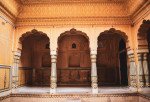
Agra Fort
Some quick example text to build on the card title and make up the bulk of the card's content.
Go somewhere
Akbar's Tomb
Some quick example text to build on the card title and make up the bulk of the card's content.
Go somewhere
Chini Ka Rauza
Some quick example text to build on the card title and make up the bulk of the card's content.
Go somewhere
Gurudwara Guru Ka Taal
Some quick example text to build on the card title and make up the bulk of the card's content.
Go somewhere
Itmad-ud-Daulah's Tomb
Some quick example text to build on the card title and make up the bulk of the card's content.
Go somewhere
Jahangiri Mahal
Some quick example text to build on the card title and make up the bulk of the card's content.
Go somewhere
Jama Masjid
Some quick example text to build on the card title and make up the bulk of the card's content.
Go somewhere
Khas Mahal
Some quick example text to build on the card title and make up the bulk of the card's content.
Go somewhere
Kinari Bazaar
Some quick example text to build on the card title and make up the bulk of the card's content.
Go somewhere
Mankameshwar Temple
Some quick example text to build on the card title and make up the bulk of the card's content.
Go somewherein Other Cities