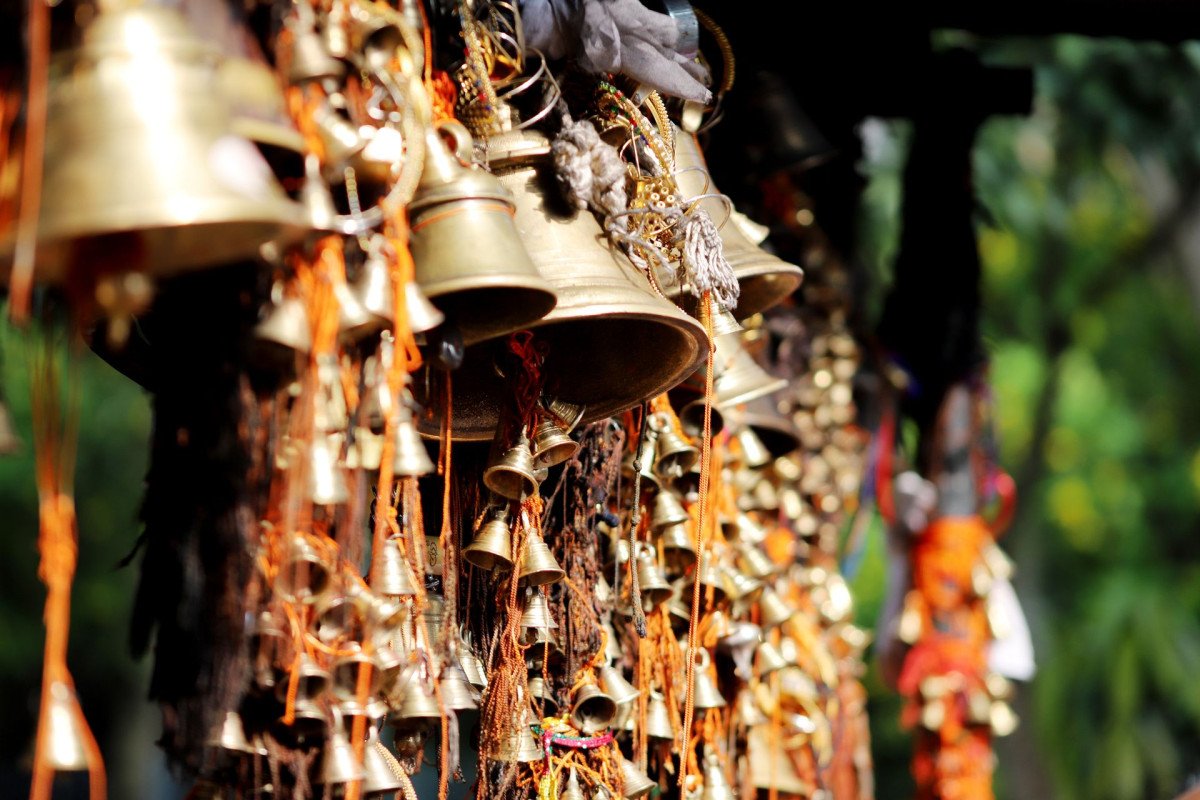
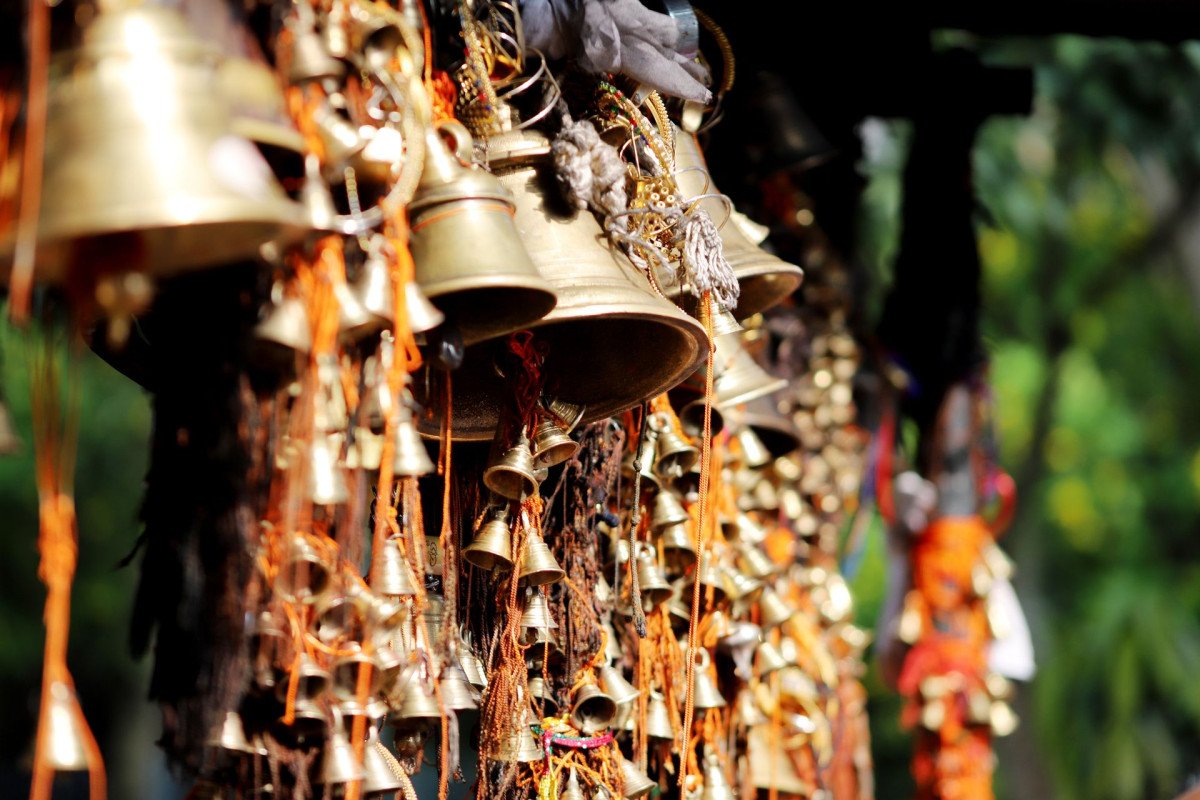
Mankameshwar Temple
General information
-
Ideal Duration:
1-2 hoursPlace Type:
Religious / Pilgrimage / HistoricalEntry Fees:
Entry is Free for all visitors.
Donations: Visitors can make voluntary donations, but there is no mandatory fee.
Separate Fees: There are no fees for a still camera, but a small fee may be charged for special rituals or VIP entry du...Entry is Free for all visitors.
Donations: Visitors can make voluntary donations, but there is no mandatory fee.
Separate Fees: There are no fees for a still camera, but a small fee may be charged for special rituals or VIP entry during major festivals.
Offering Costs: Budget for the cost of flowers, milk, and other offerings purchased outside the temple, which are inexpensive but essential for worship.Timing:
Regular Timings: Open daily from 5:00 AM to 10:00 PM (with a possible short break from 12:00 PM to 4:00 PM).
Monday Special: The temple often stays open later, sometimes until 11:00 PM, on Mondays, which is dedicated to Lord Shiva.
<...Regular Timings: Open daily from 5:00 AM to 10:00 PM (with a possible short break from 12:00 PM to 4:00 PM).
Monday Special: The temple often stays open later, sometimes until 11:00 PM, on Mondays, which is dedicated to Lord Shiva.
Ideal Visit Time: Early morning, between 5:00 AM and 8:00 AM, is best for a peaceful experience, avoiding the heaviest crowds.Special Events:
Maha Shivratri: This is the biggest and most significant annual festival (February or March), when the temple is heavily decorated and sees a massive influx of devotees for continuous prayers.
Shravan Maas: The entire Hindu holy month of Shr...Maha Shivratri: This is the biggest and most significant annual festival (February or March), when the temple is heavily decorated and sees a massive influx of devotees for continuous prayers.
Shravan Maas: The entire Hindu holy month of Shravan (July to August) sees large crowds every Monday, with special processions and devotional singing (bhajans) throughout the day.Best Photo Spots:
The Decorated Shrine: Capture the main temple entrance and the sanctum during the festive seasons when it is brightly adorned with flowers and lights.
The Devotee Portraits: The expressions of devotion and the flow of worshippers are excelle...The Decorated Shrine: Capture the main temple entrance and the sanctum during the festive seasons when it is brightly adorned with flowers and lights.
The Devotee Portraits: The expressions of devotion and the flow of worshippers are excellent subjects for meaningful cultural photography.
The Temple Street Life: The bustling, vibrant street vendors and the narrow, old-city lanes surrounding the temple provide rich, candid street photography opportunities.Photo Gallery
Things To Do
-
Perform Abhishek Ceremony: Participate in the traditional ritual of offering water, milk, and Bael leaves (Bel Patra) to the Shiva Linga.
Attend the Aartis: Witness the daily ritualistic prayers, especially the Mangala Aarti (early morning) and Sandhya Darshan (evening), for a peaceful and spiritual experience.
Offer Prayer for a Wish: As the temple name suggests, offer a prayer or a vow in the hopes of fulfilling a desire, following the local tradition.
Explore the Sub-Temples: Visit the smaller shrines dedicated to other deities like Goddess Saraswati and Lord Hanuman located within the complex.
Experience the Local Culture: Walk the narrow lanes of the Rawatpara area surrounding the temple to feel the vibrant, non-touristy loc...Perform Abhishek Ceremony: Participate in the traditional ritual of offering water, milk, and Bael leaves (Bel Patra) to the Shiva Linga.
Attend the Aartis: Witness the daily ritualistic prayers, especially the Mangala Aarti (early morning) and Sandhya Darshan (evening), for a peaceful and spiritual experience.
Offer Prayer for a Wish: As the temple name suggests, offer a prayer or a vow in the hopes of fulfilling a desire, following the local tradition.
Explore the Sub-Temples: Visit the smaller shrines dedicated to other deities like Goddess Saraswati and Lord Hanuman located within the complex.
Experience the Local Culture: Walk the narrow lanes of the Rawatpara area surrounding the temple to feel the vibrant, non-touristy local life of Agra.
Buy Traditional Offerings: Purchase flowers, sweets, and devotional items from the many vendors outside the temple.
Observe Temple Art: Look closely at the mythological carvings on the walls and pillars of the temple structure.
Information
-
Why Famous:
The Ancient Shiva Linga: The temple is primarily famous for housing an ancient Shiva Linga believed to be self-manifested (Swayambhu) and established by Lord Shiva himself, making it a powerful site for spiritual devotees.
Wish-Fulfilling Power:...The Ancient Shiva Linga: The temple is primarily famous for housing an ancient Shiva Linga believed to be self-manifested (Swayambhu) and established by Lord Shiva himself, making it a powerful site for spiritual devotees.
Wish-Fulfilling Power: Its name, Mankameshwar, highlights its fame as a place where devotees’ prayers and wishes are traditionally believed to be fulfilled, drawing crowds year-round.
Proximity to Agra Fort: Its location very close to the historical Agra Fort and the busy commercial center of Rawatpara makes it a famous cultural juxtaposition of old commerce and deep spirituality. -
Architecture:
Traditional Hindu Architecture: The temple exhibits typical North Indian Hindu temple architecture, characterized by a central shrine (garbhagriha) housing the main deity and smaller shrines dedicated to other gods and goddesses.
Intricate Carvi...Traditional Hindu Architecture: The temple exhibits typical North Indian Hindu temple architecture, characterized by a central shrine (garbhagriha) housing the main deity and smaller shrines dedicated to other gods and goddesses.
Intricate Carvings: The temple walls and pillars feature intricate carvings depicting various scenes from Hindu mythology, though it is more rustic and less grand than Mughal structures.
Silver-Covered Linga: The main object of worship is the Shiva Linga, which is uniquely covered in silver metal and is located below the ground level.
Other Shrines: The complex includes smaller sub-temples dedicated to Lord Krishna, Goddess Saraswati, Ganga, Hanuman, Rama, and Narasimha, built around the central shrine. -
How To Reach:
By Air: Kheria Airport (AGR) is approximately 10 KM away. Take a taxi directly to the Rawatpara area.
By Train: Agra Fort Railway Station (AF) is the closest, only about 1 KM away. Agra Cantt (AGC) is about 5 KM away. The proximity to AF ...By Air: Kheria Airport (AGR) is approximately 10 KM away. Take a taxi directly to the Rawatpara area.
By Train: Agra Fort Railway Station (AF) is the closest, only about 1 KM away. Agra Cantt (AGC) is about 5 KM away. The proximity to AF makes it easily reachable by a short auto-rickshaw ride.
By Road: Easily accessible by local taxis, cabs, and auto-rickshaws, but the roads are narrow and often congested.
By Local Transport: An auto-rickshaw or a short cycle-rickshaw ride is the best way to navigate the congested old city area to the temple. -
Weather and Best Time to Visit:
Cool/Winter Season: October to March is the ideal season for a visit, with pleasant temperatures suitable for walking and navigating the crowds.
Best Time of Day: The early morning hours are recommended for devotees seeking peace and quiet, ...Cool/Winter Season: October to March is the ideal season for a visit, with pleasant temperatures suitable for walking and navigating the crowds.
Best Time of Day: The early morning hours are recommended for devotees seeking peace and quiet, while the late evening is better for witnessing the vibrant evening Aarti and the temple's illuminated ambiance. -
Near Tourist Places:
Agra Fort (0. 9 KM), Jama Masjid (0. 2 KM), Kinari Bazaar (0. 5 KM), Taj Mahal (4 KM), Tomb of Itmad-ud-Daulah (4. 5 KM), Moti Masjid (1. 5 KM, inside Agra Fort), Mehtab Bagh (7 KM), Chini Ka Rauza (5 KM), Ram Bagh (7 KM), Sikandra (12 KM).
Tourism Tips
-
Dress Code: Visitors (especially women) should wear modest traditional clothing (covering shoulders and knees) out of respect for the religious site.
Footwear: You must remove your shoes outside the temple; use the designated shoe-keeping s...Dress Code: Visitors (especially women) should wear modest traditional clothing (covering shoulders and knees) out of respect for the religious site.
Footwear: You must remove your shoes outside the temple; use the designated shoe-keeping service.
Photography: Be respectful when taking photos; avoid photographing the main deity or the inner sanctum.
Safety: The area around the temple is crowded, so be careful with your belongings.
Reviews
FAQs
Agra Itineray And Cost:-
Mankameshwar Temple Tourism:-
Other Places In Agra :-
Other States In India :-
Information about New and Updated Locations() of Uttar Pradesh Has Been Added :-
Card subtitle
Note:-
Information provided here in good Faith and for reference only.
Near Places
Agra Fort
Some quick example text to build on the card title and make up the bulk of the card's content.
Go somewhere
Akbar's Tomb
Some quick example text to build on the card title and make up the bulk of the card's content.
Go somewhere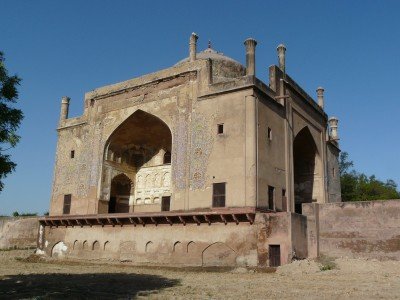
Chini Ka Rauza
Some quick example text to build on the card title and make up the bulk of the card's content.
Go somewhere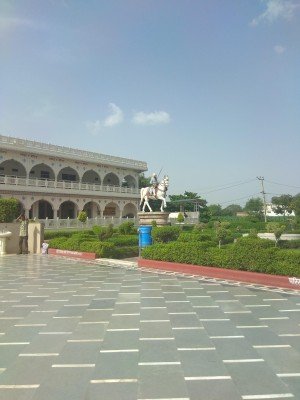
Gurudwara Guru Ka Taal
Some quick example text to build on the card title and make up the bulk of the card's content.
Go somewhere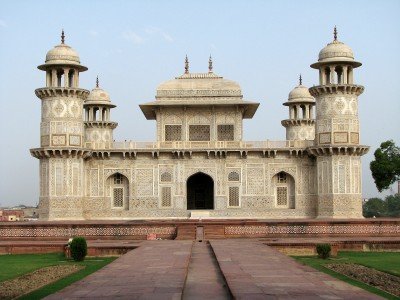
Itmad-ud-Daulah's Tomb
Some quick example text to build on the card title and make up the bulk of the card's content.
Go somewhere
Jahangiri Mahal
Some quick example text to build on the card title and make up the bulk of the card's content.
Go somewhere
Jama Masjid
Some quick example text to build on the card title and make up the bulk of the card's content.
Go somewhere
Khas Mahal
Some quick example text to build on the card title and make up the bulk of the card's content.
Go somewhere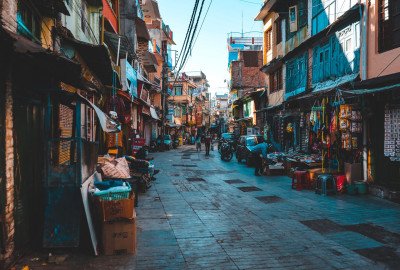
Kinari Bazaar
Some quick example text to build on the card title and make up the bulk of the card's content.
Go somewhere
Mankameshwar Temple
Some quick example text to build on the card title and make up the bulk of the card's content.
Go somewhere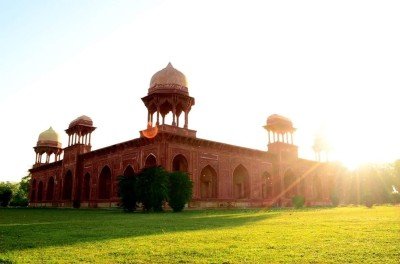
Mariam's Tomb
Some quick example text to build on the card title and make up the bulk of the card's content.
Go somewhere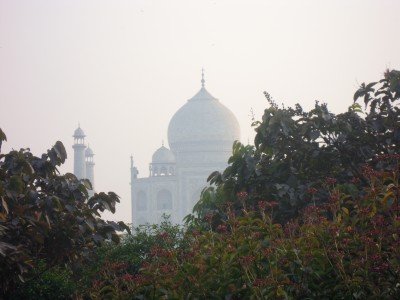
Mehtab Bagh
Some quick example text to build on the card title and make up the bulk of the card's content.
Go somewhere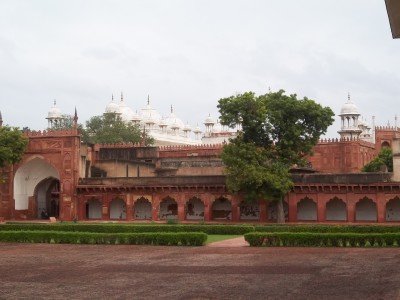
Moti Masjid
Some quick example text to build on the card title and make up the bulk of the card's content.
Go somewhere
Ram Bagh
Some quick example text to build on the card title and make up the bulk of the card's content.
Go somewhere
Soor Sarovar Bird Sanctuary
Some quick example text to build on the card title and make up the bulk of the card's content.
Go somewhere
Taj Mahal
Some quick example text to build on the card title and make up the bulk of the card's content.
Go somewherein Other Cities