

Jagdalpur
General information
-
Ideal Duration:
2 to 3 DaysPlace Type:
Culture / NatureEntry Fees:
Entry to the Kanger Valley National Park costs around Rs.50-Rs.100, while the caves and waterfalls have separate nominal maintenance fees. ...Entry to the Kanger Valley National Park costs around Rs.50-Rs.100, while the caves and waterfalls have separate nominal maintenance fees.Timing:
Special Events:
Bastar Dussehra: This is the world's longest festival, celebrated by all the tribes of Bastar with grand chariots and traditional dances in Jagdalpur. ...Bastar Dussehra: This is the world's longest festival, celebrated by all the tribes of Bastar with grand chariots and traditional dances in Jagdalpur.Best Photo Spots:
Waterfall Rainbows: During the monsoon and early winter, rainbows are frequently visible over Chitrakote Falls, making for magical landscape shots.
Bastar Palace: The grand entrance and the historical artifacts inside provide a regal backdro...Waterfall Rainbows: During the monsoon and early winter, rainbows are frequently visible over Chitrakote Falls, making for magical landscape shots.
Bastar Palace: The grand entrance and the historical artifacts inside provide a regal backdrop for heritage photography and cultural documentation.Photo Gallery
Things To Do
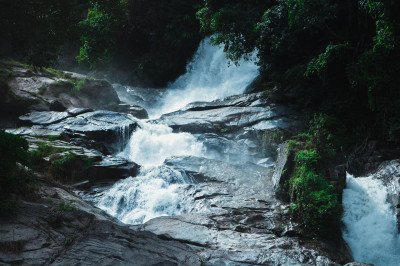 @@General Overview: Chitradhara Waterfalls is a magnificent natural attraction located in the heart of the Bastar district. Unlike the massive Chitrakoot, this fall is known for its multi-tiered cascading effect that looks like a white silk ribbon flowing over rocky steps. It is a horseshoe-shaped waterfall that becomes exceptionally powerful during the rainy season. The area is surrounded by dense forests and a peaceful atmosphere that makes it a favorite for those looking to escape city noise. The water originates from a small stream that eventually joins the Indravati river. Local legends suggest the name comes from the "Chitra" or picturesque "Dhara" or stream. Visitors often spend hours sitting by the rocks, listening to the melodic sound of falling water. It is not just a tourist spot but a lifeline for the local tribal community who revere the water. The surrounding greenery consists of Sal and Teak trees which stay lush throughout the year. The waterfall provides a serene backdrop for picnics and spiritual reflection. It remains one of the most accessible yet raw natural sites near the city. Tourism in this area has seen a steady rise as people look for offbeat destinations. The site is well-maintained but keeps its rustic charm without heavy commercialization. It serves as a perfect introduction to the wild beauty of the Bastar region.
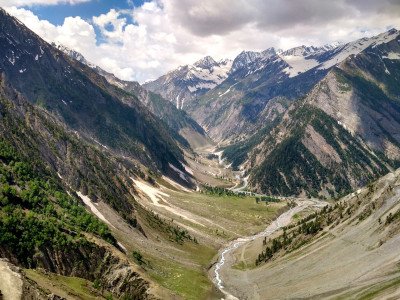 @@Kanger Valley National Park is a renowned biosphere reserve and a significant ecological gem in Central India, situated in the eponymous Kanger Valley in the Bastar district. Established in 1982, the park spans an area of approximately 200 square kilometers and derives its name from the Kanger River that flows centrally through its length from Northwest to Southeast, carving deep gorges. The park is a distinguished blend of mixed moist deciduous type of forest, noted for its high biodiversity, which includes significant pockets of virgin forests. It is a unique transition zone where the southern limit of Sal forests meets the northern limit of Teak forests. The park's heterogeneous land formations—ranging from low-lying areas to steep slopes and plateaus—create diverse habitats for a wide variety of flora and fauna. The park is a crucial habitat for endangered and rare species like the elusive Tiger, Leopard, Mouse Deer, Wild Cat, Bison (Gaur), and the state bird of Chhattisgarh, the Hill Myna. Beyond its wildlife, the park is globally famous for its spectacular geological features: the stunning Tirathgarh Waterfalls and its three major subterranean limestone cave systems: Kutumsar, Kailash, and Dandak Caves, which contain awe-inspiring formations of stalactites and stalagmites. The park mandates the presence of an official guide and proper permits for entry to ensure the protection of its fragile ecosystem, making it a controlled and meticulously managed ecological destination.
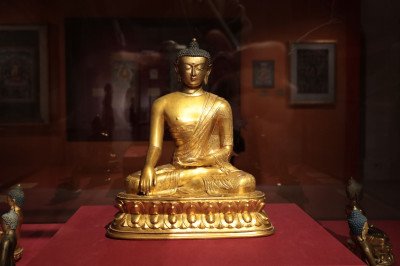 @@Historical Foundation and Purpose: The Anthropological Museum in Jagdalpur was established in 1972 by the Anthropological Survey of India with the explicit goal of preserving and showcasing the unique cultural heritage of the various Bastar tribes, including the Maria, Muria, Halba, and Gond communities. This museum acts as a vital window into the ethnographic past and present of the region, meticulously documenting the lives, rituals, and artistic expressions of the indigenous people. The collection is highly regarded for its depth, offering scholars and tourists a profound insight into a culture that continues to thrive in the dense forests of Chhattisgarh. @@Key Collections and Exhibits: The museum houses an extensive array of ethnographic artifacts, including a diverse collection of traditional clothing, elaborate headgears, intricate ornaments made from various materials, domestic utensils, musical instruments, and traditional weapons. The exhibits are often presented through life-sized dioramas, which vividly recreate scenes from tribal village life, such as hunting, communal dancing, and ceremonial rituals, thereby providing a dynamic and engaging experience for visitors. These displays are crucial for understanding the social structure, belief systems, and economic activities of the Bastar tribes, making the museum an irreplaceable repository of regional history and culture. @@Educational and Cultural Role: Beyond mere display, the Anthropological Museum serves as a significant educational and cultural hub. It regularly organizes workshops, seminars, and cultural events designed to promote awareness and appreciation of the tribal way of life. The detailed informative panels and well-curated displays ensure that the information is accessible and engaging for all age groups, solidifying its role as a living archive that bridges the gap between the modern world and ancient traditions. A notable exhibit is the replica of the Bastar Palace, which provides an architectural reference point within the cultural context. The museum's dedication to preserving the Bastar legacy is a testament to the region’s rich human tapestry. The overall ambiance is designed to foster respect and understanding for the deep-rooted spiritual beliefs and communal bonds of the tribes. :
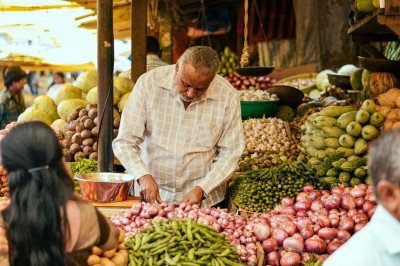 @@Bustling Hub of Local Trade: Sanjay Market is widely regarded as the vibrant and pulsating commercial heart of Jagdalpur, functioning as a crucial center for trade and daily necessities for the entire Bastar region. It is not merely a place for shopping but a cultural microcosm where the lifeblood of the city's commerce flows freely. The market is a sprawling network of lanes and shops, catering to virtually every need, from groceries and fresh produce to clothing, electronics, and traditional handicrafts. It serves as a meeting point for rural tribal vendors and urban consumers, making it an economically and socially significant location. The market’s establishment and growth reflect the economic development and expansion of Jagdalpur from a princely state capital to a modern administrative and commercial center. Its location in Motitalab Para, close to the historic Dalpat Sagar Lake, places it in a high-traffic, central area, underscoring its importance. The atmosphere is consistently energetic and slightly chaotic, characteristic of a major Indian bazaar. Visiting Sanjay Market provides an immediate and authentic exposure to the daily grind and local flavor of Jagdalpur life. It is the best place to observe the confluence of modern commerce with the traditional trading methods of the tribal belt. Many of the shops have been family-owned for generations, contributing to the market's deep local roots and historical continuity. Shoppers can find a unique blend of mass-produced goods alongside specialized local items, particularly spices, forest produce, and traditional Bastar food items. The noise, the smells of street food and spices, and the sheer volume of transactions define the market’s unique character, making it a must-visit for travelers seeking a genuine local experience beyond the major tourist sites. Its role is so central that any essential commodity required in the entire Bastar district often passes through the channels of Sanjay Market at some point in its journey to the final consumer. The presence of numerous small food stalls also makes it a culinary hotspot.
@@Geographical Marvel and Cultural Significance: The Chitrakote Falls is a majestic natural waterfall located on the Indravati River in the Bastar district of Chhattisgarh, India. Often nicknamed 'The Niagara Falls of India' due to its impressive horseshoe shape and sheer width, it is India's widest waterfall, especially during the monsoon season. The river originates in the Kalahandi district of Odisha and flows westward before taking a dramatic plunge here. This massive cataract has a vertical drop of approximately 29 to 30 meters (95 to 98 feet). Its sheer scale and the raw power of the water create a breathtaking spectacle, drawing nature enthusiasts and tourists from across the globe. The falls' appearance dramatically changes with the seasons: during the heavy monsoons (July to September), the water turns a muddy reddish color and spans its maximum width of nearly 300 meters (980 feet), presenting a single, powerful curtain of water. In the drier months, the flow reduces, and the fall splits into three distinct braids or streams, revealing the underlying sharp, near-vertical rock face. The surrounding landscape is characterized by dense forests, adding to its pristine, natural beauty. The region is historically part of the ancient Dandakaranya forest, lending a deep cultural and spiritual aura to the spot, making it a pivotal ecological and tourist destination near Jagdalpur. The area is also actively being developed by the local government to include better viewing platforms, restaurants, and nature camping sites, improving accessibility while preserving its natural heritage.:
@@Bustling Hub of Local Trade: Sanjay Market is widely regarded as the vibrant and pulsating commercial heart of Jagdalpur, functioning as a crucial center for trade and daily necessities for the entire Bastar region. It is not merely a place for shopping but a cultural microcosm where the lifeblood of the city's commerce flows freely. The market is a sprawling network of lanes and shops, catering to virtually every need, from groceries and fresh produce to clothing, electronics, and traditional handicrafts. It serves as a meeting point for rural tribal vendors and urban consumers, making it an economically and socially significant location. The market’s establishment and growth reflect the economic development and expansion of Jagdalpur from a princely state capital to a modern administrative and commercial center. Its location in Motitalab Para, close to the historic Dalpat Sagar Lake, places it in a high-traffic, central area, underscoring its importance. The atmosphere is consistently energetic and slightly chaotic, characteristic of a major Indian bazaar. Visiting Sanjay Market provides an immediate and authentic exposure to the daily grind and local flavor of Jagdalpur life. It is the best place to observe the confluence of modern commerce with the traditional trading methods of the tribal belt. Many of the shops have been family-owned for generations, contributing to the market's deep local roots and historical continuity. Shoppers can find a unique blend of mass-produced goods alongside specialized local items, particularly spices, forest produce, and traditional Bastar food items. The noise, the smells of street food and spices, and the sheer volume of transactions define the market’s unique character, making it a must-visit for travelers seeking a genuine local experience beyond the major tourist sites. Its role is so central that any essential commodity required in the entire Bastar district often passes through the channels of Sanjay Market at some point in its journey to the final consumer. The presence of numerous small food stalls also makes it a culinary hotspot.
@@Geographical Marvel and Cultural Significance: The Chitrakote Falls is a majestic natural waterfall located on the Indravati River in the Bastar district of Chhattisgarh, India. Often nicknamed 'The Niagara Falls of India' due to its impressive horseshoe shape and sheer width, it is India's widest waterfall, especially during the monsoon season. The river originates in the Kalahandi district of Odisha and flows westward before taking a dramatic plunge here. This massive cataract has a vertical drop of approximately 29 to 30 meters (95 to 98 feet). Its sheer scale and the raw power of the water create a breathtaking spectacle, drawing nature enthusiasts and tourists from across the globe. The falls' appearance dramatically changes with the seasons: during the heavy monsoons (July to September), the water turns a muddy reddish color and spans its maximum width of nearly 300 meters (980 feet), presenting a single, powerful curtain of water. In the drier months, the flow reduces, and the fall splits into three distinct braids or streams, revealing the underlying sharp, near-vertical rock face. The surrounding landscape is characterized by dense forests, adding to its pristine, natural beauty. The region is historically part of the ancient Dandakaranya forest, lending a deep cultural and spiritual aura to the spot, making it a pivotal ecological and tourist destination near Jagdalpur. The area is also actively being developed by the local government to include better viewing platforms, restaurants, and nature camping sites, improving accessibility while preserving its natural heritage.: The Mavli Temple is a profound spiritual landmark located in the heart of Jagdalpur. It is dedicated to Goddess Mavli, who is revered as the elder sister of Goddess Danteshwari, the presiding deity of the Bastar region. The temple holds immense historical and cultural significance, as it served as the primary place of worship for the royal family of Bastar for centuries. During the world-famous Bastar Dussehra, the temple becomes the epicenter of all major rituals, including the welcoming of the goddess's chariot. The atmosphere here is filled with divine energy and the scent of incense, providing a peaceful retreat for devotees. Visitors can witness the deep-rooted tribal traditions blending seamlessly with Hindu Vedic practices. The temple complex also houses smaller shrines dedicated to Lord Shiva and Goddess Kali. Exploring this site offers a deep dive into the local folklore and the royal heritage of the Bastar kingdom. It is a must-visit for anyone looking to understand the soul of Jagdalpur. The temple is well-maintained and remains a vibrant center for community gatherings and local festivities throughout the year.
 @@Jagdalpur is not just a city; it is the vibrant and historical gateway to the dense forests, cascading waterfalls, and unique tribal culture of the Bastar region in Chhattisgarh. Historically, it served as the capital of the former princely state of Bastar and continues to be the administrative and commercial hub of the district. The city is famous for its unique layout, often referred to as the "City of Squares" (Chauraahon ka Sheher) due to its many strategically planned intersections. It is steeped in mythology, with local legends tracing its origins and connecting it to the epic Ramayana. The city’s identity is a rich tapestry woven from the legacy of the Kakatiya rulers, epitomized by the Bastar Palace and the Danteshwari Temple, and the profound influence of the region's indigenous tribes. Jagdalpur is strategically positioned as a base for exploring some of Central India's most spectacular natural wonders, including the Chitrakote Falls (India's Niagara), Tirathgarh Falls, and the biodiversity hotspot of Kanger Valley National Park. The local economy is driven by forestry, agriculture, and the burgeoning tourism sector. Visitors are drawn to its authentic cultural experiences, notably the 75-day-long Bastar Dussehra festival and the weekly tribal markets (Haat Bazars), which offer a glimpse into the traditional life and exquisite craftsmanship of the local tribes. Beyond the historical and natural appeal, the city also hosts important cultural institutions like the Anthropological Museum, which meticulously documents the history and lifestyle of the different tribal groups. Its blend of royal history, natural splendor, and vibrant tribal culture establishes Jagdalpur as a unique destination in India.Show All
@@General Overview: Dandak Caves are among the most mysterious and visually stunning cave systems in Central India. Discovered in April 1995 by forest officials, these caves are a part of the legendary Dandakaranya forest mentioned in ancient texts. The cave is famous for its massive chambers and intricate rock formations that have taken millions of years to form. As you enter, the darkness is absolute, and the air becomes cool and humid. The interior is a world of its own, featuring giant dripstone formations that look like chandeliers. It is considered a significant site for both geologists and history enthusiasts. The cave stretches for over 200 meters and has a depth that provides a true sense of adventure. Unlike other smaller caves, Dandak offers a more spacious experience with high ceilings. It is believed that prehistoric humans once used these caves for shelter, adding a layer of historical intrigue. The stalactites and stalagmites here are still active and growing at a microscopic pace. The path to the cave involves a short trek through the lush jungle of the National Park. Visitors are required to carry torches or go with guides who use high-intensity lamps to show the details. It is a place where time seems to stand still. The silence inside is only broken by the occasional drip of water. It is a must-visit for anyone fascinated by the underworld.
@@Jagdalpur is not just a city; it is the vibrant and historical gateway to the dense forests, cascading waterfalls, and unique tribal culture of the Bastar region in Chhattisgarh. Historically, it served as the capital of the former princely state of Bastar and continues to be the administrative and commercial hub of the district. The city is famous for its unique layout, often referred to as the "City of Squares" (Chauraahon ka Sheher) due to its many strategically planned intersections. It is steeped in mythology, with local legends tracing its origins and connecting it to the epic Ramayana. The city’s identity is a rich tapestry woven from the legacy of the Kakatiya rulers, epitomized by the Bastar Palace and the Danteshwari Temple, and the profound influence of the region's indigenous tribes. Jagdalpur is strategically positioned as a base for exploring some of Central India's most spectacular natural wonders, including the Chitrakote Falls (India's Niagara), Tirathgarh Falls, and the biodiversity hotspot of Kanger Valley National Park. The local economy is driven by forestry, agriculture, and the burgeoning tourism sector. Visitors are drawn to its authentic cultural experiences, notably the 75-day-long Bastar Dussehra festival and the weekly tribal markets (Haat Bazars), which offer a glimpse into the traditional life and exquisite craftsmanship of the local tribes. Beyond the historical and natural appeal, the city also hosts important cultural institutions like the Anthropological Museum, which meticulously documents the history and lifestyle of the different tribal groups. Its blend of royal history, natural splendor, and vibrant tribal culture establishes Jagdalpur as a unique destination in India.Show All
@@General Overview: Dandak Caves are among the most mysterious and visually stunning cave systems in Central India. Discovered in April 1995 by forest officials, these caves are a part of the legendary Dandakaranya forest mentioned in ancient texts. The cave is famous for its massive chambers and intricate rock formations that have taken millions of years to form. As you enter, the darkness is absolute, and the air becomes cool and humid. The interior is a world of its own, featuring giant dripstone formations that look like chandeliers. It is considered a significant site for both geologists and history enthusiasts. The cave stretches for over 200 meters and has a depth that provides a true sense of adventure. Unlike other smaller caves, Dandak offers a more spacious experience with high ceilings. It is believed that prehistoric humans once used these caves for shelter, adding a layer of historical intrigue. The stalactites and stalagmites here are still active and growing at a microscopic pace. The path to the cave involves a short trek through the lush jungle of the National Park. Visitors are required to carry torches or go with guides who use high-intensity lamps to show the details. It is a place where time seems to stand still. The silence inside is only broken by the occasional drip of water. It is a must-visit for anyone fascinated by the underworld.Information
-
Why Famous:
Chitrakote Falls: Famous as the widest waterfall in India, its horseshoe shape and massive water volume attract tourists from all over the world.
Tribal Culture: Jagdalpur is the center for Bastar's unique tribal lifestyle, famous for its 75...Chitrakote Falls: Famous as the widest waterfall in India, its horseshoe shape and massive water volume attract tourists from all over the world.
Tribal Culture: Jagdalpur is the center for Bastar's unique tribal lifestyle, famous for its 75-day long Dussehra celebration and traditional arts. -
Architecture:
Royal Architecture: The Bastar Palace features a blend of traditional tribal motifs and colonial-style construction, with wide corridors and grand halls. The Chitrakote Falls are naturally "architected" by the Indravati river, spanning a width of nearly 300 Meters during th...Royal Architecture: The Bastar Palace features a blend of traditional tribal motifs and colonial-style construction, with wide corridors and grand halls. The Chitrakote Falls are naturally "architected" by the Indravati river, spanning a width of nearly 300 Meters during the monsoon. The Venkateshwara Swamy Temple in the city follows Dravidian architecture with a colorful gopuram and detailed sculptures on the walls. -
How To Reach:
By Air: Maa Danteshwari Airport in Jagdalpur has regular flights connecting to Raipur, Hyderabad, and Visakhapatnam for easy access.
By Train: Jagdalpur Railway Station is well-connected via the Kirandul-Visakhapatnam line, offering scenic j...By Air: Maa Danteshwari Airport in Jagdalpur has regular flights connecting to Raipur, Hyderabad, and Visakhapatnam for easy access.
By Train: Jagdalpur Railway Station is well-connected via the Kirandul-Visakhapatnam line, offering scenic journeys through the Araku Valley hills.
By Road: High-quality luxury buses run daily from Raipur, Bhilai, and Nagpur, making the road journey comfortable and very convenient for tourists.
By Local Transport: You can easily rent a scooty or hire a private cab for the day to visit the distant waterfalls and national park sites. -
Weather and Best Time to Visit:
Peak Season: October to March is the best time for sightseeing, as the weather is cool and the waterfalls are still quite full.
Rainy Season: July to September is the best time to see Chitrakote in its most powerful form, though cave entry m...Peak Season: October to March is the best time for sightseeing, as the weather is cool and the waterfalls are still quite full.
Rainy Season: July to September is the best time to see Chitrakote in its most powerful form, though cave entry may be restricted.
Summer Season: April to June is hot, but it is a good time for bird watching in the forests and attending local tribal summer festivals.
Time of Day: Sunrise at Chitrakote is breathtaking, while late afternoons are best for exploring the city's royal palace and local markets. -
Near Tourist Places:
Chitrakote Falls (38 KMS), Tirathgarh Falls (35 KMS), Kanger Valley (30 KMS), Kutumsar Caves (40 KMS), Bastar Palace (1 KM), Dalpat Sagar (2 KMS), Danteshwari Temple (80 KMS), Barsur (95 KMS), Tamda Ghumar (45 KMS), Mendri Ghumar (42 KMS).
Tourism Tips
-
Hire a Guide: For visiting the caves and national park, hiring a local guide is highly recommended to learn about the history and stay safe.
Health Precautions: Carry insect repellent when heading into the forests and ensure you are up to da...Hire a Guide: For visiting the caves and national park, hiring a local guide is highly recommended to learn about the history and stay safe.
Health Precautions: Carry insect repellent when heading into the forests and ensure you are up to date on your basic vaccinations before travel.
Respect Privacy: When visiting tribal villages, always ask for permission before taking photographs of the people or their traditional homes.
Connectivity: Mobile signals can be weak in the deep forest areas of Kanger Valley, so download offline maps for your travel route.
Reviews
FAQs
Jagdalpur Itineray And Cost:-
Information about New and Updated Locations() of Chhattisgarh Has Been Added :-
Card subtitle
Note:-
Information provided here in good Faith and for reference only.
All information and pictures will be updated soon, please keep visiting.
Near Places

Ambikapur
Some quick example text to build on the card title and make up the bulk of the card's content.
Go somewhere
Bastar
Some quick example text to build on the card title and make up the bulk of the card's content.
Go somewhere
Bilai
Some quick example text to build on the card title and make up the bulk of the card's content.
Go somewhere
Bilaspur
Some quick example text to build on the card title and make up the bulk of the card's content.
Go somewhere
Dantewada
Some quick example text to build on the card title and make up the bulk of the card's content.
Go somewhere
Dhamtari
Some quick example text to build on the card title and make up the bulk of the card's content.
Go somewhere
Durg
Some quick example text to build on the card title and make up the bulk of the card's content.
Go somewhere
Ghoghrapur
Some quick example text to build on the card title and make up the bulk of the card's content.
Go somewhere
Jagdalpur
Some quick example text to build on the card title and make up the bulk of the card's content.
Go somewhere
Kabirdham
Some quick example text to build on the card title and make up the bulk of the card's content.
Go somewherein Other Cities