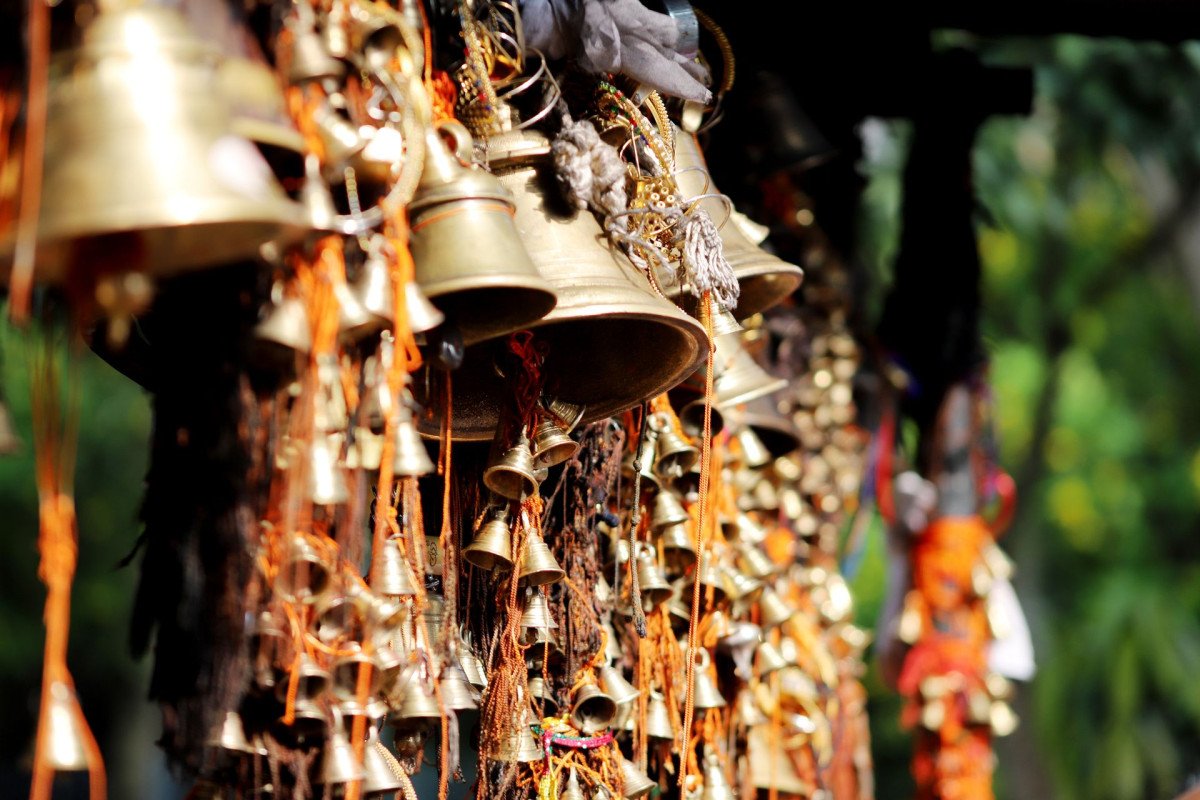
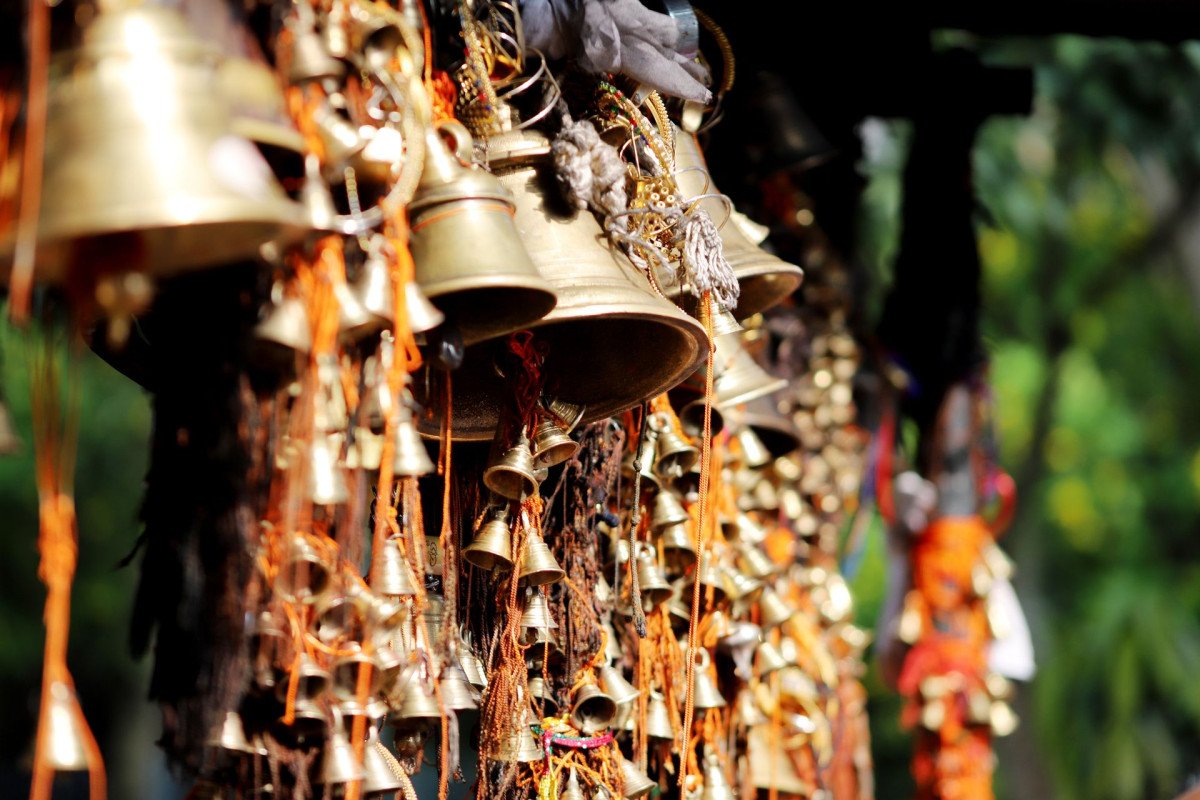
Jain Shwetamber Temple
General information
-
Ideal Duration:
1-2 hours Rs.Rs.Place Type:
Religious Site, Temple, PilgrimageEntry Fees:
No Entry Fee: Entry to the Jain Shwetamber Temple is generally Free for all visitors, in keeping with the religious tradition of welcoming all seekers;
Donations: Visitors may offer voluntary monetary donations in the designated boxes toward...No Entry Fee: Entry to the Jain Shwetamber Temple is generally Free for all visitors, in keeping with the religious tradition of welcoming all seekers;
Donations: Visitors may offer voluntary monetary donations in the designated boxes towards the maintenance of the complex and the community services, which is entirely optional;
Parking Charges: If you bring a private vehicle, there may be a small, standard fee for parking in the designated area near the temple complex;
Ritual Items: The cost of purchasing any flowers, oil, or other simple offering materials is separate and optional.Timing:
Regular Timings: The temple is open daily from 5:00 AM to 8:00 PM, offering extensive hours for Darshan throughout the day;
Ideal Visit Time (Morning/Evening): Early morning (around 5:00 AM-7:00 AM) is the best time for a peaceful, uncrowded...Regular Timings: The temple is open daily from 5:00 AM to 8:00 PM, offering extensive hours for Darshan throughout the day;
Ideal Visit Time (Morning/Evening): Early morning (around 5:00 AM-7:00 AM) is the best time for a peaceful, uncrowded, and serene viewing of the majestic idol, while the evening offers cooler weather;
Best Season: Visiting from October to March (Winter and late Autumn) is highly recommended for comfortable weather, allowing for a relaxed walk around the complex;
Festival Timings: During major Jain festivals like Mahavir Jayanti, the temple may have extended hours and special rituals, so check the specific schedule for those days.Special Events:
Mahavir Jayanti: The birth anniversary of Lord Mahavir (usually in March-April) is the most important festival for Jains, celebrated with grand processions, prayers, and cultural programs; Paryushan Parva (Shwetamber) / Dashalakshana Dharma (Digamber): These Monsoon season ...Mahavir Jayanti: The birth anniversary of Lord Mahavir (usually in March-April) is the most important festival for Jains, celebrated with grand processions, prayers, and cultural programs; Paryushan Parva (Shwetamber) / Dashalakshana Dharma (Digamber): These Monsoon season festivals of spiritual cleansing and self-reflection (usually August-September) are observed with special rituals and fasting, making for a deeply spiritual time;
Diwali and Nirvana Kalyanaka: Diwali is celebrated as the day Lord Mahavir attained Nirvana, involving special lamp lighting and prayers in the temple;
Daily Aarti and Puja: The regular morning and evening worship ceremonies and offerings (Puja and Aarti) are special daily events that showcase the temple's devotional routine.Best Photo Spots:
The 31-Foot-Tall Idol: A wide-angle shot from the entrance of the hall, capturing the full height and majesty of the 31-foot-tall marble statue of Rishabhdev;
Ornate Pillars and Ceiling: Close-up shots of the intricate carvings and delicate ...The 31-Foot-Tall Idol: A wide-angle shot from the entrance of the hall, capturing the full height and majesty of the 31-foot-tall marble statue of Rishabhdev;
Ornate Pillars and Ceiling: Close-up shots of the intricate carvings and delicate designs on the marble pillars and the ceiling, showcasing the fine detail of Jain artistry;
Temple Exterior and Summit: A shot capturing the full temple structure, including the entrance, the main hall, and the traditional spire (Shikhara), emphasizing the temple's scale;
Devotees in Darshan: Respectful, ambient photos of pilgrims in the spacious hall, seeking the idol's Darshan, which helps to illustrate the scale of the statue;
The White Marble Structure: Capturing the gleaming white marble of the temple, ideally against a clear blue sky or illuminated at night, to emphasize its pristine appearance.Photo Gallery
Things To Do
-
Darshan of the Colossal Idol: Spend time viewing and reflecting before the magnificent 31-foot-tall marble statue of Rishabhdev, absorbing the spiritual energy of the Tirthankar;
Observe the Architecture and Carvings: Meticulously examine the intricate details, ornate pillars, and fine designs carved into the walls and ceilings, looking for the symbolism of Jain cosmology and narratives;
Learn about the Tirthankars: Read the information boards or inquire about the history of the five Tirthankars born in Ayodhya, connecting the city's diverse religious heritage;
Participate in Jain Rituals: Observe or respectfully participate in the Jain rituals and ceremonies being performed, experiencing the temple's unique devotional atmosphere (be mindful of customs);
...Darshan of the Colossal Idol: Spend time viewing and reflecting before the magnificent 31-foot-tall marble statue of Rishabhdev, absorbing the spiritual energy of the Tirthankar;
Observe the Architecture and Carvings: Meticulously examine the intricate details, ornate pillars, and fine designs carved into the walls and ceilings, looking for the symbolism of Jain cosmology and narratives;
Learn about the Tirthankars: Read the information boards or inquire about the history of the five Tirthankars born in Ayodhya, connecting the city's diverse religious heritage;
Participate in Jain Rituals: Observe or respectfully participate in the Jain rituals and ceremonies being performed, experiencing the temple's unique devotional atmosphere (be mindful of customs);
Meditation: Utilize the serene and peaceful ambiance of the inner hall or the surrounding complex for personal meditation and reflection on the Jain principles of non-violence and tolerance;
Cultural Exchange: Engage with the local Jain community or temple officials to learn more about the modern Jain faith, their customs, and the importance of Ayodhya to their pilgrimage circuit;
Photography: Capture the architectural grandeur and the majestic size of the Badi Murti (Big Idol), respecting any rules about photography near the main shrine.
Information
-
Why Famous:
The 31-Foot-Tall Idol: It is overwhelmingly famous for housing the magnificent and colossal 31-foot-tall marble statue of Tirthankar Rishabhdev (or Adinath), making it a major architectural and religious landmark;
Birthplace of Five Tirthankars:...The 31-Foot-Tall Idol: It is overwhelmingly famous for housing the magnificent and colossal 31-foot-tall marble statue of Tirthankar Rishabhdev (or Adinath), making it a major architectural and religious landmark;
Birthplace of Five Tirthankars: The temple complex celebrates Ayodhya as the sacred birthplace of five Jain Tirthankars, which is a fundamental truth for the Jain community and establishes the temple as a pivotal pilgrimage destination;
Showcase of Jain Artistry: The intricate carvings, detailed pillars, and ornate structure make it a respected center for the display of modern Jain temple architecture and detailed craftsmanship;
Embodiment of Jain Values: It is known for embodying and promoting the core Jain principles of Ahimsa (non-violence) and "Live and let live," serving as a beacon of peace and tolerance. -
Architecture:
Modern Jain Temple Style: The architecture follows a modern interpretation of traditional Jain temple design, characterized by intricate white marble work, high ceilings, and beautifully carved pillars and walls;
Colossal Statue Housing: The...Modern Jain Temple Style: The architecture follows a modern interpretation of traditional Jain temple design, characterized by intricate white marble work, high ceilings, and beautifully carved pillars and walls;
Colossal Statue Housing: The main structure is designed to house the majestic 31-foot-tall marble statue of Rishabhdev, with the hall providing a dramatic and unobstructed viewing experience of the massive idol;
Intricate Carvings and Ornamentation: The walls, ceilings, and corridors are filled with delicate details, ornate carvings, and sculptures, which are not just decorative but often carry deeper spiritual and cosmological meanings;
Spire and Summit: The structure often includes a traditional temple spire (Shikhara or Shikhar) over the main sanctum, symbolizing the spiritual ascent, coupled with a well-designed entrance and frontal area;
Dimensions of the Idol: The defining dimension is the 31-foot-high marble statue of Rishabhdev, which dominates the inner hall and is considered a feat of modern Jain artistry and devotion. -
How To Reach:
By Air: The nearest major airport is Lucknow International Airport (LKO) (approx. 152 kms); take a taxi or bus; the local Ayodhya International Airport is a closer option;
By Train: Ayodhya Junction (AY) and Faizabad Junction (FD) are the...By Air: The nearest major airport is Lucknow International Airport (LKO) (approx. 152 kms); take a taxi or bus; the local Ayodhya International Airport is a closer option;
By Train: Ayodhya Junction (AY) and Faizabad Junction (FD) are the main railheads, and the temple is easily reachable from the station by local transport;
By Road: Ayodhya is well-connected by road via National Highways; local taxis, buses, and auto-rickshaws can easily take you to the Awas Vikas Colony area where the temple is located;
By Local Transport: The temple is a well-known landmark, making it easily accessible via local auto-rickshaws or shared taxis from the city center and the main pilgrimage sites. -
Weather and Best Time to Visit:
Best Season (Winter & Autumn): October to March is the ideal period due to the pleasant and cool climate, making it comfortable to spend time in the open complex and the inner halls;
Avoid Summer and Monsoon: The intense heat from April to J...Best Season (Winter & Autumn): October to March is the ideal period due to the pleasant and cool climate, making it comfortable to spend time in the open complex and the inner halls;
Avoid Summer and Monsoon: The intense heat from April to June and the heavy, unpredictable rains during Monsoon (July to September) are best avoided for outdoor activities and travel;
Ideal Part of the Day (Early Morning): The early morning is the most serene time to visit for a peaceful, uninterrupted view of the colossal statue and a moment of quiet reflection;
Festive Season: Visiting during Mahavir Jayanti or Paryushan Parva offers a unique glimpse into the rich cultural and devotional practices of the Jain community. -
Near Tourist Places:
Ram Janmabhoomi (approx. 4 kms), Kanak Bhawan (approx. 4. 5 kms), Hanuman Garhi (approx. 4 kms), Dashrath Mahal (approx. 4. 5 kms), Nageshwarnath Temple (approx. 5 kms), Sita Ki Rasoi (approx. 4 kms), Chhoti Devkali Temple (approx. 4 kms), Tulsi Smarak Bhawan (approx. 4 kms), Lata Mangeshkar Chowk (approx. 4. 5 kms), Saryu Ghat (approx. 5 kms).
Tourism Tips
-
Health & Safety: Carry water, especially during the day, and wear comfortable shoes; the complex is relatively new and well-maintained, minimizing physical hazards;
Dress Code: Dress modestly, covering shoulders and legs, as is customary in...Health & Safety: Carry water, especially during the day, and wear comfortable shoes; the complex is relatively new and well-maintained, minimizing physical hazards;
Dress Code: Dress modestly, covering shoulders and legs, as is customary in all places of worship; remove shoes before entering the temple hall;
Photography: Ask politely before taking photos of people, and respect any signs prohibiting photography in certain areas, especially near the main idol;
Respect Jain Customs: Be mindful of and respect Jain customs, such as the emphasis on non-violence (Ahimsa) and the avoidance of leather products inside the temple complex;
Accommodation: Accommodation options, including Jain Dharma Shala (guest houses), are often available near the temple complex, which can be a budget-friendly and culturally immersive choice.
Reviews
FAQs
Ayodhya Itineray And Cost:-
Jain Shwetamber Temple Tourism:-
Information about New and Updated Locations() of Uttar Pradesh Has Been Added :-
Card subtitle
Note:-
Information provided here in good Faith and for reference only.
All information and pictures will be updated soon, please keep visiting.
Near Places

Bahu Begum ka Maqbara
Some quick example text to build on the card title and make up the bulk of the card's content.
Go somewhere
Brahma Kund Gurudwara
Some quick example text to build on the card title and make up the bulk of the card's content.
Go somewhere
Chhoti Devkali Temple
Some quick example text to build on the card title and make up the bulk of the card's content.
Go somewhere
Dashrath Bhavan
Some quick example text to build on the card title and make up the bulk of the card's content.
Go somewhere
Gulab Bari
Some quick example text to build on the card title and make up the bulk of the card's content.
Go somewhere
Guptar Ghat
Some quick example text to build on the card title and make up the bulk of the card's content.
Go somewhere
Hanuman Garhi
Some quick example text to build on the card title and make up the bulk of the card's content.
Go somewhere
Jain Shwetamber Temple
Some quick example text to build on the card title and make up the bulk of the card's content.
Go somewhere
Kanak Bhawan
Some quick example text to build on the card title and make up the bulk of the card's content.
Go somewhere
Lata Mangeshkar Chowk
Some quick example text to build on the card title and make up the bulk of the card's content.
Go somewherein Other Cities