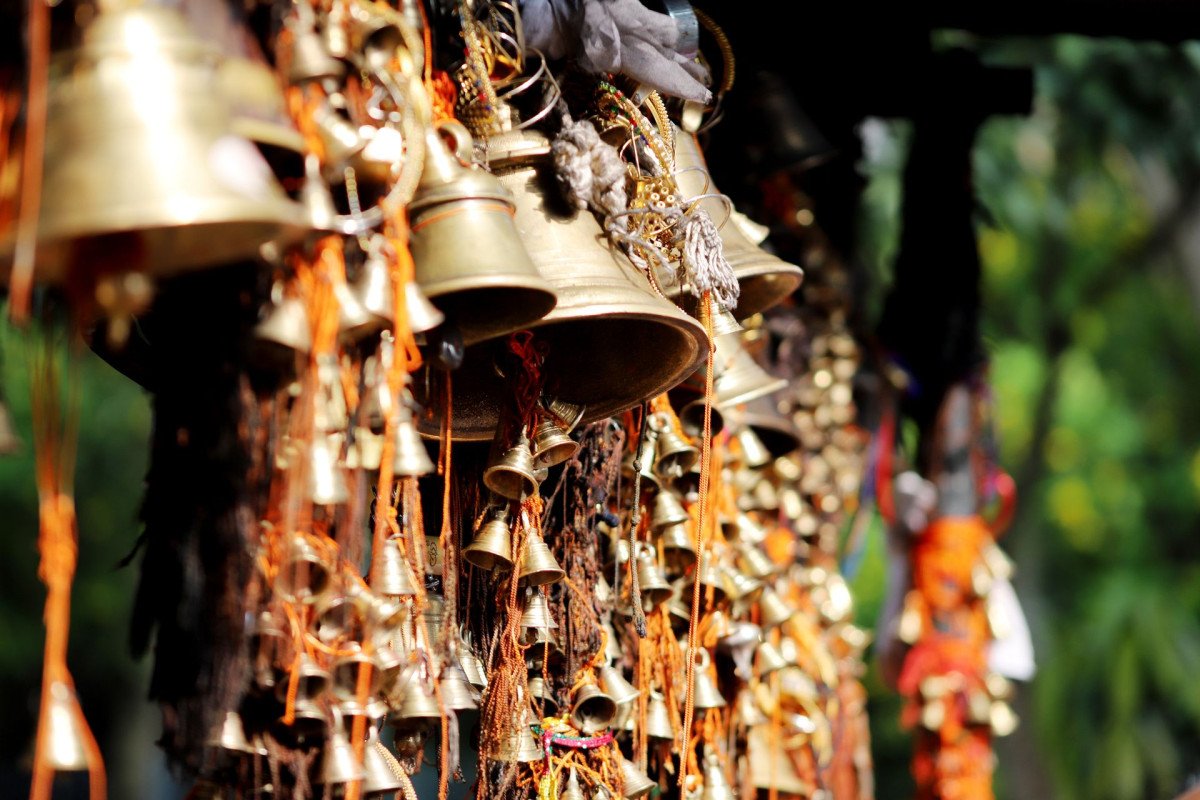
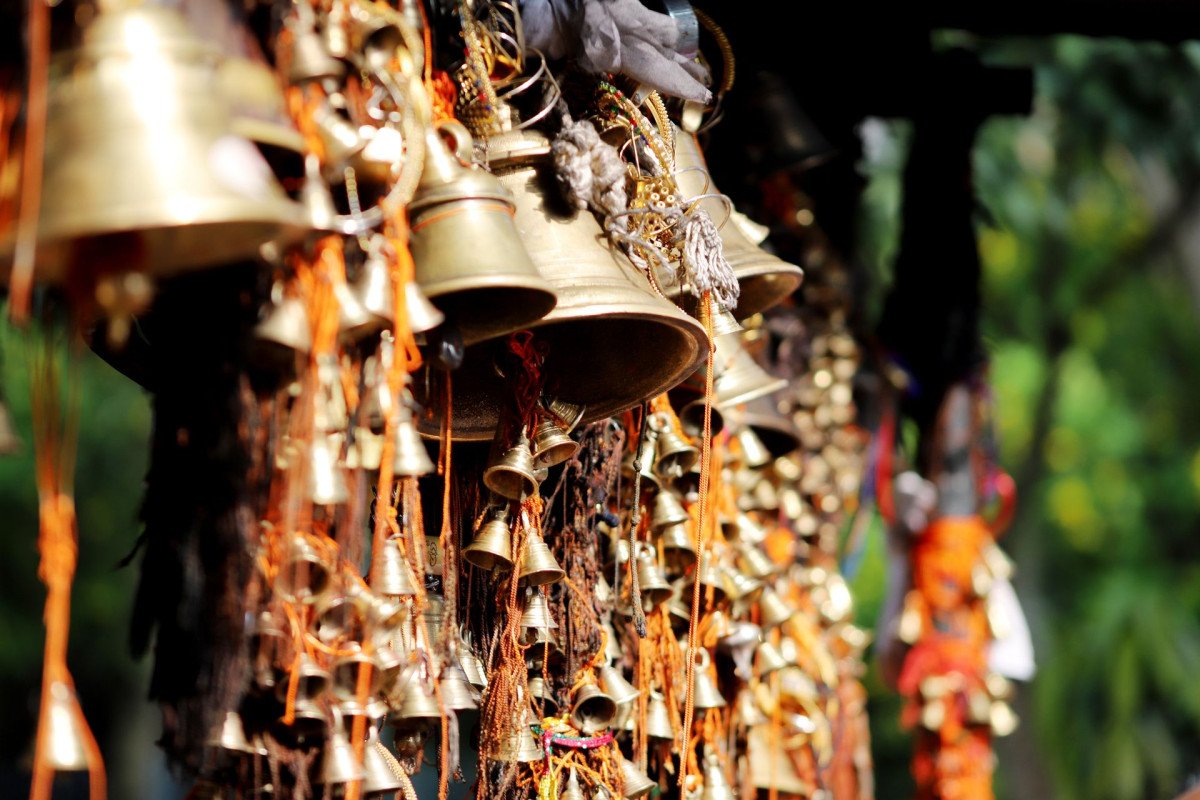
Chhoti Devkali Temple
General information
-
Ideal Duration:
1-2 hours Rs.Rs.Place Type:
Religious Site, Temple, PilgrimageEntry Fees:
No Entry Fee: Entry to the Chhoti Devkali Temple is typically Free for all visitors, as with most active places of worship in India;
Donation Box: Visitors are welcome to offer voluntary donations in the designated box to contribute towards ...No Entry Fee: Entry to the Chhoti Devkali Temple is typically Free for all visitors, as with most active places of worship in India;
Donation Box: Visitors are welcome to offer voluntary donations in the designated box to contribute towards the maintenance of the temple and the daily rituals;
Ritual Items: You might incur a small, optional cost for purchasing offerings like flowers, incense sticks, or sweets outside the temple to offer to the Goddess;
Parking: Paid parking may be available for private vehicles near the temple complex, which is a standard fee for facility management and security.Timing:
Regular Timings: The temple is generally open from 6:30 AM to 9:00 PM daily, but these times can be extended during major festivals like Navratri;
Ideal Visit Time (Morning/Evening): The best time is during the early morning Aarti (for a vib...Regular Timings: The temple is generally open from 6:30 AM to 9:00 PM daily, but these times can be extended during major festivals like Navratri;
Ideal Visit Time (Morning/Evening): The best time is during the early morning Aarti (for a vibrant start to the day) or the evening Aarti (for a serene and intense devotional experience), avoiding the midday heat;
Best Season: Visiting from October to March (Winter and late Autumn) offers the most comfortable weather for walking and participating in the rituals;
Peak Hours: Try to avoid visiting during the peak hours on auspicious days, as the temple can become very crowded, though the rush also speaks to its significance.Special Events:
Navratri Festival: The nine-night festival dedicated to Goddess Durga (Shakti), usually in March-April and September-October, is the most important and grandest event, featuring special worship, singing, and intense devotion;
Diwali (Festival of...Navratri Festival: The nine-night festival dedicated to Goddess Durga (Shakti), usually in March-April and September-October, is the most important and grandest event, featuring special worship, singing, and intense devotion;
Diwali (Festival of Lights): Though a general Hindu festival, the worship of Goddess Lakshmi (another form of Shakti) during Diwali sees the temple specially illuminated and decorated, attracting many devotees;
Shivaratri and Other Shakti-focused days: Special days on the Hindu calendar dedicated to Shiva or Shakti worship are celebrated with heightened enthusiasm and special ceremonies;
Daily Aarti and Bhajans: The regular morning and evening Aarti and devotional singing (Bhajans) are special daily events that offer an authentic and powerful spiritual experience.Best Photo Spots:
The Idol in the Garbhagriha: A respectful photograph of the beautifully adorned main idol of Goddess Devkali in the sanctum sanctorum (if allowed by temple rules), capturing the central focus of devotion;
Vibrant Temple Colors: Shots focusin...The Idol in the Garbhagriha: A respectful photograph of the beautifully adorned main idol of Goddess Devkali in the sanctum sanctorum (if allowed by temple rules), capturing the central focus of devotion;
Vibrant Temple Colors: Shots focusing on the colorful Shikhara (spire) and the painted architecture, especially against a clear blue sky, emphasizing the temple's lively visual appeal;
Devotees in Prayer: Respectful, ambient photos of pilgrims offering flowers and prayers, capturing the deep sense of devotion and the temple's spiritual atmosphere (avoid close-ups without permission);
Close-up of Carvings: Detailed shots of the intricate carvings and mythological figures on the temple walls and pillars, showcasing the traditional artistry and craftsmanship;
Illuminations during Navratri: Capturing the temple complex during the night, specially illuminated and decorated during the grand Navratri festival, highlighting its festive transformation.Photo Gallery
Things To Do
-
Participate in Aarti and Rituals: Attend the morning or evening Aarti (worship ceremony with lamps) and observe the daily rituals performed by the priests to immerse yourself in the temple's devout atmosphere;
Seek Blessings for Strength: Offer prayers to Goddess Devkali for strength, protection, and the well-being of family, which is the primary spiritual purpose of visiting this Shakti shrine;
Explore the Carvings: Carefully examine the intricate carvings on the corridors and shrines, looking for mythological stories and motifs that reflect the traditional Indian temple art;
Experience Navratri: If possible, plan a visit during the nine days of Navratri to witness the temple at its most vibrant, with special extended festivities, devotional singing, and grand d...Participate in Aarti and Rituals: Attend the morning or evening Aarti (worship ceremony with lamps) and observe the daily rituals performed by the priests to immerse yourself in the temple's devout atmosphere;
Seek Blessings for Strength: Offer prayers to Goddess Devkali for strength, protection, and the well-being of family, which is the primary spiritual purpose of visiting this Shakti shrine;
Explore the Carvings: Carefully examine the intricate carvings on the corridors and shrines, looking for mythological stories and motifs that reflect the traditional Indian temple art;
Experience Navratri: If possible, plan a visit during the nine days of Navratri to witness the temple at its most vibrant, with special extended festivities, devotional singing, and grand decorations;
Enjoy the Prasad: Sample the temple's divine offering of sweets and treats (Prasad), a small but essential part of the temple's cultural and sensory experience;
Quiet Meditation: Find a quiet spot within the temple complex or surrounding area for personal meditation and reflection, absorbing the spiritual energy of the sacred site;
Cultural Observation: Observe the local style of worship, the use of incense and flowers, and the devotion of the pilgrims to gain insight into the region's religious practices.
Information
-
Why Famous:
Connection to Lord Rama's Exile: Its biggest draw is the mythological belief that Lord Rama himself established the temple, making it a crucial stop on the Ramayana circuit and giving it an unparalleled historical and religious sanctity;
Center ...Connection to Lord Rama's Exile: Its biggest draw is the mythological belief that Lord Rama himself established the temple, making it a crucial stop on the Ramayana circuit and giving it an unparalleled historical and religious sanctity;
Center for Shakti Worship: It is a highly respected center for the worship of Goddess Devkali (Shakti) in a city dominated by Rama temples, providing a sacred space for devotees of the feminine divine and seeking strength and protection;
The Navratri Festivities: The temple is renowned for the grand and fervent celebrations during the Navratri festival, attracting thousands of pilgrims and showcasing intense ritualistic and devotional practices;
Architectural Expression of Devotion: It is famous for its simple but beautiful traditional Indian temple architecture, which, coupled with the daily rituals and devotional hymns, creates a powerful and sensory spiritual environment that captivates visitors. -
Architecture:
Traditional Nagara Style Influence: The temple exhibits traditional North Indian temple architecture, likely a simplified version of the Nagara style, characterized by a curved, spire-like tower (Shikhara) over the main shrine;
Intricately Carve...Traditional Nagara Style Influence: The temple exhibits traditional North Indian temple architecture, likely a simplified version of the Nagara style, characterized by a curved, spire-like tower (Shikhara) over the main shrine;
Intricately Carved Corridors: The structure includes corridors and small shrines that are often decorated with intricately carved details, depicting scenes from Hindu mythology and floral motifs, reflecting the skill of local artisans;
The Sanctum Sanctorum (Garbhagriha): The main focus is the small, sacred chamber (Garbhagriha) housing the idol of Goddess Devkali, which is usually adorned with colorful garments and jewelry, maintained in a state of piety;
Absence of Grand Dimensions: True to its name "Chhoti" (small), the temple's dimension is modest compared to grand temple complexes, focusing on a deeply personal and sacred worship space, rather than immense scale;
Use of Vibrant Colors: The architecture and shrines are often painted in vibrant colors, typical of local Indian temples, contributing to the festive and lively atmosphere within the temple complex. -
How To Reach:
By Air: The nearest major airport is Lucknow International Airport (LKO) (152 kms); take a pre-booked taxi or bus from there; Ayodhya International Airport is a closer regional option;
By Train: Ayodhya Junction (AY) and Faizabad Junction ...By Air: The nearest major airport is Lucknow International Airport (LKO) (152 kms); take a pre-booked taxi or bus from there; Ayodhya International Airport is a closer regional option;
By Train: Ayodhya Junction (AY) and Faizabad Junction (FD) are the primary railheads, well-connected to major cities; the temple is easily reachable from the station by local transport due to its central location;
By Road: Ayodhya is well-connected by National Highways, with easy access via frequent bus services from cities like Varanasi, Prayagraj, and Lucknow; local taxis or shared autos can drop you off near the temple;
By Local Transport: Due to its proximity to the city center, the temple is readily accessible by auto-rickshaws, cycle-rickshaws, and even on foot if you are staying in the nearby central Ayodhya area. -
Weather and Best Time to Visit:
Best Season (Winter): October to March offers a cool, pleasant environment, which is ideal for walking around the complex and standing comfortably during the religious ceremonies;
Avoid Monsoon and Summer: The intense heat of April to June a...Best Season (Winter): October to March offers a cool, pleasant environment, which is ideal for walking around the complex and standing comfortably during the religious ceremonies;
Avoid Monsoon and Summer: The intense heat of April to June and the difficulty of navigating the area during the heavy Monsoon (July to September) are best avoided;
Ideal Part of the Day (Aarti Time): The early morning and evening Aarti times are the most spiritually rewarding and the most atmospheric times for a visit, offering a high-energy devotional experience;
Festive Season: Visiting during Navratri or Diwali (late Autumn to Early Winter) is highly recommended for the cultural and religious experience, despite the increased crowds. -
Near Tourist Places:
Dashrath Bhavan (approx. 1 km), Hanuman Garhi (approx. 1. 5 kms), Ram Janmabhoomi (approx. 2 kms), Kanak Bhawan (approx. 2. 5 kms), Nageshwarnath Temple (approx. 2. 5 kms), Sita Ki Rasoi (approx. 2 kms), Guptar Ghat (approx. 11 kms), Tulsi Smarak Bhawan (approx. 1 km), Badi Devkali Devi Temple (approx. 1 km), Lata Mangeshkar Chowk (approx. 1. 5 kms).
Tourism Tips
-
Health & Safety: Carry water, wear modest attire (no shorts/sleeveless tops) as is customary in religious places, and use comfortable footwear (closed shoes are recommended but must be removed at the entrance);
Respect & Conduct: Observe sil...Health & Safety: Carry water, wear modest attire (no shorts/sleeveless tops) as is customary in religious places, and use comfortable footwear (closed shoes are recommended but must be removed at the entrance);
Respect & Conduct: Observe silence and respect the ongoing prayers; ask for permission before taking photographs of people or within the inner sanctum;
Temple Rules: Be aware of specific temple rules, such as where to place offerings and what areas are off-limits to visitors; adhere to the instructions of temple staff;
Navratri Preparation: If visiting during Navratri, expect large crowds and longer waiting times, so prepare for a slower visit and consider coming very early in the morning;
Donations: Make any donations respectfully and only at designated places within the temple complex, avoiding unsolicited requests from non-official personnel.
Reviews
FAQs
Ayodhya Itineray And Cost:-
Chhoti Devkali Temple Tourism:-
Other Places In Ayodhya :-
Other States In India :-
Information about New and Updated Locations() of Uttar Pradesh Has Been Added :-
Card subtitle
Note:-
Information provided here in good Faith and for reference only.
Near Places
Bahu Begum ka Maqbara
Some quick example text to build on the card title and make up the bulk of the card's content.
Go somewhere
Brahma Kund Gurudwara
Some quick example text to build on the card title and make up the bulk of the card's content.
Go somewhere
Chhoti Devkali Temple
Some quick example text to build on the card title and make up the bulk of the card's content.
Go somewhere
Dashrath Bhavan
Some quick example text to build on the card title and make up the bulk of the card's content.
Go somewhere
Gulab Bari
Some quick example text to build on the card title and make up the bulk of the card's content.
Go somewhere
Guptar Ghat
Some quick example text to build on the card title and make up the bulk of the card's content.
Go somewhere
Hanuman Garhi
Some quick example text to build on the card title and make up the bulk of the card's content.
Go somewhere
Jain Shwetamber Temple
Some quick example text to build on the card title and make up the bulk of the card's content.
Go somewhere
Kanak Bhawan
Some quick example text to build on the card title and make up the bulk of the card's content.
Go somewhere
Lata Mangeshkar Chowk
Some quick example text to build on the card title and make up the bulk of the card's content.
Go somewhere
Mani Parbat
Some quick example text to build on the card title and make up the bulk of the card's content.
Go somewhere
Moti Mahal
Some quick example text to build on the card title and make up the bulk of the card's content.
Go somewhere
Nageshwarnath Temple
Some quick example text to build on the card title and make up the bulk of the card's content.
Go somewhere
Queen Huh Memorial Park
Some quick example text to build on the card title and make up the bulk of the card's content.
Go somewhere
Raja Dasharath Samadhi Sthal
Some quick example text to build on the card title and make up the bulk of the card's content.
Go somewhere
Ram Janmabhoomi Temple
Some quick example text to build on the card title and make up the bulk of the card's content.
Go somewherein Other Cities