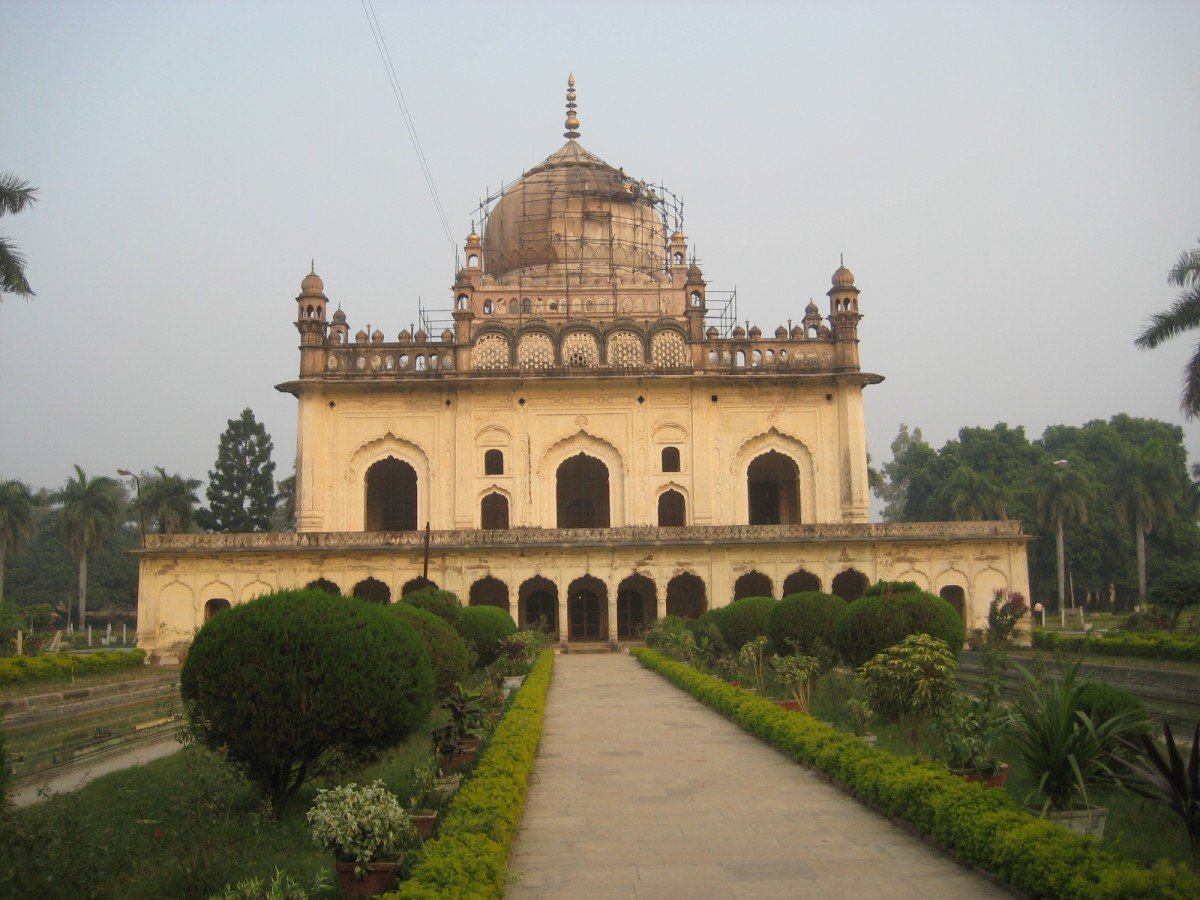
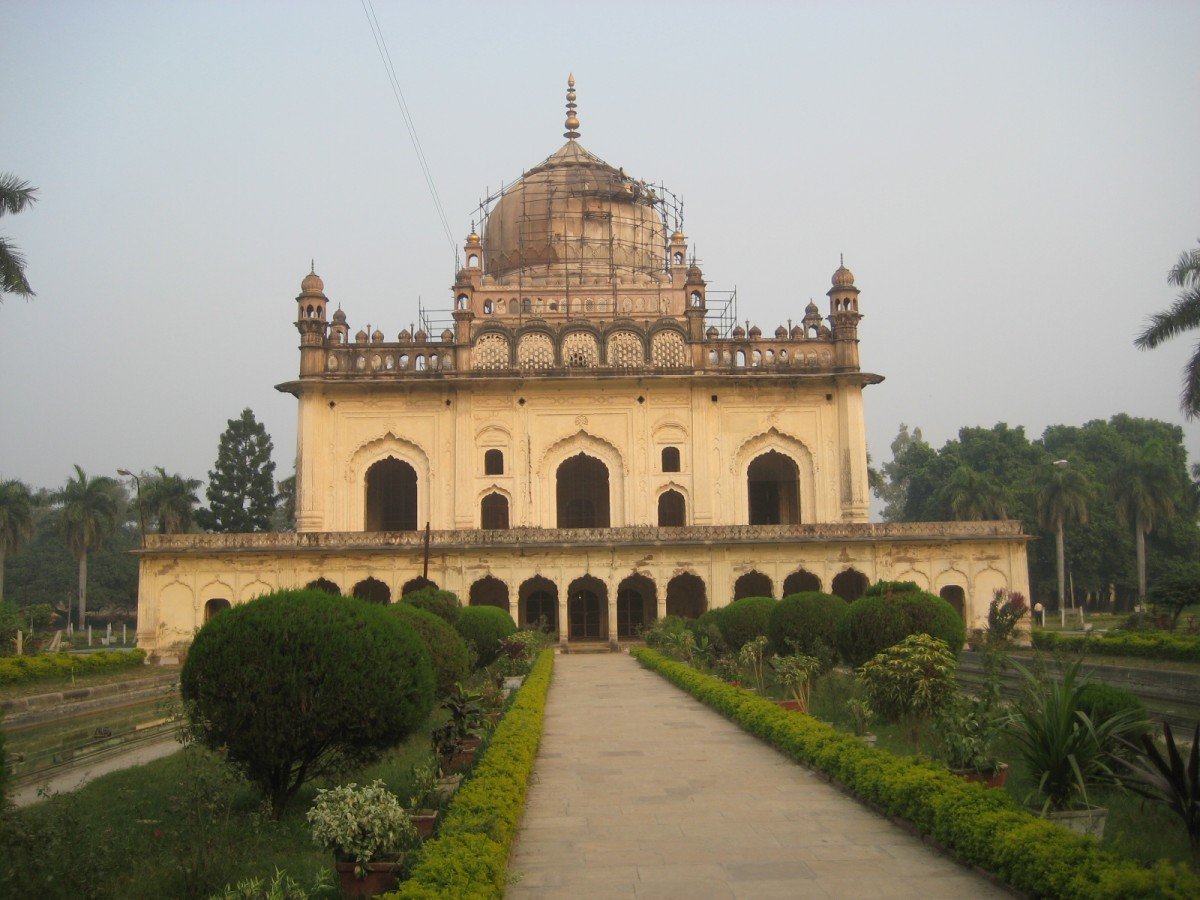
Gulab Bari
General information
-
Ideal Duration:
1-2 hours Rs.Rs.Place Type:
Historical Monument, Mausoleum, GardenEntry Fees:
Minimal/No Entry Fee: Entry to the Gulab Bari complex is often Minimal (a few rupees) or Free for all visitors, subject to any small local government maintenance fee;
No Fee for Photography: Personal photography is generally Free of charge, ...Minimal/No Entry Fee: Entry to the Gulab Bari complex is often Minimal (a few rupees) or Free for all visitors, subject to any small local government maintenance fee;
No Fee for Photography: Personal photography is generally Free of charge, though any commercial shooting would require a special permit and a fee;
Parking Charges: A small, standard fee is usually charged for parking private vehicles, which contributes to the complex's facility and security maintenance;
Donation: There are no religious rituals requiring a donation, but a contribution towards the maintenance of the historical gardens is always appreciated.Timing:
Regular Timings: The site is open daily, usually from 6:00 AM to 8:00 PM (with some sources suggesting a narrower range of 4:00 AM to 7:00 PM for the garden), giving ample time for an evening visit;
Ideal Visit Time (Morning/Evening): The ea...Regular Timings: The site is open daily, usually from 6:00 AM to 8:00 PM (with some sources suggesting a narrower range of 4:00 AM to 7:00 PM for the garden), giving ample time for an evening visit;
Ideal Visit Time (Morning/Evening): The early morning (around 6:00 AM) is ideal for experiencing the garden in its coolest, most peaceful state and for a beautiful sunrise shot, while the late evening provides a serene and cool ambiance;
Best Season: The period from October to March (Winter and late Autumn) is the Best Season for a visit, offering comfortable weather for long walks in the garden, avoiding the extreme heat of Summer;
Suggested Duration: A visit of approximately 1 to 2 hours is sufficient to walk the gardens, examine the architecture, and reflect on the history.Special Events:
Faizabad Heritage Week: Any localized cultural week or festival organized by the local government or tourism board that specifically focuses on the heritage of Faizabad and the Nawabs of Awadh would be a special time;
Urs (Death Anniversary) of ...Faizabad Heritage Week: Any localized cultural week or festival organized by the local government or tourism board that specifically focuses on the heritage of Faizabad and the Nawabs of Awadh would be a special time;
Urs (Death Anniversary) of the Nawab: While primarily a private, religious observance, the annual Urs of Nawab Shuja-ud-Daula would be a unique day to witness traditional prayers and customs specific to the site;
Rose Festival: If the local horticulture department organizes an annual Rose Festival in the area, it would be an ideal time to see the "Garden of Roses" in its historical glory, although this is not always a fixed event;
State Tourism Events: Special events organized by the Uttar Pradesh Tourism Department, such as light-and-sound shows, to promote the historical monument.Best Photo Spots:
The Grand Entrance and Twin-Fish Motif: A focused shot of the massive, carved wooden entrance gate, especially the close-up of the twin-fish motif (emblem of Awadh), symbolizing royal power;
Symmetry of the Charbagh: Wide-angle shots capturi...The Grand Entrance and Twin-Fish Motif: A focused shot of the massive, carved wooden entrance gate, especially the close-up of the twin-fish motif (emblem of Awadh), symbolizing royal power;
Symmetry of the Charbagh: Wide-angle shots capturing the perfect symmetry of the Charbagh garden layout, including the pathways and water channels leading to the central tomb;
The Tomb Structure: A majestic shot of the main mausoleum building, focusing on its dome and solid architecture, best captured in the early morning light to highlight the stone;
Reflection in Water Channels: If the water channels are operational and filled, a shot capturing the reflection of the tomb structure in the shallow water, adding an element of stillness and beauty;
The Palm Tree Pathways: Photos capturing the pathways covered by the big Palm trees mentioned near the entrance, creating a classic, royal-avenue feel;
Sunset Silhouette: Capturing the silhouette of the tomb and the high gateway against the warm colors of the setting sun, emphasizing the monument's grand scale.Photo Gallery
Things To Do
-
Stroll through the Charbagh Gardens: Walk leisurely through the remnants of the symmetrical, historical Charbagh garden, appreciating the layout, the pathways, and the occasional presence of rose varieties;
Architectural Observation: Examine the unique blend of Mughal and Awadhi architectural styles, focusing on the grand entrance gate and the intricate carvings of the royal twin-fish motif;
Reflection on Nawabi History: Spend time at the main mausoleum, reflecting on the historical significance of Nawab Shuja-ud-Daula and the golden age of Faizabad as the capital of Awadh;
Photography Session: Capture the grandeur of the imposing gateway, the tranquility of the garden, and the main tomb structure, looking for shots that highlight the symmetrical arrangement of t...Stroll through the Charbagh Gardens: Walk leisurely through the remnants of the symmetrical, historical Charbagh garden, appreciating the layout, the pathways, and the occasional presence of rose varieties;
Architectural Observation: Examine the unique blend of Mughal and Awadhi architectural styles, focusing on the grand entrance gate and the intricate carvings of the royal twin-fish motif;
Reflection on Nawabi History: Spend time at the main mausoleum, reflecting on the historical significance of Nawab Shuja-ud-Daula and the golden age of Faizabad as the capital of Awadh;
Photography Session: Capture the grandeur of the imposing gateway, the tranquility of the garden, and the main tomb structure, looking for shots that highlight the symmetrical arrangement of the complex;
Look for the Tunnel/Baoli: Search for or inquire about the existence of the rumored step-well or the start of the secret tunnel, engaging in the historical mystery that surrounds the site;
Visit the Mosque: The complex often includes a small mosque or prayer area; visit this space to appreciate the religious dimension of the Nawabi court and for a moment of peace;
Combine with Bahu Begum ka Maqbara: As they are historically linked and close in proximity, combine the visit with Bahu Begum ka Maqbara (his wife's tomb) to create a comprehensive historical itinerary of the Awadh ruling family.
Information
-
Why Famous:
Tomb of Nawab Shuja-ud-Daula: It is famously known as the majestic mausoleum of Nawab Shuja-ud-Daula, a significant historical figure and the third Nawab of Awadh, marking it as a key historical site of the Nawabi era;
Garden of Roses: The c...Tomb of Nawab Shuja-ud-Daula: It is famously known as the majestic mausoleum of Nawab Shuja-ud-Daula, a significant historical figure and the third Nawab of Awadh, marking it as a key historical site of the Nawabi era;
Garden of Roses: The complex is renowned for its beautiful, sprawling Charbagh garden, which gave it the name Gulab Bari ("Garden of Roses") and historically showcased a large collection of diverse rose varieties and water features;
Awadhi Architectural Landmark: It stands as a prime example of Awadhi architecture, particularly for its imposing, intricately carved entrance gate featuring the royal twin-fish motif and the overall symmetrical layout of the complex;
The Legend of the Tunnel: The site's fame is also augmented by the local rumor of a hidden, secret tunnel connecting it to a Baoli (step-well) in Lucknow, a fascinating piece of historical folklore that adds an air of mystery. -
Architecture:
Charbagh Garden Layout: The mausoleum is set within a massive, formal Charbagh (four-part Persian garden) layout, defined by symmetrical pathways, water channels, and flower beds, focusing on order and aesthetic pleasure;
Mughal and Awadhi Fusio...Charbagh Garden Layout: The mausoleum is set within a massive, formal Charbagh (four-part Persian garden) layout, defined by symmetrical pathways, water channels, and flower beds, focusing on order and aesthetic pleasure;
Mughal and Awadhi Fusion: The tomb structure blends the solid, symmetrical lines of Mughal architecture with decorative elements specific to the Awadhi style, notably the huge entrance gate and the twin-fish motif carvings;
Dimension of the Gateway: The entrance is imposing, featuring a massive, expertly carved wooden gate that bears the distinctive Awadhi twin-fish motif (emblem of the Awadh royalty), indicating the structure's royal significance;
Internal Structure and Tomb: The tomb proper is located centrally, under a solid dome structure, with the main grave on the inaccessible ground floor; a now-restricted staircase once allowed access to the top for a broader view;
Water Features: Historically, the garden was characterized by water fountains and shallow channels that segmented the Charbagh, enhancing the garden's visual and cooling effects. -
How To Reach:
By Air: The nearest major airport is Lucknow International Airport (LKO) (approx. 152 kms); take a taxi or bus from there; the local Ayodhya International Airport is a closer option;
By Train: Faizabad Junction (FD) and Ayodhya Junction (...By Air: The nearest major airport is Lucknow International Airport (LKO) (approx. 152 kms); take a taxi or bus from there; the local Ayodhya International Airport is a closer option;
By Train: Faizabad Junction (FD) and Ayodhya Junction (AY) are the main railway stations, both well-connected; the site is easily reachable from the stations by local transport;
By Road: Gulab Bari is located near the NH 330 and is well-connected by road, with frequent bus services from major cities; local taxis and auto-rickshaws know the landmark well due to its prominence in the Faizabad area;
By Local Transport: Within Ayodhya (Faizabad), you can hire an auto-rickshaw or cycle-rickshaw, as it's a very prominent and easily accessible historical landmark, known to all local drivers. -
Weather and Best Time to Visit:
Best Season (Winter & Autumn): October to March is the optimal period for enjoying the gardens and the complex in cool, pleasant weather, which is essential for outdoor exploration;
Avoid Summer Mid-day: The heat from April to June can be ve...Best Season (Winter & Autumn): October to March is the optimal period for enjoying the gardens and the complex in cool, pleasant weather, which is essential for outdoor exploration;
Avoid Summer Mid-day: The heat from April to June can be very intense, making midday visits to the open garden taxing; hence, visits should be limited to early mornings or late evenings;
Ideal Part of the Day (Sunrise & Sunset): The early morning provides the best light for the "Garden of Roses" and a fresh start, while the sunset offers a beautiful, peaceful ambiance for reflection and photography;
Rose Bloom Time: If your primary interest is the "Roses," inquire about the peak blooming time (often late Winter or early Spring) for a truly authentic experience of the garden. -
Near Tourist Places:
Bahu Begum ka Maqbara (1. 5 kms), Faizabad Museum (2 kms), Moti Mahal (2. 5 kms), Shringi Rishi Ashram (approx. 5 kms), Guptar Ghat (approx. 8 kms), Lata Mangeshkar Chowk (approx. 6 kms), Dashrath Mahal (approx. 6 kms), Hanuman Garhi (approx. 7 kms), Ram Katha Park (approx. 6 kms), Saryu Ghat (approx. 7 kms).
Tourism Tips
-
Health & Safety: Wear comfortable walking shoes, carry a water bottle (especially on warm days), and be mindful of your personal belongings in the open park area;
Packing Essentials: Bring your camera for the beautiful garden and architectur...Health & Safety: Wear comfortable walking shoes, carry a water bottle (especially on warm days), and be mindful of your personal belongings in the open park area;
Packing Essentials: Bring your camera for the beautiful garden and architectural shots, and a hat or sunglasses, as the garden is an open area with limited shade;
Respect & Conduct: Maintain the cleanliness and sanctity of the historical monument; do not climb on restricted areas (like the former staircase to the top of the tomb);
Accommodation: The monument is located in the Faizabad area, which has various accommodation options, but book in advance during peak tourism season;
Guided Tour: Consider a local guide to learn about the Awadhi architectural details, the history of the Nawab, and the intriguing legend of the secret tunnel.
Reviews
FAQs
Ayodhya Itineray And Cost:-
Other Places In Ayodhya :-
Other States In India :-
Information about New and Updated Locations() of Uttar Pradesh Has Been Added :-
Card subtitle
Note:-
Information provided here in good Faith and for reference only.
Near Places
Bahu Begum ka Maqbara
Some quick example text to build on the card title and make up the bulk of the card's content.
Go somewhere
Brahma Kund Gurudwara
Some quick example text to build on the card title and make up the bulk of the card's content.
Go somewhere
Chhoti Devkali Temple
Some quick example text to build on the card title and make up the bulk of the card's content.
Go somewhere
Dashrath Bhavan
Some quick example text to build on the card title and make up the bulk of the card's content.
Go somewhere
Gulab Bari
Some quick example text to build on the card title and make up the bulk of the card's content.
Go somewhere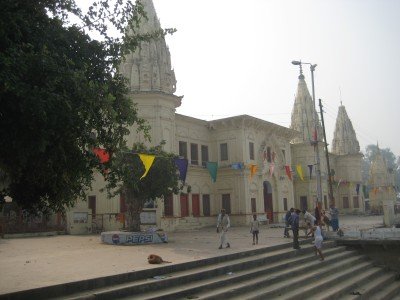
Guptar Ghat
Some quick example text to build on the card title and make up the bulk of the card's content.
Go somewhere
Hanuman Garhi
Some quick example text to build on the card title and make up the bulk of the card's content.
Go somewhere
Jain Shwetamber Temple
Some quick example text to build on the card title and make up the bulk of the card's content.
Go somewhere
Kanak Bhawan
Some quick example text to build on the card title and make up the bulk of the card's content.
Go somewhere
Lata Mangeshkar Chowk
Some quick example text to build on the card title and make up the bulk of the card's content.
Go somewhere
Mani Parbat
Some quick example text to build on the card title and make up the bulk of the card's content.
Go somewhere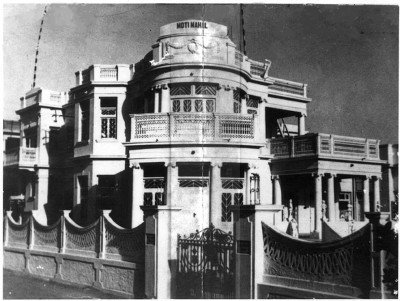
Moti Mahal
Some quick example text to build on the card title and make up the bulk of the card's content.
Go somewhere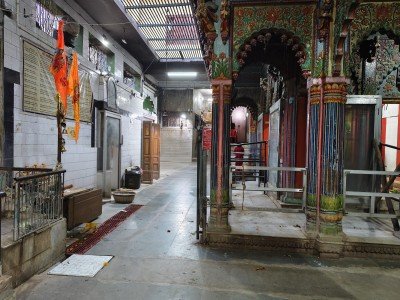
Nageshwarnath Temple
Some quick example text to build on the card title and make up the bulk of the card's content.
Go somewhere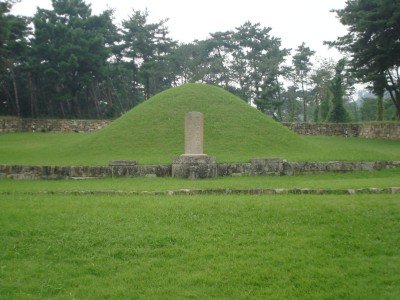
Queen Huh Memorial Park
Some quick example text to build on the card title and make up the bulk of the card's content.
Go somewhere
Raja Dasharath Samadhi Sthal
Some quick example text to build on the card title and make up the bulk of the card's content.
Go somewhere
Ram Janmabhoomi Temple
Some quick example text to build on the card title and make up the bulk of the card's content.
Go somewherein Other Cities