Jama Masjid
General information
-
Ideal Duration:
1 to 1.
5 Hours:Place Type:
Religious Place/Mosque:Entry Fees:
Entry Fee: Entry for all visitors to the Jama Masjid complex is Free, as it is an active place of worship, welcoming everyone.
Photography Fee: There is No fee for regular photography, but professional or commercial photography, or the use o...Entry Fee: Entry for all visitors to the Jama Masjid complex is Free, as it is an active place of worship, welcoming everyone.
Photography Fee: There is No fee for regular photography, but professional or commercial photography, or the use of heavy equipment, might require prior permission from the local mosque committee.
Dress Code Enforcement: The only "cost" is adhering to the strict dress code: women must wear modest, loose-fitting clothing and cover their heads; men should wear trousers and a shirt. Failure to comply may lead to refusal of entry or the mandatory borrowing of a wrap (Rs. 10 - 20 rental fee).
Donations: Voluntary cash donations are expected and appreciated for the maintenance of the mosque and its charitable activities, with designated donation boxes placed discreetly within the premises.Timing:
Regular Timings: Open from approximately 4:30 AM (for Fajr prayer) to 9:00 PM (after Isha prayer) daily, though tourists are advised to visit during non-prayer hours.
Ideal Visit Time: The best time for a tourist visit is between 9:00 AM and...Regular Timings: Open from approximately 4:30 AM (for Fajr prayer) to 9:00 PM (after Isha prayer) daily, though tourists are advised to visit during non-prayer hours.
Ideal Visit Time: The best time for a tourist visit is between 9:00 AM and 11:00 AM or between 3:00 PM and 4:00 PM, as these hours fall between the main prayer sessions and the peak crowds.
Avoidance Times: Tourists should strictly avoid the five daily prayer times (especially Jumma prayer around noon on Friday) and the very early morning hours, which are reserved solely for worship.
Ramadan Timing: During Ramadan, the atmosphere is spiritual, but tourists must be extra mindful of the fasting community, and prayer times will be the busiest.Special Events:
Eid Prayers (Eid-ul-Fitr and Eid-ul-Adha): The most spectacular events are the massive, early morning prayer congregations for Eid, where the courtyard overflows with thousands of worshippers, creating a powerful, moving spectacle of faith and community.
Read MoreEid Prayers (Eid-ul-Fitr and Eid-ul-Adha): The most spectacular events are the massive, early morning prayer congregations for Eid, where the courtyard overflows with thousands of worshippers, creating a powerful, moving spectacle of faith and community.
Ramadan Activities: Throughout the holy month of Ramadan, the mosque hosts special late-night prayers (Tarawih) and communal breaking of the fast (Iftar), serving as a spiritual anchor for the town.
Milad un-Nabi: The celebration of the Prophet Muhammad's birthday, which involves processions and gatherings at the mosque for sermons and communal meals, is a key annual event.Best Photo Spots:
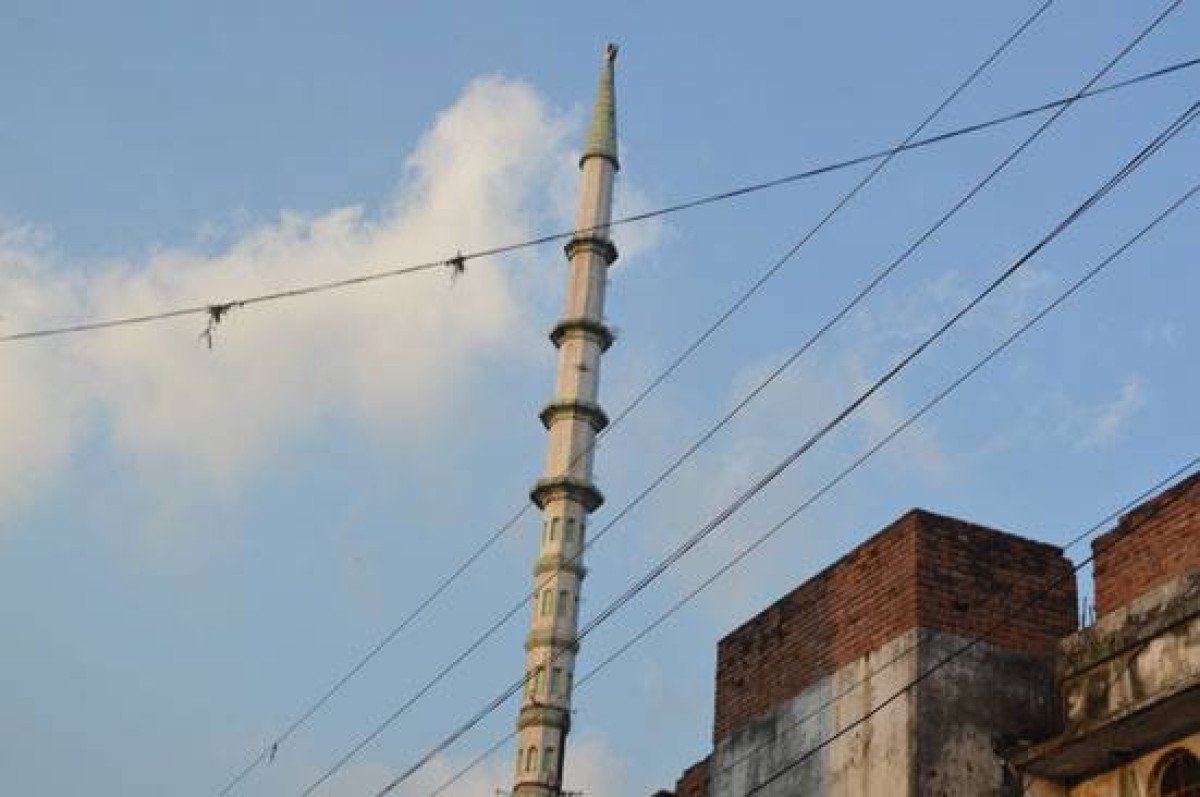
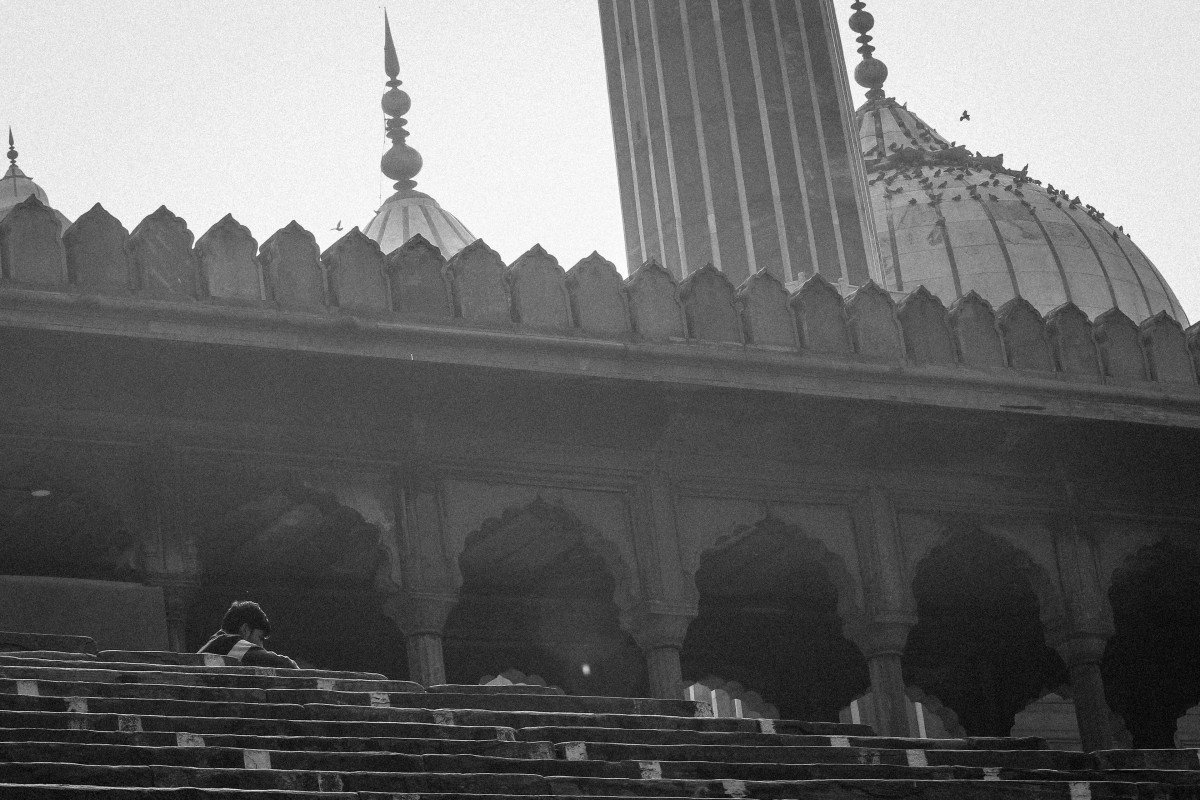
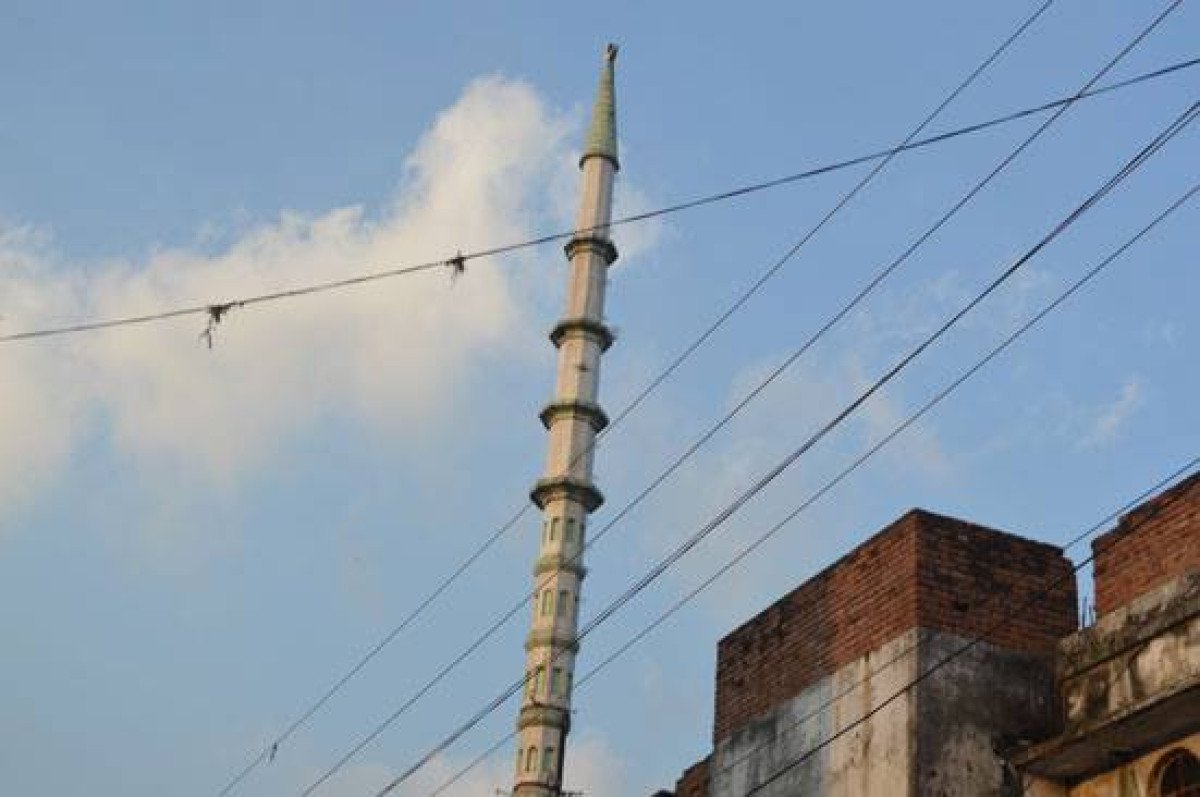
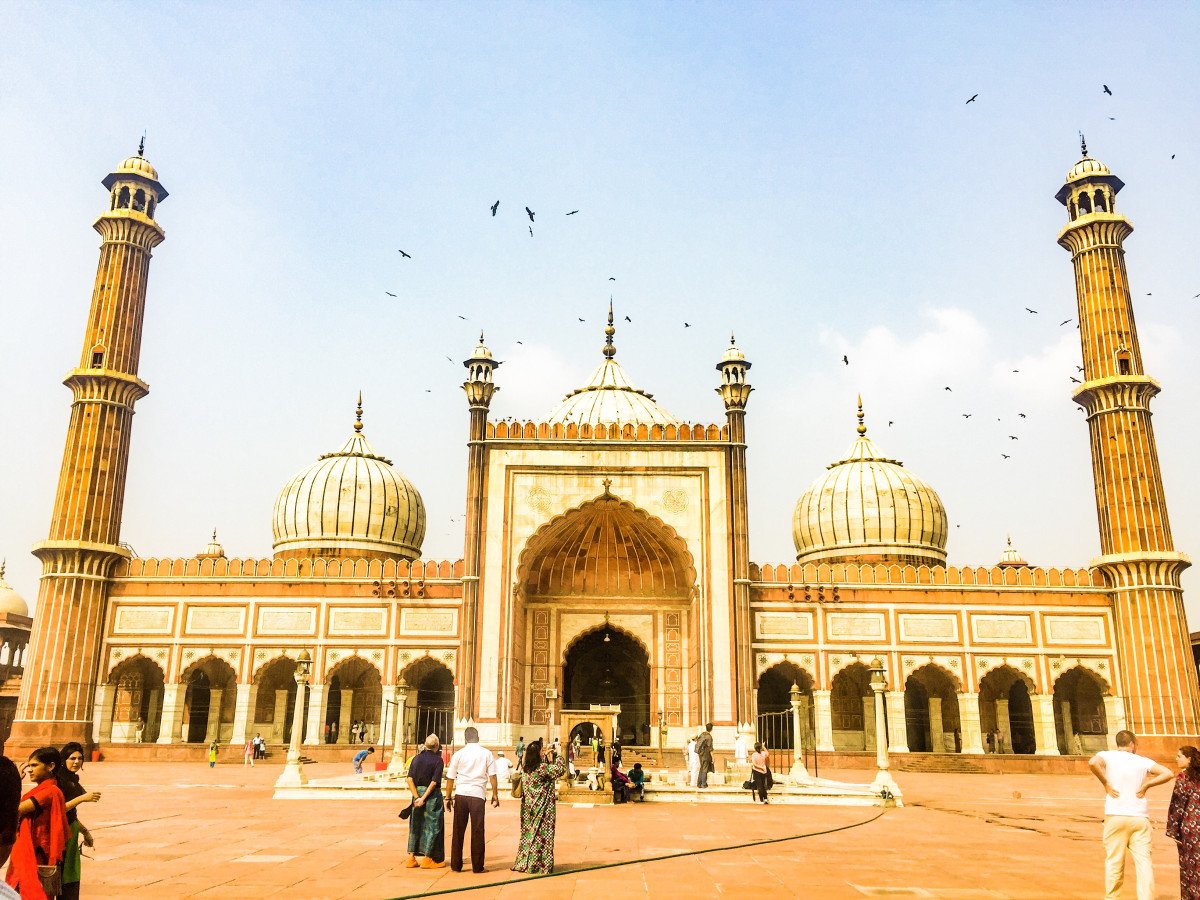
The Minaret Tops: A tight shot from the courtyard base looking straight up, capturing the detailed tops of the two minarets framed by the sky, emphasizing the height and intricate decorative work.
The Arched Entrance: Photographing the main ...The Minaret Tops: A tight shot from the courtyard base looking straight up, capturing the detailed tops of the two minarets framed by the sky, emphasizing the height and intricate decorative work.
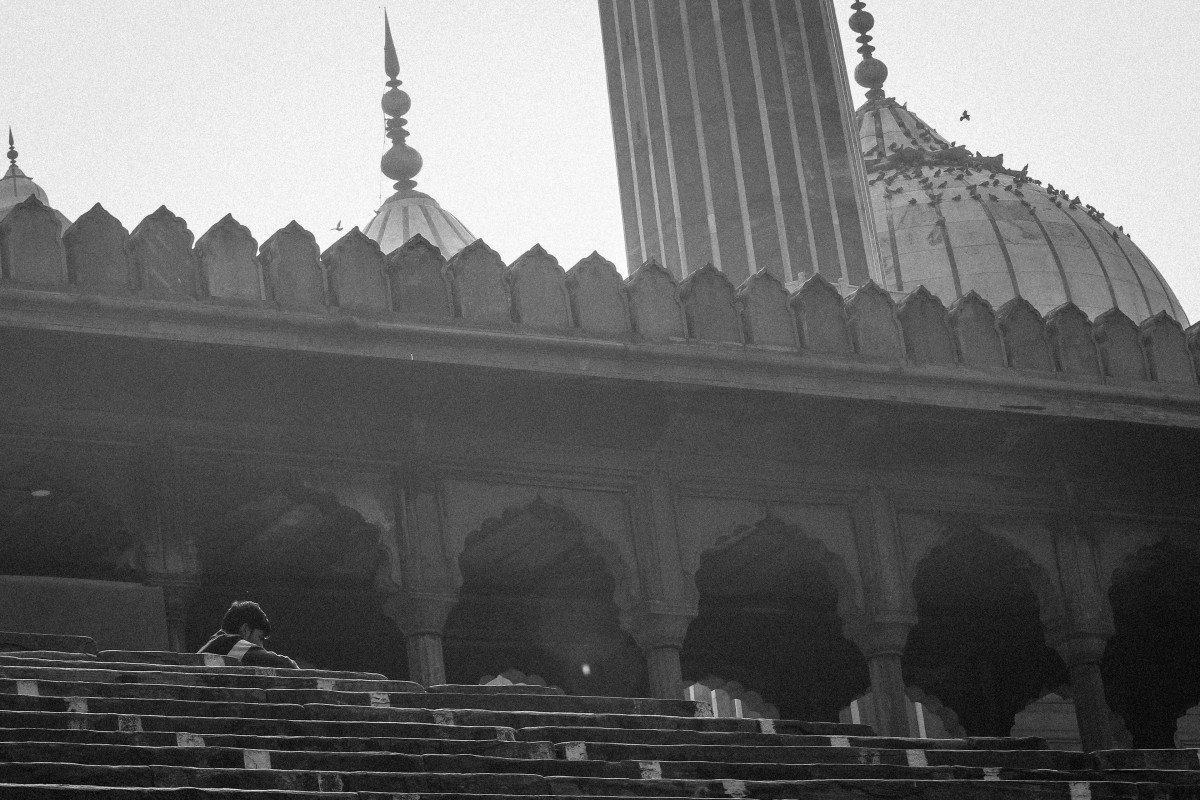
The Arched Entrance: Photographing the main arched entrance during the Golden Hour (early morning or late afternoon), with the interior dimly lit, provides a sense of depth and architectural majesty.
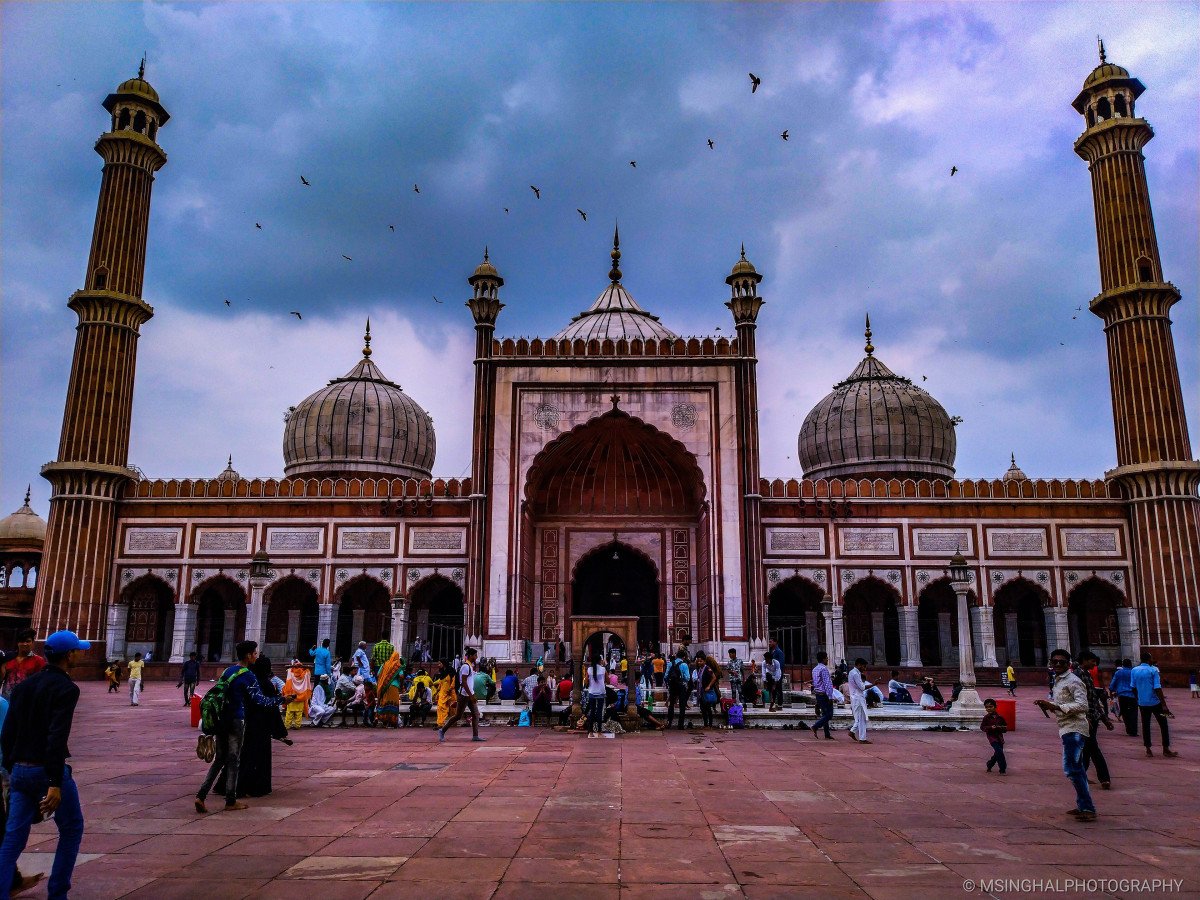
The Empty Courtyard: The vast expanse of the courtyard, preferably captured on a weekday morning when it is empty, allows the photographer to emphasize the mosque's scale and the architectural patterns of the flooring.
The Jali Windows: Close-ups of any surviving decorative Jali (lattice screen) windows or panels, highlighting the geometric artistry and the way they filter light into the mosque's interior.Photo Gallery
Things To Do
-
Attending Jumma Prayer (Observation Only): Tourists can respectfully observe the powerful communal gathering for the Jumma (Friday) prayer from a distance (non-Muslims typically observe from the courtyard edges, maintaining distance and silence).
Prayer and Reflection: For Muslim visitors, offering the five daily prayers in the main prayer hall is the central activity, benefiting from the mosque's blessed atmosphere.
Architectural Photography: Focus on capturing the geometric symmetry of the arches, the high walls, and the elegance of the minarets, ensuring to capture the grandeur while the courtyard is empty for a clear shot.
Community Interaction: On days other than Friday, respectfully engage with the mosque's caretakers or worshippers to learn about the histo...Attending Jumma Prayer (Observation Only): Tourists can respectfully observe the powerful communal gathering for the Jumma (Friday) prayer from a distance (non-Muslims typically observe from the courtyard edges, maintaining distance and silence).
Prayer and Reflection: For Muslim visitors, offering the five daily prayers in the main prayer hall is the central activity, benefiting from the mosque's blessed atmosphere.
Architectural Photography: Focus on capturing the geometric symmetry of the arches, the high walls, and the elegance of the minarets, ensuring to capture the grandeur while the courtyard is empty for a clear shot.
Community Interaction: On days other than Friday, respectfully engage with the mosque's caretakers or worshippers to learn about the history of the mosque and the practices of the local community, promoting cultural exchange.
Observing Ablution: Watch the ritual of Wudu (ablution) performed at the designated area, which is a fascinating and important part of the Islamic prayer process, showcasing the focus on purity.
Walking the Perimeter: Take a slow walk around the outside of the complex to appreciate the sheer scale of the building and its integration into the surrounding city landscape and street life.
Experiencing the Azaan: Stand in the courtyard when the Azaan (Call to Prayer) is delivered, a beautiful auditory experience that marks the rhythm of the day in a Muslim community.
Information
-
Why Famous:
Central Place of Worship: Its fame stems from its status as the 'Jama' or primary Friday congregational mosque in Araria, drawing the largest weekly gathering and setting the rhythm of religious life in the town.
Architectural Landmark: With...Central Place of Worship: Its fame stems from its status as the 'Jama' or primary Friday congregational mosque in Araria, drawing the largest weekly gathering and setting the rhythm of religious life in the town.
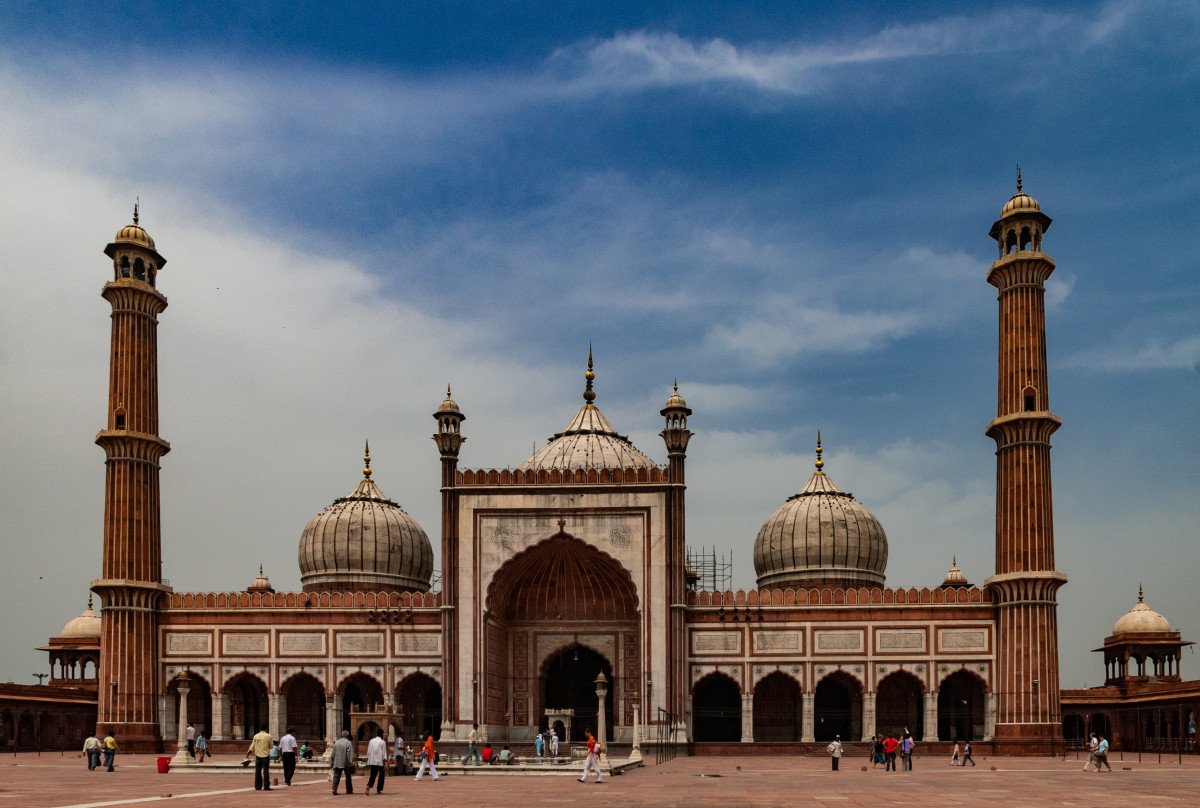
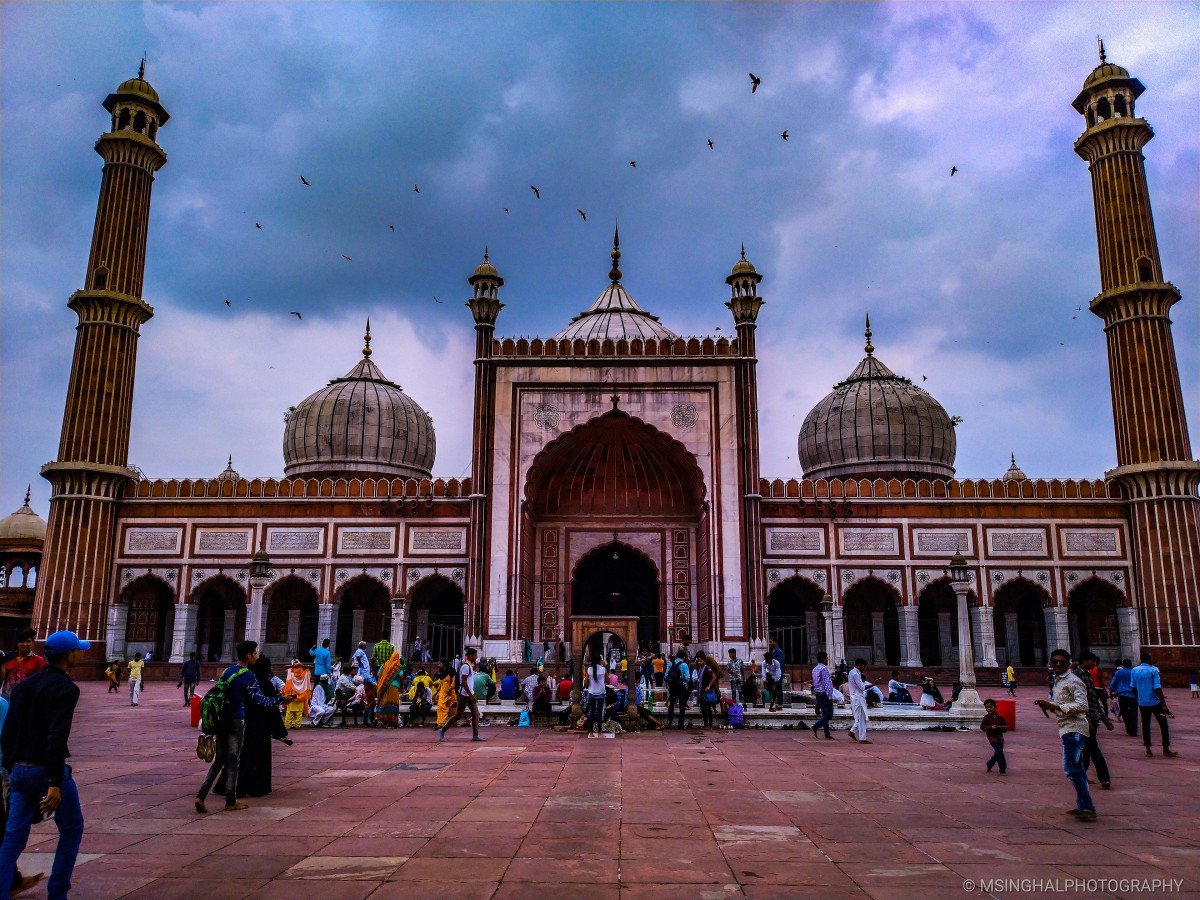
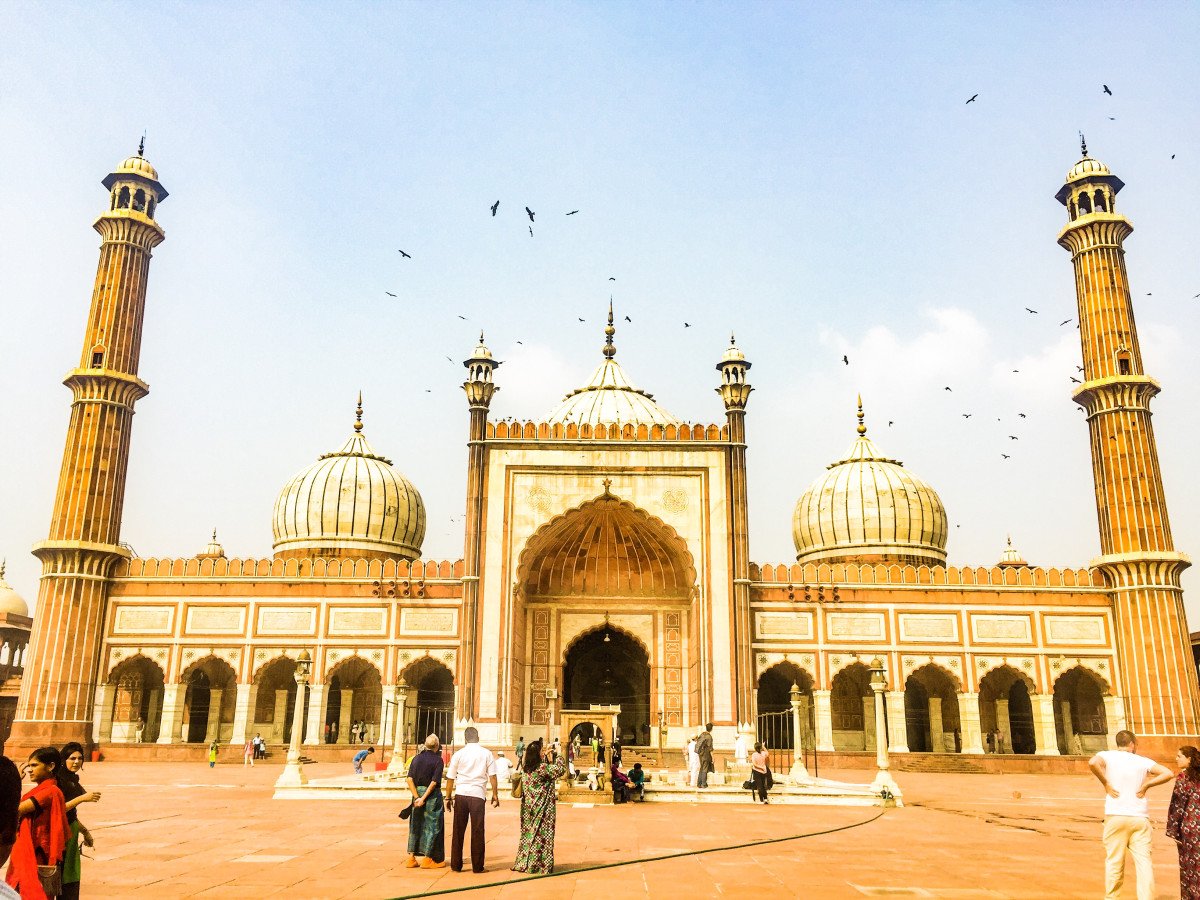
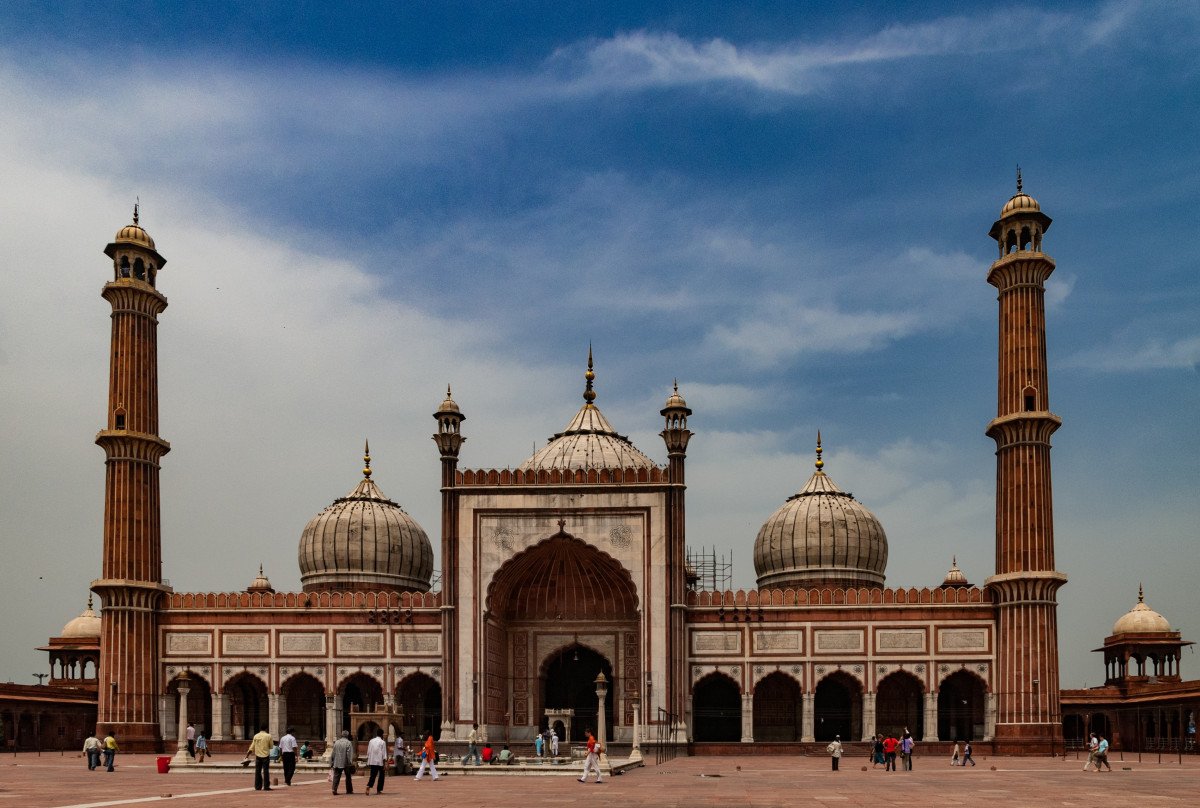
Architectural Landmark: With its prominent dome and towering minarets, the mosque is a distinctive landmark that is easily recognizable and often photographed, symbolizing the religious diversity of Araria.
Eidal Gatherings: The mosque becomes the focal point for the massive, joyous communal prayers and gatherings during Eid-ul-Fitr and Eid-ul-Adha, which are landmark annual events in the city's social calendar, attracting thousands. -
Architecture:
Evolved Indo-Islamic Style: The architecture of Araria's Jama Masjid is a functional and beautiful example of the regional Indo-Islamic style, characterized by a central prayer hall, a large courtyard, and traditional domes and minarets.
Dimensi...Evolved Indo-Islamic Style: The architecture of Araria's Jama Masjid is a functional and beautiful example of the regional Indo-Islamic style, characterized by a central prayer hall, a large courtyard, and traditional domes and minarets.
Dimension: The prayer hall is substantial, possibly measuring around 60 feet in length and 40 feet in width, and the expansive courtyard can easily cover an area of 150 feet by 100 feet, providing ample space for up to 5,000 worshippers during Jumma or Eid. The main Minarets could reach a height of approximately 60 to 70 feet.
Materials and Finishes: Construction typically uses local materials like fired brick, cement, and concrete, often finished with a white lime plaster to reflect heat. Decorative elements might incorporate simple, geometric lattice work (Jali) and green accents, a color traditionally associated with Islam.
Key Features: The structure is defined by its series of graceful arches leading into the prayer hall, a central Mihrab (niche indicating the direction of Mecca), and a prominent central Dome, flanked by two tall minarets. The simplicity of the structure reflects a focus on utility for the large congregation. -
How To Reach:
By Air: Bagdogra Airport (IXB) (160 KMS) is the nearest airport, requiring a taxi or bus to cover the remaining distance to Araria city center.
By Train: The mosque is located close to the city center and is only a short Auto-rickshaw ride (...By Air: Bagdogra Airport (IXB) (160 KMS) is the nearest airport, requiring a taxi or bus to cover the remaining distance to Araria city center.
By Train: The mosque is located close to the city center and is only a short Auto-rickshaw ride (approx. 15 minutes) from Araria Court Railway Station (ARQ) or Araria RS (ARR).
By Road: Easily accessible from the Araria Bus Stand via local transport. Araria is connected to major routes like NH 57.
By Local Transport: Take a local Auto-rickshaw or Cycle-Rickshaw directly to the Sadar Hospital Road, which is a well-known landmark, making navigation simple. -
Weather and Best Time to Visit:
Different Types of Seasons: Winter (October to March) is the preferred season due to cool and dry weather, making it comfortable to walk barefoot in the courtyard. Summer is extremely hot, and the stone surfaces are unbearable.
Different Parts ...Different Types of Seasons: Winter (October to March) is the preferred season due to cool and dry weather, making it comfortable to walk barefoot in the courtyard. Summer is extremely hot, and the stone surfaces are unbearable.
Different Parts of the Day: Mid-morning or Mid-afternoon offers the best lighting for architectural viewing and is relatively less crowded than the early morning or evening. -
Near Tourist Places:
1.
Badi Dargah (1 KMS): 2.
Kali Mandir (Araria) (4 KMS): 3.
Thakurbari Shiva Mandir (4 KMS): 4.
Mahadev Chowk (4 KMS): 5. Araria Fort (R.
Area) (5 KMS): 6.
Raniganj Vriksh Vatika (35 KMS): 7.
Jogbani (Nepal Border) (35 KMS): 8.
Simanchal Academy (4 KMS): 9.
Purnea City (75 KMS): 10. Kishanganj (85 KMS).
Tourism Tips
-
Health & Safety: Remove shoes at the entrance and carry them in a bag or leave them at the designated shoe stand. Wash your hands before entering the prayer hall.
Packing: Modest dress is essential (long sleeves, covered legs). Women must ...Health & Safety: Remove shoes at the entrance and carry them in a bag or leave them at the designated shoe stand. Wash your hands before entering the prayer hall.
Packing: Modest dress is essential (long sleeves, covered legs). Women must cover their heads. Do not carry food or drink inside the main premises.
Accommodation: Stay in a central Araria hotel, which offers easy access to the mosque and other local points of interest.
Other Different Topics: Maintain silence and decorum inside the mosque. Do not walk in front of a person who is praying (Namaz). Do not interrupt a religious activity for a photograph. Always be polite to the security and local community.
Reviews
FAQs
Araria Itineray And Cost:-
Information about New and Updated Locations() of Bihar Has Been Added :-
Card subtitle
Note:-
Information provided here in good Faith and for reference only.
All information and pictures will be updated soon, please keep visiting.
Near Places
Araria Fort
Some quick example text to build on the card title and make up the bulk of the card's content.
Go somewhere
Badi Dargah
Some quick example text to build on the card title and make up the bulk of the card's content.
Go somewhere
Bio-Diversity Park
Some quick example text to build on the card title and make up the bulk of the card's content.
Go somewhere
Fanishwar Nath Renu Jungle
Some quick example text to build on the card title and make up the bulk of the card's content.
Go somewhere
Forbesganj Mela Ground
Some quick example text to build on the card title and make up the bulk of the card's content.
Go somewhere
Jama Masjid
Some quick example text to build on the card title and make up the bulk of the card's content.
Go somewhere
Jogbani
Some quick example text to build on the card title and make up the bulk of the card's content.
Go somewhere
Jokihat Mosque
Some quick example text to build on the card title and make up the bulk of the card's content.
Go somewhere
Kali Mandir
Some quick example text to build on the card title and make up the bulk of the card's content.
Go somewhere
Maata Aasawar Mandir
Some quick example text to build on the card title and make up the bulk of the card's content.
Go somewherein Other Cities