Araria Fort
General information
-
Ideal Duration:
1.
5 to 2 Hours:Place Type:
Historical Site/Ruin:Entry Fees:
Site Access: Entry to the open ground or site where the ruins are located is Free for all visitors, as it is largely an unmarked, public historical area rather than a ticketed monument.
Guided Tour Costs: The main expense is often the volunt...Site Access: Entry to the open ground or site where the ruins are located is Free for all visitors, as it is largely an unmarked, public historical area rather than a ticketed monument.
Guided Tour Costs: The main expense is often the voluntary tip or a small fee (approx. Rs.100 - Rs.300) for a knowledgeable local guide who can accurately point out the original foundations and narrate the history of Mr. Forbes and the 'R. Area' lore, which is highly recommended for a meaningful visit.
Photography Fee: There is No official photography or videography fee, allowing visitors to freely document the historical landscape and its unique ambiance.
Donation Box: While no official donation box exists, a small contribution towards the maintenance of the local area's cleanliness, or a purchase from a local vendor, is encouraged to support the community.Timing:
Regular Timings: The site is an open historical area, accessible 24 hours a day, 7 days a week, though daylight hours are recommended for safety and clarity.
Ideal Visit Time: The Early Morning (between 6:00 AM and 9:00 AM) or Late Afternoon...Regular Timings: The site is an open historical area, accessible 24 hours a day, 7 days a week, though daylight hours are recommended for safety and clarity.
Ideal Visit Time: The Early Morning (between 6:00 AM and 9:00 AM) or Late Afternoon (between 4:00 PM and 6:00 PM) is ideal to avoid the intense Bihar heat, especially during Summer and Monsoon months, offering softer light for photography and a cooler, more pleasant environment for a historical walk.
Photography Window: The Golden Hour (just after sunrise or before sunset) provides the best atmospheric light to capture the 'ruin aesthetic,' emphasizing the texture and shadows of the remaining structure.
Security/Safety: Visits should be avoided after dark, as the area may not be well-lit or secured.Special Events:
Independence Day Observance: Although not a religious site, local community groups sometimes gather near the 'R. Area' to commemorate Independence Day (August 15) or Republic Day (January 26) due to its symbolic connection to the end of the British Raj.
Read MoreIndependence Day Observance: Although not a religious site, local community groups sometimes gather near the 'R. Area' to commemorate Independence Day (August 15) or Republic Day (January 26) due to its symbolic connection to the end of the British Raj.
Local Heritage Walks: On rare occasions, district administration or heritage enthusiasts organize Heritage Walks to explain the origins of Araria's name and the historical significance of the site, attracting local students and history lovers.
Renu Anniversary Events: Events celebrating the birth or death anniversary of author Phanishwar Nath Renu might include discussions or gatherings held near historical markers in Araria, implicitly including the 'R. Area' site.Best Photo Spots:
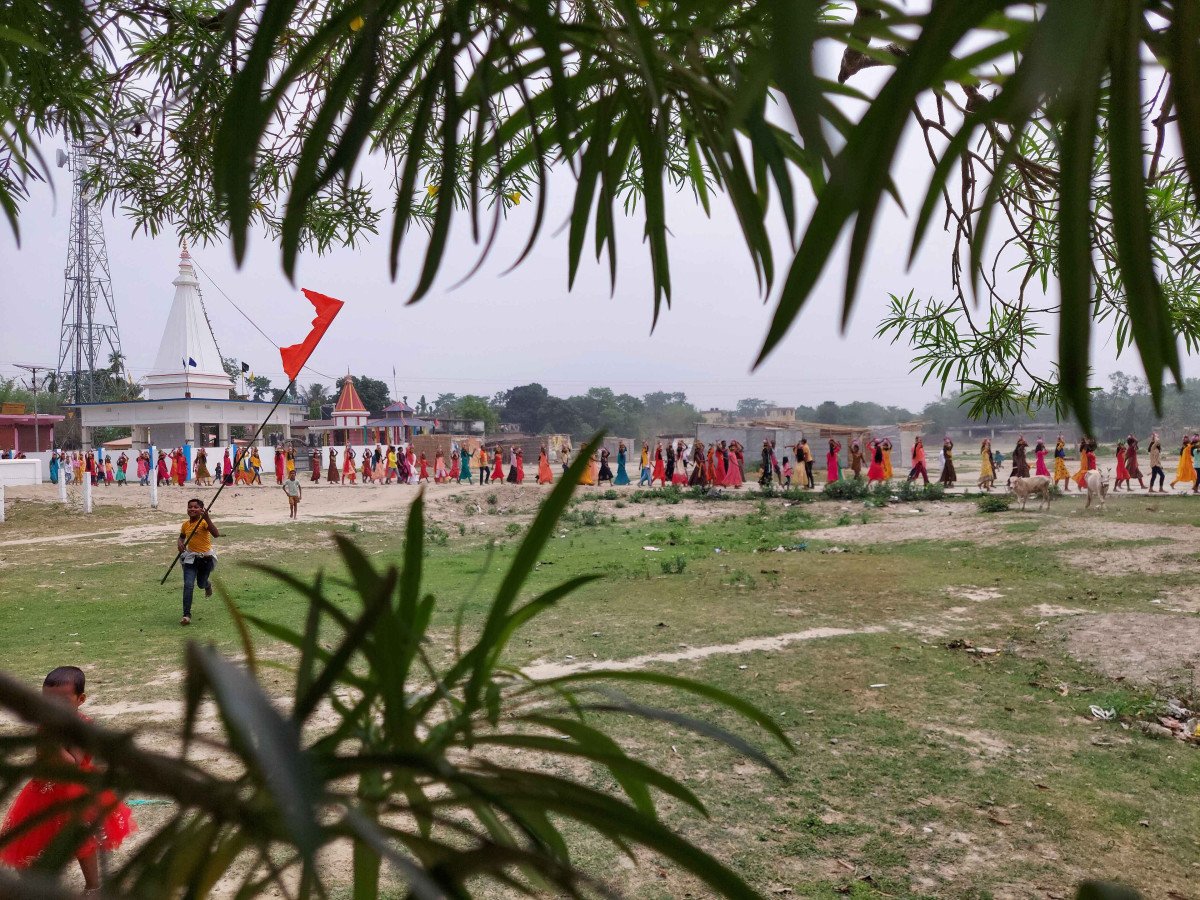
The Lone Archway: The best shot is often an isolated, surviving brick archway or a section of the main wall, framed against the sky or surrounded by vibrant greenery, symbolizing endurance and the juxtaposition of past and present.
The Name Plaq...The Lone Archway: The best shot is often an isolated, surviving brick archway or a section of the main wall, framed against the sky or surrounded by vibrant greenery, symbolizing endurance and the juxtaposition of past and present.
The Name Plaque Perspective: Capture a wide-angle shot that includes any local marker or plaque mentioning the 'R. Area' or Araria's origin story, connecting the physical ruin to the town's historical name.
Textural Close-ups: Use macro photography to capture the intricate details of the aged, weathered bricks and the crumbling mortar, highlighting the texture and decay that tells the story of the structure's age.
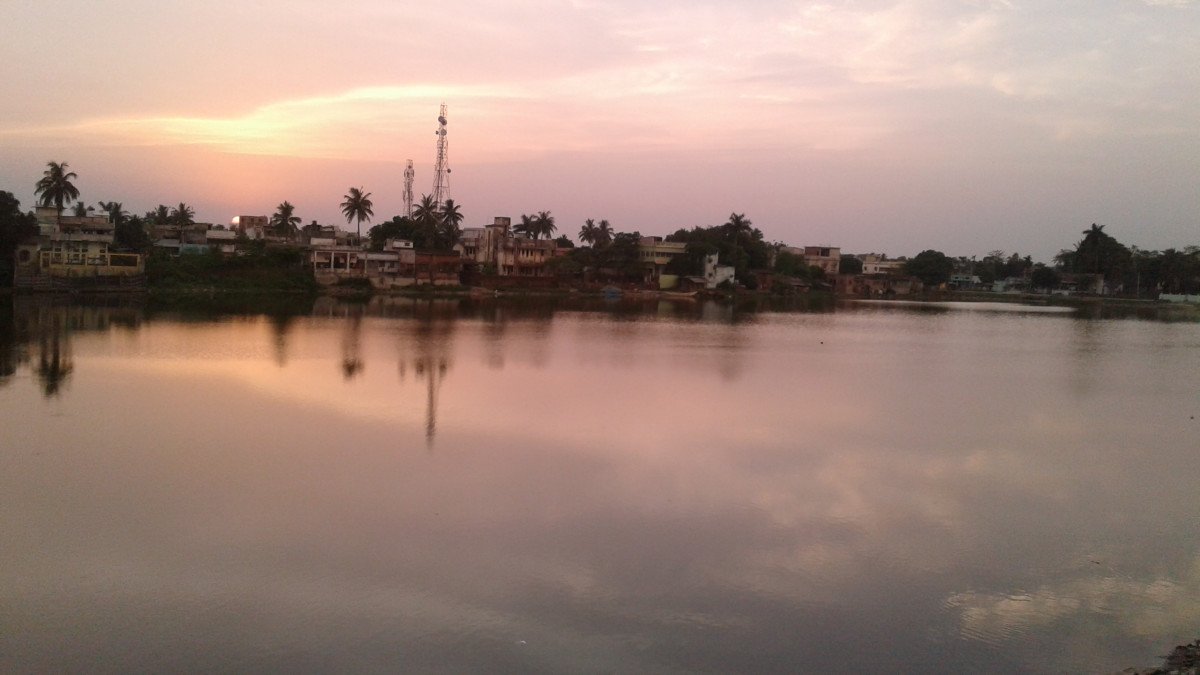
Panoramic View of the Locality: A wide shot from a slightly elevated point, capturing the ruins in the foreground with the surrounding modern town (or green fields) in the background, illustrating the historical transition of the area.Photo Gallery
Things To Do
-
Historical Walk and Reflection: Take a guided walk (local guide recommended) around the 'R. Area' to understand the layout of the old colonial settlement, reflecting on its role in shaping modern Araria, and spending time imagining the life and administrative activities that once thrived here, using the ruins as a prompt.
Architectural Sketching: Carry a sketchbook and pencils to draw the surviving structural elements, like walls or foundation outlines, focusing on the material decay and the interplay of nature reclaiming the structure, providing a unique artistic perspective of the ruins.
Engaging with Locals: Initiate conversations with long-time residents near the site to collect unwritten historical anecdotes, folklore, and local tales about the British period and the 'R. Area' designation,...Historical Walk and Reflection: Take a guided walk (local guide recommended) around the 'R. Area' to understand the layout of the old colonial settlement, reflecting on its role in shaping modern Araria, and spending time imagining the life and administrative activities that once thrived here, using the ruins as a prompt.
Architectural Sketching: Carry a sketchbook and pencils to draw the surviving structural elements, like walls or foundation outlines, focusing on the material decay and the interplay of nature reclaiming the structure, providing a unique artistic perspective of the ruins.
Engaging with Locals: Initiate conversations with long-time residents near the site to collect unwritten historical anecdotes, folklore, and local tales about the British period and the 'R. Area' designation, which is crucial for a complete historical picture.
Photography of Decay: Capture the 'ruin aesthetic,' focusing on the textures of aged brick, peeling plaster, and the vines that have taken root, creating compelling, atmospheric photographs that document the passage of time and the site's transformation.
Study of Local Flora: Observe the natural vegetation that has grown up around the ruins; many old colonial compounds were planted with specific trees, and identifying these can offer ecological insight into the past landscaping efforts.
Picnic and Quiet Reading: Although the site is a ruin, find a quiet, respectful spot nearby for a brief picnic or to read excerpts from the works of Phanishwar Nath Renu (like 'Maila Anchal'), connecting the literary landscape with the physical location.
Local Cuisine Exploration: After the historical visit, explore the nearby local markets for authentic Bihari and Mithila cuisine, such as Sattu preparations, Litti Chokha, or sweet delicacies like Khaja, to complete the cultural immersion experience.
Meditation on History: Use the quiet, reflective nature of the site for a moment of peace, contemplating the town's name origin and its historical importance as a boundary town.
Information
-
Why Famous:
The Naming Origin: The spot is famously the rumored birthplace of the town's name, derived from the abbreviation 'R. Area' (Residential Area) used by locals for the British officer's quarters, symbolizing the town's colonial administrative roots and a unique linguistic evol...The Naming Origin: The spot is famously the rumored birthplace of the town's name, derived from the abbreviation 'R. Area' (Residential Area) used by locals for the British officer's quarters, symbolizing the town's colonial administrative roots and a unique linguistic evolution.
Colonial Era Center: It was the nerve center of the British administration in the northern part of the Purnia district, making it a place of power and policy-making for a crucial agricultural region.
Literary Connection: The region is also significant as the home of famous Hindi writer Phanishwar Nath Renu, whose literary works often capture the rustic life and socio-political atmosphere surrounding this colonial nucleus, giving the ruins a cultural as well as historical fame. This site attracts history buffs and those interested in the British Raj's influence in Northeast Bihar. -
Architecture:
Historical Footprint and Architectural Synthesis: The Araria Fort site, historically the Forbes Bungalow or 'R. Area,' showcases the utilitarian colonial architecture typical of the British administration in rural Bihar. Unlike traditional Indian forts, this structure's pr...Historical Footprint and Architectural Synthesis: The Araria Fort site, historically the Forbes Bungalow or 'R. Area,' showcases the utilitarian colonial architecture typical of the British administration in rural Bihar. Unlike traditional Indian forts, this structure's primary focus was on robust functionality rather than defense. Dimension The original bungalow might have spanned a large compound, potentially over 5 acres, with the main structure measuring approximately 100 feet by 50 feet, featuring high ceilings and thick load-bearing walls, designed to combat the intense tropical heat and monsoonal rains.
Structural Characteristics: The architecture employs locally sourced materials, primarily kiln-fired red bricks and lime mortar, plastered with a thick lime stucco. The surviving remnants often display arched windows and high plinths to protect against flooding.
Design Philosophy: The design follows a classical colonial pattern, incorporating wide verandas and an open-plan layout for maximum ventilation, reflecting the lifestyle of the British officials. Today, the ruins serve as a historical reference point, with crumbling walls and overgrown foundations providing a visual narrative of the past era, embodying a blend of European pragmatism and local material adaptation. -
How To Reach:
By Air: The nearest major airport is Bagdogra Airport (IXB) near Siliguri, West Bengal (approx. 160 KMS). From Bagdogra, one can hire a taxi or take a bus to Araria (approx. 4-5 hours journey). The nearest operational domestic airport is in Patna (PAT), much farther (app...By Air: The nearest major airport is Bagdogra Airport (IXB) near Siliguri, West Bengal (approx. 160 KMS). From Bagdogra, one can hire a taxi or take a bus to Araria (approx. 4-5 hours journey). The nearest operational domestic airport is in Patna (PAT), much farther (approx. 320 KMS), requiring a long road or train journey to Araria.
By Train: The most convenient railhead is Araria Court Railway Station (ARQ) or Araria RS Railway Station (ARR), which are well-connected to major cities like Kolkata and Delhi. From the station, the site is a short Auto-rickshaw or taxi ride (approx. 3-5 KMS).
By Road: Araria is well-connected by National Highway NH 57 and NH 327, making it easily accessible by road from neighboring cities like Purnea, Kishanganj, and Forbesganj. State and private buses, as well as hired taxis, regularly ply to and from Araria.
By Local Transport: Within Araria city, the site is best reached by local Auto-rickshaws (Tuk-Tuks) or Cycle-Rickshaws, which are readily available and provide affordable transport. -
Weather and Best Time to Visit:
Different Types of Seasons: The Winter months (late October to March) are the Best Time to Visit, with pleasant, cool, and dry weather, ideal for walking and exploring the ruins comfortably. The Monsoon season (June to September) should be avoided due to heavy rainfall, whi...Different Types of Seasons: The Winter months (late October to March) are the Best Time to Visit, with pleasant, cool, and dry weather, ideal for walking and exploring the ruins comfortably. The Monsoon season (June to September) should be avoided due to heavy rainfall, which makes the area muddy and difficult to access, and the Summer (April to May) is intensely hot.
Different Parts of the Day: As a historical area, the Early Morning offers a cool climate and a peaceful, contemplative atmosphere, while the Late Afternoon provides the softest light for photography and a break from the harsh midday sun. -
Near Tourist Places:
1.
Kali Mandir (Araria) (3 KMS): 2.
Thakurbari Shiva Mandir (4 KMS): 3.
Badi Dargah (5 KMS): 4.
Jama Masjid (5 KMS): 5.
Mahadev Chowk (4 KMS): 6.
Raniganj Vriksh Vatika (30 KMS): 7.
Forbesganj (30 KMS): 8.
Sultan Phokher, Forbesganj (32 KMS): 9.
Jogbani (Nepal Border) (35 KMS): 10. Purnea City (75 KMS).
Tourism Tips
-
Health & Safety: Carry a water bottle, especially during the day, and wear comfortable, sturdy shoes, as the ground can be uneven or muddy near the ruins. Be cautious of snakes or insects, especially during the Monsoon.
Packing: Essentials ...Health & Safety: Carry a water bottle, especially during the day, and wear comfortable, sturdy shoes, as the ground can be uneven or muddy near the ruins. Be cautious of snakes or insects, especially during the Monsoon.
Packing: Essentials include light cotton clothing (for summer/monsoon), warm clothing (for winter evenings), sunscreen, a hat, and insect repellent. A camera is a must for the scenic and historical shots.
Accommodation: Accommodation options in Araria are limited but available, with budget to mid-range hotels found primarily near the railway station and the main market area, such as Hotel Royal Residency (Hypothetical) or local guesthouses.
Other Different Topics: Respect the local heritage, and if interacting with locals, do so respectfully. Be mindful that the site is a historical area, not a grand monument, and its value lies in its historical context rather than preserved structure. Carry small denomination cash for local transport and purchases.
Reviews
FAQs
Araria Itineray And Cost:-
Other Places In Araria :-
Other States In India :-
Information about New and Updated Locations() of Bihar Has Been Added :-
Card subtitle
Note:-
Information provided here in good Faith and for reference only.
Near Places
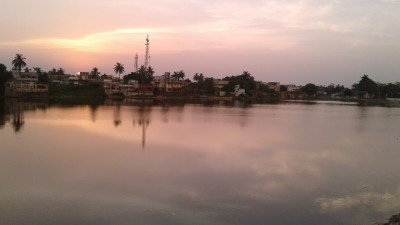
Araria Fort
Some quick example text to build on the card title and make up the bulk of the card's content.
Go somewhere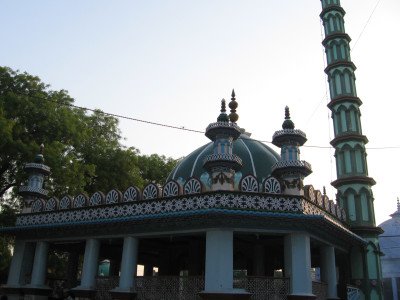
Badi Dargah
Some quick example text to build on the card title and make up the bulk of the card's content.
Go somewhere
Bio-Diversity Park
Some quick example text to build on the card title and make up the bulk of the card's content.
Go somewhere
Fanishwar Nath Renu Jungle
Some quick example text to build on the card title and make up the bulk of the card's content.
Go somewhere
Forbesganj Mela Ground
Some quick example text to build on the card title and make up the bulk of the card's content.
Go somewhere
Jama Masjid
Some quick example text to build on the card title and make up the bulk of the card's content.
Go somewhere
Jogbani
Some quick example text to build on the card title and make up the bulk of the card's content.
Go somewhere
Jokihat Mosque
Some quick example text to build on the card title and make up the bulk of the card's content.
Go somewhere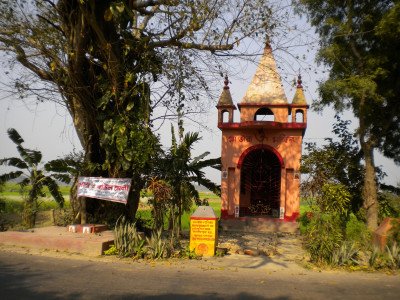
Kali Mandir
Some quick example text to build on the card title and make up the bulk of the card's content.
Go somewhere
Maata Aasawar Mandir
Some quick example text to build on the card title and make up the bulk of the card's content.
Go somewhere
Mahadev Chowk
Some quick example text to build on the card title and make up the bulk of the card's content.
Go somewhere
Rampur Over Bridge
Some quick example text to build on the card title and make up the bulk of the card's content.
Go somewhere
Raniganj Vriksh Vatika
Some quick example text to build on the card title and make up the bulk of the card's content.
Go somewhere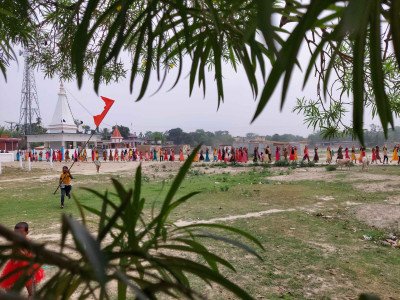
Shiva Mandir
Some quick example text to build on the card title and make up the bulk of the card's content.
Go somewhere
Sultan Phokher
Some quick example text to build on the card title and make up the bulk of the card's content.
Go somewhere
Thakurbari Shiva Mandir
Some quick example text to build on the card title and make up the bulk of the card's content.
Go somewherein Other Cities