Badi Dargah
General information
-
Ideal Duration:
1.
5 to 2 Hours:Place Type:
Religious Place/Shrine:Entry Fees:
Entry Fee: Entry to the Badi Dargah is completely Free for all visitors, as is the case with most religious places of worship and shrines in India, emphasizing universal access.
Camera/Photography Fee: There is No specific fee for carrying a...Entry Fee: Entry to the Badi Dargah is completely Free for all visitors, as is the case with most religious places of worship and shrines in India, emphasizing universal access.
Camera/Photography Fee: There is No specific fee for carrying a camera or taking photographs, but visitors must be highly respectful and avoid photographing people engaged in prayer without explicit permission.
Donations: Visitors are encouraged to make a voluntary contribution (Chanda) in the donation boxes for the maintenance and charitable works (Langar) of the Dargah, with suggested amounts starting from Rs.50 to Rs.100, though this is entirely optional.
Special Offering Costs: The cost of purchasing a decorative cloth (Chadar) or flowers to place on the tomb can vary widely, from a minimal Rs.100 for a simple offering to several thousand rupees for an elaborate one, available from nearby vendors.Timing:
Regular Timings: The Dargah is generally open from Sunrise (around 6:00 AM) to Sunset (around 8:00 PM) every day, though it may remain open longer during major festivals or special nights.
Ideal Visit Time: The Early Morning is the best time...Regular Timings: The Dargah is generally open from Sunrise (around 6:00 AM) to Sunset (around 8:00 PM) every day, though it may remain open longer during major festivals or special nights.
Ideal Visit Time: The Early Morning is the best time for a peaceful and less-crowded experience, offering tranquility for personal reflection. The Late Afternoon is also pleasant and allows one to witness the sunset Azaan (Call to Prayer).
Festival Timing: During the annual Urs, the Dargah remains open late into the night, but this period is also the most crowded, requiring patience and comfort with large gatherings.
Prayer Times: Tourists should avoid visiting during the scheduled five daily prayer times (Namaz) as the main prayer hall is reserved for worshippers.Special Events:
The Annual Urs Festival: The most significant event is the annual Urs (held on the saint's death anniversary, dates vary based on the Islamic calendar), which lasts for several days and involves large-scale communal feeding, spiritual discourses, and renowned Qawwali perform...The Annual Urs Festival: The most significant event is the annual Urs (held on the saint's death anniversary, dates vary based on the Islamic calendar), which lasts for several days and involves large-scale communal feeding, spiritual discourses, and renowned Qawwali performances, attracting a huge gathering of pilgrims.
Jumma Prayers: The weekly Jumma (Friday) prayers draw the largest local congregation, offering a powerful display of community faith and solidarity, which is a culturally important time to observe the local religious life.
Eid-ul-Fitr and Eid-ul-Adha: The two major Islamic festivals are celebrated with great fervor, with special prayers (Namaz) and a festive atmosphere, though the Dargah remains an important focal point for the community's celebrations and visits.Best Photo Spots:
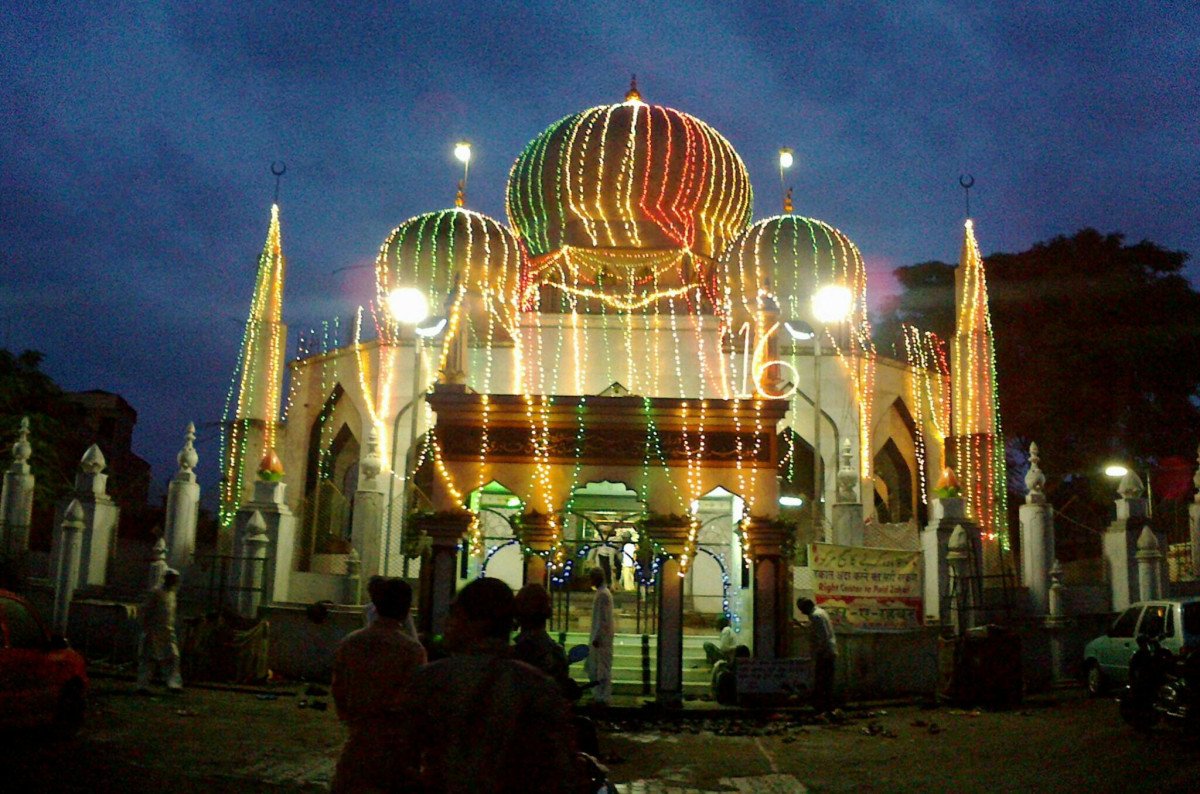
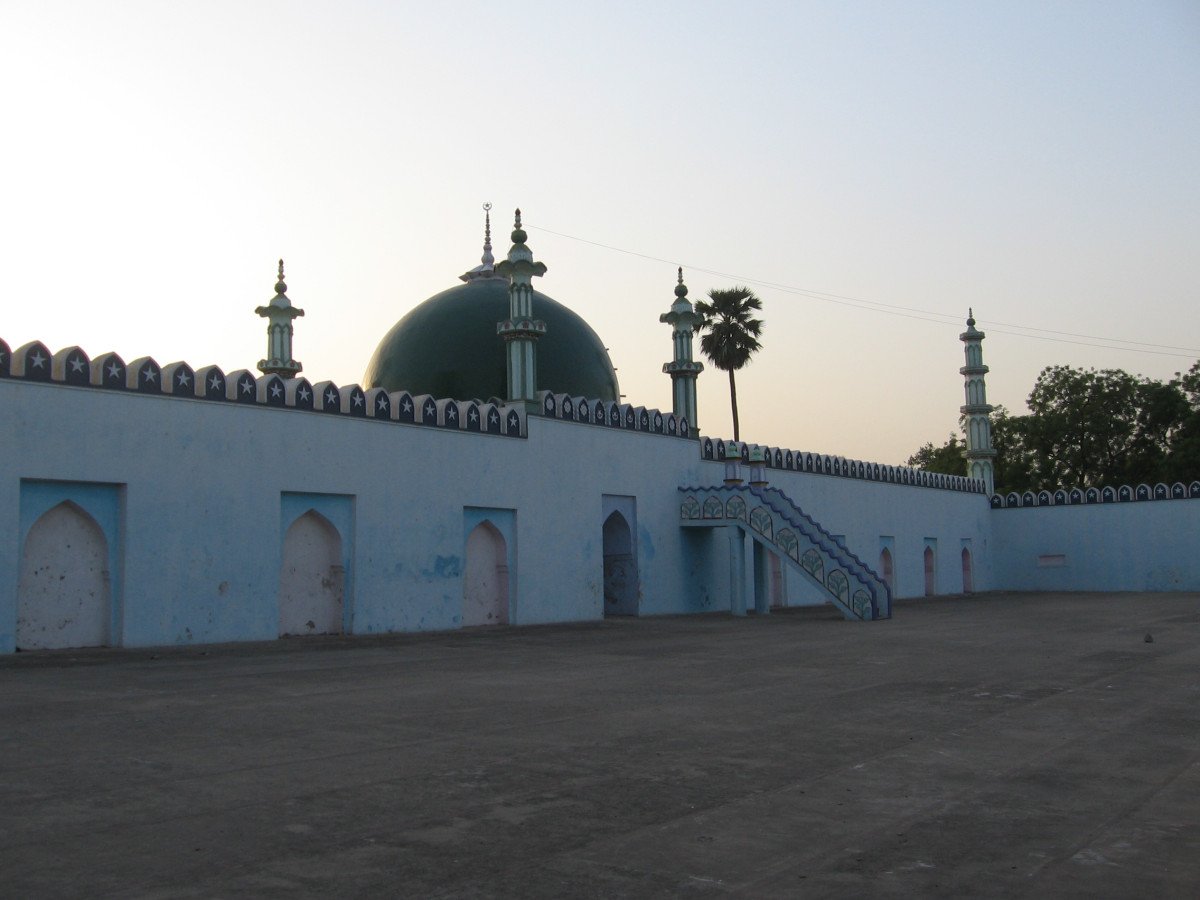
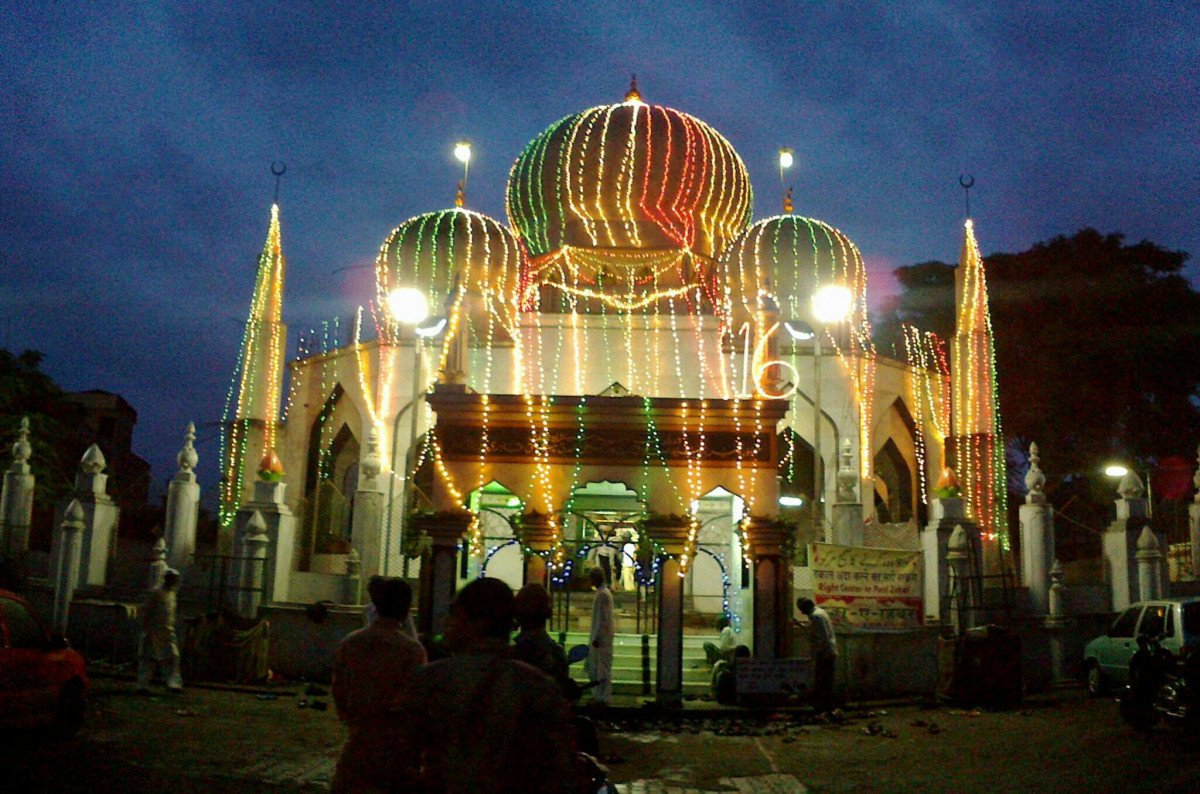
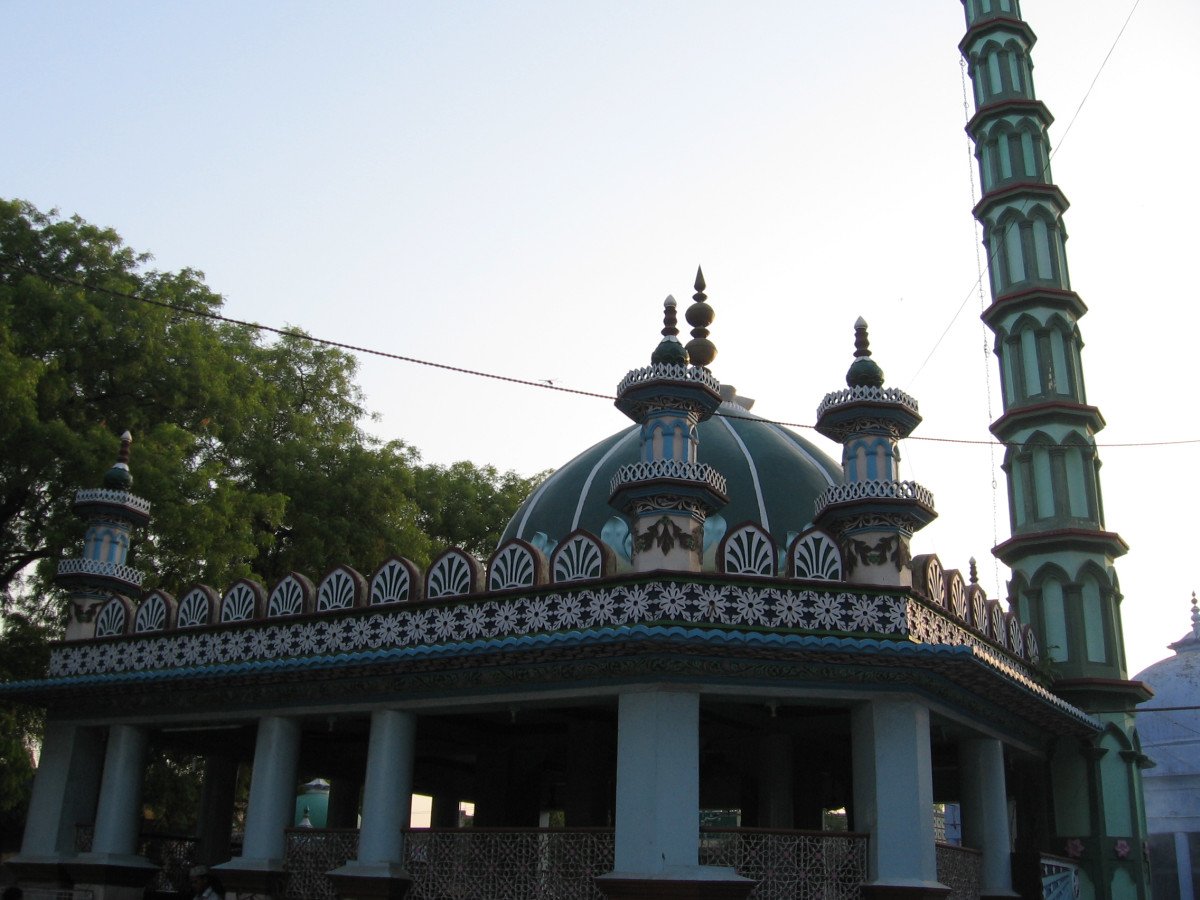
The Main Dome: A low-angle shot of the majestic white or green Dome and the main entrance archway, capturing its prominence against the sky, is a classic and most popular photograph.
Courtyard Symmetry: A wide-angle photo from one corner of ...The Main Dome: A low-angle shot of the majestic white or green Dome and the main entrance archway, capturing its prominence against the sky, is a classic and most popular photograph.
Courtyard Symmetry: A wide-angle photo from one corner of the spacious courtyard, capturing the symmetrical layout of the prayer hall and the peripheral colonnades, showcasing the sense of openness and scale.
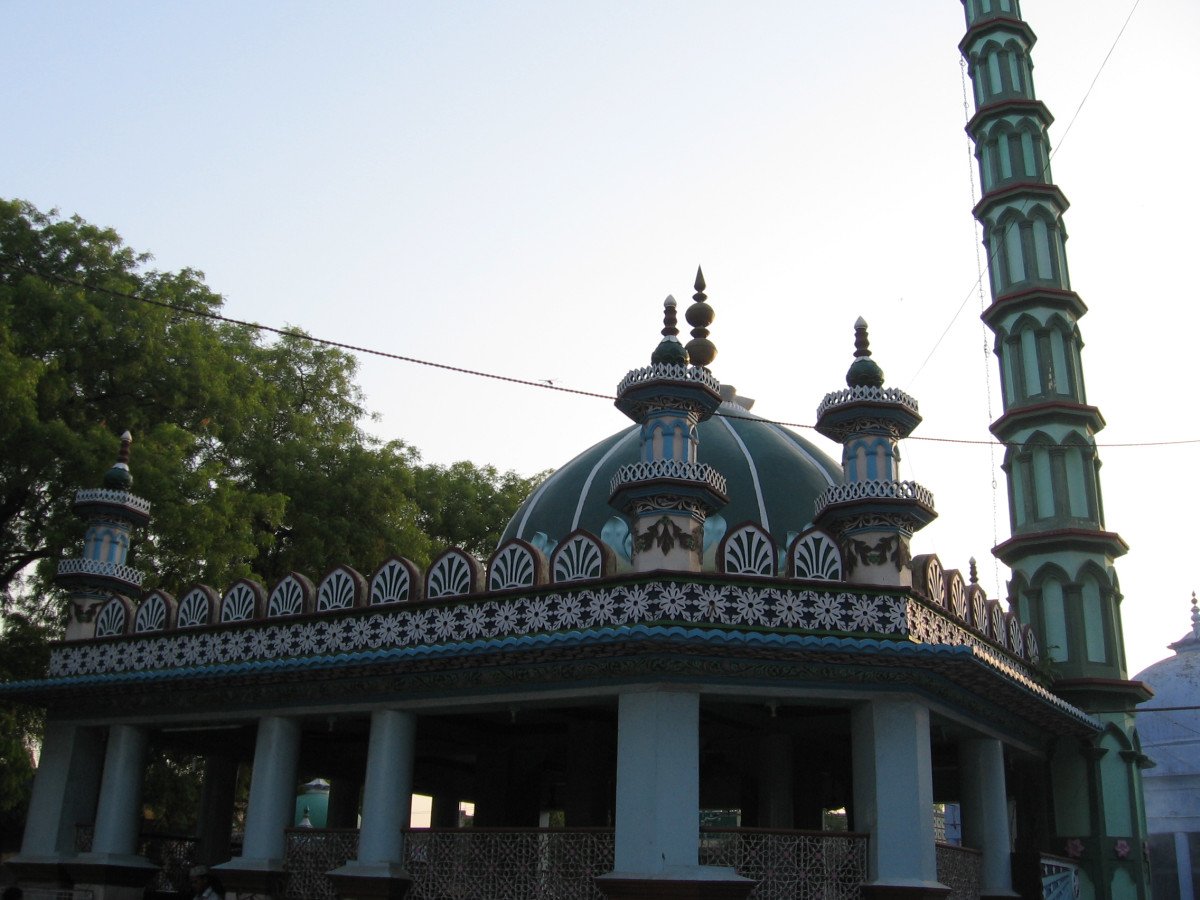
The Intricate Carvings: Close-up shots of the detailed geometric patterns, calligraphy, and floral motifs found on the outer walls and near the main entrance are excellent for highlighting the artistic elements of the architecture.
Candle/Diya Lighting: In the evening, capturing the soft glow of traditional lamps (Diya or Mom) lit by devotees around the Mazaar (tomb) creates a warm, atmospheric, and highly spiritual image.Photo Gallery
Things To Do
-
Offering Prayers and Seeking Blessings: The primary activity is to offer Fatiha (prayers) at the saint's tomb and tie a thread (Mannat Ka Dhaga) or make a wish, participating in the core spiritual tradition of the shrine.
Participating in Langar: If a communal free kitchen (Langar) is being offered, respectfully participating in the meal and the service is an excellent way to experience the spirit of charity and community that defines Sufi shrines.
Architectural Study: Spend time studying the intricate carvings and calligraphic inscriptions on the walls and dome, which provide a beautiful display of Islamic art and craftmanship.
Quiet Contemplation: Utilize the spacious courtyard for quiet reflection or meditation, absorbing the peaceful and spiritual energy of t...Offering Prayers and Seeking Blessings: The primary activity is to offer Fatiha (prayers) at the saint's tomb and tie a thread (Mannat Ka Dhaga) or make a wish, participating in the core spiritual tradition of the shrine.
Participating in Langar: If a communal free kitchen (Langar) is being offered, respectfully participating in the meal and the service is an excellent way to experience the spirit of charity and community that defines Sufi shrines.
Architectural Study: Spend time studying the intricate carvings and calligraphic inscriptions on the walls and dome, which provide a beautiful display of Islamic art and craftmanship.
Quiet Contemplation: Utilize the spacious courtyard for quiet reflection or meditation, absorbing the peaceful and spiritual energy of the sacred space, making it a retreat from the bustling city life outside.
Donating and Charity: Make a small donation towards the upkeep of the Dargah or contribute to the local poor who gather outside, aligning with the Sufi emphasis on charity (Khairat).
Photography of the Facade: Capture the majestic entrance and the prominent Dome from the courtyard, ensuring respectful behavior and seeking permission if attempting close-up shots of people or prayer.
Attending the Evening Azaan: Witnessing the call to prayer (Azaan) at sunset, followed by the evening prayer (Maghrib), offers a culturally rich and deeply resonant acoustic experience that is highly memorable.
Information
-
Why Famous:
Spiritual Center and Pilgrimage: It is primarily famous as a revered pilgrimage site where the faithful come to offer prayers and seek the blessings of the entombed Sufi saint, believed to grant wishes and provide spiritual guidance, drawing large crowds throughout the year....Spiritual Center and Pilgrimage: It is primarily famous as a revered pilgrimage site where the faithful come to offer prayers and seek the blessings of the entombed Sufi saint, believed to grant wishes and provide spiritual guidance, drawing large crowds throughout the year.
The Annual Urs Festival: The annual Urs festival, a grand celebration commemorating the death anniversary of the saint, is a massive attraction, pulling in pilgrims (Zaireen) and tourists from far and wide for days of spiritual music (Qawwali), lectures, and communal feasts.
Symbol of Communal Harmony: The shrine is renowned for welcoming people of all faiths, including Hindus, who equally revere the Sufi saint, making it a powerful symbol of the secular fabric and cultural amalgamation that defines the Araria district. -
Architecture:
Syncretic Indo-Islamic Design: The Badi Dargah architecture typically features a blend of local Bihari construction styles with classical Indo-Islamic elements, focusing on simplicity and spiritual tranquility.
Dimension: The main structure ...Syncretic Indo-Islamic Design: The Badi Dargah architecture typically features a blend of local Bihari construction styles with classical Indo-Islamic elements, focusing on simplicity and spiritual tranquility.
Dimension: The main structure (Mazaar/Tomb) is often a square chamber, approximately 25 feet by 25 feet, topped by a prominent Dome, and the surrounding courtyard (Sahan) can be quite extensive, possibly spanning an area of 100 feet by 80 feet to accommodate large congregations.
Key Architectural Elements: Key features include the central Dome, which is usually white or light green, a prominent entrance gateway (Darwaza), and perhaps one or two simple Minarets used for the call to prayer (Azaan). The construction materials include fired brick, reinforced with cement and polished with white marble or lime plaster to give it a bright, inviting appearance.
Interior Design: The interior of the tomb chamber is usually simply adorned with intricate geometric or floral patterns (Aab-Kari) carved into the plaster, with the tomb itself covered by a richly decorated cloth (Chadar). The focus is on creating a solemn and respectful space for devotion. The surrounding walls often feature arched openings that maximize light and airflow, creating a cooling effect essential for the local climate. -
How To Reach:
By Air: The nearest major airport is Bagdogra Airport (IXB) (160 KMS). From IXB, one can hire a pre-paid taxi directly to Araria or take a bus.
By Train: The nearest railway stations are Araria Court (ARQ) or Araria RS (ARR). The Dargah is...By Air: The nearest major airport is Bagdogra Airport (IXB) (160 KMS). From IXB, one can hire a pre-paid taxi directly to Araria or take a bus.
By Train: The nearest railway stations are Araria Court (ARQ) or Araria RS (ARR). The Dargah is easily reachable by a short auto-rickshaw ride (approx. 15-20 minutes) from either station.
By Road: Araria is connected to major cities like Purnea and Patna via NH 57 and NH 327. Frequent bus services (State and Private) are available to Araria Bus Stand, from where local transport can be used.
By Local Transport: Auto-rickshaws, cycle-rickshaws, and local taxis are the most common modes of transport in Araria, all of which can take you directly to the Dargah located near Purani Bazar. -
Weather and Best Time to Visit:
Different Types of Seasons: The Winter season (late October to March) is the Best Time to Visit due to the pleasant and moderate temperatures, which are ideal for standing in the courtyard and observing ceremonies. The intense heat of Summer makes the marble/stone floors un...Different Types of Seasons: The Winter season (late October to March) is the Best Time to Visit due to the pleasant and moderate temperatures, which are ideal for standing in the courtyard and observing ceremonies. The intense heat of Summer makes the marble/stone floors uncomfortably hot.
Different Parts of the Day: The Early Morning is preferred for seeking tranquility and avoiding crowds. The Late Afternoon/Evening is recommended for experiencing the spiritual atmosphere of the sunset prayer and the soft illumination of the shrine. -
Near Tourist Places:
1.
Kali Mandir (Araria) (2 KMS): 2.
Thakurbari Shiva Mandir (3 KMS): 3.
Jama Masjid (1 KMS): 4.
Mahadev Chowk (4 KMS): 5. Araria Fort (R.
Area) (5 KMS): 6.
Raniganj Vriksh Vatika (35 KMS): 7.
Forbesganj (35 KMS): 8.
Simanchal Academy (4 KMS): 9.
Kosi Barrage (80 KMS): 10. Purnea City (75 KMS).
Tourism Tips
-
Health & Safety: Dress modestly, covering the head (mandatory for women, optional but respectful for men) and ensuring legs are covered, as a sign of respect for the religious site. Visitors are required to remove their footwear outside the main premises.
Read MoreHealth & Safety: Dress modestly, covering the head (mandatory for women, optional but respectful for men) and ensuring legs are covered, as a sign of respect for the religious site. Visitors are required to remove their footwear outside the main premises.
Packing: Carry a handkerchief or scarf for head covering. Avoid carrying large bags into the main shrine area; utilize lockers if available, or keep valuables secure.
Accommodation: Consider staying in the central city area or near the bus stand for easy access, looking for a hotel like Hotel Araria Palace (Hypothetical) or a budget lodge.
Other Different Topics: Maintain silence and respect the devotees who are praying. Ask permission before taking close-up photographs of people. It is customary to offer a small amount of money to the poor outside the shrine.Reviews
FAQs
Araria Itineray And Cost:-
Other Places In Araria :-
Other States In India :-
Information about New and Updated Locations() of Bihar Has Been Added :-
Card subtitle
Note:-
Information provided here in good Faith and for reference only.
Near Places
Araria Fort
Some quick example text to build on the card title and make up the bulk of the card's content.
Go somewhere
Badi Dargah
Some quick example text to build on the card title and make up the bulk of the card's content.
Go somewhere
Bio-Diversity Park
Some quick example text to build on the card title and make up the bulk of the card's content.
Go somewhere
Fanishwar Nath Renu Jungle
Some quick example text to build on the card title and make up the bulk of the card's content.
Go somewhere
Forbesganj Mela Ground
Some quick example text to build on the card title and make up the bulk of the card's content.
Go somewhere
Jama Masjid
Some quick example text to build on the card title and make up the bulk of the card's content.
Go somewhere
Jogbani
Some quick example text to build on the card title and make up the bulk of the card's content.
Go somewhere
Jokihat Mosque
Some quick example text to build on the card title and make up the bulk of the card's content.
Go somewhere
Kali Mandir
Some quick example text to build on the card title and make up the bulk of the card's content.
Go somewhere
Maata Aasawar Mandir
Some quick example text to build on the card title and make up the bulk of the card's content.
Go somewhere
Mahadev Chowk
Some quick example text to build on the card title and make up the bulk of the card's content.
Go somewhere
Rampur Over Bridge
Some quick example text to build on the card title and make up the bulk of the card's content.
Go somewhere
Raniganj Vriksh Vatika
Some quick example text to build on the card title and make up the bulk of the card's content.
Go somewhere
Shiva Mandir
Some quick example text to build on the card title and make up the bulk of the card's content.
Go somewhere
Sultan Phokher
Some quick example text to build on the card title and make up the bulk of the card's content.
Go somewhere
Thakurbari Shiva Mandir
Some quick example text to build on the card title and make up the bulk of the card's content.
Go somewherein Other Cities