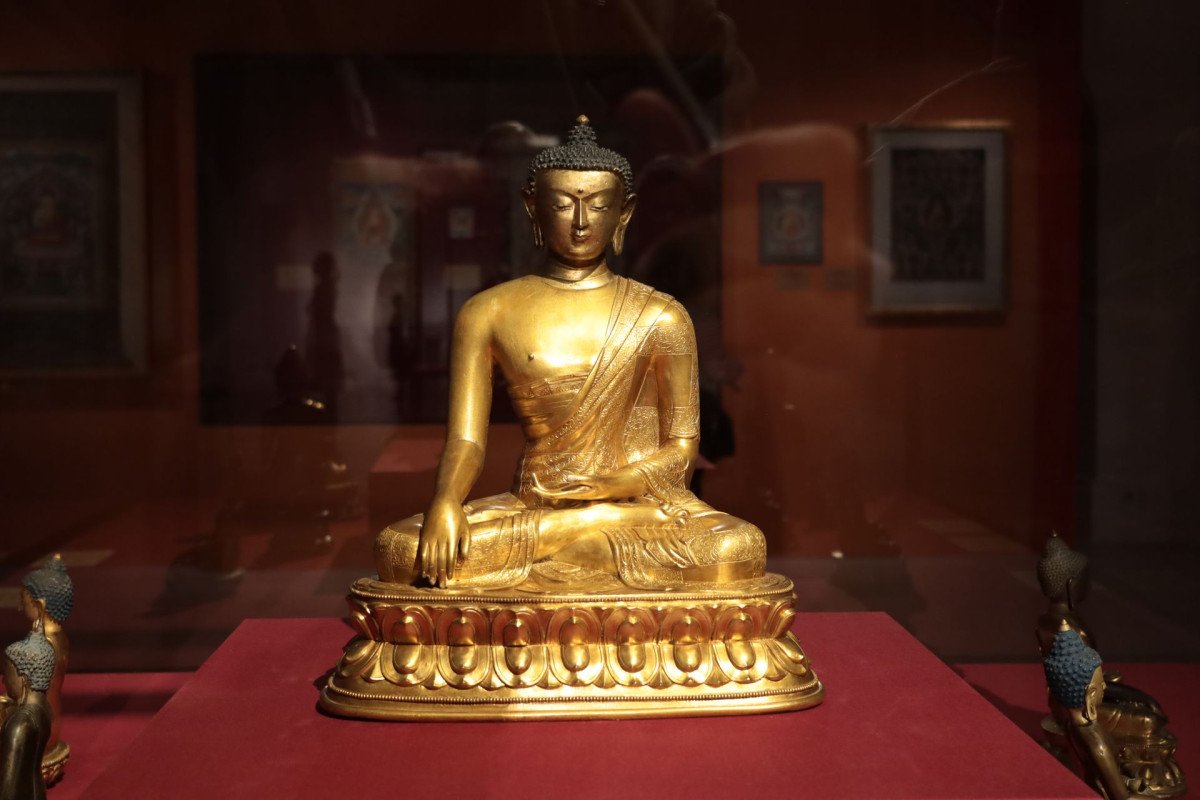
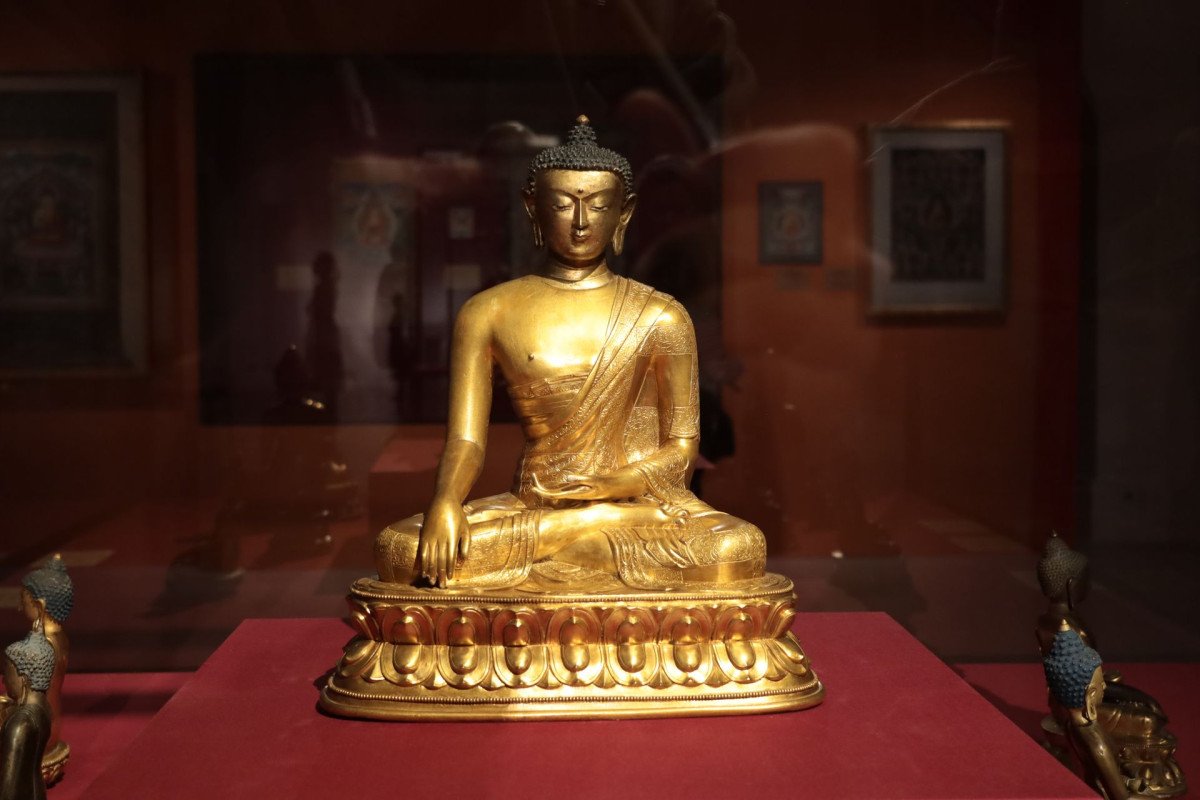
Jampuijala Tribal Museum
General information
-
Ideal Duration:
Estimated Visit Time: 2 to 3 Hours.Place Type:
Category: Heritage & Educational Museum.Entry Fees:
Reasonable Pricing: Entry fees are around 20-30 Rupees for adults and 10 Rupees for students.
Camera Charges: A separate fee for photography and videography is usually required. ...Reasonable Pricing: Entry fees are around 20-30 Rupees for adults and 10 Rupees for students.
Camera Charges: A separate fee for photography and videography is usually required.Special Events:
Tribal Heritage Month: Special exhibitions and cultural performances are organized to celebrate indigenous identity.
International Museum Day: Features guided tours and special presentations for students and visitors. ...Tribal Heritage Month: Special exhibitions and cultural performances are organized to celebrate indigenous identity.
International Museum Day: Features guided tours and special presentations for students and visitors.Best Photo Spots:
Tribal Dioramas: Use soft lighting to capture the realistic scenes of tribal life without the glare of the glass.
The Artifact Wall: A flat-lay or front-facing shot of the colorful tribal jewelry and textiles.
T...Tribal Dioramas: Use soft lighting to capture the realistic scenes of tribal life without the glare of the glass.
The Artifact Wall: A flat-lay or front-facing shot of the colorful tribal jewelry and textiles.
The Entrance Facade: Capture the blend of modern and traditional architecture of the museum building.
Outdoor Courtyard: A great spot to photograph live demonstrations of tribal crafts and cultural dances.Photo Gallery
Things To Do
-
Artifact Observation: Spend time looking at the intricate details of the tribal jewelry and ancient weapons.
Viewing Dioramas: Study the life-sized models to get a realistic sense of how the tribes live and work.
Researching in the Library: Use the museum's collection of books to deepen your knowledge of North-East Indian history.
Watching Cultural Films: Attend a screening in the museum's auditorium to see documentaries on tribal festivals.
Interactive Learning: Use the touch-screen kiosks to get detailed information about each of the 19 tribes.
Buying Authentic Crafts: Support local artisans by purchasing hand-woven textiles and bamboo products from the museum shop.Artifact Observation: Spend time looking at the intricate details of the tribal jewelry and ancient weapons.
Viewing Dioramas: Study the life-sized models to get a realistic sense of how the tribes live and work.
Researching in the Library: Use the museum's collection of books to deepen your knowledge of North-East Indian history.
Watching Cultural Films: Attend a screening in the museum's auditorium to see documentaries on tribal festivals.
Interactive Learning: Use the touch-screen kiosks to get detailed information about each of the 19 tribes.
Buying Authentic Crafts: Support local artisans by purchasing hand-woven textiles and bamboo products from the museum shop.
Attending Workshops: If available, participate in a live demonstration of tribal weaving or craft-making.
Photography: Document the various cultural exhibits (where allowed) to share the beauty of Tripuri heritage.
Information
-
Why Famous:
Tribal Heritage: It is famous for being the primary center for the preservation of the distinct cultures of Tripura's 19 tribes.
Exquisite Artifacts: The museum is renowned for its collection of rare tribal jewelry, costumes, and ancient wea...Tribal Heritage: It is famous for being the primary center for the preservation of the distinct cultures of Tripura's 19 tribes.
Exquisite Artifacts: The museum is renowned for its collection of rare tribal jewelry, costumes, and ancient weapons.
Educational Value: It is a major destination for students and researchers who want to learn about the anthropology and sociology of the North-East.
Cultural Dioramas: The life-sized displays are famous for their realistic portrayal of tribal life, making the culture accessible to all. -
Architecture:
Tribal Aesthetic and Function: The museum is housed in a modern building that incorporates traditional Tripuri architectural elements, such as sloping roofs and wide eaves.
Building Dimensions: The museum occupies a floor area of approximate...Tribal Aesthetic and Function: The museum is housed in a modern building that incorporates traditional Tripuri architectural elements, such as sloping roofs and wide eaves.
Building Dimensions: The museum occupies a floor area of approximately 5000 square feet.
Gallery Layout: It consists of four main galleries, each 40x25 feet, dedicated to different aspects of tribal life.
Materials: The interior features extensive use of bamboo and cane for display cases and wall panels, reflecting the primary materials used by the tribes. The ceiling is high, reaching 18 feet, to accommodate large exhibits like traditional boats and totem poles. The exterior facade is decorated with tribal paintings and relief work showcasing traditional patterns and motifs. A central courtyard of 30x30 feet is used for outdoor demonstrations and cultural performances, creating a dynamic space that breathes life into the static exhibits. -
How To Reach:
By Air: Fly to Agartala, then travel 32 KMS to the Jampuijala block.
By Train: From Agartala station, hire a private taxi for a direct trip to the museum.
By Road: Take the road towards Bishalgarh and then f...By Air: Fly to Agartala, then travel 32 KMS to the Jampuijala block.
By Train: From Agartala station, hire a private taxi for a direct trip to the museum.
By Road: Take the road towards Bishalgarh and then follow the signs to Jampuijala.
By Local Transport: Local buses run from Agartala and Melaghar to Jampuijala regularly. -
Weather and Best Time to Visit:
Seasons: Year-round, but pleasant in winter; avoid peak summer heat.
Parts of the Day: 11:00 AM to 2:00 PM is ideal for a detailed walk-through. ...Seasons: Year-round, but pleasant in winter; avoid peak summer heat.
Parts of the Day: 11:00 AM to 2:00 PM is ideal for a detailed walk-through. -
Near Tourist Places:
Nearby Attractions: Sepahijala Wildlife Sanctuary (15 KMS), Melaghar (32 KMS), Agartala (30 KMS).
Tourism Tips
-
Health & Safety: The museum is well-maintained, but watch your step on the stairs.
Packing: A notebook for taking notes and a power bank for your phone.
Accommodation: Most visitors stay in Agartala and make...Health & Safety: The museum is well-maintained, but watch your step on the stairs.
Packing: A notebook for taking notes and a power bank for your phone.
Accommodation: Most visitors stay in Agartala and make a day trip to Jampuijala.
Cash & Connectivity: Entry fees must be paid in cash; mobile signal is stable.
Reviews
FAQs
Melaghar Itineray And Cost:-
Jampuijala Tribal Museum Tourism:-
Information about New and Updated Locations() of Tripura Has Been Added :-
Card subtitle
Note:-
Information provided here in good Faith and for reference only.
All information and pictures will be updated soon, please keep visiting.
Near Places
Bhubaneswari Temple
Some quick example text to build on the card title and make up the bulk of the card's content.
Go somewhere
Charilam Picnic Spot
Some quick example text to build on the card title and make up the bulk of the card's content.
Go somewhere
Chaturdasha Temple
Some quick example text to build on the card title and make up the bulk of the card's content.
Go somewhere
Chowddo Devotar Mandir
Some quick example text to build on the card title and make up the bulk of the card's content.
Go somewhere
Gomati Tea Estate
Some quick example text to build on the card title and make up the bulk of the card's content.
Go somewhere
Green Island
Some quick example text to build on the card title and make up the bulk of the card's content.
Go somewhere
Jampuijala Tribal Museum
Some quick example text to build on the card title and make up the bulk of the card's content.
Go somewhere
Kali Temple
Some quick example text to build on the card title and make up the bulk of the card's content.
Go somewhere
Kalyanpur River View Point
Some quick example text to build on the card title and make up the bulk of the card's content.
Go somewhere
Laxmilunga Tea Garden
Some quick example text to build on the card title and make up the bulk of the card's content.
Go somewherein Other Cities