Gomati Tea Estate
General information
-
Ideal Duration:
1-2 HoursPlace Type:
Agri-Tourism and Natural Landscape:Entry Fees:
No Entry Fee for General Viewing: There is generally no fee to simply drive by or stop at a designated roadside point to view the Gomati Tea Estate or other local tea gardens. The scenery is publicly accessible.
Factory Tour/Tasting Fees: If...No Entry Fee for General Viewing: There is generally no fee to simply drive by or stop at a designated roadside point to view the Gomati Tea Estate or other local tea gardens. The scenery is publicly accessible.
Factory Tour/Tasting Fees: If the estate offers a formal factory tour or a special tea-tasting session (which may be available in the larger, more commercial estates near Udaipur), a moderate fee is usually charged per person. This fee often includes a complimentary cup of tea or a small package of fresh leaves.
Guide Charges: A small fee will be necessary if you hire a local person from the estate as a guide to take you through the rows and explain the process.Timing:
Regular Timings: As an agricultural area, the estate is technically open 24 hours. However, the factory and office hours are generally from 9:00 AM to 5:00 PM on weekdays, which is the best time for a possible factory visit. For scenic viewing, there are no restrictions. <...Regular Timings: As an agricultural area, the estate is technically open 24 hours. However, the factory and office hours are generally from 9:00 AM to 5:00 PM on weekdays, which is the best time for a possible factory visit. For scenic viewing, there are no restrictions.
Ideal Visit Time: The early morning (6:00 AM to 9:00 AM) is the most scenic time to visit, with the mist lifting off the hills and the soft light making for perfect photography. Factory visits, if available, must be planned during the standard business hours. Avoid the post-lunch factory closing period.
Heading for Ideal Time: Best Light for Greenery and Factory Operational Hours: The quiet morning hours offer the most beautiful scenery, while weekdays are best for observing the industrial process.Special Events:
Harvest Flushes: The tea estates in Tripura experience different 'flushes' (peak harvest periods). Visiting during a flush season (e. g. , the first flush in early spring or the second/monsoon flush) is a special event, as the entire estate is a hive of activity with worker...Harvest Flushes: The tea estates in Tripura experience different 'flushes' (peak harvest periods). Visiting during a flush season (e. g. , the first flush in early spring or the second/monsoon flush) is a special event, as the entire estate is a hive of activity with workers plucking the freshest leaves, and the factory is running at full capacity.
Worker Community Festivals: The tea estate community often celebrates local and regional festivals (like Durga Puja or Bihu) with unique enthusiasm and traditions, offering a chance to witness a distinct sub-culture within Tripura. These are often internal community events, but visitors may be welcomed respectfully.Best Photo Spots:
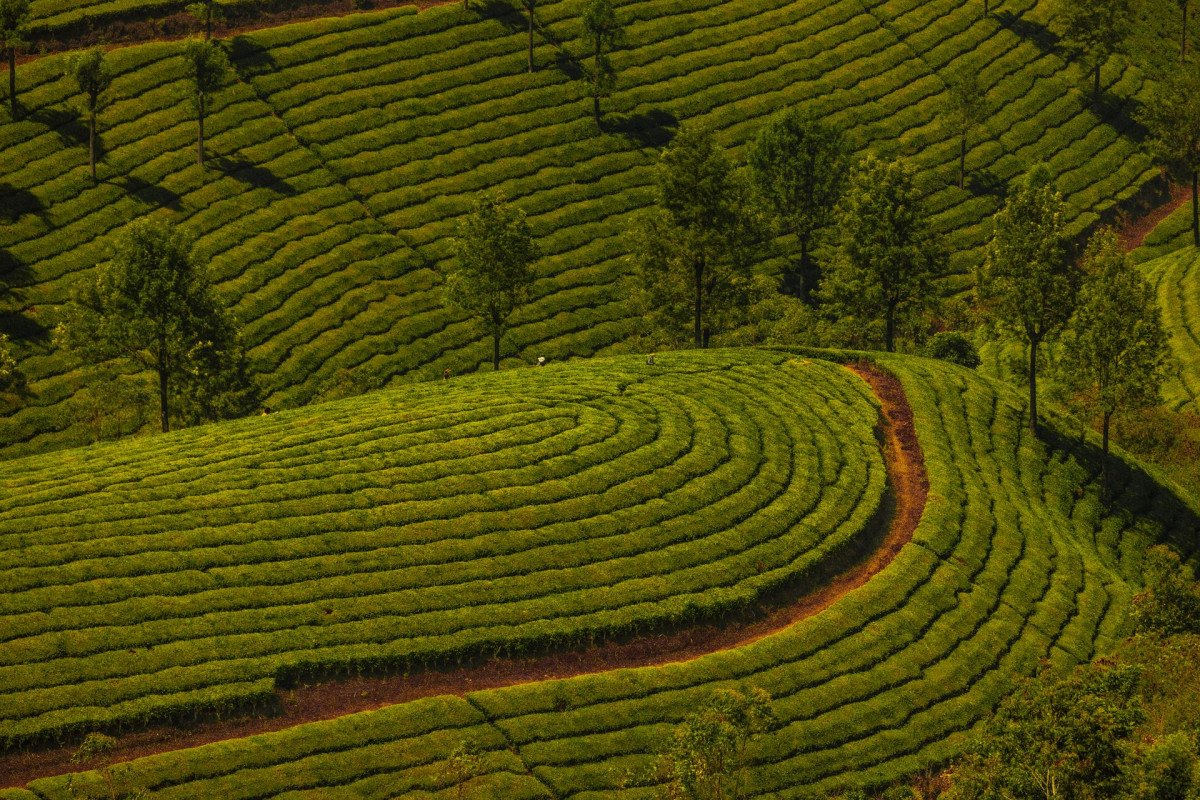
The Sunrise View Over the Hills: The elevated vantage points within the estate that overlook the tea gardens are ideal for capturing the sunrise as the soft light spills over the contours of the rolling hills, creating long, dramatic shadows. This is arguably the most beaut...The Sunrise View Over the Hills: The elevated vantage points within the estate that overlook the tea gardens are ideal for capturing the sunrise as the soft light spills over the contours of the rolling hills, creating long, dramatic shadows. This is arguably the most beautiful view.
The Workers in the Garden: A photograph of the tea pluckers with their baskets against the backdrop of the vast tea rows captures the human element of the industry and its traditional work culture, offering a compelling narrative. Always take photos respectfully and from a distance, or ask for permission.
The Colonial Bungalow: The exterior of the old Manager's Bungalow, with its distinctive architecture, makes for a picturesque photo that contrasts the man-made structure with the organic greenery of the plantation.Photo Gallery
Things To Do
-
Walking Through the Tea Rows: Take a peaceful, guided walk through the neatly aligned rows of tea bushes. This is the best way to soak in the tranquility of the landscape and take close-up photographs of the tea plants. Always ask for permission and stick to the marked paths to avoid disturbing the plants or the workers.
Observing the Tea Plucking Process: If visiting during the plucking season (generally year-round, but most active in the flush periods), observe the workers skillfully plucking the leaves and learn about the specific techniques used. This offers a great photo opportunity and a cultural exchange moment.
Factory Visit (If Available): Inquire if the tea factory is open for visitors. A factory tour provides a fascinating educational experience on the different stages of tea process...Walking Through the Tea Rows: Take a peaceful, guided walk through the neatly aligned rows of tea bushes. This is the best way to soak in the tranquility of the landscape and take close-up photographs of the tea plants. Always ask for permission and stick to the marked paths to avoid disturbing the plants or the workers.
Observing the Tea Plucking Process: If visiting during the plucking season (generally year-round, but most active in the flush periods), observe the workers skillfully plucking the leaves and learn about the specific techniques used. This offers a great photo opportunity and a cultural exchange moment.
Factory Visit (If Available): Inquire if the tea factory is open for visitors. A factory tour provides a fascinating educational experience on the different stages of tea processing: withering, rolling, oxidation (fermentation), drying, and sorting. This is an engaging way to learn about the journey of the tea leaf from the bush to your cup.
Photography: The sprawling green carpet of the estate is a photographer's paradise. Focus on the rolling hills, the colonial-era bungalows, and the workers in their traditional attire. The contrasting colors of the green bushes and the red soil make for stunning shots, especially during the soft light of the morning or late afternoon.
Buying Fresh Tea: Purchase freshly packaged tea directly from the estate's shop (if one exists). This ensures the freshest and most authentic local product, making for an excellent souvenir and supporting the local industry.
Relaxation and Picnic: The scenic viewpoints within the estate, especially those with an elevated perspective, are perfect for a short period of relaxation or a small, quiet picnic, away from the noise of the town.
Local Interaction: Engage with the estate staff or a local guide to learn about the specific type of tea grown (e. g. , Assam or Chinese varieties), the estate's history, and the daily life of the plantation workers.
Information
-
Why Famous:
The Tranquil Green Carpet: The tea estate's primary fame is the breathtaking visual of the lush green, manicured tea gardens stretching over the undulating terrain. This vast, tranquil landscape provides a stark, beautiful contrast to the historical monuments and is highly ...The Tranquil Green Carpet: The tea estate's primary fame is the breathtaking visual of the lush green, manicured tea gardens stretching over the undulating terrain. This vast, tranquil landscape provides a stark, beautiful contrast to the historical monuments and is highly valued for nature photography and relaxation. The cool, fresh air is a major draw for tourists seeking a break from the humidity.
Agri-Tourism Experience: Tea estates in Tripura (like the more accessible ones near Udaipur) offer an authentic agri-tourism experience, allowing visitors to witness the entire process of tea production, from leaf plucking by the workers to the final processing stages in the factory. This educational aspect is a key feature that makes the visit famous and engaging.
A Glimpse of Colonial Heritage: Many estates retain a sense of their colonial heritage through the older factory buildings and the manager's bungalows, which stand as picturesque relics against the green backdrop, attracting those interested in historical and architectural photography. -
Architecture:
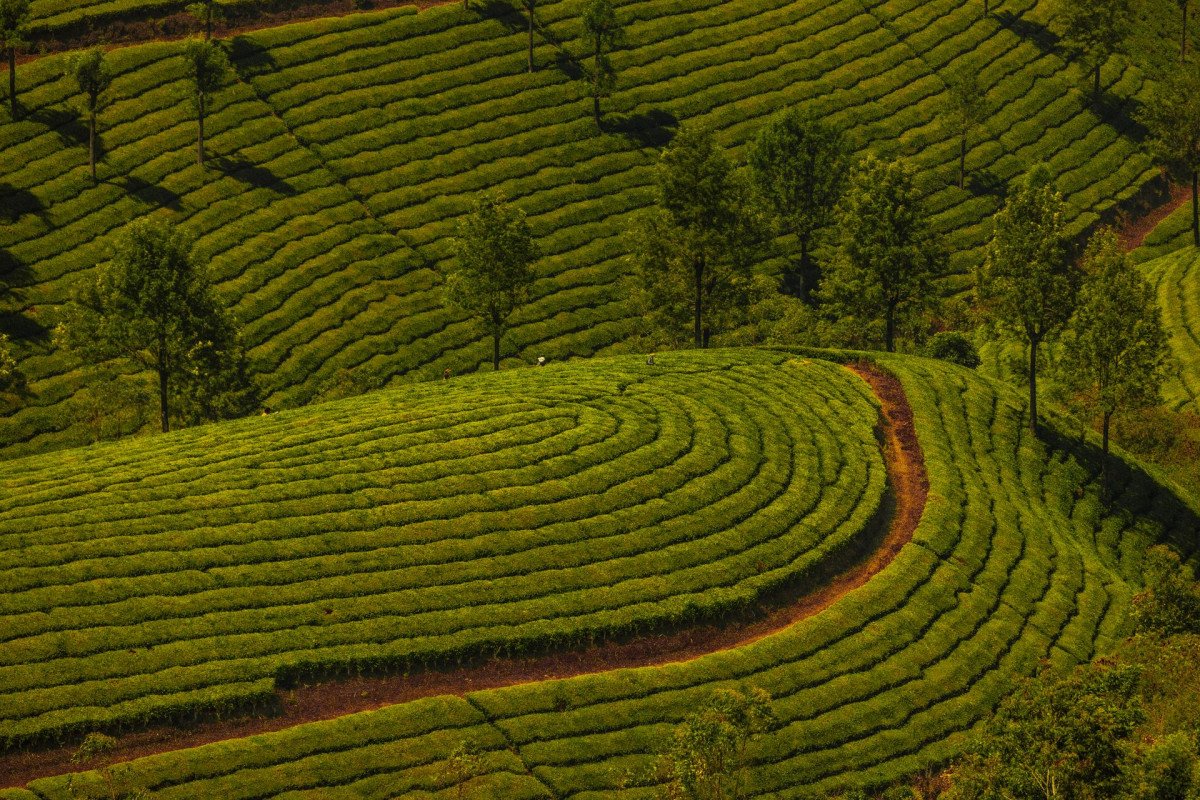
The Plantation Layout: The architecture of a typical tea estate is defined by its agricultural layout: vast, rolling hills covered in meticulously maintained, low-cut tea bushes, planted in contour-following rows. This is a functional landscape designed to maximize leaf plu...The Plantation Layout: The architecture of a typical tea estate is defined by its agricultural layout: vast, rolling hills covered in meticulously maintained, low-cut tea bushes, planted in contour-following rows. This is a functional landscape designed to maximize leaf plucking and drainage. The dimension is expansive, covering many hectares of land.
The Factory and Bungalows: The main structures usually include the Tea Factory (a utilitarian building for processing) and the Manager's Bungalow (often an older, colonial-era structure built with wood, corrugated iron roofs, and large verandas, reflective of British administrative architecture). These bungalows often have high ceilings and wooden flooring to keep the interior cool.
Workers' Housing: The estate also features simple, organized workers' housing colonies (Labour Lines), which are designed for community living and built with local materials, showcasing a distinct, functional social architecture. The overall architectural style is driven by colonial-era industrial and residential needs. -
How To Reach:
By Air: The nearest major airport is Maharaja Bir Bikram Airport (IXA) in Agartala, approximately 60 KM from the assumed location. Hire a taxi directly from the airport to the tea estate area near Melaghar or Udaipur. The drive takes about 2 hours.
Read MoreBy Air: The nearest major airport is Maharaja Bir Bikram Airport (IXA) in Agartala, approximately 60 KM from the assumed location. Hire a taxi directly from the airport to the tea estate area near Melaghar or Udaipur. The drive takes about 2 hours.
By Train: The closest railhead is Udaipur Tripura Railway Station (UDPU), roughly 10 KM away. Agartala Railway Station (AGTL) is about 60 KM away. From the railway station, local transport like auto-rickshaws or hired taxis must be used to reach the specific estate location.
By Road: Tea estates are typically located on rural roads branching off the main highways connecting Melaghar to Udaipur. Melaghar is 10 KM away. A private car or a local hired auto-rickshaw is the most practical way to reach the remote parts of the estate. The main town of Udaipur (approx. 10 KM) is the best hub for visiting the tea gardens.
By Local Transport: From the Melaghar town center, local auto-rickshaws can be hired to take you to the tea estate area. Negotiate the fare beforehand, as these locations are often off the main tourist circuit and may not have immediate return transport.Weather and Best Time to Visit:
Different Seasons: Winter (October to March) is the Best Time to Visit for pleasant weather and comfortable walking in the gardens. The air is cool and fresh. Monsoon (June to September) brings lush green scenery but also heavy rain, which can disrupt walks. Summer (April...Different Seasons: Winter (October to March) is the Best Time to Visit for pleasant weather and comfortable walking in the gardens. The air is cool and fresh. Monsoon (June to September) brings lush green scenery but also heavy rain, which can disrupt walks. Summer (April to May) is hot and humid, so early morning visits are necessary to avoid discomfort.
Different Parts of the Day: Early Morning (6:00 AM to 9:00 AM) is ideal for the beautiful misty scenery, cool air, and the start of the workers' day. Late Afternoon (3:00 PM to 5:00 PM) is good for gentle light and a final, peaceful view before sunset.Near Tourist Places:
Tripureswari Temple, Udaipur (10 KM), Kalyan Sagar (10 KM), Jagannath Bari, Udaipur (11 KM), Neermahal Water Palace (8 KM), Rudrasagar Lake (8 KM), Tepania Eco Park (15 KM), Melaghar Market (Bazaar) (10 KM), Sepahijala Wildlife Sanctuary (20 KM), Dumboor Lake (110 KM), Agartala City (60 KM).Tourism Tips
-
Health & Safety: Wear closed, durable shoes for walking on uneven terrain and wet grass in the plantation rows. Carry insect repellent as it's a natural, rural environment. Be aware of the presence of snakes and other wildlife; stick to the known paths.
Read MoreHealth & Safety: Wear closed, durable shoes for walking on uneven terrain and wet grass in the plantation rows. Carry insect repellent as it's a natural, rural environment. Be aware of the presence of snakes and other wildlife; stick to the known paths.
Packing: Carry a good camera for the beautiful scenery. A light jacket might be needed in the early morning. Sunscreen and a hat are essential for sun protection while walking through the open fields.
Accommodation: Accommodation is generally not available on the estate. Stay in Udaipur or Agartala. Inquire at the local tourist lodges for potential guided tours to the tea estates.
Other Tips: Respect the workers and their privacy; ask permission before taking close-up photos of people. Do not touch or pluck the tea leaves unless explicitly invited to do so. Respect the factory environment if you get a tour, as it is a working industrial site.Reviews
FAQs
Melaghar Itineray And Cost:-
Gomati Tea Estate Tourism:-
Other Places In Melaghar :-
Other States In India :-
Information about New and Updated Locations() of Tripura Has Been Added :-
Card subtitle
Note:-
Information provided here in good Faith and for reference only.
Near Places
Bhubaneswari Temple
Some quick example text to build on the card title and make up the bulk of the card's content.
Go somewhere
Charilam Picnic Spot
Some quick example text to build on the card title and make up the bulk of the card's content.
Go somewhere
Chaturdasha Temple
Some quick example text to build on the card title and make up the bulk of the card's content.
Go somewhere
Chowddo Devotar Mandir
Some quick example text to build on the card title and make up the bulk of the card's content.
Go somewhere
Gomati Tea Estate
Some quick example text to build on the card title and make up the bulk of the card's content.
Go somewhere
Green Island
Some quick example text to build on the card title and make up the bulk of the card's content.
Go somewhere
Jampuijala Tribal Museum
Some quick example text to build on the card title and make up the bulk of the card's content.
Go somewhere
Kali Temple
Some quick example text to build on the card title and make up the bulk of the card's content.
Go somewhere
Kalyanpur River View Point
Some quick example text to build on the card title and make up the bulk of the card's content.
Go somewhere
Laxmilunga Tea Garden
Some quick example text to build on the card title and make up the bulk of the card's content.
Go somewhere
Melaghar Boat Festival Area
Some quick example text to build on the card title and make up the bulk of the card's content.
Go somewhere
Melaghar Market
Some quick example text to build on the card title and make up the bulk of the card's content.
Go somewhere
Nabinagar Lake
Some quick example text to build on the card title and make up the bulk of the card's content.
Go somewhere
Neermahal Local Jetty Point
Some quick example text to build on the card title and make up the bulk of the card's content.
Go somewhere
Neermahal Water Festival Site
Some quick example text to build on the card title and make up the bulk of the card's content.
Go somewhere
Neermahal Water Palace
Some quick example text to build on the card title and make up the bulk of the card's content.
Go somewherein Other Cities