

Janaki Kund
General information
-
Ideal Duration:
1 hour - 1.
5 hours (For holy dip and Darshan):Place Type:
Pilgrimage Site, Sacred River Ghat, Nature/SerenitEntry Fees:
Temple Entry Fee: There is no entry fee to visit Janaki Kund or take a bath in the river. It is a public, open-access religious site.
Offering Costs: Devotees can purchase small bags of prasad, flowers, or incense from nearby vendors, typica...Temple Entry Fee: There is no entry fee to visit Janaki Kund or take a bath in the river. It is a public, open-access religious site.
Offering Costs: Devotees can purchase small bags of prasad, flowers, or incense from nearby vendors, typically costing between Rs.20 to Rs.50. This is completely optional.
Guide and Boat Fees: Hiring a local guide or paying for a short, non-motorized boat ride on the river is voluntary. A boat ride might cost Rs.50 to Rs.100 per person for a short trip. Guide costs are variable.
Camera/Photography Charges: There are no official charges for standard tourist photography. As with all religious sites, commercial photography should seek local permission.
Parking/Local Transport Fees: If you drive, a small parking fee may be applicable in the designated area near the road. The auto-rickshaw fare from Ram Ghat or Karwi is the only fixed travel cost, typically Rs.80 to Rs.120 one-way. :Timing:
Regular Timings: 7:00 AM to 6:00 PM (While the river is always accessible, the ideal and safest time for a visit is during these daylight hours when local facilities are active).
Ideal Visit Time: Early Morning (7:00 AM - 9:00 AM) is the Idea...Regular Timings: 7:00 AM to 6:00 PM (While the river is always accessible, the ideal and safest time for a visit is during these daylight hours when local facilities are active).
Ideal Visit Time: Early Morning (7:00 AM - 9:00 AM) is the Ideal Time. The river water is calmest, the light is soft, and the temperature is cool, making the holy dip and meditation highly peaceful. Avoid the harsh sun of midday.
Temple Ritual Timings: The adjacent small shrine often holds an Aarti around Sunrise and one in the late Afternoon, before closing for the night. Visiting during these times enhances the spiritual ambiance.
Seasonal Variation: Winter (October to March) provides the best weather for a comfortable visit and dip. Monsoon (July to September) brings more water flow and lush banks, but caution must be exercised on the slippery steps. Summer is best avoided. :Special Events:
Makar Sankranti Snan: On the day of Makar Sankranti (January 14-15), a large number of devotees gather to take a holy dip in the river, believing the bath to be highly auspicious for cleansing sins and ensuring prosperity.
Deepawali Lamp Floating...Makar Sankranti Snan: On the day of Makar Sankranti (January 14-15), a large number of devotees gather to take a holy dip in the river, believing the bath to be highly auspicious for cleansing sins and ensuring prosperity.
Deepawali Lamp Floating: During Deepawali (October/November), the riverbank near the Kund sees hundreds of small, lit lamps (diyas) floated on the water, creating a mesmerizing, spiritually charged spectacle of light and reflection.
Ram Navami Celebration: While the main celebrations are at Ram Ghat, the Janaki Kund area observes a quieter, more personal celebration of Ram Navami (March/April), with special prayers and bhajans dedicated to Sita Mata.
Local Purnima Gathering: On the day of every full moon (Purnima), local devotees gather for special prayers and a traditional bath in the Kund, emphasizing the lunar cycle's importance in local Hindu rituals. This is a monthly, powerful event. :Best Photo Spots:
The Reflection in the Water: The most beautiful shots are taken in the early morning, capturing the reflection of the surrounding trees and the sky in the exceptionally clear, calm water of the Kund. This mirror effect symbolizes the purity of Sita Mata.
Read MoreThe Reflection in the Water: The most beautiful shots are taken in the early morning, capturing the reflection of the surrounding trees and the sky in the exceptionally clear, calm water of the Kund. This mirror effect symbolizes the purity of Sita Mata.
The Stepped Ghats: Frame the stone steps leading down to the water, using the lines to guide the eye toward the river, perhaps featuring a lone devotee descending or ascending, highlighting the journey of pilgrimage.
Riverbank Foliage: Focus on the lush, dense greenery and the trees lining the opposite bank of the Mandakini, capturing the serene, forested environment that defines Chitrakoot during the exile. This is best for nature photography.
Candid Moments of Devotion: Capture candid photos of pilgrims performing rituals, especially women filling pots with the river water or offering flowers and incense on the steps. Always be subtle and respectful of their private moments.
The Mandakini River Flow: Use a polarizing filter to capture the clarity of the river water, focusing on the gentle flow and the riverbed visible through the water, emphasizing the pristine nature of the Kund. :Photo Gallery
Things To Do
-
Take a Holy Dip: The primary activity is taking a holy dip (snan) in the Mandakini River at the spot believed to have been used by Goddess Sita. The water is usually shallow and clean here. Remember to carry a change of clothes.
Quiet Meditation by the River: Sit on the Ghat steps or the riverbank and practice quiet meditation or prayer, focusing on the calm flow of the water. The serene atmosphere is highly conducive to introspection and peaceful contemplation.
Offer Prayers to Sita Mata: Visit the small temple or shrine nearby and offer flowers, prasad, or a simple prayer dedicated to Goddess Sita, seeking blessings for a harmonious family life and purity of thought.
Walk to Sphatik Shila: The Sphatik Shila rock is a short, scenic walk away along the riverbank....Take a Holy Dip: The primary activity is taking a holy dip (snan) in the Mandakini River at the spot believed to have been used by Goddess Sita. The water is usually shallow and clean here. Remember to carry a change of clothes.
Quiet Meditation by the River: Sit on the Ghat steps or the riverbank and practice quiet meditation or prayer, focusing on the calm flow of the water. The serene atmosphere is highly conducive to introspection and peaceful contemplation.
Offer Prayers to Sita Mata: Visit the small temple or shrine nearby and offer flowers, prasad, or a simple prayer dedicated to Goddess Sita, seeking blessings for a harmonious family life and purity of thought.
Walk to Sphatik Shila: The Sphatik Shila rock is a short, scenic walk away along the riverbank. Combining the visit allows one to follow the mythological path of Rama and Sita's daily routine.
Photography of the Serene Landscape: Capture the picturesque scenery, focusing on the clear river water, the green banks, and the simple stone Ghats. The gentle morning mist over the river makes for stunning photos.
Hire a Boat for a River View: Negotiate with a local boatman for a short, quiet ride on the Mandakini River nearby. This offers a unique perspective of the riverbank, the Kund, and the surrounding forest.
Observe Local Life: Watch the local women perform their daily rituals, wash clothes, or collect water. This provides a genuine glimpse into the traditional, simple life of Chitrakoot residents.
Journaling and Reading: Bring a book, especially the Ramayana, and read by the river, or use the quiet time for personal journaling and self-reflection. :
Information
-
Why Famous:
Connection to Goddess Sita: Its primary fame comes from the unwavering belief that Goddess Sita bathed here daily during the exile, making it a powerful site for women devotees who seek the virtues of Sita Mata—purity, devotion, and grace.
The ...Connection to Goddess Sita: Its primary fame comes from the unwavering belief that Goddess Sita bathed here daily during the exile, making it a powerful site for women devotees who seek the virtues of Sita Mata—purity, devotion, and grace.
The Serene Mandakini River: The Kund is famous for the exceptional calm and crystal-clear nature of the Mandakini River at this particular spot, which is a rare sight for a major holy river. The water is often described as Payaswini (milk-like).
Tranquil Environment: It is renowned for its tranquil, forest-like environment, making it an escape from the crowds of Ram Ghat. This peaceful setting is conducive to meditation and quiet prayer, attracting those seeking a deeper spiritual connection.
Symbol of Purity: The site symbolizes feminine purity and strength, drawing pilgrims who wish to perform rituals dedicated to the welfare of their families and the spiritual cleansing of their soul. The act of bathing here is seen as highly auspicious.
Proximity to Sphatik Shila: Its location close to Sphatik Shila, where Lord Rama and Sita used to relax, further enhances its religious and historical significance in the Ramayana circuit. : -
Architecture:
Riverbank Architecture: The primary architectural feature is the construction of a traditional Indian Ghat—a series of broad, gradual stone steps leading down to the river's edge, facilitating easy and safe access for ritual bathing. The stone used is predominantly local ...Riverbank Architecture: The primary architectural feature is the construction of a traditional Indian Ghat—a series of broad, gradual stone steps leading down to the river's edge, facilitating easy and safe access for ritual bathing. The stone used is predominantly local Vindhyan sandstone.
Integration with Mandakini River: The architecture is designed to integrate seamlessly with the natural flow of the Mandakini River, forming a shallow, cordoned-off bathing area or a kund that is sheltered from the main current. This shows practical and devotional considerations.
Small Temple Structure: A small, unpretentious temple or shrine dedicated to Sita Mata is usually present near the top of the Ghat. This is typically a simple, single-room structure with minimal ornamentation, maintaining the rustic, forest-dwelling aesthetic of the exile period.
Dimension and Layout: The Ghat area spans approximately 50-80 meters along the riverbank. The steps descend gradually, sometimes leading to a small, protected enclosure within the water. The surrounding area is a simple, paved platform for changing and performing rituals. : -
How To Reach:
By Air: The Nearest Airport is Prayagraj (Allahabad) Airport (IXD), approximately 135-145 KMS away. One must hire a taxi to reach Chitrakoot. Alternatively, Khajuraho Airport (HJR) is about 165 KMS away. The journey takes 3-4 hours by road.
By...By Air: The Nearest Airport is Prayagraj (Allahabad) Airport (IXD), approximately 135-145 KMS away. One must hire a taxi to reach Chitrakoot. Alternatively, Khajuraho Airport (HJR) is about 165 KMS away. The journey takes 3-4 hours by road.
By Train: The Nearest Railway Station is Chitrakoot Dham Karwi Railway Station (CKTD). From CKTD, Janaki Kund is about 4. 5 KMS. Auto-rickshaws are easily available, costing approximately Rs.70-Rs.120 for a one-way trip. The journey is short and scenic.
By Road: The site is located on the main road that connects Ram Ghat to the Sati Anusuya Ashram. State and private buses, as well as taxis, travel this route frequently. The drive from the center of Chitrakoot is very accessible.
By Local Transport: Auto-rickshaws are the lifeblood of local travel. They can be hired for a single trip or a half-day package tour of all the major sites (Janaki Kund, Sphatik Shila, Hanuman Dhara, Gupt Godavari). Always agree on the fare beforehand. Shared autos also ply this route. : -
Weather and Best Time to Visit:
Different Types of Seasons: Winter (October to March) is the Best Time to Visit. The weather is cool and pleasant, making the river dip refreshing and the surrounding nature walks enjoyable. Monsoon (July to September) offers maximum greenery, but the river current might b...Different Types of Seasons: Winter (October to March) is the Best Time to Visit. The weather is cool and pleasant, making the river dip refreshing and the surrounding nature walks enjoyable. Monsoon (July to September) offers maximum greenery, but the river current might be stronger, and caution is needed for bathing. Summer (April to June) is extremely hot, and visits should be restricted to the very early morning hours to avoid heat exhaustion.
Different Parts of the Day: Early Morning (7:00 AM - 9:00 AM) is the Ideal Time for all activities—dip, meditation, and photography. The water is clean, the air is fresh, and the light is soft. Late afternoon is also a good option, but the morning offers a more pristine experience. : -
Near Tourist Places:
Sphatik Shila (0. 5 KMS), Hanuman Dhara (1. 5 KMS), Ram Ghat (4 KMS), Kamadgiri Hill / Temple (5 KMS), Laxman Pahari (6 KMS), Bharat Milap Mandir (6. 5 KMS), Sati Anusuya Ashram (12 KMS), Gupt Godavari (14 KMS), Bharat Koop (23 KMS), Ganesh Bagh (25 KMS):
Tourism Tips
-
Health & safety: Check the water level and current before entering the river; it is generally safe here, but caution is essential, especially after the monsoon. Avoid plastic pollution and do not use soap or detergents in the holy water. Wear simple, quick-drying clothes ...Health & safety: Check the water level and current before entering the river; it is generally safe here, but caution is essential, especially after the monsoon. Avoid plastic pollution and do not use soap or detergents in the holy water. Wear simple, quick-drying clothes for the dip.
Packing: Carry a towel and a change of clothes if you plan to bathe. A small container to take some holy water home is useful. Carry a waterproof bag for electronic devices near the river. Dress modestly for the religious site.
Accommodation: Chitrakoot town offers a range of options. Staying near Ram Ghat or Karwi is best for ease of transport to the Kund. There are also a few ashrams near the site offering basic, clean accommodations for pilgrims.
Other Different Topics heading: Engage with the environment—take time to appreciate the pristine nature of the Mandakini River at this spot. Bargain for boat rides respectfully. Always respect the privacy of other devotees, especially women taking a holy dip. :
Reviews
FAQs
Chitrakoot Itineray And Cost:-
Other Places In Chitrakoot :-
Other States In India :-
Information about New and Updated Locations() of Madhya Pradesh Has Been Added :-
Card subtitle
Note:-
Information provided here in good Faith and for reference only.
Near Places

Hanuman Dhara
Some quick example text to build on the card title and make up the bulk of the card's content.
Go somewhere
Janaki Kund
Some quick example text to build on the card title and make up the bulk of the card's content.
Go somewhere
Janki Kund
Some quick example text to build on the card title and make up the bulk of the card's content.
Go somewhere
Maha Rishi Atri Ashram/Sati Anasuya Ashram
Some quick example text to build on the card title and make up the bulk of the card's content.
Go somewhere
Marpha
Some quick example text to build on the card title and make up the bulk of the card's content.
Go somewhere
Panchmukhi Mahadev Temple
Some quick example text to build on the card title and make up the bulk of the card's content.
Go somewhere
Sabri Jal Pratap
Some quick example text to build on the card title and make up the bulk of the card's content.
Go somewhere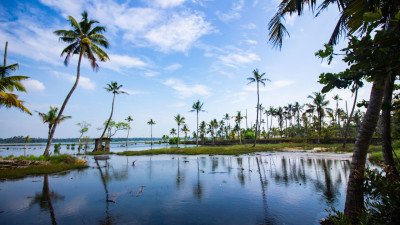
Sanhok Lake View
Some quick example text to build on the card title and make up the bulk of the card's content.
Go somewhere
Sati Anasuya Ashram
Some quick example text to build on the card title and make up the bulk of the card's content.
Go somewhere
Sati Anusuya Ashram
Some quick example text to build on the card title and make up the bulk of the card's content.
Go somewhere
Sati Anusuya Ashram/Temple
Some quick example text to build on the card title and make up the bulk of the card's content.
Go somewhere
Sharbhanga Ashram
Some quick example text to build on the card title and make up the bulk of the card's content.
Go somewhere
Sphatik Shila
Some quick example text to build on the card title and make up the bulk of the card's content.
Go somewherein Other Cities