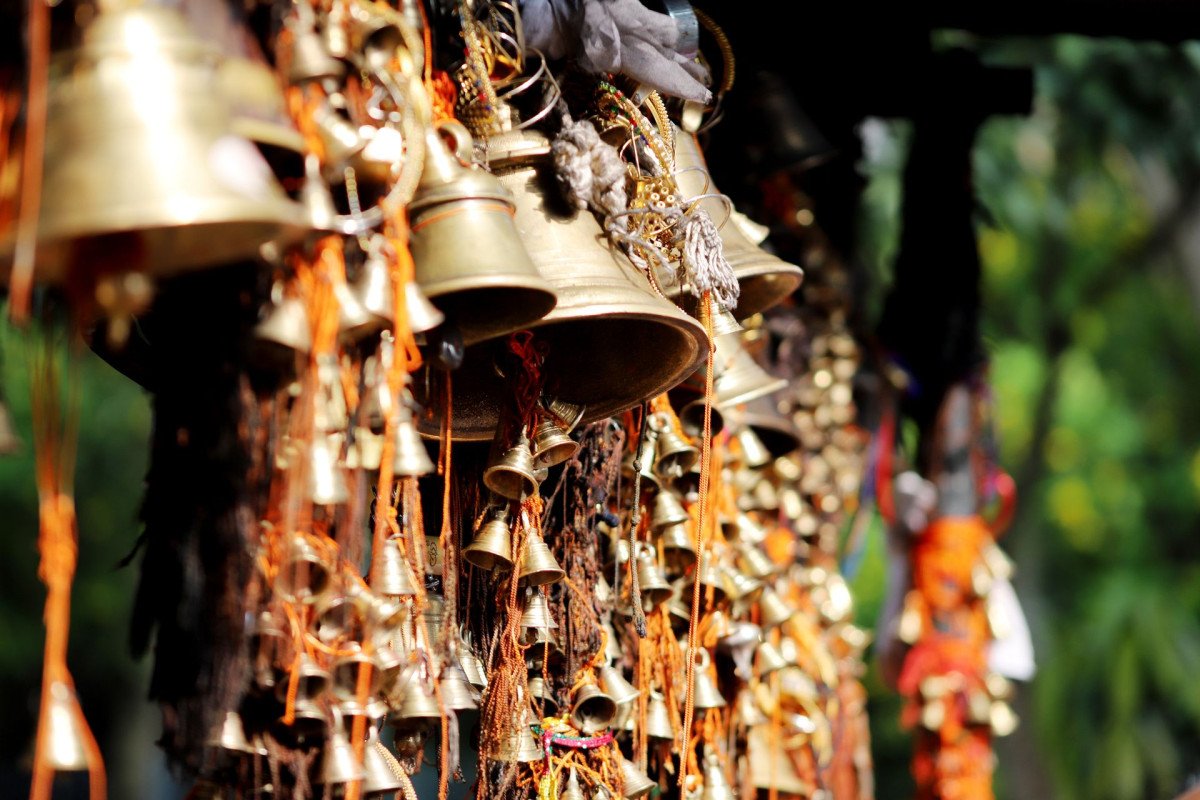
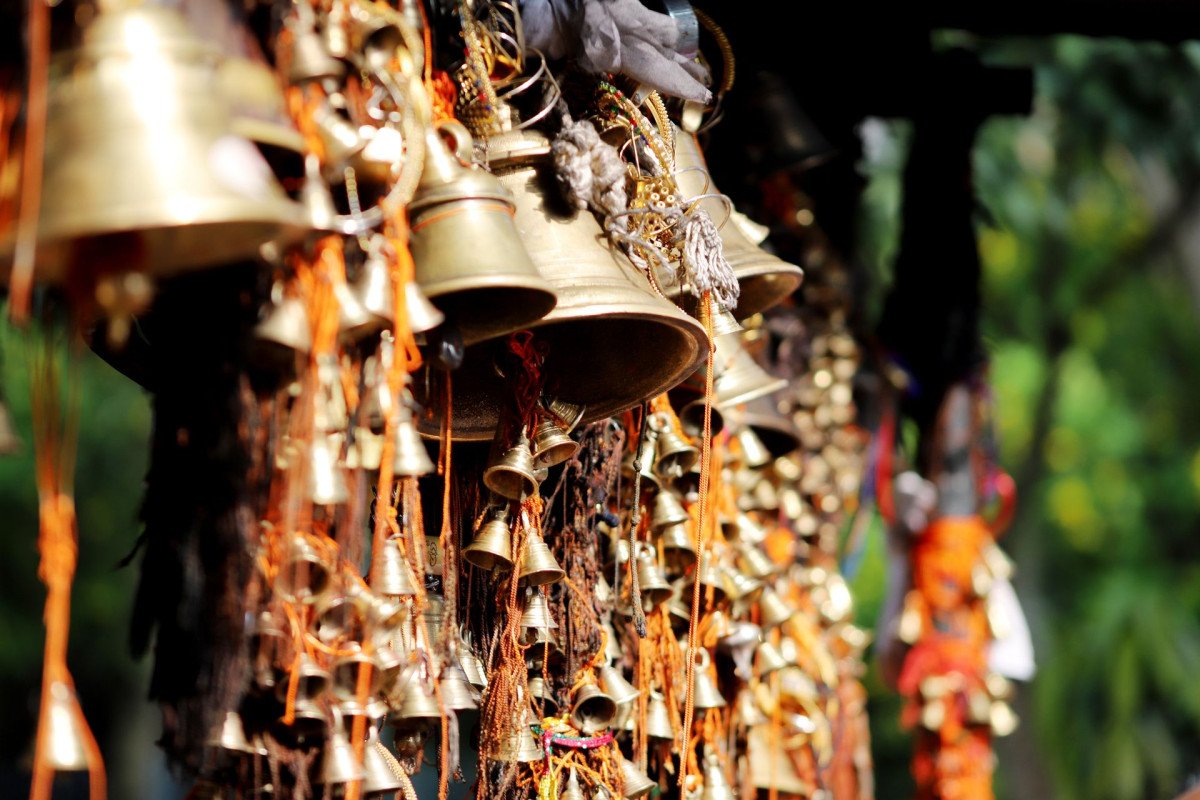
Panchmukhi Mahadev Temple
General information
-
Ideal Duration:
1. 5 - 2 HoursPlace Type:
Temple, Spiritual LandmarkEntry Fees:
No Entry Fees: There is generally no entry fee for visiting the temple, as it is a place of public worship. Access is free and open to all.
Donation Box: The primary financial exchange is through voluntary donations made by devotees into th...No Entry Fees: There is generally no entry fee for visiting the temple, as it is a place of public worship. Access is free and open to all.
Donation Box: The primary financial exchange is through voluntary donations made by devotees into the hundi (donation box) for the temple's upkeep and charitable activities.
Fees for Special Puja: A small fee or dakshina (honorarium, typically Rs. 100-500) may be charged or voluntarily offered for special puja ceremonies, abhishekam materials, or for a priest's personalized blessings/rituals.
Parking Charges: A nominal parking fee (Rs. 20-50) for cars or two-wheelers in the designated area might be collected by a local committee.Timing:
Regular Timings: The temple is typically open from 6:00 AM to 8:00 PM daily, with a possible short closure for Bhog (offering) or rest during the extreme midday heat (1:00 PM - 3:00 PM).
Ideal Visit Time: The best time is the early morning (...Regular Timings: The temple is typically open from 6:00 AM to 8:00 PM daily, with a possible short closure for Bhog (offering) or rest during the extreme midday heat (1:00 PM - 3:00 PM).
Ideal Visit Time: The best time is the early morning (7:00 AM - 9:00 AM) to attend the morning aarti and enjoy the coolest weather, or the late afternoon (4:00 PM - 6:00 PM) for a quiet visit and the evening atmosphere.
Special Puja Times: The main aarti is generally held around 7:30 AM (Morning) and 7:00 PM (Evening). Visiting during these times is spiritually rewarding.Special Events:
Maha Shivaratri Festival: The most significant special event is the annual celebration of Maha Shivaratri (a February/March festival), which is celebrated with immense pomp, night-long aarti sessions (Jagaran), and a massive gathering of devotees. Special offerings and gran...Maha Shivaratri Festival: The most significant special event is the annual celebration of Maha Shivaratri (a February/March festival), which is celebrated with immense pomp, night-long aarti sessions (Jagaran), and a massive gathering of devotees. Special offerings and grand decorations adorn the Panchmukhi statue.
Shravan Month Festivities: The entire holy month of Shravan (a July/August month dedicated to Lord Shiva) sees a continuous stream of pilgrims, with special daily rituals, processions, and bhajans. This month is the most auspicious time for worship.
Local Temple Anniversary: The temple's specific Pratishtha Diwas (installation/anniversary day) is celebrated with a local fair, cultural performances, and a community bhandara (feast).Best Photo Spots:
The Five Faces of Shiva: The absolute best photo spot is a direct, reverent shot of the towering Panchmukhi Mahadev Statue, capturing its distinct iconography and the solemn atmosphere of the sanctum (ensure this is allowed by the priest/caretaker).
Read MoreThe Five Faces of Shiva: The absolute best photo spot is a direct, reverent shot of the towering Panchmukhi Mahadev Statue, capturing its distinct iconography and the solemn atmosphere of the sanctum (ensure this is allowed by the priest/caretaker).
Statue Against the Sky: Use a wide-angle lens from a slightly low position in the courtyard to frame the Shiva statue against the open sky and the hill backdrop, emphasizing its immense scale and power.
Devotees in Prayer: Candid shots of the devotees engaged in deep prayer or performing abhishekam, capturing the powerful human expression of faith and devotion.
The Marpha Valley View: A wide, panoramic shot from the temple platform, capturing the entire Marpha valley and the distant ruins of the old fort, highlighting the serene, elevated location.Photo Gallery
Things To Do
-
Offering Abhishekam: Participate in the ritualistic Abhishekam (pouring water/milk/other sacred liquids) on the Lingam or the statue of Lord Shiva. This is a core part of the worship and is considered highly auspicious.
Meditation and Yoga: Utilize the peaceful, elevated environment for a session of meditation or yoga. The powerful energy of the Panchmukhi idol is believed to enhance the spiritual experience.
Exploring the Marpha Fort Ruins: Combine the visit with a short trek to the Marpha Fort ruins nearby. This provides a historical contrast to the spiritual devotion and offers additional viewpoints.
Studying Shiva's Iconography: Spend time studying the five faces of the statue and the symbolism each represents, gaining a deeper understanding of Shaivism an...Offering Abhishekam: Participate in the ritualistic Abhishekam (pouring water/milk/other sacred liquids) on the Lingam or the statue of Lord Shiva. This is a core part of the worship and is considered highly auspicious.
Meditation and Yoga: Utilize the peaceful, elevated environment for a session of meditation or yoga. The powerful energy of the Panchmukhi idol is believed to enhance the spiritual experience.
Exploring the Marpha Fort Ruins: Combine the visit with a short trek to the Marpha Fort ruins nearby. This provides a historical contrast to the spiritual devotion and offers additional viewpoints.
Studying Shiva's Iconography: Spend time studying the five faces of the statue and the symbolism each represents, gaining a deeper understanding of Shaivism and the philosophical aspects of the deity.
Nature Photography of the Landscape: The setting of the temple against the hills is extremely photogenic. Focus on capturing the spiritual atmosphere and the natural beauty of the surrounding forest.
Listening to Bhajans and Aarti: Attend the morning or evening aarti (prayer ceremony) to immerse yourself in the devotional music and collective fervor of the local pilgrims.
Hills and Forest Walk: Take a short, guided walk in the immediate hills and forest area, but only with a local, to appreciate the unique flora and fauna of the Vindhyachal region.
Information
-
Why Famous:
Iconography of the Panchmukhi Statue: It is most famous for its unique and towering five-faced statue of Lord Shiva, a powerful representation of the deity's complete universal form and his control over the five elements (Pancha Bhutas). This makes it a rare and highly sign...Iconography of the Panchmukhi Statue: It is most famous for its unique and towering five-faced statue of Lord Shiva, a powerful representation of the deity's complete universal form and his control over the five elements (Pancha Bhutas). This makes it a rare and highly significant site for Shaivites.
Source of Spiritual Peace: The temple is renowned for the deep sense of tranquility and positive energy it instills in visitors. Devotees believe that meditating near this sacred statue brings inner peace and helps in overcoming life's challenges.
Historical Link to Marpha Fort: Its proximity to the ancient, though ruined, Marpha Fort links the spiritual center to the historical heritage of the region, making it a combined site of faith and history. -
Architecture:
Austerity and Symbolic Iconography: The architecture is centered around the unique Panchmukhi (Five-Faced) Shiva Statue, which is the primary architectural and artistic element. The statue itself is towering (potentially 5-10 meters high) and sculpted in a contemporary yet ...Austerity and Symbolic Iconography: The architecture is centered around the unique Panchmukhi (Five-Faced) Shiva Statue, which is the primary architectural and artistic element. The statue itself is towering (potentially 5-10 meters high) and sculpted in a contemporary yet reverent style, often made of durable local stone or cement overlaid with finishing.
Temple Structure: The temple surrounding the statue is likely a modest, single-chamber structure with a large, open courtyard or platform to accommodate the huge statue and the flow of devotees. The style may incorporate elements of Nagara (North Indian temple style) like a curvilinear Shikhara (spire), but in a simplified form.
Dimensions and Scale: The temple premises are usually spacious, allowing for Parikrama (circumambulation) of the central statue. The focus of the temple's design is to draw the eye upwards to the impressive five-faced Mahadev, creating a feeling of awe and devotion. -
How To Reach:
By Air: The nearest major airport is Prayagraj (Allahabad) Airport (IXD), approximately 120-130 KMS away. From there, hire a private taxi to Chitrakoot town and then another taxi/auto-rickshaw to Marpha.
By Train: The nearest railway statio...By Air: The nearest major airport is Prayagraj (Allahabad) Airport (IXD), approximately 120-130 KMS away. From there, hire a private taxi to Chitrakoot town and then another taxi/auto-rickshaw to Marpha.
By Train: The nearest railway station is Chitrakoot Dham Karwi Railway Station (CKTD), approximately 10-12 KMS away. The nearest major junction is Manikpur Junction (MKP), about 40-45 KMS away. From CKTD, a pre-booked taxi or a shared motorized rickshaw for Marpha is easily available.
By Road: The temple is located in the Marpha area, which is well-connected by a local road network to Chitrakoot town (Sitapur). A hired taxi or a motorized rickshaw for a round trip is the most convenient option. The final approach road might be a bit steep or uneven.
By Local Transport: Shared motorized rickshaws ply the route between the main town and Janki Kund/Marpha, offering a budget-friendly option, though they can be slow and crowded. A dedicated taxi/auto is faster and more comfortable. -
Weather and Best Time to Visit:
Winter (October to March): This is the most comfortable and ideal time for visiting, with cool and pleasant weather perfect for the slightly elevated location, comfortable for climbing or walking to the nearby fort ruins.
Post-Monsoon (September...Winter (October to March): This is the most comfortable and ideal time for visiting, with cool and pleasant weather perfect for the slightly elevated location, comfortable for climbing or walking to the nearby fort ruins.
Post-Monsoon (September-October): The hills are green, offering a beautiful backdrop to the temple, and the weather is pleasant.
Summer (April to June): This period is marked by intense heat. Visits must be restricted to the very early morning or late evening to avoid heatstroke and sun exposure.
Different Parts of the Day: Morning visits are highly recommended for the devotional environment and the best light for the statue. Evening is cooler and very peaceful for a reflective visit. -
Near Tourist Places:
Marpha Fort Ruins (<1 KMS), Janki Kund (4 KMS), Sphatik Shila (5 KMS), Gupt Godavari Caves (15-20 KMS), Hanuman Dhara (10-12 KMS), Kamadgiri (5 KMS), Bharat Milap Temple (5 KMS), Ram Ghat (10 KMS), Sati Anusuya Ashram (25 KMS), Arogyadham (5 KMS)
Tourism Tips
-
Health & Safety: The final approach might involve some climbing or uneven paths, so wear practical, comfortable footwear. Carry enough drinking water and wear a cap/scarf as the open courtyard can be hot. Be mindful of the slippery floor, especially during abhishekam.
...Health & Safety: The final approach might involve some climbing or uneven paths, so wear practical, comfortable footwear. Carry enough drinking water and wear a cap/scarf as the open courtyard can be hot. Be mindful of the slippery floor, especially during abhishekam.
Packing Essentials: A good camera is essential for the landscape. Carry a small towel if you plan to participate in abhishekam rituals. Carry cash for offerings and transport.
Accommodation: Hotels and dharamshalas are abundant in the main Chitrakoot town (Sitapur/Ram Ghat), which is a short distance away. Plan for a stay in the main town for convenience.
Other Different Topics Heading:
Respecting the Sanctum: Follow all instructions from the priests. Remove your shoes before entering the temple premises. Photography inside the main sanctum might be restricted, so always ask first. Dress conservatively to respect the religious sanctity of the location.
Reviews
FAQs
Chitrakoot Itineray And Cost:-
Panchmukhi Mahadev Temple Tourism:-
Other Places In Chitrakoot :-
Other States In India :-
Information about New and Updated Locations() of Madhya Pradesh Has Been Added :-
Card subtitle
Note:-
Information provided here in good Faith and for reference only.
Near Places

Hanuman Dhara
Some quick example text to build on the card title and make up the bulk of the card's content.
Go somewhere
Janaki Kund
Some quick example text to build on the card title and make up the bulk of the card's content.
Go somewhere
Janki Kund
Some quick example text to build on the card title and make up the bulk of the card's content.
Go somewhere
Maha Rishi Atri Ashram/Sati Anasuya Ashram
Some quick example text to build on the card title and make up the bulk of the card's content.
Go somewhere
Marpha
Some quick example text to build on the card title and make up the bulk of the card's content.
Go somewhere
Panchmukhi Mahadev Temple
Some quick example text to build on the card title and make up the bulk of the card's content.
Go somewhere
Sabri Jal Pratap
Some quick example text to build on the card title and make up the bulk of the card's content.
Go somewhere
Sanhok Lake View
Some quick example text to build on the card title and make up the bulk of the card's content.
Go somewhere
Sati Anasuya Ashram
Some quick example text to build on the card title and make up the bulk of the card's content.
Go somewhere
Sati Anusuya Ashram
Some quick example text to build on the card title and make up the bulk of the card's content.
Go somewhere
Sati Anusuya Ashram/Temple
Some quick example text to build on the card title and make up the bulk of the card's content.
Go somewhere
Sharbhanga Ashram
Some quick example text to build on the card title and make up the bulk of the card's content.
Go somewhere
Sphatik Shila
Some quick example text to build on the card title and make up the bulk of the card's content.
Go somewherein Other Cities